
Review · COLOSSEUM & ROMAN FORUM TOURS
Ancient Rome Guided Walking Tour: Colosseum, Forum and Palatine
The best thing about this tour is its complete sweep of Ancient Rome’s big three sites in one well-packed outing. You move from Palatine Hill to the Colosseum and finish in the Roman Forum, seeing where emperors lived, crowds watched spectacles, and public life unfolded.
I like the reserved Colosseum entry, which avoids buying a separate ticket, and the wireless headsets, which help your guide’s voice rise above the Roman crowd. Guides such as Alessandra, Alicia, Egle, and Heather have earned praise for clear explanations, good photo stops, and care for the group.
The catch is simple: this is not an easy stroll. Expect hills, stairs, uneven archaeological paths, heat, and about three hours on your feet. The meeting point can also be confusing, especially because the tour may be branded Gray Line I Love Rome rather than Viator.
In This Review
- Key points to know before booking
- What this Ancient Rome tour actually covers
- Palatine Hill and the first view of Rome
- Entering the Colosseum with reserved admission
- The Roman Forum, where public life happened
- How hard is the walk?
- Meeting point problems and how to avoid them
- How much value do you get for $71.65?
- Which guides and guiding style suit you best?
- Who should book this tour?
- My booking advice
- FAQ
- How long does the Ancient Rome Guided Walking Tour last?
- Which sites are included?
- Is the Colosseum ticket included in the price?
- What should I bring to the tour?
- Where does the tour meet?
- Can I cancel for a refund?
Key points to know before booking
- Three major sites in three hours: Visit Palatine Hill, the Colosseum, and Roman Forum on one guided route.
- Reserved Colosseum admission: Your ticket and reservation fee are included, helping you avoid the standard ticket queue.
- Wireless headsets provided: You can hear the guide while standing among crowds and ruins, though reception and volume may vary.
- Small maximum group: The tour allows up to 20 people, a manageable size but still large at busy viewpoints.
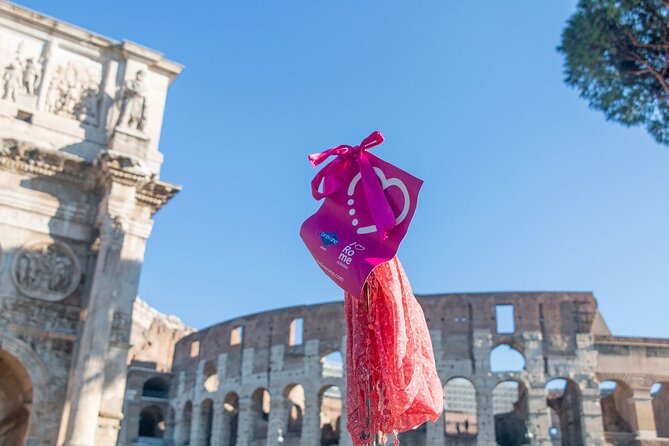
- Meeting details require care: Look for Gray Line I Love Rome staff and pink flags, and check your final time and location before leaving.
- Strongest for active sightseers: Comfortable shoes, moderate fitness, and tolerance for sun or rain are essential.
What this Ancient Rome tour actually covers
This is a guided walking tour lasting about three hours. You make your own way to the meeting point, join a group of no more than 20, receive your headset, and enter the archaeological area with a professional guide.
The usual route covers roughly one hour at each major stop. That sounds generous on paper, but Ancient Rome is spread out, and the sites demand plenty of walking between talking points. You get a useful first introduction rather than a slow, exhaustive archaeological study.
That distinction matters. If you want the main story, the major monuments, and help understanding what you see, this tour is a sensible choice. If you want to linger over every arch, inscription, and broken column, you may feel hurried.
The English tour uses a wireless audio system. That is a real help near the Colosseum, where voices compete with crowds and city noise. Still, one headset issue was reported, and reception can weaken in some brick-lined areas. Stay close to the guide and speak up quickly if your equipment is not working.
More Walking Tours in Rome
- Rome: Trastevere & Campo de Fiori Street Food Walking Tour
★ 4.9 · 2,768 reviews - Rome: Paranormal Night Walking Tour & Secret Backstreets
★ 4.9 · 1,921 reviews - Rome by Night Walking Tour – Legends & Criminal Stories
★ 4.5 · 1,003 reviews
Palatine Hill and the first view of Rome
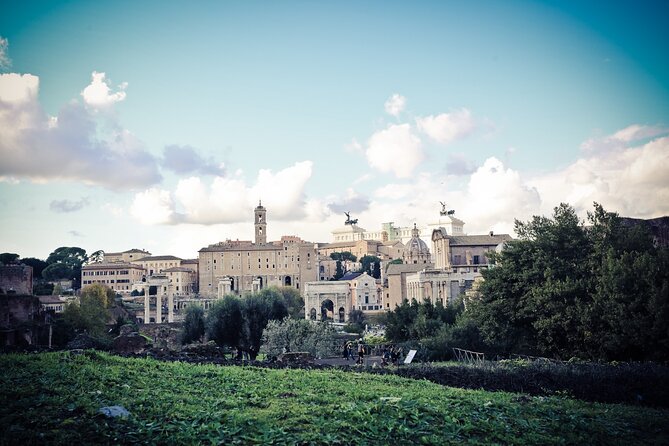
The tour begins at Palatine Hill, one of Rome’s seven hills and one of the oldest parts of the city. This open-air archaeological area gives you a strong first look at Rome’s layered past, with ruins spread across slopes, paths, and grassy spaces.
The hill is tied to the famous story of Romulus and Remus, who were said to have been kept alive by a female wolf. A good guide can use that legend as a doorway into the difference between Roman storytelling and historical evidence. Alessandra was praised for separating widely repeated myths from documented facts, a useful skill at a site where legend is never far away.
Palatine Hill also helps you understand the city’s geography. From the high ground, the Forum and nearby monuments make more sense than they do from street level. You begin to see Ancient Rome not as a pile of isolated ruins, but as a working city arranged around political, religious, and imperial power.
The downside is the terrain. Paths can be uneven, and the hill includes slopes and stairs. On a hot afternoon, the exposed sections can feel strenuous. One group described the walk as much harder than expected in humid weather, while another noted that the pace was steady and manageable with proper shoes.
You will want water, a hat, sunscreen, and shoes with firm soles. Food and drinks are not included, so carry what you need before entering the archaeological area.
Entering the Colosseum with reserved admission
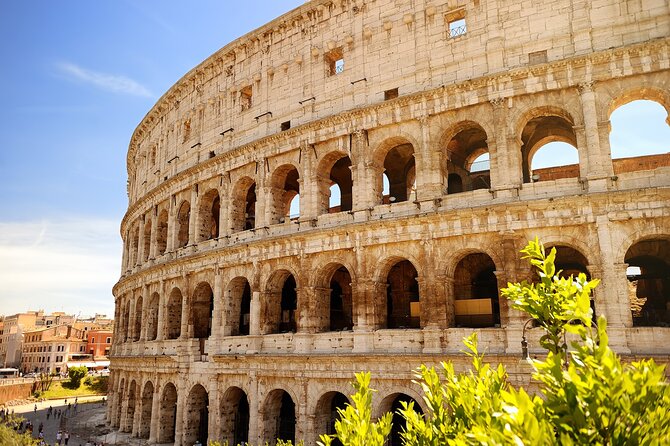
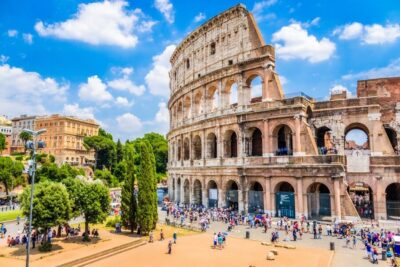
The Colosseum is the tour’s headline stop, and the reserved entry is one of its strongest practical features. The admission ticket is included, along with the stated reservation fee. The listed ticket value is €18 per person, with €2 for the reservation, though the total tour price also pays for the guide, headsets, coordination, and other services.
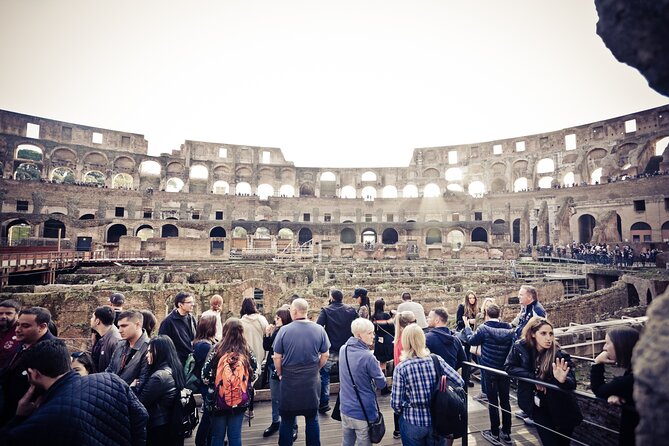
Inside, your guide explains how the Flavian amphitheater was developed in AD 70 to 80, long before modern engineering. The structure could hold as many as 80,000 spectators, an astonishing figure that becomes easier to grasp when you consider the building’s scale, entrances, seating levels, and crowd movement.
This is where a guide adds real value. Without context, you see weathered stone and open walls. With an explanation of the arena’s design and public role, you can picture the Colosseum as a carefully organized venue built for huge crowds and elaborate entertainment.
The most highly praised guides bring energy to this part of the visit. Alicia was described as attentive and generous with time for questions and photographs. Emanuel was praised for answering questions about construction, while other guides, including Alessio and Heather, were singled out for making a large amount of information easier to follow.
The quality can vary with the individual guide. One guide delivered solid facts in a flat tone, and another group found it difficult to hear when the party spread out. A group of 20 is still small enough to manage, but you may need to position yourself near the guide at each stopping point.
The tour may focus more on architecture and structure than on the details of daily entertainment. If you are especially interested in the spectacles held inside the arena, ask questions early rather than waiting until the last few minutes.
The Roman Forum, where public life happened
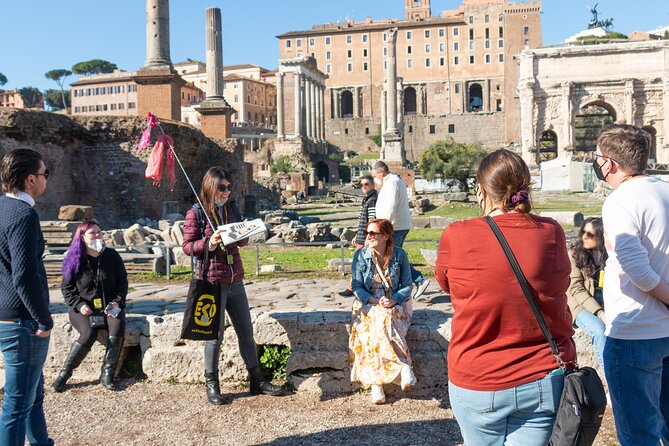
The final major stop is the Roman Forum, once the center of political and religious life in Ancient Rome. This is the part of the visit where a guide’s storytelling can make the biggest difference.
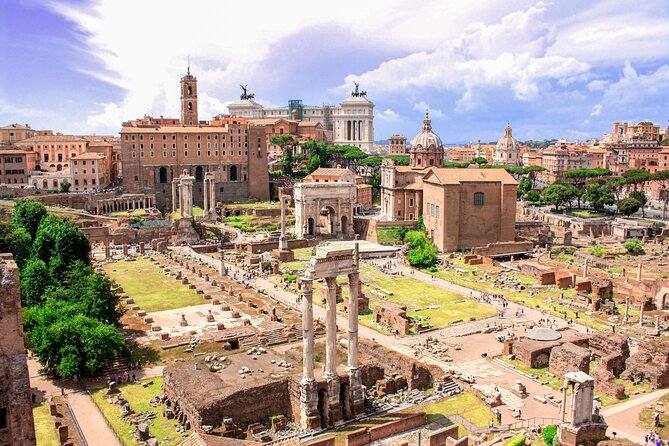
The Forum is a wide field of foundations, columns, temples, roads, and fragments. On your own, it can be difficult to tell which remains mattered most or how the spaces related to one another. Guided commentary gives you a framework for the Temple of Julius Caesar, the House of the Vestal Virgins, and other key remains.
The Forum was gradually buried after the fall of the Roman Empire. Its location was known by the 16th century, but serious excavation began only in the 20th century. That long gap between ancient use and modern excavation explains the site’s broken, partial appearance.
I like ending here because the Forum pulls the separate pieces together. Palatine Hill shows the city’s high ground and imperial residences. The Colosseum shows mass entertainment and engineering. The Forum shows the machinery of public life, including religion, politics, ceremonies, and administration.
The final section can feel rushed if the group is moving on schedule. One guide extended the visit to show extra parts of the Forum, while another group felt that more time could have been spent on the practical workings of Roman entertainment and daily life. You may be able to remain in the Forum after the guided portion ends, with the tour finishing near Via dei Fori Imperiali.
More Rome walks with a guide:
- Rome: Guided City Center Evening Sightseeing Walking Tour
★ 4.4 · 953 reviews - Best of Rome Walking Tour including Trevi Fountain
★ 4.5 · 923 reviews - Rome: Under the Moonlight Evening Walking Tour
★ 4.8 · 852 reviews - Rome: Forbidden History Walking Tour & Pub Crawl with Drinks
★ 4.9 · 688 reviews
How hard is the walk?
Take the physical warning seriously. The tour involves hills, stairs, uneven surfaces, and medium-hard flooring across an archaeological area. It is not recommended for people with impaired mobility, and a moderate level of fitness is expected.
You do not need to be an athlete. You do need to be comfortable walking for several hours in exposed conditions and keeping up with a group. The pace has been described as steady or swift, depending on the guide. Several guides were praised for checking on the group and adjusting when possible, but you should not count on long rest periods.
Heat is the main challenge in warmer months. Afternoon departures can be especially demanding, and shade is limited in parts of Palatine Hill and the Forum. One guide, Alessandra, made a point of finding shade for the group during a very hot visit. That sort of care is valuable, but sensible preparation matters more.
Wear supportive shoes, bring water, and plan for rain or sun. The tour runs in both conditions. If stairs and uneven ground are difficult for you, a shorter or more accessible sightseeing option may be a better fit.
Meeting point problems and how to avoid them
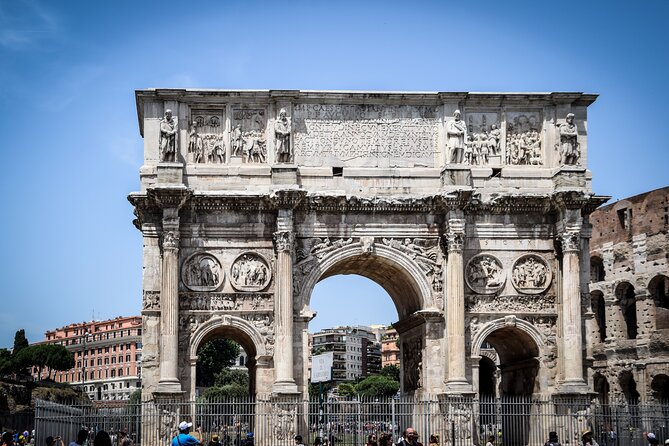
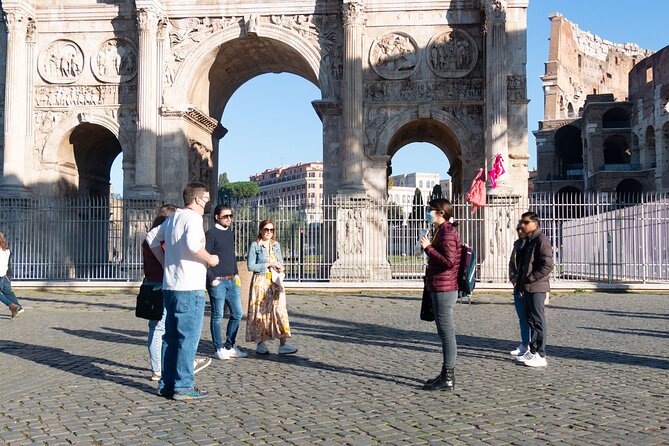
The meeting arrangements deserve careful attention. The listed starting location is on Via delle Terme di Tito, near the Colle Oppio area and the Arch of Constantine. From April 1, 2025, the meeting point is specified as Colle Oppio Park, at Via delle Terme di Tito and the corner of Via Nicola Salvi, inside the park.
The area around the Arch of Constantine is crowded with tour groups. Look for Gray Line I Love Rome staff and pink flags, not just a Viator sign. The booking platform and the local operator can use different names, which has caused confusion.
Meeting instructions have also changed for some departure dates. A few people arrived at an older location after receiving outdated messages, while others found the staff quickly once they knew to look for the pink flags. The safest plan is to check your latest confirmation and messages on the morning of the tour.
Allow extra time. Do not arrive at the last minute and assume you can sort out the location while the group is leaving. Security can also delay entry, and the Colosseum requires a valid passport or ID document matching the full name supplied at booking.
The tour start time changes by season. The listed schedule is 2:30 PM from April 1 through October 25, and 1:30 PM from October 26 through March 31, with dates subject to the stated seasonal calendar. Confirm your exact departure time before setting out.
How much value do you get for $71.65?
At $71.65 per person, this is not a bargain-basement entry ticket. It is also more than a simple walk to the Colosseum gate. Your price includes the Colosseum ticket, the €2 reservation fee, a professional guide, wireless headsets, and organized access to the Forum and Palatine archaeological area.
The value depends on how much help you want. If you already know Ancient Roman history and prefer to explore alone, you could find the price high. If this is your first visit, the guide can save you from trying to decode a huge ruin field on your own.
Reserved admission is useful in Rome, where queues and security checks can consume valuable time. The guide also handles the route and gives structure to three major sites that can otherwise blur together.
The tour is booked well ahead, often around two months in advance. That suggests you should not wait until the day before if your schedule is fixed. Free cancellation is available until 24 hours before the start time, but changes or cancellations inside that period are not accepted for a refund.
Which guides and guiding style suit you best?
The strongest feedback centers on clear explanations, personal attention, and helpful pacing. Alicia called ahead to make sure a father and son could find the meeting point. Vanya was praised for watching out for the group. Novela involved children in the discussion, and Heather combined humor with a careful eye for group needs.
Alessandra appears more than once among the praised guides. She was credited with explaining myths versus facts, finding shade, answering questions, and keeping the experience welcoming in difficult heat. Egle was praised for a clear pace and for making sure everyone could see from different locations.
That does not guarantee a particular guide. Your guide is assigned by the operator, and the style may range from lively storytelling to a more formal presentation. Accents and headset sound can also affect how easy the commentary is to follow.
Stay near the guide, especially at viewpoints and narrow paths. If you lose the group, stop and contact the guide rather than continuing ahead. One group had to pause while missing people were found, which shows why a little attention to the group matters.
Who should book this tour?
This experience suits you best if you are visiting Rome for the first time and want the main Ancient Rome sites explained in one half-day. It is also useful if you prefer a clear route, reserved Colosseum admission, and a guide who can connect ruins to Roman politics, religion, engineering, and public life.
Families can do well here if children are comfortable walking and listening. One guide made a point of involving children, but the pace and terrain may still be tiring for younger kids.
Architecture, archaeology, and ancient history fans will find plenty to enjoy. The tour puts the buildings and ruins in context instead of leaving you with photographs and disconnected facts.
It is less suitable if you need a relaxed pace, step-free access, or long periods of quiet exploration. The group may move quickly, and crowded viewpoints can make it hard for everyone to linger.
My booking advice
I would book this tour for a first visit, provided you prepare for the walking and confirm the meeting details. The route covers the essential Ancient Rome sights, the reserved entry removes one major hassle, and the best guides make the ruins understandable rather than merely impressive.
Before booking, compare the price with your interest in guided history. You are paying for structure, commentary, headsets, and coordination, not just admission. Bring ID, wear proper shoes, check the seasonal start time, and search for Gray Line I Love Rome pink flags at the updated meeting area.
If you want a calm, highly detailed archaeological visit, choose a longer private or specialist tour instead. If you want a practical introduction that gets you inside the Colosseum and across the Forum in about three hours, this is a solid choice with a few avoidable organizational wrinkles.
FAQ
How long does the Ancient Rome Guided Walking Tour last?
The tour lasts approximately three hours. The planned route allows about one hour each for Palatine Hill, the Colosseum, and the Roman Forum.
Which sites are included?
The tour includes Palatine Hill, the Colosseum, and the Roman Forum. Admission to the Colosseum and the archaeological area is included.
Is the Colosseum ticket included in the price?
Yes. The package includes a Colosseum entrance ticket valued at €18 per person and a €2 reservation fee, along with the guided service and audio equipment.
What should I bring to the tour?
Bring a valid passport or ID document matching the full name used at booking. Wear comfortable shoes and prepare for rain or sun, since the archaeological area includes hills, stairs, and hard or uneven surfaces.
Where does the tour meet?
The meeting point is on Via delle Terme di Tito in the Colle Oppio area. From April 1, 2025, the specified location is inside Colle Oppio Park, at Via delle Terme di Tito and the corner of Via Nicola Salvi. Look for Gray Line I Love Rome staff and pink flags.
Can I cancel for a refund?
You can cancel at least 24 hours before the experience start time for a full refund. Cancellations or changes made less than 24 hours before the start are not accepted for a refund.
Recently reviewed around Rome
- Ancient Rome at Twilight Walking Tour★ 5.0 · 276 reviews
- Domus Aurea Guided Tour: The Golden House of Nero★ 4.5 · 199 reviews
- Early Vatican Museums & Sistine Chapel Small Group Tour★ 4.5 · 314 reviews
- Early Vatican Museums Tour: The Best of the Sistine Chapel★ 4.5 · 900 reviews
- Jewish Ghetto & Piazza Navona: Food, Wine & Sightseeing Rome Tour★ 5.0 · 460 reviews
- 3 Days in Sorrento, Capri & Pompeii: la Dolce Vita★ 4.0 · 595 reviews
- Tivoli Villas Full Day Trip From Rome with Lunch★ 4.0 · 443 reviews
- Rome Pasta Making Class with Italian Sauces and Wine Included★ 5.0 · 645 reviews
Colosseum & Roman Forum Tours, compared.
Colosseum, Roman Forum & Palatine Guided Tour
Read our review →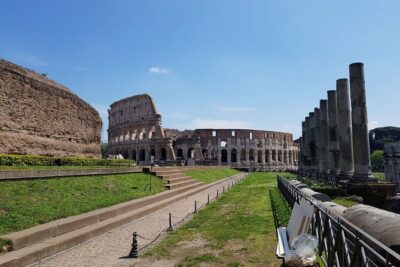
Colosseum, Palatine Hill and Roman Forum Guided Tour
Read our review →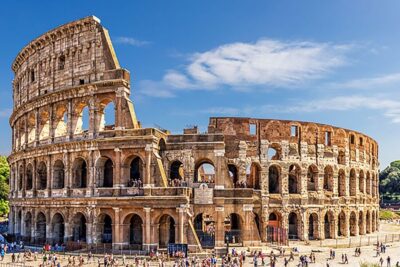
Guided Tour of Colosseum, Roman Forum & Palatine Hill
Read our review →
Colosseum & Forum with Audio Guide App -Optional Arena
Read our review →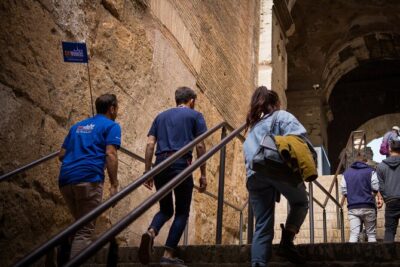
Colosseum, Roman Forum and Palatine Hill Guided Tour
Read our review →
Colosseum, Roman Forum, Palatine with Multimedia Video
Read our review →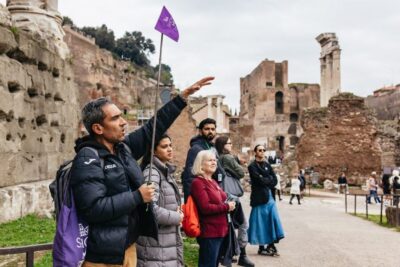
Colosseum, Palatine Hill & Roman Forum Guided Tour
Read our review →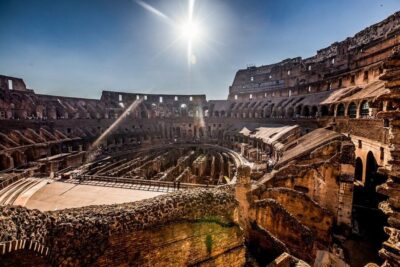
Colosseum: Underground and Ancient Rome Tour
Read our review →Browse the lists this tour appears in