
Review · FOOD & DRINK
From Carrara: Marble Quarries Jeep Tour with Lardo Tasting
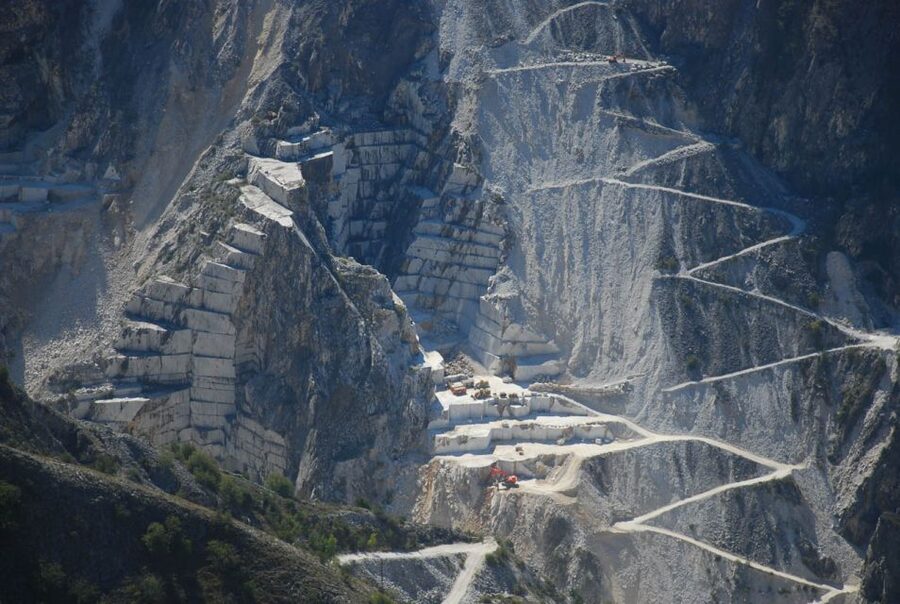
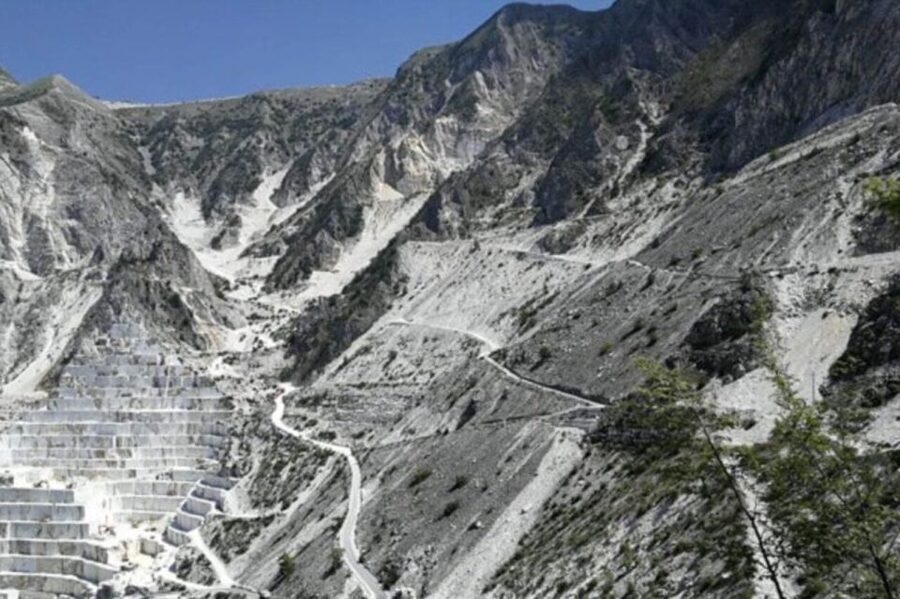
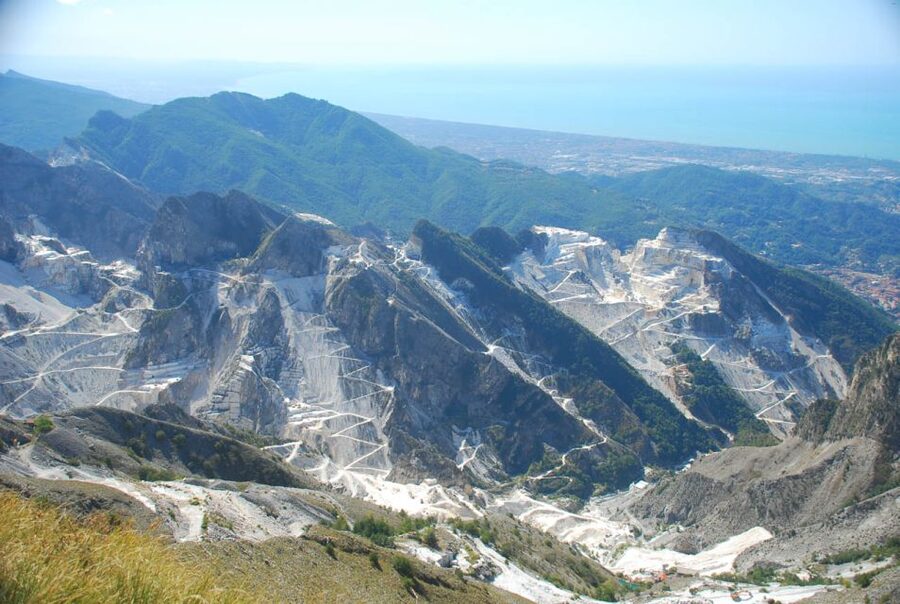
Carrara’s marble quarries are not a polite museum display. They are huge wounds cut into the Apuan Alps, bright white against the gray rock, with roads climbing toward working quarry sites. This three-hour Jeep tour reaches quarries as high as 1,000 meters, including an indoor quarry where you can see the mountain from the inside.
I like two things right away. First, you learn how quarrying changed from Roman handwork to modern cutting methods, so the marble feels like more than a pretty stone. Second, the Lardo di Colonnata tasting connects the hard life of the quarry workers with a local food still made today.
The main caution is sound and language. The back seats can be hard to hear, and a multilingual tour may give some explanations in another language. If clear commentary matters to you, ask for the language you prefer when booking.
In This Review
- Key points to know before you go
- Why Carrara marble is worth leaving Tuscany’s usual route
- Meeting in Carrara and climbing toward the quarries
- Seeing the outdoor quarry faces
- Going inside the mountain
- Understanding Michelangelo’s Carrara connection
- Tasting Lardo di Colonnata at the lard factory
- Timing, languages, and group size
- Is the tour good value?
- Who should book the Carrara quarry Jeep tour?
- Should you book it?
- FAQ
- How long does the Carrara marble quarry tour last?
- Where does the tour meet?
- What languages are available?
- How many people are in the group?
- Does the tour visit an indoor quarry?
- Is Lardo di Colonnata included?
- What should I bring?
Key points to know before you go
- Michelangelo’s marble source: See the quarry area selected for marble used in his sculptures.
- Indoor and outdoor quarry views: The route can include both open quarry faces and the striking interior of the mountain.
- A ride with a purpose: The off-road vehicle handles the steep road to sites high above Carrara.
- Roman to modern methods: Your guide explains how workers have cut and moved marble across the centuries.
- Lardo di Colonnata tasting: Visit a lard producer and sample the food once central to the cavers’ diet.
- Small-group setting: The tour is limited to eight people, with English, Italian, and French available.
Why Carrara marble is worth leaving Tuscany’s usual route
Many Tuscany excursions lead you to churches, piazzas, vineyards, and hill towns. Carrara offers something rougher and more industrial. Here, the mountain itself is the attraction, and the white stone has shaped sculpture, architecture, work, and local cooking.
The quarries are linked to Michelangelo, who selected Carrara marble for major works. That connection gives the tour an obvious artistic pull, especially if you care about sculpture. But you do not need to be an art specialist to enjoy it. The scale of the quarrying is enough to make an impression.
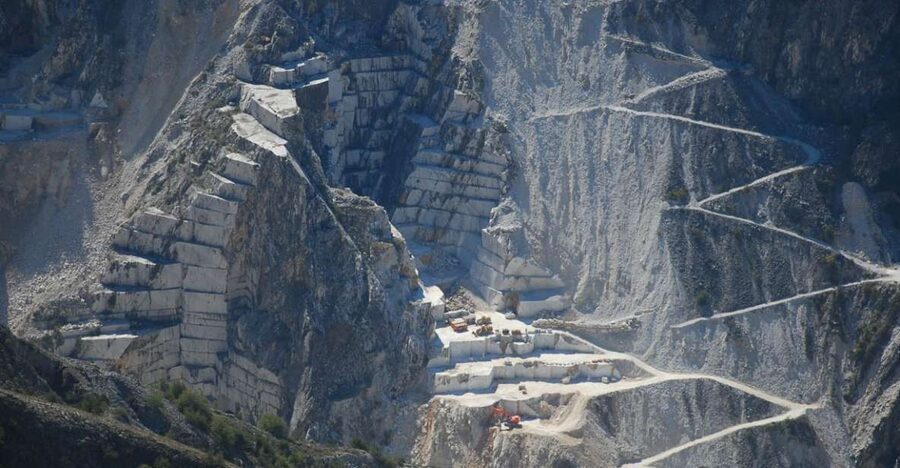
I find the best part is the contrast. Marble is often presented as a smooth, finished object in a church or museum. In Carrara, you see the source: raw blocks, cut rock, steep quarry roads, and pale stone spread across the mountainside. The tour helps you connect the finished statue with the difficult work that came first.
The setting also gives you a useful reminder about materials. A block of Carrara marble may become a masterpiece, a building detail, or a souvenir, but it begins as part of a mountain. Seeing the extraction site makes Michelangelo’s choice feel practical as well as artistic.
More Food Tours in Pisa
- Full day shore excursion to Florence and Pisa from Livorno with tasting
★ 4.5 · 968 reviews - Livorno: Florence & Pisa Shore Excursion with Food Tasting
★ 4.6 · 952 reviews - Lucca: Guided Winery Tour with Wine Tasting
★ 4.7 · 611 reviews
Meeting in Carrara and climbing toward the quarries
The stated meeting point is Piazza Vittorio Veneto, in front of the Stadium, with departures at 9:30 a.m. and 2:30 p.m. The coordinates are 44.06465148925781, 10.074934005737305. You should arrive with enough time to find the stadium area and meet the guide before the vehicle leaves.
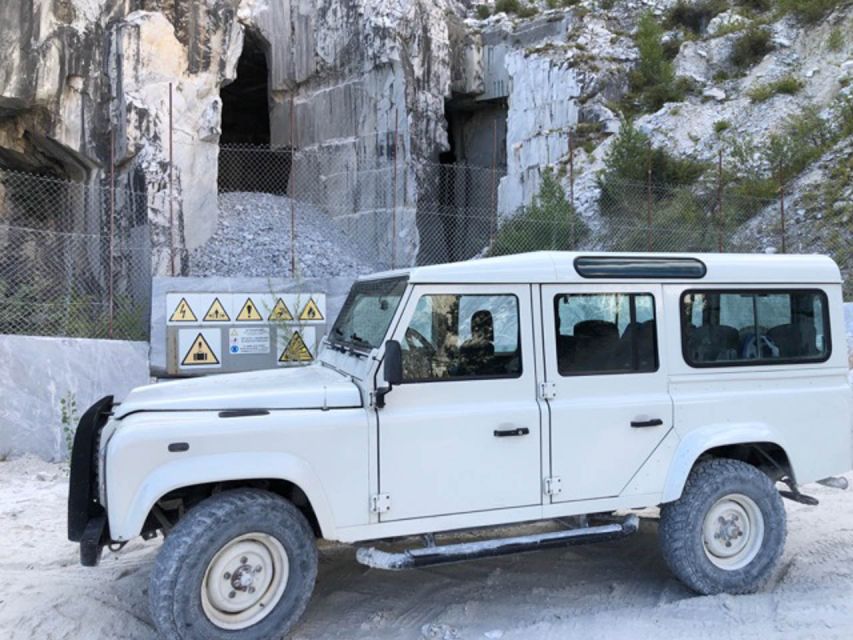
The off-road vehicle is not just a stylish way to get around. The quarries sit above the town, and the route climbs on steep mountain roads. The ride is part of the experience, giving you a sense of how difficult it is to reach the sites and move heavy marble down from them.
The vehicle is limited to eight participants, which is a useful size for a tour that depends on conversation. Guides such as Luca, Lucca, Manuela, Beatrice, Giorgio, Tomas, and Lavinia have led this experience at different times. The strongest reports consistently single out the guides for clear explanations, friendly manners, and confident driving.
That last point matters. A quarry tour needs more than a driver who knows the road. You want someone who can explain what you are seeing without making the steep climb feel like a simple transfer. Luca, in particular, has been praised for both his explanations and his driving, while Beatrice and Manuela have also made strong impressions as guides.
Wear comfortable clothes. The information provided does not call for special equipment, but this is an outdoor mountain outing with quarry stops, not a formal city walk. Practical clothing will serve you better than anything delicate or dressy.
Seeing the outdoor quarry faces
The first major reward is the scale of the outdoor quarries. From the mountain roads, you can look across enormous cut faces and see how much rock has been removed. At heights reaching about 1,000 meters, the views are an important part of the trip, not a minor backdrop.
The exact number of photo stops can vary. One useful point to keep in mind is that some people would like more time for pictures. The route covers several elements in only three hours, so you may need to take your best photographs quickly rather than expect long scenic pauses.
The quarry scenery is also active rather than frozen in the past. Depending on the day and operating conditions, you may see evidence of current cutting work. One account describes seeing marble being cut from fairly close range, while another notes that a holiday shutdown meant the mine was not operating but the interior could still be visited.
That uncertainty is worth understanding. Quarry work, holidays, strikes, and site conditions can affect what is happening on the day. The mountain and its cut faces remain impressive, but a working demonstration should be considered a possible bonus, not a promise.
Your guide explains how the methods changed from the Roman era to modern extraction. This is one of the tour’s most useful features because it gives the views a timeline. Instead of seeing only a white quarry, you begin to notice the difference between older working methods and the cleaner, more mechanical cuts made today.
The guide also helps connect Carrara with the wider world. One group discussed mining and excavation in the United States, including the construction of the Crazy Horse monument. That kind of comparison is valuable because it shows that quarrying is not simply local folklore. The same basic questions appear in major stone projects everywhere: how to cut, move, shape, and use enormous pieces of rock.
Going inside the mountain
The indoor quarry is the moment many people remember most. Outside, the quarry looks like a vast industrial cut in the mountainside. Inside, the scale changes. You are surrounded by marble rather than looking across an open valley toward it.
The interior is not described as claustrophobic, and one account specifically says the experience felt safe and comfortable. Still, anyone uneasy in enclosed spaces should consider that this portion takes place inside the mountain. The experience is short enough to fit into the wider route, but it changes the mood from open mountain views to close walls of stone.
I like that this tour can include both indoor and outdoor quarry areas. A route that visits only an overlook gives you the grand view but not the physical sense of the excavation. A route that focuses only on an interior site misses the scale of the mountain. Here, the two settings work together.
If the quarry is operating, you might see cutting activity. The sight of marble being worked, rather than merely displayed, makes the process easier to understand. If operations are paused, the interior still shows you the material in place and gives you a better idea of how the mountain has been opened.
Ask questions as you go. The small group helps here, although the back seats may not be ideal for hearing every word. If you are seated at the rear, move closer when the vehicle stops, and tell the guide if you missed an explanation.
More Pisa & Lucca food and drink outings:
- Lucca: Wine Tasting Experience – Tenuta Adamo Winery
★ 5.0 · 400 reviews - Bolgheri: Classic Wine Tasting with Winery Tour
★ 4.5 · 325 reviews - Pisa’s Ultimate Food Tour: Full Tuscan Meal by Do Eat Better
★ 5.0 · 263 reviews - Lucca Bikes and Bites with food tastings for Small Groups or Private
★ 5.0 · 249 reviews
Understanding Michelangelo’s Carrara connection
The Michelangelo connection is a strong reason to book, but it should be placed in context. The tour does not turn into a full study of Michelangelo’s life or a museum visit. Instead, it shows you the source of the material he chose for his sculptures and explains why Carrara marble became so important.
That approach works well. You are not simply told that a famous artist used the stone. You see the quarry, the color, and the scale of the material before it was shaped by a sculptor. For anyone who works with stone, studies art, or has admired Michelangelo’s work, this can be a particularly meaningful stop.
A sculptor on the tour described the experience as a dream come true, and that makes sense. For other visitors, the connection may be less personal, but the visit still adds depth to the story of the marble. You begin to see art history as part of a chain that includes miners, drivers, cutters, traders, and local families.
This is also a good choice if you have already spent plenty of time inside Italian churches and museums. It gives you the working side of culture. Instead of only admiring the finished object, you see the place and labor behind it.
Tasting Lardo di Colonnata at the lard factory
After the quarry portion, the tour visits a lard factory for a tasting of Lardo di Colonnata. Lardo is cured pork fat, traditionally associated with the quarry workers’ diet. In this setting, it is not a random food sample added to fill time. It reflects how people who worked in hard mountain conditions used local food to sustain themselves.
The tasting is generally a compact part of the outing, not a full meal. You have enough time to sample the lardo, order a beverage, and look at souvenirs. If you enjoy regional food, this gives you a direct taste of Colonnata rather than a generic Tuscan snack.
The flavor will not appeal to everyone. Lardo is rich and unusual if you are accustomed to leaner cured meats. I would treat the tasting as a chance to try a local specialty, not as a reason to book the quarry tour by itself.
You may also find reasonably priced items to take home if you like the taste. The food stop adds a human touch to the quarry story. Workers needed food suited to their work, and the product remains a recognizable part of the Carrara area.
The tasting also keeps the day from becoming too technical. The quarry explanations focus on stone, tools, routes, and history. The food stop shifts attention to local life and gives you a chance to sit, have a drink, and browse.
Timing, languages, and group size
The experience lasts three hours, with a morning departure at 9:30 and an afternoon departure at 2:30, subject to availability. This is long enough to reach the quarries, spend time at the main stops, visit the lard factory, and return without giving up an entire day in Tuscany.
The duration makes the tour useful for several types of itineraries. You can fit it into a short stay in Carrara, pair it with other plans in the area, or use it as an excursion during a port visit if your timing works. Some guides have accommodated drop-offs near a train station or cruise port, but the confirmed meeting point is the stadium in Carrara, so you should not assume a special transfer unless arranged directly.
Tours are offered in English, Italian, and French. A multilingual group can be less smooth because explanations may be split between languages. One person felt that some extra information was missed when the guide spoke Italian to another participant, even though a translator helped.
This is the clearest practical weakness in an otherwise strong format. If you want every detail in English, Italian, or French, confirm the language before reserving. The small group helps, but it cannot fully solve a mixed-language presentation.
The group limit of eight is a real benefit. You have a better chance to ask about marble types, cutting methods, Michelangelo, or local food than you would on a large coach excursion. It also makes it easier to hear the guide when everyone gathers outside the vehicle.
Is the tour good value?
No price is supplied here, so I cannot judge it against a specific euro amount. I can judge what you receive for the fee: transport up the quarry roads, a live guide, access to outdoor and indoor quarry settings, explanations of Roman and modern extraction, and a Lardo di Colonnata tasting.
That is more useful than a simple scenic drive. You are paying for access and interpretation, not just transport. The driver’s ability to manage the climb is part of the value, and the guide turns what could be a confusing industrial site into a clear story.
For art lovers, the Michelangelo connection adds weight. For food-focused visitors, the lardo stop gives the trip a local flavor. For families or couples looking for something beyond churches and squares, the vehicle ride and mountain views offer a welcome change.
The value is lower if you want a long, slow photography session or a full meal. It is also less appealing if you dislike quarry machinery, steep roads, enclosed spaces, or cured pork products. The tour covers a lot in three hours, so it favors variety and context over lingering at one site.
Free cancellation up to 24 hours before the start and reserve-now, pay-later booking make it easier to fit into an uncertain schedule. Those policies are useful, but the main value still comes from the unusual access and the quality of the guide.
Who should book the Carrara quarry Jeep tour?
I would choose this for anyone interested in Michelangelo, sculpture, geology, mining, industrial history, or regional food. It also suits you if you have already seen the standard Tuscan sights and want an outing with more grit.
The tour works especially well for a small family group, a couple, or a solo visitor who wants to ask questions. Sculptors and art students will find the marble source especially meaningful, while casual sightseers can simply enjoy the scale and views.
I would hesitate if your priority is a quiet, polished sightseeing ride. The quarries are working places, and the experience can include road noise, uneven conditions, changing operations, and a busy timetable. If you sit in the back, you may have trouble hearing every explanation.
Bring comfortable clothes, arrive at Piazza Vittorio Veneto on time, and confirm your preferred tour language. Try the lardo even if you only take a small portion, and save room for a few minutes of souvenir browsing.
Should you book it?
Yes, if you want to see the source of Carrara’s famous marble rather than only admire finished sculptures. The indoor quarry, high mountain roads, Michelangelo connection, and lardo tasting give the three-hour trip a clear sense of place.
I would not book it solely for a guaranteed active cutting demonstration or a long series of photo stops. Quarry activity and timing can change, and the route moves at a steady pace. For most people, though, the combination of mountain scale, practical quarry history, and local food makes this one of the more distinctive things to do around Carrara.
FAQ
How long does the Carrara marble quarry tour last?
The tour lasts three hours.
Where does the tour meet?
Meet the guide at 9:30 a.m. or 2:30 p.m. in Piazza Vittorio Veneto in Carrara, in front of the Stadium. The listed coordinates are 44.06465148925781, 10.074934005737305.
What languages are available?
The live tour is available in English, Italian, and French.
How many people are in the group?
The experience is limited to eight participants.
Does the tour visit an indoor quarry?
The route can include an interior quarry as well as outdoor quarry areas. The indoor section lets you see the marble mountain from within.
Is Lardo di Colonnata included?
The tour includes a visit to a lard factory where you can taste Lardo di Colonnata, a traditional food associated with Carrara’s quarry workers.
What should I bring?
Bring comfortable clothes. The tour reaches quarry areas high in the mountains and uses an off-road vehicle.
Recently reviewed around Pisa & Lucca
- Pisa all inclusive: Baptistery, Cathedral and Leaning Tower guided tour★ 4.5 · 473 reviews
- Pisa: Beyond the Tower (1h round-trip tour)★ 5.0 · 238 reviews
- Best of Pisa: Small Group Tour with Admission Tickets★ 4.5 · 267 reviews
- Pisa’s Ultimate Food Tour: Full Tuscan Meal by Do Eat Better★ 5.0 · 263 reviews
- PRIVATE tour in Carrara marble quarries with 4×4 vehicles★ 4.5 · 233 reviews
- Tuscan Wine Tour in Lucca by van★ 5.0 · 200 reviews
- Lucca Bikes and Bites with food tastings for Small Groups or Private★ 5.0 · 249 reviews
- From Livorno to Pisa on your own with optional Leaning Tower Ticket★ 4.0 · 219 reviews
Food & Drink, compared.
Small-Group Wine Tasting Experience in the Tuscan Countryside
Read our review →
Tuscany & Montepulciano Day Trip with Lunch & Wine Tasting
Read our review →
Winner 2025 Rome Twilight Trastevere Food Tour by Eating Europe
Read our review →
SMALL-GROUP Wine Safaris: Tuscan Wine Tasting Tours from Florence
Read our review →
Winner 2025 Florence Sunset Food & Wine Tour by Eating Europe
Read our review →
San Gimignano, Siena, Monteriggioni, Chianti Day Trip with Lunch & Wine Tasting
Read our review →
Mount Etna Morning or Sunset Day Trip with Tasting
Read our review →Browse the lists this tour appears in