
Review · MUSEUMS
Genoa: The City of Children and Young Museum Entry Ticket
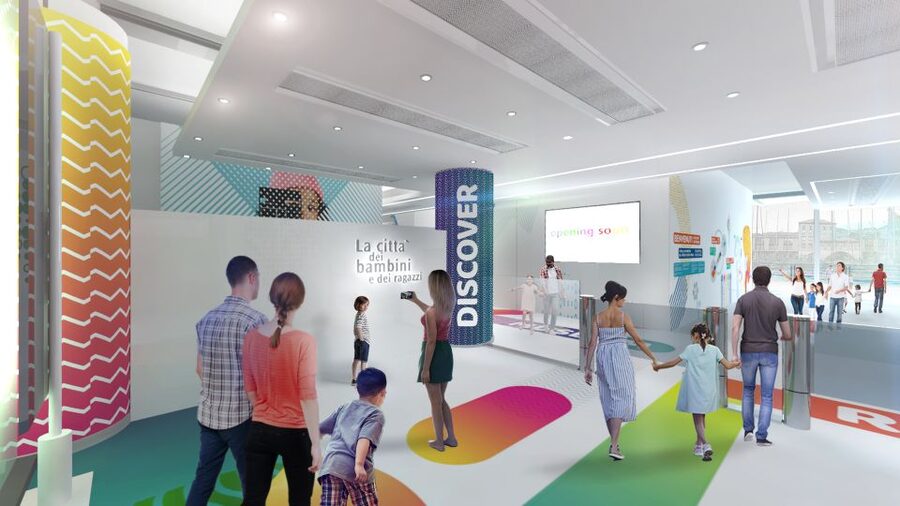
The most interesting part of Genoa’s City of Children and Young Museum is its focus on all five senses. Instead of walking past objects behind glass, you test sound, sight, touch, smell, and taste through bright displays, mirrors, optical illusions, and digital art.
I like the freedom to enter the five themed rooms in any order, and I like the way the museum gives families something to do together rather than asking children to be quiet and look. The main drawback is size: many families finish the core exhibits in about an hour, so the $14 ticket makes the most sense when you value hands-on play and plan to combine it with the Aquarium of Genoa.
In This Review
- Key points to know before you go
- What the museum is trying to do
- Starting on the ground floor beside the Aquarium
- The five rooms and the freedom to choose
- Smell, taste, and the science of your senses
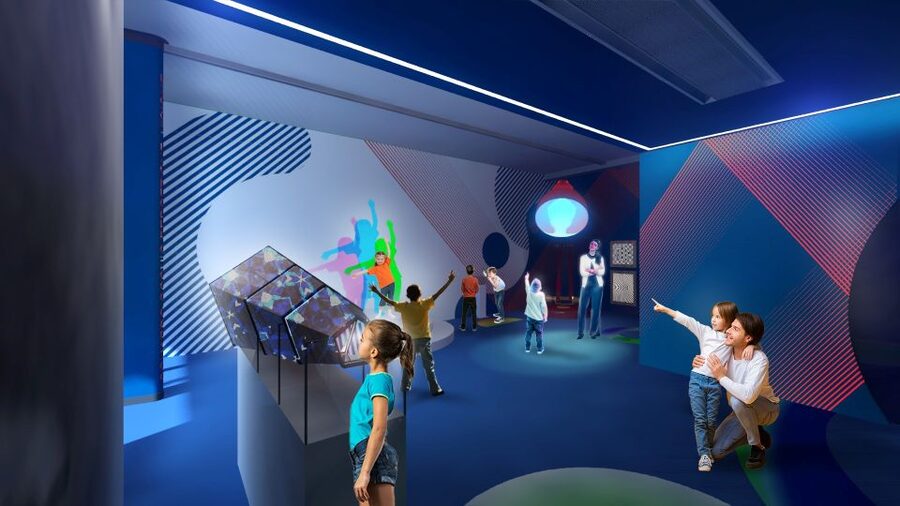
- Sound waves, mirrors, and optical tricks
- Photo props that turn the visit into a game
- The construction area and age fit
- How long the visit really takes
- Is $14 a fair price?
- Practical details for a smoother visit
- Who will enjoy this most?
- Should you book Genoa’s City of Children and Young Museum?
- FAQ
- Where is the City of Children and Young Museum?
- How long does a visit last?
- What does the ticket include?
- Can I visit the five rooms in any order?
- Is the museum wheelchair accessible?
- Can I cancel the booking for a refund?
- Are pets allowed inside?
Key points to know before you go
- Five senses are the theme: Expect displays about seeing, hearing, smelling, touching, and understanding taste rather than a traditional collection of art.
- You choose the route: The five interactive rooms can be visited in any order, so you can move at your own pace.
- The museum suits younger children best: Seven- and eight-year-olds can enjoy it, though some areas may feel better suited to slightly younger children.
- Allow about 90 minutes: The advertised visit lasts 1.5 hours, but some families may see nearly everything in less time.
- It shares a building with the Aquarium of Genoa: This makes it easy to pair the visit with another family attraction.
- It is wheelchair accessible: Wear comfortable shoes and clothes, and bring water. Pets are not allowed.
What the museum is trying to do

Genoa’s City of Children and Young Museum is built around discovery through play. The idea is simple: use your body and senses to understand how you experience the world.
That makes this a different kind of stop from an art museum or science display. You are not expected to stand back and absorb information from labels. You are encouraged to press, look, listen, smell, play, and compare what you notice with the people beside you.
I think that approach works best for families with children who learn by doing. It also gives adults a useful role. You can try the displays alongside your children, help them work out what is happening, and turn each room into a shared game instead of waiting on the sidelines.
The experience is self-guided. No guide name or fixed tour format is provided, and you can enter the rooms in any route you like. That freedom is helpful if one area is crowded or your child wants to spend longer with a particular display.
More Genoa & Cinque Terre museums and collections:
- Genoa: Impossible Museum Entry Ticket
★ 4.2 · 226 reviews - Genoa: Aquarium, Galata Museum and Submarine Entry Tickets
★ 4.6 · 190 reviews - Vatican: Museums & Sistine Chapel Entrance Ticket
★ 4.5 · 144,003 reviews
Starting on the ground floor beside the Aquarium
The museum entrance is on the ground floor of the same building as the Aquarium of Genoa. You show your ticket when you arrive, then begin the visit without a separate meeting point or transport arrangement.
This location matters when you are planning a family day in Genoa. You can place the museum before or after the aquarium, depending on your child’s energy. The two attractions have different rhythms: the museum asks children to interact with displays, while the aquarium offers a more traditional route through animal exhibits.
The ticket covers entry to the City of Children and Young Museum. It does not include aquarium admission, so check the combined cost before booking both. At $14 per person, the museum is not an expensive add-on by city attraction standards, but its short duration means you should think of it as a focused activity rather than a full-day outing.
The five rooms and the freedom to choose
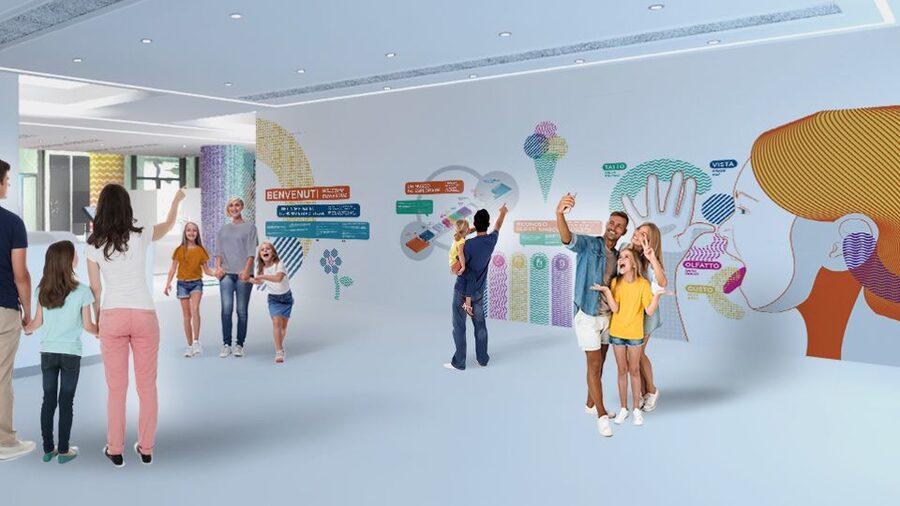
The heart of the visit is a set of five interactive themed rooms. The available information does not give each room a formal name, so you should think of them by the sense or activity they explore.
You can move through them in any order. That sounds like a small detail, but it helps with children. If your child is drawn to mirrors, construction, sound, or colorful props, you can follow that interest instead of forcing a set sequence.
The rooms are designed to make abstract ideas physical. Sound becomes something you listen to and test. Vision becomes shapes, reflections, and optical effects. Taste is presented through information about taste buds, while smell gets its own activity. Touch comes through eye-catching displays and hands-on play.
I would not expect five large galleries packed with dozens of exhibits. The museum is compact, and the quality of the visit depends on how much your family enjoys repeating activities, taking photos, and discussing what you notice.
Smell, taste, and the science of your senses
The smell activity is one of the more memorable parts of the visit. You get a chance to test your sense of smell rather than simply read about it. This can be a good way to draw children into the subject because the result is immediate: you either recognize a scent or you do not.
Taste is handled through information about taste buds and the way you experience flavor. Do not assume this means a meal or a series of food samples. The point is to understand taste as one part of your sensory system.
These rooms have value because they give children a way to connect everyday experiences with basic science. A child who has never thought about how smell affects food may begin asking questions here. I like that the museum turns familiar actions into small puzzles.
The displays can also work well for mixed ages. Younger children can guess and play, while older children can think about why people sense things differently. The museum does not appear to be built around a long academic lesson, so keep expectations realistic. It is playful learning, not a formal science class.
More Genoa & Cinque Terre trips worth a second look
- Genoa: Aquarium of Genoa Entry Ticket
★ 4.5 · 10,075 reviews - Genoa: Hop-on Hop-off Tour Ticket
★ 4.0 · 1,524 reviews - Genoa: Aquarium and FantaCinema Combined Ticket
★ 4.6 · 314 reviews - Genoa: Aquarium & Christopher Columbus’ House Entry Tickets
★ 4.4 · 258 reviews
Sound waves, mirrors, and optical tricks
The hearing section lets you listen to sound waves and interact with ideas that are normally hard to see. Sound can feel invisible and mysterious to children, so a hands-on display gives them something concrete to explore.
A workshop about hearing may also be offered during the visit. One family with children aged seven and eight found the hearing workshop especially useful because it introduced new ideas through interaction. Workshop departure times are announced regularly, so listen for the next session when you arrive.
The timing of these activities is important. A workshop can extend your visit and add more structure, but it may not run continuously. Ask at the entrance or pay attention to announcements so you do not miss one while moving between rooms.
The sight-based displays use shapes, reflections, and mirrors. This is the section most likely to produce playful photographs. Mirrors can make familiar spaces appear strange, and optical illusions give children a reason to stop and look twice.
You may find that these displays are more entertaining than educational in the formal sense, but that is not a flaw if you are looking for a family activity. The best moments often come when everyone tries to explain why an image appears to change or why a reflection looks different from what they expected.
Photo props that turn the visit into a game
The museum includes oversized and colorful props designed for interaction and photographs. A 3D nose and lollipop displays are specifically mentioned, along with other objects that invite you to pose.
These props are useful because they give children a simple goal in each area. Instead of moving through a room without direction, you can ask them to find the strangest object, create a funny photo, or choose the display they want to show someone at home.
The photos are part of the fun, but I would not book the museum only for social media pictures. The displays matter more as tools for play. Some props may be more appealing to younger children than to older children who want a greater challenge.
Bring a phone if you want pictures, but keep it secondary. You will get more from the museum if you take a few quick photos, then return to the activity itself.
The construction area and age fit
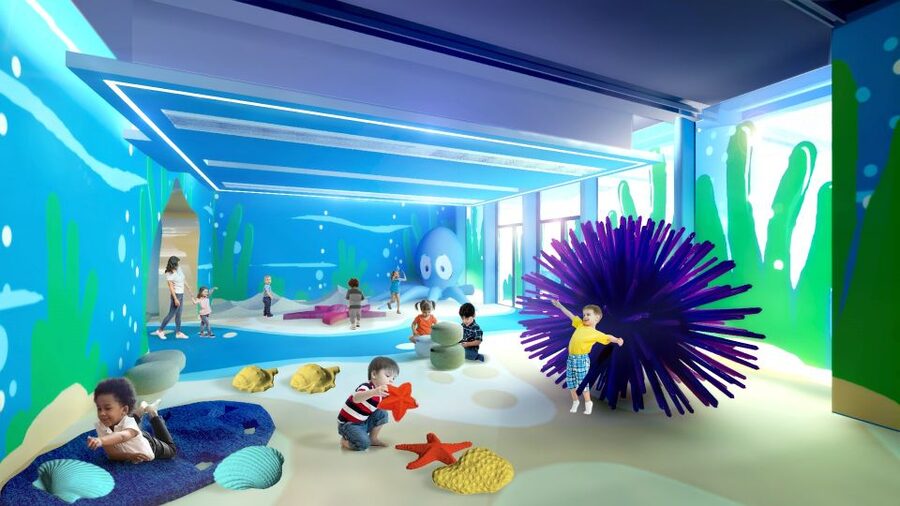
A construction area adds another kind of play. It gives children a chance to build rather than only look at digital or optical displays.
This area may be best for younger children. A family with seven- and eight-year-olds found it less suited to their age than the sensory rooms. That is useful guidance if you are visiting with older primary-school children. They may enjoy building for a while, but they could move on quickly.
The museum seems strongest for families with younger children and for groups with a mix of ages. Older children may still enjoy the mirrors, sound activities, photos, and unusual visual effects, but the visit may feel brief if they want complex experiments or a more detailed science program.
I would frame the museum as a playful introduction to the senses. It is not designed to replace a full science museum, and it does not offer the depth of a large exhibition.
How long the visit really takes
The stated duration is 1.5 hours. That is a sensible planning figure, especially if you want to try the rooms without rushing and wait for a hearing workshop.
Still, your actual visit could be shorter. One family expected two to two and a half hours, but had completed almost everything in less than an hour and only made another quick circuit afterward. That is the clearest warning about value.
Your timing will depend on your children’s ages, how long they spend with the construction area, whether you join a workshop, and how many displays they repeat. A younger child who wants to try every activity twice may stay longer than an older child who moves quickly.
I would reserve around 90 minutes in your day, but avoid building an entire afternoon around this museum. Pair it with the Aquarium of Genoa or another nearby activity. That way, a shorter visit feels like one part of a varied family outing rather than a disappointment.
Is $14 a fair price?
At $14 per person, the ticket is reasonably priced if you use the museum as a compact, hands-on break in Genoa. You are paying for participation, not a large number of rooms or a long guided program.
The value is strongest when your child enjoys sensory play and when adults are willing to take part. A family that spends 60 to 90 minutes testing displays, attending a workshop, and taking photos can get a pleasant outing for the price.
The value is weaker if you expect a large museum with many exhibits or a two-hour-plus schedule. The compact size means some families may feel they have seen everything quickly. If you are choosing between this and a larger attraction, consider your child’s age and attention span first.
A useful way to judge the cost is to ask what your family needs at that moment. If you want a weather-proof activity near the aquarium where children can move and experiment, $14 can be sensible. If you want a major cultural attraction with hours of content, this may feel expensive for the time.
Practical details for a smoother visit
Wear comfortable shoes and clothes. The experience involves walking between rooms and interacting with displays, so formal clothing or stiff shoes would be out of place.
Bring water, especially if you are visiting with young children. The museum is indoors, but active play can make a short visit feel surprisingly energetic.
The museum is wheelchair accessible, which makes it a practical choice for many families. Pets are not allowed, so make arrangements before arriving.
Cancellation is flexible: you can cancel up to 24 hours in advance for a full refund. You can also reserve now and pay later, which helps if your Genoa plans depend on weather or the timing of another attraction.
The booking information gives a duration and asks you to check available starting times. Confirm the time that fits your day, especially if you want to coordinate the museum with the aquarium.
Who will enjoy this most?
I would choose this museum for families with younger children who like to touch, test, and play. It is also a good option when you need a short indoor activity that does not require children to sit still.
Children around seven and eight can enjoy the sensory rooms and a hearing workshop, but they may find the construction area too young and finish sooner than expected. Older children may prefer the optical illusions and photo props, though the limited size could leave them wanting more.
Adults who enjoy joining in will get more from the ticket than adults hoping to supervise from a bench. The museum works best as a shared activity. Ask questions, try the displays yourself, and let your children lead you to the rooms that catch their attention.
Should you book Genoa’s City of Children and Young Museum?
Book it if you want a playful 90-minute stop focused on the five senses, especially if you are already visiting the Aquarium of Genoa. The smell activity, hearing workshop, mirrors, sound displays, and photo props give families several ways to play together.
Think twice if your children are older, if you expect a large museum, or if $14 feels high for an activity that may take less than an hour. For the right age group and a well-planned family day, it is a fun, practical addition to Genoa. Just keep your schedule flexible and pair it with another attraction.
FAQ
Where is the City of Children and Young Museum?
The museum is on the ground floor of the same building as the Aquarium of Genoa in Genoa, Italy.
How long does a visit last?
The stated duration is 1.5 hours. Some families may finish the main activities in less than an hour, while others may stay longer by repeating displays or joining a workshop.
What does the ticket include?
The ticket includes entry to the City of Children and Young Museum.
Can I visit the five rooms in any order?
Yes. You can enter and explore all five interactive themed rooms in whichever order you choose.
Is the museum wheelchair accessible?
Yes, the museum is wheelchair accessible.
Can I cancel the booking for a refund?
Yes. You can cancel up to 24 hours in advance for a full refund.
Are pets allowed inside?
No. Pets are not allowed.
Recently reviewed around Genoa & Cinque Terre
- Rafting Sesia★ 5.0 · 304 reviews
- Cinque Terre Sunset Boat Tour Experience★ 5.0 · 402 reviews
- Kayak experience with Carnassa Tour in Cinque Terre + Snorkeling★ 5.0 · 359 reviews
- Cinque Terre Sunset Cruise with Aperitif from Monterosso★ 5.0 · 258 reviews
- Cinque Terre Small Group or Private Day Tour from Florence★ 4.5 · 1,248 reviews
- Cinque Terre Private Boat Tour★ 5.0 · 202 reviews
- Private Tour to Cinque Terre from Florence★ 5.0 · 343 reviews
- Cinque Terre Sunset Tour by Boat★ 5.0 · 274 reviews
Museums, compared.

Vatican: Museums & Sistine Chapel Entrance Ticket
Read our review →
Vatican Museums & Sistine Chapel Tour with Optional Basilica
Read our review →
Vatican Museums, Sistine Chapel & St Peter’s Basilica Guided Tour
Read our review →
Skip-The-Line Uffizi Gallery Timed Entry Ticket
Read our review →
Vatican Museums, Sistine Chapel & Basilica Tour
Read our review →
Vatican Museums & Sistine Chapel Skip-the-Line Entry Ticket
Read our review →Vatican Museums, Sistine Chapel & Basilica Tour
Read our review →
Vatican Museums & Sistine Chapel Guided Tour
Read our review →Browse the lists this tour appears in