
Review · LAST SUPPER TOURS
Milan: Last Supper Guided Visit
Leonardo’s Last Supper is not simply a painting you walk up to and admire at your own pace. The museum allows only 15 minutes inside the refectory, so the best part of this visit is having an art historian prepare your eyes before you enter. I like the focused explanation of each apostle’s gesture and expression, and I like that the guide also explains Leonardo’s unusual painting methods and the mural’s fragile condition.
The main drawback is the price: $75 per person is a lot for a one-hour visit, especially since the actual time in front of the mural is tightly limited. Still, the guaranteed entry and expert context can make sense if regular tickets are sold out or if you want more than a quick look at one of Milan’s most important works.
In This Review
- Key points at a glance
- Why seeing the Last Supper takes planning
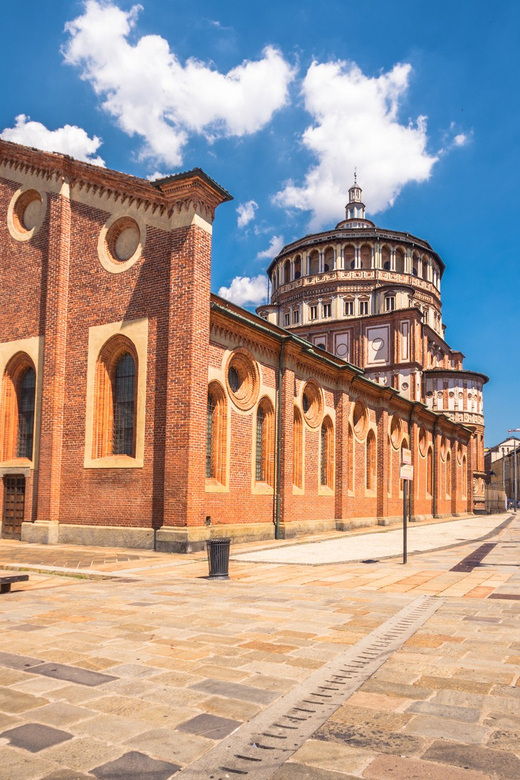
- Meeting at Santa Maria delle Grazie
- The one-hour format and the guide’s role
- Entering the refectory and meeting Leonardo’s apostles
- Why Leonardo’s painting method matters
- The bomb damage story and the opposite wall
- Is $75 good value?
- Who will get the most from this visit?
- Practical rules that can affect your visit
- How to make the 15 minutes count
- Should you book the Milan Last Supper guided visit?
- FAQ
- How long does the Last Supper guided visit last?
- Is the tour conducted in English?
- Where do I meet the guide?
- What is included in the price?
- What should I bring?
- Can I bring food, drinks, or a large bag?
- Can I cancel or pay later?
Key points at a glance
- Only 15 minutes inside the refectory: The short viewing period is set by the Last Supper authorities, not by the guide.
- Art historian-led visit: Guides including Gabriella, Sara Nuzzi, Lucia, Marica, and Katrina have received praise for clear explanations and lively storytelling.
- Leonardo’s technique takes center stage: Learn about perspective, gestures, expressions, and why the mural began deteriorating soon after it was completed.
- Skip-the-line entry is useful: You meet outside Santa Maria delle Grazie and avoid the regular ticket queue.
- WWII damage adds another layer: The building was bombed, but the two mural-covered walls survived.
- Practical and accessible: The tour is in English, includes headsets, lasts one hour, and is wheelchair accessible.
Why seeing the Last Supper takes planning
Milan’s Last Supper is one of those sights that requires more advance planning than you might expect. The mural is fragile, and the museum controls visitor numbers carefully. Your visit is not an open-ended museum stop. You enter at a fixed time, spend 15 minutes in the room, and then leave when the group’s slot ends.
That strict system can feel surprising if you picture yourself lingering for an hour in front of Leonardo’s work. You cannot. The upside is that the room does not become an uncontrolled crowd, and everyone gets a defined opportunity to see the mural.
I recommend booking well ahead, particularly if your Milan dates are fixed. One person who booked at the last minute described the cost as excessive, while another made the opposite calculation and found the tour worth paying for because regular availability can disappear. That is the key price question: you are paying not just for the guide, but for access to a sight that often sells out.
More Milan trips worth a second look
- Milan: Da Vinci’s Last Supper Guided Tour
★ 4.7 · 10,143 reviews - Milan: City Sightseeing Hop-On Hop-Off Bus with Audio Guide
★ 4.0 · 6,256 reviews - Milan: Guided Walking Tour & Last Supper Visit with Ticket
★ 4.7 · 5,409 reviews
Meeting at Santa Maria delle Grazie
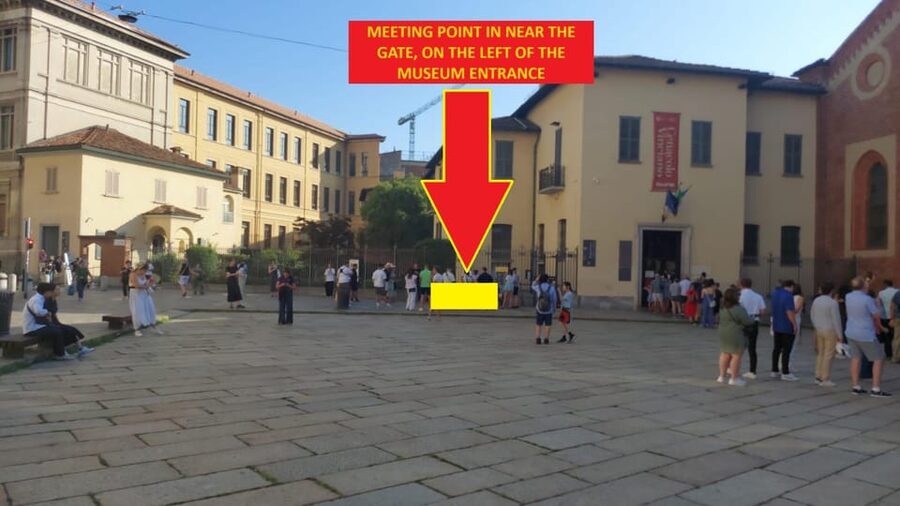
You meet your English-speaking guide outside the entrance to the Last Supper Museum, beside the UNESCO-listed Santa Maria delle Grazie church. Look for the only door in the square with flags above it and an orange Get Your Guide sign held by the local guide.
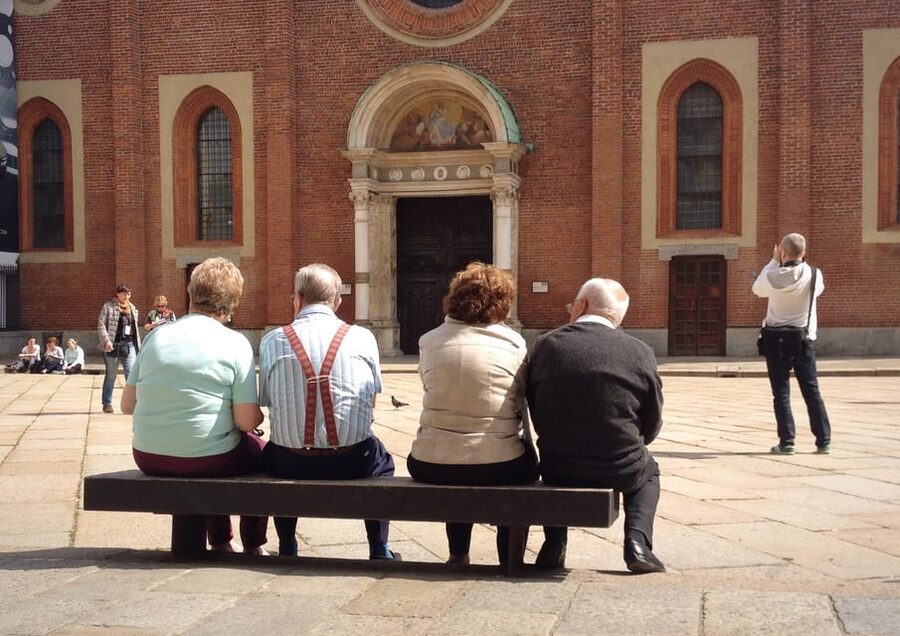
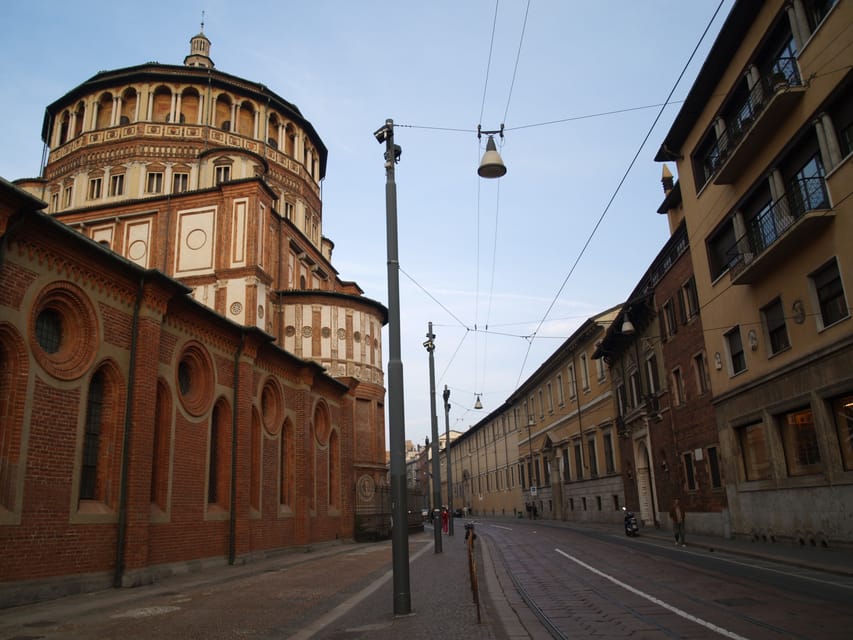
The meeting point is simple, but arrive with enough time to locate the door and your group. This is not a hotel pickup tour, so you make your own way to the church and museum. Santa Maria delle Grazie is worth noticing before or after the visit, though the tour highlights the basilica from the outside rather than offering a full church tour.
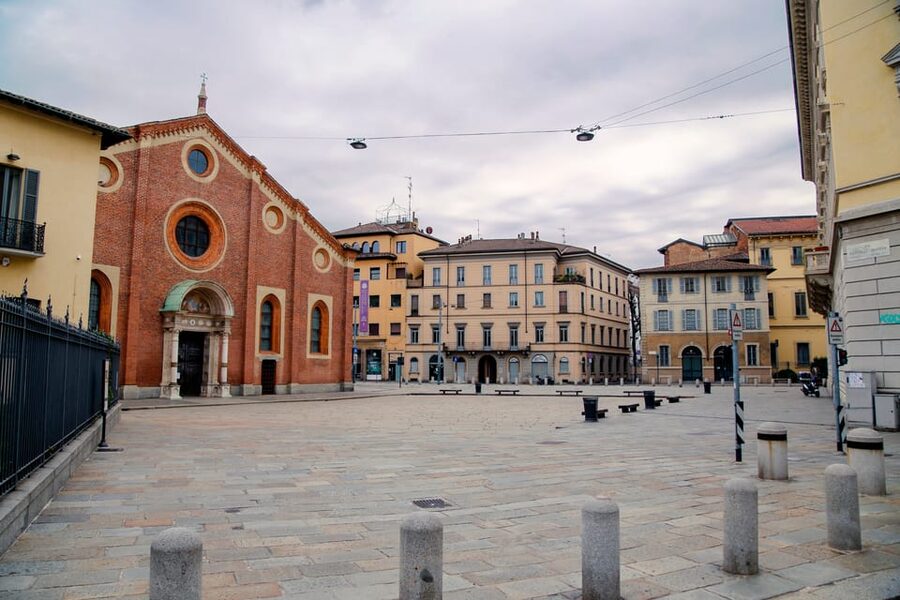
The surrounding setting helps place the mural in context. Leonardo painted the Last Supper for the refectory, or dining hall, of the Dominican convent. It was not originally made as a stand-alone gallery piece. Its subject and location were closely linked to the meal-taking space around it.
The one-hour format and the guide’s role
The full experience lasts about one hour. Much of the value comes before you enter the refectory, when the guide explains what you are about to see. That arrangement is smart because the 15-minute viewing period passes quickly.
Guides such as Gabriella have been praised for combining clear art instruction with humor and local Milan information. Sara Nuzzi has also been noted for explaining Leonardo’s background, the painting methods, and the damage caused by poor environmental conditions over time. Other guides named by visitors include Lucia, Marica, and Katrina.
Guide quality naturally varies from person to person, but the repeated strengths are clear: lively delivery, strong preparation, and an ability to explain the mural without turning the visit into a dry lecture. A good guide helps you notice relationships across the scene, rather than leaving you to stare at a large, familiar image and wonder what you are supposed to find.
The included headsets are useful, especially if your group is large or the room is busy. One person suggested that headset quality could be better, so do not expect perfect sound in every situation. Stay close enough to the guide and speak up quickly if you cannot hear.
Entering the refectory and meeting Leonardo’s apostles
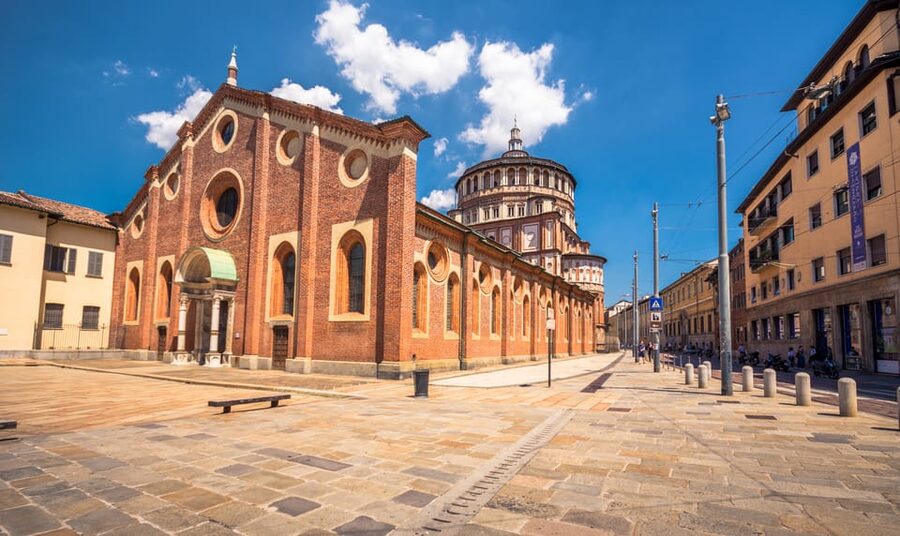
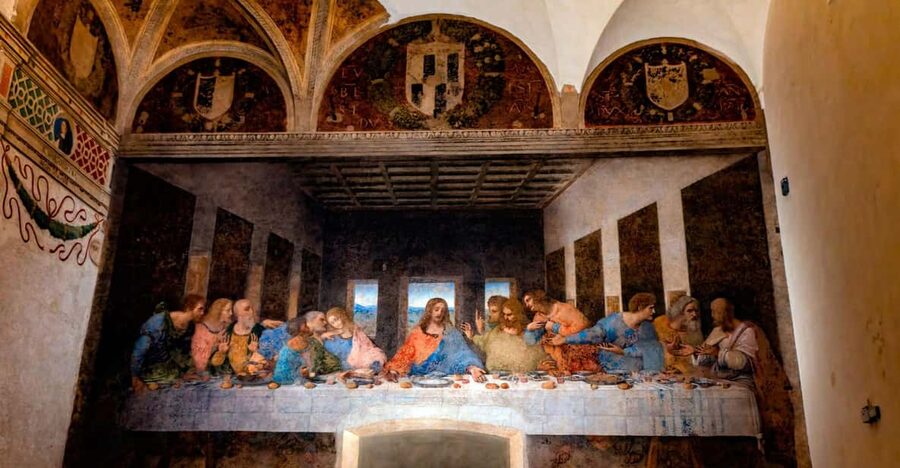
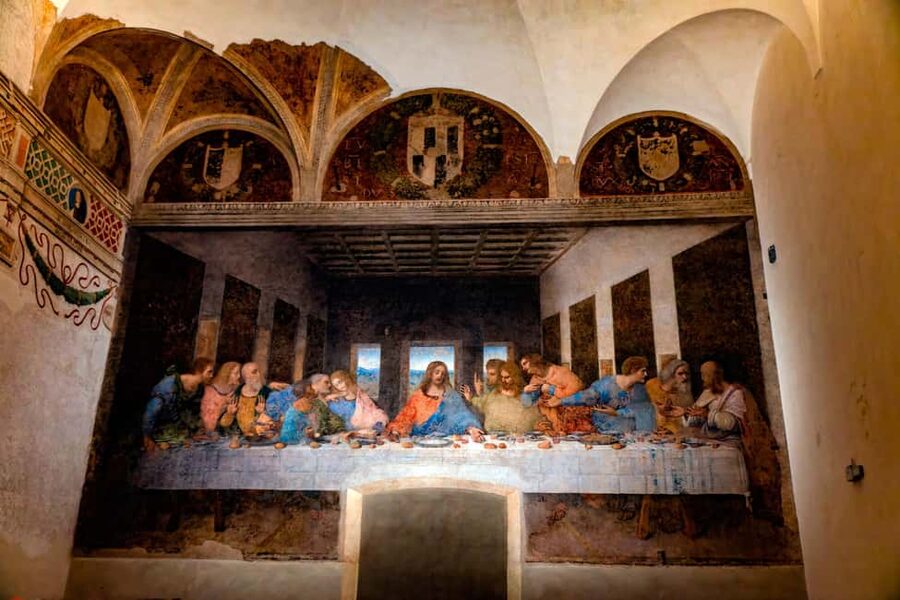
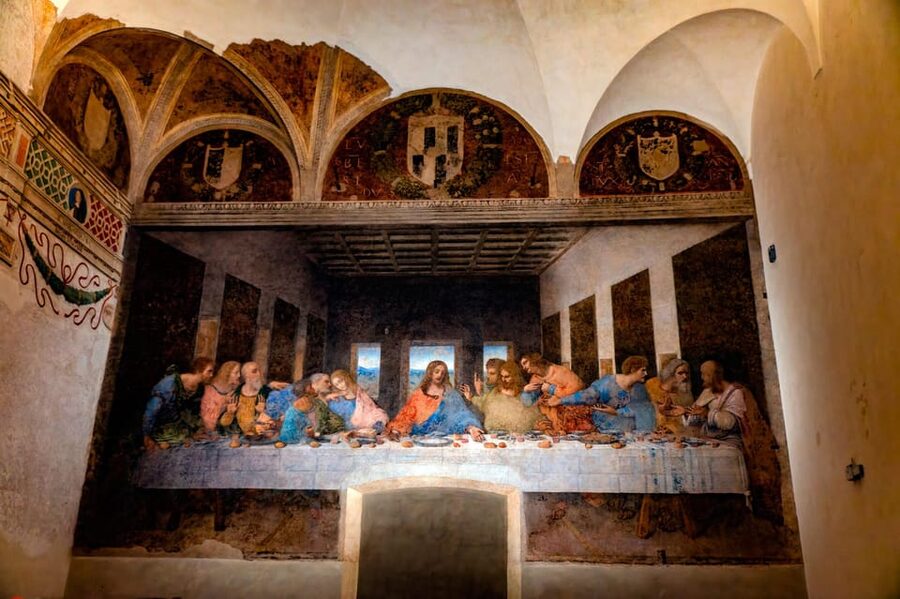
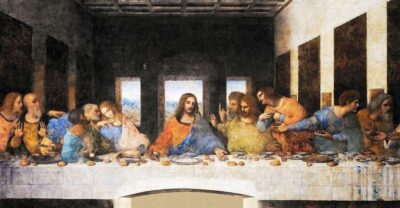
Once your timed entry arrives, you pass into the ancient refectory and face the mural painted between 1494 and 1498. The painting shows Christ at the moment he announces that one of the apostles will betray him.
Leonardo’s great innovation is not only the subject. It is the way he turns a single instant into a chain reaction of human responses. Hands point, bodies lean, faces register shock, doubt, anger, and confusion. Your guide directs you toward those details, many of which are easy to miss when you first look at the whole wall.
The expressions and hand gestures are especially important. The scene is not a row of twelve identical figures arranged around Jesus. The apostles are grouped in smaller clusters, and their physical reactions help tell the story.
You will also hear about Leonardo’s use of perspective. The architectural lines lead your attention toward Christ, making him the visual and theological center of the composition. Even if you are not an art specialist, this explanation gives you a practical way to read the mural: first see the overall scene, then follow the lines, then examine each cluster of apostles.
The 15-minute limit is enough for a guided look, but not enough for a leisurely study of every detail. I suggest listening carefully during the introduction and deciding in advance that you will spend your time inside looking rather than trying to photograph everything. You can take pictures, but you need to do so quickly and without letting your camera replace the experience.
A different way to spend the day, same part of Italy:
- Milan: Cathedral and Duomo’s Terraces Entrance Ticket
★ 4.6 · 61,054 reviews - Milan: Science and Technology Leonardo da Vinci Museum Entry
★ 4.5 · 7,169 reviews - Milan Cathedral: Duomo Terraces Ticket (No Church Access)
★ 4.6 · 6,111 reviews - Milan: Milan Cathedral Direct Entrance – Terrace Excluded
★ 4.5 · 5,782 reviews
Why Leonardo’s painting method matters
Leonardo did not use the standard fresco method in the usual way. The tour explains his experimental and innovative techniques, which helped him achieve subtle effects but also contributed to the mural’s early deterioration.
That distinction matters. The image you see today is not a perfectly preserved snapshot from the late 15th century. It has endured centuries of damage, repeated restoration, difficult environmental conditions, and wartime danger. A guide can help you separate Leonardo’s original intentions from the effects of time and repair.
The mural’s condition may surprise you. It is large and famous, but it does not have the surface freshness of a newly preserved painting. One visitor felt the work was less overwhelming in person than expected, partly because the missing section around Christ’s feet and the visible signs of age interrupt the idealized image many people carry in their minds.
That is not a reason to skip it. It is a reason to arrive with realistic expectations. You are seeing a vulnerable historical work, not a crisp modern reproduction. The guide’s explanation helps you appreciate what remains and why preservation is such a serious concern.
The bomb damage story and the opposite wall
The Last Supper is not the only important artwork in the room. The opposite wall contains a Crucifixion by Giovanni Donato da Montorfano, and the tour may discuss it as part of the refectory setting.
The room also carries a remarkable WWII story. Bombing destroyed much of the church and convent complex, but the two walls bearing the murals remained standing. That survival adds a physical layer to the visit. You are not only looking at a famous image by Leonardo. You are standing in a room that has survived war, neglect, restoration, and the steady passage of time.
I find this part especially useful because it keeps the visit from becoming only a discussion of Leonardo’s celebrity. The setting, the opposite mural, the convent dining hall, and the building’s survival all help explain why the Last Supper belongs to Milan’s wider cultural story.
Is $75 good value?
At $75, this is not a bargain tour. A standard museum ticket can cost far less when purchased through regular channels, so the price premium deserves a clear reason.
The strongest case for booking is availability. If direct tickets are gone, a guided option may be your practical route to seeing the mural. The skip-the-line entry also saves you from dealing with the regular ticket queue, although it does not remove the fixed entry time or the 15-minute limit inside.
The second case is interpretation. I would not pay this price merely to stand in front of the mural for 15 minutes. I would pay it if I wanted an expert to explain the perspective, the apostles’ gestures, Leonardo’s methods, restoration challenges, and the WWII damage in a compact format.
The tour becomes better value if you are short on time in Milan. You receive a concentrated art lesson and a guaranteed visit without having to build a complicated museum plan. It is less appealing if you already have strong art history knowledge, dislike guided groups, or have secured a regular ticket and prefer to explore independently.
Group size can vary. One account described a fairly large group, though the refectory was large enough for the visit to work. A bigger group can make questions and positioning less personal, but the headsets help you follow the explanation.
Who will get the most from this visit?
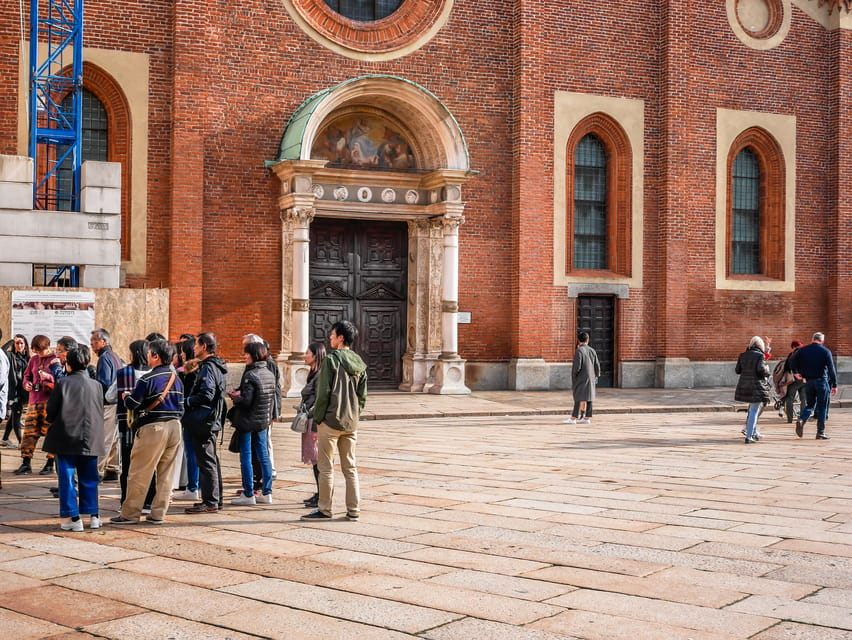
I would recommend this tour to first-time visitors who want a clear introduction to Leonardo’s mural. You do not need a background in art. The guide explains the scene in plain terms and gives you specific things to look for.
It is also a good fit for anyone who has seen reproductions of the Last Supper but wants help understanding why the original matters. A reproduction cannot give you the scale, the relationship between the mural and the refectory, or the sense of the work as a physical object that has survived repeated threats.
Families with very young children should note the rules. Children up to age two do not need a Last Supper ticket, but they must be in a stroller or held by an adult. The quiet, timed museum setting may not suit every restless child, and the short visit means you need to move through the entry process without delays.
The tour is wheelchair accessible. It is conducted in English, with an English audio system through headsets, so it suits visitors who want live explanation without relying on a printed guide.
Practical rules that can affect your visit
Bring a passport or ID card. The names of every traveler must be entered when booking, and the museum can deny entry if those names are missing.
Do not bring food, drinks, or liquids into the museum. Bulky backpacks and large bags are also not allowed, and there is no storage service for visitors. This is important because you cannot simply arrive with a large daypack and expect to leave it at the entrance.
Your scheduled time is fixed. The authorities do not allow changes to the visit time, so treat the appointment as firm. Missing it can put the entire visit at risk.
Cancellation is flexible up to 24 hours in advance for a full refund, and you can reserve now and pay later. Those terms help if your Milan schedule is still changing, but they do not make the timed entry flexible on the day itself.
How to make the 15 minutes count
I would use the guide’s introduction as your preparation period. Listen for the main visual structure, the apostle groups, and the guide’s explanation of Leonardo’s techniques. Once inside, you can concentrate on seeing those points for yourself.
A useful viewing order is:
- First, take in the whole wall and its scale.
- Next, look at the central figure of Christ and the perspective lines.
- Then, follow the apostles’ hands and faces from one group to the next.
- Finally, glance at the opposite Crucifixion and the room itself.
Do not spend the first several minutes taking photographs. The mural is famous enough that you probably already have a good reproduction on your phone. Use the room’s limited time to look directly at the original, then take a few quick pictures if permitted.
Ask questions before entering if you have something specific you want to understand. During the 15-minute slot, the guide may be focused on keeping the group together and on schedule.
Should you book the Milan Last Supper guided visit?
Book it if seeing Leonardo’s mural is high on your Milan list and regular tickets are unavailable, or if you want an art historian to turn a brief viewing into a meaningful lesson. Gabriella and Sara Nuzzi are among the guides praised for warmth, humor, and clear storytelling, though the assigned guide can vary.
Skip it if $75 feels too steep for a one-hour experience, you already have a direct ticket, or you prefer to study art without a group. The mural itself is extraordinary, but the visit is short and the rules are strict.
For most first-time visitors, I think the guided format earns its keep through preparation. The 15 minutes inside will still feel brief, but you will know where to look and why the details matter. Book early, bring identification, pack light, and remember that this is a precise appointment with a fragile masterpiece, not a casual stop between espresso breaks.
FAQ
How long does the Last Supper guided visit last?
The guided experience lasts one hour. Every visitor is allowed only 15 minutes inside the room containing Leonardo’s Last Supper.
Is the tour conducted in English?
Yes. The live tour guide speaks English, and English headsets are included so you can hear the explanation clearly.
Where do I meet the guide?
Meet outside the entrance door of the Last Supper Museum, the only door in the square with flags above it. The guide carries an orange Get Your Guide sign.
What is included in the price?
The experience includes skip-the-line entry to the Last Supper Museum, an art historian guide, and English headsets.
What should I bring?
Bring your passport or ID card. The full names of every traveler must be provided when booking or entry may be denied.
Can I bring food, drinks, or a large bag?
No. Food, drinks, liquids, bulky backpacks, and large bags are not allowed inside. The museum does not provide storage for visitors.
Can I cancel or pay later?
You can cancel up to 24 hours in advance for a full refund. The reserve-now, pay-later option lets you book without paying immediately, but the scheduled visit time cannot be changed.
Recently reviewed around Milan
- From Milan: Venice Full-Day Guided Tour With Boat Ride★ 4.5 · 322 reviews
- Venice Day Trip from Milan with Guided City Tour★ 4.0 · 383 reviews
- Verona and Lake Garda Day Trip from Milan★ 4.5 · 214 reviews
- Full-day Skip-The-Line Milan, The Last Supper and Duomo Cathedral★ 5.0 · 293 reviews
- Small-Group Lake Como & Lugano by Swiss Train + Boat Cruise★ 5.0 · 1,084 reviews
- Tour Bernina Red Train And St Moritz from Milan★ 4.5 · 247 reviews
- Walking Food Tour of Milan with Tastings★ 4.5 · 194 reviews
- Skip the Line: Essential Milan Tour Including Da Vinci’s ‘The Last Supper’★ 4.5 · 339 reviews
Last Supper Tours, compared.
Guided Walking Tour & Last Supper Visit with Ticket
Read our review →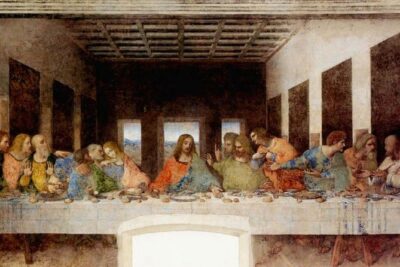
Milan’s Must See: Half-Day Tour of Last Supper, Duomo & La Scala
Read our review →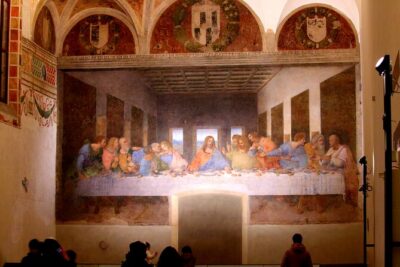
Milan Duomo & The Last Supper Skip-the-Line Small Group Tour
Read our review →
Da Vinci’s Last Supper & Milan Sightseeing Tour
Read our review →
Historic Milan Tour with Skip-the-Line Last Supper Ticket
Read our review →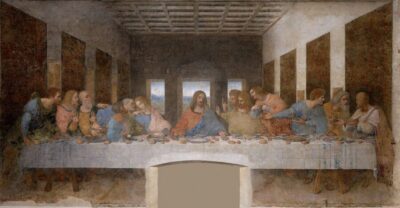
Best of Milan Experience Including Da Vinci’s The Last Supper and Milan Duomo
Read our review →Browse the lists this tour appears in