
Review · MILAN TOURS
Milan: Villa Necchi Campiglio Entry Ticket
Villa Necchi Campiglio gives you a rare look inside Milan’s private world of 1930s luxury. Designed by architect Piero Portaluppi, the house sits behind a quiet garden just minutes from Via Montenapoleone, yet its rooms feel far removed from the city outside. You move from polished domestic spaces to art-filled rooms, then out toward the striking turquoise swimming pool.
I like the way the villa connects architecture with family life. This is not a bare museum of furniture and paintings. It shows how one wealthy Milanese family lived, entertained, and shaped its home. I also like the garden, a calm patch of greenery with bright flowers, ferns, and places to sit after the indoor visit.
The main consideration is that the experience is short and mostly self-guided. If you care little about architecture, interiors, or art, you may finish quickly. One visitor also found the basement closed during a visit, so not every area is guaranteed to be open.
In This Review
- Key points to know before you go
- Why this Milan villa is worth your time
- Finding Villa Necchi Campiglio from San Babila
- The first look: garden, pool, and city quiet
- Inside Portaluppi’s 1930s house
- Rooms that explain how the family lived
- Art, furniture, and the pleasure of looking closely
- What the one-hour visit feels like
- How the $17 ticket measures up
- Language, access, and small practical points
- Who will enjoy Villa Necchi Campiglio most
- Should you book Villa Necchi Campiglio?
- FAQ
- Where is the entrance to Villa Necchi Campiglio?
- How long does the visit last?
- How much does admission cost?
- Is Villa Necchi Campiglio close to San Babila?
- Is the experience wheelchair accessible?
- Is food included with the ticket?
- Can I cancel my booking?
Key points to know before you go
- Portaluppi’s 1930s design: See an important Milanese house built during the interwar years, with its architecture still central to the visit.
- A real family home: The rooms help you picture the habits and social world of the Necchi Campiglio family.
- A garden in the fashion district: Walk from San Babila into a peaceful garden only about 10 minutes from the center of Milan.
- Helpful room attendants: Staff are posted around much of the house and can explain details when you ask.
- A one-hour cultural stop: The visit fits neatly between shopping, the Duomo, and other central Milan sights.
- A practical entrance tip: Use the entrance on Via Mozart, not a nearby point suggested by some map directions.
Why this Milan villa is worth your time
Milan is often sold through fashion, design, aperitivo, and the Duomo. Those are good reasons to come, but Villa Necchi Campiglio adds a quieter side of the city. Here, you see the setting of private wealth rather than public spectacle.
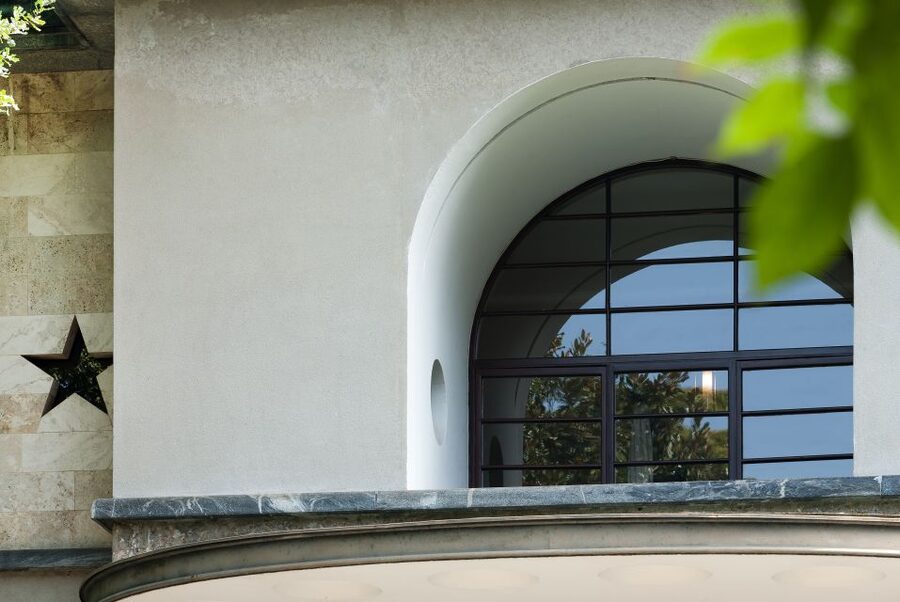
The villa was designed by Piero Portaluppi in the 1930s, and the house still carries the confidence of that period. The point is not simply that the interiors are expensive. You can see how architecture, furniture, art, and daily routines were planned as one complete setting.
That makes the visit especially useful if you want to understand Milan’s upper-class life during the interwar years. The house gives you a sense of what money could buy, but it also shows changing tastes in domestic design. The result is more revealing than a room full of isolated objects.
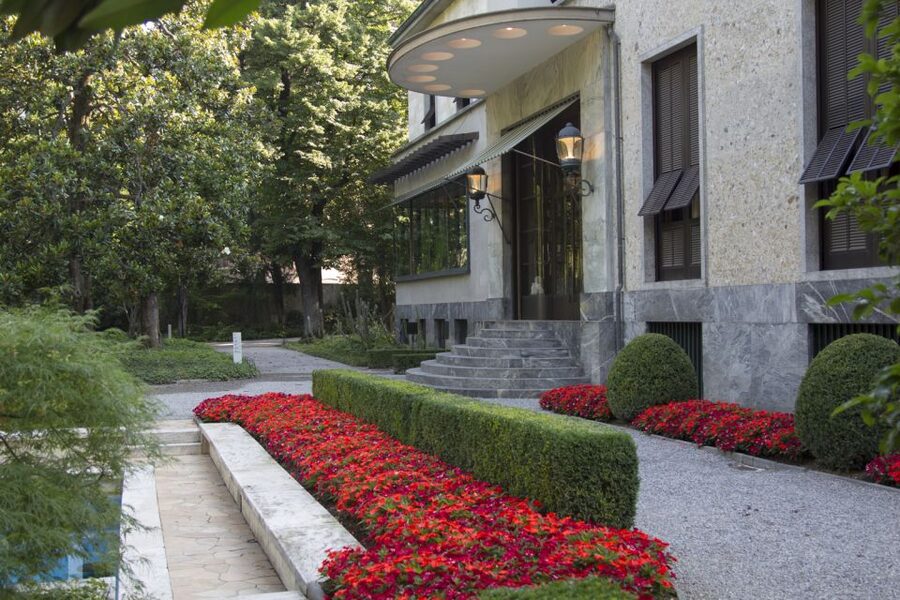
The villa is close to Milan’s most polished shopping streets, but it does not feel like an extension of them. After the walk from San Babila, the garden creates a clear change of mood. You leave traffic and storefronts behind and enter a private-looking compound in the middle of the Lombard capital.
More Milan trips worth a second look
- Milan: Cathedral and Duomo’s Terraces Entrance Ticket
★ 4.6 · 61,054 reviews - Milan Cathedral: Duomo Terraces Ticket (No Church Access)
★ 4.6 · 6,111 reviews - Milan: Guided Walking Tour & Last Supper Visit with Ticket
★ 4.7 · 5,409 reviews
Finding Villa Necchi Campiglio from San Babila
The stated meeting point is the entrance on Via Mozart. That detail matters. At least one visitor had trouble with map directions and stressed that the proper entrance is on Via Mozart, so check the street name before you set out.
The villa is about a 10-minute walk from San Babila. That makes it easy to add to a day around the Duomo or the fashion district. You can also place it near a shopping stop around Via Montenapoleone, though the villa itself offers a welcome break from retail streets.
There is no food or restaurant included in the ticket. The property does have a cafe area according to visit information, but you should not treat lunch or a full meal as part of this admission. Plan food separately.
On arrival, go through the Via Mozart entrance rather than waiting at the street edge for a guide. The visit begins inside the property. This is a small but useful distinction, especially if you are working around a timed schedule.
The first look: garden, pool, and city quiet
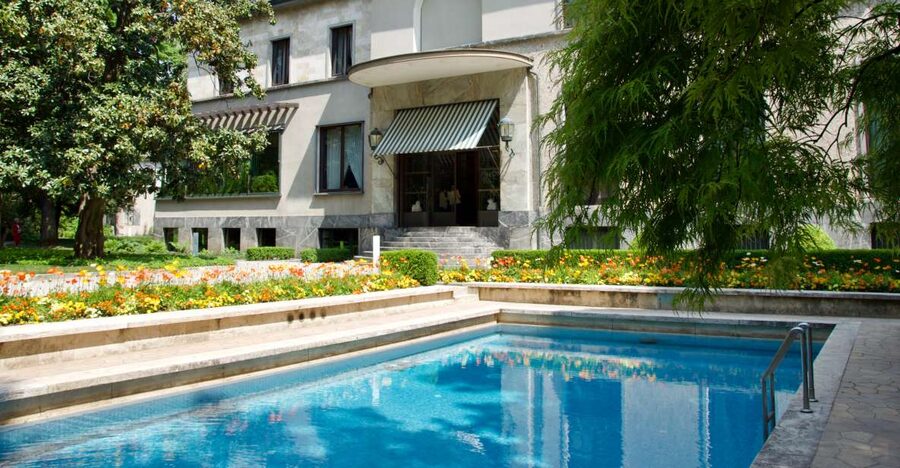
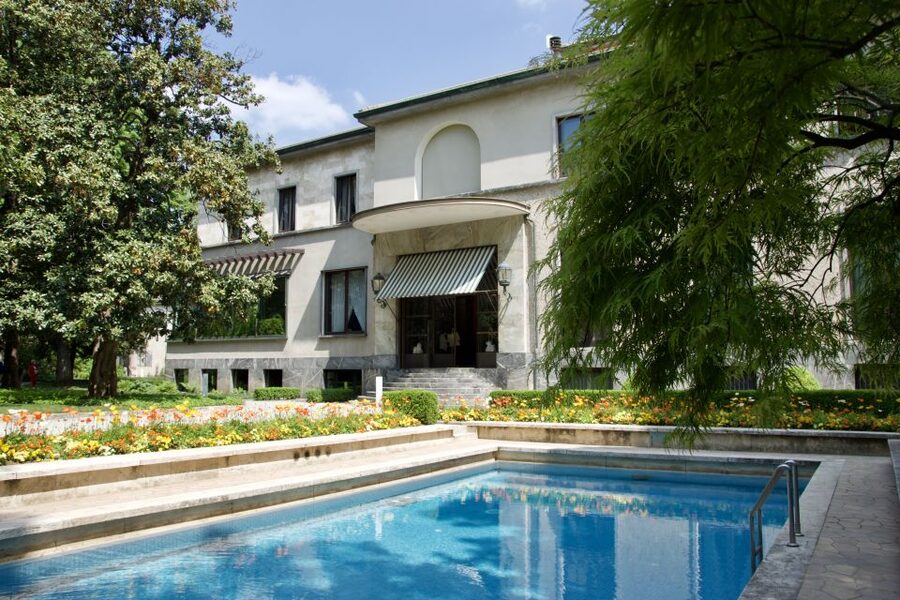
The garden is one of the best parts of the visit, so do not rush through it on the way to the door. It gives you the first sense of how unusual this house is. A grand private residence sits close to Milan’s fashion district, yet the grounds create a pocket of quiet.
The turquoise swimming pool is especially memorable. One account described it surrounded by bright orange poppies and large green ferns, a combination that shows how much the outdoor setting contributes to the villa’s appeal.
You may find that the garden is more than a decorative frame for the house. It helps explain the way the family used the property. This was not only a formal city residence. It was also a place for leisure, privacy, and time outdoors.
After the indoor visit, sit for a while if the garden is open for that purpose. The whole experience works better when you allow a few unhurried minutes outside rather than treating the villa as a quick checklist stop.
Inside Portaluppi’s 1930s house
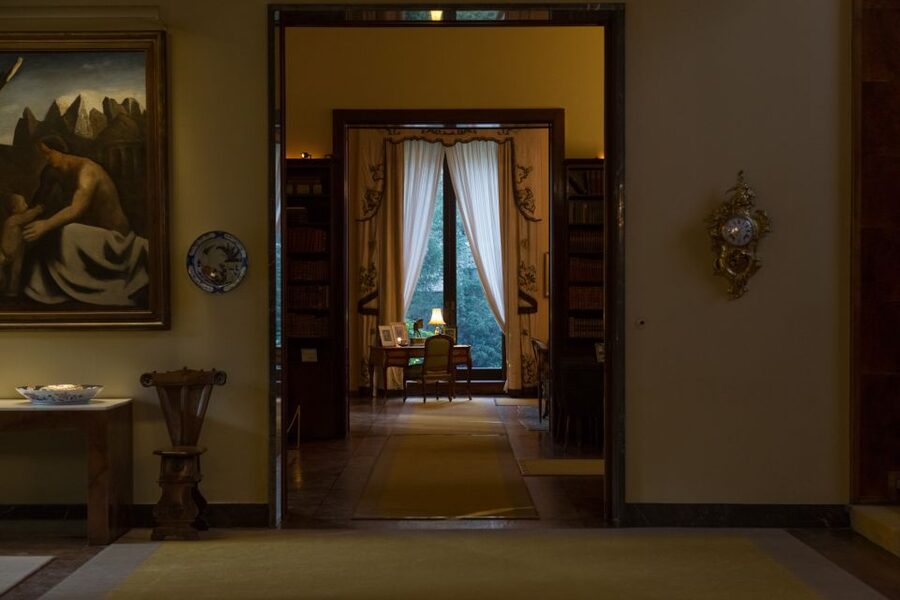
Portaluppi’s architecture is the main reason to pay attention as you move through the rooms. The house offers a direct lesson in domestic design from the 1930s, when wealthy owners could commission a residence around their particular habits and tastes.
You will see how the building and its contents work together. Interior design is not presented as a modern display added later to an empty shell. The rooms retain the feel of a lived-in house, with furniture, objects, art, and views arranged as part of a domestic setting.
The appeal is strongest when you look at ordinary details with an architectural eye. Notice how rooms connect, how windows frame the garden, and how materials and furnishings create a particular mood. You do not need specialist training to enjoy this, but a little curiosity helps.
This is also why the villa can divide a visiting couple. Someone interested in architecture, furniture, or social history may want to study every room. Someone focused mainly on major landmarks may find the visit slower and less immediately dramatic. If your companion is not drawn to interiors, combining the villa with the nearby shopping streets or the Duomo can make the day work for both of you.
A different way to spend the day, same part of Italy:
- Milan: Da Vinci’s Last Supper Guided Tour
★ 4.7 · 10,143 reviews - Milan: Science and Technology Leonardo da Vinci Museum Entry
★ 4.5 · 7,169 reviews - Milan: City Sightseeing Hop-On Hop-Off Bus with Audio Guide
★ 4.0 · 6,256 reviews - Milan: Milan Cathedral Direct Entrance – Terrace Excluded
★ 4.5 · 5,782 reviews
Rooms that explain how the family lived
The house tells its story through its rooms rather than through a long formal lecture. As you walk through, you can picture the family’s private and social life. The setting shows what a wealthy Milanese household considered comfortable, elegant, and suitable for entertaining.
That family focus gives the visit its human side. It is easy to look at a grand house only as a collection of beautiful surfaces. Villa Necchi Campiglio asks you to think about the people who chose those surfaces and lived among them.
You may also notice changes in interior fashion from room to room. The house is useful for anyone curious about how domestic taste shifts over time. What seems timeless at first glance also belongs to a very specific period and social class.
Several attendants are placed around the villa. They can explain what you are seeing if you ask, and some speak serviceable English. This is not necessarily a guided tour with one named leader taking a group from room to room. Instead, you can move at your own pace and stop for help when a detail catches your attention.
That arrangement suits independent visitors. You are not locked into a commentary schedule, and you can spend longer in the rooms that interest you. The tradeoff is that you need to take the lead. If you want a continuous story from start to finish, ask the staff how best to follow the house.
Art, furniture, and the pleasure of looking closely
The villa contains notable works of art and furnishings, but the strongest experience comes from seeing them in their original domestic setting. A painting in a private room has a different effect from a painting hung in a large public gallery. It becomes part of a life, not just an object for inspection.
I would give yourself time to look at the relationship between the pieces. The house is not only about individual masterpieces. Its appeal lies in the complete arrangement: architecture, furniture, art, garden views, and the signs of a family home.
The visit also shows how tastes change. Some rooms may feel formal and grand, while others offer a more personal sense of comfort. That contrast helps explain why the villa remains interesting even if you are not an architecture specialist.
If you have seen the film I Am Love, you may recognize the house from that connection. One visitor had been fascinated by the property since seeing the film years earlier and found the real visit rewarding. Even without that background, the villa works as a strong introduction to Milanese domestic design.
What the one-hour visit feels like
The advertised duration is one hour. That is enough for a focused look at the principal rooms and the garden, especially if you read quickly and ask only a few questions.
I would not arrive expecting a full half-day museum visit. The villa is a compact cultural stop, not an all-day attraction. Its short length is part of its value. You can fit it into a morning or afternoon without giving up Milan’s other major sights.
At the same time, one hour can feel brief if you love architecture. You may want to linger over the details, talk with several attendants, or spend extra time outdoors. If you have a flexible schedule, allow some breathing room around the stated duration rather than booking another activity immediately afterward.
The pace is largely yours. You can take a self-guided route through the house, with staff nearby. That makes the visit easy to adapt to your interests, but it also means the amount you learn depends partly on how much you stop and ask.
The basement was not available during one visit. That may be a temporary issue rather than a fixed part of the experience, but you should keep in mind that access to every area can vary.
How the $17 ticket measures up
At about $17 per person, this is a reasonable price for a central Milan cultural stop. The value comes from the combination of access to a private house, Portaluppi’s architecture, the art-filled interior, and the garden with its pool.
It is not the right purchase for someone who wants a long, heavily narrated tour. You are paying for entry and the chance to explore, not for a full meal, a large organized excursion, or a guaranteed personal guide.
I think the ticket makes the most sense when you already plan to be near San Babila, the Duomo, or the fashion district. The short walk and one-hour duration keep the visit convenient. It is less appealing if you must cross the whole city solely for a brief stop and have little interest in design or private houses.
The reserve-now, pay-later option can help if your Milan schedule is still changing. Free cancellation is available up to 24 hours before the visit for a full refund. Those terms are useful, but check the available starting times before you commit your afternoon.
Language, access, and small practical points
The experience is wheelchair accessible. That is important for anyone planning a central Milan sightseeing day around mobility needs.
The language arrangement deserves a quick check before booking. One account found that the tour was in Italian, while another found staff around the house able to offer serviceable English. The safest approach is to confirm the language available for your time slot and use the room attendants for extra explanations.
Your ticket covers entry to Villa Necchi Campiglio only. Food is not included, and the available information does not promise a particular meal or tasting. If you want to pause for refreshments, plan that separately.
The voucher scanner caused a problem for one person, though staff still allowed entry. Keep the booking confirmation easy to show and arrive with the correct Via Mozart entrance in mind. These are minor points, but they can prevent an avoidable delay.
Who will enjoy Villa Necchi Campiglio most
I would recommend this visit to you if you enjoy:
- 1930s architecture and Italian design
- Private homes with a strong sense of place
- Art and furniture shown in a domestic setting
- Social history told through rooms and possessions
- Quiet gardens close to major city sights
- Short cultural visits that fit around a busy itinerary
It is also a good choice for film fans familiar with I Am Love. The connection can add another layer to the visit, though you do not need to know the film beforehand.
I would be more cautious if your Milan list is already packed with major landmarks and you are not interested in interiors. The villa is beautiful, but its pleasures are measured and detailed. It does not offer the scale or spectacle of the Duomo.
For families, couples, and mixed-interest groups, the location helps. Someone can enjoy the villa while another person spends time near the fashion district or the Duomo afterward. That makes it easier to build a balanced day.
Should you book Villa Necchi Campiglio?
Book it if you want to see how Milanese wealth, design, and family life came together inside one remarkable 1930s house. The Portaluppi architecture, helpful attendants, art, and garden give the $17 ticket solid value, especially when you are already near San Babila.
Skip it if you want a long guided program, a meal, or a major landmark with a dramatic public history. The visit is quiet and self-directed, and some areas may be unavailable. For the right audience, though, Villa Necchi Campiglio is one of Milan’s most rewarding short stops: elegant, personal, and easy to add to a day in the city center.
FAQ
Where is the entrance to Villa Necchi Campiglio?
The entrance is on Via Mozart. Do not rely entirely on map directions that may lead you to the wrong point.
How long does the visit last?
The stated duration is one hour. You can explore the house and garden during that time, with the pace largely in your hands.
How much does admission cost?
The ticket costs about $17 per person.
Is Villa Necchi Campiglio close to San Babila?
Yes. The villa is about a 10-minute walk from San Babila.
Is the experience wheelchair accessible?
Yes, the activity is listed as wheelchair accessible.
Is food included with the ticket?
No. Food and restaurant service are not included in the admission ticket.
Can I cancel my booking?
Yes. You can cancel up to 24 hours in advance for a full refund. A reserve-now, pay-later option is also available.
Recently reviewed around Milan
- From Milan: Venice Full-Day Guided Tour With Boat Ride★ 4.5 · 322 reviews
- Venice Day Trip from Milan with Guided City Tour★ 4.0 · 383 reviews
- Verona and Lake Garda Day Trip from Milan★ 4.5 · 214 reviews
- Full-day Skip-The-Line Milan, The Last Supper and Duomo Cathedral★ 5.0 · 293 reviews
- Small-Group Lake Como & Lugano by Swiss Train + Boat Cruise★ 5.0 · 1,084 reviews
- Walking Food Tour of Milan with Tastings★ 4.5 · 194 reviews
- Skip the Line: Essential Milan Tour Including Da Vinci’s ‘The Last Supper’★ 4.5 · 339 reviews
- Tour Bernina Red Train And St Moritz from Milan★ 4.5 · 247 reviews
Milan Tours, compared.
Cathedral and Duomo’s Terraces Entrance Ticket
Read our review →
Science and Technology Leonardo da Vinci Museum Entry
Read our review →
City Sightseeing Hop-On Hop-Off Bus with Audio Guide
Read our review →
Milan Cathedral: Duomo Terraces Ticket (No Church Access)
Read our review →
Milan Cathedral Direct Entrance – Terrace Excluded
Read our review →
Guided Walking Tour & Last Supper Visit with Ticket
Read our review →
Fast-Track Milan Cathedral and Terraces Guided Tour
Read our review →Browse the lists this tour appears in