Review · GUIDED
Pantheon Elite Guided Tour – Rome’s Iconic Ancient Temple
The Pantheon’s great surprise is that its famous dome is not just something to photograph. The open oculus at its center lets in sunlight and rain, turning the floor and interior into a living clock and weather display. A guide helps you notice the engineering, religious changes, and royal tombs that are easy to miss when you simply walk in, look up, and leave.
I like the one-hour length, which works well between a morning walk and lunch or before an evening reservation. I also like the timed, named admission, since it gives you a scheduled way into one of Rome’s busiest sights. The main drawback is crowding. A group can include as many as 20 people, and the square and entrance may feel packed, especially on Sundays and at busy times.
In This Review
- Key points at a glance
- Why the Pantheon deserves a guided hour
- Meeting at Piazza della Rotonda
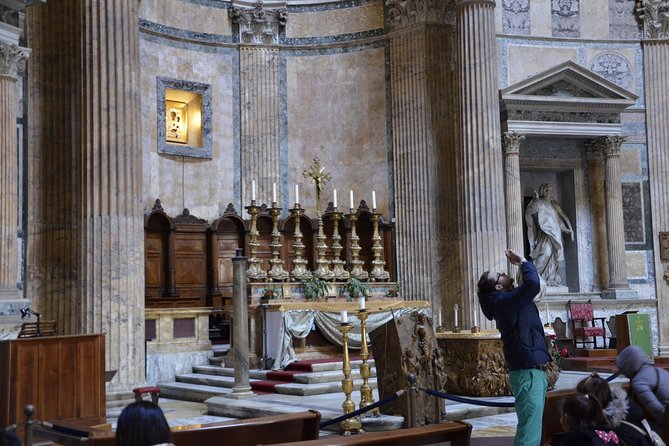
- Inside the Pantheon: one room with many lives
- Outside: columns, layers, and the shape of the temple
- The timed entry question
- Guides and the headset system
- Is $41.08 a fair price?
- Who will enjoy this Pantheon visit
- Booking, timing, and cancellation details
- Should you book it?
- FAQ
- How long does the Pantheon guided tour last?
- Where does the tour meet?
- What language is the tour offered in?
- How much does the tour cost?
- How many people can join the tour?
- Is admission to the Pantheon included?
- Do I need to cover my shoulders and knees?
- Can I use a mobile ticket?
- What is the cancellation policy?
Key points at a glance
- Look up at the open oculus: The dome’s central opening is the Pantheon’s defining feature, and the guide explains its unusual design and the old story linking it with Romulus.
- See pagan and Christian Rome in one room: The building began as a sacred temple and now functions as a basilica, with tombs, art, and Christian decoration inside.
- Use the timed entry wisely: This is not a magic skip-the-line promise, but a pre-booked named time slot can make entry more orderly.
- Expect a compact history lesson: The visit lasts about 55 minutes, with roughly 40 minutes inside and 15 minutes devoted to the exterior.
- Listen through a headset: The system helps you hear the guide in a crowded building, though a few bookings have had audio problems.
- Dress for church entry: Knees and shoulders must be covered.
Why the Pantheon deserves a guided hour
The Pantheon is one of those Roman sights that can look simple at first. You enter a single vast room, see an altar and side chapels, admire the dome, and perhaps wonder why it deserves so much attention when Rome has so many churches and monuments.
That first impression misses the point. The Pantheon compresses several layers of Rome into one building. Its roots reach back to the sacred Campus Martius and the early story of Rome. The structure associated with the age of Augustus survives in remarkable condition, while its later life as a Christian basilica helped preserve it. Inside, pagan ideas, Christian worship, royal burials, and Renaissance memory share the same space.
That mix is the real reason to take a tour. A guide can connect the building’s shape to its purpose, explain how the dome changes as you look upward, and point out details that do not announce themselves. I would not choose a guided visit because the Pantheon is difficult to enter. I would choose it because the building is easier to understand with someone who can make the pieces fit.
The experience is offered in English and is rated 4.8 out of 5 from 1,447 ratings, with 94 percent of people recommending it. That is a strong record, and the praise is consistent about the guides’ energy, clear explanations, and ability to answer questions. Amanda, Elena, Nina, Silvia, Samantha, Viviana, Sylvia, and Donatella are among the guides specifically praised for making the short visit informative and enjoyable.
More Rome trips worth a second look
- Colosseum, Roman Forum & Palatine Guided Tour
★ 4.7 · 63,148 reviews - Vatican Museums, Sistine Chapel & St Peter’s Basilica Guided Tour
★ 4.5 · 39,149 reviews - Rome: Colosseum, Palatine Hill and Roman Forum Guided Tour
★ 4.8 · 32,814 reviews
Meeting at Piazza della Rotonda
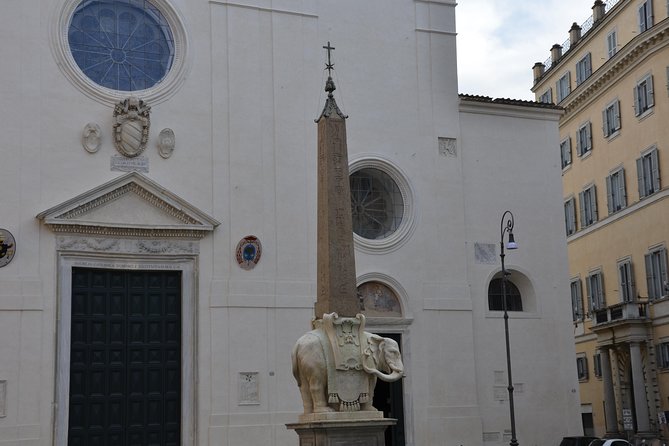
The tour begins at Antica Salumeria, Piazza della Rotonda 4. This is a central Rome location directly beside the Pantheon, so you are not being sent to an out-of-the-way office or transport hub. The activity ends back at the same meeting point.
Give yourself enough time to find the meeting point without rushing. The Pantheon sits in a busy pedestrian area, and the square can be crowded. The tour information says the location is near public transportation, but it does not specify a particular station or route, so check your own route before leaving.
The building is easy to identify once you reach Piazza della Rotonda, but a busy square can make a last-minute meeting harder than it sounds. I would arrive early enough to locate Antica Salumeria, confirm the guide, and have your ticket ready on your phone.
The tour is capped at 20 people. That is not a private visit or a tiny seminar, but it is more manageable than an unstructured crowd. Several bookings describe smaller groups during quieter periods, while one Sunday departure had the full group size. If personal attention is your top concern, the day and time matter.
Inside the Pantheon: one room with many lives
The interior portion takes about 40 minutes and includes admission. This is where the tour earns its keep.
The Pantheon’s circular form can seem straightforward until you consider how unusual it is. Rather than leading you through a long sequence of rooms, the building gathers your attention around one central space and the dome overhead. The guide explains the architecture, the way the structure was built, and how the building has been used over time.
The tour also covers the change from pagan temple to Christian basilica. That transition matters because it helps explain why an ancient Roman building survived while so many others vanished, were dismantled, or were altered beyond recognition. You are not looking at an untouched ancient temple. You are looking at a building with an ancient core and a long Christian afterlife.
Inside, you can see the tombs of a king and queen, along with the ashes of Raphael. Those burials give the building a later national and artistic importance. Raphael’s connection is especially meaningful because his presence ties the Pantheon to the Renaissance, not just to ancient Rome.
The guide also points out paintings, sculptures, and other interior features. One strong part of the experience is the explanation of practical details, including airflow and water flow. These are easy to overlook, yet they make the building feel less like a frozen monument and more like a working piece of design.
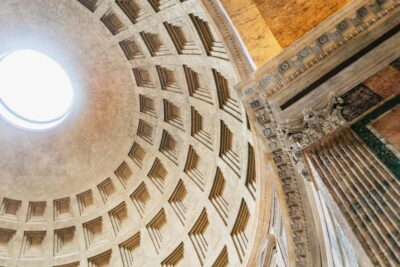
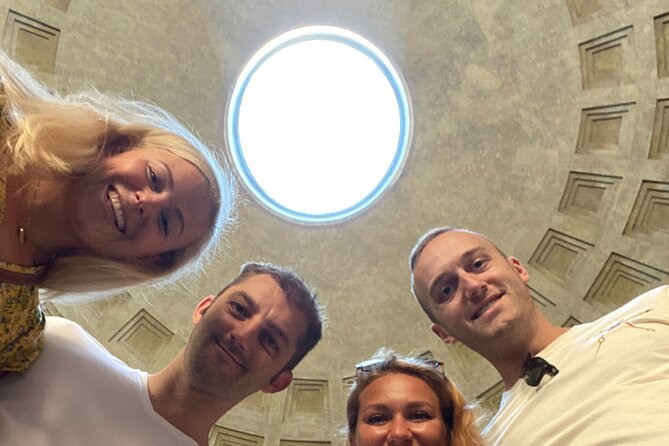
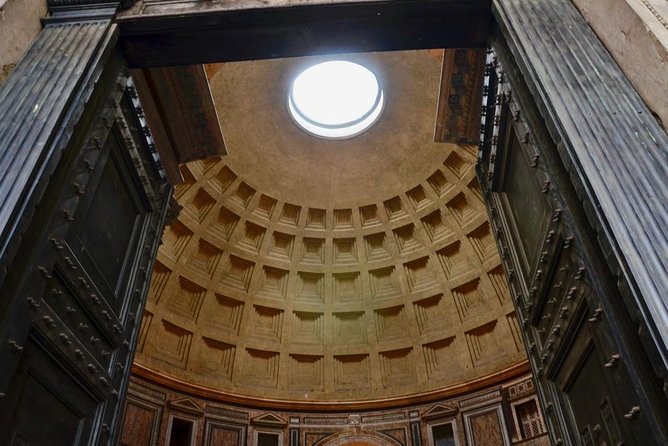
The dome is the star. Its central oculus is open to the sky, so light enters directly from above. Rain can enter as well, and the water flow through the floor becomes part of the building’s design. The guide explains the engineering and the visual effect, along with the old story that Romulus was struck by lightning at this spot.
That story belongs to legend, not modern engineering, but it shows how Romans connected sacred places with the founding myths of their city. A good guide keeps those layers clear: myth is not the same as proven history, yet myth still tells you how people understood a place.
Outside: columns, layers, and the shape of the temple
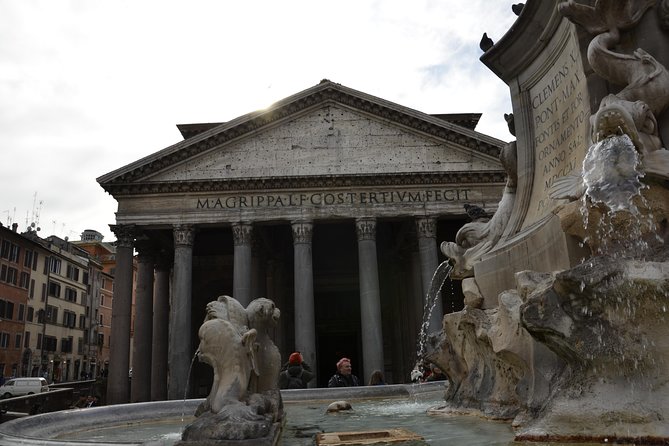
The exterior portion lasts about 15 minutes and is free of an additional admission charge. It focuses on the front columns, the circular temple form, and the visible layers of the monument.
This short stop is important because the Pantheon can feel almost abstract once you are beneath the dome. Outside, the columns give you a sense of scale and help you read the building as a temple. The exterior also lets the guide explain how the monument fits into the older fields of Mars and the wider story of Rome’s beginnings.
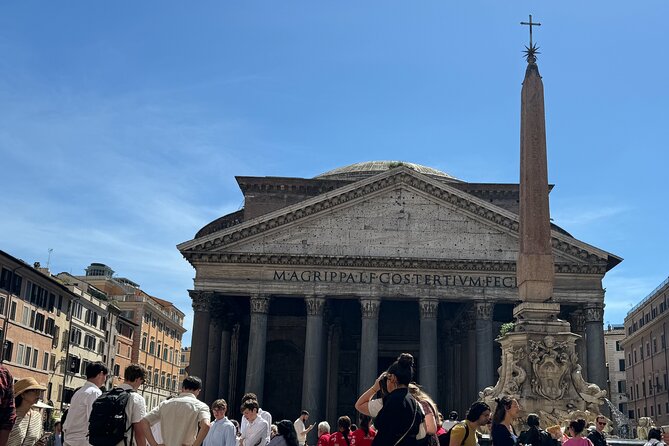
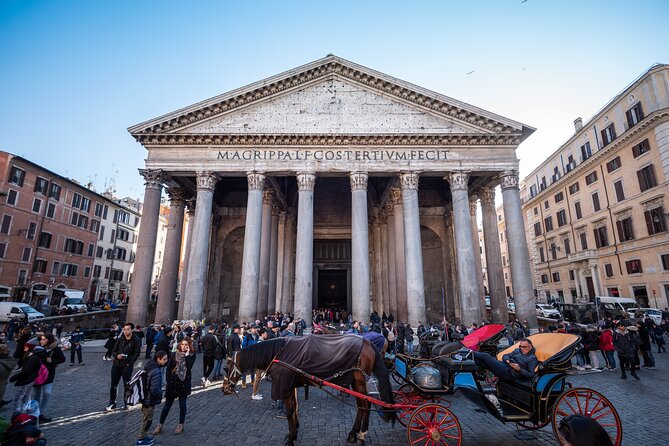
You will look at the building in two ways. First, you see the powerful classical facade, which gives the Pantheon its instantly recognizable profile. Then you consider the round mass behind it, which contains the dome and the great interior space. The contrast between the rectangular porch and circular temple is one of the building’s key visual ideas.
The guide also uses the exterior to discuss layers of time. The Pantheon is valuable partly because it allows you to picture the past while still seeing how later generations changed its meaning. The tour description frames the building as a way to think about what came before and what may come next. That is a big idea for a 15-minute stop, but the setting makes it easy to grasp.
The drawback is the square itself. The Pantheon is one of Rome’s best-known sights, so the entrance area may be noisy and crowded. One booking found it harder to take everything in because of the number of people outside and inside. The headset can help, but no audio system can make a busy monument feel quiet.
A different way to spend the day, same part of Italy:
- Vatican: Museums & Sistine Chapel Entrance Ticket
★ 4.5 · 144,003 reviews - Vatican Museums & Sistine Chapel Tour with Optional Basilica
★ 4.3 · 67,413 reviews - Rome: Guided Tour of Colosseum, Roman Forum & Palatine Hill
★ 4.7 · 27,897 reviews - Rome: Colosseum & Forum with Audio Guide App -Optional Arena
★ 4.2 · 24,770 reviews
The timed entry question

This experience uses pre-booked, individually named tickets for specific time slots. That is useful, but you should understand what it does and does not mean.
It does not guarantee an empty entrance or a completely line-free visit. At busy times, you may still encounter a queue or a delay. The line may move quickly, though, and a timed ticket gives the group a planned entry rather than leaving you to work out admission on your own.
This distinction matters because the phrase skip the line often creates unrealistic expectations. Here, the practical benefit is organized access at a scheduled time. On a busy day, that can be worth more than wandering up without a plan, but I would not pay the price expecting to walk straight through every crowd.
The first Sunday of each month is an exception because the museum system is free on that day. The tour information notes that normal pre-booked arrangements do not apply in the same way then. If your visit falls on that Sunday, expect a different crowd pattern and do not assume the usual entry process.
Guides and the headset system
The strongest part of the tour is the guide. The best accounts describe guides who do more than recite dates. Amanda, who has studied archaeology and Roman history, was praised for connecting the Pantheon to practical directions for food, another tour, and the Metro. Elena was singled out for bringing the wider story of Rome together in a short hour.
Nina was described as clear and enthusiastic, while Samantha handled rainy conditions with charm and patience. Silvia and Sylvia were praised for their explanations of the dome and the building’s history. Donatella and Viviana also received high marks for their command of the subject and friendly presentation.
That range of names suggests an important point: your exact experience depends partly on who leads your departure. The company says its guides are licensed and pass a language test, and one booking specifically appreciated seeing the guide wearing her license. Still, guide style varies. Some people prefer a lively storyteller. Others want a more academic explanation. The tour seems designed to offer both historical facts and room for questions.
Headsets are used so you can hear the guide inside the crowded Pantheon. This is a sensible choice. A single room with hard surfaces and many people is not an easy place for quiet speech. Most comments about the system are positive, but a few departures had problems with clarity or connections.
If you cannot hear, tell the guide immediately. The operator says backup headsets and earpieces are available, and the system has been upgraded. That small bit of advice can save the visit. Do not stand silently at the back and hope the sound improves.
Is $41.08 a fair price?
At $41.08 per person, this is not the cheapest way to enter the Pantheon. Admission alone does not account for the whole cost. You are paying for a scheduled English tour, a guide, group coordination, and the chance to learn what you might miss alone.
The value depends on how you travel. If you already know Roman architecture and enjoy reading a short guide on your phone, you may prefer to enter independently and spend your time looking at the dome at your own pace. The Pantheon is compact, so independent visitors can see the main space without spending an hour.
I think the price makes more sense for a first visit, especially if you want ancient history and religious change explained in plain language. The guides cover construction, art, tombs, the oculus, water flow, and the building’s changing role. Those details add substance to a sight that can otherwise become a quick photo stop.
The tour is also a good value for a packed itinerary. At about one hour, it does not take over your morning or afternoon. You can place it between larger Rome plans instead of sacrificing half a day. The fact that it is often booked 48 days ahead suggests that popular time slots can fill early, so last-minute flexibility may be limited.
Who will enjoy this Pantheon visit
I would recommend this tour to a first-time Rome visitor who wants the Pantheon to mean more than a beautiful ceiling. It suits people interested in ancient history, architecture, religion, and the way one building can be reused across centuries.
It also works well for families and mixed-interest groups. The visit is short, the central space is easy to follow, and the guide can answer questions as they arise. The Pantheon has been described as accessible for people with disabilities, and most people can participate, though the supplied information does not give detailed access arrangements.
This is less suitable if you want solitude. The group can reach 20 people, the square can be packed, and the scheduled format leaves less freedom to linger wherever you wish. Sunday can be particularly busy. A small group is possible, especially in quieter periods, but it is not guaranteed.
Dress matters. Cover your knees and shoulders before entry because the Pantheon is a functioning basilica. This is an easy detail to overlook during a hot Roman day, and being turned away or delayed would spoil the convenience of a timed visit.
Booking, timing, and cancellation details

You can choose from several morning and afternoon departure times. Pick the slot that fits your wider Rome route rather than simply choosing the earliest available time. A later visit may work well after another central sight, while a morning tour leaves the rest of the day open.
Confirmation is sent when you book, and the ticket is mobile. Keep your phone charged and have the confirmation easy to open at the meeting point.
Free cancellation is available until 24 hours before the start time for a full refund. Changes or cancellations made less than 24 hours before the start are not accepted for a refund. Cutoff times follow local Rome time.
The experience requires good weather and a minimum number of participants. If poor weather or low enrollment causes cancellation, you are offered another date or experience, or a full refund. Since the Pantheon visit is largely indoors, the weather condition may be most relevant to the operator’s overall scheduling and meeting arrangements.
Should you book it?
Book it if you want the Pantheon explained rather than merely entered. The one-hour format, timed admission, English guide, and headset make it a practical addition to a busy Rome schedule. The strongest value comes from the guide’s interpretation of the oculus, dome, pagan origins, Christian use, tombs, and engineering.
Skip it if you are content to see one circular church on your own or if crowds and group audio systems frustrate you. The price is fair for a well-led visit, but it is not a private experience and it cannot remove every queue or noise problem.
For most first visits, I would book it, choose a time outside the busiest Sunday periods when possible, arrive early at Antica Salumeria, and dress for church entry. You will leave with a much clearer sense of why this single room has held Rome’s attention for nearly two thousand years.
FAQ
How long does the Pantheon guided tour last?
The experience lasts approximately one hour. About 40 minutes are allocated to the interior visit and 15 minutes to the exterior, with the remaining time covering the movement between parts of the experience.
Where does the tour meet?
The meeting point is Antica Salumeria at Piazza della Rotonda 4, 00186 Rome. The activity ends back at the same meeting point.
What language is the tour offered in?
The tour is offered in English.
How much does the tour cost?
The listed price is $41.08 per person.
How many people can join the tour?
The maximum group size is 20 people. Smaller groups may occur at quieter times, but a small group is not guaranteed.
Is admission to the Pantheon included?
Admission is included for the interior portion of the tour. The exterior portion has no additional admission charge.
Do I need to cover my shoulders and knees?
Yes. Knees and shoulders must be covered when entering the Pantheon.
Can I use a mobile ticket?
Yes. The experience provides a mobile ticket, and confirmation is received at the time of booking.
What is the cancellation policy?
You can cancel up to 24 hours before the start time for a full refund. Cancellations or changes made less than 24 hours before the start are not accepted for a refund. If the activity is canceled because of poor weather or insufficient enrollment, you are offered another date or experience, or a full refund.
Recently reviewed around Rome
- Ancient Rome at Twilight Walking Tour★ 5.0 · 276 reviews
- Domus Aurea Guided Tour: The Golden House of Nero★ 4.5 · 199 reviews
- Early Vatican Museums & Sistine Chapel Small Group Tour★ 4.5 · 314 reviews
- Early Vatican Museums Tour: The Best of the Sistine Chapel★ 4.5 · 900 reviews
- Jewish Ghetto & Piazza Navona: Food, Wine & Sightseeing Rome Tour★ 5.0 · 460 reviews
- 3 Days in Sorrento, Capri & Pompeii: la Dolce Vita★ 4.0 · 595 reviews
- Tivoli Villas Full Day Trip From Rome with Lunch★ 4.0 · 443 reviews
- Cook With Us in Rome: A Hands-On Cooking Experience 09:20AM class★ 5.0 · 234 reviews
Guided, compared.

Colosseum, Roman Forum & Palatine Guided Tour
Read our review →
Vatican Museums, Sistine Chapel & St Peter’s Basilica Guided Tour
Read our review →
Colosseum, Palatine Hill and Roman Forum Guided Tour
Read our review →
Guided Tour of Colosseum, Roman Forum & Palatine Hill
Read our review →
Colosseum & Forum with Audio Guide App -Optional Arena
Read our review →
Colosseum, Roman Forum and Palatine Hill Guided Tour
Read our review →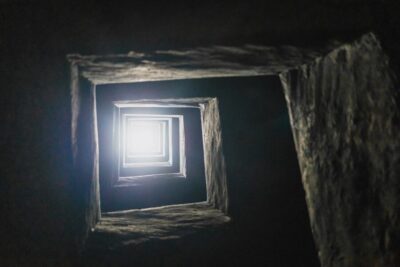
Naples Underground Entry Ticket and Guided Tour
Read our review →