Review · GUIDED
Rome: Domus Aurea Guided Tour and Virtual Reality Experience
The most striking part of this Domus Aurea tour is the moment ancient rooms are rebuilt before your eyes through Oculus virtual reality. The surviving walls are dark, bare, and partly restored, but the presentation shows how Nero’s Golden House may have looked when its vaults, colors, and grand design were still new.
I like two things here: the clear link between archaeology and technology, and the chance to see famous rooms such as the Octagonal Hall and Hall of Birds with a live guide. The main drawback is practical rather than historical: the underground site is cool, dim, and not suitable for wheelchair users, people with mobility impairments, or anyone uneasy in tight spaces.
In This Review
- Key points to know
- Why the Domus Aurea feels different from other Roman ruins
- Meeting at Colosseo and getting to the palace
- The 70-minute guided route through Nero’s Golden House
- What the Oculus virtual reality experience adds
- Nero’s palace, parties, and political message
- Roman concrete and the engineering behind the rooms
- Frescoes, restoration, and the problem of seeing what survives
- How the $67 price works out
- Comfort, temperature, and access concerns
- Who will get the most from this tour
- Should you book the Domus Aurea experience?
- FAQ
- How long does the Domus Aurea tour last?
- What does the $67 price include?
- Where is the meeting point?
- How early should I arrive?
- Which languages are available?
- Do I need identification?
- Is the Domus Aurea suitable for wheelchair users?
Key points to know
- The Oculus presentation gives the ruins their missing color and scale, especially in the Room of the Golden Vault.
- A 70-minute guided visit covers major spaces including the Octagonal Hall, Cryptoporticus, and Hall of Birds.
- Roman concrete is part of the story, helping you understand how such large and unusual rooms were built.
- The site stays around 10 degrees Celsius, so bring a jacket even in Rome’s summer heat.
- Meet 20 minutes early near the green kiosk at the lower, street-level entrance of Colosseo metro station.
- The tour costs $67 per person, a fair price if you want interpretation and the VR reconstruction rather than a quick look at empty ruins.
Why the Domus Aurea feels different from other Roman ruins
Rome gives you many chances to see columns, arches, and broken marble. The Domus Aurea offers something less tidy and, in some ways, more revealing: you walk through the remains of an enormous imperial residence that was later buried, altered, and slowly brought back into view.
The palace was built for Emperor Nero, one of Rome’s most notorious rulers. His plan joined palatine residences with large Esquiline gardens and created a dynastic home on the scale of Hellenistic royal palaces. This was not simply a private villa. It was intended to hold a court and support productive activities within a very large royal-style complex.
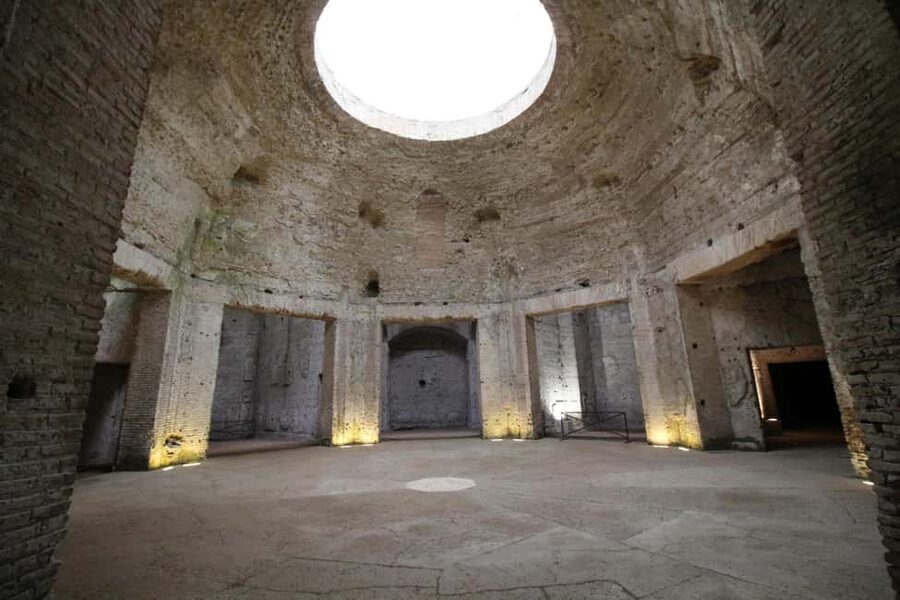
That ambition explains the unusual rooms. The architecture was not limited to practical rectangular halls. The Octagonal Hall and the domed spaces show a taste for bold shapes, changing light, and dramatic effects. The building also offers a useful lesson in Roman concrete, a material that allowed Roman engineers to create large vaulted interiors and forms that would have been difficult with conventional stone construction alone.
I find the site especially valuable because it makes Roman power feel physical. Nero’s reputation is part of the story, but the buildings tell you just as much about money, engineering, decoration, and imperial self-image.
More Rome trips worth a second look
- Colosseum, Roman Forum & Palatine Guided Tour
★ 4.7 · 63,148 reviews - Vatican Museums, Sistine Chapel & St Peter’s Basilica Guided Tour
★ 4.5 · 39,149 reviews - Rome: Colosseum, Palatine Hill and Roman Forum Guided Tour
★ 4.8 · 32,814 reviews
Meeting at Colosseo and getting to the palace
The meeting point is in front of the Colosseo metro station, at the lower floor or ground-level street entrance, near the green kiosk. Look for staff holding a C.I.S. Tours sign.
You need to arrive 20 minutes before your booked start time. That cushion matters. One delayed start reported at the meeting point involved a staff member arriving only shortly before the scheduled time, followed by a wait for tickets. Arriving early gives you a better chance of sorting out names, tickets, and the group before the visit begins.
Bring your passport or ID card. Tickets are nominative, so the names of every participant are required, including children. The activity does not allow food, drinks, luggage, or large bags, and unaccompanied minors are not permitted.
The meeting point is convenient if you are already visiting the Colosseum area. Still, do not treat the Domus Aurea as a casual extension of a Colosseum visit. The entrance and tour procedures are separate, and the underground setting calls for a little planning.
The 70-minute guided route through Nero’s Golden House
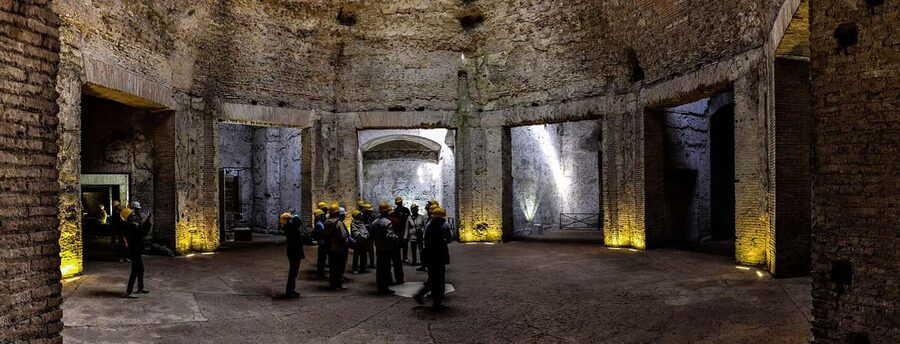
The guided portion lasts about 70 minutes. Your guide provides the story that the stripped-down walls cannot tell on their own, explaining the archaeological complex, Nero’s building program, and the way the palace changed after his reign.
The route includes several celebrated areas:
- The Octagonal Hall, one of the clearest examples of the palace’s unusual geometry and ambitious design.
- The Cryptoporticus, a covered passage that helps you picture how movement worked through the residence.
- The Hall of Birds, known for its decorative painting.
- The Room of the Golden Vault, the setting for the virtual reality presentation and one of the tour’s most memorable spaces.
The Domus Aurea is especially important for its decorative program. Roman wall painting here is not just a pleasant extra. It helps show how the palace was meant to be experienced, with ornament shaping the mood and status of each room.
You will also hear about the archaeological work and restoration that has made the visit possible. Several people found the restoration impressive, and that is easy to understand: the site is not presented as a fully rebuilt palace. Instead, you see a fragile ancient structure being studied and protected while parts of its design are made legible.
What the Oculus virtual reality experience adds
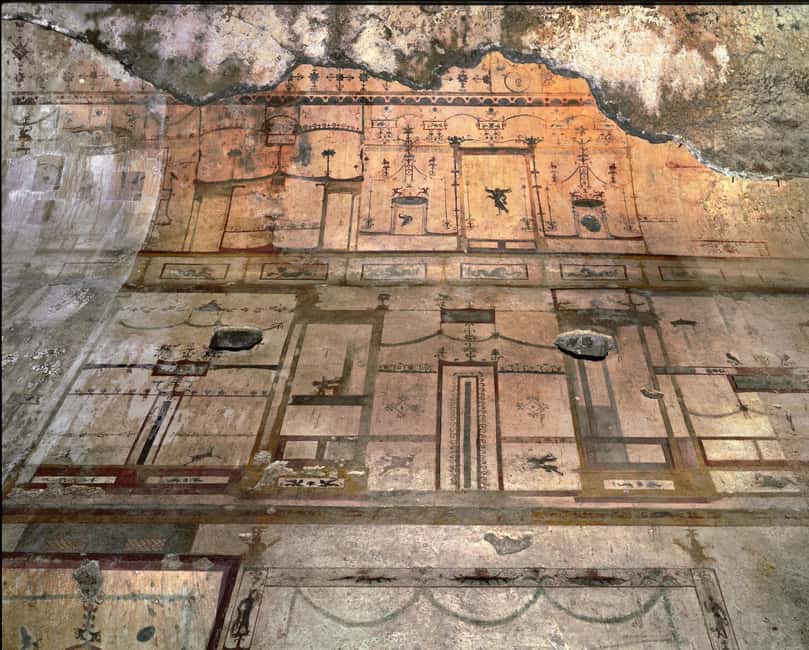
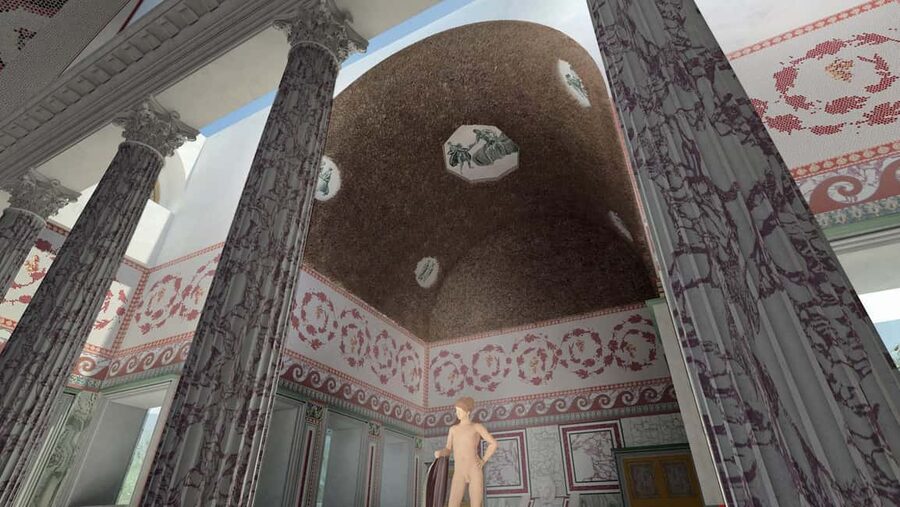
The VR segment is short, but it carries much of the tour’s emotional force. By placing the palace’s surviving rooms alongside a reconstruction of their possible ancient appearance, it helps you connect plain masonry with the original decorative scheme.
The Room of the Golden Vault is the key setting. Through the headset, you can picture the vault as it may have appeared in Nero’s time, rather than relying on a guide to describe missing colors and surfaces. The presentation is built as a multisensory video storytelling project, so it is not simply a static architectural diagram.
I like this approach because it respects the difference between evidence and imagination. The reconstruction is presented as what historians and archaeologists presume the palace looked like, not as a claim that every painted detail is certain. That distinction matters at an archaeological site.
The VR does not replace the ruins. It works best after you have looked at the actual walls, passages, and decoration. First you see what remains. Then technology gives you a possible picture of the lost palace. That order keeps the experience grounded.
If you are mainly interested in ancient structures and dislike screens, the presentation may feel like an extra rather than the reason to book. If you struggle to picture incomplete buildings, it can make the visit much easier to follow.
A different way to spend the day, same part of Italy:
- Vatican: Museums & Sistine Chapel Entrance Ticket
★ 4.5 · 144,003 reviews - Vatican Museums & Sistine Chapel Tour with Optional Basilica
★ 4.3 · 67,413 reviews - Rome: Guided Tour of Colosseum, Roman Forum & Palatine Hill
★ 4.7 · 27,897 reviews - Rome: Colosseum & Forum with Audio Guide App -Optional Arena
★ 4.2 · 24,770 reviews
Nero’s palace, parties, and political message
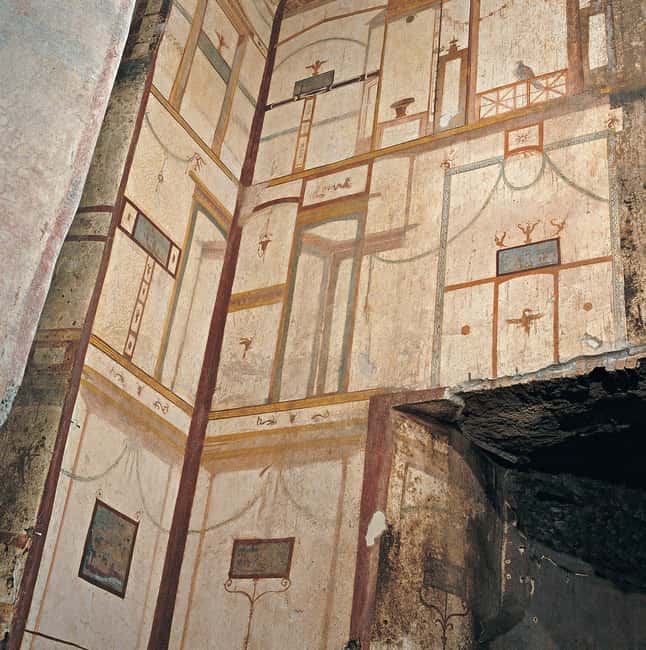
The Domus Aurea is tied to Nero’s extravagant court and the wild parties held there, but the palace was also a carefully planned statement. Its scale expressed imperial power. Its decoration placed the emperor in a setting modeled in part on Hellenistic royal residences, with enough space for a court and for activities that supported the complex.
That context helps you move beyond the familiar image of Nero as simply a bad emperor. The palace shows how architecture can serve politics. A residence this large was meant to shape how people approached the ruler and how the ruler wanted to be seen.
The building program also explains why the site can feel less like a conventional home and more like a collection of ceremonial rooms, covered routes, gardens, and functional areas. The intention was to unite existing palatine homes with the Esquiline gardens and create a single dynastic residence.
Your guide is important here. The walls alone do not explain the palace’s purpose, and the guide-led format gives you a chance to ask questions. Claudia, one of the guides praised for her clear and passionate explanations, is a good example of the kind of personal interpretation that can make this place easier to understand. Language options are Italian, English, French, and Spanish.
Roman concrete and the engineering behind the rooms
One of the more useful parts of this visit is its attention to concrete. Many people associate Roman building with marble columns and cut stone, but Roman concrete was crucial to the creation of vast vaulted interiors.
At the Domus Aurea, the material helps explain how builders shaped halls and ceilings with a freedom that was not possible through stacked blocks alone. The rooms were not simply decorated boxes. Their curves, vaults, and changing forms were part of the architecture’s effect.
You do not need an engineering background to benefit from this explanation. It gives you a practical way to read the building. Look at the vaults and the transitions between rooms, then consider the construction challenge behind them. The palace becomes a record of Roman problem-solving, not only a monument to imperial excess.
This is also where a live guide adds value over a quick independent visit. A label might identify concrete. A guide can connect it to the shape of the room and to Nero’s larger desire for a grand royal residence.
Frescoes, restoration, and the problem of seeing what survives
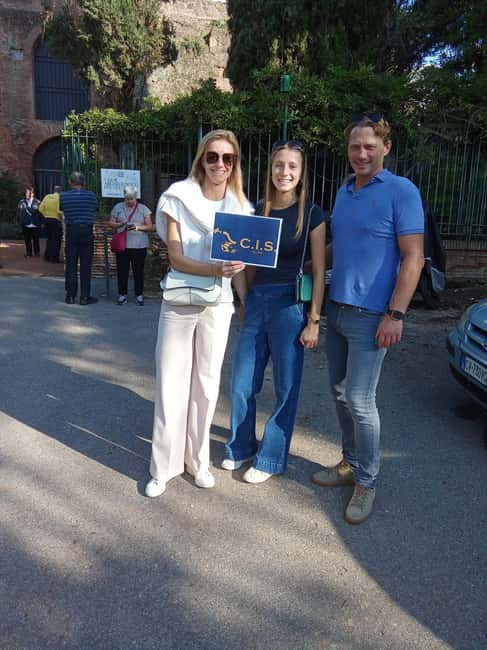
The Domus Aurea is famous for its wall painting, among the most interesting examples of Roman decorative painting. Yet you should arrive with realistic expectations. You are not entering a fully furnished golden palace, and not every painted surface will appear bright or complete.
The power of the visit comes from reading fragments. Decorative details, surviving surfaces, and the structure itself hint at the original visual effect. Restoration work helps protect these remains and lets you see more than you might expect from a damaged archaeological complex.
The VR presentation then fills in some of the gaps. It can show color, ornament, and scale in a way that bare walls cannot. I consider that combination the strongest feature of the tour: physical evidence first, digital reconstruction second, with the guide explaining how the two relate.
The underground setting also affects what you hear. Acoustics can be poor in parts of the Domus Aurea, and one visitor found it difficult to catch every word of an otherwise excellent explanation. Stay close to the guide when possible and pay attention to the included audio guide option. Italian, English, French, and Spanish are available for both the live guide and audio support.
How the $67 price works out
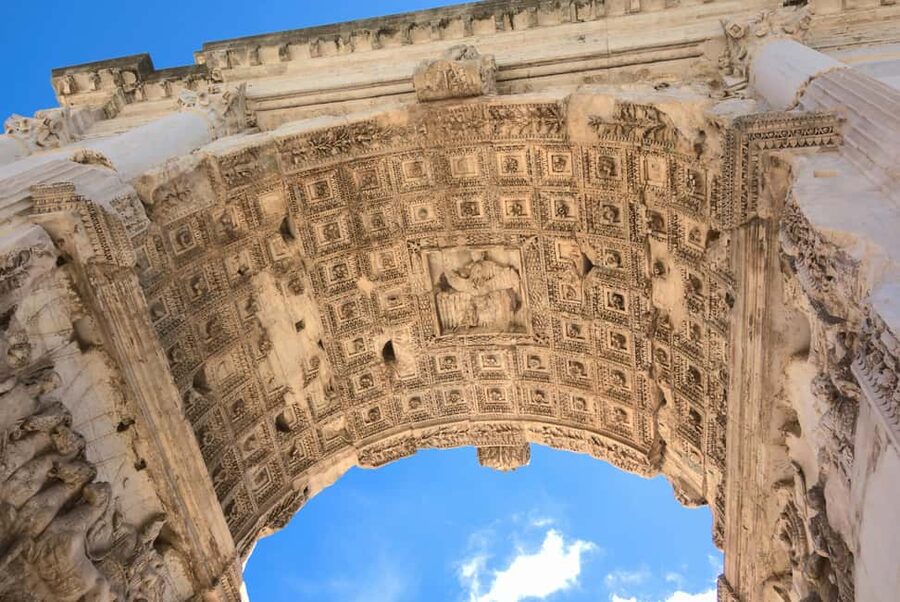
At $67 per person, this is not Rome’s cheapest archaeological stop. The price includes the Domus Aurea admission, guided tour, VR experience, taxes, and fees. You are paying for a structured visit rather than entry alone.
I think the price is reasonable if you value interpretation and want the reconstruction. The palace is difficult to understand from its remains without background, and the VR presentation supplies a visual bridge between the ancient building and the surviving archaeology.
The value is less certain if you only want a fast look at Roman ruins. The visit lasts about 1.5 hours including the meeting and tour process, so it is not a full half-day commitment, but the route is focused and the site is specialized. You should choose it because Nero’s palace, Roman painting, and ancient engineering interest you, not simply because it is near the Colosseum.
The strong response to the experience is understandable. The most praised elements are the VR film, the guides’ subject knowledge and willingness to answer questions, and the chance to see Nero’s palace in person. Those are precisely the features that separate this activity from a standard ticket.
Comfort, temperature, and access concerns
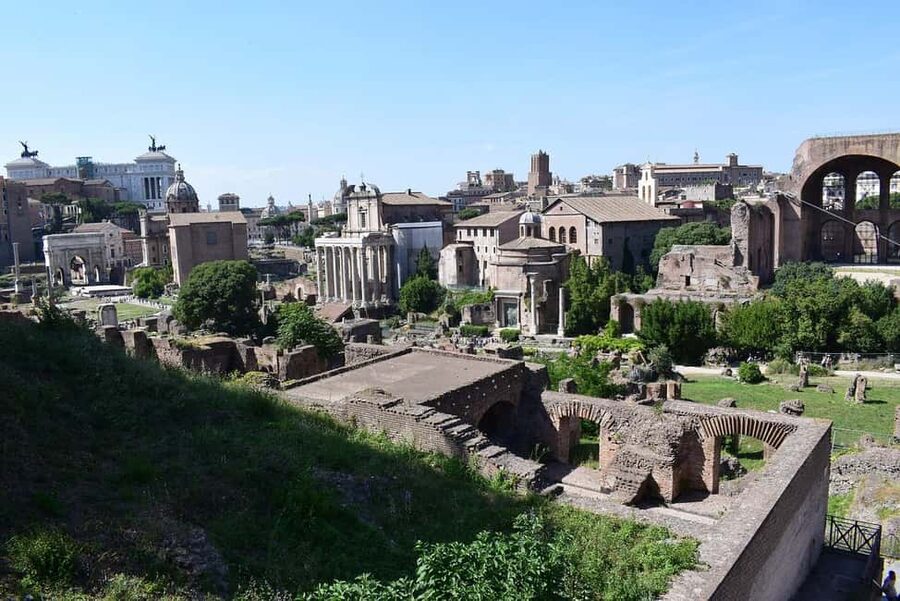
The temperature inside the Domus Aurea is around 10 degrees Celsius. Bring a jacket or sweater, even if Rome is hot outside. Comfortable shoes are also important because the visit takes place in an archaeological complex rather than a polished museum.
The site is not suitable for wheelchair users or people with mobility impairments. It is also not suitable for people with claustrophobia. The information provided does not give a detailed list of every surface or step, so anyone with access concerns should confirm the current conditions before booking.
Food and drinks are not allowed, and large bags or luggage cannot be brought in. Plan to visit between other activities rather than arriving with your full suitcase or daypack.
The cool, enclosed setting is part of the character of the Domus Aurea, but it is also the reason this tour will not suit everyone. You should think of it as an underground archaeological visit, not an open-air walk through Roman ruins.
Who will get the most from this tour
I would choose this experience for you if you want a focused introduction to Nero’s palace and prefer a guide to explain what you are seeing. It is particularly useful if you have already seen the Colosseum and Roman Forum and want something less familiar.
The tour also suits visitors who enjoy the meeting point between history and technology. The VR component is not a gimmick added to a routine walk. It directly addresses the central problem of the site: much of the original decoration and visual impact is gone.
Families with children may appreciate the visual presentation, but remember that children need identification and cannot attend unaccompanied. Anyone who dislikes enclosed spaces or has limited mobility should select another Roman attraction.
The language range is helpful for international visitors. You can book with a live guide in Italian, English, French, or Spanish, with an audio guide included in those languages as well.
Should you book the Domus Aurea experience?
Book it if you want to understand how Nero’s palace may have looked and why its concrete architecture, painted rooms, and grand plan mattered. The VR reconstruction and live explanation make the $67 price easier to justify, especially for a first visit to the site.
Skip it if you want an open-air attraction, need step-free access, or dislike enclosed underground spaces. Also skip it if your Rome schedule is so tight that you cannot arrive early and allow time for a carefully guided visit.
For the right visitor, this is one of Rome’s more distinctive archaeological experiences. You see the ruins honestly, then use technology to picture the lost palace. That balance gives the Domus Aurea a sense of place that a photograph or quick exterior visit cannot provide.
FAQ
How long does the Domus Aurea tour last?
The activity lasts about 1.5 hours, with the guided visit inside the Domus Aurea lasting about 70 minutes.
What does the $67 price include?
The price includes the Domus Aurea ticket, guided tour, virtual reality experience, taxes, and fees.
Where is the meeting point?
Meet in front of the Colosseo metro station at the lower floor or street-level entrance, near the green kiosk. Look for staff with a C.I.S. Tours sign.
How early should I arrive?
You should arrive 20 minutes before your booked activity.
Which languages are available?
Live guides and audio guides are available in Italian, English, French, and Spanish.
Do I need identification?
Yes. Bring a passport or ID card. Participant names are required because the tickets are nominative, and children also need identification.
Is the Domus Aurea suitable for wheelchair users?
No. The activity is not suitable for wheelchair users or people with mobility impairments. It is also not suitable for people with claustrophobia.
Recently reviewed around Rome
- Ancient Rome at Twilight Walking Tour★ 5.0 · 276 reviews
- Domus Aurea Guided Tour: The Golden House of Nero★ 4.5 · 199 reviews
- Early Vatican Museums & Sistine Chapel Small Group Tour★ 4.5 · 314 reviews
- Early Vatican Museums Tour: The Best of the Sistine Chapel★ 4.5 · 900 reviews
- 3 Days in Sorrento, Capri & Pompeii: la Dolce Vita★ 4.0 · 595 reviews
- Tivoli Villas Full Day Trip From Rome with Lunch★ 4.0 · 443 reviews
- Jewish Ghetto & Piazza Navona: Food, Wine & Sightseeing Rome Tour★ 5.0 · 460 reviews
- Cook With Us in Rome: A Hands-On Cooking Experience 09:20AM class★ 5.0 · 234 reviews
Guided, compared.
Colosseum, Roman Forum & Palatine Guided Tour
Read our review →
Vatican Museums, Sistine Chapel & St Peter’s Basilica Guided Tour
Read our review →
Colosseum, Palatine Hill and Roman Forum Guided Tour
Read our review →
Guided Tour of Colosseum, Roman Forum & Palatine Hill
Read our review →
Colosseum & Forum with Audio Guide App -Optional Arena
Read our review →
Colosseum, Roman Forum and Palatine Hill Guided Tour
Read our review →
Naples Underground Entry Ticket and Guided Tour
Read our review →