Review · GUIDED
Rome: Domus Aurea, Nero’s Golden House guide tour
The best part of Rome’s Domus Aurea is the shock of scale. Beneath the park beside the Colosseum, you enter the remains of a palace so vast that Nero’s extravagance becomes easier to grasp. The VR reconstruction then restores the lost marble, color, light, and decoration in a way bare walls cannot.
I like the combination of careful archaeology and modern technology. I also like the guides’ personal touch, especially when a guide such as Claudia, Simone, or Nico turns a dark ruin into a clear story. The main drawback is practical: the palace is cold, the meeting instructions can be unclear, and the experience is not suitable for wheelchair users or people with mobility problems.
In This Review
- Key points to know before booking
- Why Nero’s Golden House is worth your time
- Starting on Via delle Terme di Tito
- Entering the underground palace
- The restoration work deserves attention
- How the VR Oculus presentation works
- A 1.5-hour itinerary with a clear rhythm
- Guides, languages, and group comfort
- What to wear and what to leave behind
- Who will enjoy this Roman experience most
- Should you book the Domus Aurea tour?
- FAQ
- How long does the Domus Aurea tour last?
- What languages are available?
- What is included in the price?
- Where does the tour meet?
- Do I need to bring identification?
- How cold is the Domus Aurea?
- Can wheelchair users join the tour?
Key points to know before booking
- The palace is underground and chilly: Temperatures inside are around 10 C, so bring a jacket even in Rome’s summer.
- VR supplies the missing palace: Oculus headsets show how Nero’s rooms may have appeared 2,000 years ago.
- The guided visit lasts 1.5 hours: That is enough for a focused introduction without taking over your whole day.
- The guides are a major strength: Claudia, Simone, and Nico have received especially warm praise for clear storytelling and good pacing.
- The meeting point needs care: The starting location is on Via delle Terme di Tito, but the exact point can vary by booking option.
- The visit suits history-minded adults best: Food, drinks, luggage, and large bags are not allowed inside.
Why Nero’s Golden House is worth your time
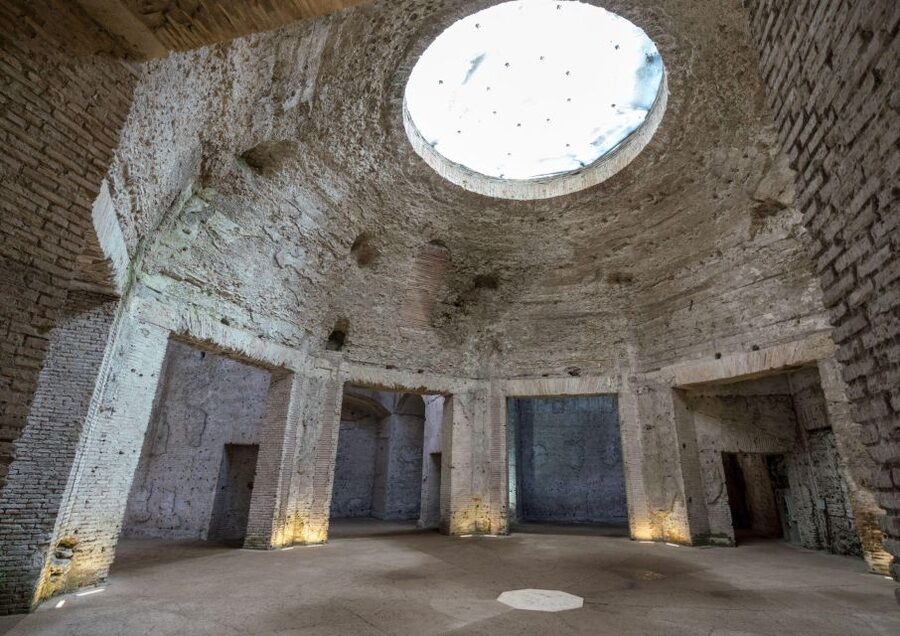
The Domus Aurea, or Golden House, was Emperor Nero’s enormous palace complex in ancient Rome. Much of the original structure is now buried below the modern park, but the surviving rooms still show the scale of the project and the quality of its decoration.
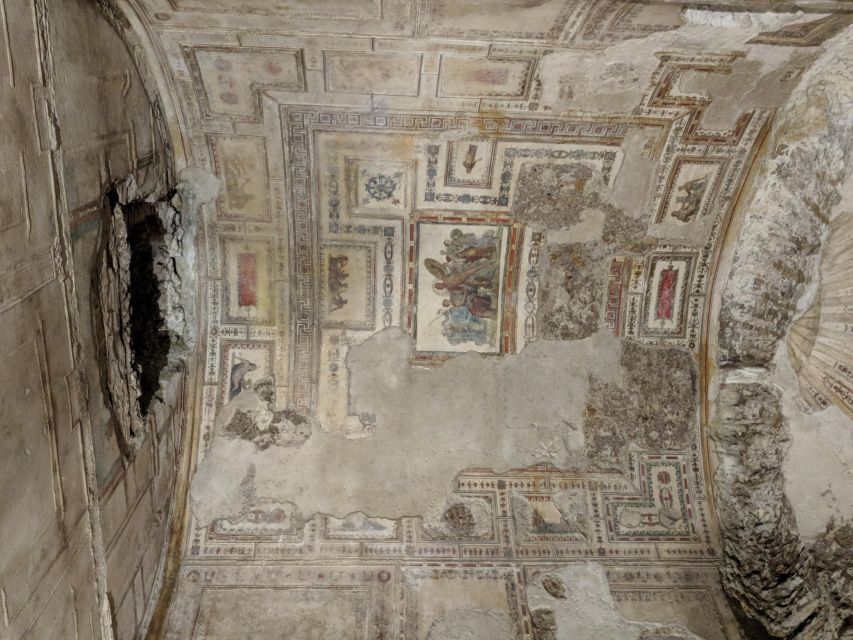
I find this site especially useful because it helps explain later Roman and Renaissance art. Its painted rooms, vaulted ceilings, and unusual architectural ideas influenced artists who studied the underground chambers centuries after the palace was built. A visit here gives you a better eye for the decoration you will see elsewhere in Rome, including later palaces, churches, and museums.
You do not come for polished halls or complete rooms. You come for fragments, arches, brickwork, faded decoration, and the imagination required to connect them. The VR segment fills that gap without pretending that the surviving ruin is complete.
This is also a more focused experience than Rome’s biggest ancient sites. You are not simply walking past a famous monument and taking photographs. You are listening, looking closely, and using reconstruction to understand what has disappeared.
More Rome trips worth a second look
- Colosseum, Roman Forum & Palatine Guided Tour
★ 4.7 · 63,148 reviews - Vatican Museums, Sistine Chapel & St Peter’s Basilica Guided Tour
★ 4.5 · 39,149 reviews - Rome: Colosseum, Palatine Hill and Roman Forum Guided Tour
★ 4.8 · 32,814 reviews
Starting on Via delle Terme di Tito
Your visit begins at a meeting point on Via delle Terme di Tito. The booking can offer two starting-location options, and the exact meeting point may vary, so read your confirmation carefully rather than assuming every group gathers in exactly the same place.
This is the one part of the experience that deserves extra planning. The steps and nearby streets can make the location less obvious, and unclear meeting instructions have caused stress for some people. If you are coming by Metro, allow time to get your bearings around the station and the steps leading toward the meeting area.
Bring your booking details, and make sure the operator has your email address or WhatsApp number. The supplier requires the first and last name of every participant. The entrance guard can refuse admission if those details have not been provided, and you must carry your ID.
The express security check helps once you reach the entrance. It does not mean you can arrive at the last second. Rome’s ancient sites can be confusing around opening areas, and a short buffer gives you time to find the guide without starting the visit flustered.
Entering the underground palace
The first moments inside explain why a guide matters. The Domus Aurea is not laid out like a modern museum with large labels at every turn. You need help connecting the surviving walls with the palace Nero commissioned.
Your guide leads the group through the archaeological remains and explains the building, its decoration, and its place in Nero’s reign. The strongest guides make the tour feel like a conversation rather than a lecture. Claudia has been particularly effective at mixing clear facts, light humor, and a pace that lets the group keep up. Simone and Nico have also been praised for bringing the site to life.
The subject can be complicated. The palace has changed over time, and the site needs more explanation than a simple Nero biography. A good guide helps you understand the difference between what remains, what archaeologists have reconstructed, and what the technology is showing as an interpretation.
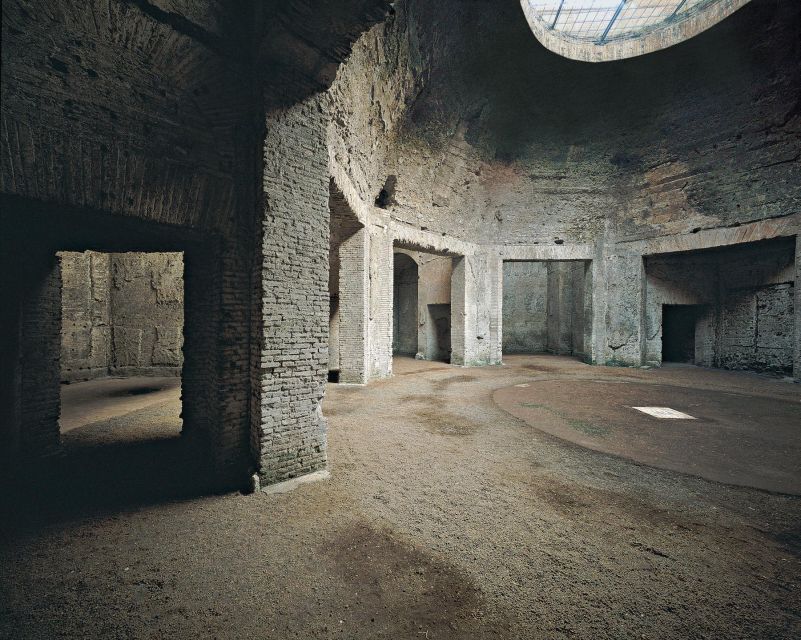
Listen for the details around the walls, ceilings, and painted decoration. The scale is one of the great surprises. Even in its damaged state, the complex feels far larger than a few isolated chambers. One of the most memorable aspects is realizing that the rooms you see were once part of a much grander setting.
The restoration work deserves attention
The restoration is not merely a background detail. It shapes what you are able to see and how safely the site can be visited. Modern additions, doors, windows, and protective work have been designed to support the ancient structure without making the place feel like a new building.
I appreciate that the restored areas do not try to turn the Domus Aurea into a theme park. You still see the age of the masonry and the damage caused by centuries of burial and reuse. At the same time, the site is cared for well enough that you can concentrate on the architecture and paintings.
The contrast between old and new is part of the experience. You may notice carefully designed modern elements alongside ancient surfaces. That makes the visit a useful lesson in how archaeological sites are preserved, not just a look at Roman remains.
The restoration continues to affect how the palace is presented. If you visited years ago, you may find that access and interpretation have changed. One returning visitor noted major improvements over an earlier visit, which suggests that the site is not frozen in one final version.
A different way to spend the day, same part of Italy:
- Vatican: Museums & Sistine Chapel Entrance Ticket
★ 4.5 · 144,003 reviews - Vatican Museums & Sistine Chapel Tour with Optional Basilica
★ 4.3 · 67,413 reviews - Rome: Guided Tour of Colosseum, Roman Forum & Palatine Hill
★ 4.7 · 27,897 reviews - Rome: Colosseum & Forum with Audio Guide App -Optional Arena
★ 4.2 · 24,770 reviews
How the VR Oculus presentation works
The VR portion is the tour’s main draw for many people. Wearing the Oculus headset, you see a digital reconstruction of the palace during Nero’s era. The plain archaeological rooms become a reference point for picturing their original decoration and grandeur.
This is not just a digital postcard. The technology creates a direct contrast between the dark, damaged remains and the palace as it may once have looked. You can understand the height of the rooms, the decorative surfaces, and the effect of color much more quickly than you can from a verbal description alone.
The result can be surprisingly powerful. People often spend the VR sequence looking around rapidly because the reconstructed space changes the way they read the real walls afterward. It supplies scale and visual context, while the guide supplies the historical explanation.
There is one small limitation. The VR presentation may not be staged in the room you most want to see, and one useful suggestion has been to place it in the octagonal room. That is not a reason to skip the tour, but it helps set expectations. The digital reconstruction and the physical visit are connected, though they may not happen in precisely the same spot.
If you have never used a VR headset, the guide should explain what to do. Give yourself a moment to adjust and look around slowly. The experience is most useful when you compare the virtual details with the ancient features you have just seen.
A 1.5-hour itinerary with a clear rhythm
The scheduled visit lasts about 90 minutes. That is a sensible length for an underground archaeological site. You get enough time for the guide’s explanation, the walk through the rooms, and the VR presentation without turning the visit into an exhausting half-day commitment.
The tour generally follows this rhythm:
- Meet the guide at the confirmed location on Via delle Terme di Tito.
- Pass through the entrance and security process.
- Walk through the accessible sections of the Domus Aurea.
- Hear the story of Nero, the palace, and its decoration.
- Use the VR devices and video narration to see a reconstruction of the ancient complex.
- Continue with the guide’s interpretation of the surviving remains.
The balance matters. A tour that relied only on VR would feel like a museum film. A tour based only on ruins could leave you guessing. Here, the two approaches reinforce each other.
You should expect to move at a measured pace. This is not a fast sightseeing stop where you rush from room to room. The dim surroundings, cold air, and need to listen carefully make comfortable shoes a good idea.
Guides, languages, and group comfort
Live guiding is available in English, Italian, Spanish, and French. The quality of the experience depends partly on the guide’s voice and presentation style. Several guides, including Claudia, Simone, and Nico, have been singled out for strong storytelling and an engaging manner.
Audio clarity can vary. Some people have found it hard to hear when the group is large or when the guide speaks with a strong accent. If you cannot hear, move closer and tell the guide early. A group of around 25 people can make it difficult to see exactly what the guide is pointing toward, especially in a dark chamber.
That group size is worth considering when judging the $59 price. The ticket includes admission, the professional guide, taxes, and the VR equipment, so you are paying for more than a basic entry ticket. The price is reasonable if you want interpretation and the reconstruction, particularly if the Domus Aurea is a priority for you.
Still, $59 is not a bargain admission. If you prefer to read about Roman archaeology at your own pace, you may find the premium harder to justify. Book early if you want the best chance of a favorable price and a time that suits your day.
What to wear and what to leave behind
The indoor temperature is around 10 C. That is cold enough to distract you, particularly because the tour moves slowly and includes time standing while listening. Bring a jacket, and consider extra layers, a hat, or gloves if you feel the cold easily.
Comfortable shoes are also important. The site is not suitable for wheelchair users or people with mobility impairments, and the underground setting may involve uneven or difficult surfaces. Check your own comfort level before booking.
Food and drinks are not allowed inside. Large bags and luggage are also prohibited. Arrive with only what you need for the visit, your ID, and your booking information.
The no-luggage rule matters if you are between hotels or heading directly to a station. Do not assume you can bring a suitcase and sort it out at the entrance. Plan storage elsewhere before you arrive.
Who will enjoy this Roman experience most
I would choose this tour for anyone who wants more than a quick look at ancient brickwork. It is particularly good for people interested in Roman emperors, archaeology, architecture, painted decoration, and the way modern technology can explain an ancient site.
It also works well for repeat visitors to Rome. The Domus Aurea gives you a different view of the city’s imperial past, and the restoration keeps changing how the remains are presented. If you have already seen the Colosseum, Roman Forum, and Palatine Hill, this adds another piece to the picture.
Families should think carefully. The subject and technology may appeal to older children, but the cold, dark rooms, long explanations, and 90-minute format are not designed specifically for young kids. Several people found it better suited to adults and serious history fans.
The tour is less suitable if you need step-free access, dislike headsets, or want a relaxed self-guided visit. It is also a poor choice if you have a tightly packed schedule and cannot spare time to locate the meeting point.
Should you book the Domus Aurea tour?
Yes, if Nero’s palace interests you and you want the surviving ruins explained rather than simply viewed. The VR reconstruction is genuinely useful, not a gimmick added after the fact, and the best guides make the archaeology understandable without flattening its uncertainty.
I would book it with three precautions: confirm the exact meeting point, submit every participant’s full name, and dress for 10 C indoor temperatures. Carry your ID, wear good shoes, and avoid bringing a large bag.
At $59, this is best treated as a specialist Rome experience rather than a cheap ancient-site ticket. For a history-minded visitor, the combination of restoration, expert commentary, and VR makes the cost worthwhile. If you want a fast, warm, easy-to-access attraction, choose something else.
FAQ
How long does the Domus Aurea tour last?
The guided visit lasts 1.5 hours.
What languages are available?
The live guide can lead the tour in English, Italian, Spanish, or French.
What is included in the price?
The price includes entrance to the Domus Aurea, a professional guide, all fees and taxes, and VR devices.
Where does the tour meet?
The starting location is on Via delle Terme di Tito. The exact meeting point can vary according to the option booked, so check your confirmation carefully.
Do I need to bring identification?
Yes. You must bring your ID, and you must provide the first and last name of every participant before the visit.
How cold is the Domus Aurea?
The temperature inside is around 10 C. Bring a jacket and dress in warm layers.
Can wheelchair users join the tour?
No. The activity is not suitable for wheelchair users or people with mobility impairments.
Recently reviewed around Rome
- Ancient Rome at Twilight Walking Tour★ 5.0 · 276 reviews
- Domus Aurea Guided Tour: The Golden House of Nero★ 4.5 · 199 reviews
- Early Vatican Museums & Sistine Chapel Small Group Tour★ 4.5 · 314 reviews
- Early Vatican Museums Tour: The Best of the Sistine Chapel★ 4.5 · 900 reviews
- Jewish Ghetto & Piazza Navona: Food, Wine & Sightseeing Rome Tour★ 5.0 · 460 reviews
- 3 Days in Sorrento, Capri & Pompeii: la Dolce Vita★ 4.0 · 595 reviews
- Tivoli Villas Full Day Trip From Rome with Lunch★ 4.0 · 443 reviews
- Cook With Us in Rome: A Hands-On Cooking Experience 09:20AM class★ 5.0 · 234 reviews
Guided, compared.
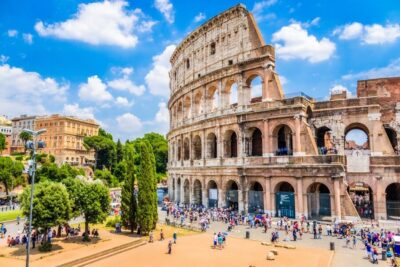
Colosseum, Roman Forum & Palatine Guided Tour
Read our review →
Vatican Museums, Sistine Chapel & St Peter’s Basilica Guided Tour
Read our review →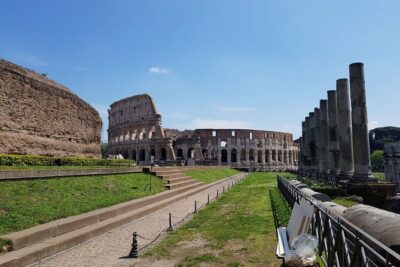
Colosseum, Palatine Hill and Roman Forum Guided Tour
Read our review →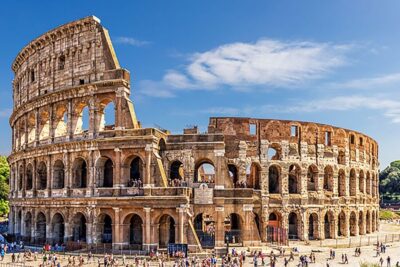
Guided Tour of Colosseum, Roman Forum & Palatine Hill
Read our review →
Colosseum & Forum with Audio Guide App -Optional Arena
Read our review →
Colosseum, Roman Forum and Palatine Hill Guided Tour
Read our review →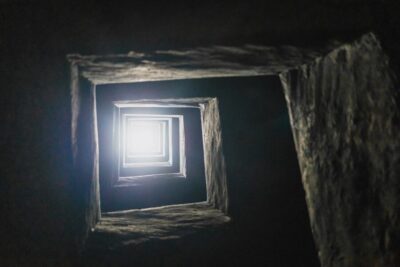
Naples Underground Entry Ticket and Guided Tour
Read our review →