Review · ROME TOURS
Rome: The Four Seasons by Vivaldi
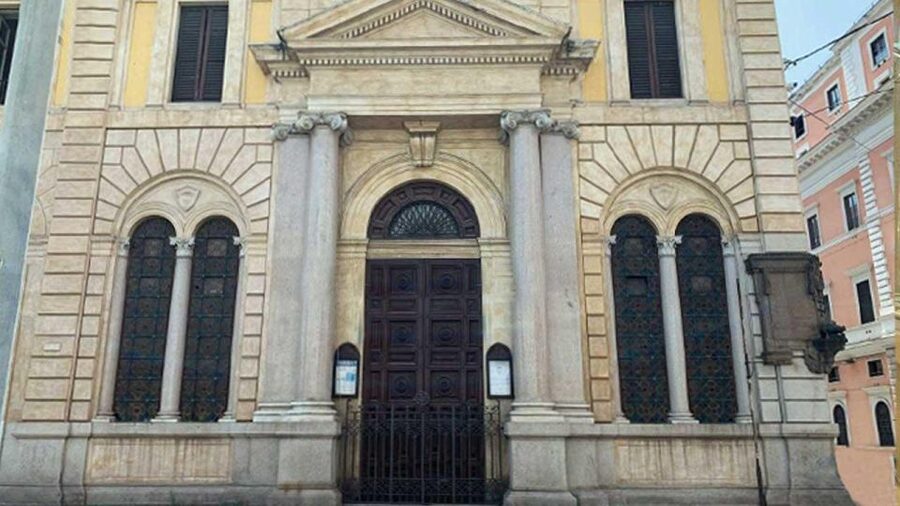
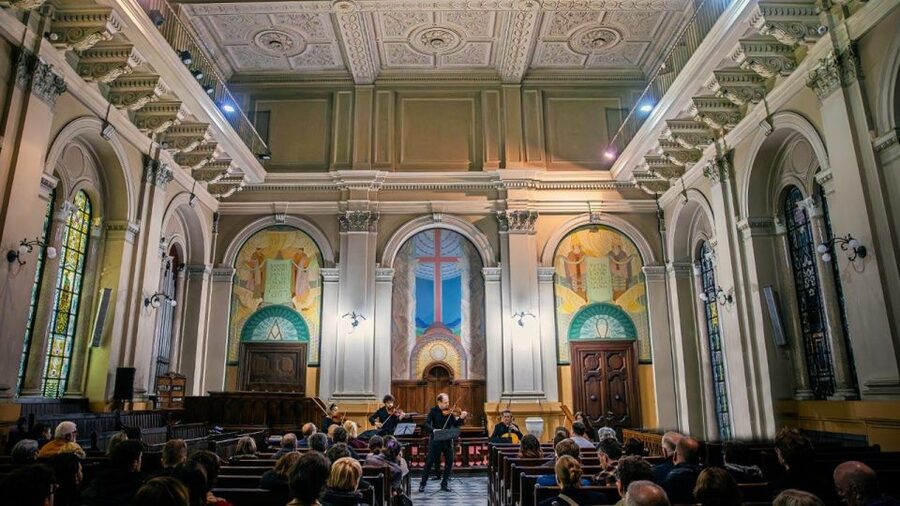
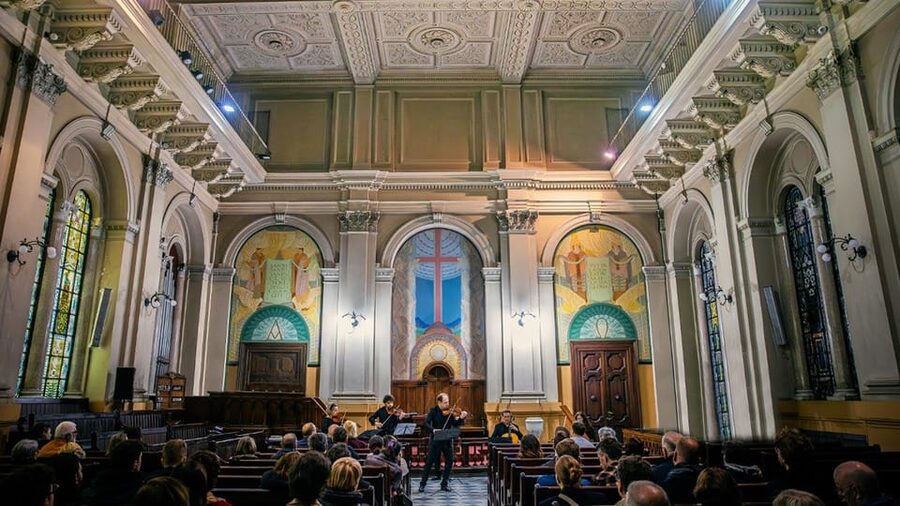
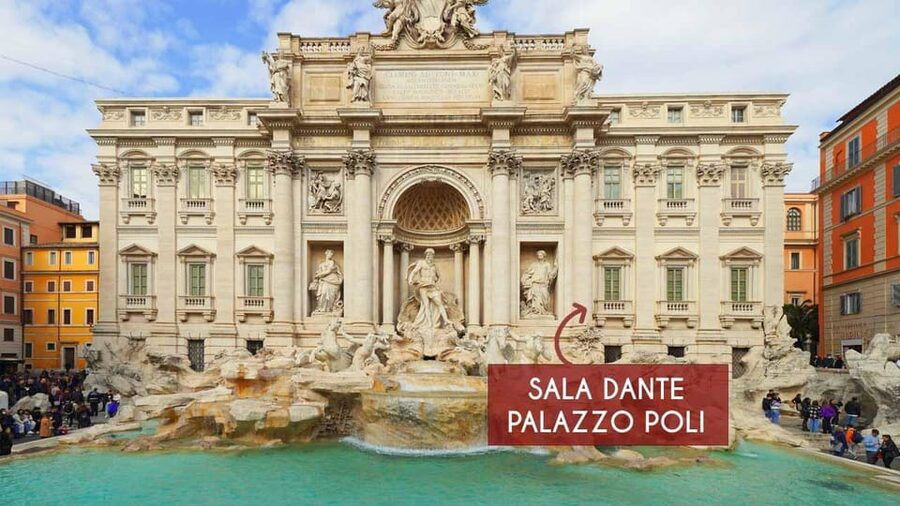
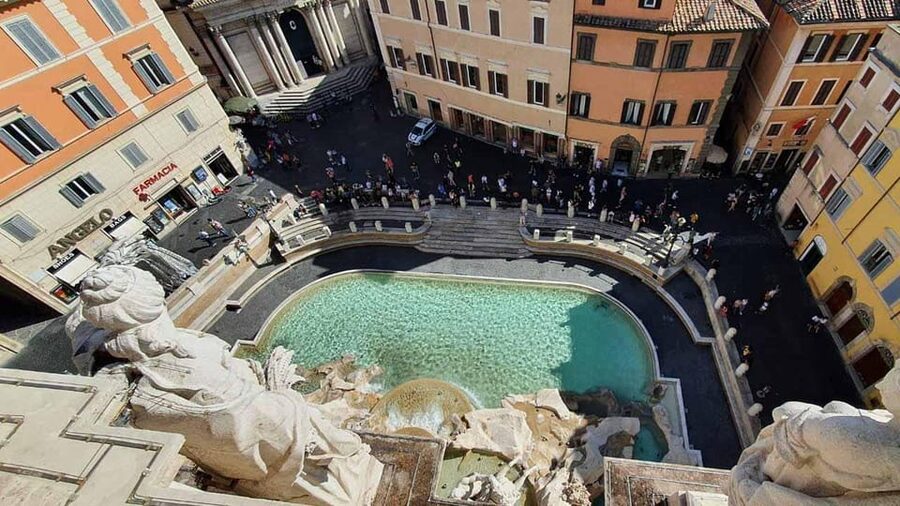
Rome’s most famous fountain provides an unusual backdrop for this Vivaldi concert, especially when the performance is held in Sala Dante of Palazzo Poli, where you can look toward Trevi Fountain. On other dates, the music takes place in the Chiesa Evangelica Metodista, an old church with the kind of acoustics that make a small string ensemble feel close and immediate.
I like two things here: Elvin Dhimitri’s energetic violin leadership and the compact running time, which makes the concert easy to fit into a busy Rome evening. The main caution is that the venue can change, the seats are unnumbered, and past performances have sometimes felt too warm or chilly inside.
- Vivaldi’s Four Seasons live: Hear Spring, Summer, Autumn, and Winter, including birdsong, storms, hunting scenes, and winter rain.
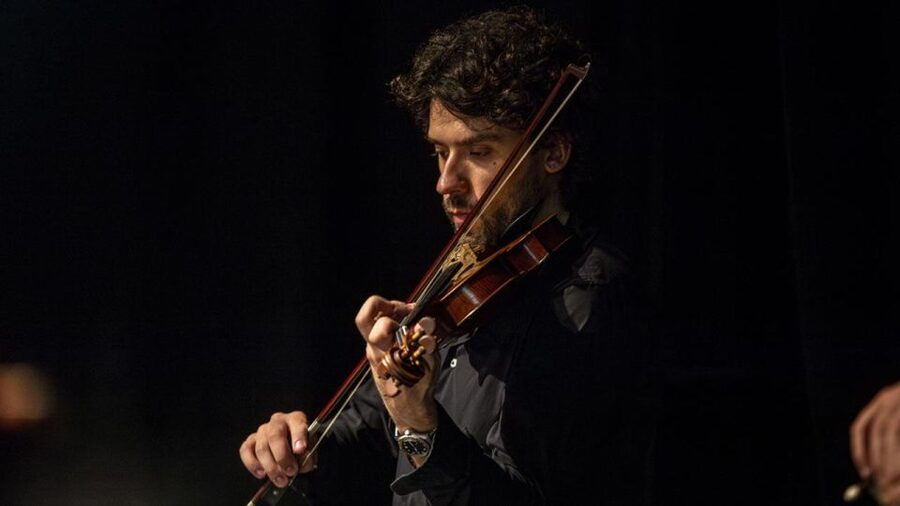
- Elvin Dhimitri leads: The first violinist also conducts, bringing a direct, highly expressive style to the performance.
- Three possible Rome venues: The church on Via XX Settembre, Sala Dante near Trevi Fountain, or Horti Sallustiani.
- Strings plus harpsichord: The small ensemble keeps the music intimate rather than grand and orchestral.
- Good central location: The Palazzo Poli venue is beside Trevi Fountain, while the other locations are also in central Rome.
- Short evening program: The advertised duration is 80 minutes, though some performances have run closer to an hour.
In This Review
- Why Vivaldi Works So Well in Rome
- Elvin Dhimitri and the Opera e Lirica Ensemble
- The Four Seasons, Movement by Movement
- Spring, RV 269
- Summer, RV 315
- Autumn, RV 293
- Winter, RV 297
- Choosing Between the Three Venues
- Chiesa Evangelica Metodista
- Sala Dante at Palazzo Poli
- Horti Sallustiani
- What the 80 Minutes Really Mean
- Is $35 a Fair Price?
- Seating, Sound, and Comfort
- Who Will Enjoy This Concert Most?
- Practical Tips for Planning Your Evening
- Should You Book Rome’s Four Seasons Concert?
- FAQ
- Where does the Vivaldi concert take place?
- Is the concert held near Trevi Fountain?
- How long does the concert last?
- Who performs The Four Seasons?
- Which pieces are included?
- Are the seats assigned?
- Is the concert wheelchair accessible?
- Can I bring children?
- What happens if I need to cancel?
Why Vivaldi Works So Well in Rome
Vivaldi’s Four Seasons is familiar music, but it rarely feels stale when played live. The four violin concertos turn nature into sound: birds call in Spring, Summer builds toward a storm, Autumn brings a peasant dance and hunt, and Winter moves from icy discomfort to a warm indoor moment.
I enjoy this program because the music gives you something to follow even if you do not know much about Baroque music. You can hear the sudden changes in speed, the repeated patterns, and the violin imitating natural sounds. The work is dramatic without needing scenery or a narrator.
The concert also fits Rome’s artistic character. Baroque Rome was fascinated by movement, contrast, theatrical effects, and the force of nature. Bernini’s sculptures express the same taste for motion and surprise. Vivaldi does it with bows, strings, and a harpsichord instead of marble.
The program includes more than the four famous concertos. You may also hear Concerto per archi RV 127 and RV 151, followed by Concerto XI No. 4 in A Major. The central work is the complete Four Seasons, including all three movements of each concerto.
Elvin Dhimitri and the Opera e Lirica Ensemble
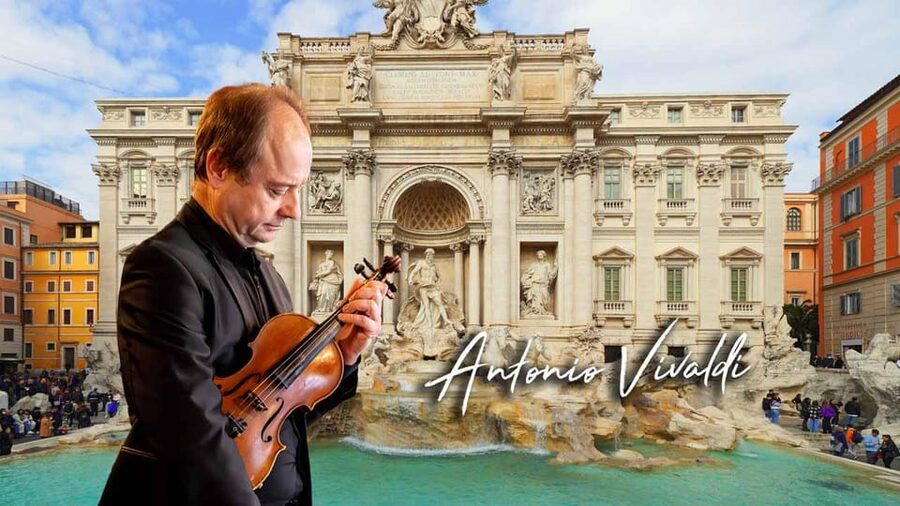
Elvin Dhimitri serves as first violin and conductor. His background includes work with the Bilkent Youth International Symphony Orchestra, the Luglio Musicale Symphony Orchestra of Trapani, the Nuova Scarlatti Symphony Orchestra of Naples, and the Toscanini Symphony Orchestra of Parma. He was also appointed first violin with the Rome Philharmonic Orchestra and has been a member of the Rome and Lazio Symphony Orchestra since 1997.
You do not need to study his biography before attending, but it helps explain the confidence of the performance. The first violin carries much of the musical action in The Four Seasons. Dhimitri is not simply another player in the group. He directs the ensemble from the front, and the music depends on his timing, attack, and control.
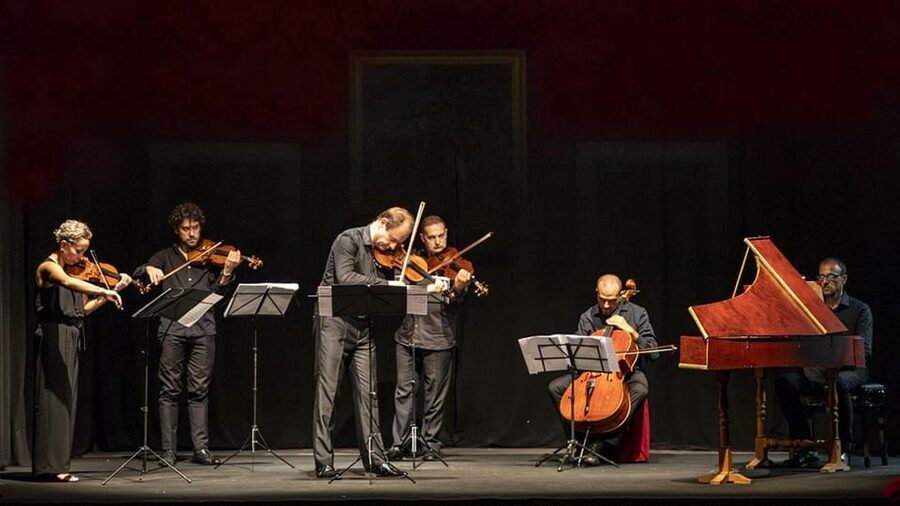
The ensemble is described as a strings quintet with harpsichord. That smaller format matters. You hear the individual instruments more clearly than you would in a large symphony orchestra, and the harpsichord adds the crisp, woody pulse associated with Baroque music.
The strongest praise has focused on the musicianship, especially the lead violin. The performance can be delicate in the Largo movements, then turn sharp and urgent during the Summer storm or Winter finale. One useful detail: Dhimitri has appeared to play the entire work from memory, which adds to the sense of concentration and connection.
Other Rome days travellers weigh against this one:
- Vatican: Museums & Sistine Chapel Entrance Ticket
★ 4.5 · 144,003 reviews - Vatican Museums & Sistine Chapel Tour with Optional Basilica
★ 4.3 · 67,413 reviews - Colosseum, Roman Forum & Palatine Guided Tour
★ 4.7 · 63,148 reviews
The Four Seasons, Movement by Movement
Spring, RV 269
Spring opens with an Allegro that feels light and welcoming. Vivaldi uses the solo violin to suggest birdsong, while the other strings create a clear musical setting around it. The final movement becomes a pastoral dance, giving the concerto a sunny and social finish.
This is the part most people recognize first, and it is a good entry into the program. If you are bringing children, the changing sounds can help them listen for specific images instead of treating the concert as one long piece.
Summer, RV 315
Summer is often the most dramatic concerto. It begins with heat and tension, then moves into a slow Adagio before the Presto storm arrives. The music does not merely describe rain. It suggests the unease that builds before a violent change in weather.
The contrast makes this section especially effective in a small hall or church. A close audience can hear the quick bowing and sharp attacks without the sound becoming lost in a large room.
A different way to spend the day, same part of Italy:
- Vatican Museums, Sistine Chapel & St Peter’s Basilica Guided Tour
★ 4.5 · 39,149 reviews - Rome: Colosseum, Palatine Hill and Roman Forum Guided Tour
★ 4.8 · 32,814 reviews - Rome: Guided Tour of Colosseum, Roman Forum & Palatine Hill
★ 4.7 · 27,897 reviews - Rome: Colosseum & Forum with Audio Guide App -Optional Arena
★ 4.2 · 24,770 reviews
Autumn, RV 293
Autumn begins with a peasant dance and song. The mood is warm and celebratory, but the middle movement slows into the image of sleeping drunkards. The final Allegro becomes a hunt, with quick passages that suggest pursuit and movement.
I find Autumn the most varied of the four concertos. It moves from celebration to sleep to action, and the program gives the musicians plenty of room to show changes in color and pace.
Winter, RV 297
Winter opens with cold, chattering energy. The Largo offers a calmer scene, often associated with sitting beside a fire while rain falls outside. The final Allegro returns to movement, with slippery, urgent passages that suggest walking on ice.
Winter is a strong ending because it gathers together the work’s main ideas: weather, danger, comfort, and sudden motion. By this point, you can hear how cleverly Vivaldi turns simple musical patterns into a sequence of visual scenes.
Choosing Between the Three Venues
The location is one of the most important parts of this booking because the atmosphere changes with the venue. The listed sites are:
- Chiesa Evangelica Metodista, Via XX Settembre 122 c
- Sala Dante of Palazzo Poli, Via Poli 54
- Horti Sallustiani, Piazza Sallustio 21
The meeting point provided for the activity is the Methodist church on Via XX Settembre. However, the concert may be scheduled at another venue, and the Horti Sallustiani location can have two performances, at 7:00 pm and 9:00 pm. Check the confirmed address and time carefully before setting out.
Chiesa Evangelica Metodista
The church has received strong praise for its sound and atmosphere. It offers an intimate setting, and the acoustics can make the strings feel especially present. For many people, the church is part of the appeal, not just a place to hold the concert.
The drawback is comfort. Reports from different seasons describe the interior as too hot in summer and chilly at other times. One performance also had concerns about limited airflow. Wear a layer you can remove or add, especially if the church is your confirmed venue.
The seating is not numbered. You sit first come, first served, so arriving early is sensible if you want a clear view of Dhimitri and the rest of the ensemble. The chairs may not be staggered perfectly, which can make sightlines less reliable from some positions.
Sala Dante at Palazzo Poli
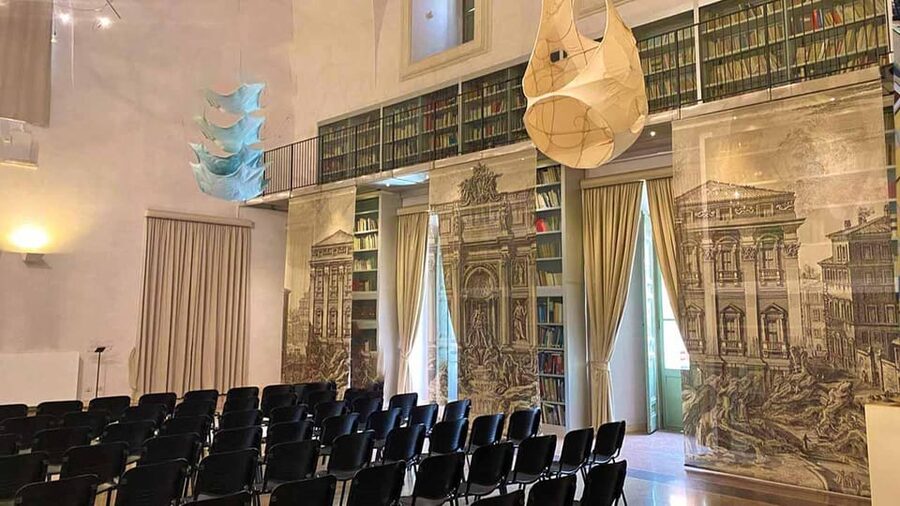
This is the most visually distinctive option. Sala Dante is in Palazzo Poli, the building associated with Trevi Fountain, and the windows can give you a remarkable view over the fountain area. It is hard to find a more recognizably Roman setting for an evening of Italian Baroque music.
Keep your expectations practical. The view depends on your seat and on the exact room arrangement, and the music remains the main event. The location is best treated as an added benefit rather than a guarantee that every chair has a perfect fountain panorama.
Horti Sallustiani
Horti Sallustiani offers another central Rome setting and may schedule two concerts on the same evening. The double schedule can help you fit the performance around dinner or sightseeing, but you need to select the correct starting time when booking.
The supplied information does not give enough detail to promise a particular view, room layout, or temperature at this venue. For that reason, confirm the location on your ticket and allow time to reach it without assuming that the church address applies to every date.
What the 80 Minutes Really Mean
The advertised duration is 80 minutes. Some past concertgoers have found the actual music closer to one hour, so I would plan for roughly an hour to 80 minutes rather than building a tight schedule around the full advertised length.
That shorter format is useful. You get the complete Four Seasons program without giving up an entire evening. Families with children may find it manageable, and first-time concertgoers can sample live classical music without committing to a long opera.
It also works well after a day of museums and churches. You can sit, listen, and let the evening slow down. If you want a full-scale orchestral production with a long interval, elaborate staging, or a broad repertory, this is not that kind of event.
Is $35 a Fair Price?
At $35 per person, the concert sits in a reasonable range for a central Rome cultural activity. The ticket covers the performance, and you are paying for live music by professional musicians in a historic or centrally placed venue.
The value depends partly on what you want from the night. If you mainly want an inexpensive way to hear The Four Seasons in Rome, the price is appealing. You receive a complete, recognizable work, plus additional Baroque concertos, in about an hour to 80 minutes.
The price is less compelling if you expect a major concert hall, assigned premium seating, or a large orchestra. Seats are unnumbered, and the arrangement can be simple, particularly in a church. I would think of this as an intimate cultural evening, not a formal gala performance.
The Palazzo Poli option adds unusual setting value because of its position above Trevi Fountain. The church option adds atmosphere and acoustics. Either can justify the cost if you care about place as much as repertoire.
Seating, Sound, and Comfort
Since seats are first come, first served, your arrival time can affect the experience. If seeing the players matters to you, arrive early and aim for a central position with a clear line of sight. This is especially helpful if you are introducing someone to a violin concert for the first time.
Sound quality has generally been a major strength, particularly inside the church. Still, acoustics vary by room, and at least one performance was judged less clear than expected. A church can create a beautiful ring around the instruments, but too much reverberation can soften fast passages.
Lighting is another small factor. Some performances have been described as needing softer or dimmer lighting to improve the mood. That is a matter of atmosphere rather than musical quality, but it can affect how special the evening feels.
Temperature deserves more attention than most concert listings give it. Summer performances in the church have been described as hot, while another performance was chilly. Bring a light layer, and do not assume an old church will be comfortable simply because the concert begins after sunset.
Who Will Enjoy This Concert Most?
I would recommend this performance to several kinds of visitors:
- First-time classical listeners: The Four Seasons gives you clear musical images and an easy structure to follow.
- Families with older children: The shorter length can be more manageable than a long opera or symphony program.
- Couples seeking an evening activity: The central venues pair naturally with a Rome dinner or a walk near Trevi Fountain.
- Vivaldi fans: You hear all four concertos, not just selected movements.
- Visitors interested in Baroque Rome: The music connects neatly with the period’s fascination with nature, drama, and motion.
- Budget-conscious culture seekers: $35 offers live music without the cost of a major opera production.
I would hesitate if you need guaranteed seating, a specific church interior, or carefully controlled temperature. I would also avoid booking it as your only cultural event if your main goal is a large orchestral sound.
Practical Tips for Planning Your Evening
Check the venue before leaving your hotel. The church is listed as the meeting point, but the performance may be at Palazzo Poli or Horti Sallustiani. A last-minute venue change has disappointed some people in the past, particularly those who selected the activity for the church setting.
Arrive early because seating is unassigned. This is the simplest way to improve your view, particularly when chairs are not staggered in a perfect theater layout.
Give yourself time to locate the entrance. The addresses are in central Rome, but a famous nearby landmark does not always make a concert door obvious. Use the address on your confirmed booking rather than relying only on the name of the venue.
Dress for the season and the building. A light jacket can help in a cool church, while breathable clothing may be more comfortable during a warm summer performance. The musicians themselves have had to perform in uncomfortable heat on some dates.
If you are attending with children, explain the four scenes ahead of time: birds and spring, a summer storm, an autumn hunt, and winter cold. That small bit of preparation can turn the concert into an active listening experience.
The activity allows cancellation up to 24 hours in advance for a full refund, and you can reserve now and pay later. The performance is wheelchair accessible, though the exact layout may vary by venue.
Should You Book Rome’s Four Seasons Concert?
Book it if you want recognizable classical music, a central Rome setting, and a compact evening program at a moderate price. The strongest reasons are Dhimitri’s expressive first violin, the intimate strings and harpsichord, and the chance of hearing Vivaldi near Trevi Fountain or inside a church with good acoustics.
Before paying, confirm the venue, start time, and your expectations about seating. Choose another concert if you require a fixed church location, assigned seats, or the scale of a full orchestra.
For most visitors, this is a smart choice for a free evening in Rome. It gives you a memorable work, a distinctly Italian musical tradition, and enough time afterward for dinner, a fountain-side walk, or a rooftop drink nearby.
FAQ
Where does the Vivaldi concert take place?
The listed venues are Chiesa Evangelica Metodista at Via XX Settembre 122 c, Sala Dante of Palazzo Poli at Via Poli 54, and Horti Sallustiani at Piazza Sallustio 21. The meeting point information names the Methodist church, so check your confirmed booking for the actual venue.
Is the concert held near Trevi Fountain?
It can be. Performances at Sala Dante of Palazzo Poli are in the building by Trevi Fountain, and the room may offer views over the fountain area. The other listed venues are elsewhere in central Rome.
How long does the concert last?
The advertised duration is 80 minutes. Some performances have lasted closer to one hour, so allow roughly an hour to 80 minutes.
Who performs The Four Seasons?
Elvin Dhimitri is the first violinist, soloist, and conductor. The performance also includes a strings quintet and harpsichord from Opera e Lirica.
Which pieces are included?
The program includes Concerto per archi RV 127 and RV 151, Concerto XI No. 4 in A Major, and Vivaldi’s four concertos known as Spring, Summer, Autumn, and Winter.
Are the seats assigned?
No. Seating is first come, first served, and the seats are not numbered.
Is the concert wheelchair accessible?
Yes, the activity is listed as wheelchair accessible. The exact seating arrangement can depend on the venue.
Can I bring children?
The activity information does not state a minimum age. The concert lasts about one hour to 80 minutes, which may suit children better than a longer performance.
What happens if I need to cancel?
You can cancel up to 24 hours in advance for a full refund. The activity also offers a reserve now and pay later option.
Recently reviewed around Rome
- Ancient Rome at Twilight Walking Tour★ 5.0 · 276 reviews
- Domus Aurea Guided Tour: The Golden House of Nero★ 4.5 · 199 reviews
- Early Vatican Museums & Sistine Chapel Small Group Tour★ 4.5 · 314 reviews
- Early Vatican Museums Tour: The Best of the Sistine Chapel★ 4.5 · 900 reviews
- Jewish Ghetto & Piazza Navona: Food, Wine & Sightseeing Rome Tour★ 5.0 · 460 reviews
- 3 Days in Sorrento, Capri & Pompeii: la Dolce Vita★ 4.0 · 595 reviews
- Tivoli Villas Full Day Trip From Rome with Lunch★ 4.0 · 443 reviews
- Cook With Us in Rome: A Hands-On Cooking Experience 09:20AM class★ 5.0 · 234 reviews
Rome Tours, compared.

Vatican: Museums & Sistine Chapel Entrance Ticket
Read our review →
Vatican Museums & Sistine Chapel Tour with Optional Basilica
Read our review →
Colosseum, Roman Forum & Palatine Guided Tour
Read our review →
Vatican Museums, Sistine Chapel & St Peter’s Basilica Guided Tour
Read our review →
Colosseum, Palatine Hill and Roman Forum Guided Tour
Read our review →
Guided Tour of Colosseum, Roman Forum & Palatine Hill
Read our review →
Colosseum & Forum with Audio Guide App -Optional Arena
Read our review →