

Review · FOOD & DRINK
Sorrento: Guided Walking Tour & Limoncello Tasting
Sorrento’s best introduction may be its Vallone dei Mulini, a deep, overgrown valley tucked below the town center. This two-hour walk connects that striking sight with old lanes, churches, craft traditions, sea views, and a final limoncello tasting. Guide Mario, who grew up in Sorrento, brings the town’s past into focus with stories and local context.
I like the route’s variety, especially the chance to see Sorrento as more than a pretty seaside stop. I also like the relaxed pace, with time for photos and questions. The main drawback is that the tasting is a short finale, not the heart of the outing, so you should book this for the history and walking first, limoncello second.
In This Review
- Key points at a glance
- Why this Sorrento walk works so well
- Meeting Mario at Piccadilly Pub
- Looking into the Vallone dei Mulini
- Walking Via San Cesareo, Sorrento’s oldest street
- Sant’Antonino Square and the city’s patron saint
- The 13th-century Chiostro di San Francesco
- Villa Comunale and the Bay of Naples
- Sedil Dominova and the old civic center
- Sorrento’s wood inlay tradition
- The lemon garden and the making of limoncello
- How demanding is the three-kilometer route?
- Is $41 a fair price?
- Who should book this experience?
- Should you book the Sorrento walking tour?
- FAQ
- How long does the Sorrento walking tour last?
- How far do you walk?
- Where does the tour begin?
- How will I recognize the guide?
- Who is the guide?
- What sights are included?
- Is limoncello tasting included?
- What other tasting is available?
- Is hotel pickup included?
- What happens if it rains?
Key points at a glance
- The Vallone dei Mulini: Look down into Sorrento’s surprising abandoned mill valley and learn how the town’s landform developed.
- A local guide named Mario: Expect a personal introduction from a Sorrento native who knows the town’s stories, buildings, food, and customs.
- A three-kilometer town walk: The route is generally easy and slow, but includes some hills and steps.
- Sorrento’s artistic side: Learn how local artisans make the famous wood inlay, the city’s signature craft.
- Bay of Naples views: Villa Comunale offers one of the tour’s finest photo stops above the sea.
- Several liqueur samples: Taste traditional organic limoncello, plus cream and fruit-based liqueurs, in small portions.
Why this Sorrento walk works so well
Sorrento can feel simple at first glance: a central square, a busy shopping street, lemon products in every other shop, and the sea beyond. A good guide reveals the layers behind that scene. This tour gives you a useful framework for understanding the old town before you spend the rest of your stay wandering on your own.
The route covers about three kilometers over two hours. That is not a forced march. You stop often while Mario explains the city’s past, points out architectural details, and answers questions. Several people who joined early in their stay found it useful as an orientation walk, since the route helps you recognize places worth returning to later.
I would place this tour near the beginning of a Sorrento visit, ideally in the morning or during the 4 to 6 p.m. time slot when available. You get an overview first, then can return to the cloister, shopping lanes, viewpoints, or restaurants that caught your eye. The timing also matters because Fridays and Saturdays can bring more cruise-day crowds to town.
More Food Tours in the Amalfi Coast
- Sorrento Farm and Food Experience including Olive Oil, Limoncello, Wine tasting
★ 5.0 · 2,524 reviews - Pizza School with Wine and Limoncello Tasting in a Local Farm
★ 5.0 · 845 reviews - Walking Food Tour in Sorrento w/ Limoncello Factory Lemon Grove
★ 4.5 · 821 reviews
Meeting Mario at Piccadilly Pub
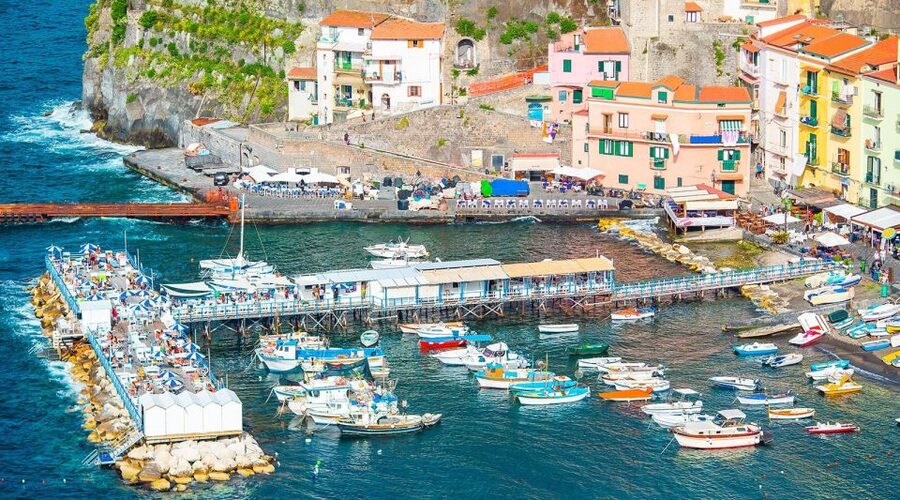
The meeting point is in front of the entrance to Piccadilly Pub on Via Fuorimura 1. Look for the guide wearing a red sports cap. The instructions are precise: wait directly in front of the entrance, not across the street or somewhere beside the building.
One practical point can cause confusion. You are asked to arrive a few minutes early, but the guide arrives at the scheduled start time to check the group and begin. So do not assume you are in the wrong place simply because nobody is waiting before the official start. If something goes wrong, use the activity provider’s messaging service rather than trying an international phone call.
Punctuality matters. If you are more than 10 minutes late, the group may have moved to another part of town and the guide may not be able to communicate during the walk. Sorrento’s old center is not the place to catch up with a moving group while dragging large luggage.
Looking into the Vallone dei Mulini
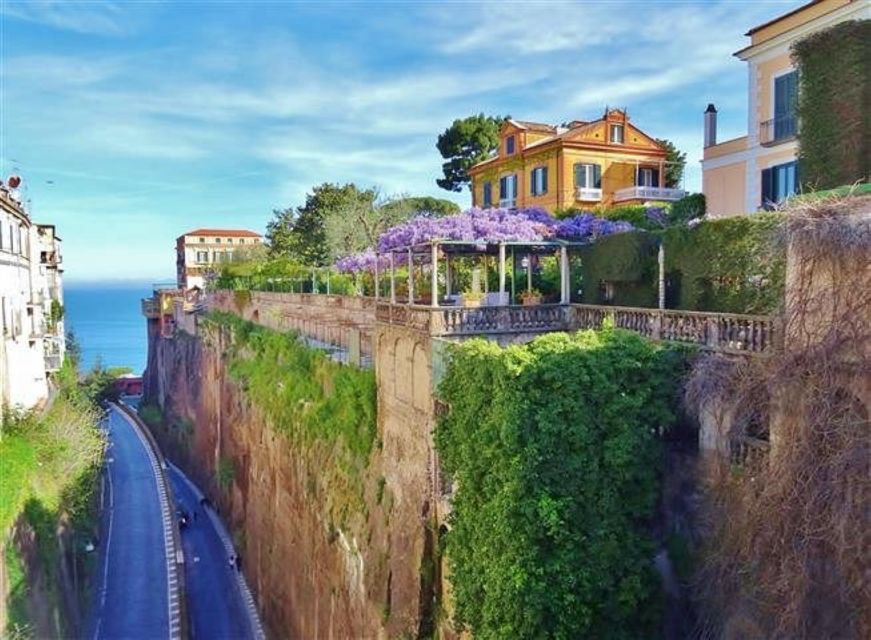
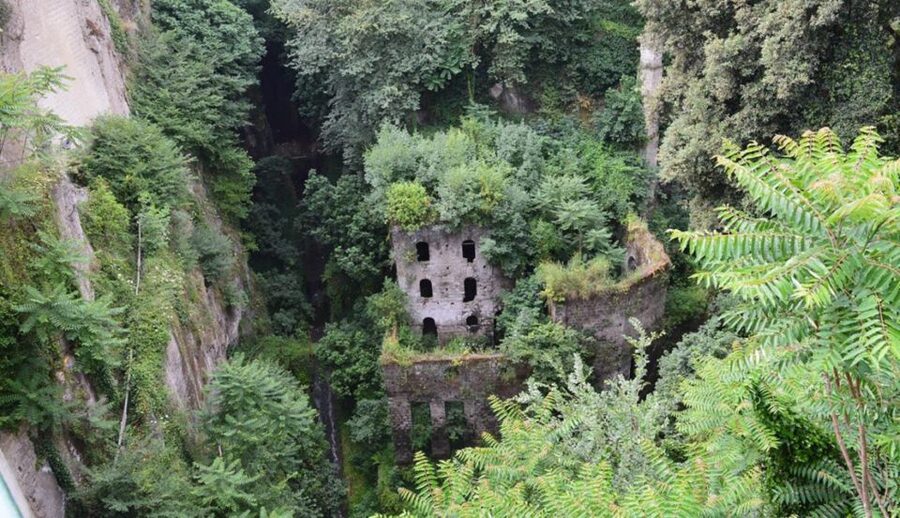
The first major stop is the Vallone dei Mulini, visited for about 15 minutes. From above, you look into a dramatic valley cut into the edge of Sorrento. Vegetation covers much of the abandoned site, but the old structures and signs of its working past remain visible below.
This is a strong opening because it quickly shows you that Sorrento is not only a resort town. The guide explains the city’s geomorphological formation and the role of the ancient mills. You begin to understand how the ground beneath the streets helped shape the town’s development.
Bring a phone or camera, but listen before rushing to take pictures. The viewpoint is one of the most memorable places on the walk, and Mario uses it to establish the historical and physical setting for the rest of the tour.
Walking Via San Cesareo, Sorrento’s oldest street
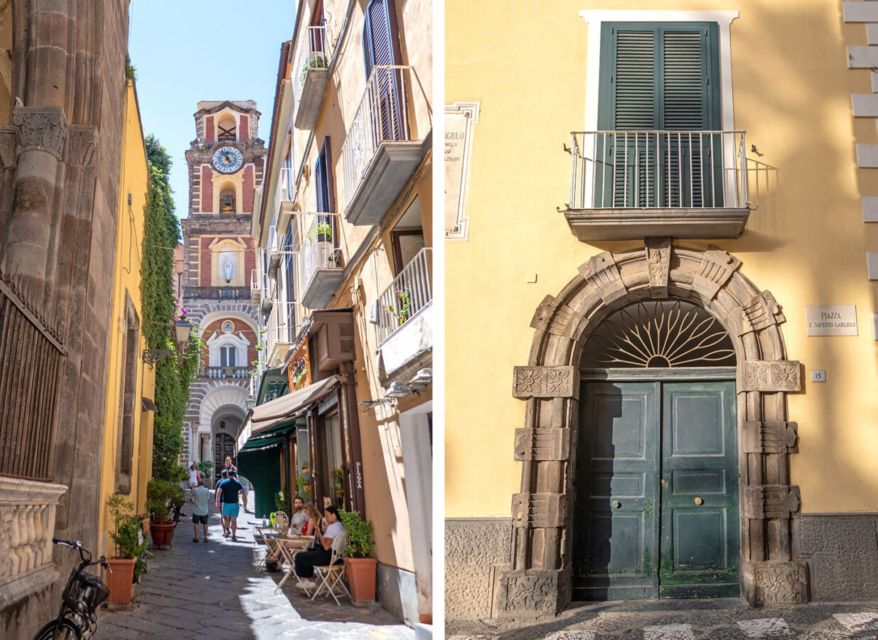
From the valley, the tour moves through Sorrento’s old center and along Via San Cesareo. This is described as the city’s oldest street, with narrow alleys and small artisan shops. Here, the experience shifts from big historical setting to everyday town life.
The lane is a good place to see how Sorrento’s past remains part of its present. You pass local craft shops and receive an explanation of the traditions behind them instead of simply being sent off to browse. The street can also be busy, so stay close to the guide and expect the pace to slow when other pedestrians fill the lane.
This section is useful for first-time visitors because it gives you a mental map of the center. You are not following a guide from one isolated monument to another. You are learning how the old streets connect, where the shopping lanes run, and how the historic core fits together.
More Sorrento food and drink outings:
- Sorrento: Farm Tour with Cheese Tasting & Pizza Making Class
★ 5.0 · 503 reviews - Sorrento: Lemon Garden Tour with Marmalade Tasting
★ 4.6 · 405 reviews - Sorrento: Sightseeing Cruise with Limoncello Tasting
★ 4.0 · 224 reviews - Florence: Chianti Wineries Tour with Wine Tasting
★ 4.5 · 8,301 reviews
Sant’Antonino Square and the city’s patron saint
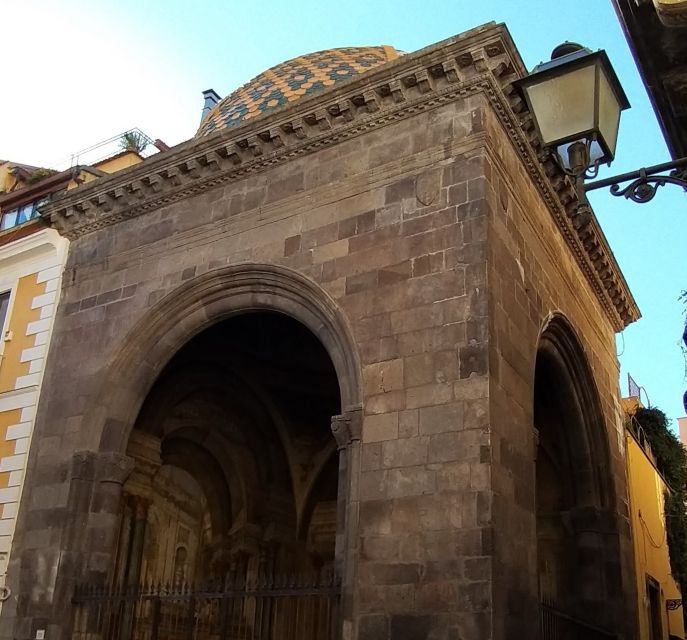
The walk continues to Sant’Antonino Square, named for Sorrento’s patron saint. Mario explains the saint’s life and miracles, adding the religious stories that remain important to the city’s identity.
You do not need to be especially interested in church history to get something from this stop. Patron saints are woven into daily life in Italian towns, and this square helps explain Sorrento’s local character. It also gives the tour a welcome change of pace after the narrow streets.
The walk focuses on context rather than rushing inside every building. The program can change if a church, monument, or public space is closed for a religious or institutional event, but an alternative point of similar interest is selected.
The 13th-century Chiostro di San Francesco
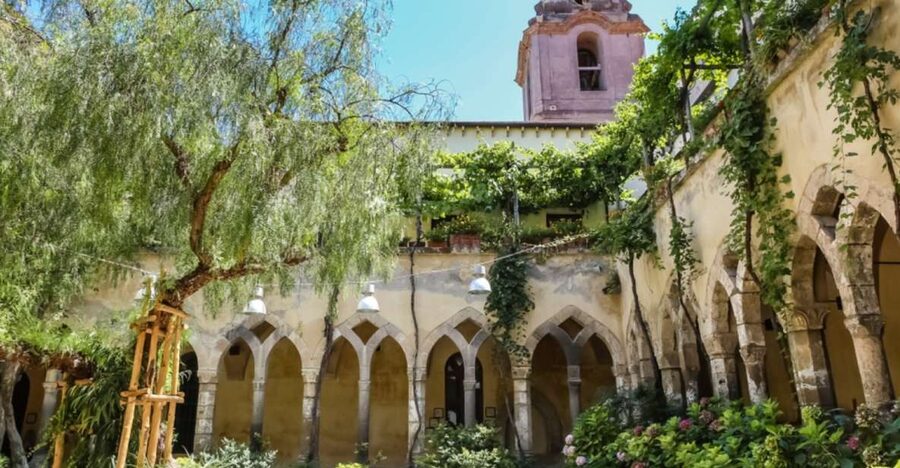
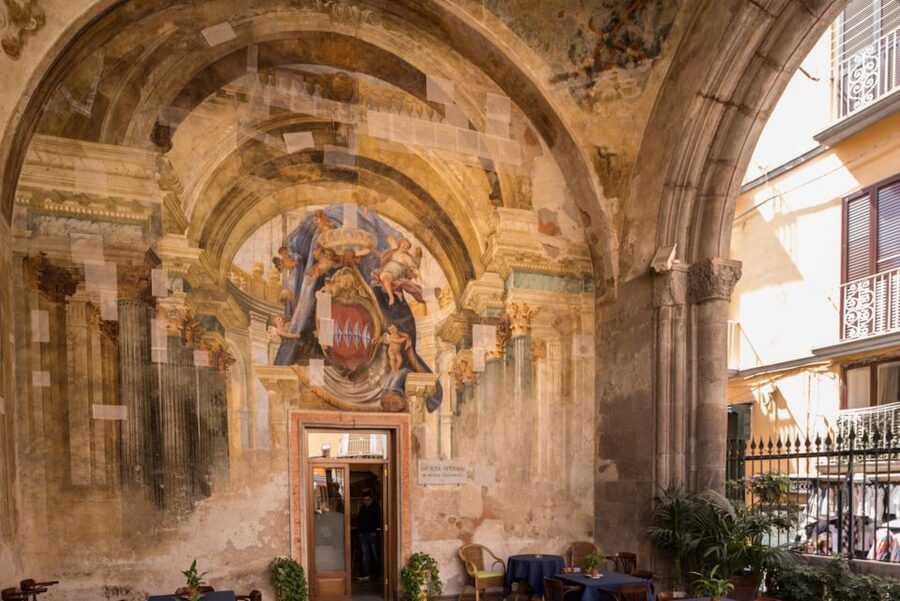
The Chiostro di San Francesco is one of the walk’s most atmospheric stops. This ancient Franciscan convent dates to the 13th century and is among Sorrento’s oldest buildings.
The cloister’s appeal is architectural and visual. Its quiet arcades offer a sharp contrast to the commercial streets outside, and the age of the structure gives you a tangible link to the town’s medieval past. The stop is listed at about 15 minutes, enough to look around and hear the main story without turning the tour into a long architectural lecture.
If you like old stonework, religious buildings, and quiet corners, this is one of the places you will probably want to revisit. The tour’s short visit also keeps the overall route moving.
Villa Comunale and the Bay of Naples
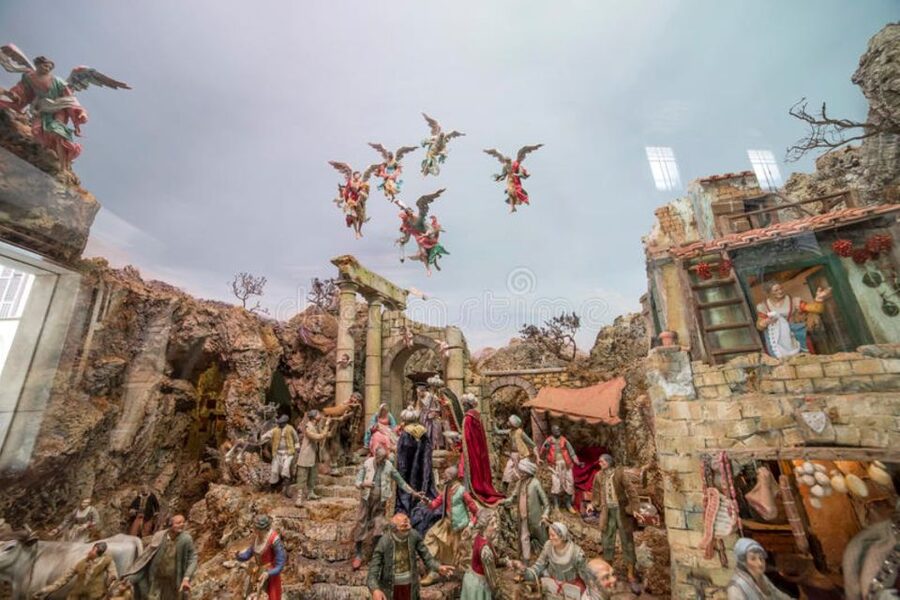
Villa Comunale is Sorrento’s public park overlooking the sea. It is the best photo stop on the route, with views across the Bay of Naples and the coast beyond.
This is where the tour opens up. After the enclosed lanes and historic buildings, you get a broad view that explains why Sorrento has drawn visitors for so long. Take your photos, but give yourself a moment to look without a screen. The view is one of the simple rewards of walking through town with someone who knows where to stop.
The park is also a practical orientation point. It helps you understand Sorrento’s position above the water and gives you a sense of the town’s relationship with the coast. The tour does not include hotel pickup or transport, so the central route works best if you are already staying in or near Sorrento.
Sedil Dominova and the old civic center

The Sedil Dominova is one of Sorrento’s oldest and most recognizable buildings. It once served as the city’s ancient parliament, making it an important stop for understanding how local government worked.
The building represents a different side of Sorrento from the churches and sea views. It shows that the old center was not just a place of worship or trade. It was also a civic space where local affairs were handled.
The scheduled visit is about 10 minutes. That may sound brief, but the route includes many stops, and short explanations prevent the tour from becoming tiring. If a particular building interests you, ask Mario a question. His willingness to answer questions and adjust explanations to the group is one of the strengths of the experience.
Sorrento’s wood inlay tradition
One of the more distinctive parts of the tour is the explanation of Sorrento inlay. This traditional art uses carefully arranged pieces of wood to create detailed decorative designs.
You see plenty of souvenirs in Sorrento, but it is more useful to understand the craft before deciding what, if anything, to buy. Mario explains the history, tradition, and production method of this local art. That background helps you tell the difference between a meaningful regional craft and a generic gift-shop item.
This is also where the tour provides value beyond the standard postcard sights. You are not just looking at façades and viewpoints. You are learning how local makers have turned a practical material into a recognizable Sorrento art form.
The lemon garden and the making of limoncello
Near the end, the group visits a small lemon garden. This stop explains the history of Sorrento lemons and the process used to make limoncello, the city’s best-known liqueur.
The timing is smart. You have already seen lemon products in the streets, but now you get the agricultural and production context behind them. The guide connects the fruit, the local identity, and the finished drink.
The tasting uses limoncello made with certified organic lemons from the Amalfi Coast. You can also sample limoncello cream, pistachio cream, and cantaloupe melon cream. The portions are deliberately small, roughly half what a bar would normally serve, because the liqueurs are strong and several varieties are offered.
That detail matters. You get a chance to compare flavors without turning a walking tour into a drinking session. The tasting is meant to help you judge the products and decide if you want to purchase something locally. There is no requirement to buy, and the tasting should be treated as a pleasant break rather than the main event.
The final stop is at Campaniadamare, where the partner shop hosts the tasting. It can be a handy place to pick up a bottle or other gifts, but you should not book this tour expecting a full meal or a long food experience. Food and olive oil tasting is included only if you select that option.
How demanding is the three-kilometer route?
The route is generally easy and fairly slow, with frequent pauses. Still, Sorrento is not perfectly flat. Expect some hills and steps, including changes in level around the old center and possible stairs toward the port area.
Wear comfortable shoes with a secure sole. Bring water, and pack an umbrella and rain gear if the forecast is uncertain. In wet conditions, steps and smooth paving can be harder to manage.
This tour is not suitable for people with mobility impairments, heart problems, or hearing impairments. Large luggage, bicycles, electric wheelchairs, and party groups are not allowed. If you need a very flat route or a private pace, this is not the right format.
Rain can also change the plan. In heavy rain, thunderstorms, or hail, the tour may be canceled with a full refund. Light rain may mean an adjusted route, since the historic center functions as an open-air museum and access can vary.
Is $41 a fair price?
At $41 per person, this is not the cheapest way to see Sorrento. You can walk through the center on your own for nothing, and you can buy a small bottle of limoncello without booking a tour.
The value comes from the guide’s interpretation and the number of subjects covered in two hours. You see the Vallone dei Mulini, Via San Cesareo, Sant’Antonino Square, the San Francesco cloister, Villa Comunale, and Sedil Dominova. You also get explanations of Sorrento’s geography, history, architecture, inlay craft, lemons, and liqueur production.
I would consider the price fair if you want a well-organized first look at town and prefer asking questions as you walk. It is less appealing if your only goal is a generous alcohol tasting. The portions are small, and the tour’s main purpose is cultural orientation.
The strongest value appears when Mario is able to give the group extra attention. Small groups can create a more personal experience, though group size may vary by date and demand. The guide’s local background is important here. Mario’s clear enthusiasm for Sorrento, along with his food and restaurant suggestions, adds something a map or audio guide cannot.
Who should book this experience?
I would recommend this walk to first-time Sorrento visitors who want to understand the town before exploring alone. It suits people who like history, architecture, local customs, scenic viewpoints, and a gentle walking pace.
It can also work for repeat visitors. Knowing the main streets does not mean you know the stories behind them, and the route includes details you might otherwise pass without noticing.
Families with older children may enjoy it if everyone is comfortable walking three kilometers and listening to historical explanations. People mainly seeking nightlife, shopping time, or a large food-and-drink tasting should choose something else.
Book it early in your stay if possible. The route helps you decide where to return, and Mario’s recommendations can be useful for later meals and drinks. Avoid arriving late, and do not count on catching the group once it has left Piccadilly Pub.
Should you book the Sorrento walking tour?
Book this experience if you want Sorrento explained by a local, not merely photographed. The tour’s best moments are the Vallone dei Mulini, the sea view from Villa Comunale, the quiet San Francesco cloister, and Mario’s stories about the city’s past.
Skip it if limoncello is your only reason for booking. The tasting is enjoyable, varied, and free of purchase pressure, but it is short and served in small portions.
For most visitors who want an easy first orientation, $41 buys a useful two hours. You leave with a better sense of the old center, a handful of places to revisit, and a clearer idea of why Sorrento is more than a pretty stop on the way to the Amalfi Coast.
FAQ
How long does the Sorrento walking tour last?
The tour lasts two hours.
How far do you walk?
The route is approximately three kilometers. It is generally easy and slow, with several pauses for explanations and photos.
Where does the tour begin?
The meeting point is in front of the entrance to Piccadilly Pub on Via Fuorimura 1 in Sorrento.
How will I recognize the guide?
The guide will wear a red sports cap and wait directly in front of the pub entrance.
Who is the guide?
The guide is Mario, a local guide who was born and raised in Sorrento. The tour is conducted in English.
What sights are included?
The route includes the Vallone dei Mulini, Sorrento’s historic center, Via San Cesareo, Sant’Antonino Square, the Chiostro di San Francesco, Villa Comunale, and Sedil Dominova.
Is limoncello tasting included?
Yes. The tour includes a limoncello tasting, with additional samples such as limoncello cream, pistachio cream, and cantaloupe melon cream.
What other tasting is available?
Food and olive oil tasting is included if you choose that option when booking.
Is hotel pickup included?
No. Hotel pickup and drop-off are not included.
What happens if it rains?
Bring an umbrella, rain gear, and suitable shoes. In particularly severe weather, such as heavy rain, thunderstorms, or hail, the tour may be canceled with a full refund. The route may also change because of weather, religious events, institutional events, or temporary closures.
More Walking Tours in Sorrento
- Milan: Guided Walking Tour & Last Supper Visit with Ticket
★ 4.7 · 5,409 reviews - Naples: Street Food Walking Tour with Local Guide
★ 4.8 · 4,256 reviews - Venice Walking Tour and Gondola Ride
★ 3.5 · 3,630 reviews - Venice: Rialto Bridge & Offbeat Unusual Venice Walking Tour
★ 4.2 · 3,538 reviews
Recently reviewed around Sorrento
- The Three Tenors in Sorrento: Opera Arias, Naples and Songs★ 4.8 · 327 reviews
- Sorrento: Lemon Garden Tour with Marmalade Tasting★ 4.6 · 405 reviews
- From Sorrento: Capri Island Day Trip with Boat Cruise★ 4.7 · 469 reviews
- From Sorrento: Amalfi Coast Full-Day Trip by Boat★ 4.8 · 367 reviews
- Sorrento: Sightseeing Cruise with Limoncello Tasting★ 4.0 · 224 reviews
- Sorrento: Pizza Making Class at Tirabusciò Cooking School★ 4.8 · 188 reviews
- SORRENTO: Pizza School Mastering Neapolitan Delights★ 4.9 · 201 reviews
- Sorrento: Full-Day Boat Tour to Positano, Amalfi and Ravello★ 4.3 · 793 reviews
Food & Drink, compared.
Small-Group Wine Tasting Experience in the Tuscan Countryside
Read our review →
Tuscany & Montepulciano Day Trip with Lunch & Wine Tasting
Read our review →
Winner 2025 Rome Twilight Trastevere Food Tour by Eating Europe
Read our review →
SMALL-GROUP Wine Safaris: Tuscan Wine Tasting Tours from Florence
Read our review →
Winner 2025 Florence Sunset Food & Wine Tour by Eating Europe
Read our review →
San Gimignano, Siena, Monteriggioni, Chianti Day Trip with Lunch & Wine Tasting
Read our review →
Mount Etna Morning or Sunset Day Trip with Tasting
Read our review →Browse the lists this tour appears in