
Review · COOKING CLASSES
Florence: Pasta Cooking Class with Unlimited Wine
Making pasta by hand inside a 1200s medieval tower is the unusual heart of this Florence experience. Near Brunelleschi’s Dome and linked to the family of Dante’s wife, the setting gives a simple cooking lesson a genuine sense of place. You work from flour to finished dish, then sit down to eat three kinds of pasta with three sauces.
I like the hands-on format, since you make the dough, shape the pasta, and see how each form works. I also like the social side: with a maximum of 15 people, you can cook beside couples, families, solo visitors, and friends while enjoying unlimited Tuscan wine or soft drinks.
The main consideration is that the chef focuses on the pasta while preparing the sauces, so this is more a practical pasta workshop than a full lesson in Italian sauce-making. Group size can also feel larger than expected, and you should double-check the meeting address before setting out.
In This Review
- Key points at a glance
- Cooking pasta in Dante’s Florence
- What happens during the three-hour class
- Ravioli and tortelli: shaping the filled pasta
- Pappardelle and Tuscan ragù
- Arrabbiata brings the heat
- How much you actually make and eat
- The instructors make the difference
- A social class, not an intimate kitchen table
- Value: dinner, instruction, wine, and a historic room
- Who should book this pasta class
- Booking details that matter
- Should you book it?
- FAQ
- Where does the pasta class begin?
- How long does the experience last?
- What language is the class offered in?
- How many people can join the class?
- Which types of pasta will I make?
- Which sauces are served?
- Are food, equipment, and drinks included?
- Is transportation included, and can I cancel?
Key points at a glance
- Three pastas from scratch: Make ravioli, tortelli, and pappardelle with guidance at every stage.
- A memorable historic setting: Cook inside a medieval tower close to Brunelleschi’s Dome.
- Three classic sauces: Eat your pasta with butter and sage, arrabbiata, and old-fashioned Tuscan ragù.
- Unlimited drinks included: Tuscan wine and soft drinks are available throughout the class.
- Friendly, shared atmosphere: The group maximum is 15, making this a good choice for meeting people.
- A full meal, not just a demonstration: You eat everything prepared during the roughly three-hour session.
Cooking pasta in Dante’s Florence
The setting does much of the storytelling before the flour hits the table. The cooking school is inside a stone tower dating to the 1200s, only a short distance from Florence Cathedral and Brunelleschi’s famous dome.
The tower is associated with the family of Dante Alighieri’s wife. That detail gives the class a strong Florentine connection without turning it into a formal history tour. You are cooking in a place tied to the city’s medieval world, then preparing dishes that remain part of everyday Italian food culture.
The address provided for the start is Via de’ Bardi, 23 r, 50100 Firenze. The experience finishes at the same meeting point, so you do not need to arrange transport between the class and a restaurant.
One practical warning is worth taking seriously. A booking has occasionally directed people to a different venue, with a walk of about 10 minutes to the actual class. If the location on your mobile ticket does not match the instructions you receive, sort that out before the start time. It is a small distance, but confusion at the beginning can put a needless dent in your evening.
More Cooking Classes in Florence
- Florence: Pasta Cooking Class with Unlimited Wine
★ 4.9 · 10,285 reviews - Florence: Pasta & Tiramisu Cooking Class with Unlimited Wine
★ 4.9 · 6,708 reviews - Cooking Class and Lunch at a Tuscan Farmhouse with Local Market Tour from Florence
★ 5.0 · 4,831 reviews
What happens during the three-hour class
The class begins with the basic building blocks of fresh pasta. You receive the ingredients and equipment, so there is no need to bring a rolling pin, board, knife, or other cooking tools.
The chef leads the process step by step and works beside the group. This makes the class suitable for beginners, and the format also works well for children and older family members. You do not need previous cooking experience.
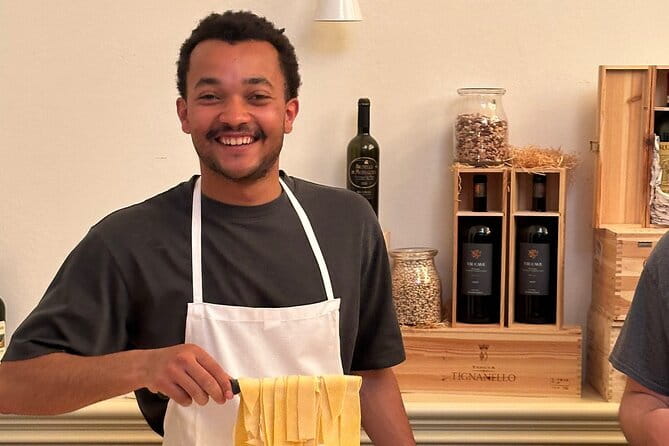
The most useful part is seeing how dough changes as you work it. Fresh pasta can look intimidating when you see it in a restaurant kitchen, but the lesson breaks it into manageable jobs. You mix, knead, roll, cut, and shape under the chef’s direction.
The exact pace depends on the group and the instructor. Several chefs lead these sessions, including Antonio, Lorenzo, Valentino, David, Nico, Eduardo, Eddie, and Valentina. Their approach can vary, but the strongest instruction combines clear demonstrations with plenty of humor and individual help.
Do not expect a quiet, private lesson. The point is to work together, share the table, and laugh when a piece of dough refuses to behave. That makes the class particularly good for solo visitors and couples who want an evening that involves more than sitting across from each other at dinner.
Ravioli and tortelli: shaping the filled pasta
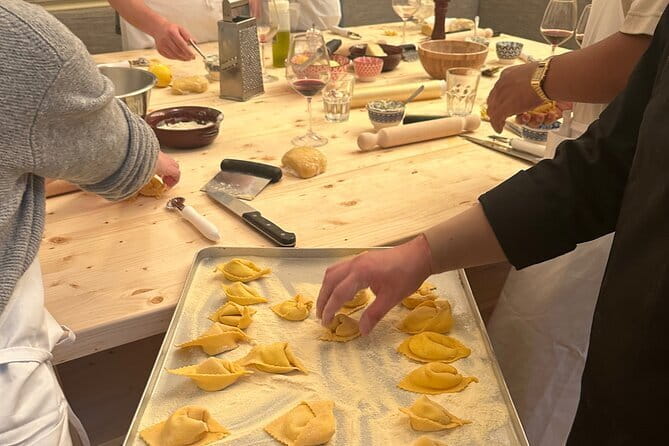
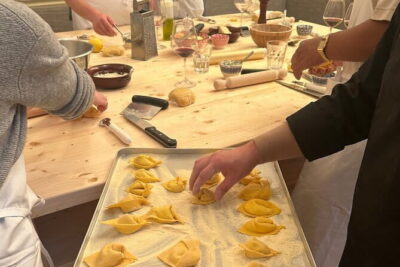
The first filled pastas usually bring the most interest because shaping them is both simple and surprisingly easy to get wrong. You learn how to place the filling, fold the dough, press out air, and seal the edges.
Ravioli and tortelli are closely related, but their shapes differ. The class gives you a chance to feel how a filled pasta needs a firm seal and enough space around the filling. Those are the small details that matter when you try to repeat the dish at home.
The sample meal includes ravioli with butter and sage. This is a restrained pairing that lets the pasta and filling do most of the work. It also gives you a useful contrast with the more assertive arrabbiata and ragù served later.
The filling may not suit every palate. One participant particularly disliked ricotta, so if you are not fond of that texture or flavor, ask the chef about the filling when you arrive. The supplied information confirms vegetarian accommodation, and vegetarian diners have been able to make all three pastas, but it does not specify every filling or substitution in advance.
Pappardelle and Tuscan ragù
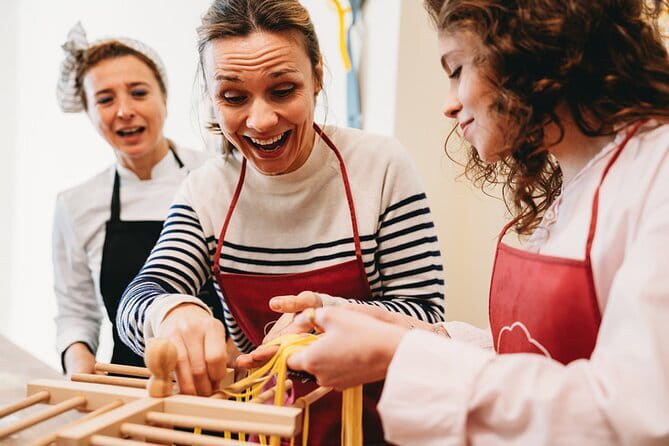
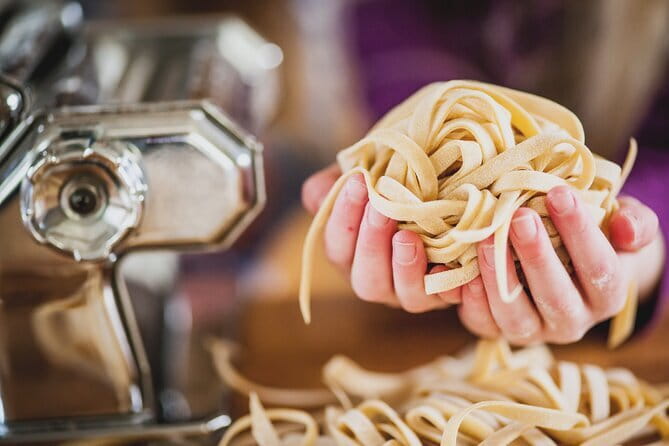
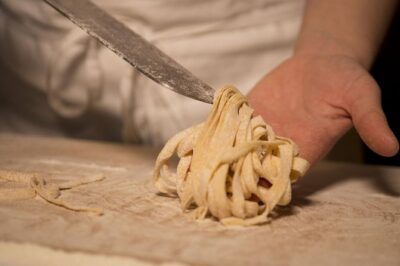
The long pasta is pappardelle, a broad ribbon that pairs naturally with a substantial meat sauce. You work on the pasta while the chef prepares an old-fashioned Tuscan ragù.
This division of labor is important. You are not independently cooking three complicated sauces from start to finish. Instead, the chef demonstrates and prepares the sauces while you concentrate on making the pasta correctly.
For many people, pappardelle is the easiest shape to appreciate immediately. It has a satisfying texture, looks impressive on the plate, and holds ragù well. The finished portion also forms a proper dinner rather than a token taste.
The Tuscan connection matters here. Florence sits in Tuscany, and ragù is not just a generic red sauce in this setting. The class uses it as a regional pairing for broad fresh pasta, alongside the more familiar butter and sage and spicy arrabbiata.
More Florence trips worth a second look
- Tuscany Day Trip from Florence: Siena, San Gimignano, Pisa and Lunch at a Winery
★ 5.0 · 21,634 reviews - Florence: Chianti Wineries Tour with Wine Tasting
★ 4.5 · 8,301 reviews - Small-Group Wine Tasting Experience in the Tuscan Countryside
★ 5.0 · 7,392 reviews - Pisa, Siena and San Gimignano Day Trip with Lunch & Wine Pairing
★ 4.5 · 6,006 reviews
Arrabbiata brings the heat
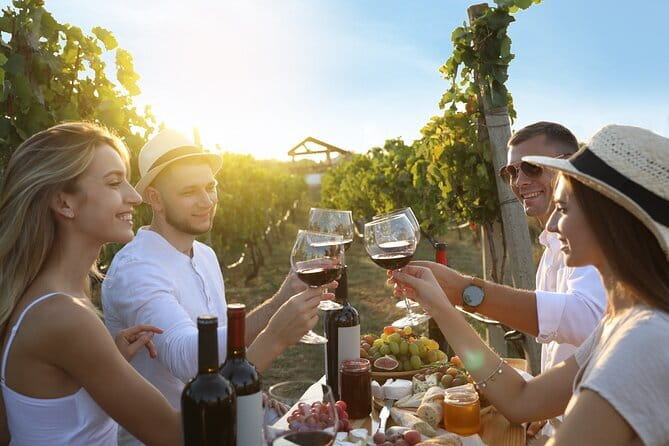
The third main is tortello all’arrabbiata. Arrabbiata is the spicy option, adding a sharper, more lively flavor to the meal.
Together, the three sauces create a useful progression. Butter and sage is delicate, Tuscan ragù is hearty, and arrabbiata is punchy. You get to compare how the same general idea, fresh pasta, changes with different shapes and sauces.
The class has enough variety to keep the meal interesting, but the short format limits how far the chef can go into regional technique. If you want a detailed lesson on slow sauce preparation, knife work, or the history of every pasta shape, this may feel light. If you want to learn the core process and eat well afterward, the balance works.
How much you actually make and eat
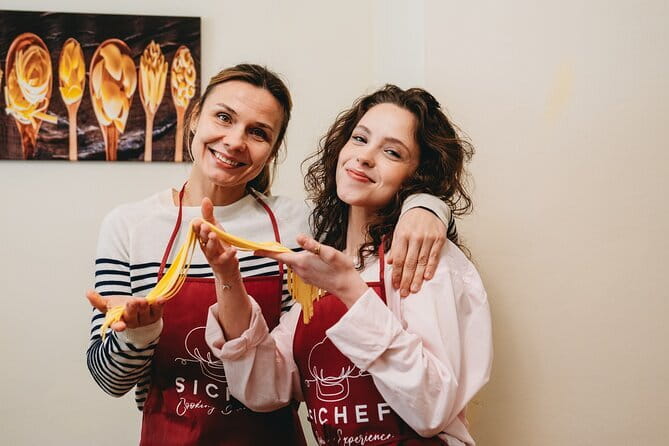
The finished meal includes all three pastas, and the amount is substantial enough to serve as dinner. You eat what you prepare at the end of the experience, rather than leaving with uncooked pasta or watching someone else do all the work.
That makes the inclusion of lunch valuable. The class is not simply a one-hour demonstration followed by a small sample. You spend about three hours cooking, socializing, and eating a multi-part meal.
The wine also changes the feel of the evening. Tuscan wine is available without a stated limit, along with unlimited soft drinks. The open-drink setup suits the relaxed format, though you should pace yourself since the class involves standing, shaping dough, and paying attention to instructions.
If you do not drink alcohol, soft drinks are included. If you have dietary needs, mention them at booking or at the beginning of the class. Vegetarian diners have been accommodated, but the available information does not give a complete list of alternatives for allergies or other restrictions.
The instructors make the difference
The chef is central to the experience. A good instructor needs to demonstrate each stage clearly, keep the group moving, and still notice when someone is struggling with dough or shaping.
Antonio has been especially praised for being patient, funny, and easy to follow. Lorenzo’s classes are known for energetic explanations and comparisons between Florentine cooking and food from other parts of Italy. Valentino is described as patient and informative, while David brings a warm, friendly tone to the table.
Nico has also led a straightforward class that worked well for beginners and vegetarian diners. Eduardo and Eddie have been singled out for making the lesson enjoyable while keeping the food moving toward dinner.
Since the instructor may vary, you cannot book the experience solely for one chef unless the supplier confirms that in advance. That is not necessarily a problem, but it is useful to understand. The class depends on the person leading it, and the overall tone may range from polished instruction to a more informal, joke-filled evening.
A social class, not an intimate kitchen table
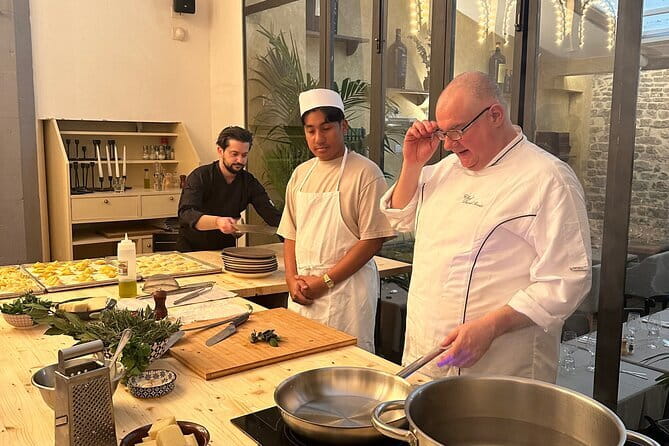
The maximum group size is 15 people. That is small enough for a shared lesson, but it is not the same as a private class for two or four.
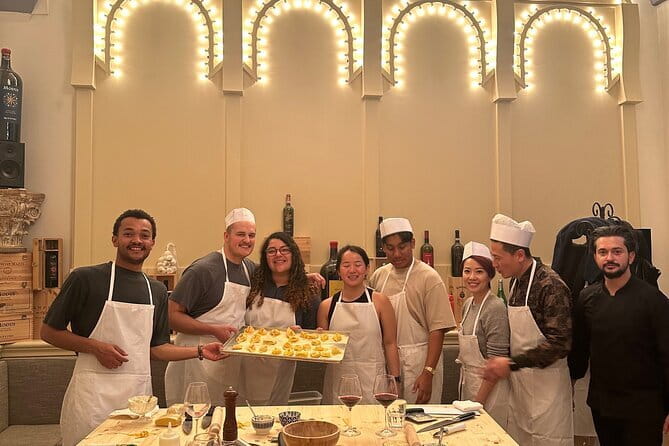
The group format is one of the best reasons to book. You meet people from different places, work side by side, and share the meal you have made. Solo visitors can join without feeling as if they are eating alone, and families or friends have an easy activity that keeps everyone involved.
The trade-off is personal attention. If all 15 places are filled, the chef must move from one section of the table to another. You may need to wait briefly for help, and some people may find the room busier than expected.
I would choose this for a sociable evening, not for a romantic dinner in a quiet room. Couples who enjoy meeting people should have a good time. Couples seeking privacy should choose a small private lesson instead.
Value: dinner, instruction, wine, and a historic room
The price is not provided here, so I cannot judge it against a specific figure. I can judge what you receive for the booking: a professional chef, all ingredients, all equipment, a three-hour activity, three pasta dishes, three sauces, a meal, unlimited Tuscan wine, and unlimited soft drinks.
That is a strong package if you would otherwise pay separately for dinner and a food activity. It also avoids the cost and effort of finding a restaurant after the class, since the pasta you make becomes the meal.
The value is less clear if you already make fresh pasta regularly or want advanced instruction. The class is designed to give you confidence with basic techniques, not to train you as a professional cook.
One small shortcoming is the lack of a guaranteed printed recipe handout. A digital recipe code is intended to provide take-home material, but it has not always worked. If you want the chef’s exact tips for recreating the dishes, take notes during the demonstration.
Who should book this pasta class
I would recommend it for:
- First-time pasta makers who want clear guidance
- Families looking for an activity suitable for several ages
- Couples who enjoy social experiences
- Solo visitors who want an easy way to meet people
- Food lovers interested in Tuscan ingredients and pasta shapes
- Vegetarians, provided dietary needs are confirmed ahead of time
I would be more cautious if you want a private class, advanced culinary training, or a detailed lesson on making every sauce yourself. The chef prepares the sauces while the group concentrates on pasta, so the cooking is practical but focused.
The class also works best when you have enough time around it. It lasts about three hours, and the meal comes at the end. Do not schedule a tight museum booking, train departure, or formal dinner immediately afterward.
Booking details that matter
The experience is offered in English and uses a mobile ticket. Confirmation is provided when you book, and the meeting point is near public transportation.
Private transportation is not included. The activity begins and ends at Via de’ Bardi, 23 r, in central Florence.
Free cancellation applies when you cancel at least 24 hours before the scheduled start time. Inside that window, the payment is not refunded, and changes are not accepted. The cut-off uses local Florence time, so check the hour carefully if you are arranging the class close to departure.
Should you book it?
Book this class if you want to make real fresh pasta, eat a generous meal, and share a relaxed evening in an atmospheric Florence setting. The combination of a medieval tower, three pasta shapes, three sauces, and unlimited Tuscan wine gives you more than a standard cooking demonstration.
Go in expecting a friendly group lesson rather than a private chef session. Confirm the meeting point, mention dietary needs, and bring a phone or notebook if you want to preserve the recipes. For beginners, families, couples who like company, and solo visitors, this is a practical and enjoyable addition to a Florence itinerary.
FAQ
Where does the pasta class begin?
The meeting point is Via de’ Bardi, 23 r, 50100 Firenze FI, Italy. The activity ends back at the meeting point.
How long does the experience last?
The class lasts approximately three hours.
What language is the class offered in?
The experience is offered in English.
How many people can join the class?
The activity has a maximum of 15 participants.
Which types of pasta will I make?
You will prepare three types of fresh pasta, including ravioli, tortelli, and pappardelle.
Which sauces are served?
The sample menu includes butter and sage, arrabbiata, and old-fashioned Tuscan ragù.
Are food, equipment, and drinks included?
Yes. The booking includes lunch, ingredients, cooking equipment, a professional chef, Tuscan wine, and unlimited soft drinks.
Is transportation included, and can I cancel?
Private transportation is not included. You can receive a full refund if you cancel at least 24 hours before the experience start time. Cancellations within 24 hours are not refunded.
More Workshops in Florence
- Florence Cooking Class The Art of Making Gelato & Authentic Pizza
★ 5.0 · 2,053 reviews - Small Group Cooking Class & Market Food Tour in Florence
★ 5.0 · 1,574 reviews - Florence: Pizza and Gelato Preparation Class
★ 4.8 · 1,143 reviews - Florence: Pizza and Gelato Class at a Tuscan Farmhouse
★ 5.0 · 822 reviews
More Pasta in Florence
- Florence Pizza or Pasta Class with Gelato Making at a Tuscan Farm
★ 5.0 · 6,801 reviews - Pastamania – Florence Pasta Making Class
★ 5.0 · 3,050 reviews - Florence: Cooking Class Pasta & Tiramisu Making Unlimited Wine
★ 5.0 · 2,234 reviews - Florence: Handmade Pasta & Dessert Class with Unlimited Wine
★ 4.8 · 788 reviews
Recently reviewed around Florence
- Walking Food Tour of Florence with Tastings and Wine★ 5.0 · 518 reviews
- Florence Sunset Food Tour with Wine & Dine at a Tuscan farmhouse★ 5.0 · 194 reviews
- Wine Experience In Chianti Hills from Florence★ 4.5 · 195 reviews
- Wine Tasting Experience in Ponte Vecchio: Best Tuscany selection!★ 5.0 · 197 reviews
- Uffizi Gallery Timed Entry Admission Tickets★ 4.0 · 392 reviews
- Val d’Orcia Brunello Wine Tour with Montalcino and Montepulciano★ 4.5 · 359 reviews
- Uffizi Gallery Small Group Tour with Guide★ 4.5 · 879 reviews
- Early Access Guided Uffizi Gallery Tour Skip-the-Line Small Group★ 4.5 · 707 reviews
Cooking Classes, compared.
3 in 1 Cooking Class near Navona: Fettuccine, Ravioli & Tiramisu
Read our review →
Pasta & Tiramisu Cooking Class with Unlimited Wine
Read our review →
Pasta & Tiramisu Class with Fine Wine by the Vatican
Read our review →
Cooking Class and Lunch at a Tuscan Farmhouse with Local Market Tour from Florence
Read our review →
Authentic Pizza Making Class in Naples with Appetizers and Drink
Read our review →
Pasta Making Class with Wine, Limoncello, and Dessert
Read our review →
Browse the lists this tour appears in