
Review · COOKING CLASSES
Rome: Pasta Making Class with Wine, Limoncello, and Dessert
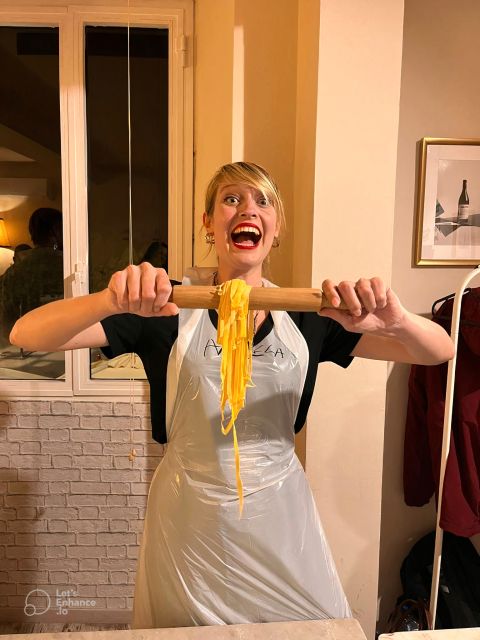
The best part of this Rome cooking class is that you do not simply watch a chef twirl dough. You make three pasta shapes from flour and eggs, including ravioli, tortelli, and fettuccine, then sit down to eat what you made in the historic Palazzo Grazioli.
I like the small group of up to 10, which gives the chef time to correct your rolling and shaping. I also like the relaxed finish: Tuscan wine, conversation around a communal table, dessert, and limoncello turn a lesson into a friendly Roman meal.
The main drawback is dietary. This class is not suitable for vegans, people with gluten or lactose intolerance, or anyone with a nut allergy, and the school asks you to report restrictions in advance. The central location is convenient, but the setting is not suitable for wheelchair users or people with mobility impairments.
In This Review
- Key points at a glance
- Why this Rome pasta class works so well
- Finding Pastamania on Via della Gatta
- Meeting the chefs and getting started
- Rolling and shaping three fresh pastas
- Watching the sauces come together
- The communal table, wine, dessert, and limoncello
- What the three hours feel like
- The value of the recipe booklet
- Who should book, and who should skip it
- Should you book this Rome pasta class?
- FAQ
- Where is the pasta-making class held?
- How do I find the meeting point?
- How long does the class last?
- Which pasta shapes will I make?
- Is the class taught in English?
- What food and drinks are included?
- Can children join the class?
- Can I join if I have dietary restrictions?
Key points at a glance
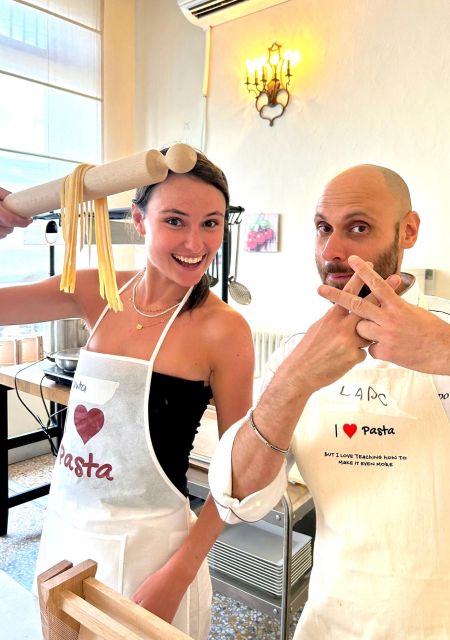
- Three pasta shapes in one class: Make ravioli, tortelli, and fettuccine by hand.
- Historic central setting: Enter through Via della Gatta 14, inside Palazzo Grazioli, a few minutes from the Pantheon and Piazza Venezia.
- Two sauces, two lessons: Enjoy a slow-cooked tomato sauce and watch butter and sage sauce prepared for the filled pasta.
- Small English-language groups: Classes are limited to 10 people, with instructors such as Giorgio, Fabrizio, Olga, Christian, and Marco.
- A full three-hour outing: The class includes cooking, eating, organic Tuscan wine, dessert, and limoncello.
- Recipes to take home: An English recipe booklet helps you repeat the pasta lesson in your own kitchen.
Why this Rome pasta class works so well
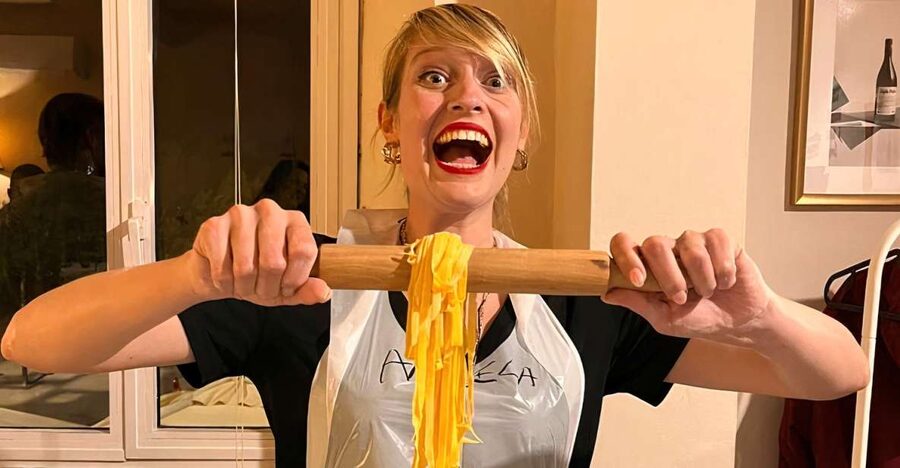
Rome has no shortage of food tours, but a hands-on class gives you a different way to understand Italian cooking. You learn through touch. The dough tells you when it needs more work, the rolling pin shows you how thin is thin enough, and the filled pasta teaches you why careful sealing matters.
At $48 per person, this is a strong value for a three-hour activity in the city center. The price covers instruction, the pasta meal, Tuscan wine, dessert, and limoncello. You are not paying only for a plate of food. You are paying for a lesson, a social evening, and recipes you can use after Rome.
I would not choose this class if you want a quiet, formal meal or a private cooking lesson with lots of room to work. The pleasure comes from sharing a table and learning alongside other people. That social setup suits couples, families, solo visitors, groups of friends, and even work teams, but it may feel less personal than a private class.
More Cooking Classes in Rome
- 3 in 1 Cooking Class near Navona: Fettuccine, Ravioli & Tiramisu
★ 5.0 · 7,376 reviews - Rome: Pasta & Tiramisu Class with Fine Wine by the Vatican
★ 4.9 · 4,852 reviews - Rome: 3-in-1 Fettuccine, Ravioli, and Tiramisu Cooking Class
★ 4.9 · 2,704 reviews
Finding Pastamania on Via della Gatta
The school is at Via della Gatta 14, 00186 Roma. You go directly to the cooking school and ring the bell marked Pastamania.
The address is easy to pair with sightseeing. It is only a short walk from the Pantheon and Piazza Venezia, so you can fit the class into a day spent around ancient and Renaissance Rome. Give yourself enough time to find the entrance, especially if you are arriving after a busy day of sightseeing.
The school sits at the back corner of Palazzo Grazioli. Look for the marble cat statue associated with Via della Gatta, whose name means Street of the Cat. It is a small detail, but a useful landmark in an area where Roman streets can be easy to confuse.
There is no hotel pickup or drop-off. You need to make your own way to the address, which is hardly a burden in this central part of Rome, but it matters if you are booking a class straight after an outlying attraction.
Meeting the chefs and getting started
The class is taught in English, and the instructor can vary. Recent sessions have been led by Giorgio, Fabrizio, Olga, Christian, Marco, Martina, and Roberto. The common thread is an active teaching style: the chef explains a step, demonstrates it, and then checks the work at each station.
That individual attention matters for first-timers. Pasta dough looks simple, but beginners often struggle with the texture, the thickness, or the amount of filling. In a group of no more than 10, you have a fair chance of getting help before a small mistake becomes a torn raviolo.
The tone is friendly rather than stiff. Giorgio is often praised for humor and patience, while Fabrizio is noted for spending time with each student. Olga is described as clear and attentive, and Christian brings a lively style to the lesson. Since you cannot request a particular chef from the information provided, book for the class itself rather than for a named instructor.
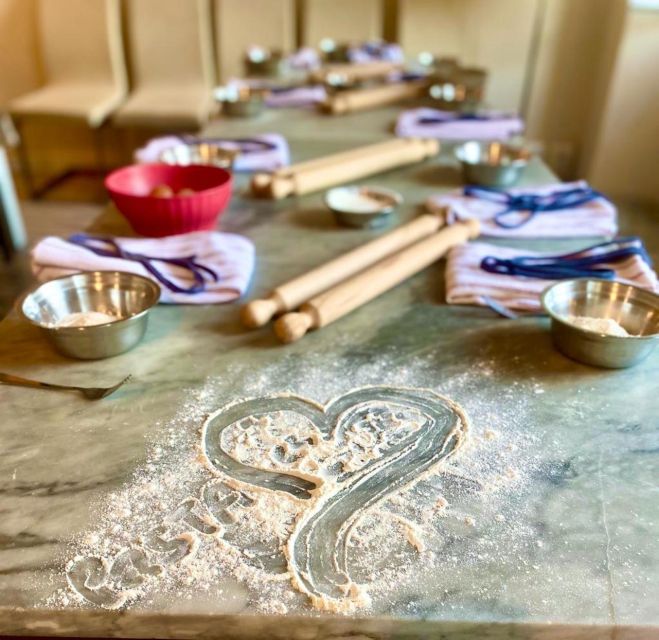
You put on an apron, collect a rolling pin, and begin with the basic dough. The core ingredients are traditional: flour and eggs. This is a useful lesson because it strips pasta back to its essentials. You see how much depends on handling, not on a long list of ingredients or expensive equipment.
Rolling and shaping three fresh pastas
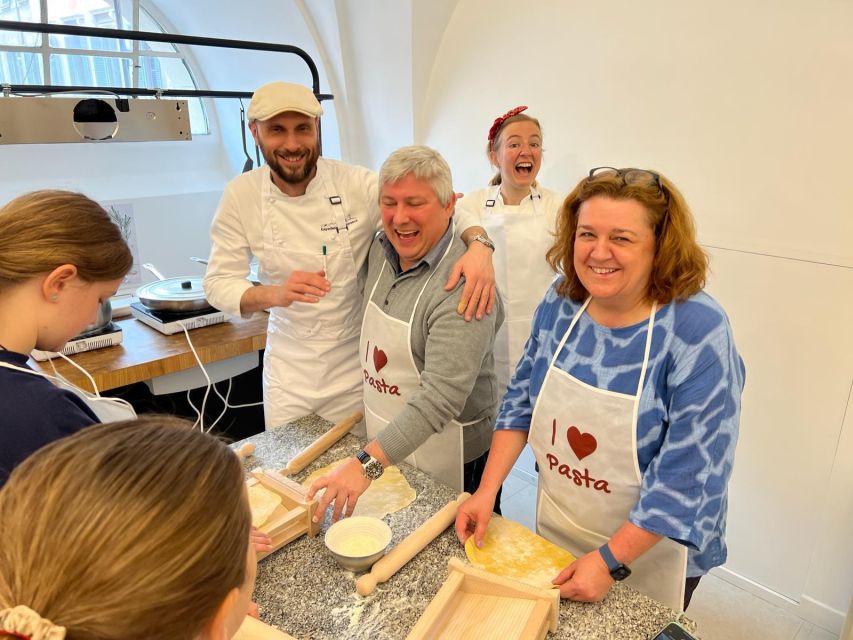
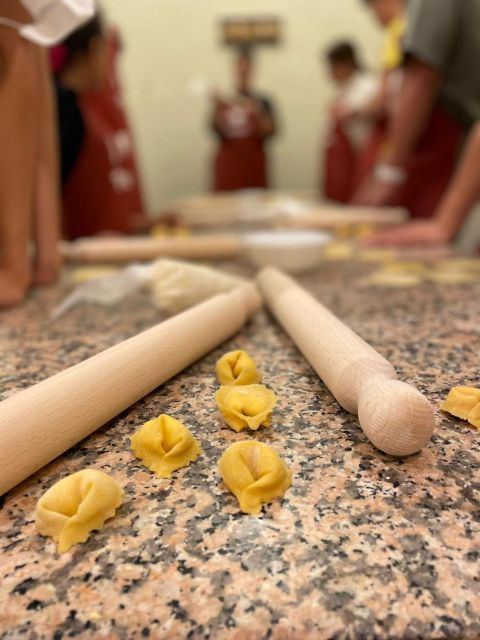
The class moves through three shapes: ravioli, tortelli, and fettuccine. Ravioli and tortelli are filled pastas, while fettuccine gives you practice with cutting long ribbons.
You knead the dough, roll it out, and shape it with your own hands. The work is practical and a little messy, in a good way. You quickly learn that fresh pasta is not something to rush. Roll too thickly and it feels heavy. Roll too thinly or fill it carelessly and the pasta can split.
The filled shapes provide the most satisfying challenge. You add the filling, fold the dough, and press out air around the filling before sealing the edges. The chef watches the process and helps you move on to the next step. That makes the class accessible to complete beginners, including people who have never cooked before.
Fettuccine is more straightforward, but it still teaches a useful skill: cutting even strips so the pasta cooks at the same rate. You leave with a clearer sense of why fresh pasta tastes and feels different from dried pasta, and you can use the same basic method at home.
The class is not described as a lesson in advanced regional pasta history or professional kitchen technique. Its strength is the direct, beginner-friendly format. You make familiar Italian shapes, learn the basic method, and get to eat the result the same day.
More Rome trips worth a second look
- Rome: Tuscany & Montepulciano Day Trip with Lunch & Wine Tasting
★ 4.5 · 5,232 reviews - Rome Food Tour: Unlimited Tastings with Fine Wine & Barolo
★ 5.0 · 3,365 reviews - Rome: Trastevere Food tour with Free-Flowing Fine Wine
★ 5.0 · 2,853 reviews - Learn to Make Pasta & Tiramisu with Wine and Limoncello Included
★ 5.0 · 2,345 reviews
Watching the sauces come together
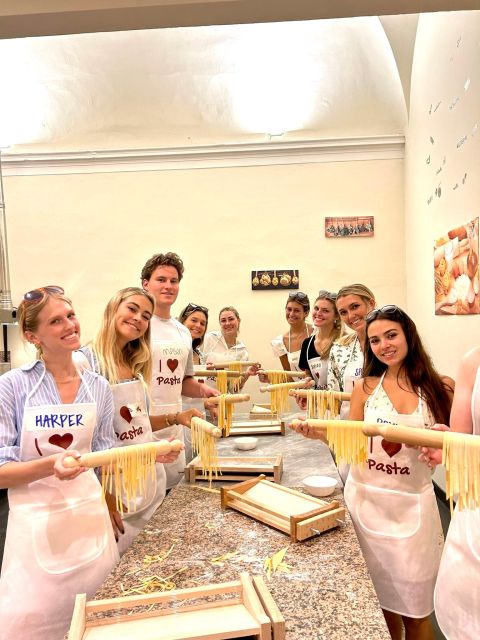
The food is cooked for the group after everyone has finished shaping the pasta. The school prepares its signature tomato sauce hours in advance, so it has time to develop a fuller flavor before the class begins.
For the ravioli and tortelli, the chef prepares a butter and sage sauce in front of you. This is a simple sauce, but that is precisely why it works as a lesson. With filled pasta, a heavy sauce can cover the flavor and texture. Butter and sage keep the focus on the pasta itself.
You get to see the difference between preparation done ahead of time and cooking done at the last moment. The tomato sauce is ready when the class needs it, while the butter and sage sauce is made as part of the demonstration. It keeps the meal moving without turning the three-hour session into a long wait.
Everything is cooked together in the same pot and served for the group to share. That is closer to a family meal than a restaurant tasting menu. You do not receive three separate restaurant courses with elaborate presentation. Instead, you eat the pasta made by the class, talk with the people around you, and compare the shapes you produced.
Come hungry. The pasta is the main event, but dessert and drinks add to the meal. Several people found the finished pasta especially satisfying because they had made it themselves and had watched the cooking from start to finish.
The communal table, wine, dessert, and limoncello
After the hands-on work, everyone gathers at a large communal table. This is where the class shifts from lesson to social meal. You can chat with people from different countries while the chef serves the pasta and explains the cooking.
The included wine comes from Dalle Nostre Mani, an organic Tuscan producer connected with the school’s own farm. It is a pleasant regional touch, since the class links Roman cooking with a wine from Tuscany rather than serving an anonymous house pour.
Wine is included, but only people of legal drinking age are served alcohol. If you do not drink, some sessions offer alternatives, but you should mention your preference when booking rather than assume the same arrangement every time.
Dessert follows the pasta. The details can vary, but the class includes cake, and chocolate salami has appeared as a popular sweet ending. A shot of traditional limoncello completes the meal. It is a cheerful finish, though the alcohol makes this better suited to an evening when you have no demanding sightseeing left afterward.
This final half of the class is not an optional extra. It is part of what makes the price reasonable. You are not rushed out after shaping the dough. You get time to eat, talk, and enjoy the social side of Italian food.
What the three hours feel like
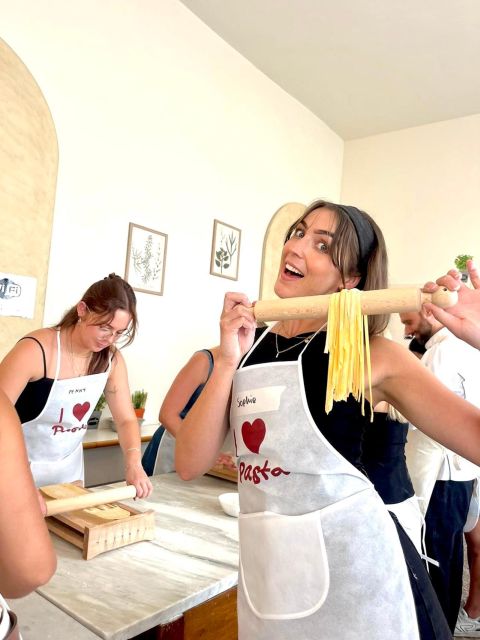
The three-hour duration is well judged for this type of activity. A shorter class might leave you scrambling through the dough work, while a much longer lesson could become tiring for children or anyone with a packed sightseeing schedule.
The pace is active at the beginning. You listen, knead, roll, and shape in stages. The chef checks the group before moving forward, so you are not left guessing about the next step.
The middle portion is the most hands-on and requires some patience. Rolling pasta repeatedly can be tiring, and you may find that your first pieces look less polished than the chef’s. That is normal. The point is to learn a repeatable method, not to produce identical restaurant pasta on your first attempt.
The meal slows the pace. You sit, eat, drink, and talk while the chef handles the cooking. For many people, this is the most enjoyable part because it gives the class a natural ending rather than stopping abruptly once the pasta is shaped.
The activity welcomes participants from age 8. Families can work together, and the format also suits adults who want something more interactive than another museum or monument. Very young children may need close supervision around flour, tools, and hot food, but the minimum age gives you a clear guide when planning.
The value of the recipe booklet
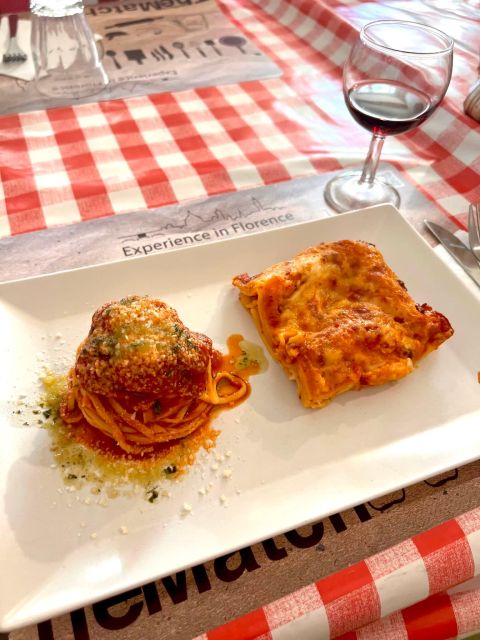
You receive detailed recipe booklets in English. That is more useful than a souvenir apron or a quick verbal demonstration because fresh pasta is easy to forget once you return home.
The booklet lets you repeat the basic dough, filled pasta, and sauce methods in your own kitchen. You can also use the class to judge what tools you actually need. The lesson uses a rolling pin, so you do not need to buy a pasta machine just to try the recipes.
A recipe booklet cannot recreate the communal table or the Roman setting, but it extends the experience beyond one afternoon. If you have room in your luggage, the school shop also sells items such as ravioli cutters and truffle oil. Those purchases are optional and are not part of the class.
Who should book, and who should skip it
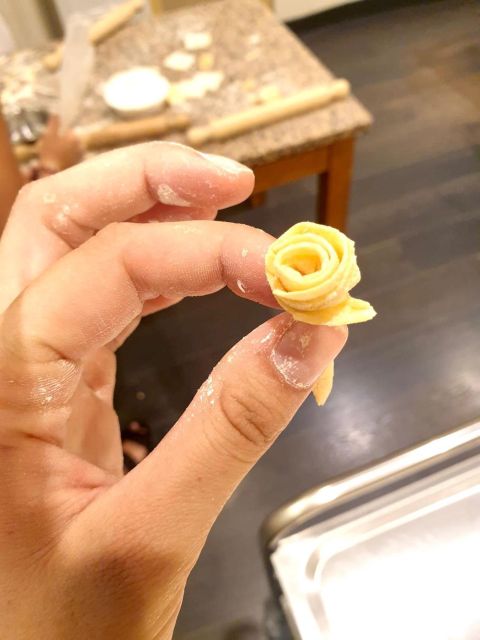
I would recommend this class to you if you want a break from monuments and galleries, enjoy eating what you make, or like meeting other people over food. It is especially well suited to couples, families with children aged 8 or older, groups of friends, and solo visitors who prefer an activity with built-in company.
It is also a good choice for a first cooking class. The chefs explain each stage, provide hands-on guidance, and cook the pasta for you. You do not need prior kitchen experience.
The class is not suitable for vegans, people with gluten sensitivity, lactose intolerance, or nut allergies. The information also says that people with mobility impairments and wheelchair users should not book. Dietary options may be available for some needs, but the listed restrictions are firm, so contact the school before paying if food is a concern.
You should wear comfortable clothing suitable for cooking. Smoking is not allowed.
Cancellation is flexible: you can cancel up to 24 hours ahead for a full refund. A reserve-now, pay-later option is also available. Since the class requires a minimum number of participants, a low-enrollment session may be moved to another time or date, or refunded.
Should you book this Rome pasta class?
Book it if you want a practical taste of Italy rather than another sightseeing stop. The combination of three pasta shapes, two sauces, a central historic setting, a three-hour schedule, and a full meal makes $48 a fair price.
The strongest reason to go is the teaching. Chefs such as Fabrizio, Olga, Giorgio, and Christian are repeatedly praised for patience, humor, and close help at the table. The second reason is the finish: you eat the pasta you made, with wine, dessert, and limoncello, instead of leaving with only a recipe.
Skip it if you need strict vegan, gluten-free, lactose-free, or nut-free cooking, or if a communal group format does not appeal to you. For everyone else, this is an easy activity to fit between major Roman sights and one of the more memorable ways to spend three hours near the Pantheon.
FAQ
Where is the pasta-making class held?
The class is held at the cooking school on Via della Gatta 14, 00186 Roma, inside Palazzo Grazioli. The entrance is at the back corner of the building.
How do I find the meeting point?
Go directly to the cooking school and ring the bell marked Pastamania. The nearby marble cat statue on Via della Gatta can help you identify the street.
How long does the class last?
The experience lasts three hours. Starting times depend on availability.
Which pasta shapes will I make?
You will make ravioli, tortelli, and fettuccine. Ravioli and tortelli are filled pastas, while fettuccine is a long, ribbon-shaped pasta.
Is the class taught in English?
Yes. The listed language for the instructor is English.
What food and drinks are included?
The class includes the pasta-making lesson, the meal made from your pasta, Tuscan wine, dessert, and one shot of limoncello. Extra food and drinks are not included.
Can children join the class?
Yes, but participants must be at least 8 years old. Alcohol is served only to participants of legal drinking age.
Can I join if I have dietary restrictions?
You should tell the provider about dietary needs when booking. The school cannot accommodate vegan diets, gluten sensitivity, lactose intolerance, or nut allergies.
More Pasta in Rome
- Rome: Fettuccine Pasta Cooking Class in Rome’s City Center
★ 4.8 · 2,414 reviews - Rome: Traditional Pasta with Cocktails Cooking Class
★ 5.0 · 2,374 reviews - Become a Masterchef in Rome: Pasta, Ravioli and Tiramisù Class
★ 5.0 · 2,156 reviews - Pasta Cooking Class Near the Colosseum with 3 Spritz Cocktails
★ 5.0 · 1,686 reviews
More Dessert Tours in Rome
- Rome Cooking Class: Make Pizza and Pasta with Wine & Dessert
★ 4.5 · 651 reviews - Rome: Trevi Fountain District Underground Tour and Ice Cream
★ 4.5 · 356 reviews - Florence: Handmade Pasta & Dessert Class with Unlimited Wine
★ 4.8 · 788 reviews - Florence: Pasta Class with Wine, Limoncello and Dessert
★ 4.9 · 674 reviews
Recently reviewed around Rome
- Ancient Rome at Twilight Walking Tour★ 5.0 · 276 reviews
- Domus Aurea Guided Tour: The Golden House of Nero★ 4.5 · 199 reviews
- Early Vatican Museums & Sistine Chapel Small Group Tour★ 4.5 · 314 reviews
- Early Vatican Museums Tour: The Best of the Sistine Chapel★ 4.5 · 900 reviews
- Jewish Ghetto & Piazza Navona: Food, Wine & Sightseeing Rome Tour★ 5.0 · 460 reviews
- 3 Days in Sorrento, Capri & Pompeii: la Dolce Vita★ 4.0 · 595 reviews
- Tivoli Villas Full Day Trip From Rome with Lunch★ 4.0 · 443 reviews
- Cook With Us in Rome: A Hands-On Cooking Experience 09:20AM class★ 5.0 · 234 reviews
Cooking Classes, compared.
3 in 1 Cooking Class near Navona: Fettuccine, Ravioli & Tiramisu
Read our review →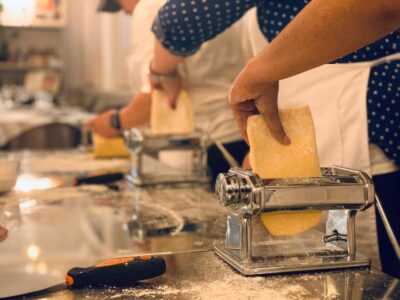
Pasta & Tiramisu Cooking Class with Unlimited Wine
Read our review →
Pasta & Tiramisu Class with Fine Wine by the Vatican
Read our review →
Cooking Class and Lunch at a Tuscan Farmhouse with Local Market Tour from Florence
Read our review →
Authentic Pizza Making Class in Naples with Appetizers and Drink
Read our review →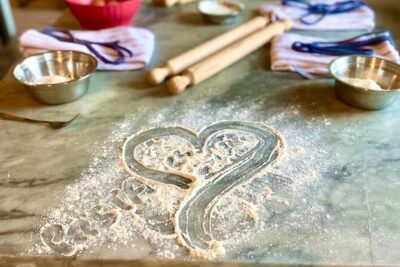
Browse the lists this tour appears in