
Review · UFFIZI GALLERY TOURS
Florence: Uffizi Gallery Priority Entrance and Tour
Florence’s Uffizi Gallery is too large for a casual wander, especially on a first visit. This early morning guided tour gives you a clear route through its Medici collections, with time afterward to return to the rooms that catch your eye.
I like the small group of no more than nine and the chance to remain inside after the 1.5-hour tour. I also like the guides’ focus on stories, artistic change, and the people behind the paintings. The main consideration is pace: the Uffizi is enormous, and a short highlights tour cannot cover everything.
In This Review
- Key points at a glance
- Why the Uffizi needs a plan
- Meeting beside Piazza della Signoria
- Priority entry before the main crowds
- The opening route through Medici collections
- Botticelli, Michelangelo, Leonardo, and Caravaggio
- Roman tombs, busts, and imperial sculpture
- What the guide adds to the visit
- Staying inside after the guided tour
- Is $99 a fair price?
- Who should book this Uffizi tour?
- Practical details before booking
- Should you book it?
- FAQ
- Where does the Uffizi tour meet?
- How long does the tour last?
- Does the tour include Uffizi admission?
- Can I skip the ticket line?
- What languages are available?
- How large is the group?
- Can I stay in the museum after the guided tour?
- What should I bring?
- Are large bags or luggage allowed?
- Can I cancel the booking?
Key points at a glance
- Early access helps: Enter before the usual crowds arrive, although other morning groups may still be present.
- Small groups feel more personal: The maximum group size is nine, so it is easier to hear the guide and ask questions.
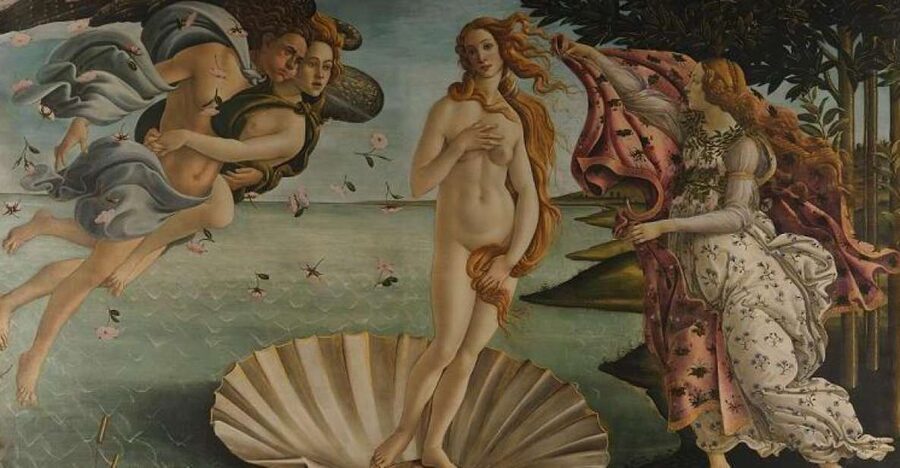
- See the famous names: The route includes Botticelli, Michelangelo, Leonardo da Vinci, and Caravaggio.
- Art comes with context: Guides explain Medici patronage, religious themes, perspective, changing styles, and the lives of artists.
- Roman works add variety: Tombs, busts, sculptures, and images of emperors break up the better-known Renaissance paintings.
- You can stay afterward: Once the guided portion ends, you may continue through the museum at your own pace.
Why the Uffizi needs a plan
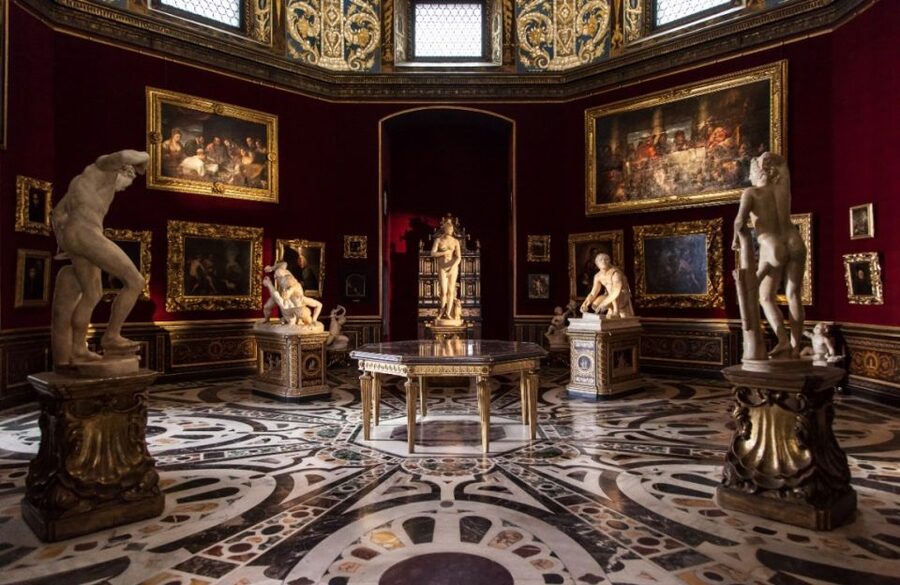
The Uffizi is not simply a room full of famous paintings. It is a long, layered museum shaped by the Medici family, whose collecting and patronage helped make Florence a center of European art.
You move through works from different periods and see ideas change in front of you. Early religious paintings can look formal and symbolic, while later artists introduce more natural figures, stronger emotion, and mathematical perspective. Without some guidance, it is easy to admire the gold backgrounds and famous names without understanding what changed from one room to the next.
That is the real reason to consider this tour. The guide does not just point at a Botticelli and announce its title. The best guides on this experience explain why a work mattered, what its figures represent, how its technique differs from earlier paintings, and how Florence’s powerful families influenced what artists produced.
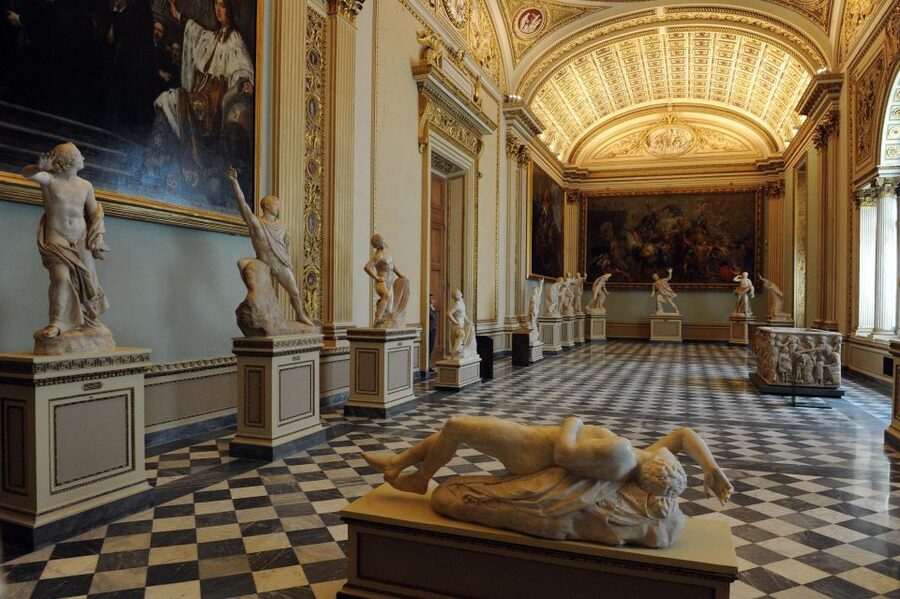
The museum also contains far more than Renaissance painting. Classical Roman sculpture, busts of emperors, and Roman tombs provide a useful contrast with the later works. You get a sense of how Renaissance artists looked back to antiquity while creating something new.
More Museum Tours in Florence
- Florence: Skip-The-Line Uffizi Gallery Timed Entry Ticket
★ 4.5 · 27,832 reviews - Florence: Leonardo Interactive Museum Entry Ticket
★ 4.5 · 11,763 reviews - Florence Accademia Gallery Tour with Entrance Ticket Included
★ 4.5 · 6,148 reviews
Meeting beside Piazza della Signoria
The Uffizi stands beside Piazza della Signoria, one of Florence’s central squares. Your exact meeting point can vary with the option you book, so check your confirmation carefully rather than assuming every departure uses the same spot.
Arrive early. The entrance arrangement can be confusing, particularly if you are unfamiliar with the museum and the surrounding square. One past group had trouble finding its guide, but staff nearby helped sort it out. That is a useful reminder to allow extra time, carry the guide’s contact details, and look for the designated meeting instructions.
Bring a valid passport or identity card. Comfortable shoes are sensible because the museum is large and the tour involves standing and walking. Pets, smoking, luggage, and large bags are not allowed, so do not arrive with a suitcase or oversized daypack.
The tour is offered in English, Italian, or French. Make sure you select the language that suits you when booking. The guide speaks to the group in a single language, which avoids stopping repeatedly for translations and keeps the route moving.
Priority entry before the main crowds
The early start is one of the strongest reasons to book. You use a priority entrance ticket and avoid the regular ticket line, entering before the usual daytime crowds fill the corridors.
This does not mean you will have the museum entirely to yourself. The Uffizi can still have other early groups, and one past experience encountered several groups in the galleries. Even so, an early visit generally gives you more breathing room than arriving later, when the most famous rooms can become difficult places to pause.
The priority entry is especially useful if your Florence schedule is tight. Losing a large part of the morning in a ticket queue can throw off lunch, another museum reservation, or a visit to the Duomo. Here, the ticket and guide are arranged together, giving you a more predictable start.
There is one practical warning. Museum operations can change because of staff action or other disruptions. On one occasion, a strike delayed entry by several hours despite the priority arrangement. The guide helped the group through the delay and kept people informed, but priority entry cannot overcome every closure or internal hold-up.
The opening route through Medici collections
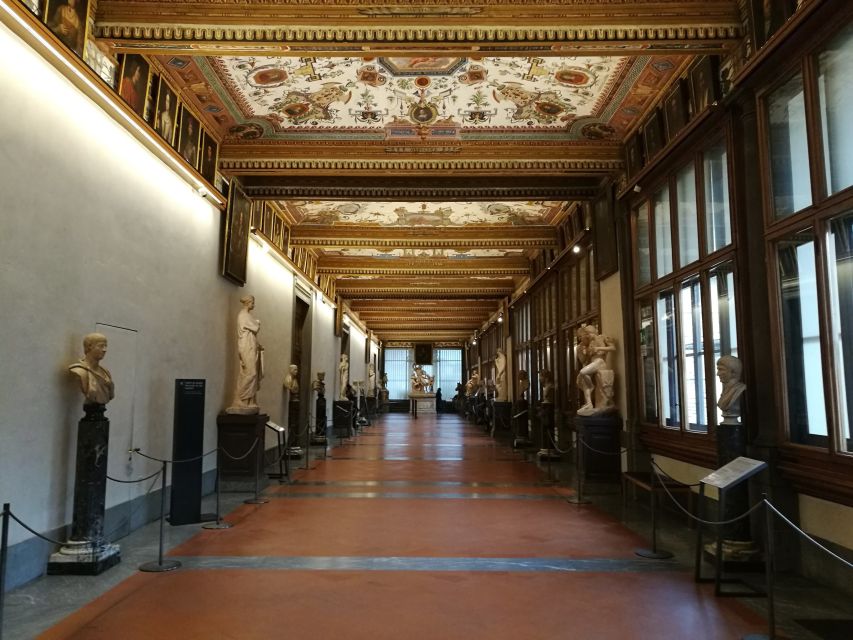
Once inside, expect the guide to set the Uffizi in context before moving through selected rooms. The Medici collections are the central thread, linking art with the family that commissioned, bought, and preserved so many of the works.
The guide may explain the relationship between political power, religious belief, and artistic production. This is useful because many visitors arrive expecting only portraits or landscapes and are surprised by the number of religious scenes, saints, biblical stories, and symbolic figures.
You will not examine every painting. That would take far longer than a morning tour. Instead, the guide chooses major examples and uses them to explain wider changes in Italian art. This approach works well for first-time visitors who want a framework rather than a catalogue of every room.
The route can feel quick at times. The Uffizi is packed with important objects, and stopping for a detailed explanation of one work means moving faster past another. If you prefer to study each painting at length, treat the guided portion as an introduction and use the free time afterward for a slower second look.
More Florence museums and collections:
- Uffizi Gallery Small Group Tour with Guide
★ 4.5 · 4,923 reviews - Florence: Accademia Gallery Guided Tour
★ 4.6 · 4,156 reviews - Florence: Accademia Gallery Guided Tour with Entry Ticket
★ 4.6 · 2,253 reviews - Golf Cart Tour to Fiesole Roman Theatre and Museum
★ 4.5 · 2,039 reviews
Botticelli, Michelangelo, Leonardo, and Caravaggio
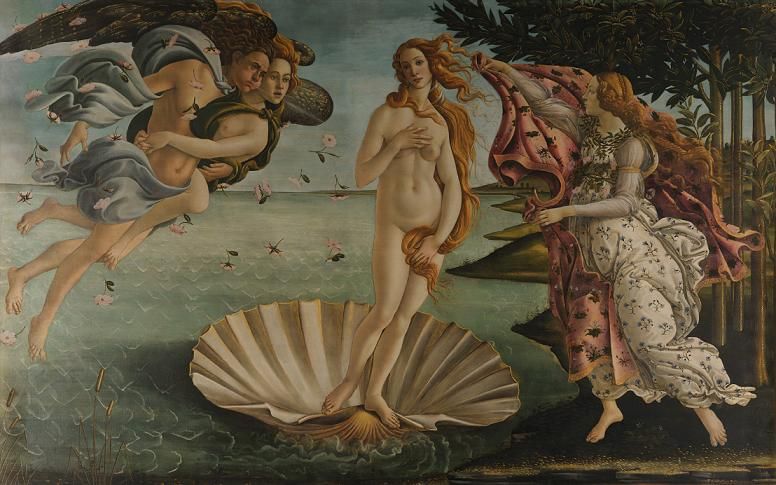
The tour includes works associated with several of the best-known names in Western art. Botticelli’s paintings offer a chance to discuss graceful lines, mythological subjects, and the imaginative world of Florentine painting.
Michelangelo provides another kind of experience. Even when you already know the name, a guide can help you look at the work with more care, considering the figures, movement, technique, and connection to the wider artistic culture of Florence.
Leonardo da Vinci’s presence gives the guide a way to discuss observation, experimentation, and the changing role of the artist. Caravaggio then brings a later, more dramatic style into the story, with strong contrasts and powerful human emotion.
The value is not just in seeing famous works in person. It is in understanding that these artists did not all paint in the same way or for the same reasons. A good explanation helps you notice the shift from one generation to another instead of treating Renaissance art as one single style.
Several past guides have been praised for bringing this material to life through stories. Giacomo was remembered for making historical figures feel personal, while Ivano was noted for telling engaging stories about artists and their works. Gianna, Janna, Leonardo, Valentina, Annette, Riccardo, Viola, Francesco, and others have also led highly regarded tours at different times.
Guide assignments can change, so you cannot count on a particular person. The consistent point is the format: a certified official guide provides live interpretation rather than sending you around with a recorded audio device.
Roman tombs, busts, and imperial sculpture
Do not focus only on the headline paintings. The Roman material gives the visit a broader time span and helps explain why classical art mattered so much to Renaissance Florence.
You may see busts of Roman emperors, Roman tombs, and classical sculptures. These objects show the idealized faces, clothing, poses, and symbols that later artists studied and reused.
For someone who knows little about art, this mixture is helpful. You can compare the stillness and formal power of a Roman bust with the movement and emotion of a later painted figure. The connection between ancient models and Renaissance ambition becomes easier to see when the objects are in the same museum visit.
The sculpture displays also provide a change of rhythm. After several rooms of paintings, three-dimensional works give your eyes a break and let you think about how artists represented power, age, authority, and the human body in different periods.
What the guide adds to the visit
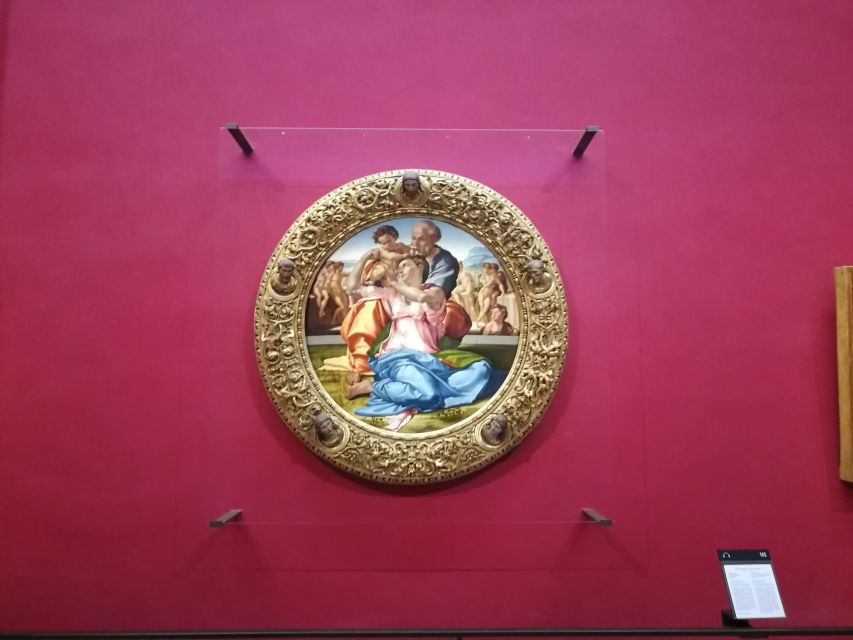
The strongest part of this experience is the explanation. Several guides have been praised for connecting individual works to larger subjects, including mathematical perspective, the reasons artists chose particular themes, and the relationship between religious and secular art.
That information changes how you look. Instead of asking only Do I like this painting?, you begin asking what the painter wanted the viewer to notice, who paid for the work, why certain figures appear, and how the artist solved technical problems.
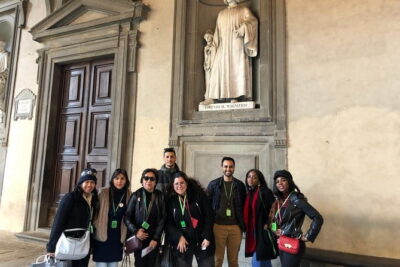
The small group matters here. With a maximum of nine people, you should have a better chance of hearing clearly and getting an answer when something puzzles you. Some tours also provide headphones, allowing you to move slightly away from the guide while still following the commentary.
This format suits both art enthusiasts and people who feel unsure about museums. One art teacher once brought companions who had little interest in visiting the Uffizi, and the guide helped make the experience approachable for them. You do not need to know Renaissance art in advance.
At the same time, the tour is not a private lesson. The guide must keep the group together and follow a practical route through a busy public museum. If you have a favorite obscure artist or a particular painting in mind, ask about it when possible, but understand that it may not fit the main route.
Staying inside after the guided tour
When the guided portion ends, you can remain in the museum and continue looking on your own. This is a major advantage because the official tour gives you orientation, then lets you set your own pace.
Use the final part of your visit to revisit the pieces you liked best. You can also look for works that were not included in the main route. The museum is large enough that you could spend much of a day there, so do not expect the 1.5-hour tour to feel like a complete visit.
Several past descriptions refer to tours lasting about two hours, while the current activity information lists 1.5 hours. Plan around the stated 1.5-hour duration, but recognize that the actual pace or finish may vary slightly with the guide and museum conditions.
If you stay afterward, keep your bearings. The building can be confusing, and it is easy to follow one corridor too far or miss a room you intended to see. Note the route as you go, and ask the guide where to find a work that was not part of the main selection.
Is $99 a fair price?
At $99 per person, this is not a budget museum visit. You are paying for the Uffizi admission, priority access, and a live guide in a small group.
The value depends on how you use the experience. If you would otherwise spend time in a ticket line, feel lost among hundreds of works, or rely on an audio guide without knowing what to prioritize, the cost can make sense. You receive a structured introduction and can continue exploring after the tour, so the ticket is not limited to the guided hour and a half.
The price is harder to justify if you already know the Uffizi well or prefer to examine art alone. You may want more time with fewer works, while this tour aims to cover the key ideas and major names in a limited period.
For a first visit, I consider the small group and the post-tour museum time important parts of the calculation. You are not buying only a fast entrance. You are buying help with deciding what deserves your attention in one of Florence’s most demanding museums.
Who should book this Uffizi tour?
I would recommend it to first-time visitors, people with limited time in Florence, and anyone who wants art explained in plain language. It is also a good match for families or mixed groups where one person loves art and others need a story or historical connection to stay interested.
The tour can work well for visitors who are not art specialists. Guides such as Giacomo, Annette, Leonardo, and Valentina have been praised for using humor, clear explanations, and memorable stories rather than speaking only in academic terms.
It may be less suitable if you want an exhaustive visit. The Uffizi is too large for that in 1.5 hours, and the highlights route can feel rushed when several important rooms compete for attention. In that case, book the tour for orientation, then reserve extra time afterward.
The 4.8 rating from 267 ratings reflects strong satisfaction with guide quality, timing, and the selected artworks. Still, allow for the realities of a public museum: other groups, occasional delays, and a changing guide roster.
Practical details before booking
You can cancel up to 24 hours before the scheduled start for a full refund, and the reserve-now, pay-later option keeps your plans more flexible.
Check the meeting point for your exact booking option. Bring valid identification, wear comfortable shoes, and leave large bags and luggage elsewhere. The activity is available in English, Italian, and French, with a small group capped at nine participants.
The activity lasts 1.5 hours according to the current details, and starting times depend on availability. Since the early visit is a key benefit, choose the earliest practical time if your schedule allows.
Should you book it?
Book this tour if you want a focused introduction to the Uffizi, priority entry, and a guide who can explain why the art matters. The chance to stay inside afterward makes it more useful than a simple escorted walk through the famous rooms.
Skip it if you already have strong art-history knowledge, dislike guided pacing, or plan to spend an entire day studying the collection independently. For most first-time visitors, though, $99 buys structure, context, and time saved, which is valuable in a museum this vast.
FAQ
Where does the Uffizi tour meet?
The meeting point is at or near the Uffizi Gallery beside Piazza della Signoria, but it may vary depending on the option booked. Check your booking details carefully.
How long does the tour last?
The current activity details list a duration of 1.5 hours. Some past tour descriptions refer to visits of about two hours, so the exact pace may vary.
Does the tour include Uffizi admission?
Yes. A priority entrance ticket to the Uffizi Gallery is included.
Can I skip the ticket line?
Yes. The activity includes priority entry and access through the ticket line.
What languages are available?
The live guide is available in English, Italian, or French.
How large is the group?
The tour is limited to nine participants.
Can I stay in the museum after the guided tour?
Yes. You may remain inside the Uffizi after the guided portion and continue viewing the collection independently.
What should I bring?
Bring a valid passport or identity card and wear comfortable shoes.
Are large bags or luggage allowed?
No. Luggage and large bags are not allowed. Pets and smoking are also prohibited.
Can I cancel the booking?
Yes. You can cancel up to 24 hours in advance for a full refund. You can also reserve now and pay later.
Recently reviewed around Florence
- Walking Food Tour of Florence with Tastings and Wine★ 5.0 · 518 reviews
- Florence Sunset Food Tour with Wine & Dine at a Tuscan farmhouse★ 5.0 · 194 reviews
- Wine Experience In Chianti Hills from Florence★ 4.5 · 195 reviews
- Uffizi Gallery Timed Entry Admission Tickets★ 4.0 · 392 reviews
- Val d’Orcia Brunello Wine Tour with Montalcino and Montepulciano★ 4.5 · 359 reviews
- Wine Tasting Experience in Ponte Vecchio: Best Tuscany selection!★ 5.0 · 197 reviews
- Uffizi Gallery Small Group Tour with Guide★ 4.5 · 879 reviews
- Early Access Guided Uffizi Gallery Tour Skip-the-Line Small Group★ 4.5 · 707 reviews
Uffizi Gallery Tours, compared.
Skip-The-Line Uffizi Gallery Timed Entry Ticket
Read our review →
Uffizi Priority Ticket & Masterpieces Audio App
Read our review →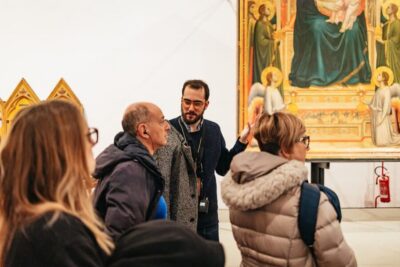

Skip the line: Uffizi and Accademia Small Group Walking Tour
Read our review →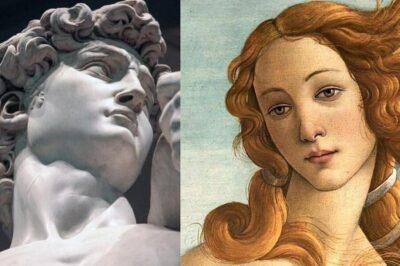
Uffizi Gallery and Accademia Gallery Guided Tour
Read our review →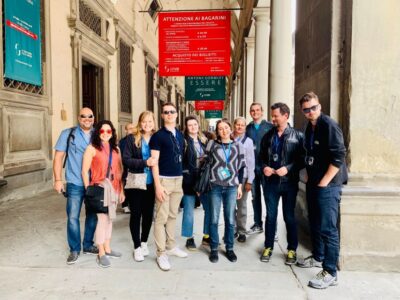
Uffizi Gallery Small-Group Guided Tour with Ticket
Read our review →
Michelangelo’s David, Accademia & Uffizi Small Group Tour
Read our review →Browse the lists this tour appears in