
Review · WORKSHOPS
Hands on Italian Cooking Classes
The best part of this Perugia cooking class is that you do not simply watch someone make pasta. You work from scratch with Raffaella, an English-speaking cook who teaches Umbrian recipes, kitchen methods, and the story behind each dish. Then you eat what you made at the farmhouse with wine produced on the property.
I especially like the small maximum of eight people, which gives the class a personal feel, and the use of vegetables from the farmhouse’s organic garden. The recipes, apron, wine, coffee, and four-course lunch are all included. The main drawback is practical: there is no hotel pickup, and the booking is non-refundable, so you need to be sure of your plans before paying.
In This Review
- Key points at a glance
- A farmhouse kitchen near Perugia
- What you actually cook from 10 a.m. onward
- Why the meal matters as much as the lesson
- Raffaella’s teaching style
- The farmhouse garden, oil, and wine
- What is included for $169.38
- Getting there and planning the morning
- Who will enjoy this Perugia cooking class
- Small details that make the visit worthwhile
- Should you book it?
- FAQ
- Where does the cooking class take place?
- What time does the class begin?
- How long does the class last?
- Is the class taught in English?
- How many people can join the class?
- What food will I prepare?
- Are food and drinks included?
- Is transportation from my hotel included?
Key points at a glance
- A true hands-on class: You prepare every part of a four-course Umbrian meal rather than sitting through a demonstration.
- Raffaella teaches in English: Her approach is patient, friendly, and suited to cooks with different levels of experience.
- Farm-grown ingredients: Vegetables come from the property’s organic garden, while the farm also makes its own extra virgin olive oil and organic red wine.
- Several pasta traditions: Depending on the menu, you might make tagliatelle, potato gnocchi, spinach and ricotta ravioli, or strangozzi with truffle.
- A generous finish: You eat the meal you prepared with Umbrian wine, followed by coffee.
- Useful take-home items: The price includes recipes, an apron, and a certificate of participation.
A farmhouse kitchen near Perugia
The class takes place at Farmhouse La Volpe E L’Uva on Strada Comunale S. Marino, 25, outside Perugia. This is not a downtown food walk or a quick pasta demonstration. It is a half-day visit to a working farmhouse and family home, with the cooking lesson at its center.
That setting matters. The vegetables used in class are grown in the property’s organic garden, and the farm produces its own olive oil and organic red wine. Other ingredients come from local markets. You get a clearer sense of Umbrian cooking when the meal begins with ingredients tied to a home, a garden, and nearby food shops.
The class begins at 10 a.m. and lasts about three to four hours. Plan on a morning of preparation followed by lunch. The pace is long enough for you to learn several dishes, but not so long that the day becomes an all-day food marathon.
The group limit is eight people. That is a useful number for a practical cooking lesson. You should have room to work, ask questions, and follow the techniques instead of watching from the edge of a crowded room.
More Italy trips worth a second look
- Florence: Pasta Cooking Class with Unlimited Wine
★ 4.9 · 10,285 reviews - 3 in 1 Cooking Class near Navona: Fettuccine, Ravioli & Tiramisu
★ 5.0 · 7,376 reviews - Florence Pizza or Pasta Class with Gelato Making at a Tuscan Farm
★ 5.0 · 6,801 reviews
What you actually cook from 10 a.m. onward
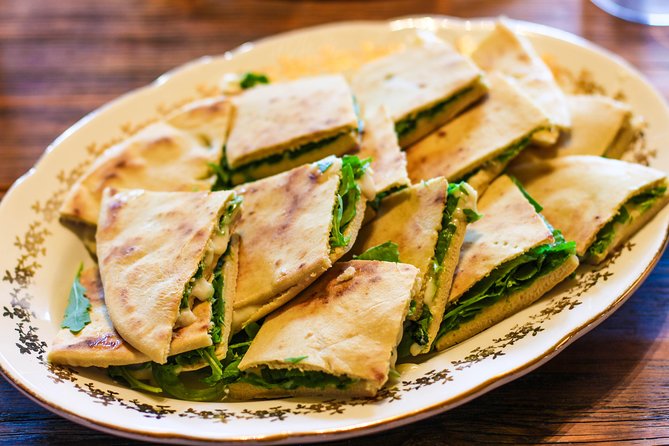
The meal is built around four courses: an appetizer, a first course, a main course with side dish, and dessert. The sample dishes show the range of Umbrian cooking, though the exact menu can vary.
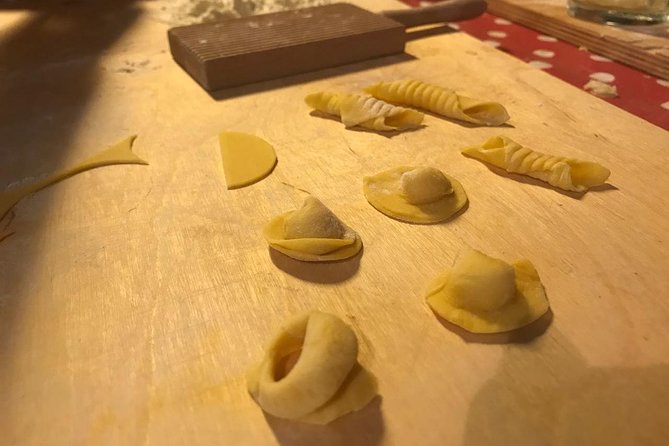
You might begin with homemade tagliatelle served with sausage ragù. This is the kind of dish that teaches more than a single recipe. You learn how pasta dough behaves, how to shape and cut it, and how a simple sauce fits the pasta.
Another possible first course is potato gnocchi. Gnocchi can look easy on a menu, but the texture depends on handling the potatoes and dough with care. A class setting gives you the chance to see the method clearly and ask about the small steps that affect the result.
The menu may also include ravioli filled with spinach and fresh ricotta. This adds a different pasta skill: rolling sheets, placing filling, sealing the edges, and avoiding unwanted air pockets. If you enjoy making pasta, this is one of the more useful parts of the class because the technique can be repeated at home.
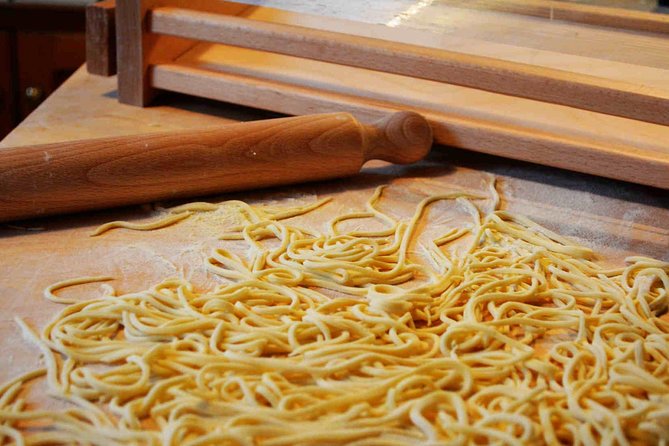
Strangozzi with truffle brings a distinctly Umbrian touch. Strangozzi is a local-style pasta, and truffle gives the dish a strong regional character. You should not expect every sample dish to appear in one meal. The listed choices show the types of recipes that may be taught rather than a promise of every pasta course at once.
For the main dish, possibilities include pork tenderloin with dried plums, chicken alla cacciatora, or veal alla Perugina. These recipes give the meal a different rhythm after the pasta. You are not spending the entire morning making noodles. You also learn how Umbrian cooking handles meat, sauce, and traditional pairings.
A side dish accompanies the main course. The supplied details do not name the side, so you should ask about the day’s menu if a particular ingredient matters to you.
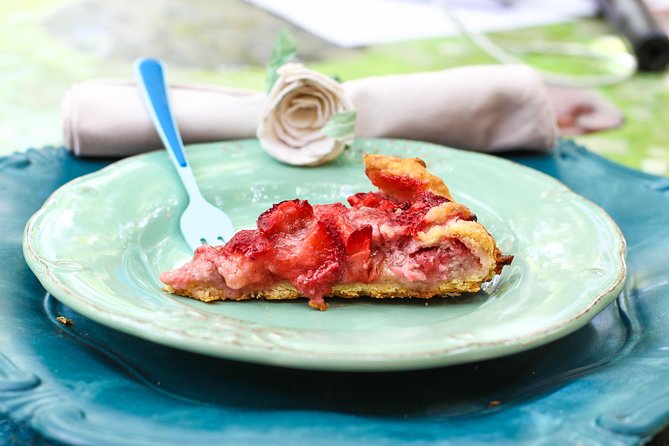
Dessert choices include homemade tiramisu, chocolate and pear cake with cream, or crostata. These are familiar Italian favorites, but making dessert yourself adds a satisfying finish. The variety also means the class is not narrowly focused on pasta alone.
Why the meal matters as much as the lesson
Many cooking classes end with a taste of the finished dish. Here, the meal is a full four-course lunch. That changes the value of the morning because you get to sit down and enjoy the result of several hours of work rather than rushing off after the last recipe.
Umbrian wines from the estate are served with the meal, and coffee follows lunch. The farm’s organic red wine and house-made olive oil connect the meal to the property itself. You are not just buying a lesson and then arranging lunch elsewhere. The food, wine, and setting are part of one visit.
The atmosphere is also more intimate than a standard commercial kitchen class. The farmhouse is a family home, and the cooking takes place in that personal setting. You should expect a warm, informal feel rather than a polished restaurant-school production.
That informality is a strength for anyone who wants contact with everyday Italian food culture. It may be less appealing if you prefer a tightly scheduled class in a modern teaching kitchen with printed stations and a formal structure.
Raffaella’s teaching style
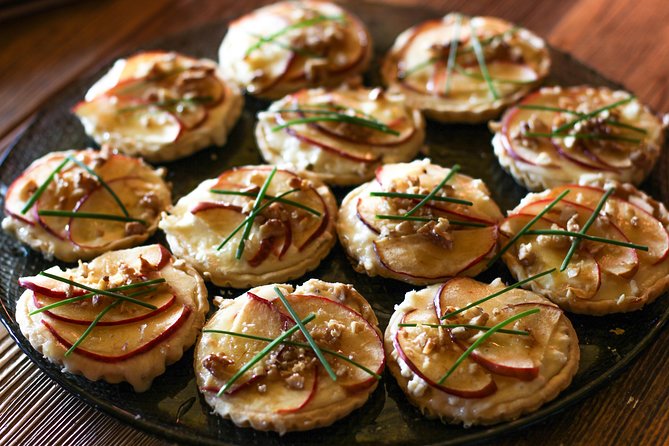
Raffaella is the English-speaking teacher and host. The class covers traditional Italian techniques, along with the background of each recipe. The important point is that she teaches while you work. You are not expected to stand quietly and copy notes.
The personal side of the class is one of its strongest features. The setting feels like visiting a friend who happens to cook well, rather than attending a large lesson. Raffaella is described as patient with beginners, good at keeping the group involved, and able to explain local cuisine along with dishes from other parts of Italy.
That makes the class a good choice for mixed groups. You can come with serious pasta ambitions, modest kitchen skills, or simply an interest in food. A parent and child can enjoy it together, too. One account describes a son who already loved making pasta and still found new tips and methods to take home.
The English-language format is useful for visitors who want to understand the reasons behind the food. You can ask about technique, ingredients, and regional cooking without trying to follow an Italian-only demonstration.
Dietary needs should be given at the time of booking. One participant with dietary restrictions received careful accommodation, but you should not wait until the morning of the class to raise the issue.
A different way to spend the day, same part of Italy:
- Vatican: Museums & Sistine Chapel Entrance Ticket
★ 4.5 · 144,003 reviews - Vatican Museums & Sistine Chapel Tour with Optional Basilica
★ 4.3 · 67,413 reviews - Colosseum, Roman Forum & Palatine Guided Tour
★ 4.7 · 63,148 reviews - Milan: Cathedral and Duomo’s Terraces Entrance Ticket
★ 4.6 · 61,054 reviews
The farmhouse garden, oil, and wine
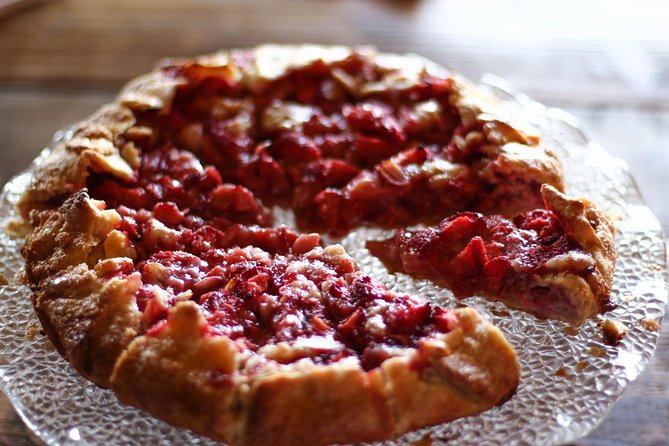
The organic vegetable garden gives the class a direct link to the land around the farmhouse. Depending on the season and menu, the vegetables used in the dishes come from this garden. That is a more meaningful detail than simply being told that a recipe is traditional.
The farm also produces its own extra virgin olive oil and organic red wine. These products appear in the meal and help you understand how much of an Umbrian lunch comes from a local pantry: vegetables, oil, wine, pasta, meat, and dessert prepared in one place.
The other ingredients are bought at local markets. This keeps the class from pretending that everything comes from the farm, while still making good use of what the property grows and produces. I appreciate that balance. A farmhouse kitchen can be authentic without claiming total self-sufficiency.
You should also keep your expectations grounded. This is not presented as a vineyard tour, an olive harvest, or a garden walk. The garden, oil, and wine support the cooking and meal. The main activity remains the class itself.
What is included for $169.38
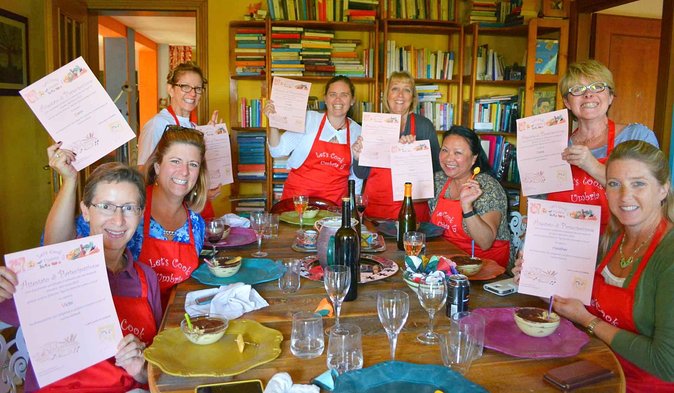
The price is $169.38 per person. At first glance, that is more than a basic pasta lesson. The value becomes clearer when you count what the half-day includes:
- Hands-on preparation of a four-course meal
- The four-course lunch you make
- Umbrian wine during the meal
- Coffee after lunch
- A folder containing the recipes
- An apron from Let’s Cook in Umbria
- A certificate of participation
You are paying for instruction, food, a substantial lunch, drinks, and useful souvenirs. The recipe folder is particularly valuable because the class is designed around methods you can repeat at home. The apron is a practical reminder rather than a decorative extra, and the certificate adds a pleasant finish.
The price makes the most sense if you want both a meal and an activity. If you only want to eat regional food, a restaurant will cost less. If you want a formal culinary qualification, this is not that kind of course. But for a personal cooking session with a small group, several dishes, estate wine, and a full lunch, the package is reasonably complete.
Getting there and planning the morning
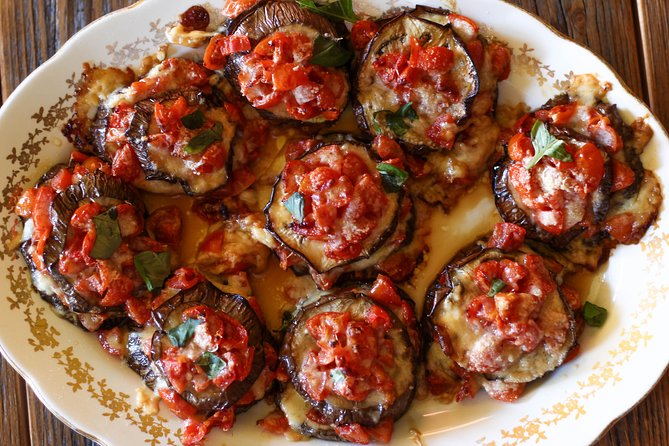
Hotel pickup and drop-off are not included. You must reach the farmhouse at Strada Comunale S. Marino, 25, 06125 Perugia, and the activity ends back at that same meeting point.
The property is near public transportation, but the supplied details do not specify the exact route, travel time, or whether a vehicle is needed from your accommodation. Confirm the best way to reach the farmhouse before booking. You do not want to arrive late to a class that starts at 10 a.m.
Confirmation is sent within 48 hours, subject to availability. The class is generally booked about 31 days ahead, which is a useful planning signal. If you have a fixed day in Perugia, reserve early rather than leaving this for the last morning of your trip.
The cancellation rule is strict. The experience is non-refundable and cannot be changed for any reason. Check your date, transport plan, and dietary needs carefully before you commit.
Who will enjoy this Perugia cooking class
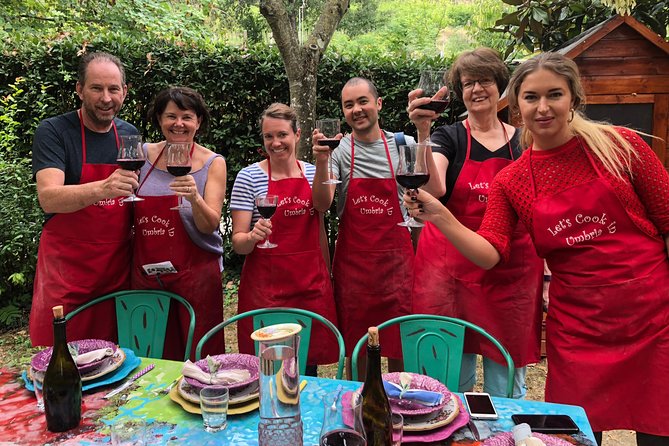
I would choose this class if you want to spend a morning doing something active and social, then enjoy a long lunch. It suits couples, families, and small groups, especially when the people in your party have different cooking backgrounds.
It is also a good match for anyone who wants more than the usual pasta lesson. The menu can include fresh pasta, meat, side dishes, and dessert, so you get a wider look at Umbrian home cooking.
The class may not suit you if you dislike group activities, have a very tight sightseeing schedule, or want hotel transportation arranged for you. The four-hour format takes a real part of the day, and the no-refund policy leaves little room for last-minute changes.
You should also be comfortable with a home-style setting. That is a central part of the appeal, but it means the class may feel less formal than a professional culinary school.
Small details that make the visit worthwhile
The strongest feature is the combination of work and welcome. You make the food together, then eat it in the farmhouse setting. That creates a more personal connection to the meal than simply ordering a plate in a restaurant.
I also like the balance between instruction and conversation. Raffaella brings patience and humor to the class, while explaining the recipes and local traditions. That matters when you are handling unfamiliar pasta shapes or trying to judge the right texture for gnocchi.
The class has earned a 4.9 rating from 313 reviews, with 98 percent of people recommending it. Those numbers fit the specific strengths here: Raffaella’s warm hosting, the hands-on format, the food and wine, and the relaxed farmhouse setting. One small issue was a missing participation certificate, so check that you receive yours before leaving or follow up afterward if it is not handed over.
Should you book it?
Book this class if you want a personal Umbrian food day, not just a recipe demonstration. The best reasons are Raffaella’s patient teaching, the small group, the farm garden and estate wine, and the chance to eat a full meal that you helped prepare.
I would give it extra weight in a Perugia itinerary because it shows a side of Italy that sightseeing alone cannot provide. You leave with recipes, an apron, and cooking methods, but the main souvenir is a better understanding of how a farmhouse meal comes together.
Skip it if you need hotel pickup, a flexible cancellation policy, or a short activity that fits neatly between major sights. For everyone else, the price is fair for the amount of food, teaching, wine, and personal attention included.
FAQ
Where does the cooking class take place?
The class takes place at Farmhouse La Volpe E L’Uva, Strada Comunale S. Marino, 25, 06125 Perugia PG, Italy.
What time does the class begin?
Classes begin at 10 a.m.
How long does the class last?
The class generally lasts about three to four hours.
Is the class taught in English?
Yes. An English-speaking teacher leads the hands-on workshop.
How many people can join the class?
The maximum group size is eight people.
What food will I prepare?
You prepare a four-course meal: an appetizer, first course, main course with side dish, and dessert. Possible dishes include tagliatelle with sausage ragù, potato gnocchi, spinach and ricotta ravioli, strangozzi with truffle, chicken alla cacciatora, and homemade tiramisu.
Are food and drinks included?
Yes. The four-course lunch made during the class is included, along with Umbrian wine during the meal and coffee afterward.
Is transportation from my hotel included?
No. Hotel pickup and drop-off are not included. The activity begins and ends at the farmhouse meeting point.
Recently reviewed around Italy
- Ancient Rome at Twilight Walking Tour★ 5.0 · 276 reviews
- Domus Aurea Guided Tour: The Golden House of Nero★ 4.5 · 199 reviews
- Early Vatican Museums & Sistine Chapel Small Group Tour★ 4.5 · 314 reviews
- Early Vatican Museums Tour: The Best of the Sistine Chapel★ 4.5 · 900 reviews
- Jewish Ghetto & Piazza Navona: Food, Wine & Sightseeing Rome Tour★ 5.0 · 460 reviews
- 3 Days in Sorrento, Capri & Pompeii: la Dolce Vita★ 4.0 · 595 reviews
- Tivoli Villas Full Day Trip From Rome with Lunch★ 4.0 · 443 reviews
- Cook With Us in Rome: A Hands-On Cooking Experience 09:20AM class★ 5.0 · 234 reviews
Workshops, compared.
3 in 1 Cooking Class near Navona: Fettuccine, Ravioli & Tiramisu
Read our review →
Florence Pizza or Pasta Class with Gelato Making at a Tuscan Farm
Read our review →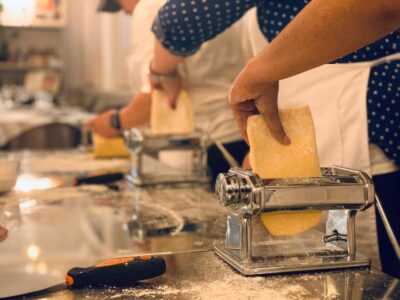
Pasta & Tiramisu Cooking Class with Unlimited Wine
Read our review →
Pizza-Making Workshop with Drink and Appetizer
Read our review →
Pasta & Tiramisu Class with Fine Wine by the Vatican
Read our review →
Cooking Class and Lunch at a Tuscan Farmhouse with Local Market Tour from Florence
Read our review →Browse the lists this tour appears in