
Review · CITY TOURS
Milan: The Milan Pass City Card
Milan’s best city pass is really a sightseeing strategy in a wallet-sized package. In 48 hours, you can combine the Duomo terraces, La Scala, several museums, public transport, and a hop-on hop-off bus without buying each ticket separately. I especially like the Duomo and La Scala access, plus the choice between practical metro travel and a bus tour that helps you get your bearings fast.
I also like that the pass fits different kinds of Milan trips. You can spend your time with art and architecture, follow Leonardo da Vinci, visit Casa Milan, or use the buses and metro to cover more ground. The main catch is that you must collect a physical pass at Zani Viaggi near Cairoli, and skip-the-line does not always mean walking straight into the Duomo lift.
In This Review
- Milan Pass highlights at a glance
- How the Milan Pass works from Cairoli
- Choose your transport: ATM or sightseeing bus
- The Duomo: the pass’s main prize
- La Scala, from theatre to museum
- Leonardo’s Milan in three different forms
- Ambrosiana and Milan’s smaller museums
- The seasonal canal cruise and outlet shuttle
- A realistic two-day plan
- Day one: central Milan
- Day two: choose your interests
- Does the $105 price make sense?
- The main drawbacks to plan around
- Who should buy the Milan Pass?
- FAQ
- How long is the Milan Pass valid?
- Where do I collect the Milan Pass?
- Does the pass include Milan public transport?
- Does the pass include the hop-on hop-off bus?
- Can I get both public transport and the sightseeing bus?
- Is the Duomo included?
- Does skip-the-line mean there will be no queue at the Duomo?
- Which museums are included?
- Is the Navigli Canal cruise included all year?
- Can I cancel the booking?
- Should you book it?
Milan Pass highlights at a glance
- Duomo terraces by lift: Enter Milan’s great cathedral and reach the rooftop terraces with the pass.
- La Scala and five major museums: Visit the theatre museum, Leonardo 3, Ambrosiana, Casa Milan, and other included sights.
- Two transport choices: Select ATM metro, tram, and bus travel, the hop-on hop-off bus, or both.
- More than 40 sightseeing bus stops: Use three routes and onboard commentary in eight languages.
- 48 or 72 hours of use: The clock starts when you collect the pass, not when you first enter an attraction.
- Discounts beyond museums: The card offers deals at selected shops, restaurants, salons, shows, and outlet shuttles.
How the Milan Pass works from Cairoli
You collect the pass at the Zani Viaggi Milan Visitor Center at Largo Cairoli, on Via Cusani, close to Cairoli station on metro line M1. This is an important first step because the pass becomes valid the moment you pick it up. Do not collect it casually several days before your sightseeing begins.
The pass is sold for a 48-hour or 72-hour period, depending on the option available when you book. The core sightseeing plan described here is two days, which is enough for a busy schedule but not enough to visit every included place at a slow pace.
You receive a Milan map with practical tourist information. For the attraction entries, the pass functions as a ticket or voucher, so you may need to exchange it at individual sights. That extra step is manageable, but it is not as simple as keeping one digital QR code on your phone.
The collection point is easy to reach, and the English-speaking staff can help explain the basics. Still, give yourself time at the start of the trip. If you collect the pass late on your first day, those lost hours are part of the 48-hour validity period.
More City Tours in Milan
- Milan: City Sightseeing Hop-On Hop-Off Bus with Audio Guide
★ 4.0 · 6,256 reviews - Transfer Milan City Centre – Bergamo Airport
★ 4.5 · 975 reviews - From Milan: Day Trip to Venice with Guided City Tour
★ 4.4 · 614 reviews
Choose your transport: ATM or sightseeing bus
The most useful choice is between Milan’s ATM public transport system and the hop-on hop-off bus. You can also buy the full package with both.
The ATM option gives you unlimited travel for 48 or 72 hours, depending on the package, on five metro lines and more than 100 tram and bus lines. For a city break, this is the practical choice. It lets you move between central sights without repeatedly buying tickets, and it works better than the sightseeing bus when you are trying to reach a particular museum on a schedule.
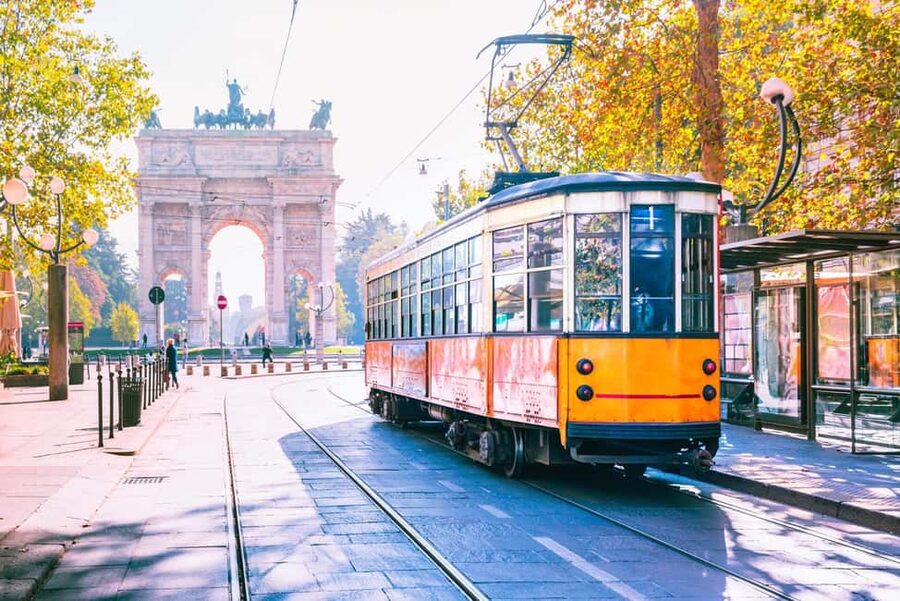
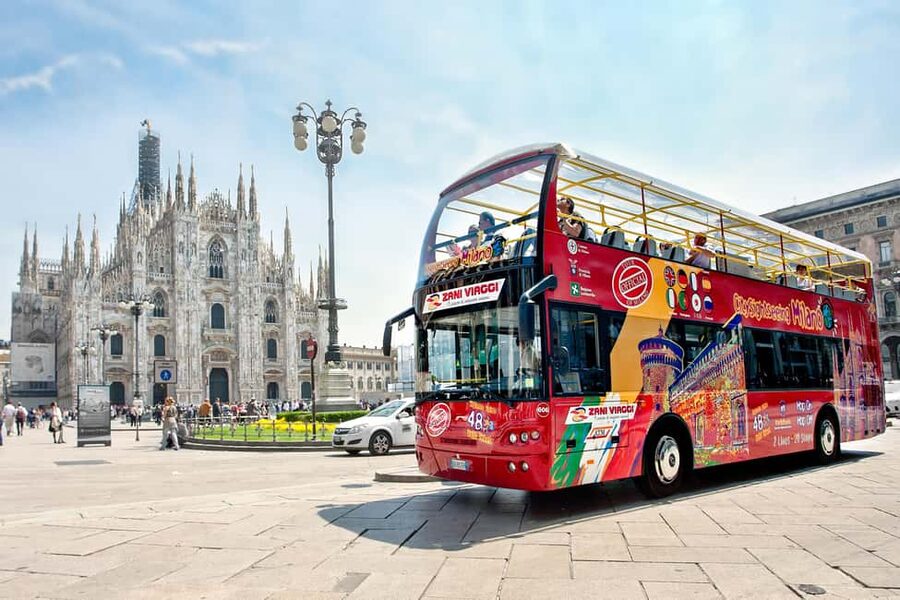
The hop-on hop-off option gives you three sightseeing routes and more than 40 stops. The open-top double-decker bus runs seven days a week and includes recorded commentary in eight languages, with three versions designed for children. It is a pleasant way to see the city from above street level, especially on a first morning when you want an overview before choosing where to spend your time.
The bus has limits. Service gaps can be long on some routes, and the commentary may feel thin if you want serious historical explanation. If you miss a bus, you may lose a useful chunk of your two-day pass. I would use it as a city orientation tool, not as your only way to get around.
For most people, the ATM option offers the stronger practical value. Add the sightseeing bus if you enjoy panoramic touring or want a low-effort introduction to Milan. The full package makes sense only if you expect to use both often.
The Duomo: the pass’s main prize
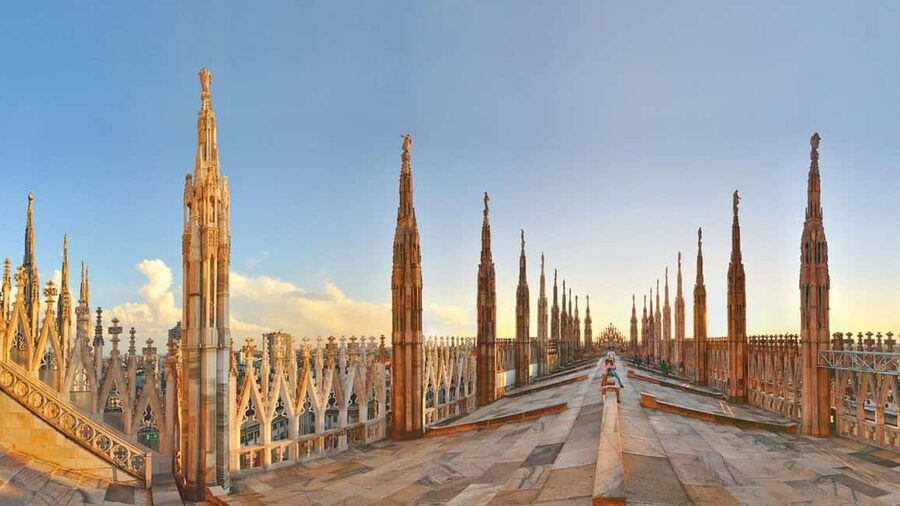
The Duomo is the attraction most likely to justify the card on its own, especially when you also plan to visit several museums. The pass includes skip-the-line entry to the cathedral and access to the rooftop terraces by lift.
The cathedral gives you Milan’s grandest interior stop, while the terraces provide a different experience. Up top, you can walk among the elaborate Gothic details and look across the city. The rooftop is the part I would protect first in your schedule because it is one of Milan’s signature sights and a strong reason to buy a city card.
Keep your expectations realistic about skip-the-line access. The pass can reduce the ticketing process, but it does not guarantee that you will avoid every queue. One customer found that the lift entrance still involved a line. Special events, crowd levels, and seasonal rules can affect how entry works.
Check the current procedure when you collect your pass. If the rooftop is a priority, go early in your 48-hour period and allow time for security or lift queues. Large bags and luggage are not allowed for this activity, so arrive with a small day bag.
La Scala, from theatre to museum
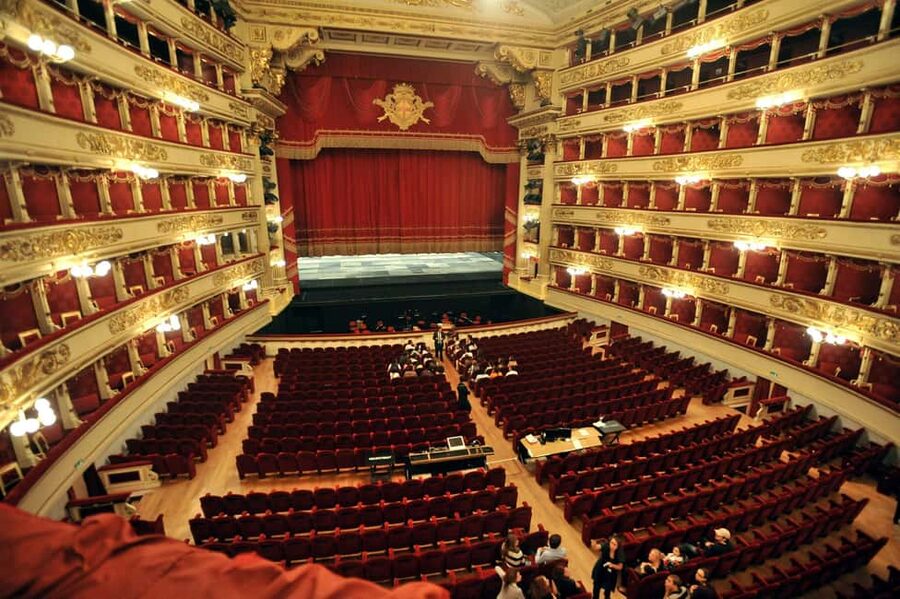
La Scala is included with skip-the-line entry to the theatre and museum. Even if you cannot attend a performance, the museum gives you a useful look at Milan’s opera tradition and the world surrounding this famous stage.
This is a good stop because it adds a cultural side to your Milan visit without requiring an evening booking. Pair it with the Duomo, which is nearby, and you can make a focused central-Milan morning or afternoon.
The pass information refers to entry to the theatre and museum, but performance schedules and access can change. A special event may limit availability, so check before setting your day around La Scala.
More Milan trips worth a second look
- Milan: Guided Duomo, Last Supper and City Centre Tour
★ 4.5 · 452 reviews - Venice Day Trip from Milan with Guided City Tour
★ 4.0 · 383 reviews - Milan: Best of City Walking Tour with Last Supper Tickets
★ 4.7 · 359 reviews - Milan: City Highlights Walking Tour with The Last Supper
★ 4.9 · 195 reviews
Leonardo’s Milan in three different forms
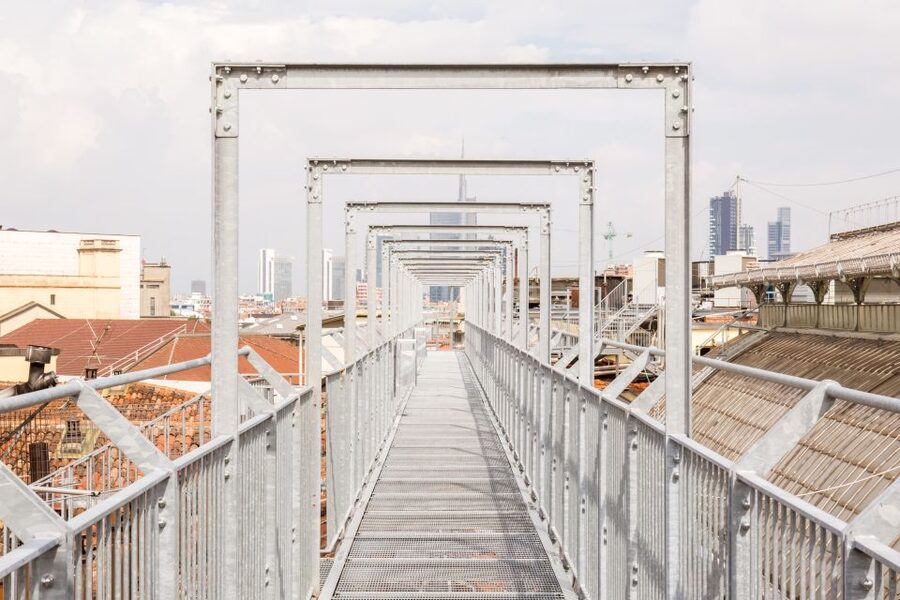
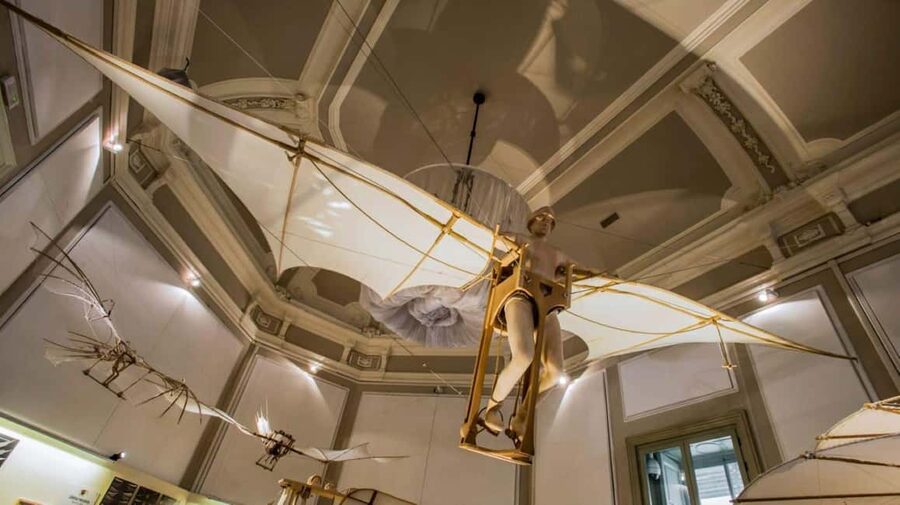
The pass includes Leonardo 3, an interactive exhibition called The World of Leonardo. This is a particularly good choice if you enjoy machines, models, and hands-on displays rather than traditional gallery rooms. It offers a way to explore Leonardo’s ideas in a format that can work well for families and curious adults.
The pass also includes Vigna di Leonardo, Leonardo’s Vineyard. This gives your itinerary a quieter historical angle and connects the artist to Milan beyond his paintings and engineering studies.
Casa Milan offers something completely different. It is the headquarters and museum of AC Milan, known as the Mondo Milan Museum. Football fans should place this high on their list, while anyone uninterested in the sport may find the time better spent at an art museum.
The Leonardo 3 exhibition is specifically included with skip-the-line entry, as are several other major stops. Still, opening hours can change, and some museums may close on particular weekdays. Check each museum’s current hours before collecting the pass or before committing your two days to a tight schedule.
Ambrosiana and Milan’s smaller museums
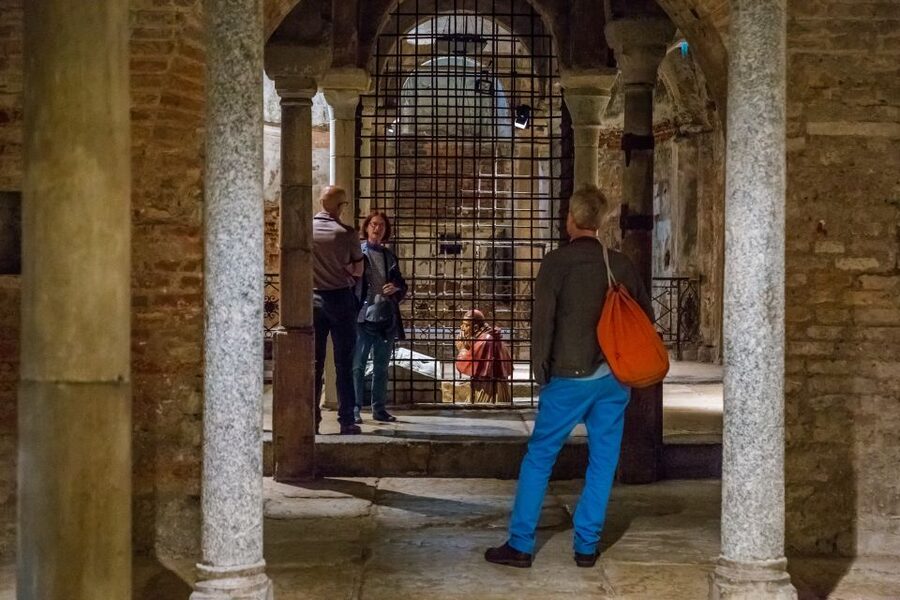
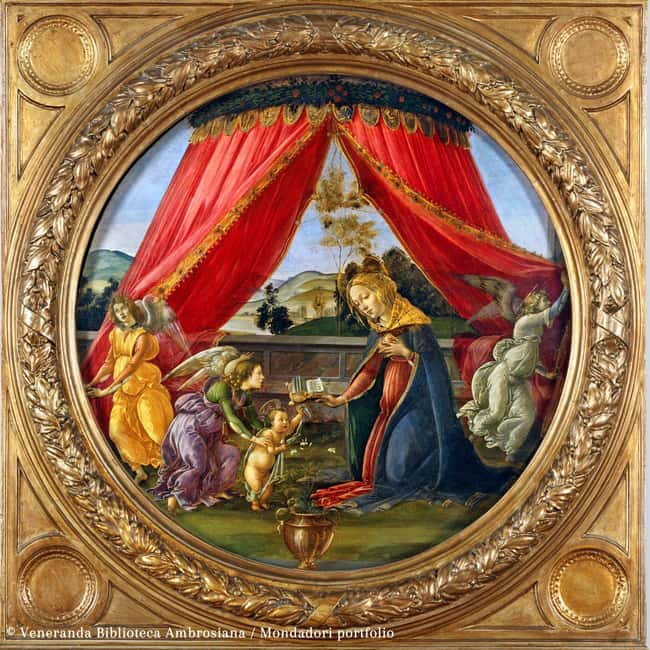
The Pinacoteca Ambrosiana, also called the Ambrosiana Art Gallery, is included with skip-the-line entry. It gives you a major art stop in the center and helps balance the larger, more famous Duomo and La Scala visits.
Other included museums add variety:
- Bagatti Valsecchi Museum
- Museo d’Arte e Scienza, the Art and Science Museum
- Leonardo’s Vineyard
- Casa Milan, Mondo Milan Museum
- Leonardo 3
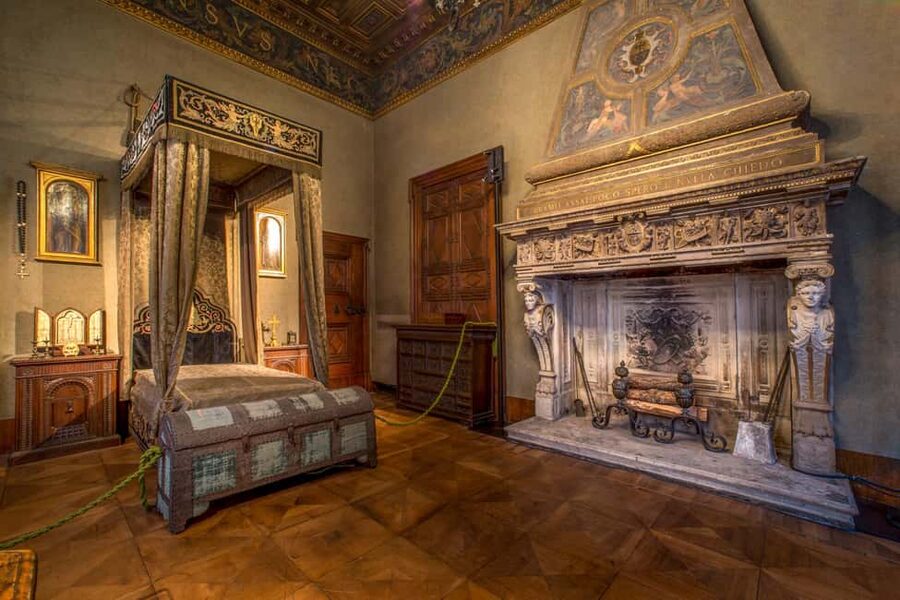
The Bagatti Valsecchi Museum is especially worth considering if you like historic interiors and the feel of a carefully preserved private collection. The Art and Science Museum offers another change of pace, while the smaller museums can be useful when you want a shorter stop between larger attractions.
The practical advantage here is choice. You do not have to build your entire trip around one type of museum. The drawback is that the pass encourages you to collect entrances, and a rushed museum visit is not always a good one. Pick the places that match your interests instead of chasing every possible voucher.
The seasonal canal cruise and outlet shuttle
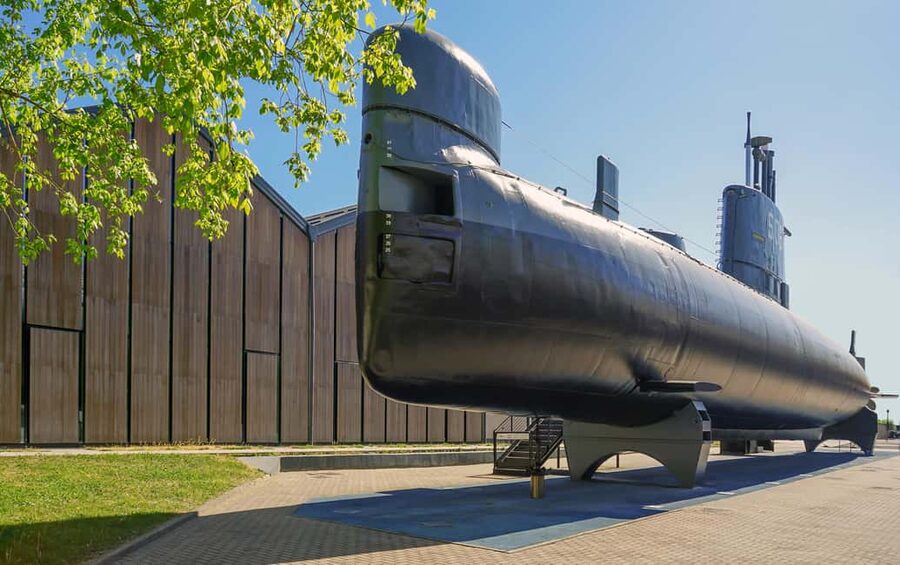
The pass can include a Navigli Canal cruise during the spring and summer period. This is a seasonal benefit, so do not assume it will be available on a winter visit. When operating, it adds a different view of Milan and gives you a break from indoor museums and city streets.
A shuttle bus to outlet stores is also listed among the benefits. This will appeal to shoppers more than to people focused on architecture, art, or food. The shopping discounts can look impressive on paper, but their value depends on what you planned to buy.
Discounts are also available at selected restaurants, shops, beauty salons, shows, and other affiliated businesses. I would treat these as possible bonuses rather than part of the core calculation. A discount is useful only when it applies to something you already wanted.
A realistic two-day plan
The pass can save money, but only if you plan around its clock. Here is a sensible way to use it.
Day one: central Milan
Collect the pass in the morning at Cairoli. Start with the Duomo and rooftop terraces, allowing enough time for entry procedures and the lift. Follow with La Scala, then choose Leonardo 3 or the Ambrosiana Art Gallery.
Use the metro or tram to return to another central stop if you selected the ATM package. If the sightseeing bus is part of your pass, you can use one route later in the day, but do not spend the whole afternoon waiting for a bus when a metro connection is available.
Day two: choose your interests
Use the second day for the museums that best fit you. Art fans can choose Ambrosiana and Bagatti Valsecchi. Science and design fans might prefer Leonardo 3 and the Museo d’Arte e Scienza. Football supporters should make time for Casa Milan.
If the weather is good and the canal cruise is operating, reserve part of the day for Navigli. If shopping is a major aim, investigate the outlet shuttle and discounts before you activate the pass.
This schedule is full. One person who used the two-day card found there was not enough time to see everything, which is a useful warning. You will get the best value by deciding your top three or four sights first, then adding stops nearby.
Does the $105 price make sense?
At $105 per person, the Milan Pass is not an automatic bargain. The value depends on your chosen transport package and how many included attractions you visit within the active period.
The math can work quickly if you visit the Duomo terraces, La Scala, Leonardo 3, Ambrosiana, and Casa Milan, while also using public transport. Buying those entries and transit separately could approach or exceed the pass price, especially when skip-the-line access saves time as well as money.
The pass is less attractive if you mainly want the Duomo and one museum. It is also weaker if you spend time in cafés, shop independently, or prefer to explore on foot. Restaurant and shop discounts may not be useful unless they match your plans.
The strongest value comes from a busy two-day visit. Several people who used the card found that the cost was recovered through entrance tickets, and one two-day visit kept its user occupied from morning to evening. That is good news if you like structured sightseeing, but it can feel like work if you prefer a slow Milan trip.
The main drawbacks to plan around
The first drawback is the physical pickup. You must go to Zani Viaggi, and the pass is not simply delivered as a digital card. After collection, you may also need to exchange the pass for an individual ticket at each attraction.
The second is timing. Since validity begins at pickup, collecting it too early wastes part of the pass. Collecting it late means losing sightseeing hours.
The third is inconsistent queue relief. Skip-the-line entry is helpful, but it does not remove security checks or every queue, especially at the Duomo lift. Build a little flexibility into your day.
The fourth is changing availability. Museum access can be affected by special events or the season. Check opening days and hours before you plan a packed route.
Finally, the hop-on hop-off bus is not perfect. Its three routes and 40-plus stops give you broad coverage, but long waits and average commentary can make public transport the better tool for serious sightseeing.
Who should buy the Milan Pass?
I would recommend it to you if you have two or three days, want to see several major sights, and value transport that is already covered. It is particularly useful for a first Milan visit, a short stop before another event, or a trip built around the Duomo, La Scala, and museums.
Families may appreciate the child-friendly bus commentary and the range of museum choices. Football fans get extra value from Casa Milan, while art and design fans can build a strong museum schedule.
I would skip it if you plan only one or two paid attractions, dislike fixed schedules, or expect a fully digital ticket. The pass is designed for active sightseeing, not for an unhurried weekend based around meals and neighborhood walks.
You can cancel up to 24 hours before the activity for a full refund, and the reserve-now, pay-later option keeps your plans flexible. Pick up the pass with a camera and a small bag, not luggage or large bags.
FAQ
How long is the Milan Pass valid?
The pass is available for 48 or 72 hours, depending on the option selected. Its validity begins when you collect it at the Zani Viaggi Milan Visitor Center.
Where do I collect the Milan Pass?
You collect it at Zani Viaggi, Milan Visitor Center, at Largo Cairoli and Via Cusani, near Cairoli station on metro line M1.
Does the pass include Milan public transport?
Yes, if you select the public transport option. It provides unlimited travel for 48 or 72 hours on Milan’s ATM system, including five metro lines and more than 100 tram and bus lines.
Does the pass include the hop-on hop-off bus?
Yes, if you select that option. The sightseeing bus runs seven days a week across three routes with more than 40 stops.
Can I get both public transport and the sightseeing bus?
Yes. A full package is available with both the hop-on hop-off sightseeing ticket and access to the ATM public transport system.
Is the Duomo included?
Yes. The pass includes skip-the-line entry to the Duomo Cathedral and access to the rooftop terraces by lift.
Does skip-the-line mean there will be no queue at the Duomo?
Not necessarily. The pass can help with ticket entry, but queues for the lift, security, or other procedures may still occur.
Which museums are included?
Included attractions listed for the pass include La Scala Theatre and Museum, Leonardo 3, the Ambrosiana Art Gallery, Casa Milan, Vigna di Leonardo, Bagatti Valsecchi Museum, and the Museo d’Arte e Scienza.
Is the Navigli Canal cruise included all year?
The Navigli Canal cruise is listed for the spring and summer period, so availability depends on the season.
Can I cancel the booking?
You can cancel up to 24 hours in advance for a full refund. A reserve-now, pay-later option is also available.
Should you book it?
Book the Milan Pass if you will visit the Duomo, La Scala, and at least two or three other included attractions in 48 hours. Add public transport if you want the most practical setup, and add the sightseeing bus only if you value an easy city overview.
The pass rewards planning. Collect it when your sightseeing begins, check museum hours, start with the Duomo, and group nearby stops together. If you follow that approach, the $105 price can deliver solid value and a busy, rewarding Milan visit.
Recently reviewed around Milan
- From Milan: Venice Full-Day Guided Tour With Boat Ride★ 4.5 · 322 reviews
- Venice Day Trip from Milan with Guided City Tour★ 4.0 · 383 reviews
- Verona and Lake Garda Day Trip from Milan★ 4.5 · 214 reviews
- Full-day Skip-The-Line Milan, The Last Supper and Duomo Cathedral★ 5.0 · 293 reviews
- Small-Group Lake Como & Lugano by Swiss Train + Boat Cruise★ 5.0 · 1,084 reviews
- Walking Food Tour of Milan with Tastings★ 4.5 · 194 reviews
- Skip the Line: Essential Milan Tour Including Da Vinci’s ‘The Last Supper’★ 4.5 · 339 reviews
- Tour Bernina Red Train And St Moritz from Milan★ 4.5 · 247 reviews
City Tours, compared.
City Sightseeing Hop-On Hop-Off Bus with Audio Guide
Read our review →
City Sightseeing Rome Hop-On Hop-Off Bus Tour
Read our review →

Fettuccine Pasta Cooking Class in Rome’s City Center
Read our review →
Vatican Museums & Sistine Chapel Entry Ticket
Read our review →

City Sightseeing Florence Hop-On Hop-Off Bus Tour
Read our review →
Browse the lists this tour appears in