
Review · WINE TASTINGS
Montepulciano: Wine Tasting and Cellar Tour
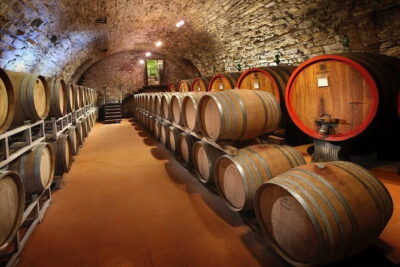
Montepulciano’s old wine cellars are the real attraction here. Beneath the medieval town, enormous Slavonian oak barrels hold Nobile di Montepulciano beside casks made from French wood, giving you a close look at the place where the wine matures, not just a tasting-room sales pitch. I especially like the cellar’s unusual underground setting and the way the guide connects wine to the town’s tufa soil, fossils, families, and long winemaking tradition.
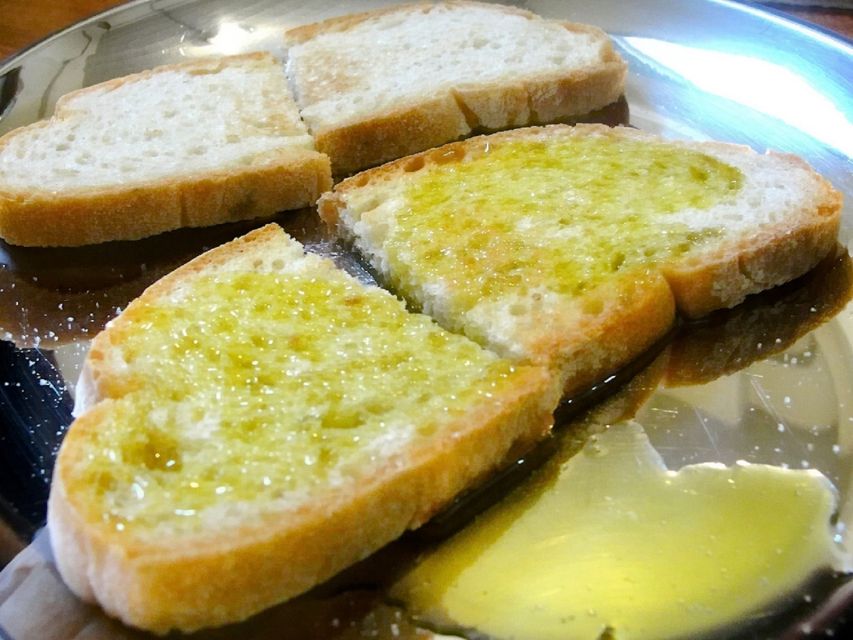
I also like the food pairing, which includes pecorino at different ages, bruschetta with extra-virgin olive oil, and typical crostini. Guides such as Mirko, Debi, Emilio, and Ron have been praised for bringing humor and clear explanations to the tour. The main consideration is time: one hour passes quickly, and the cellar is in Montepulciano’s no-car center, so you need to allow time to park and walk uphill into town.
In This Review
- Key points to know before booking
- Entering Montepulciano’s underground wine world
- Why the wood and soil matter
- The tasting: five wines, with some sessions offering six
- Pecorino, bruschetta, and the practical value of the food
- Getting to a cellar in the no-car center
- How the one-hour schedule works
- Is $38 a fair price?
- Who should book this Montepulciano tasting?
- Should you book the Montepulciano cellar tour?
- FAQ
- Where does the Montepulciano wine tasting take place?
- Is the cellar in a car-free area?
- Where should I park?
- Is transportation included?
- How long does the experience last?
- How many wines are included?
- What food is served with the wine?
- What languages are available?
- Who guides the tour?
- Can I cancel for a full refund?
Key points to know before booking
- The barrels are part of the show: See large Slavonian oak casks and French-wood barrels used to age Nobile di Montepulciano.
- The tasting is substantial for the price: The package includes five DOC and DOCG wines, with some sessions offering six pours.
- Local food comes with the wine: Expect aged pecorino, bruschetta with extra-virgin olive oil, and typical crostini.
- The guide shapes the experience: English and Italian tours may be led by hosts including Mirko, Debi, Emilio, or Ron.
- You meet in the historic center: The cellar sits inside a no-car zone, with Parking S. Donato and Parking P8 recommended.
- The tour is short and focused: At $38 per person for about an hour, it suits a compact Montepulciano stop rather than a full-day winery visit.
Entering Montepulciano’s underground wine world
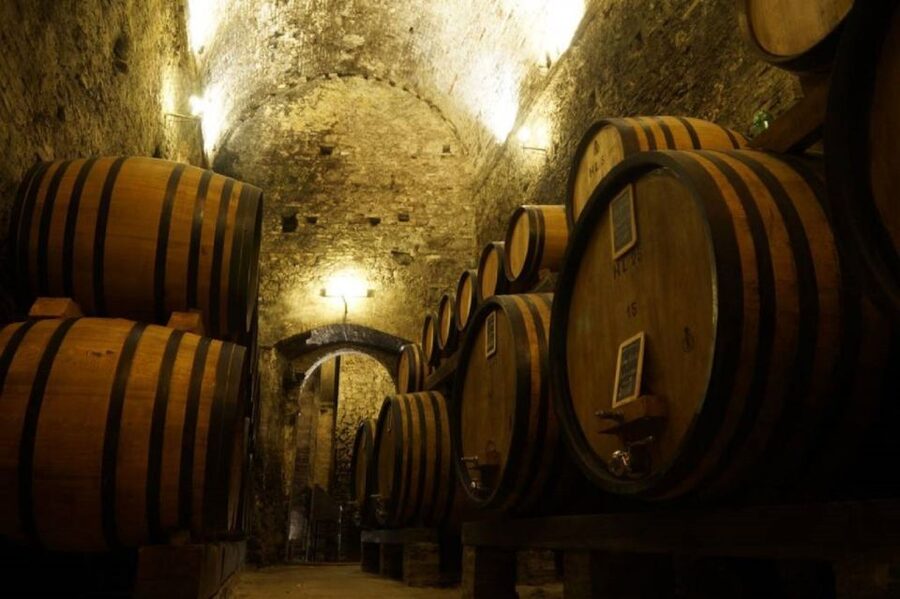
The first surprise is how much of Montepulciano’s wine life sits below street level. Above you are medieval lanes, stone buildings, and the formal beauty of the hill town. Below, the cellar feels cooler, older, and more functional, with wine resting in wooden barrels rather than being displayed as a museum piece.
The cellar is associated with the De’Ricci family and is presented as a working part of Montepulciano’s wine tradition. Several guides have explained the family story, the origins of the cellar, and the symbol connected with the business. That family connection gives the tour a useful human scale. You are not only hearing how wine is made in Tuscany. You are hearing how one local house has carried its work forward.
The setting also gives the tour an architectural appeal. Some descriptions of the cellar refer to the rooms as caves or a wine cathedral, a fitting impression when you see the height and scale of the storage spaces. Lighting makes the barrels easy to see, while the stone surroundings preserve the feeling of an old underground workplace.
I would not book this expecting a visit to vineyards or a long production tour. The supplied details focus on the historic cellar, the aging vessels, the area’s soil, and the tasting afterward. That is a strength if you want an atmospheric town-center experience, but a limitation if you want to walk among vines or see every stage of harvest and bottling.
More Food Tours in Siena
- Small-Group Brunello di Montalcino Wine-Tasting Trip from Siena
★ 5.0 · 952 reviews - Siena: A Wine Tour and Tasting Experience
★ 5.0 · 352 reviews - Montalcino: Brunello Wine Tasting & Lunch in a Tuscan Castle
★ 4.6 · 324 reviews
Why the wood and soil matter
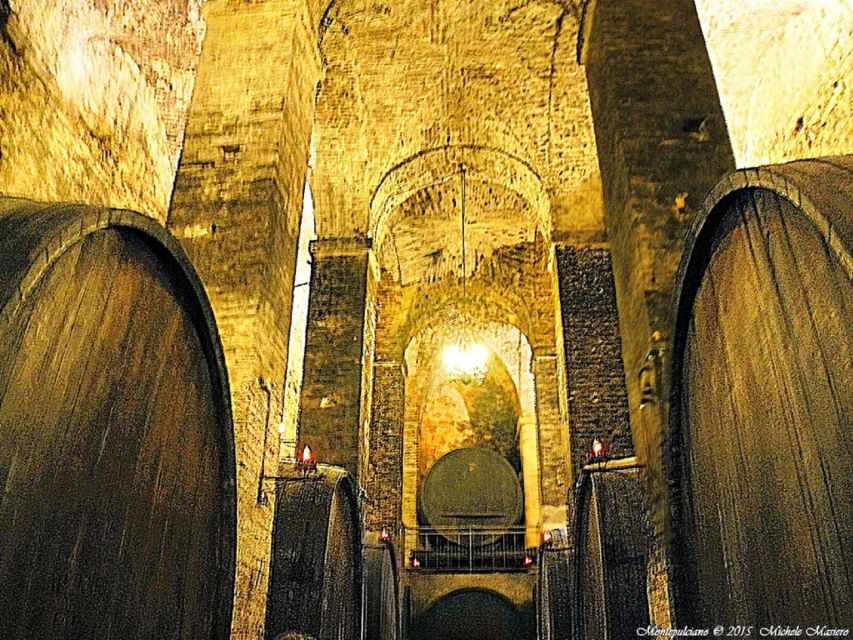
The guide explains why wood is important to Montepulciano’s most respected red wines. The cellar contains large barrels made from Slavonian oak, along with barrels made from quality French wood. The point is not simply to admire handsome casks. The wood affects how the wine ages and helps explain why two wines made from similar grapes can develop different aromas, texture, and balance.
You also hear about the sandy tufa soil around Montepulciano. Fossils found in this soil provide clues to the area’s ancient origins, adding a geological layer to the wine story. I like this part because it keeps the talk from becoming a list of grape names and tasting notes. Wine here is tied to the ground beneath the town, the materials used in the cellar, and the people who maintain the tradition.
For a first introduction to Nobile di Montepulciano, this context is valuable. You begin to understand that Nobile is not just a label to recognize in a shop. It is a wine connected to a specific Tuscan town and local production rules. The DOC and DOCG designations included in the tasting give you a chance to compare wines with protected regional identities.
The tour should also help you make better choices later in your trip. If you see Montepulciano bottles on a restaurant list or in an enoteca, you will have a clearer idea of what you are ordering. The guide’s comments on aging, wood, and local soil give you a useful frame of reference without requiring a technical background.
The tasting: five wines, with some sessions offering six
The tasting is the payoff, and the package is generous for a one-hour experience. The official inclusion is five DOC and DOCG wines from Montepulciano. Several sessions have included six wines, so the exact number may vary. If the number matters to you, confirm it when you arrive rather than assuming every departure follows the same pouring list.
The selection focuses on Montepulciano wines, with other Tuscan produce included in the wider presentation. This is not described as a blind tasting, so expect the guide to identify the wines and explain what you are drinking. That approach is better for a short tour because you can connect each glass to the cellar and to the region just discussed.
The tasting room is described as modern and comfortable, a contrast to the old underground rooms. That change of setting helps. You get the atmosphere of the cellar first, then a more practical place to sit, taste, and ask questions.
Some of the guides have a particularly strong reputation for making the tasting easy to follow. Mirko has been described as friendly, enthusiastic, and entertaining. Debi has been praised for humor, clear English, and a lively account of the castle, family, and wines. Emilio is noted for telling engaging stories about the cellar and the families behind it, while Ron has explained both the wine process and the individual pours.
The names matter because the guide is doing more than pouring glasses. A good host helps you notice differences between the wines and keeps the hour moving. The consistently positive response to the guides suggests that the human side of the experience is one of its biggest strengths, though your exact host will depend on the date and language.
Pecorino, bruschetta, and the practical value of the food
Wine tasting on an empty stomach is a poor plan, and the food here makes the $38 price easier to justify. You receive pecorino cheeses at different stages of aging, bruschetta with extra-virgin olive oil, and typical crostini. Some sessions have also included small portions of meat or charcuterie.
The different ages of pecorino are especially useful. A younger cheese can taste softer and milder, while an older one tends to bring a firmer texture and stronger flavor. Pairing the cheeses with several red wines gives you a simple lesson in how food changes your impression of a pour.
The bruschetta is basic in the best Tuscan sense: bread, good olive oil, and seasoning. It gives the wine a savory partner without turning the tasting into a meal. The crostini add variety, and the small antipasto portions can help keep children occupied if you are visiting with family. One parent specifically found the bread, meat, and cheese useful during the tour with a nearly three-year-old grandson.
Do not mistake the food for lunch. The portions are described as tasting accompaniments, not a full spread. I would schedule this between meals or use it as a light pre-dinner stop. If you want a substantial meal, plan one separately in Montepulciano.
More Wine Tastings in Siena
- From Florence: San Gimignano, Siena, and Chianti Wine Tour
★ 4.5 · 3,762 reviews - From Siena: Chianti and Castles Tour with Wine Tastings
★ 4.6 · 631 reviews - Total Immersion Wine Tour in Chianti
★ 4.9 · 430 reviews - From Siena: Brunello di Montalcino Guided Wine Tour W/ Lunch
★ 4.9 · 357 reviews
Getting to a cellar in the no-car center
The cellar is in central Montepulciano, inside a no-car zone. That is good news for atmosphere but important for planning. You cannot simply drive to the door, unload, and leave the car nearby.
The recommended parking choices are Parking S. Donato and Parking P8. From there, you need to continue on foot into the old town. Montepulciano is built on a hill, so wear shoes that feel secure on stone streets and allow extra time for the walk. The exact effort will depend on where you park and how much luggage you have.
The meeting location can be a little difficult to identify. One past participant wanted clearer signage outside the meeting area. I would save the cellar’s location before leaving your hotel and arrive early enough to find the entrance without rushing.
Transportation is not included. That makes this best for people already exploring Montepulciano, or for those with a rental car who understand that the final approach is on foot. If you are planning a larger Tuscan route, place the tour alongside your time in town rather than treating it as a separate out-of-town winery excursion.
How the one-hour schedule works
The experience is compact. You meet the live guide, enter the cellar, hear about the wine house and Montepulciano’s production, see the barrels and underground rooms, and then move to the tasting area for the wines and food.
The hour is long enough to give you a clear introduction, but not long enough for a slow, technical class. You will need to listen closely if you want to remember details about the tufa soil, fossils, wood types, and wine classifications. The guides generally keep the presentation lively, and humor helps prevent the history from becoming too dense.
I like this timing for a town with plenty to see above ground. You can fit the cellar into a morning or afternoon of exploring without giving up half a day. It also works well in poor weather, since much of the experience takes place indoors.
The tradeoff is that the tour may feel brief if you are already serious about wine. You will not have unlimited time to linger over every glass, ask long technical questions, or compare a broad range of producers. For that, you would want a longer winery visit in the countryside.
Is $38 a fair price?
At $38 per person, the value is solid if you count the setting, guide, five wines, and food together. A simple tasting elsewhere might cost less, but it would not necessarily include an old Montepulciano cellar, an explanation of the local soil and barrels, and several protected DOC and DOCG wines.
The price also covers the guide, not just the liquid in the glasses. The strongest part of the experience is the connection between the underground rooms, the family story, and the tasting. If you only want to drink wine, cheaper options may exist. If you want to understand what makes Montepulciano wine local, the extra cost is easier to defend.
The food pairing adds practical value. Pecorino, bruschetta, crostini, and occasional charcuterie make the tasting feel more complete. Several people have also purchased bottles afterward, and some have arranged shipping home. Shipping options can vary by destination, so ask the cellar directly if you are considering buying wine.
Free cancellation is available up to 24 hours before the start time, and you can reserve without paying immediately. Those terms are helpful when your Tuscan schedule depends on driving conditions, weather, or changes to your day, but check the current booking conditions before committing.
Who should book this Montepulciano tasting?
I would choose this tour if you want a short, polished introduction to the town’s wine culture. It is a good match for couples, first-time wine tasters, food lovers, and anyone who enjoys old architecture as much as the drink itself.
It also suits you if you prefer a guide-led tasting rather than trying to decode a wine list on your own. The English and Italian options make the presentation accessible to a broad range of visitors, and the guide’s explanations provide structure to the five or six pours.
Families can manage it, especially because the bread, cheese, and small antipasti provide something besides wine. Still, the focus is clearly adult wine tasting, so parents should decide if a cellar presentation fits their child’s attention span.
I would look elsewhere if you want a full vineyard day, a large meal, transportation from Florence or another city, or a long technical session with winemakers. None of those are part of the stated experience. This is a focused hour in town, with history, barrels, regional wine, and simple Tuscan food.
Should you book the Montepulciano cellar tour?
I would book it if Montepulciano is already on your route. The underground cellar gives the experience a sense of place that a standard tasting counter cannot match, and the combination of Slavonian and French oak, tufa soil, family history, pecorino, and local wines makes good use of a short visit.
The strongest reason to go is the balance. You get enough explanation to understand the wines, enough cellar access to make the setting memorable, and enough food to make the tasting comfortable. Just plan for the walk from Parking S. Donato or P8, arrive early to find the entrance, and remember that the published tasting is five wines, with six possible at some sessions.
FAQ
Where does the Montepulciano wine tasting take place?
It takes place in a wine cellar in the center of Montepulciano, Tuscany.
Is the cellar in a car-free area?
Yes. The cellar is inside Montepulciano’s no-car zone.
Where should I park?
Parking S. Donato and Parking P8 are the recommended parking areas.
Is transportation included?
No. Transportation is not included in the activity.
How long does the experience last?
The tour lasts about one hour.
How many wines are included?
The stated package includes five DOC and DOCG wines from Montepulciano. Some sessions have included six wines, so the exact number can vary.
What food is served with the wine?
The tasting includes pecorino cheeses of various ages, bruschetta with extra-virgin olive oil, and typical crostini. Some sessions have also included meat or charcuterie.
What languages are available?
The live guide can conduct the tour in English or Italian.
Who guides the tour?
The guide depends on the departure. Hosts named in connection with the experience include Mirko, Debi, Emilio, and Ron.
Can I cancel for a full refund?
Yes. You can cancel up to 24 hours in advance for a full refund, subject to the current booking terms.
More Food Tours in Siena & Tuscan Hill Towns
- Montepulciano: Winery Tour and Tasting
★ 4.6 · 187 reviews - Florence: Chianti Wineries Tour with Wine Tasting
★ 4.5 · 8,301 reviews - Small-Group Wine Tasting Experience in the Tuscan Countryside
★ 5.0 · 7,392 reviews - Rome: Tuscany & Montepulciano Day Trip with Lunch & Wine Tasting
★ 4.5 · 5,232 reviews
More Wine Tours in Siena & Tuscan Hill Towns
- From Siena: Tuscany Hills Wine Tour
★ 4.1 · 323 reviews - Siena: Pasta and Tiramisu Cooking Class with Wine
★ 4.8 · 274 reviews - Siena: Educational Wine Tour & Tasting
★ 5.0 · 203 reviews - Montalcino: Guided Winery Tour and Wine Tasting
★ 4.8 · 200 reviews
Recently reviewed around Siena & Tuscan Hill Towns
- Total Immersion Wine Tour in Chianti★ 4.9 · 430 reviews
- From Siena: Pienza and Montepulciano Small-Group Tour★ 4.9 · 220 reviews
- Siena: Walking Tour and Skip-the-Line Duomo Tickets★ 4.8 · 1,116 reviews
- Siena Walking Tour with Cathedral and Crypt & Museum Option★ 4.9 · 380 reviews
- Siena: Pasta and Tiramisu Cooking Class with Wine★ 4.8 · 274 reviews
- Discover Siena: Guided Walking Tour and Cathedral Visit★ 4.3 · 314 reviews
- Siena: Educational Wine Tour & Tasting★ 5.0 · 203 reviews
- Siena: San Gimignano, Chianti & Montalcino Small-Group Tour★ 4.6 · 195 reviews
Wine Tastings, compared.
Tuscany Day Trip from Florence: Siena, San Gimignano, Pisa and Lunch at a Winery
Read our review →
Small-Group Wine Tasting Experience in the Tuscan Countryside
Read our review →
Tuscany & Montepulciano Day Trip with Lunch & Wine Tasting
Read our review →
SMALL-GROUP Wine Safaris: Tuscan Wine Tasting Tours from Florence
Read our review →
Winner 2025 Florence Sunset Food & Wine Tour by Eating Europe
Read our review →
Siena, San Gimignano, Pisa & Lunch at Winery
Read our review →
San Gimignano, Siena, Monteriggioni, Chianti Day Trip with Lunch & Wine Tasting
Read our review →Browse the lists this tour appears in