
Review · WINE TASTINGS
Montepulciano: Winery Tour and Tasting
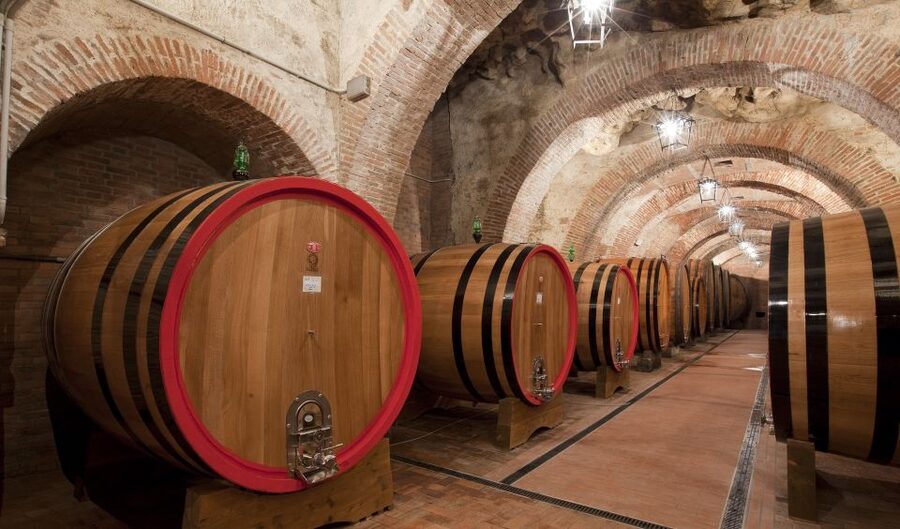
A steep stairway leads from Talosa Cantina Storica into a 16th-century underground cellar, where old tunnels, huge wooden barrels, and vaulted chambers create the setting for this Montepulciano wine tasting. The space has also served as a prison, wartime shelter, and church, giving the visit more substance than a quick pour at a shop counter.
I like the combination of local history and four wine tastings, and I like that a real sommelier explains the grapes, soils, production methods, and differences between each bottle. Luigi, Flavio, and Hector have all been praised for making the information clear and friendly.
The main caution is physical access. The descent includes steep brick steps and a low tunnel where you may need to bend, so this is not suitable for wheelchair users or people with mobility impairments. The tasting can also move slowly if the group has many questions or needs explanations in more than one language.
In This Review
- Key points to know before booking
- Entering Talosa Cantina Storica in Montepulciano
- Why the 16th-century cellar matters
- How the 1.5-hour tour unfolds
- What you taste, and how the sommelier helps
- Tuscan appetizers with the wine
- The guides make the difference
- Is $41 a fair price?
- Who should book this experience?
- Practical tips for a smoother visit
- Should you book the Montepulciano wine cellar tour?
- FAQ
- Where does the Montepulciano winery tour meet?
- How long does the experience last?
- How much does the wine cellar experience cost?
- Which wines are included?
- Are food and drinks included?
- What languages are available?
- Can children attend?
- Is the cellar accessible to wheelchair users?
- Can I cancel the booking?
- Do I have to pay at the time of booking?
Key points to know before booking
- The cellar is the star: Explore old vaults, tunnels, barrels, and rooms below Montepulciano.
- Four regional wines are served: Tastings include Rosso di Montepulciano DOCG and Nobile di Montepulciano DOCG.
- Sommelier-led instruction: Guides such as Luigi and Flavio explain grapes, soils, aging, production, and tasting notes.
- Tuscan snacks are included: Expect bread, water, and appetizers such as cheese and cured meats.
- Plan for steep steps: The cellar is not suitable for wheelchair users or people with mobility limitations.
- A short, central experience: The 1.5-hour visit works well before dinner or between Montepulciano sightseeing stops.
Entering Talosa Cantina Storica in Montepulciano
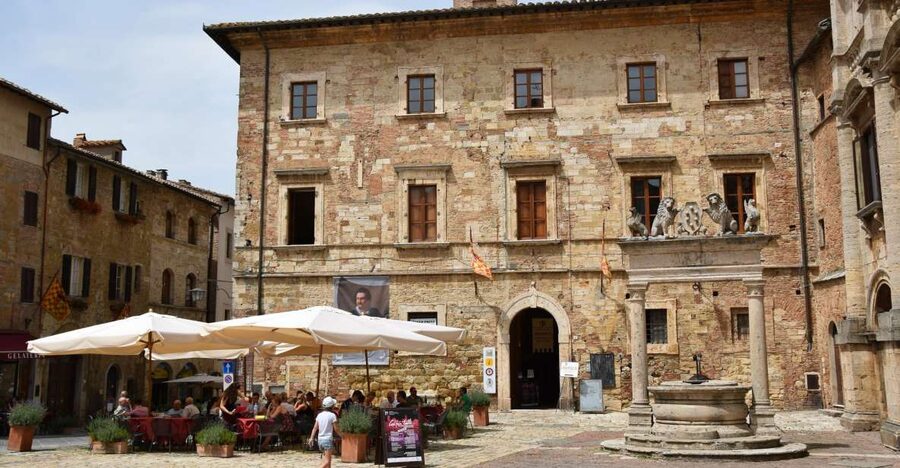
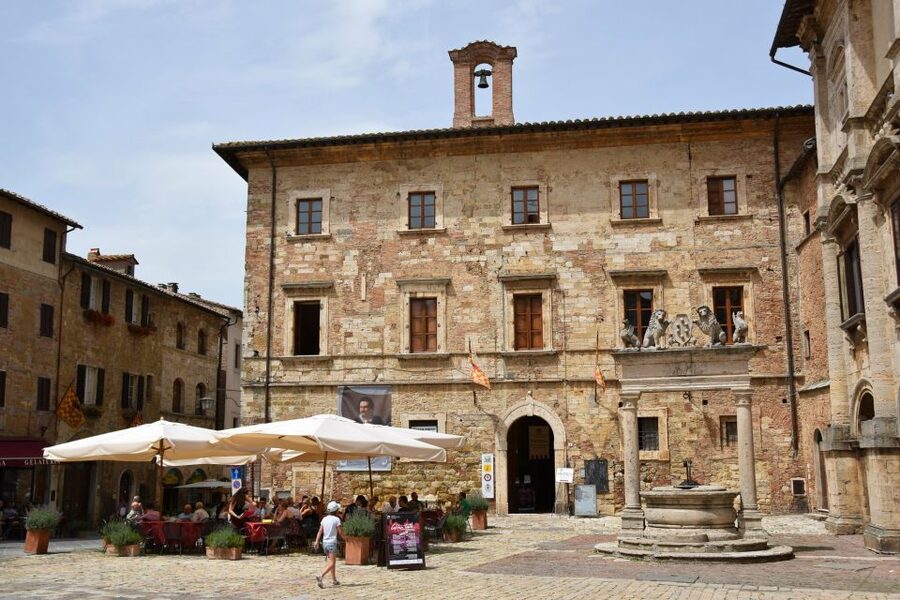
You meet at Talosa Cantina Storica, in the heart of Montepulciano. There is no hotel pickup or drop-off, so you need to make your own way to the meeting point. That is not a major drawback if you are already exploring the hill town, but it matters if you are building a tight day around wineries outside the center.
The experience begins above ground, then moves down into the cellar. The descent is part of the appeal. You pass through old masonry and narrow passages before reaching the chambers where wine is stored. One especially low tunnel may require you to bend slightly, and the brick staircase can be challenging for anyone with limited mobility.
This is not a polished, modern wine center designed only for tastings. The cellar feels like a working historic space, and its uneven, underground character is precisely what makes it memorable. I would choose comfortable shoes and leave large bags behind if possible.
More Food Tours in Siena
- Small-Group Brunello di Montalcino Wine-Tasting Trip from Siena
★ 5.0 · 952 reviews - Montepulciano: Wine Tasting and Cellar Tour
★ 4.8 · 545 reviews - Siena: A Wine Tour and Tasting Experience
★ 5.0 · 352 reviews
Why the 16th-century cellar matters
Montepulciano is famous for wine, but a tasting can easily become a lineup of glasses with little sense of place. Here, the setting supplies part of the story. The old vaults and tunnels show how wine storage once depended on cool underground rooms rather than modern climate systems.
The cellar’s past reaches beyond wine. Parts of it were used as a prison and as a shelter during World War II. A church was also located within the underground complex, and some people lived there during the war. These details give the guide something meaningful to explain before the tasting begins.
You should not expect a full archaeological tour or a long history lecture. The cellar visit is fairly compact, and the emphasis remains on wine. Still, the setting helps connect the bottles to Montepulciano itself, rather than treating them as products that could have come from anywhere in Tuscany.
How the 1.5-hour tour unfolds
The exact order can change. A lighting problem once caused a group to go straight to the cellar before returning to the planned flow, so a little flexibility is sensible. The total experience remains about 90 minutes.
First comes the walk through the underground rooms. You see the vaults, tunnels, storage areas, and large old barrels. One guide described the barrels as holding an astonishing amount of wine, and their scale helps you understand how much production can take place below a compact hill-town building.
The guide then puts the cellar into context. You learn about its earlier uses, the building’s role in local life, and the way wine is stored and aged. The quality of this section depends partly on your guide, but the experience has featured people such as Luigi, Flavio, and Hector, all praised for clear explanations and a warm manner.
The final part is the tasting. Four wines are served, including the well-known local styles Rosso di Montepulciano DOCG and Nobile di Montepulciano DOCG. You learn to compare their flavors and production methods rather than simply drinking one glass after another.
The tasting may take longer than expected if the group asks many questions. That is good news if you want instruction, but less appealing if you prefer a fast sample and move on. One bilingual group also found that questions asked in Italian were not always translated into English, so English speakers in a mixed-language group may miss parts of the wider conversation.
What you taste, and how the sommelier helps
The value of the tasting is not only the quantity of wine. It is the chance to understand why wines from the same broad region can taste different. The sommelier discusses local grape varieties, soil types, production procedures, aging, and the features that separate the bottles in your glass.
I would not worry about needing prior wine knowledge. The explanations are intended to be accessible, and the guides have been praised for answering both wine-related and general questions patiently. If you are new to Italian wine, ask the sommelier to compare the wines directly. That makes it easier to notice differences in body, flavor, and finish.
You receive a substantial pour for each tasting, according to one recent account, so this is more than a token sip. Four full tasting pours can add up quickly. Eat the appetizers, pace yourself, and arrange your return to your accommodation carefully if you plan to continue drinking elsewhere.
The experience focuses on red wines from Montepulciano. If you mainly drink white or sparkling wine, the selection may not match your usual preferences. Still, the format gives non-wine drinkers a low-pressure way to try something unfamiliar, and even people who normally avoid red wine have found the tasting enjoyable.
More Wine Tastings in Siena
- From Florence: San Gimignano, Siena, and Chianti Wine Tour
★ 4.5 · 3,762 reviews - From Siena: Chianti and Castles Tour with Wine Tastings
★ 4.6 · 631 reviews - Total Immersion Wine Tour in Chianti
★ 4.9 · 430 reviews - From Siena: Brunello di Montalcino Guided Wine Tour W/ Lunch
★ 4.9 · 357 reviews
Tuscan appetizers with the wine
Bread and water are included, along with traditional appetizers. The exact selection can vary, but the tasting has included cheese and cured meats. These are simple foods rather than a full meal, so I would treat them as accompaniment, not lunch.
The snacks serve a practical purpose. They slow the pace, give you something to eat between wines, and let you see how salty, fatty, or savory foods change the taste of red wine. If you schedule this in the late afternoon, you may still want dinner afterward.
The food quality is not the main reason to book. One account described the charcuterie and cheese plate as plain, while others found the Italian snacks enjoyable. I would set modest expectations: this is a wine tasting with a small food pairing, not a Tuscan cooking experience.
The guides make the difference
The strongest part of the experience is the human instruction. Luigi has been praised repeatedly for his warmth, patience, and detailed explanations. Flavio has also been singled out for making the tasting engaging, while Hector was praised for explaining the wines clearly.
That matters because a cellar can be impressive without being informative. A guide who explains the region’s grapes, soils, and aging methods turns a walk through old rooms into something you can use at a restaurant or wine shop later.
The tone appears friendly rather than formal. You can ask questions, and the guides are willing to discuss Italian wine beyond the four glasses in front of you. Group size may affect the rhythm. A small group can feel almost private, while a larger or mixed-language group may make the tasting slower and leave less time for every question.
Is $41 a fair price?
At $41 per person, the experience is reasonably priced for a central Montepulciano activity that combines a historic site, a guided tour, four wines, a professional sommelier, water, bread, and appetizers. You are paying for more than the alcohol. The cellar access and explanation are a meaningful part of the cost.
The value is best if you want context. A simple tasting at a shop may cost less, but it will not necessarily take you through old tunnels or explain how the cellar’s past shaped the space. A full countryside winery visit may offer vineyard views and more extensive food, but it usually requires transport and more time.
This experience is especially useful for a short stay in Montepulciano. You can fit it into a day of walking around town without committing half a day to a distant estate. The tradeoff is that you will not get a vineyard tour, a full meal, or hotel transportation.
Who should book this experience?
I would recommend it to adults who want a compact introduction to Montepulciano wine and local cellar history. It suits couples, adult families, and small groups who enjoy asking questions and comparing regional wines.
It is also a good choice for someone who does not usually drink wine but wants to learn. The tasting is guided, so you do not have to pretend you can identify every grape or aroma. You can simply ask what you are tasting and why the wines differ.
This is less suitable for children under 18, who are not permitted, and for anyone who cannot manage steep steps or a low passage. It is also not the best fit if you want vineyard scenery, a large meal, or a quick, highly polished tasting with no historical commentary.
Practical tips for a smoother visit
Wear shoes with a firm sole. The old steps and cellar surfaces are part of the setting, but they are not as easy to manage as a level modern floor.
Allow the full 1.5 hours. The tasting may move at a relaxed pace, especially when the sommelier is answering questions. Do not schedule a second activity immediately afterward.
If you have walking difficulties, ask about the street-level door before beginning the descent. One couple found that an alternate door at the end could have made the initial access easier, though the activity is officially unsuitable for people with mobility impairments.
English and Italian are available. In a mixed-language group, you may not hear every question and answer translated, so speak up if you want a point explained in English.
The activity offers free cancellation up to 24 hours before the start time, and you can reserve now and pay later. Those options are useful when your Montepulciano plans depend on weather or a changing day trip schedule.
Should you book the Montepulciano wine cellar tour?
Book it if you want a short, central, history-filled wine experience rather than a full-day vineyard outing. The underground rooms, old barrels, and unusual past give the tasting a strong sense of place, while the sommelier-led explanations make the four wines easier to understand.
I would be more cautious if you have mobility limits, dislike red wine, or expect a substantial meal. For most adults visiting Montepulciano, though, $41 buys a well-rounded introduction to local wine without requiring a car or a long transfer. If Luigi, Flavio, or another equally engaging guide leads your group, the cellar visit can become one of the more memorable stops in town.
FAQ
Where does the Montepulciano winery tour meet?
The meeting point is Talosa Cantina Storica in the heart of Montepulciano.
How long does the experience last?
The tour and tasting last 1.5 hours.
How much does the wine cellar experience cost?
The listed price is $41 per person.
Which wines are included?
The tasting includes four well-known regional wines, including Rosso di Montepulciano DOCG and Nobile di Montepulciano DOCG.
Are food and drinks included?
Yes. Water, bread, and traditional Tuscan appetizers are included with the wine tasting.
What languages are available?
The live tour guide service is available in Italian and English.
Can children attend?
No. The activity is not suitable for children under 18.
Is the cellar accessible to wheelchair users?
No. The experience is not suitable for wheelchair users or people with mobility impairments because the route includes steep stairs and a low tunnel.
Can I cancel the booking?
You can cancel up to 24 hours in advance for a full refund.
Do I have to pay at the time of booking?
No. The reserve-now, pay-later option lets you book without paying immediately.
More Food Tours in Siena & Tuscan Hill Towns
- Montalcino: Guided Winery Tour and Wine Tasting
★ 4.8 · 200 reviews - Florence: Chianti Wineries Tour with Wine Tasting
★ 4.5 · 8,301 reviews - Small-Group Wine Tasting Experience in the Tuscan Countryside
★ 5.0 · 7,392 reviews - Rome: Tuscany & Montepulciano Day Trip with Lunch & Wine Tasting
★ 4.5 · 5,232 reviews
More Wine Tours in Siena & Tuscan Hill Towns
- Montalcino: Brunello Wine Tasting & Lunch in a Tuscan Castle
★ 4.6 · 324 reviews - From Siena: Tuscany Hills Wine Tour
★ 4.1 · 323 reviews - Siena: Pasta and Tiramisu Cooking Class with Wine
★ 4.8 · 274 reviews - Siena: Educational Wine Tour & Tasting
★ 5.0 · 203 reviews
Recently reviewed around Siena & Tuscan Hill Towns
- Total Immersion Wine Tour in Chianti★ 4.9 · 430 reviews
- From Siena: Pienza and Montepulciano Small-Group Tour★ 4.9 · 220 reviews
- Siena: Walking Tour and Skip-the-Line Duomo Tickets★ 4.8 · 1,116 reviews
- Siena Walking Tour with Cathedral and Crypt & Museum Option★ 4.9 · 380 reviews
- Siena: Pasta and Tiramisu Cooking Class with Wine★ 4.8 · 274 reviews
- Discover Siena: Guided Walking Tour and Cathedral Visit★ 4.3 · 314 reviews
- Siena: Educational Wine Tour & Tasting★ 5.0 · 203 reviews
- Siena: San Gimignano, Chianti & Montalcino Small-Group Tour★ 4.6 · 195 reviews
Wine Tastings, compared.

Tuscany Day Trip from Florence: Siena, San Gimignano, Pisa and Lunch at a Winery
Read our review →
Small-Group Wine Tasting Experience in the Tuscan Countryside
Read our review →
Tuscany & Montepulciano Day Trip with Lunch & Wine Tasting
Read our review →
SMALL-GROUP Wine Safaris: Tuscan Wine Tasting Tours from Florence
Read our review →
Winner 2025 Florence Sunset Food & Wine Tour by Eating Europe
Read our review →
Siena, San Gimignano, Pisa & Lunch at Winery
Read our review →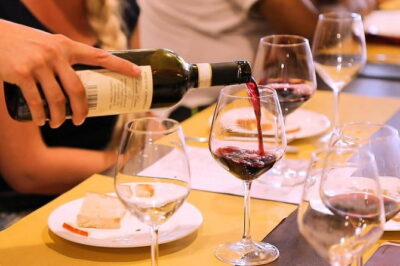
San Gimignano, Siena, Monteriggioni, Chianti Day Trip with Lunch & Wine Tasting
Read our review →Browse the lists this tour appears in