
Review · VENICE TOURS
Murano: Glass Blowing Demonstration with Optional Drinks
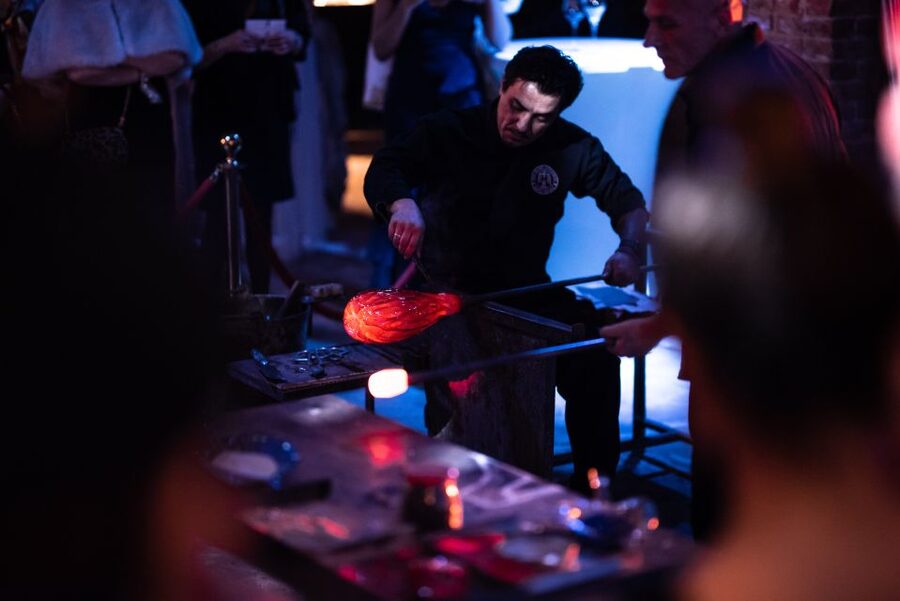
Murano’s glassmaking is best understood with a furnace glowing in front of you. At The Glass Cathedral, a master works hot glass into delicate and flashy shapes while you sit close enough to follow each twist, pull, and breath. The setting itself, tied to a site dating to the 12th century and housed in a building described as early 14th century, gives the short demonstration extra weight.
I like the clear views from the seating and the fact that the artist creates several pieces rather than showing one quick trick. I also like the practical price: at $16, this is an easy way to add a real craft experience to a day in Murano, especially when a drink is included in the option you choose.
The main drawback is the length. Twenty-five minutes is enough for a lively introduction, not a full lesson in Venetian glassmaking, and one family found it shorter than expected. The seating can also feel basic, so this works best as a focused stop rather than a major half-day activity.
In This Review
- Key points at a glance
- Why this short Murano demonstration works
- Entering The Glass Cathedral in Murano
- What happens during the 25-minute show
- Seating, sight lines, and the old interior
- Drinks, music, and the optional extras
- Is $16 good value?
- Best for families and first-time Murano visitors
- Planning the timing on Murano
- What I would keep in mind before booking
- Should you book The Glass Cathedral demonstration?
- FAQ
- How long does the glass-blowing demonstration last?
- Where does the activity take place?
- How much does the experience cost?
- Is a drink included?
- What languages are available?
- Are morning and afternoon times available?
- Is the activity wheelchair accessible?
- Can I cancel for a full refund?
- Do I need to pay at the time of booking?
Key points at a glance
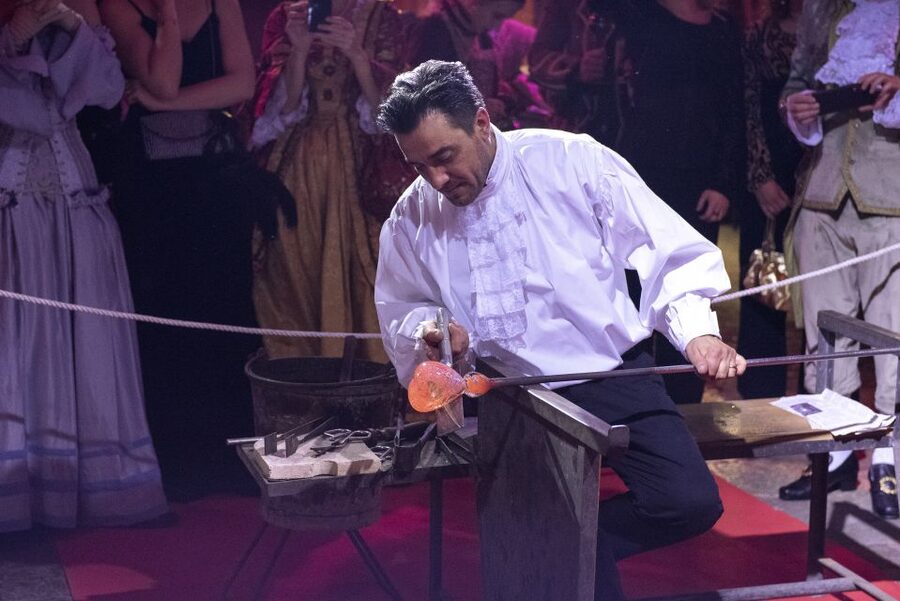
- Several sculptures in about 25 minutes: The master may create three or four different pieces, including delicate forms and showier work.
- A historic setting: The Glass Cathedral occupies an old building linked to Murano’s long glassmaking tradition.
- Optional wine or drinks: Select the appropriate booking option if you want a glass while watching the demonstration.
- Good sight lines: The seating is arranged so you can follow the work without fighting for a view.
- Useful for families: Children as young as two and five have been able to stay interested during the short presentation.
- Easy to fit into a Murano day: Morning and afternoon sessions make this a handy addition between other island stops.
Why this short Murano demonstration works

Murano can feel like a place where glass is everywhere but the actual craft is hard to see. Shops display polished vases, animals, beads, and lamps, yet finished objects do not show you how much control goes into making them. This presentation fixes that gap in less than half an hour.
You watch the process from the first gathering of molten glass through the shaping and final details. The material looks soft and bright, but the master handles it with quick, exact movements. That contrast is the heart of the experience: glass appears almost liquid, then becomes a recognizable sculpture before your eyes.
The presentation begins with a short introduction to Murano glass and its background. It is not a long lecture, which suits the format. You get enough context to understand why the island is associated with this art, then the attention shifts to the furnace and the person working at it.
The demonstration is accompanied by music written for the presentation. That detail gives the old interior a more planned, theatrical feel than a casual workshop visit. If you prefer a quiet technical explanation, the music may be more atmosphere than you need, but it helps keep the 25-minute session moving.
The demonstration is described as the longest regular glass-blowing presentation in Murano. That does not mean it is a full class or a long workshop. It means you get a fuller show than a quick five-minute sales-floor display, with time for more than one finished object.
Other Venice days travellers weigh against this one:
- Venice: Doge’s Palace Reserved Entry Ticket
★ 4.6 · 42,716 reviews - Venice: Grand Canal Gondola Ride with App Commentary
★ 4.1 · 18,908 reviews - Boat Trip: Glimpse of Murano, Torcello & Burano Islands
★ 4.3 · 15,699 reviews
Entering The Glass Cathedral in Murano
Your meeting point is The Glass Cathedral, where you show your voucher at the ticket counter before the presentation. The activity is designed for a straightforward arrival, and one useful detail is that you can skip the ticket line when booked through the activity.
The building is a major part of the appeal. The site dates back to the 12th century, while the building is also described as dating from the early 1300s. The supplied details use both dates, so I would treat the place as a very old religious and historic setting rather than rely on one exact construction date.
Inside, you are not simply entering a modern showroom with a furnace added for effect. The cathedral gives the demonstration a sense of place. You are seeing a local craft in an old Venetian setting, then can explore The Glass Cathedral after the live portion ends.
That extra viewing time matters. The 25-minute presentation moves quickly, and you may want a quiet moment afterward to look at finished glass without trying to follow a moving master. The building and gallery also make the stop feel more complete than the demonstration alone.
What happens during the 25-minute show
The action follows a simple pattern. First comes the short spoken introduction, which sets out the basics of Murano glass and the craft you are about to see. The explanation is delivered in several languages through the speakers, with Spanish, English, French, Italian, and Korean available.
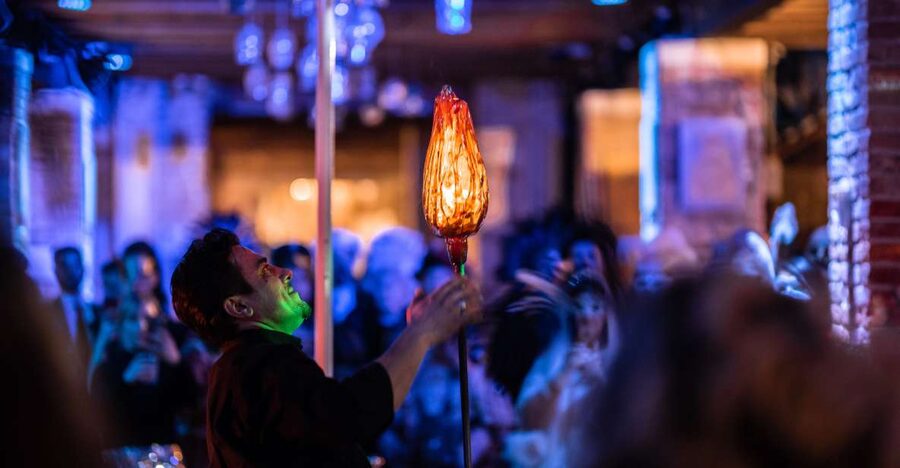
Then the glass master begins working. You may see the artist create three or four pieces from start to finish, with the exact objects varying by performance. A swan sculpture has been part of the show, and the work can include both intricate, delicate forms and more dramatic, flashy effects.
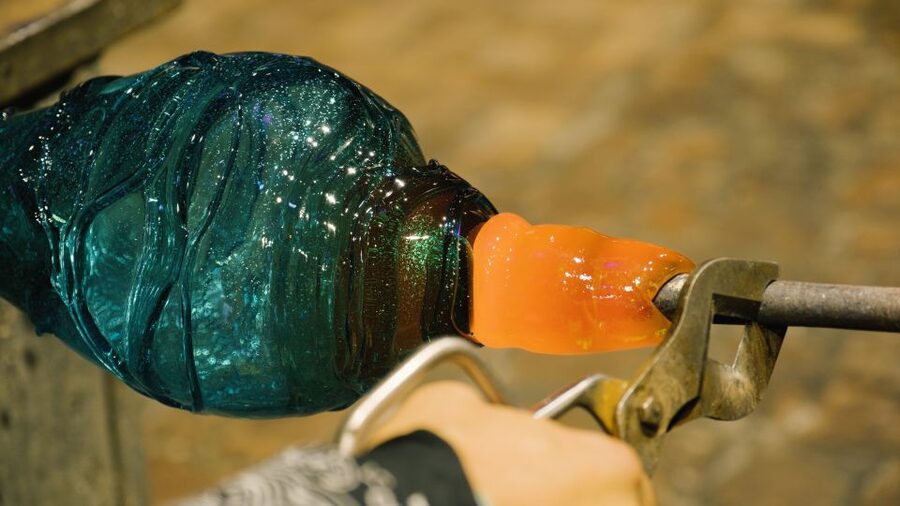
That variety is important. A single small object could make the demonstration feel repetitive, but several forms let you see different skills. You may notice the master shaping a broad body, pulling out a fine detail, or turning a glowing lump into an object that is suddenly easy to identify.
The performance is close enough to be fascinating without requiring you to operate tools or handle hot glass. You are there to watch the control and speed of the work. The short running time keeps the session accessible for families, but it also means there is little room for extended questions or a slow explanation of every tool.
A warm venue is part of the experience, especially when the furnace is working. One assessment described the setting as entertaining and warm, which is useful to keep in mind. This is not a cool museum gallery during the demonstration, though the information provided does not give a specific temperature or seating distance.
Seating, sight lines, and the old interior
The seating is arranged so that everyone can see the working area. Several detailed accounts singled out the good views, and that is one of the most practical reasons to consider this activity. Glassmaking loses much of its value if you spend the session watching the backs of taller people.
The seats are not praised as luxurious. One assessment suggested that the seating could be more comfortable and appealing. I would plan on functional rather than plush seating, especially since the activity is short enough that this should not be a serious problem for most people.
The historic interior does much of the visual work. The Glass Cathedral has the feel of an old building, and the furnace, music, and glass sculpture create a strong contrast with the quiet architecture. A family can enjoy the movement and color, while an adult interested in Venetian craft gets a clear look at the working process.
The combination also makes the activity a good break from shop browsing. Murano’s glass stores can begin to blur together after a while. Here, you watch something being made, then see finished pieces in the cathedral rather than only comparing objects behind shop windows.
A different way to spend the day, same part of Italy:
- Venice: Grand Canal by Gondola with Live Commentary
★ 4.1 · 13,681 reviews - Venice: La Fenice Opera House Entry Ticket with Audio Guide
★ 4.6 · 11,742 reviews - Doge’s Palace & St. Mark’s Basilica with Terrace Access Tour
★ 4.7 · 10,697 reviews - Venice: Burano, Torcello & Murano Boat Tour w/Glassblowing
★ 4.4 · 10,245 reviews
Drinks, music, and the optional extras
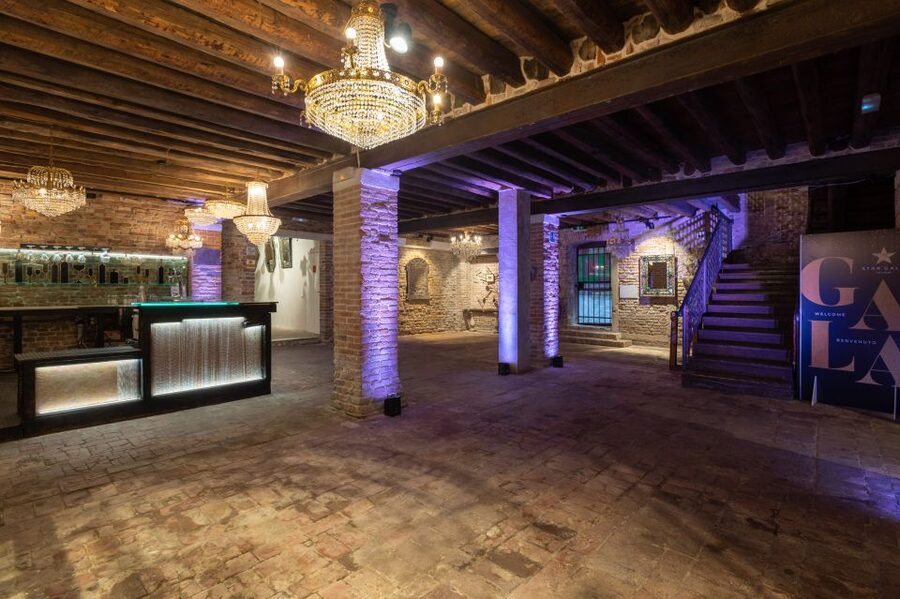
You can order wine or another drink from the Don Giovanni bar while watching the demonstration. Some booking options include drinks, while others cover admission only, so check the exact option before paying. The difference matters because a glass of prosecco can turn this into a pleasant mid-day pause, but you should not assume it is part of every $16 ticket.
A drink is not essential to understanding the glassmaking. It is an added comfort and a small social touch, especially for adults who want to settle in for the show. If you are bringing young children, the activity itself provides the interest, and the drink option may be less important.
The music written for the demonstration adds mood but does not replace the spoken information. You still receive an introduction and can follow the work through the multilingual audio. The result is part craft explanation and part staged presentation.
I would not choose this solely for the bar. Choose it for the master at work, the old building, and the chance to see several sculptures form in front of you. Treat the drink as a bonus that improves the pause, not the main reason to book.
Is $16 good value?
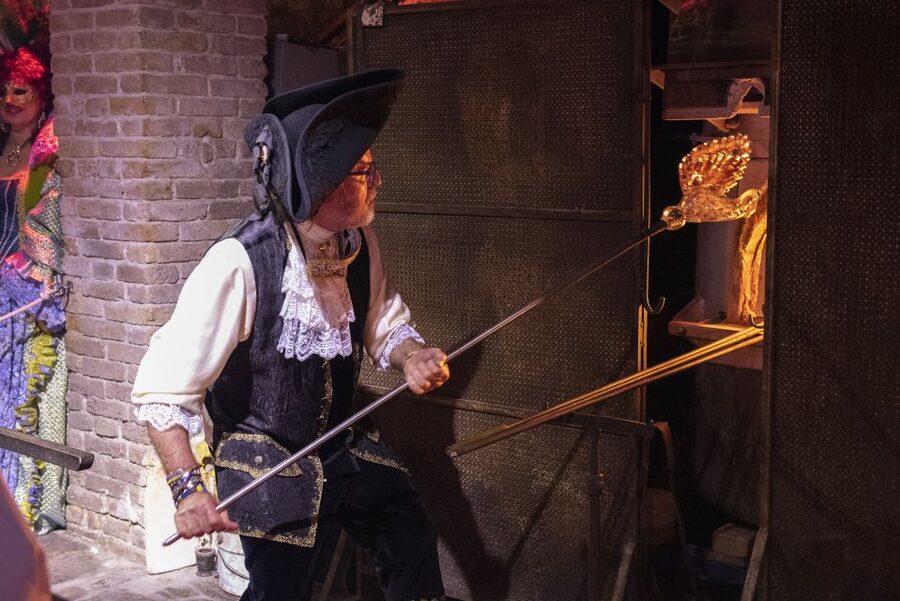
At $16 per person, I see this as a strong-value short activity if you already plan to visit Murano. The price is low enough that you do not need to build your whole day around it, yet the experience gives you something that a glass shop cannot: a live demonstration in a historic venue.
Value depends on what you expect. If you want a detailed workshop, hands-on practice, or a long account of Venetian glassmaking, 25 minutes will feel limited. If you want a clear, entertaining introduction and a few finished pieces made in front of you, the timing works well.
The drink option can improve the calculation. One person found the included drink especially worthwhile, and another described the prosecco, seats, and demonstration as a very good combination. Check whether your selected fare includes that drink, since the supplied information lists drinks as dependent on the option.
Booking ahead may also be cheaper than paying in person, based on one direct comparison. The activity offers free cancellation up to 24 hours before the start and a reserve-now, pay-later choice, which helps if your Murano plans depend on weather, ferry timing, or the rest of your Venice schedule.
Best for families and first-time Murano visitors
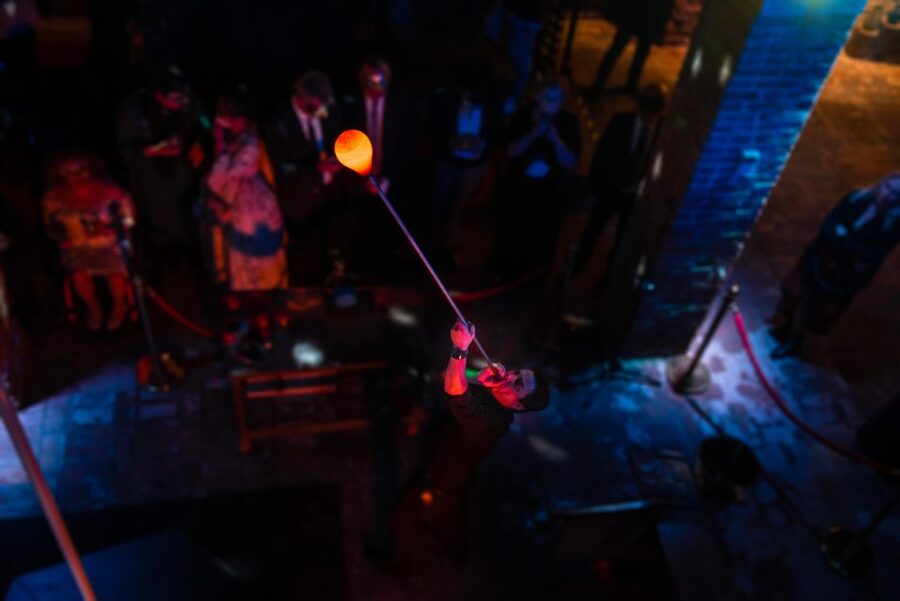
This is a good family stop because the work is visual, fast, and easy to understand. Children aged two and five have remained interested during the presentation, and the master made several different objects rather than repeating one movement for the entire session.
The length helps with younger children. Twenty-five minutes is long enough to see a proper sequence but short enough to avoid the slow fade that can happen during a museum talk. Still, the heat, music, and seating may not suit every child, so keep expectations simple.
I also recommend it for first-time visitors to Murano who want context before browsing. After seeing molten glass become a swan or another sculpture, you will look at the shops with a better sense of the labor behind the finished work.
It suits couples and solo visitors, too, particularly if you want a compact cultural stop with a drink. It is less suitable if you have only a few minutes between boats, since you need time to reach the cathedral, check in, watch the full presentation, and look around afterward.
The activity is wheelchair accessible. Hosts or greeters can assist in Spanish, English, French, Italian, and Korean, and the spoken information is provided in multiple languages. Those features make it easier to recommend to mixed-language groups.
Planning the timing on Murano
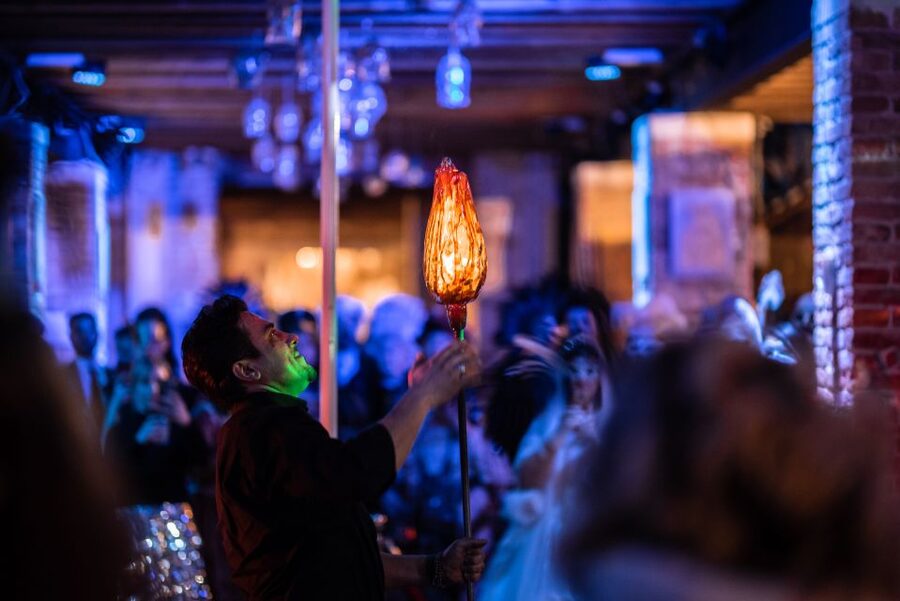
Sessions run daily in the morning and afternoon, with start times depending on availability. That flexibility makes the presentation easy to place around a day on the island, but you should still allow more than the stated 25 minutes for arrival and the post-show visit.
The counter at The Glass Cathedral is your first stop. Have your voucher ready, then take your seat for the presentation. Since the experience is short, arriving late could cost you a meaningful part of the show, particularly if the master has already started forming an object.
The best use of the activity is as an anchor between other Murano plans. You can watch the demonstration, explore the cathedral, and then continue to glass shops or other island sights. The information provided does not promise a full guided tour of Murano, so do not treat this as a substitute for seeing the island itself.
If your schedule is tight, the activity still works as a compact cultural pause. If you have a leisurely day, the historic venue and gallery give you a reason to linger beyond the furnace performance.
What I would keep in mind before booking
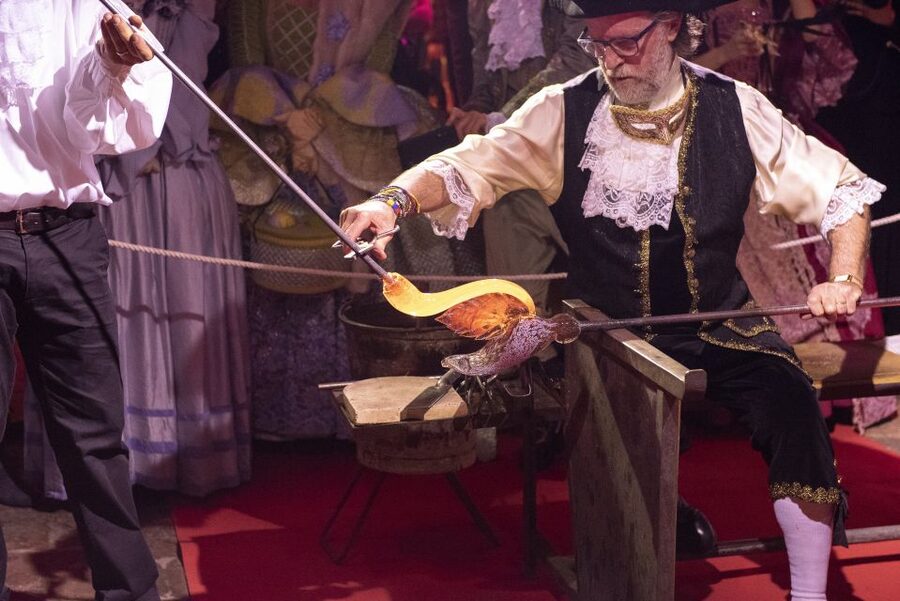
The biggest expectation check is the word demonstration. You watch a master work, but you do not make glass yourself. There is no hands-on portion listed, and the short introduction is meant to orient you rather than provide a specialist course.
You should also expect the objects and sequence to vary. The master may make three or four pieces, and the swan sculpture has appeared, but no fixed collection of works is guaranteed. That is normal for live craft and part of the reason the presentation feels genuine rather than like a mechanical display.
The old building is a strength, but it may not offer modern comfort in every detail. Seating has been described as well arranged for views but less comfortable than ideal. For most people, the trade-off is fair because the show lasts only 25 minutes.
The activity has a 4.5 rating from 294 reviews, a strong result for a brief paid attraction. The most consistent strengths are the quality of the master’s work, the historic venue, friendly staff, clear sight lines, family appeal, and reasonable price. The repeated cautions are simple: it is short, and the seating is basic.
Should you book The Glass Cathedral demonstration?
Book it if you want to see Murano glass being shaped live, especially if this is your first visit to the island. At $16, it offers a useful look at the craft, several sculptures, a historic setting, and optional refreshments without taking much time from the rest of your day.
I would be especially happy recommending it to families, first-time Murano visitors, and anyone who wants a small cultural activity between sightseeing stops. Choose the drink-inclusive option if that matters to you, and check the seating and timing expectations before booking.
Skip it only if you need a long workshop, hands-on instruction, or a full tour of Murano’s glass industry. For everyone else, this is a sensible, well-priced way to see the island’s signature art made hot and fast, right in front of you.
FAQ
How long does the glass-blowing demonstration last?
The demonstration lasts 25 minutes. You can also explore The Glass Cathedral after the live presentation.
Where does the activity take place?
It takes place at The Glass Cathedral in Murano, Venice, Italy.
How much does the experience cost?
The listed price is $16 per person. Drinks depend on the option selected.
Is a drink included?
Some options include drinks, while others may provide entry only. Check the exact option when booking. Wine or another drink can also be ordered from the Don Giovanni bar.
What languages are available?
Host or greeter support is available in Spanish, English, French, Italian, and Korean. The information is also provided in multiple languages through the speakers.
Are morning and afternoon times available?
Yes. The demonstration takes place daily in the morning and afternoon. You need to check availability for the exact starting time.
Is the activity wheelchair accessible?
Yes, the activity is listed as wheelchair accessible.
Can I cancel for a full refund?
Yes. You can cancel up to 24 hours in advance for a full refund.
Do I need to pay at the time of booking?
No. A reserve-now, pay-later option is available, allowing you to hold a place without paying immediately.
Recently reviewed around Venice
- St Mark’s Basilica and Doge’s Palace Priority Entry Ticket★ 4.2 · 885 reviews
- Venice: Lords of the Night Prison’s Palace Cells & Tortures★ 4.0 · 1,067 reviews
- Venice: Hard Rock Cafe with Set Menu for Lunch or Dinner★ 4.4 · 1,102 reviews
- Venice: Doge’s Palace and St. Mark’s Basilica Guided Tour★ 4.6 · 458 reviews
- Venice: Walking tour, Doge Palace, & St. Mark’s Basilica★ 4.5 · 884 reviews
- Punta Sabbioni: Murano, Burano & Torcello Guided Boat Tour★ 4.3 · 236 reviews
- Murano: Glass Blowing Demonstration and Artistic Glass Gift★ 4.6 · 507 reviews
- Venice: Murano and Burano Excursion★ 4.5 · 928 reviews
Venice Tours, compared.

Grand Canal Gondola Ride with App Commentary
Read our review →
Boat Trip: Glimpse of Murano, Torcello & Burano Islands
Read our review →
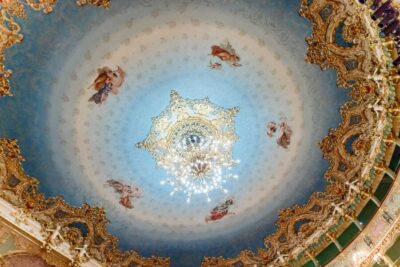
La Fenice Opera House Entry Ticket with Audio Guide
Read our review →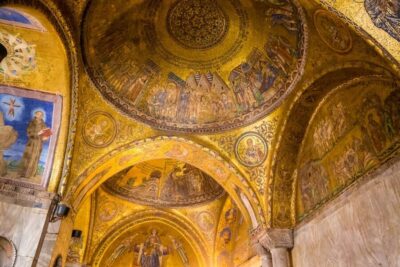
Doge’s Palace & St. Mark’s Basilica with Terrace Access Tour
Read our review →
Burano, Torcello & Murano Boat Tour w/Glassblowing
Read our review →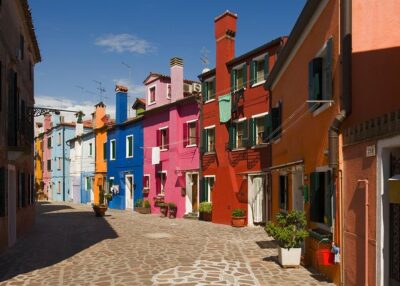
Murano, Burano and Torcello Half-Day Sightseeing Tour
Read our review →Browse the lists this tour appears in