
Review · BORGHESE GALLERY TOURS
Rome: Borghese Gallery Guided Tour with Tickets
The Borghese Gallery packs astonishing art into a small villa, and the best reason to visit with a guide is that every room demands your attention. Bernini’s Apollo and Daphne looks different when someone points out the changing marble from solid flesh to delicate leaves, while Caravaggio’s sharp light and dark suddenly feel like drama on a stage.
I like the reserved entry, which saves you from wasting precious Rome time in an entry queue. I also like the small-group format and the headsets, since guides such as Henry, Victoria, Federica, and Irene have been praised for clear storytelling and a pace that leaves room for questions. The drawback is simple: two hours goes quickly, and some commentary can feel rushed when the guide tries to cover so many masterpieces.
In This Review
- Key points to know before booking
- Why the Borghese Gallery deserves two hours of your Rome day
- Meeting at Piazzale del Museo Borghese
- Priority entry and the first sculpture rooms
- Bernini, Canova, and the art of movement
- The Caravaggio rooms and dramatic light
- Raphael, Titian, mosaics, and painted ceilings
- The final sculpture section and the pace of the route
- Is the $57 price good value?
- Who will enjoy this tour most?
- Useful planning advice for your visit
- Should you book the Borghese Gallery guided tour?
- FAQ
- How long does the Borghese Gallery guided tour last?
- What is included in the ticket price?
- Where does the tour meet?
- Which languages are available?
- Can I book a private or small-group tour?
- What should I bring?
- Can I bring a large bag or luggage?
- Is the tour suitable for wheelchair users?
Key points to know before booking
- Bernini takes center stage: See Apollo and Daphne and other Baroque sculptures where movement, emotion, and polished marble do the talking.
- Caravaggio gets serious attention: The gallery holds one of the largest single collections of his work, including David with the Head of Goliath and Boy with a Basket of Fruit.
- A guide makes the difference: Art historians explain technique, symbolism, patronage, restoration, and the lives behind the works.
- Priority entry saves time: Your reserved ticket includes an express security check, a useful advantage in a tightly scheduled Rome visit.
- The villa is part of the experience: Roman mosaics, painted frescoes, decorated halls, and the old Borghese family story surround the art.
- Plan for a small bag: Large luggage, strollers, pets, weapons, and sharp objects are not allowed inside. A free cloakroom handles larger bags.
Why the Borghese Gallery deserves two hours of your Rome day
Rome has grand museums where you can spend half a day and still miss entire wings. The Borghese Gallery is different. It is compact, highly decorated, and filled with works that would be headline pieces almost anywhere else.
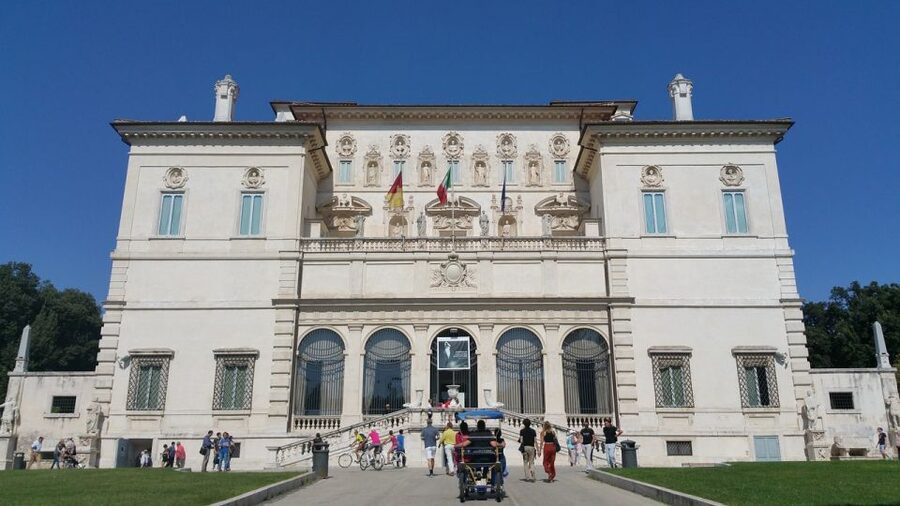
The collection grew around Cardinal Scipione Borghese, a powerful 17th-century patron with a sharp eye for art and an even sharper sense of what he wanted. Your guide begins outside the grand villa with this story, explaining how the building, its rooms, and its collection fit together.
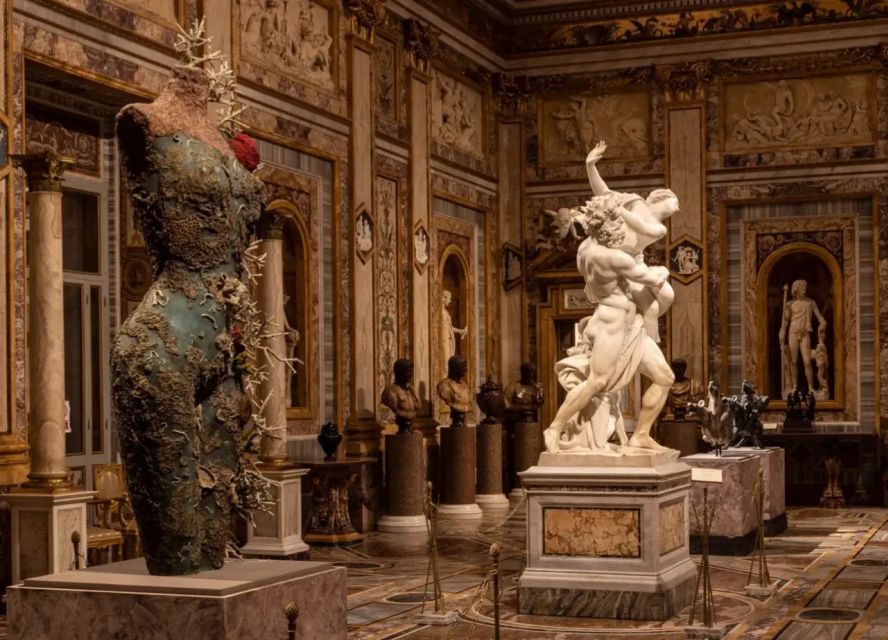
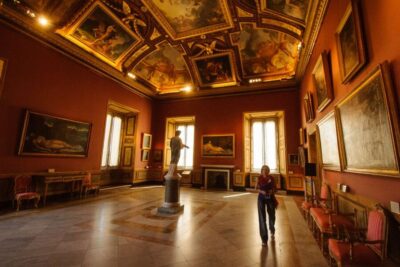
That introduction matters. Without it, you may see a series of beautiful objects. With it, you start to understand why so much of the gallery feels theatrical. The room decoration, ceiling paintings, mosaics, and sculpture placement all work together. The art is not simply hung on white walls. It is presented as part of a staged Roman interior.
I find the gallery especially rewarding if you are new to art history. You do not need to know every pope, painter, or Baroque term before arriving. A good guide gives you a few useful ideas, then shows you where to find them in the art.
More Museum Tours in Rome
- Vatican: Museums & Sistine Chapel Entrance Ticket
★ 4.5 · 144,003 reviews - Vatican Museums & Sistine Chapel Tour with Optional Basilica
★ 4.3 · 67,413 reviews - Vatican Museums, Sistine Chapel & St Peter’s Basilica Guided Tour
★ 4.5 · 39,149 reviews
Meeting at Piazzale del Museo Borghese
The tour offers two possible starting points: Fontana dei Mascheroni or Piazzale del Museo Borghese. Your exact meeting place depends on the option you book, so check your confirmation carefully before setting out.
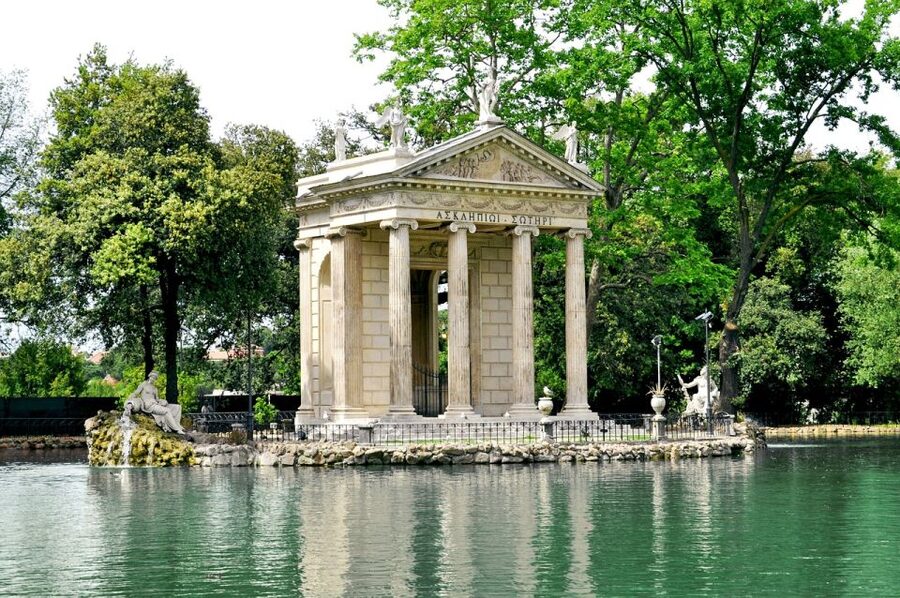
The Borghese Gallery sits in the Villa Borghese park, and the surrounding green space makes a pleasant setting for the visit. Allow enough time to reach the meeting point without hurrying. The supplied details do not specify a transfer service, so you should arrange your own way to the park and arrive ready for the guide’s instructions.
Bring your passport or ID card. Security rules allow only small bags and purses inside. If you arrive with a larger bag, the gallery has a free cloakroom, but it is easier to pack light and avoid the extra stop.
The tour is not suitable for wheelchair users. Baby strollers are also not allowed inside, along with pets, weapons, sharp objects, alcohol, drugs, luggage, and large bags.
Priority entry and the first sculpture rooms
After meeting your art historian, you use your reserved ticket and express security check to enter. This is not a promise of instant access through every possible delay, but it does remove the normal ticket-buying problem and gets the visit moving efficiently.
The first guided section lasts about 50 minutes and focuses on the ground-floor sculptures. This is where the tour makes its strongest early impression. The Borghese Gallery is famous for paintings, but its sculptures often steal the show.
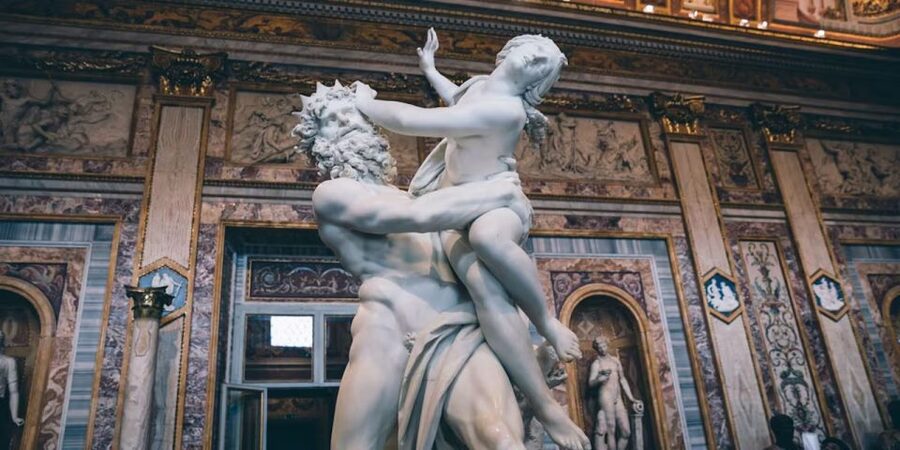
Bernini’s work rewards close looking. He wanted marble to suggest fabric, skin, hair, breath, and motion. In Apollo and Daphne, the story comes from Ovid: Apollo pursues Daphne, who escapes by turning into a laurel tree. The sculpture freezes the exact moment of change. Daphne’s fingers become branches, her toes root into the ground, and her expression carries both fear and release.
You will likely spend time with other Bernini works as well. The useful question is not simply how realistic the marble looks. Ask what the sculpture is doing in the room. Where does the action begin? Where does your eye move next? Why has the artist chosen that angle?
A good guide such as Henry or Federica can turn those questions into a lively explanation rather than a lecture. Several guide names appear in the tour feedback, including Victoria, Irene, Gaga, Francesco, Frederico, Ursus, and Natalia. Assignments vary, but the recurring strength is clear: the guide’s energy and ability to explain the story behind the work matter as much as the ticket.
Bernini, Canova, and the art of movement
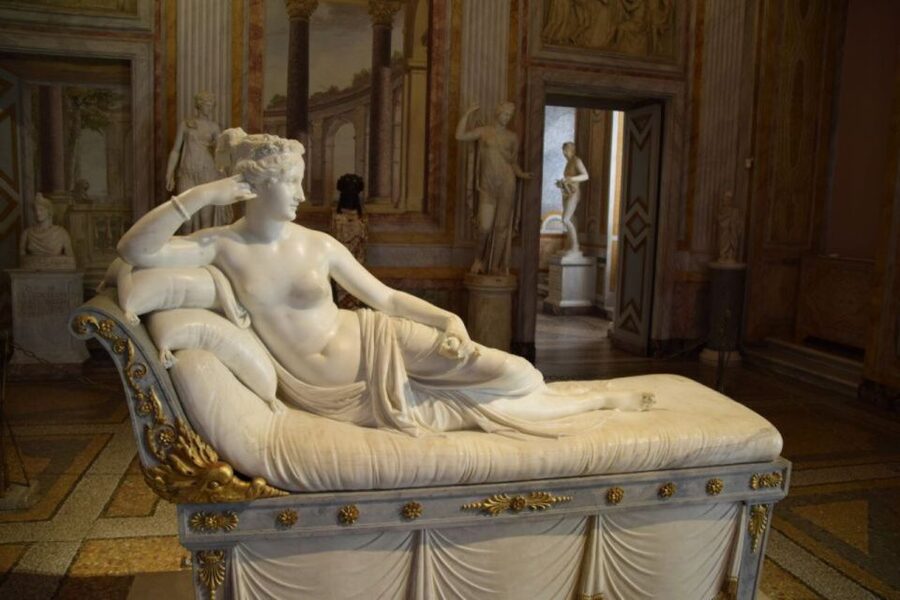
The gallery’s sculpture rooms make a useful lesson in contrast. Bernini’s Baroque figures twist, reach, react, and pull you around the work. Antonio Canova’s sculptures offer a different kind of beauty, with smoother surfaces and a calmer ideal.
Your guide can help you notice how artists use the same material for different effects. Marble can look soft, wet, warm, or weightless, but the mood changes with the pose and finish. The tour also places the works within their periods, so you can see how Renaissance balance gave way to Baroque energy and later styles.
One practical point: do not rush past sculpture because you came mainly for paintings. The ground floor is the part of the gallery that often leaves the strongest physical impression. A guide can also help you find the best viewing position, since many sculptures are designed to be seen from several sides.
The only limitation is time. Fifty minutes sounds generous until you are looking at Bernini, Canova, ancient Roman pieces, and the villa itself. You may leave wanting to return for a slower look, which is not a bad problem, but it is worth knowing before you book.
More Rome museums and collections:
- Rome: Vatican Museums, Sistine Chapel & Basilica Tour
★ 4.3 · 13,872 reviews - Vatican Museums & Sistine Chapel Skip-the-Line Entry Ticket
★ 4.4 · 13,838 reviews - Rome: Vatican Museums, Sistine Chapel & Basilica Tour
★ 4.7 · 13,217 reviews - Rome: Vatican Museums & Sistine Chapel Guided Tour
★ 4.3 · 12,117 reviews
The Caravaggio rooms and dramatic light
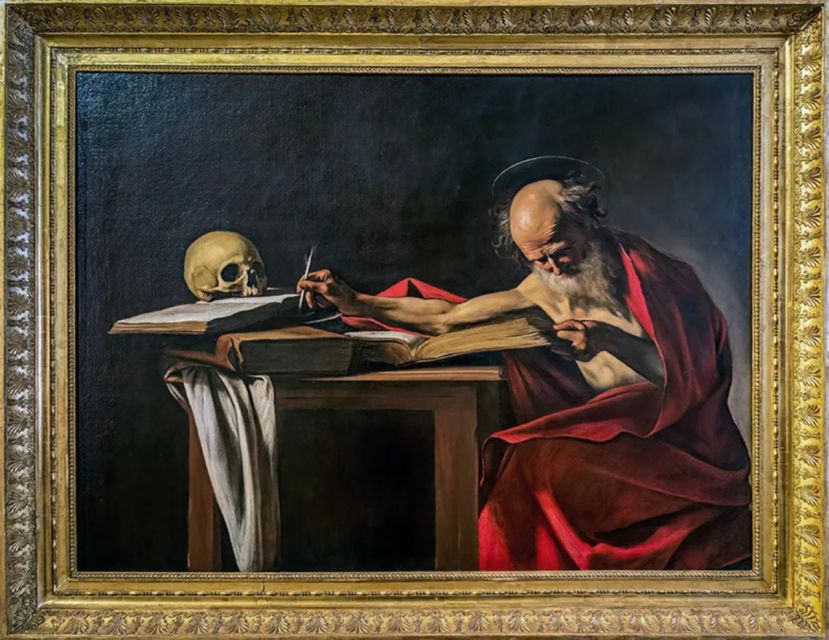
The next section lasts about 40 minutes and includes the gallery’s celebrated paintings. Caravaggio is the star here, with a major group of his works gathered in one collection.
His paintings do not sit quietly in the background. In David with the Head of Goliath, the subject is tense and unsettling. The severed head has often been linked to Caravaggio’s own face, a detail that adds another layer to the scene. Your guide can explain the possible meanings without reducing the painting to one neat answer.
Boy with a Basket of Fruit shows a different side of his art. The boy’s direct gaze, the carefully observed fruit, and the strong play of light make an ordinary subject feel immediate. Look at the fruit closely. It is attractive, but not artificially perfect. Small signs of decay remind you that Caravaggio’s realism includes time passing.
This is where the headset earns its place. The gallery can feel crowded around major works, and it is much easier to listen while keeping your eyes on the painting. You are not forced to stand shoulder to shoulder with the guide, trying to catch every word.
Several people praised guides for explaining lighting, technique, and the way each work connects to its period. That is especially useful with Caravaggio. His influence is easier to grasp when someone shows you how light directs your eye and how ordinary people became convincing religious or historical figures.
Raphael, Titian, mosaics, and painted ceilings
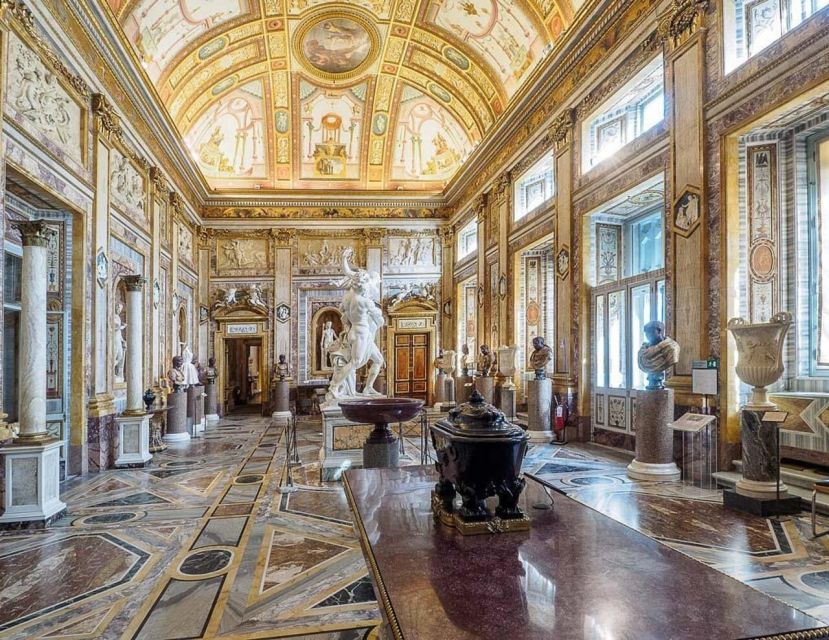
The gallery does not stop with Bernini and Caravaggio. Raphael provides a calmer counterpoint, with graceful compositions and a sense of balance. Titian adds another important voice, while other works broaden the collection beyond a single school or century.
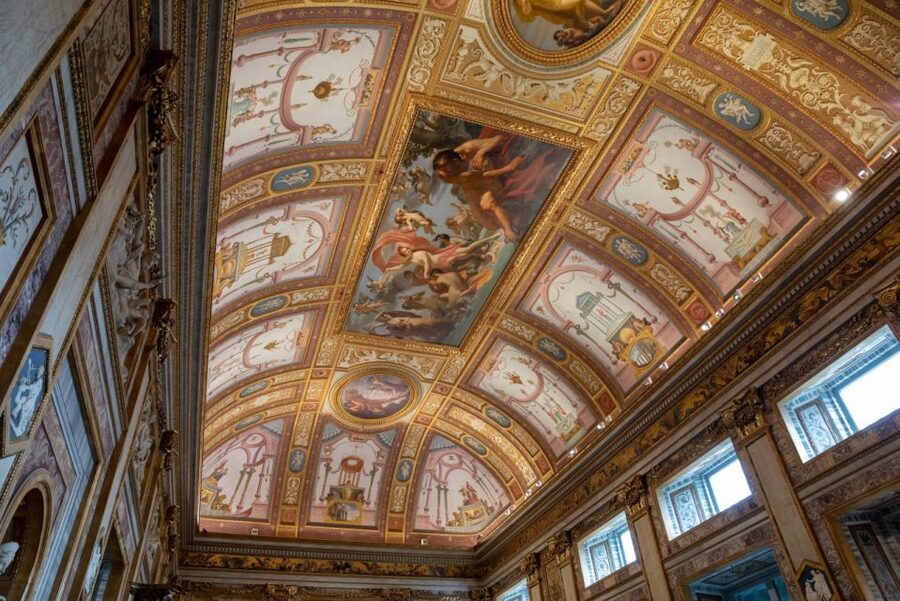
The tour also includes Roman mosaics and detailed hand-painted frescoes. These features can be overlooked when you are focused on famous names, yet they help explain the villa’s character. Look up as often as you look straight ahead. The ceilings and walls are not neutral decoration. They create the setting in which the paintings and sculptures were meant to be experienced.
This is also why a guided route helps. The Borghese Gallery has more to see than can comfortably fit into two hours. A guide chooses the key rooms and connects them rather than leaving you to wander in a pleasant but unfocused daze.
One visitor who had already seen the museum alone found the guided visit far more rewarding because the explanations included restoration methods and the techniques used centuries ago. That is a useful point for repeat visitors. You may recognize the masterpieces, but a fresh explanation can change what you notice.
The final sculpture section and the pace of the route
The itinerary returns to the ground-floor sculptures for about 30 minutes. This final section gives you more time with important works and reinforces the gallery’s main theme: art here is meant to be felt in space, not just viewed in a frame.
The route may change if rooms are closed for restoration or if current exhibitions alter access. That flexibility is normal for a working museum, but it means no guide can promise every artwork or room on every date.
The pace generally works well for a first visit. Guides have been praised for moving at a comfortable speed, welcoming questions, and selecting the most important pieces. Still, the collection is dense. One guide noted that there was far more to see than could fit into the available time, and another visitor found the commentary slightly rushed.
If you want to see every room at your own speed, a guided tour may feel restrictive. If you want a clear route through the essential works and enough context to understand them, the structure is a good trade.
Is the $57 price good value?
At $57 per person, this is not the cheapest way to enter a museum. The price includes the Borghese Gallery ticket, an art historian guide, priority security access, and the headset and radio system.
I would judge the value by comparing it with your priorities. If you already know the gallery well and prefer silence, the extra cost may not suit you. If this is your first visit, the guide can save time and help you understand what you are seeing instead of simply collecting photographs of famous pieces.
The small-group and private options also affect the value. A small group gives you a better chance to hear the guide and ask questions. A private option costs more in many tour settings, but the supplied information does not give a separate price, so check the available choice before booking.
The strongest value comes from the setting. The Borghese is not a place where a quick glance at each room tells the full story. A guide explains why Apollo and Daphne is technically extraordinary, how Caravaggio uses light, and how the Borghese family shaped the collection. For many people, that context is what turns a beautiful museum stop into a memorable part of Rome.
Who will enjoy this tour most?
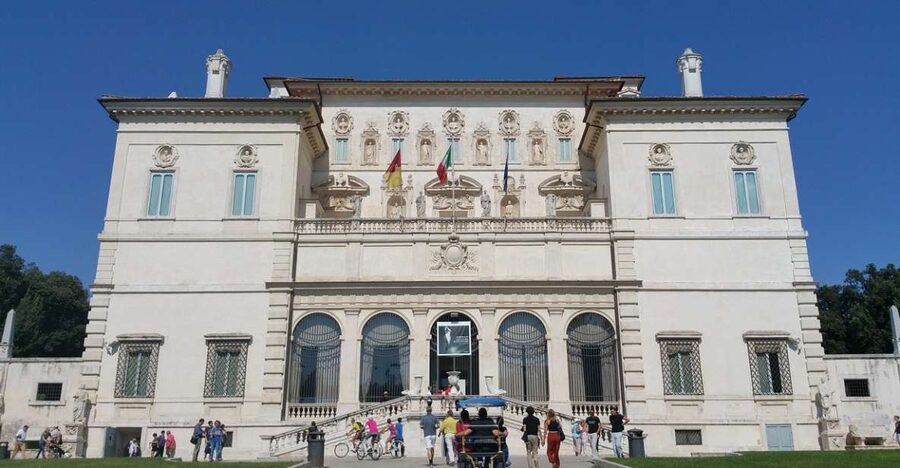
I would choose this experience if you want the major works without spending hours researching the gallery beforehand. It suits first-time visitors, couples, families with older children, and anyone who likes art better once someone explains the human story behind it.
It is also a good fit if you are not an art specialist. One person arrived without much interest in art and found the guide’s plain explanations made the gallery unexpectedly absorbing. That is the right test here: you do not need a background in Renaissance or Baroque art, only a willingness to look closely.
Art students and repeat visitors can benefit too, especially if the guide discusses restoration and technique. Just remember that two hours cannot cover the entire collection in depth.
I would hesitate if you use a wheelchair, need a stroller, or plan to bring substantial luggage. I would also think twice if your main goal is solitary viewing. A small group is intimate, but it is still a group, and the guide sets the route and timing.
Useful planning advice for your visit
Choose an earlier time slot if you want the best chance of seeing more before your day becomes crowded with other plans. The tour lasts two hours, but you should allow additional time to reach the meeting point and handle security if needed.
Wear whatever lets you move comfortably through a museum and keep your belongings small. Bring identification, and do not count on bringing a large backpack or suitcase into the galleries. The cloakroom is free, but avoiding a bulky bag makes the arrival simpler.
Ask questions when the guide pauses. The guides are hired for art history, and the strongest sessions clearly welcome curiosity. You might ask about Caravaggio’s use of light, the story behind a Bernini figure, or how restoration changed the way a work is seen.
The tour is offered in English, Japanese, French, German, Portuguese, and Russian. Private and small-group formats are available. Cancellation is free up to 24 hours before the start, and the reserve-now, pay-later option can help if your Rome schedule is still shifting.
Should you book the Borghese Gallery guided tour?
Book it if you want a focused first look at Bernini, Caravaggio, Raphael, Canova, Titian, Roman mosaics, and the villa’s painted interiors. The guide is the main reason to choose it, especially if you value stories, context, and help noticing details that are easy to miss.
Skip it if you prefer to wander alone, already know the collection well, or need accessible wheelchair arrangements. Otherwise, $57 is a fair price for reserved entry and two hours with an art historian in one of Rome’s most concentrated art collections. Leave room in your schedule for a walk through Villa Borghese afterward, and you will have a pleasant way to extend the visit.
FAQ
How long does the Borghese Gallery guided tour last?
The tour lasts two hours. The route includes about 50 minutes focused on ground-floor sculptures, 40 minutes in the gallery’s painting areas, and another 30 minutes with sculptures.
What is included in the ticket price?
The price includes an art historian guide, a skip-the-line Borghese Gallery entry ticket with express security access, and headsets with radios so you can hear the guide.
Where does the tour meet?
There are two possible starting points: Fontana dei Mascheroni and Piazzale del Museo Borghese. The exact meeting point depends on the option you book.
Which languages are available?
Live guides are available in English, Japanese, French, German, Portuguese, and Russian.
Can I book a private or small-group tour?
Yes. Private and small-group options are available, depending on the option selected when booking.
What should I bring?
Bring your passport or ID card. Only small bags and purses are allowed inside the gallery.
Can I bring a large bag or luggage?
Large bags and luggage are not allowed in the gallery. A free cloakroom is available at the entrance for larger bags.
Is the tour suitable for wheelchair users?
No. The activity is not suitable for wheelchair users. Baby strollers are also not allowed inside.
Recently reviewed around Rome
- Ancient Rome at Twilight Walking Tour★ 5.0 · 276 reviews
- Domus Aurea Guided Tour: The Golden House of Nero★ 4.5 · 199 reviews
- Early Vatican Museums & Sistine Chapel Small Group Tour★ 4.5 · 314 reviews
- Early Vatican Museums Tour: The Best of the Sistine Chapel★ 4.5 · 900 reviews
- Jewish Ghetto & Piazza Navona: Food, Wine & Sightseeing Rome Tour★ 5.0 · 460 reviews
- 3 Days in Sorrento, Capri & Pompeii: la Dolce Vita★ 4.0 · 595 reviews
- Tivoli Villas Full Day Trip From Rome with Lunch★ 4.0 · 443 reviews
- Cook With Us in Rome: A Hands-On Cooking Experience 09:20AM class★ 5.0 · 234 reviews
Borghese Gallery Tours, compared.
Borghese Gallery and Gardens Guided Small-Group Tour
Read our review →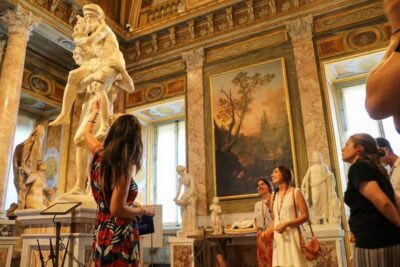
Borghese Gallery Guided Tour with Skip-the-Line Entry
Read our review →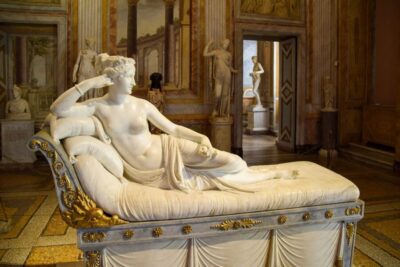
Borghese Gallery Skip-the-Line Tickets with Audioguide
Read our review →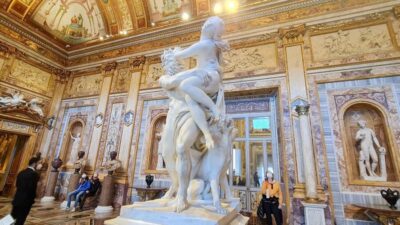
Borghese Gallery Entry Ticket & Optional Guided Tour
Read our review →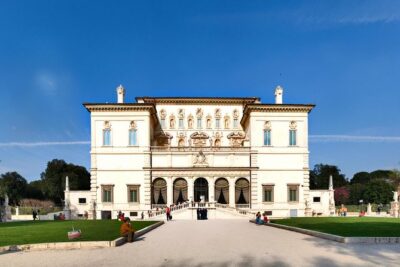
Borghese Gallery & Gardens Small Group Guided Tour
Read our review →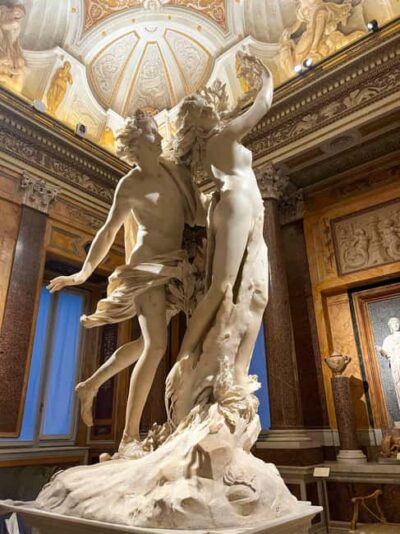
Borghese Gallery Guided Tour with Skip-the-Line Entry
Read our review →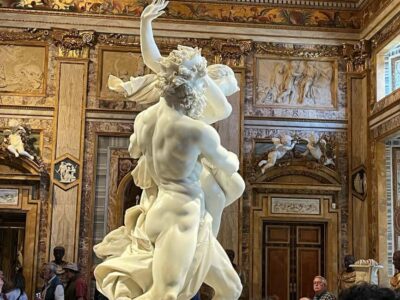
Browse the lists this tour appears in