
Review · WINE TASTINGS
Rome: Food & Wine Tour of Campo de Fiori, Ghetto, Trastevere
Rome’s best food lesson may come served in small portions: a slice of pizza bianca folded around mortadella, a crisp supplì split open to reveal melted mozzarella, or gelato eaten while strolling through Trastevere. This food and wine walk links Campo de’ Fiori, the Jewish Ghetto, and Trastevere, using local bites to explain how Romans eat and how the city’s neighborhoods developed.
I like two things right away. First, you get far more than a restaurant crawl: the food is paired with stories about Roman customs, Jewish-Roman cooking, markets, pasta, and daily life. Second, the advertised food is plentiful. Several guests finished stuffed, and one particularly useful tip came up again and again: skip breakfast if you take the morning tour.
The main consideration is that this is not a flexible food tour for every diet. It is not suitable for vegans or people with food allergies, and the provider cannot guarantee special dietary accommodations. You’ll also walk for up to three and a half hours, often outdoors and in all weather.
In This Review
- Key points to know before booking
- Why this food walk works so well in Rome
- Campo de’ Fiori: start with the market or a local grocery
- Pizza bianca, mortadella, mozzarella, and salami
- The Jewish Ghetto and its fried specialties
- Trastevere: pasta, local shops, and gelato
- The guides make the difference
- Is $81 a fair price?
- Practical details for a comfortable walk
- Who should book this Roman food tour?
- Should you book it?
- FAQ
- How long does the Rome food and wine tour last?
- What neighborhoods does the tour visit?
- Does the tour visit Campo de’ Fiori Market?
- What food is included?
- Is wine included?
- Is the tour suitable for vegetarians?
- Is the tour suitable for vegans or people with food allergies?
- How large is the tour group?
- What should I bring, and can I bring luggage?
Key points to know before booking
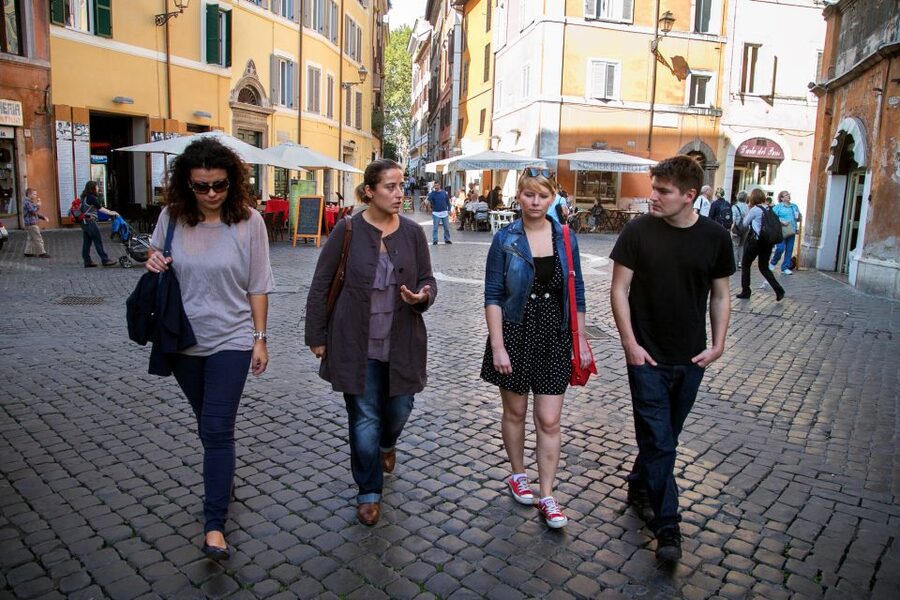
- Three neighborhoods, three food traditions: Campo de’ Fiori, the Jewish Ghetto, and Trastevere each bring a different setting and food focus.
- Roman classics fill the route: Expect pizza bianca with mortadella, supplì, fried artichoke, fried codfish, pasta, Roman salami, mozzarella, wine, and gelato.
- Morning and afternoon tours differ: The morning option visits Campo de’ Fiori Market, while the afternoon option substitutes a grocery store and aperitif.
- Small groups help: The standard group is capped at 15 people, with a private option available.
- Guides shape the experience: Natasha, Lisa, Mariel, Gloria, Valeria, Federica, and others have led tours praised for warm personalities and useful food and neighborhood advice.
- Plan for a full stomach: The tastings add up. Wear comfortable shoes and bring sun protection, but leave large bags and luggage behind.
Why this food walk works so well in Rome
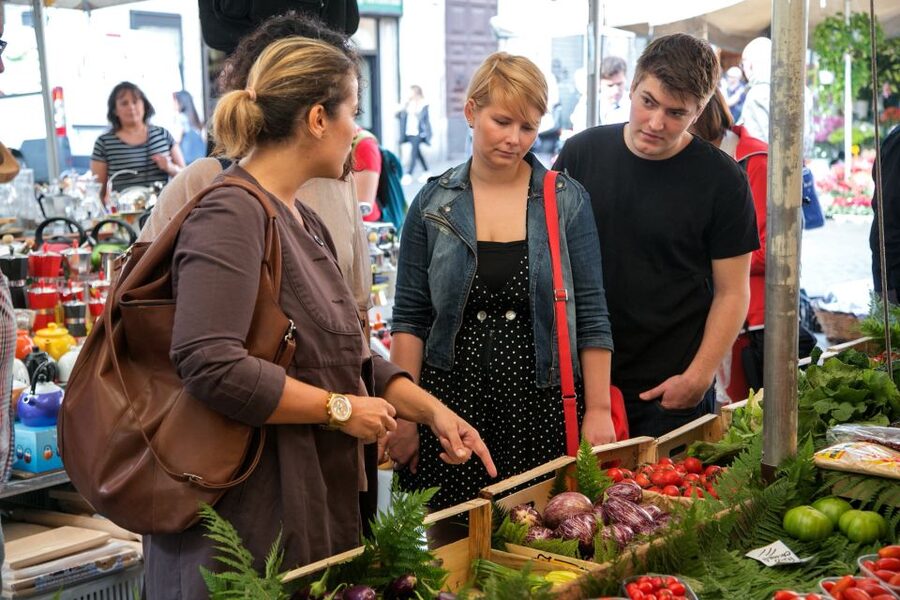
Rome can feel like a city of grand monuments, but its food culture is often easier to understand at a bakery counter or market stall. This tour gives you a useful bridge between the two. You walk through famous neighborhoods while learning why certain foods matter, how to order, and where to return later.
I like the balance between eating and walking. You are not parked at one table for three hours, yet you are not rushed from one sample to another either. Past participants repeatedly praised the relaxed pace, the number of stops, and the chance to ask questions as they walked.
The format also suits a first day in Rome. You get a feel for several central districts, learn what Roman food names mean, and leave with ideas for later meals. I would book it early in a stay, then use the guide’s tips for the rest of your visit.
The tour lasts between two and three and a half hours, depending on the option booked. The longer format includes the full sequence of tastings and neighborhood visits. Since the meeting point can change by option, check the exact starting location when booking and allow time to arrive.
More Food Tours in Rome
- Rome: Tuscany & Montepulciano Day Trip with Lunch & Wine Tasting
★ 4.5 · 5,232 reviews - Winner 2025 Rome Twilight Trastevere Food Tour by Eating Europe
★ 5.0 · 5,157 reviews - Rome: Trastevere or Jewish Quarter Street Food Tour
★ 4.8 · 3,839 reviews
Campo de’ Fiori: start with the market or a local grocery
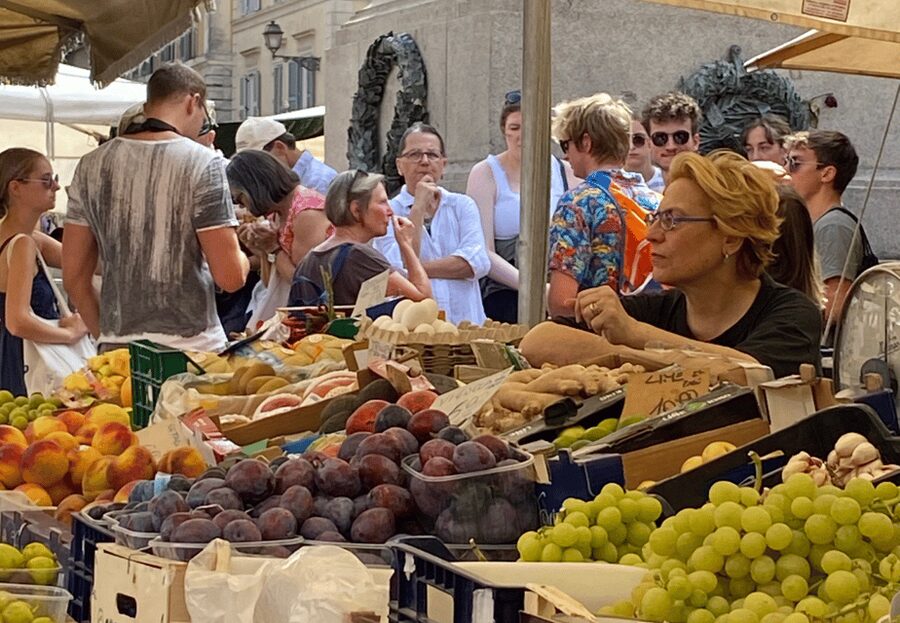
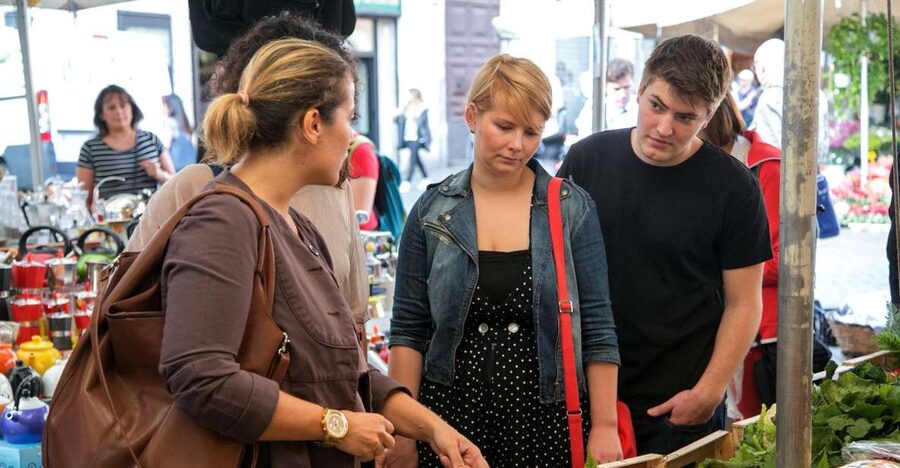
The morning tour begins at Campo de’ Fiori Market, one of the most colorful food stops in central Rome. You can expect displays of fruits and vegetables, food products, flowers, spices, and other ingredients arranged to catch the eye. The point is not simply to look around. Your guide uses the market to explain the place of fresh produce in Roman cooking and to help you notice what makes a useful food market different from a souvenir stand.
This stop gives you a good chance to ask practical questions. You might learn what to look for when buying cheese, how Italian food shops present their products, or which ingredients appear in Roman dishes. The market is also a pleasant way to begin because it introduces food before the heavier tastings arrive.
The market operates on its own schedule, so the afternoon tour does not include it. Instead, you visit a typical grocery store and have an aperitif. That substitution matters if the market is your main reason for booking. The afternoon option still offers a local food experience, but it is not the same as seeing Campo de’ Fiori Market in operation.
If you want the fullest market-focused version, choose the morning departure. If you prefer a later start and do not mind replacing the market with a grocery stop and aperitif, the afternoon tour may fit your day better.
Pizza bianca, mortadella, mozzarella, and salami
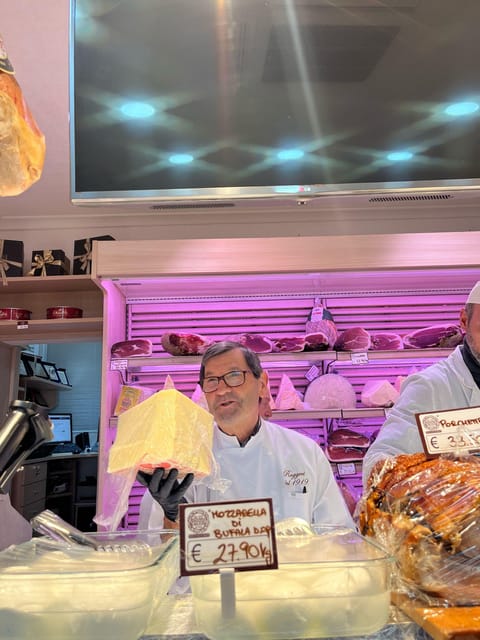
Early in the route, the food becomes more substantial. Pizza bianca is a Roman staple, a simple, airy flatbread often eaten as a snack rather than treated like a formal meal. Here it comes with thin slices of savory mortadella, making a small sandwich with a distinctly Roman feel.
This is one of the tour’s most useful lessons because it shows how ordinary food can carry local identity. You are not just tasting a famous dish in a polished restaurant. You are learning how Romans might eat something quick during the day and why the quality of the bread matters.
You also get a mozzarella tasting with Roman salami. The pairing lets you compare textures and flavors while your guide explains what to notice. I appreciate this kind of tasting because it teaches you how to shop later. After the tour, you will have a better sense of what you enjoy instead of simply collecting a list of food names.
Do not assume these are tiny decorative samples. The tastings build quickly, especially when combined with the later fried foods, pasta, and gelato. A light breakfast, or no breakfast at all, is sensible for the morning departure.
The Jewish Ghetto and its fried specialties
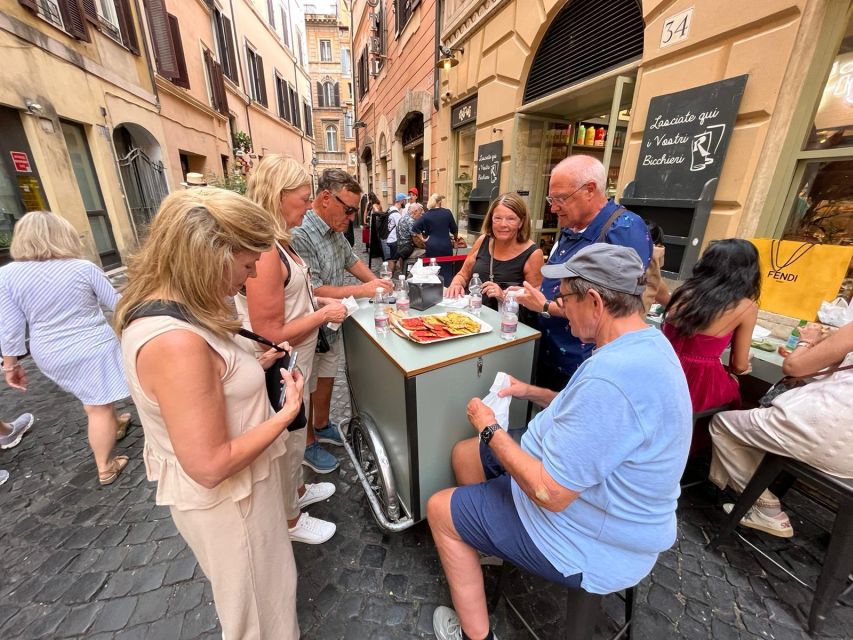
The Jewish Ghetto is one of the strongest parts of the route. It brings food, neighborhood history, and Rome’s Jewish culinary traditions together in a way that feels more meaningful than a quick photo stop.
Typical tastings may include fried artichoke, supplì, and fried codfish. The artichoke is a particularly important Roman specialty, though its availability can depend on the season. One useful seasonal note is that artichokes are at their best during their proper season, so the exact tasting may feel different depending on when you visit.
Supplì is the Roman fried rice ball you should remember. It is browned on the outside, filled with tomato-seasoned rice, and stuffed with mozzarella that pulls apart when hot. This is hearty street food, not dainty finger food, and it helps explain why Romans have such affection for fried snacks.
Fried codfish adds another texture and flavor to the sequence. The stop is a good reminder that Roman cooking is not limited to pasta and pizza. The Ghetto’s food traditions reflect a particular community and its long presence in the city.
I would pay close attention here to the guide’s explanation of the neighborhood. Guides including Lisa, Natasha, and Mariel have been praised for connecting the food to local history and customs. That context is what turns the tasting into a proper Rome experience.
More Wine Tastings in Rome
- Pasta Making & Wine Tasting with Dinner in Frascati from Rome
★ 5.0 · 1,326 reviews - Rome: E-Bike Night Tour with Food and Wine Tasting
★ 4.9 · 1,131 reviews - Rome: Trastevere Guided Food and Wine Tour with 20+ Tastings
★ 4.9 · 1,022 reviews - Rome: Pasta Making with Wine Tasting and Dinner in Frascati
★ 4.9 · 979 reviews
Trastevere: pasta, local shops, and gelato
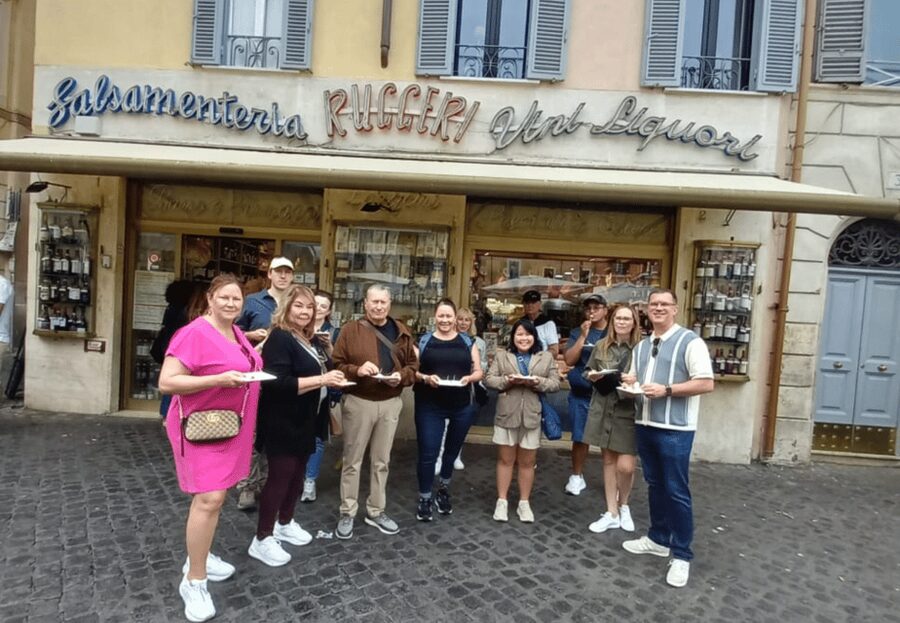
The walk continues into Trastevere, where the food stops shift toward pasta and dessert. This neighborhood is known for its narrow lanes, lively squares, and restaurant culture, but the tour aims to show more than a pretty backdrop. You visit food shops and traditional dining spots while learning how to separate well-made pasta from the rest.
The pasta tasting is especially helpful if you plan to eat out in Rome again. You can ask about texture, preparation, sauces, and the clues that suggest a restaurant takes its pasta seriously. The tasting is not presented as a full restaurant dinner, but by this stage you will already have eaten enough for it to feel like one.
The final gourmet gelato in Trastevere provides a cool finish. Gelato can be one of Rome’s most disappointing tourist traps when chosen poorly, so a guide-led stop has real value. Earlier tour versions and guide explanations have included tips on recognizing quality gelato and making better choices on your own.
I like ending in Trastevere because it leaves you with a neighborhood worth revisiting. You can return for another meal, use the guide’s restaurant suggestions, or simply walk the streets with a better idea of what to order.
The guides make the difference
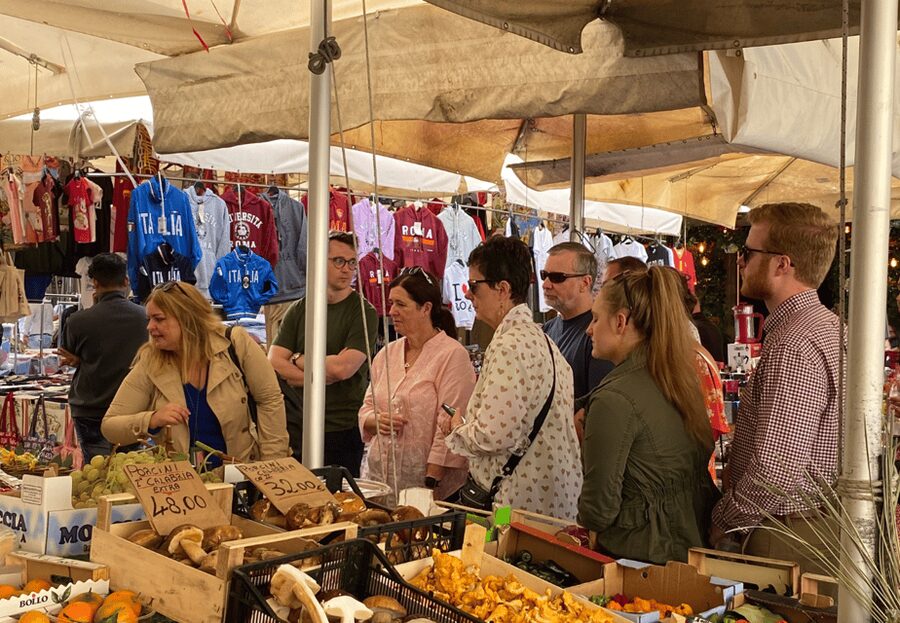
The food is the fixed framework, but the guide determines how much you get from it. The strongest feedback centers on guides who are warm, clear, funny, and willing to answer questions without turning the walk into a lecture.
Natasha has been singled out for keeping the group engaged and adding food stories, recipes, and neighborhood background. Lisa is described as welcoming and accommodating, with a strong grasp of both food and local history. Mariel has been praised for knowing the participating shops and restaurants well while making sure everyone stayed involved.
Other named guides include Gloria, Valeria, Federica, Chiara, Anastasia, Benedetta, Antonia, Alessandra, and Giorgia. The repeated pattern is encouraging: visitors value guides who explain Roman culture through food rather than simply handing out samples.
The maximum group size is 15. That is small enough for questions and conversation, though your experience will still depend on the actual number booked. A private group option is available if you want more control over the pace or prefer to keep the outing within your own party.
The tour also works well for solo visitors. Shared food stops give you an easy way to meet other people, and the walking format prevents the experience from feeling like a solitary restaurant meal.
Is $81 a fair price?
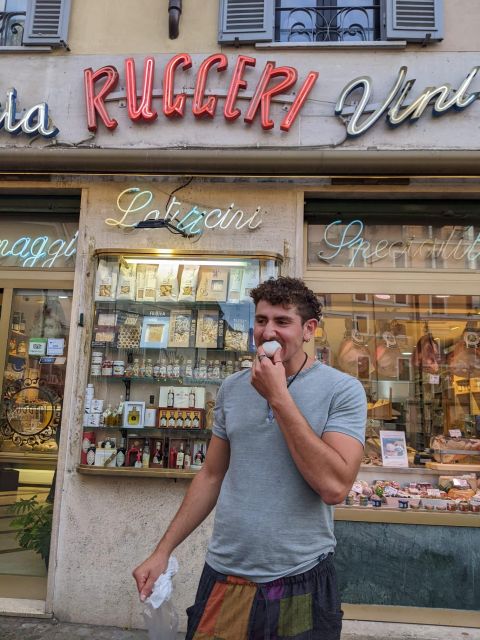
At $81 per person, this is not the cheapest way to eat in Rome. You could buy pizza, supplì, pasta, and gelato yourself for less. The value comes from the combination of tastings, organization, neighborhood coverage, and guide commentary.
You are paying for a route that joins several parts of the city and removes much of the guesswork. The price includes the market or grocery visit, pizza bianca with mortadella, mozzarella and salami, Jewish Ghetto specialties, pasta, gelato, and the walking tour. Wine is also part of the tasting program.
The quantity matters. Many people finish full, and several found the amount of food generous for the price. If you treat the tour as both lunch or dinner and a guided introduction to Roman food, the cost becomes easier to justify.
The best value comes when you use the information afterward. Save the shops and restaurants you like, return to the neighborhoods, and apply the guide’s advice when ordering elsewhere. If you only want one or two samples and already know Rome’s food scene well, you may find the price less appealing.
Practical details for a comfortable walk
Wear comfortable shoes. The route covers several neighborhoods and includes standing at markets, shops, bakeries, and restaurants. It is not designed for wheelchair users, and anyone who finds extended walking difficult should choose another activity.
Bring sunglasses, a sun hat, sunscreen, and an umbrella. The tour operates in all weather, so Rome’s heat or a sudden shower can affect your comfort. Dress for the forecast and do not count on spending the entire time indoors.
Leave luggage and large bags behind. They are not allowed, and crowded food stops are easier to manage with a small day bag.
Food restrictions require careful thought. The tour is not suitable for vegans or people with food allergies, and special dietary requests cannot be guaranteed. Vegetarians may be accommodated in some cases, but you should ask before booking rather than assume every tasting can be changed.
The tour is conducted in English. Cancellation is free up to 24 hours before the activity for a full refund, and you can reserve now and pay later. Those policies help if your Rome plans are still shifting, but the practical issues of diet, walking, weather, and timing matter more.
Who should book this Roman food tour?
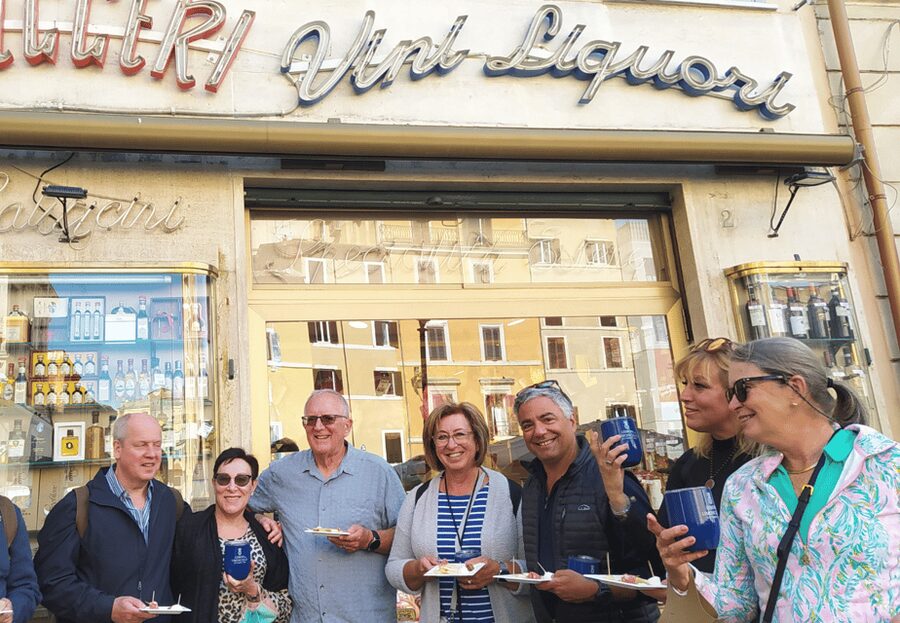
I would recommend it to first-time visitors who want to understand Rome through everyday food, not just monuments. It also suits repeat visitors who have already seen the major sights and want a more local, social activity.
Food lovers will appreciate the range. You move from market produce to bread, cured meat, cheese, fried specialties, pasta, wine, and gelato. That variety makes the tour feel like a guided introduction to Roman eating rather than a single themed tasting.
It is also a good pick for solo visitors, couples, and families who can manage the walking. The group setting encourages conversation, while the private option gives families or friends a more personal format.
I would hesitate if you need a fully controlled diet, dislike fried food, want a sit-down dinner, or have trouble walking outdoors for several hours. The tour is generous, but it is not a substitute for a tailored culinary experience.
Should you book it?
Book this tour if you want a food-first introduction to Rome with enough neighborhood history to give each bite context. The combination of Campo de’ Fiori, the Jewish Ghetto, and Trastevere offers a useful cross-section of the city, and the food list is substantial enough to replace a meal for many people.
Choose the morning option if the market matters to you. Choose the afternoon option if you prefer a later start and are happy with a grocery visit and aperitif instead. Either way, arrive hungry, wear sensible shoes, and treat the guide’s restaurant advice as part of the value.
With a 4.8 rating from 413 reviews and repeated praise for guides such as Natasha, Lisa, Mariel, and Gloria, this is a strong choice for visitors who want Roman food explained as well as tasted. Skip it only if your dietary needs or mobility make the route a poor fit.
FAQ
How long does the Rome food and wine tour last?
The tour lasts between two and three and a half hours, depending on the option booked. Check the available start times and exact duration before booking.
What neighborhoods does the tour visit?
The route includes Campo de’ Fiori, the Jewish Ghetto, and Trastevere.
Does the tour visit Campo de’ Fiori Market?
The morning option includes a visit to Campo de’ Fiori Market. The afternoon tour does not visit the market because of its opening hours and substitutes a typical grocery store visit and aperitif.
What food is included?
Included tastings feature pizza bianca with mortadella, mozzarella with Roman salami, fried artichoke, supplì, fried codfish, pasta, wine, and gourmet gelato.
Is wine included?
Wine is included as part of the regional food and wine tastings.
Is the tour suitable for vegetarians?
Vegetarian accommodation may be possible, but special food restrictions cannot be guaranteed. Contact the provider before booking to discuss your needs.
Is the tour suitable for vegans or people with food allergies?
No. The activity is listed as unsuitable for vegans and people with food allergies.
How large is the tour group?
The standard walking tour has a maximum of 15 people. A private group option is also available.
What should I bring, and can I bring luggage?
Bring comfortable shoes, sunglasses, a sun hat, sunscreen, and an umbrella. Luggage and large bags are not allowed.
More Food in Rome
- Rome: Trastevere & Campo de Fiori Street Food Walking Tour
★ 4.9 · 2,768 reviews - Rome Street Food Tour with Local Guide
★ 5.0 · 2,361 reviews - Rome: Award Winning Trastevere Group Food Tour with Wine
★ 5.0 · 2,273 reviews - Rome: Guided Food Tour in Trastevere
★ 4.8 · 2,266 reviews
More Wine Tours in Rome
- Rome: Pasta & Tiramisu Class with Fine Wine by the Vatican
★ 4.9 · 4,852 reviews - Rome Food Tour: Unlimited Tastings with Fine Wine & Barolo
★ 5.0 · 3,365 reviews - Rome: Pasta Making Class with Wine, Limoncello, and Dessert
★ 4.9 · 3,177 reviews - Rome: Trastevere Food tour with Free-Flowing Fine Wine
★ 5.0 · 2,853 reviews
Recently reviewed around Rome
- Ancient Rome at Twilight Walking Tour★ 5.0 · 276 reviews
- Domus Aurea Guided Tour: The Golden House of Nero★ 4.5 · 199 reviews
- Early Vatican Museums & Sistine Chapel Small Group Tour★ 4.5 · 314 reviews
- Early Vatican Museums Tour: The Best of the Sistine Chapel★ 4.5 · 900 reviews
- Jewish Ghetto & Piazza Navona: Food, Wine & Sightseeing Rome Tour★ 5.0 · 460 reviews
- 3 Days in Sorrento, Capri & Pompeii: la Dolce Vita★ 4.0 · 595 reviews
- Tivoli Villas Full Day Trip From Rome with Lunch★ 4.0 · 443 reviews
- Cook With Us in Rome: A Hands-On Cooking Experience 09:20AM class★ 5.0 · 234 reviews
Wine Tastings, compared.
Tuscany Day Trip from Florence: Siena, San Gimignano, Pisa and Lunch at a Winery
Read our review →
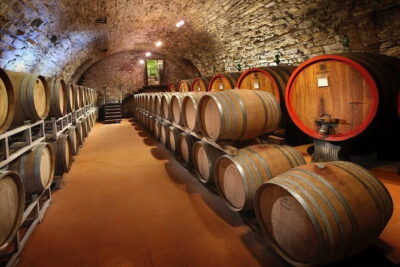
Small-Group Wine Tasting Experience in the Tuscan Countryside
Read our review →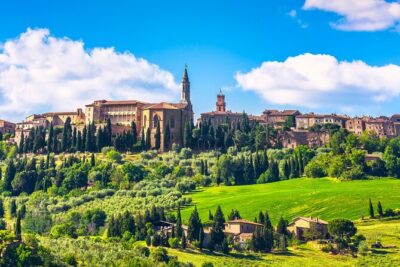
Tuscany & Montepulciano Day Trip with Lunch & Wine Tasting
Read our review →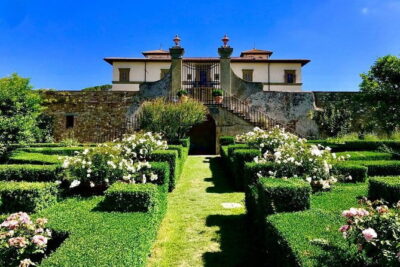
SMALL-GROUP Wine Safaris: Tuscan Wine Tasting Tours from Florence
Read our review →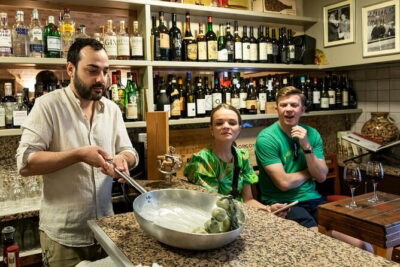
Winner 2025 Florence Sunset Food & Wine Tour by Eating Europe
Read our review →
Siena, San Gimignano, Pisa & Lunch at Winery
Read our review →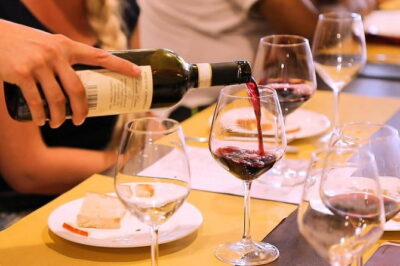
San Gimignano, Siena, Monteriggioni, Chianti Day Trip with Lunch & Wine Tasting
Read our review →Browse the lists this tour appears in