
Review · AUDIO TOURS
Rome: Navona Square Underground Ticket with Audio Guide
Beneath the cafés, fountains, and street artists of Piazza Navona sits the Stadium of Domitian, an ancient sports arena that could hold as many as 30,000 spectators. You descend about 5 meters below today’s street level, then follow an audio-guided route through surviving travertine, brickwork, and marble fragments.
I like two things here: the clear visual aids, including old photographs, video, and 3D reconstructions, and the chance to learn how Roman sports shaped the piazza you see above. The main caution is size. The archaeological area is compact, and many visitors finish in about 45 minutes to an hour.
In This Review
- Key points at a glance
- What lies beneath Piazza Navona
- Descending five meters to the Stadium of Domitian
- How the audio guide and displays work
- A short visit with plenty of context
- Why the stadium matters to Rome’s story
- Finding the meeting point and collecting your ticket
- Adding a cocktail or wine tasting
- Photography and the view from above
- Who will enjoy this visit most
- Practical details before you book
- Should you book the Stadium of Domitian?
- FAQ
- Where is the Stadium of Domitian entrance?
- How far underground is the Stadium of Domitian?
- Is this a live guided tour?
- Which languages are available for the audio guide?
- How long does the visit take?
- What does the audio guide explain?
- Is an aperitif included?
- What is included with the wine tasting option?
- Is the site wheelchair accessible?
Key points at a glance
- Ancient sports beneath Piazza Navona: See the remains of Rome’s only known masonry-built stadium.
- A strong self-guided format: Audio commentary comes in seven languages, with numbered stations and visual displays.
- Useful historical context: Learn how the arena worked, how spectators were divided, and how the stadium became today’s piazza.
- Compact but worthwhile: Plan on roughly 45 to 60 minutes, depending on how closely you study the displays.
- Optional Roman aperitif: Add one cocktail with snacks, or a tasting of two wines with a traditional appetizer board.
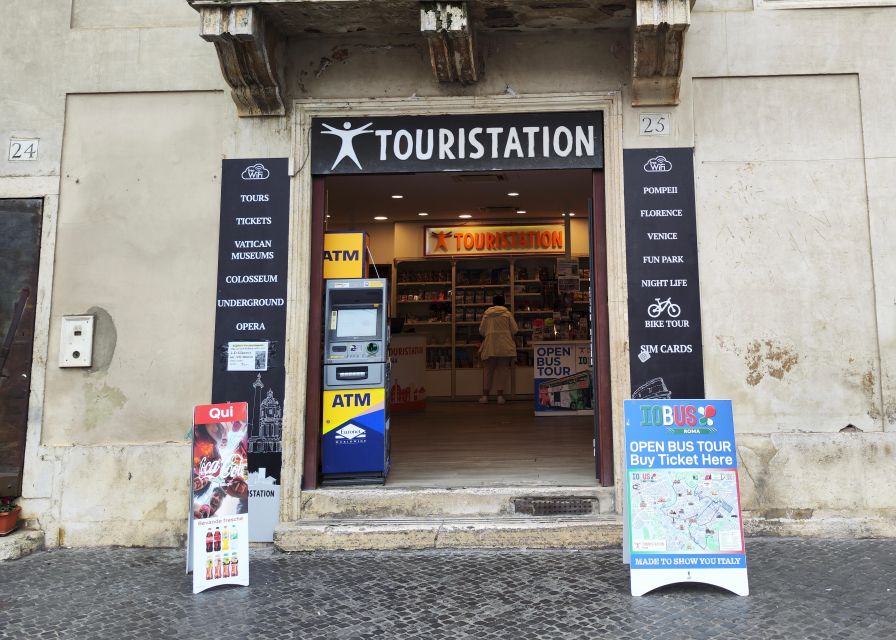
- Easy central location: Redeem your voucher at the tourist point in front of the main fountain at Piazza Navona, 25.
What lies beneath Piazza Navona
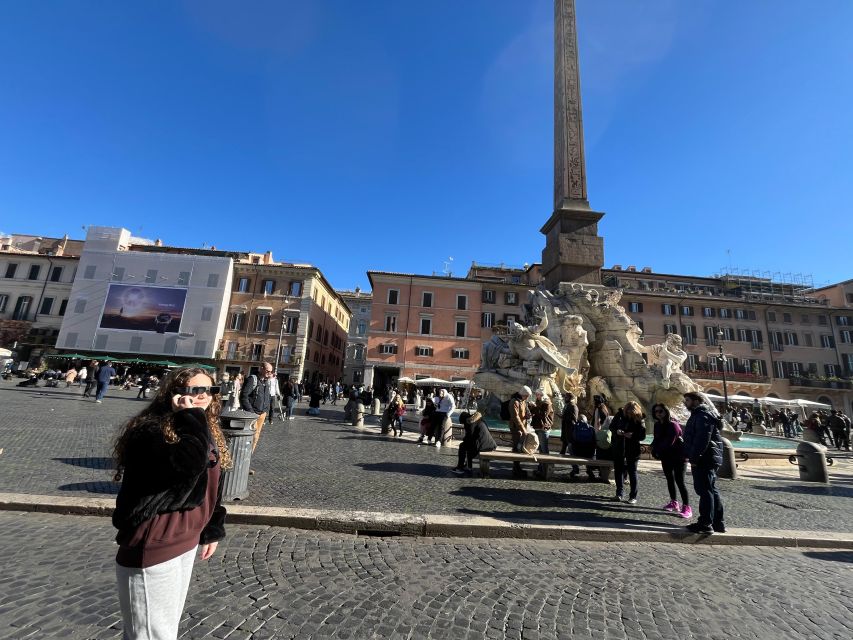
Piazza Navona is one of Rome’s most theatrical public spaces. Above ground, you see fountains, Baroque façades, restaurants, and a long oval shape that seems made for a grand city square.
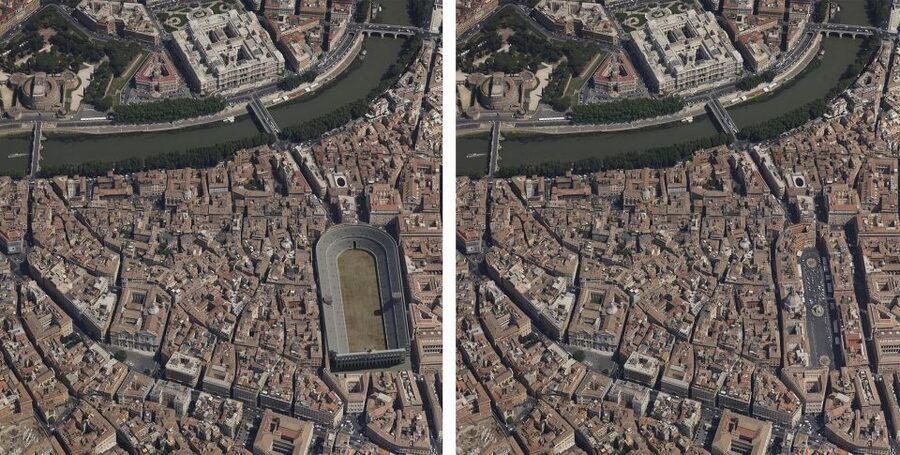
That shape is the clue. The piazza follows the outline of the ancient Stadium of Domitian, built for athletic contests and public spectacles. The underground site lets you see the older structure that gave the square its unusual form.
This is not a vast ruin complex like the Colosseum or the Roman Forum. The accessible section is relatively small, and you should not expect to walk around a complete ancient arena. What you get instead is a focused archaeological visit with enough remains and explanation to make the modern piazza suddenly easier to understand.
I find that scale useful. You can take in the site without giving up half a day, and the story stays centered on one place. If you have already seen Rome’s major monuments, this adds a less obvious chapter to your understanding of the city.
More Rome trips worth a second look
- Rome: Colosseum & Forum with Audio Guide App -Optional Arena
★ 4.2 · 24,770 reviews - Rome: Pantheon Fast-Track Ticket and Official Audio Guide
★ 4.3 · 21,008 reviews - Rome: Colosseum, Forum, Palatine Hill Entry & Audioguide App
★ 4.4 · 10,957 reviews
Descending five meters to the Stadium of Domitian
The route takes you below street level, about 5 meters beneath Piazza Navona. You move through the remains of the stadium and examine the construction materials that helped form its entrances and seating areas.
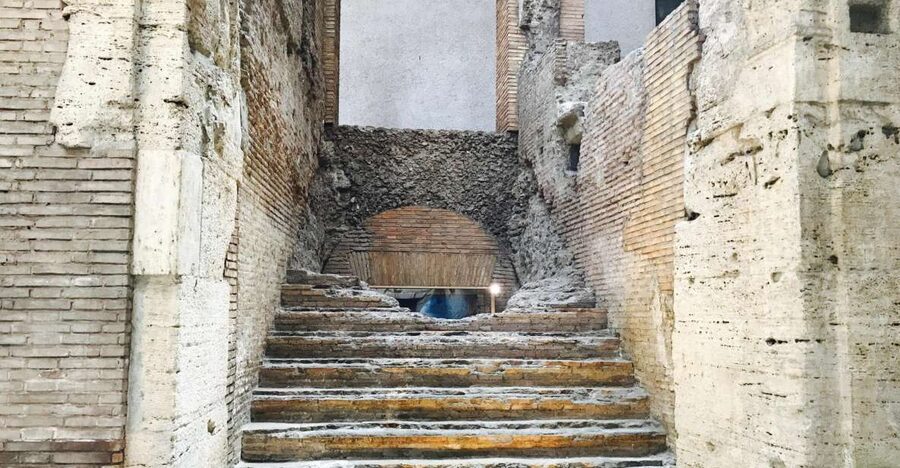
Look for the travertine blocks, brickwork, and marble columns connected with the main entrances. These details matter because they turn an abstract story about ancient Rome into something physical. You are not only hearing about Roman engineering. You are looking at the surviving fabric of the building.
The audio guide explains the arena’s dimensions and the way spectators were arranged. Up to 30,000 people could be divided around the stadium, a reminder that Roman public entertainment was carefully organized on a very large scale.
The underground setting is atmospheric, but it is not completely sealed away from modern Rome. One section has a street-level viewing point, and street sounds can carry down. If you are expecting a silent, pitch-dark ruin, adjust your expectations. The site feels archaeological rather than theatrical.
How the audio guide and displays work

This is a self-guided visit, not a live guided tour. You use the audio commentary as you move between numbered points, while panels, photographs, video, and 3D renderings fill in the missing pieces.
The visual material is one of the best parts of the experience. The original stadium is incomplete, so reconstructions help you picture its full oval shape, entrances, seating, and role in Roman life. The displays also include photographs that show how the site and Piazza Navona developed over time.
The audio guide is available in English, Spanish, French, German, Italian, Russian, and Portuguese. It is generally easy to follow and informative, but the numbering can feel slightly muddled in places. At some points, the audio does not line up perfectly with the nearby images, and sound clarity may vary.
I recommend pausing at each station rather than trying to race through the recording. Give yourself time to match the commentary with the remains and panels. The visit works best when you treat it as a small museum with an archaeological route, not as a simple walk past ruins.
Families may appreciate the special children’s audio guide. A young child can use the audio-guide pen and map independently, and the compact site makes it easier for an adult to keep track of a child. The area is not pram-friendly, though the activity is listed as wheelchair accessible.
A short visit with plenty of context
Most people will spend around 45 minutes to one hour here. That estimate allows time for the complete audio material, the video presentation, the 3D images, and a careful look at the remains.
You can finish sooner if you listen selectively. You can also stay longer if you read every panel and study the reconstruction images. The compact layout means this is easy to fit between other central Rome sights.
That short duration is both a strength and a limitation. At about $18 per person, the price is reasonable if you want a specialized archaeological stop and a clear introduction to the stadium’s story. It is less convincing if you are choosing between this and Rome’s major headline sites for your only day in the city.
I would place it after the Colosseum, Roman Forum, Pantheon, and other essential sights if this is your first visit and your budget is tight. Once you have seen the major monuments, the Stadium of Domitian becomes a smart addition because it gives you a new way to read Piazza Navona.
A different way to spend the day, same part of Italy:
- Vatican: Museums & Sistine Chapel Entrance Ticket
★ 4.5 · 144,003 reviews - Vatican Museums & Sistine Chapel Tour with Optional Basilica
★ 4.3 · 67,413 reviews - Colosseum, Roman Forum & Palatine Guided Tour
★ 4.7 · 63,148 reviews - Vatican Museums, Sistine Chapel & St Peter’s Basilica Guided Tour
★ 4.5 · 39,149 reviews
Why the stadium matters to Rome’s story
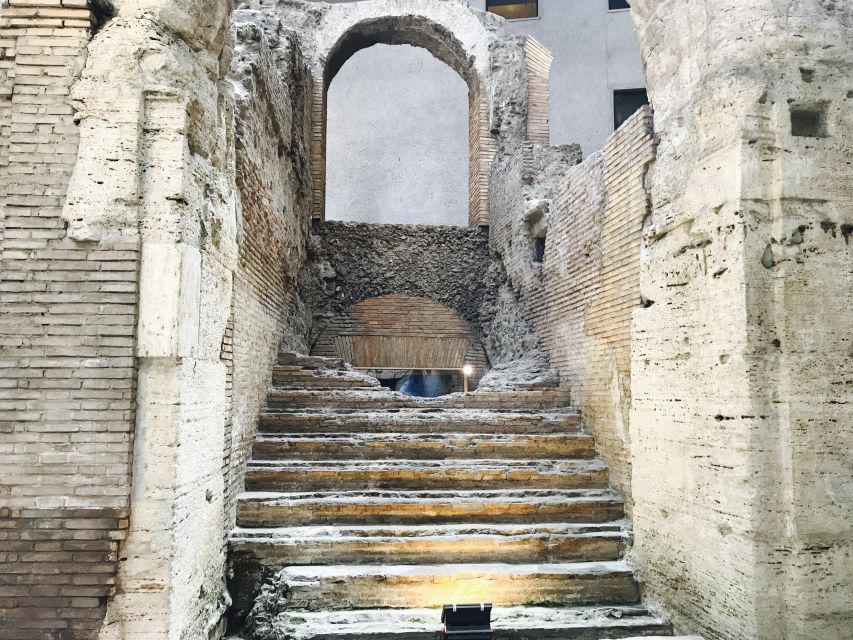
The site is especially useful for understanding ancient Roman sports. The arena was not simply an empty oval. It was designed for large crowds, organized entrances, spectator divisions, and public events.
The audio guide explains how Roman rulers used public spectacles and how the stadium functioned under Domitian. You also learn how the ancient arena changed over time and how its outline eventually became the Piazza Navona seen today.
That link between old and new is the real point of the visit. You can stand above the ancient stadium, then return to the piazza and recognize its shape. The fountains and Baroque architecture belong to a later Rome, but the basic footprint comes from the Roman arena below.
The information also helps you look at Rome with more care. A street, square, or building may preserve an ancient plan even when little remains above ground. This is a good stop for anyone who enjoys seeing how the modern city grew on top of the old one.
Finding the meeting point and collecting your ticket
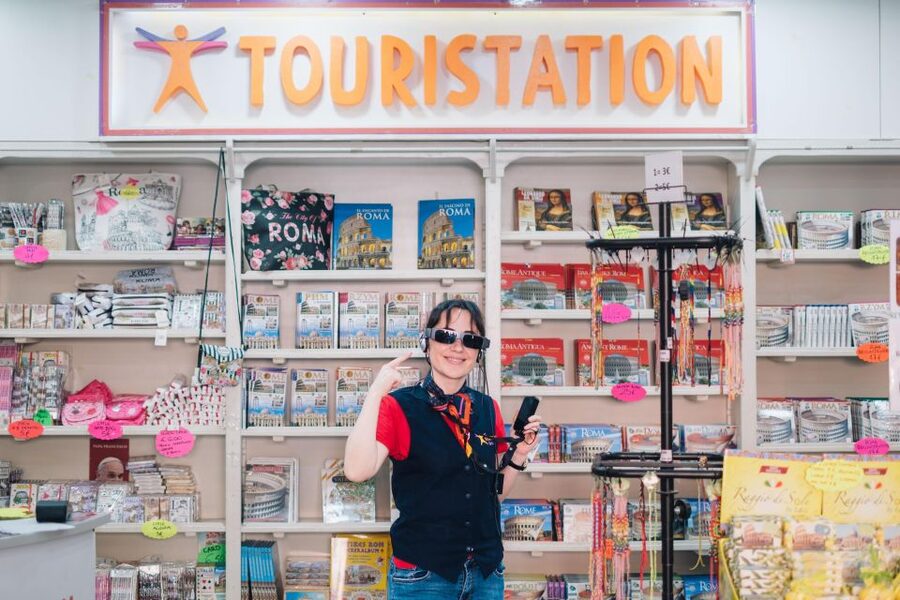
The stated meeting point is the tourist point at Piazza Navona, 25, in front of the main fountain. The location is central and easy to identify once you are in the square.
Allow a little extra time for the ticket handover. Depending on how the voucher is processed, you may be directed to a ticket office a short distance away, then asked to return to the entrance with a printed ticket. Some visitors find this extra step confusing, especially when they arrive expecting a phone voucher to be enough.
The staff are reported to be helpful, but the process can still take around 5 to 10 minutes. I would arrive early rather than trying to appear at the last moment. This matters most if you have booked the site between timed visits elsewhere.
Transportation is not included, but you do not need a special transfer. The attraction is in central Rome, surrounded by the sights, cafés, and streets of Piazza Navona.
Adding a cocktail or wine tasting
You can book the archaeological visit on its own or choose an option that includes an aperitif. The cocktail option includes one cocktail and snacks, with staff reserving your table at a viewpoint in the heart of Rome.
The wine option includes a tasting of two wines paired with a traditional appetizer board. This gives the visit a more relaxed ending and can work well if you want to turn a short museum stop into part of an evening plan.
I would choose the add-on for the setting and convenience, not because it changes the archaeological visit. The underground experience itself remains the same. If you already have a favorite wine bar or restaurant arranged, the basic ticket offers better control over your budget.
If you are looking for a pause after sightseeing, the aperitif can make the $18 entry feel like part of a broader outing. Just check the option carefully when booking, since the drink and food are included only with the selected package.
Photography and the view from above
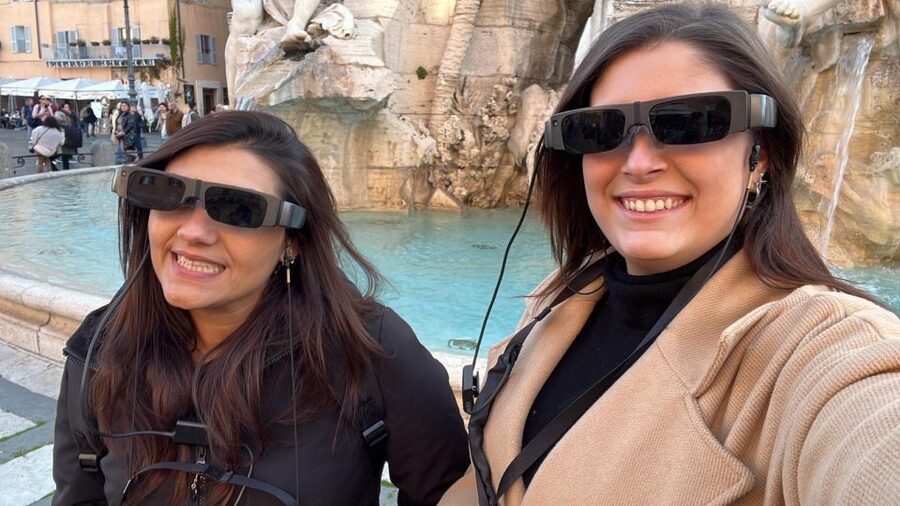
The tour gives you plenty of chances to take pictures of the archaeological remains and reconstruction displays. The underground sections offer interesting textures, especially the old masonry and surviving stonework.
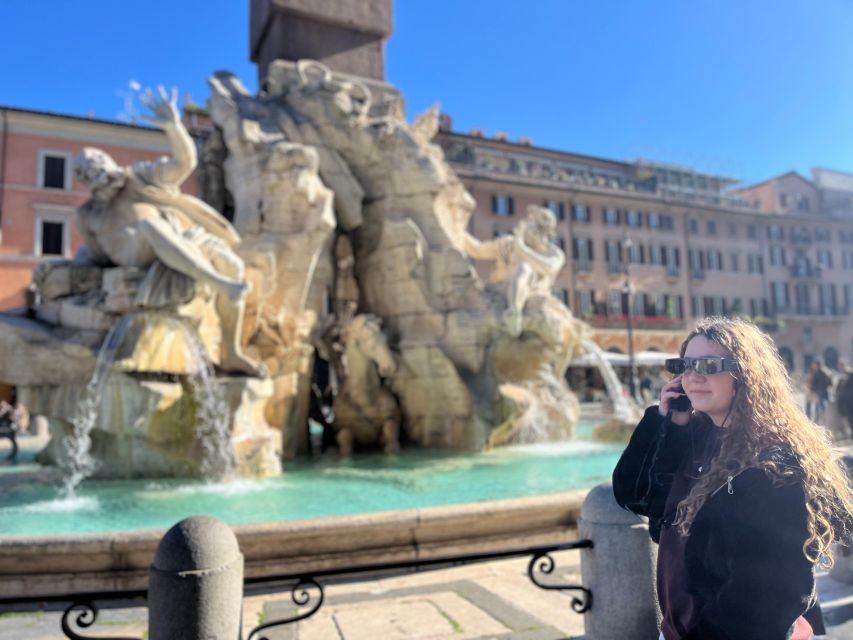
The most photogenic part of the wider experience is still Piazza Navona itself. After the visit, return to the square for pictures of the fountains, façades, and long oval layout. The contrast between the lively piazza above and the ancient structure below makes a good visual record of Rome’s layered past.
Do not expect a grand panoramic viewpoint from inside the archaeological area. The attraction’s appeal is its connection to the square and its historical displays, not a sweeping city view.
Who will enjoy this visit most

I would recommend the Stadium of Domitian to you if you enjoy archaeology, Roman engineering, or the way old buildings shape modern cities. It also suits repeat visitors who have already covered Rome’s famous monuments.
Families can benefit from the children’s audio guide and the manageable size. The site is small enough that you can keep the visit moving, while the reconstructions make the ruined remains easier to understand.
It is also a good choice if you prefer self-guided sightseeing. You can move at your own pace, replay information, and spend more time on the sections that interest you. The seven language choices make it practical for many international visitors.
I would be more cautious if you want a large ruin complex, a live guide, or a dramatic underground expedition. This is not a guided tour, and the area may feel brief or slightly empty if you expected a full-scale arena.
Practical details before you book
The ticket costs about $18 per person and is valid for one day. The activity offers free cancellation up to 24 hours before the scheduled visit, and you can reserve now and pay later if that option is available during booking.
Starting times depend on availability, so check the schedule before planning your route through central Rome. The audio guide is included, but transportation and a live guide are not.
The attraction is listed as wheelchair accessible. At the same time, a pram may be awkward, so families with very young children should plan around that distinction. The site also has toilets and a gift shop, which are useful conveniences during a day of sightseeing.
The average rating is 4 out of 5 from 518 bookings, which fits the experience well: strong historical content and good presentation, balanced by a compact route and occasional audio or ticketing confusion.
Should you book the Stadium of Domitian?
Book it if you want a reasonably priced, one-hour archaeological stop that explains why Piazza Navona looks the way it does. The combination of ancient remains, clear reconstructions, and a multilingual audio guide gives you more context than you can get from simply walking across the square.
Skip it if this is your first short visit to Rome and you still need to see the Colosseum, Roman Forum, or Pantheon. The site is fascinating, but it is not large, and the experience will feel brief beside Rome’s major monuments.
For repeat visits, history-focused itineraries, and curious families, I think it earns its place. Add the cocktail or wine option if you want a leisurely finish, but choose the basic entry if your main goal is to see what lies beneath one of Rome’s best-known piazzas.
FAQ
Where is the Stadium of Domitian entrance?
Redeem your voucher at the tourist point in front of the main fountain at Piazza Navona, 25.
How far underground is the Stadium of Domitian?
The archaeological remains are about 5 meters below the current street level of Piazza Navona.
Is this a live guided tour?
No. The experience includes an audio guide rather than a live guide.
Which languages are available for the audio guide?
The audio guide is available in Spanish, English, French, German, Italian, Russian, and Portuguese.
How long does the visit take?
Most people can see the site and use the audio guide in about 45 minutes to one hour.
What does the audio guide explain?
It covers the Stadium of Domitian, ancient Roman sports, the stadium’s construction, spectator divisions, and the development of Piazza Navona into its present form.
Is an aperitif included?
An aperitif is included only if you select that booking option. It includes one cocktail and snacks.
What is included with the wine tasting option?
The wine tasting option includes two wines paired with a traditional appetizer board.
Is the site wheelchair accessible?
The activity is listed as wheelchair accessible. A separate visitor note indicates that the site is not pram-friendly, so families using strollers should plan carefully.
Recently reviewed around Rome
- Ancient Rome at Twilight Walking Tour★ 5.0 · 276 reviews
- Domus Aurea Guided Tour: The Golden House of Nero★ 4.5 · 199 reviews
- Early Vatican Museums & Sistine Chapel Small Group Tour★ 4.5 · 314 reviews
- Early Vatican Museums Tour: The Best of the Sistine Chapel★ 4.5 · 900 reviews
- Jewish Ghetto & Piazza Navona: Food, Wine & Sightseeing Rome Tour★ 5.0 · 460 reviews
- 3 Days in Sorrento, Capri & Pompeii: la Dolce Vita★ 4.0 · 595 reviews
- Tivoli Villas Full Day Trip From Rome with Lunch★ 4.0 · 443 reviews
- Cook With Us in Rome: A Hands-On Cooking Experience 09:20AM class★ 5.0 · 234 reviews
Audio Tours, compared.

Colosseum & Forum with Audio Guide App -Optional Arena
Read our review →
Pantheon Fast-Track Ticket and Official Audio Guide
Read our review →
La Fenice Opera House Entry Ticket with Audio Guide
Read our review →
St. Peter’s Basilica & Dome Entry Ticket & Audio Tour
Read our review →
Cathedral & Brunelleschi’s Dome Ticket & Audio App
Read our review →
Michelangelo’s David Priority Ticket & Audio App
Read our review →
Uffizi Priority Ticket & Masterpieces Audio App
Read our review →Browse the lists this tour appears in