
Review · VATICAN & SISTINE CHAPEL TOURS
Rome: Vatican Museums & Sistine Chapel Skip-The-Line Ticket
The Vatican Museums are not one quiet gallery but a vast route through papal collections, ancient sculpture, painted rooms, courtyards, maps, carriages, and the Sistine Chapel. This skip-the-ticket-line ticket saves you from the worst public queue and gives you freedom to set your own pace.
I like two things here: the host walks you to the correct entrance, and you can linger for hours instead of being tied to a tour group. The Gallery of Maps and Raphael Rooms alone deserve unhurried attention. The drawback is that this is an entry service, not a guided tour, so labels can feel thin and the route can be confusing.
In This Review
- Key points to know before booking
- What the $41 ticket really buys you
- Finding Via Germanico, 8 and getting inside
- The first galleries: ancient Rome in grand surroundings
- Courtyards, maps, and the long route to the chapel
- Raphael Rooms and The School of Athens
- The Carriage Pavilion and ceremonial objects
- Entering the Sistine Chapel
- How long should you allow?
- What is not included
- Who will enjoy this ticket most?
- Clothing, comfort, and practical rules
- My verdict: should you book it?
- FAQ
- Where is the meeting point?
- How early should I arrive?
- Does skip-the-line mean there is no waiting?
- Is a tour guide included?
- How long can I stay inside?
- Are St. Peter’s Basilica and Dome included?
- What should I wear?
- Is the Vatican visit wheelchair accessible?
Key points to know before booking
- Timed entry matters: Arrive at Via Germanico, 8, 10 minutes early. Late arrival may mean losing your ticket.
- The queue is shorter, not always absent: You still pass airport-style security, with waits reaching 30 minutes in the busiest periods.
- The Sistine Chapel comes after a long museum route: Allow at least three hours if you want more than a quick look.
- You explore independently: A guide does not accompany you through the galleries, so consider adding an audio guide.
- Dress for the chapel: Shoulders and knees must be covered, and long trousers, dresses, or sleeves are the safest choice.
- St. Peter’s is not part of this ticket: The dome and basilica require a separate visit.
What the $41 ticket really buys you
At $41 per person, this ticket is not the cheapest way to enter the Vatican Museums. Its value comes from time and certainty. The public ticket line can stretch for hours, especially from June through August, and standing in the sun or rain is a poor use of a Roman morning.
You still need to arrive at the reserved time and pass security. So skip-the-line does not mean walking straight through every gate. It means using a separate entrance for online reservations, avoiding the main ticket-buying queue, and usually facing a much shorter wait.
That distinction matters. At quiet times, the saving may feel modest. At popular times, it can protect several hours of your day. The overall rating of 4.2 from more than 11,000 bookings reflects the same balance: the arrangement works well for many people, but it cannot remove crowds inside the Vatican.
You get one full day of access tied to your chosen starting time. Once inside, you can stay until the museums close. That is useful if you want to pause for coffee, revisit a favorite room, or simply slow down when your feet start complaining.
More Museum Tours in Rome
- Vatican: Museums & Sistine Chapel Entrance Ticket
★ 4.5 · 144,003 reviews - Vatican Museums & Sistine Chapel Tour with Optional Basilica
★ 4.3 · 67,413 reviews - Vatican Museums, Sistine Chapel & St Peter’s Basilica Guided Tour
★ 4.5 · 39,149 reviews
Finding Via Germanico, 8 and getting inside
Your first job is locating the meeting point on Via Germanico, 8. It is close to the Vatican Museums, but the office location has occasionally been hard to identify, and older directions may cause confusion. Give yourself extra time rather than arriving at the last minute.
The ticket office provides WiFi, bathrooms, device charging, and a place to wait. Staff members are described as friendly, organized, multilingual, and helpful. A host then accompanies you toward the museum entrance and points you to the groups entrance for online reservations.
This short escort is more useful than it sounds. The Vatican area has several lines, touts, signs, and entrances, and going to the wrong one can wipe out the time you hoped to save. Keep your booking details ready, and arrive 10 minutes before your slot.
After the host leaves you at the entrance, airport-style security remains. In a quiet period, this may take only a few minutes. In high season, the security wait can reach 30 minutes. Plan around that reality, especially if you have a second booking later in the day.
The first galleries: ancient Rome in grand surroundings
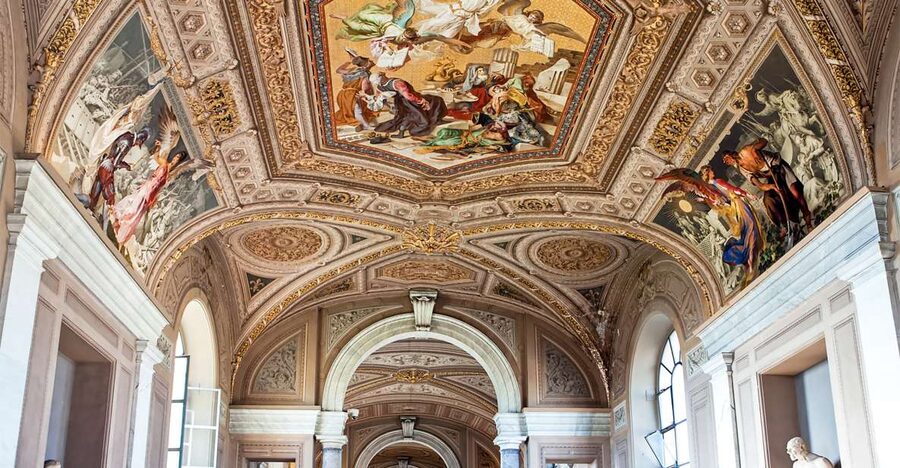
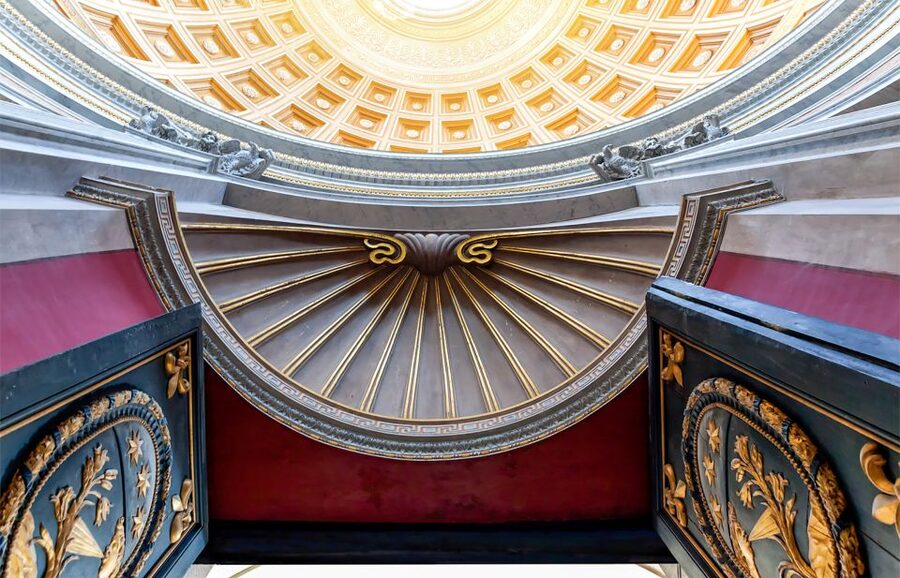
The Vatican Museums begin with a sensory overload of marble, painted ceilings, polished floors, and people moving toward the same famous rooms. You will see ancient Roman statues alongside Greek works, Renaissance paintings, ceremonial objects, and displays collected by generations of popes.
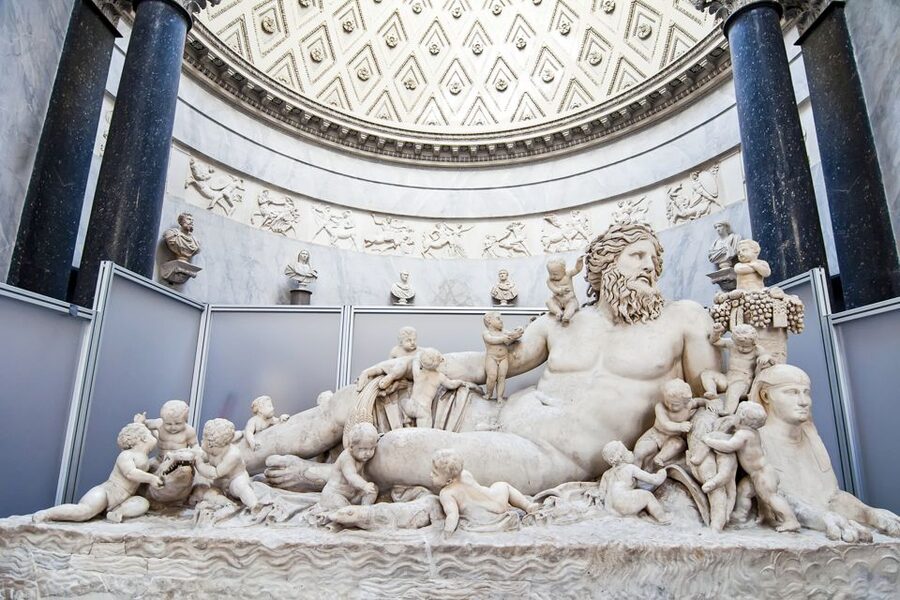
The Pio Clementino Museum is one of the strongest early sections. Look for the Greek Cross Hall, the Gallery of the Statues, and the Hall of the Muses. The appeal here is not just the number of objects. It is the way the rooms frame them, placing sculpture beneath ornate ceilings and within grand architectural spaces.
The Vatican’s Roman sculpture collection rewards a slow pace. You may be tempted to hurry toward the Sistine Chapel, but doing so means missing the works that explain why the Vatican became such an important center for European art.
This is also where the self-guided format shows its limits. Exhibit labels can be sparse, inconsistent, or difficult to follow. Without a guide, you need to decide what matters to you. An audio guide can help you build a route and understand the major works, while a printed map would make navigation easier.
Courtyards, maps, and the long route to the chapel
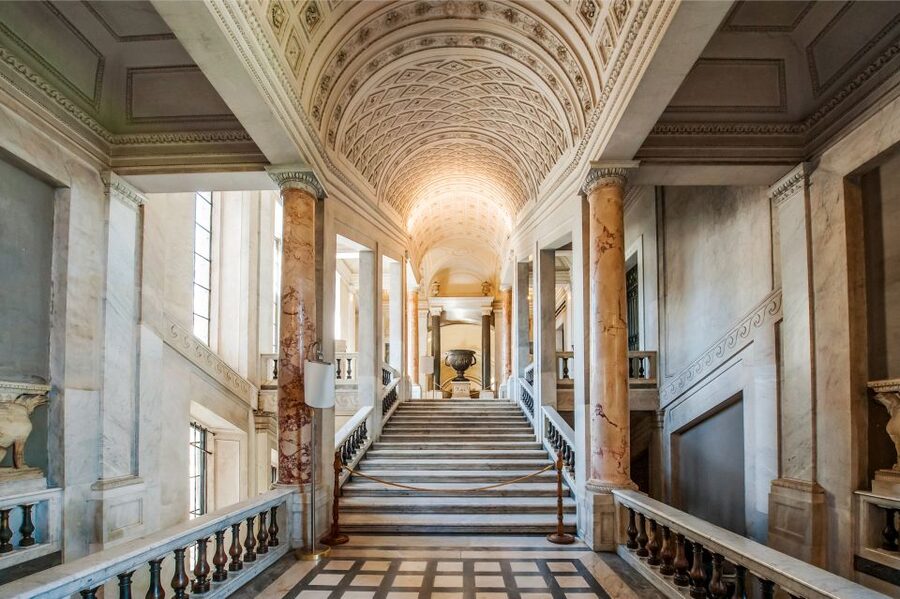
The Belvedere and Pinecone Courtyards offer a break from the enclosed rooms. They give you space to look up, catch your breath, and reset before more galleries. The courtyards are part of the experience, not just passageways.
The Gallery of Maps is one of the easiest rooms to remember. Its walls carry detailed maps of Italy created by Ignazio Danti in the late 1500s. The maps are both art and information, and the long hall makes them feel especially dramatic.
You do not need to understand every place name to enjoy the room. Look at the painted borders, the geographic detail, and the sheer ambition of presenting Italy along one continuous gallery. It is a good place to stop moving and spend a few minutes looking closely.
The museum route is not always intuitive. You may find yourself following signs toward famous highlights while passing through rooms that deserve attention. Several sections have limited orientation, so take mental notes of landmarks and use any available museum signage to keep your bearings.
More Rome museums and collections:
- Rome: Vatican Museums, Sistine Chapel & Basilica Tour
★ 4.3 · 13,872 reviews - Vatican Museums & Sistine Chapel Skip-the-Line Entry Ticket
★ 4.4 · 13,838 reviews - Rome: Vatican Museums, Sistine Chapel & Basilica Tour
★ 4.7 · 13,217 reviews - Rome: Vatican Museums & Sistine Chapel Guided Tour
★ 4.3 · 12,117 reviews
Raphael Rooms and The School of Athens
The Raphael Rooms are among the main reasons to allow several hours. These four rooms contain frescoes by Raphael and his workshop, painted for the papal apartments during the High Renaissance.
The best-known scene is The School of Athens. Raphael places philosophers and thinkers in a grand architectural setting, creating a picture that feels both orderly and full of movement. Plato and Aristotle occupy the center, while other figures gather around them in conversation and study.
The room is often crowded, which makes small details hard to see. If you can find a clear position, take time to study the expressions, gestures, and architecture rather than treating the fresco as a quick photo stop.
This section also shows why a self-guided visit suits some people better than others. Art lovers can stay as long as they like. If you prefer a clear story and a guide pointing out the key figures, the lack of an included tour may leave you wanting more context.
The Carriage Pavilion and ceremonial objects
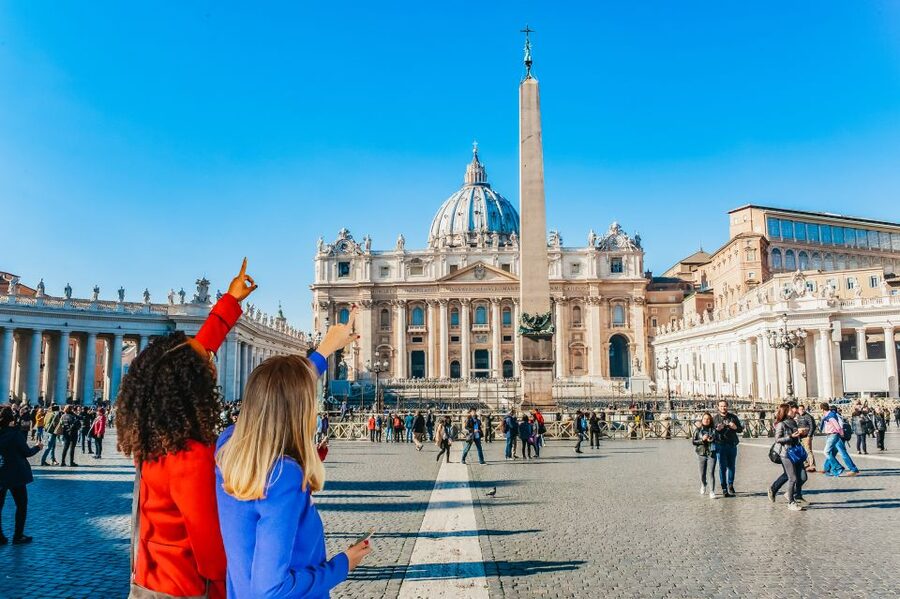
The Carriage Pavilion presents ceremonial carriages used by the papal court. It is a change of scale after rooms filled with paintings and statues, and it gives the collection a more practical, historical side.
The carriages show how public ceremony once worked. They are large, decorated, and built to be seen, not merely used. This section may not be your top priority if you have limited time, but it gives the museum a broader character than a painting-only visit.
The Vatican collection includes many such shifts in subject. You move from ancient sculpture to maps, frescoes, carriages, and religious art. That variety is exciting, but it also explains why the museum can feel tiring. You are processing a great deal before reaching the final chapel.
Entering the Sistine Chapel
The Sistine Chapel is the destination most people have in mind, but it comes after a substantial route through the museums. Plan accordingly. You cannot treat this as a quick standalone stop at the start of your visit.
Inside, you will see frescoes by Botticelli, Rosselli, Perugino, and Ghirlandaio, along with Michelangelo’s famous ceiling. The scale and detail are difficult to grasp from reproductions. Look for the organized scenes on the walls, then raise your eyes to the ceiling and allow time for your vision to adjust.
Michelangelo’s ceiling is the major draw, but do not ignore the walls. The chapel brings together several major Renaissance painters, and its power comes from the combined effect of architecture, color, figures, and biblical scenes.
Photography is not allowed in the Sistine Chapel. You must also remain quiet and follow staff instructions. If you are hoping for photographs, prepare to enjoy the room without your camera. That rule disappoints some people, but it also encourages you to look rather than spend the visit framing a shot.
The chapel can be crowded and warm. In August, indoor temperatures may feel uncomfortable, so carry water and dress lightly while still meeting the clothing rules. Water refill points are available along the museum route, and museum food outlets have been described as reasonably priced.
How long should you allow?
A quick visit can take about 2.5 hours, but three to four hours is a better target if you want to see the principal galleries without rushing. Some people spend most of a day inside, especially when they include coffee breaks and stop often in the major rooms.
Your reserved time is an entry time, not a fixed tour length. You can explore until closing. That makes this option useful for a flexible day, though it also creates a temptation to over-plan.
I would choose an early slot if you want a calmer start and more time inside. Early morning does not guarantee an empty museum, but the first available times can be less pressured than an afternoon arrival. An afternoon booking can work if you are combining it with another Vatican sight, but it leaves less room for the long route and crowds.
Wear comfortable shoes. The museum is huge, and the hard floors, long corridors, and standing time add up. Bring a refillable bottle, but remember that large bags and restricted items may be subject to museum security rules.
What is not included
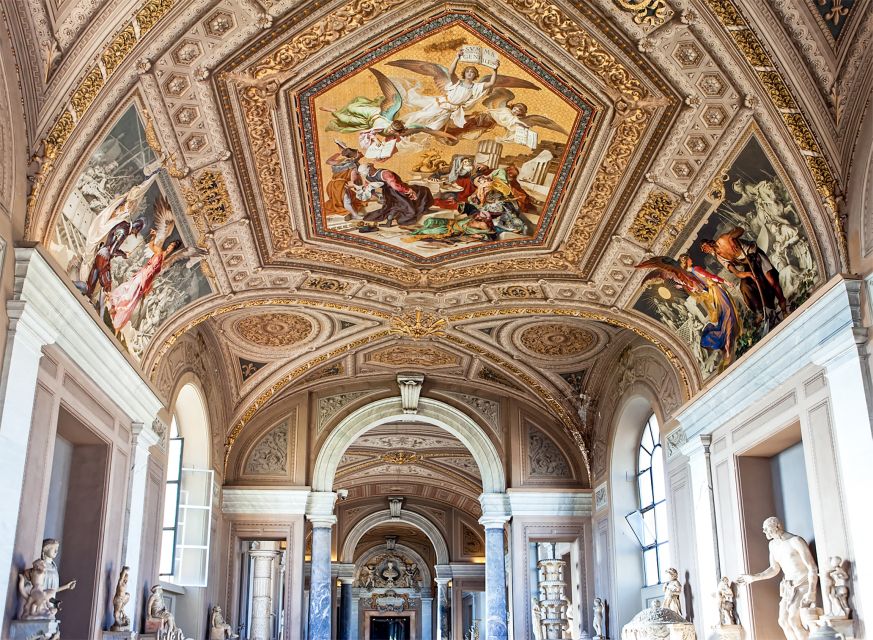
This ticket covers the Vatican Museums and Sistine Chapel only. It does not include transportation, a tour guide, St. Peter’s Basilica, or the climb to St. Peter’s Dome.
That separation causes confusion because all these places are associated with Vatican City. The museums and chapel are one visit. St. Peter’s Square, the basilica, and the dome are separate parts of your sightseeing plan.
If St. Peter’s is important to you, set aside additional time and check the entry arrangements before booking other activities. Do not assume you can finish the museums and simply add the dome without planning. One useful order is to visit the basilica and dome separately, then give the museums a dedicated block of time.
Who will enjoy this ticket most?
I recommend it for independent visitors who want the Vatican’s major sights without committing to a group tour. You can pause at Raphael, move quickly through rooms that interest you less, and stay until closing.
It also suits first-time visitors who do not want to gamble on same-day entry. The host service is helpful when you are unsure which line to use, and the timed reservation gives your day a firm structure.
Art lovers should consider adding an audio guide. The works are impressive on their own, but the labels may not answer the questions you have. Families and visitors with mobility needs can use the wheelchair-accessible service, though anyone with a disability or special health requirement should note it during booking.
This is less suitable if you dislike crowds, expect a quiet museum, or want a full historical explanation from a guide. The Vatican remains crowded even with priority access, and the self-guided format requires patience and personal planning.
Clothing, comfort, and practical rules
The Vatican requires covered shoulders and knees. Long trousers, long dresses, and shirts with sleeves are the safest choices. Shorts, short skirts, and sleeveless shirts are not allowed, so check your outfit before leaving your hotel.
Summer heat can make the visit harder. The museums are not fully air-conditioned, and August conditions may feel warmer inside than outside. Carry water, use refill stations, and plan a short pause if you start to fade.
Bathrooms are available, and the meeting point has WiFi, charging, and restroom access. Inside, food outlets can be a practical stop rather than a costly necessity. A coffee break halfway through helps you enjoy the final rooms instead of reaching the Sistine Chapel exhausted.
The Sistine Chapel can close without notice. In that rare case, the operator does not offer a refund, and the activity itself is non-refundable. That is worth knowing before you commit, especially if your Rome schedule is tight.
My verdict: should you book it?
Book this ticket if your main goal is to see the Vatican Museums and Sistine Chapel while avoiding the long public ticket line. At $41, it offers solid value during busy periods, particularly when rain, heat, or a packed Rome schedule makes queuing unattractive.
Go in with the right expectations. You are buying easier entry and independent access, not a guided art lesson, a small group, or admission to St. Peter’s Basilica and Dome. Arrive early, dress correctly, allow at least three hours, and consider an audio guide.
If you care deeply about art and want detailed explanations, choose a guided option instead. If you prefer freedom, want to focus on your own highlights, and need a reliable way into one of Rome’s most visited sights, this ticket is a sensible choice.
FAQ
Where is the meeting point?
Meet at Via Germanico, 8, near the Vatican Museums, to redeem your ticket. The exact office can be a little difficult to identify, so allow extra time.
How early should I arrive?
Arrive 10 minutes before your reserved starting time. The ticket is valid only for that time, and late arrivals may not be guaranteed entry.
Does skip-the-line mean there is no waiting?
No. You avoid the main public ticket line by using the online-reservations entrance, but you still pass airport-style security. Security waits can reach 30 minutes during high season.
Is a tour guide included?
No. A host accompanies you to the museum entrance, but you explore the Vatican Museums and Sistine Chapel on your own. An audio guide is not included.
How long can I stay inside?
Once admitted, you can explore until the Vatican Museums close. The activity is listed as lasting one day, with entry based on your reserved starting time.
Are St. Peter’s Basilica and Dome included?
No. This ticket does not include St. Peter’s Basilica or the climb to St. Peter’s Dome. Plan those as separate sights.
What should I wear?
Shoulders and knees must be covered. Long trousers, long dresses, and long-sleeved shirts are preferred. Shorts, short skirts, and sleeveless shirts are not allowed.
Is the Vatican visit wheelchair accessible?
Yes, the activity is wheelchair accessible. If you have a disability or special health need, note it when making your booking.
More Skip the Line in Rome
- Skip-the-Line Group Tour of the Vatican, Sistine Chapel & St. Peter’s Basilica
★ 4.5 · 12,779 reviews - Vatican, Sistine Chapel & St. Peter’s Skip-the-Line Tour
★ 4.5 · 7,770 reviews - Skip-the-Line Vatican, Sistine Chapel & St. Peter’s | Small Group
★ 5.0 · 7,060 reviews - Vatican: Vatican Museums Sistine Chapel Skip-the-Line Ticket
★ 4.2 · 6,682 reviews
Recently reviewed around Rome
- Ancient Rome at Twilight Walking Tour★ 5.0 · 276 reviews
- Domus Aurea Guided Tour: The Golden House of Nero★ 4.5 · 199 reviews
- Early Vatican Museums & Sistine Chapel Small Group Tour★ 4.5 · 314 reviews
- Early Vatican Museums Tour: The Best of the Sistine Chapel★ 4.5 · 900 reviews
- Jewish Ghetto & Piazza Navona: Food, Wine & Sightseeing Rome Tour★ 5.0 · 460 reviews
- 3 Days in Sorrento, Capri & Pompeii: la Dolce Vita★ 4.0 · 595 reviews
- Tivoli Villas Full Day Trip From Rome with Lunch★ 4.0 · 443 reviews
- Cook With Us in Rome: A Hands-On Cooking Experience 09:20AM class★ 5.0 · 234 reviews
Vatican & Sistine Chapel Tours, compared.
Vatican: Museums & Sistine Chapel Entrance Ticket
Read our review →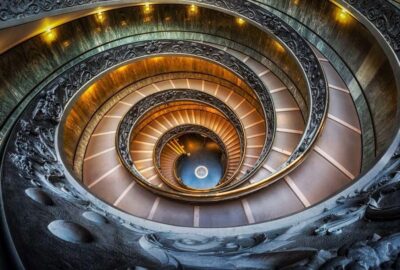
Vatican Museums & Sistine Chapel Tour with Optional Basilica
Read our review →
Vatican Museums, Sistine Chapel & St Peter’s Basilica Guided Tour
Read our review →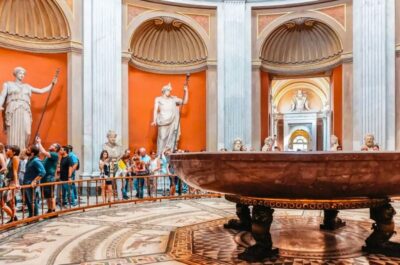
Vatican Museums, Sistine Chapel & Basilica Tour
Read our review →
Vatican Museums & Sistine Chapel Skip-the-Line Entry Ticket
Read our review →Vatican Museums, Sistine Chapel & Basilica Tour
Read our review →
Skip-the-Line Group Tour of the Vatican, Sistine Chapel & St. Peter’s Basilica
Read our review →
Vatican Museums & Sistine Chapel Guided Tour
Read our review →Browse the lists this tour appears in