
Review · AUDIO TOURS
Tivoli: Villa D’Este Entry Ticket and App Audio Guide
Villa d’Este is a place where water does most of the talking. Fountains spill down the hillside, grottoes hide in the gardens, and a water-powered organ creates music and sound effects. The villa and gardens were designed by Pirro Ligorio for Cardinal Ippolito II d’Este and took more than 20 years to complete.
I like the freedom to explore without a fixed group or guide, and the smartphone audio guide gives you some historical context while you set your own pace. I also like the simple price, $23 per person, for access to both the palace and gardens. The main drawback is the lack of a proper café, so plan around vending machines if you want food or a comfortable drink break.
In This Review
- Key points to know before you go
- Why Villa d’Este is worth the trip from Rome
- Start at the ticket office in Tivoli
- Use the audio guide at your own speed
- The palace: frescoed rooms and Ippolito II d’Este
- The fountains, grottoes, and water lilies
- The water-powered organ and other sounds
- A self-guided day rather than a formal tour
- How long to allow and when to enter
- Is $23 good value?
- The Pemcard postcard is a fun extra
- Who should book Villa d’Este?
- Should you book it?
- FAQ
- Where does the Villa d’Este experience begin?
- What does the ticket include?
- Is a live tour guide included?
- How long is the ticket valid?
- What time is the last entry?
- Is Villa d’Este wheelchair accessible?
- Can I cancel the booking?
Key points to know before you go
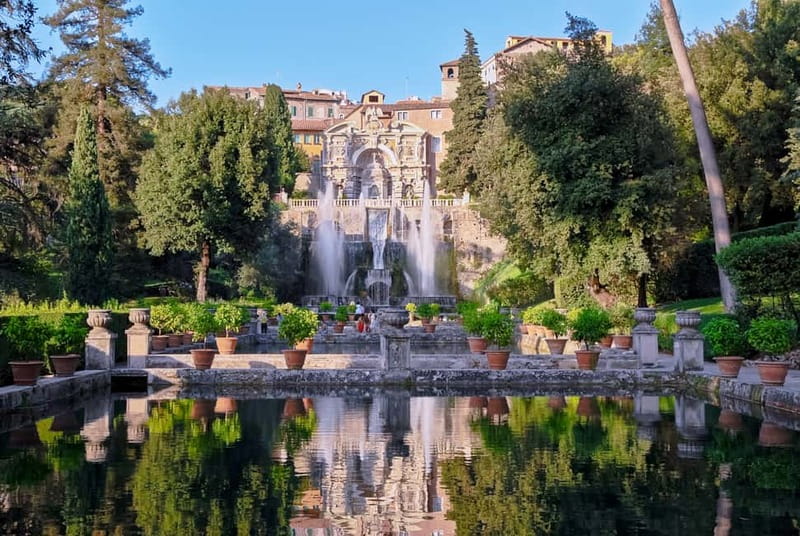
- The fountains are the main event: Water lilies, grottoes, cascades, and the water-powered organ give the gardens their special character.
- The palace is included: You can see the rooms built for Ippolito II d’Este, including interiors painted by famous artists.
- You explore independently: There is no live tour guide, so you control the timing and route with the audio guide on your own smartphone.
- Your ticket lasts one day: Check available starting times, then allow enough time before the 45-minute pre-closing cutoff.
- A UNESCO World Heritage Site: Villa d’Este is one of the finest examples of 16th-century Italian garden design.
- A small modern extra: You can use Pemcard to turn a digital photo into a real postcard sent anywhere in the world.
Why Villa d’Este is worth the trip from Rome
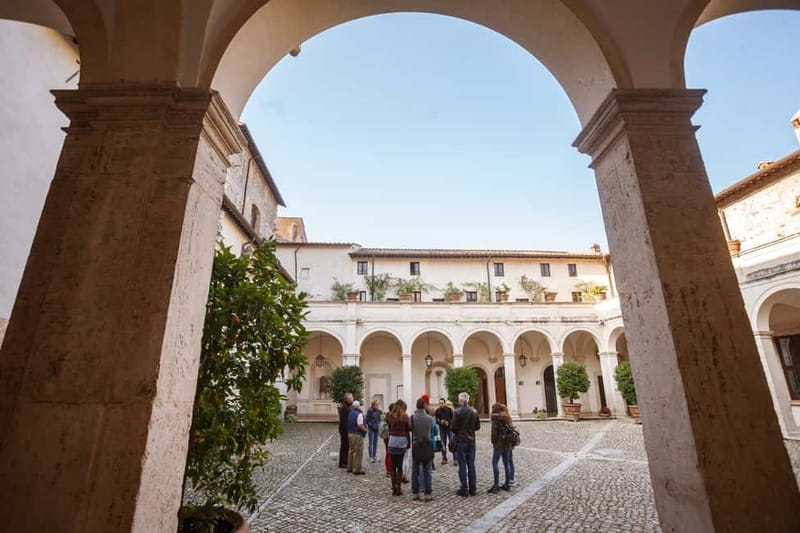
Tivoli gives you a very different day from central Rome. Instead of crowded streets and ancient stone ruins, you get a hilltop villa surrounded by water, plants, carved stone, and open garden paths.
Villa d’Este is famous because its design makes nature perform. Water flows through channels and basins with an almost theatrical effect. The fountains are not just decorations placed around a garden. They are the garden’s organizing idea.
That matters when you visit. You are not simply walking between pretty views. You are following a carefully planned system of water, sound, architecture, and plants. Pirro Ligorio used the slope of the site to create movement, with water running from higher ground toward the lower gardens.
I find the setting especially appealing if Rome has begun to feel noisy or tiring. One visitor described the gardens as a place that helped ease burnout and anxiety, and that makes sense. The sound of running water gives the visit a calm rhythm, even when other people are present.
The complex is also a good choice for families. Children may not care much about a 16th-century garden plan, but they can understand fountains, hidden grottoes, strange water effects, and a musical organ powered by water. The gardens give them something to watch and hear instead of asking them to admire paintings silently for hours.
More Rome trips worth a second look
- Rome: Colosseum & Forum with Audio Guide App -Optional Arena
★ 4.2 · 24,770 reviews - Rome: Pantheon Fast-Track Ticket and Official Audio Guide
★ 4.3 · 21,008 reviews - Rome: Colosseum, Forum, Palatine Hill Entry & Audioguide App
★ 4.4 · 10,957 reviews
Start at the ticket office in Tivoli
Your visit begins by exchanging your voucher at the Villa d’Este ticket office. Bring an ID card, and a copy is accepted. You will also pass through a security check before entering, so avoid arriving at the last possible minute.
There is no separate group meeting or live guide to find. Once your ticket is exchanged and you enter, the day is yours. That makes this a good fit if you dislike being hurried from one stop to the next.
The ticket is valid for one day rather than a tightly timed short visit. Starting times depend on availability, so check the current options before booking. The practical point is to protect enough time for both the palace and gardens, since the last entry is 45 minutes before closing.
I would not treat this as a quick photo stop. The gardens are the reason to come, and rushing through them would miss the way the fountains are arranged across the site. Give yourself time to pause, listen, and look back across the different levels.
Use the audio guide at your own speed
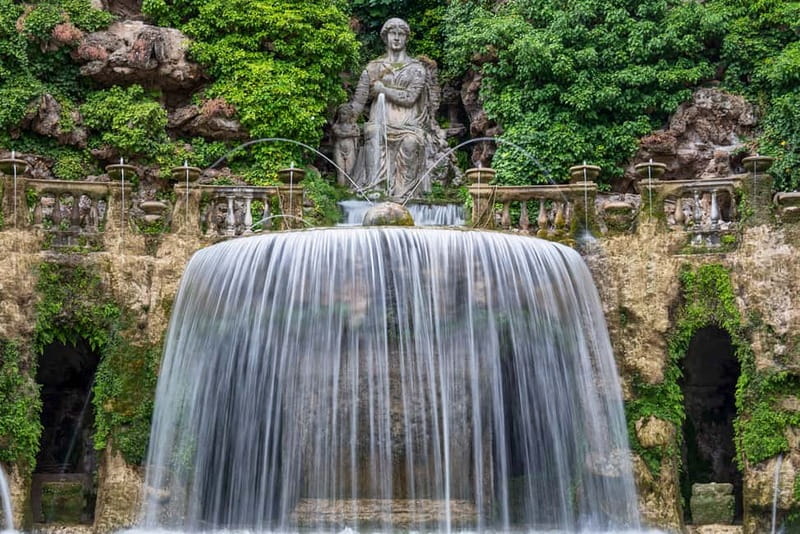
The package includes a digital audio guide on your smartphone. There is no live guide included, and no guide names are provided, so you should expect a self-guided visit rather than a narrated walking tour with a person leading the way.
That arrangement has clear advantages. You can stop the commentary when a fountain catches your attention, skip ahead if a room is crowded, or simply listen to the water for a while. You also avoid being tied to a group’s pace.
The tradeoff is that you need to manage the experience yourself. Keep your phone charged, and make sure you know how to access the audio guide before you begin. The supplied information does not specify whether headphones or internet access are provided, so bring your usual phone setup rather than relying on the site for equipment.
An audio guide is most useful here as a companion, not as the main attraction. Listen for the explanation of Ligorio’s design and the purpose of the water features, then look closely at how the details work together. The sound of the fountains is often more memorable than any spoken description.
The palace: frescoed rooms and Ippolito II d’Este
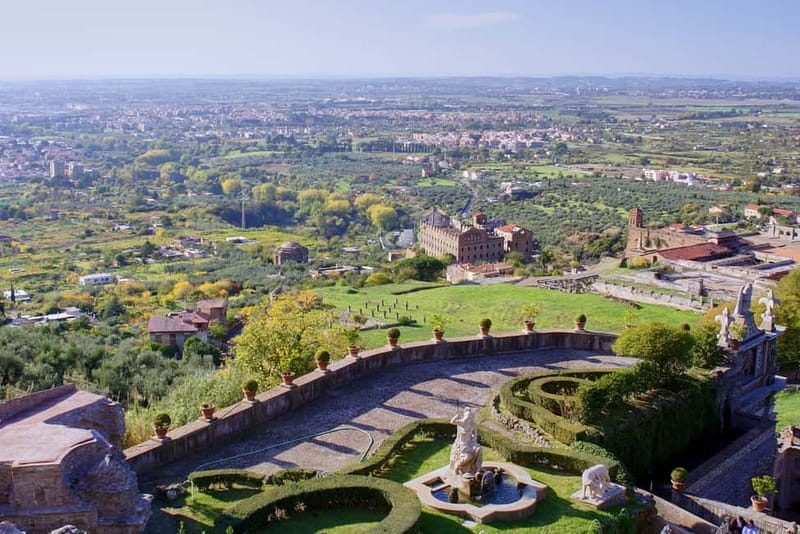
The palace was built for Ippolito II d’Este, the cardinal who commissioned the complex. Its rooms were painted by famous artists, giving the visit an indoor counterpoint to the gardens.
The palace helps explain the purpose of Villa d’Este. This was not created only as a public park. It was also a grand residence designed to impress, entertain, and show the owner’s taste and status.
Expect the interiors to feel different from the gardens. Outside, the pleasure comes from movement, sound, and open views. Inside, look for painted decoration and the relationship between the rooms and the garden beyond them.
The supplied details do not identify individual artists or list specific rooms, so I would avoid arriving with a checklist of named masterpieces. Instead, treat the palace as an important part of the whole design. The rooms provide the human and political setting for the elaborate garden outside.
If you have limited time, you may be tempted to hurry through the palace to reach the fountains. I would still go inside. Seeing both sections gives you a clearer sense of how the villa functioned and why the gardens were built on such a grand scale.
A different way to spend the day, same part of Italy:
- Vatican: Museums & Sistine Chapel Entrance Ticket
★ 4.5 · 144,003 reviews - Vatican Museums & Sistine Chapel Tour with Optional Basilica
★ 4.3 · 67,413 reviews - Colosseum, Roman Forum & Palatine Guided Tour
★ 4.7 · 63,148 reviews - Vatican Museums, Sistine Chapel & St Peter’s Basilica Guided Tour
★ 4.5 · 39,149 reviews
The fountains, grottoes, and water lilies
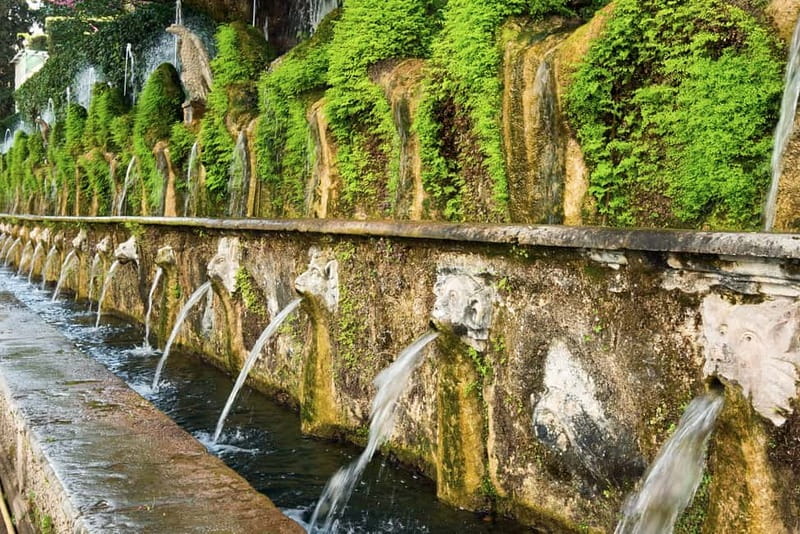
The gardens contain the most distinctive features of the visit: fountains, grottoes, water lilies, and channels that turn water into a kind of performance.
Some fountains are dramatic, while others reward a slower look. The beauty is not limited to one famous view. As you move through the gardens, you find water appearing in different forms, from flowing channels to basins and sprays.
The grottoes add a darker, more enclosed note. Their rougher surfaces contrast with the formal geometry of the fountains. This change keeps the walk from feeling repetitive and shows how many moods Ligorio built into the grounds.
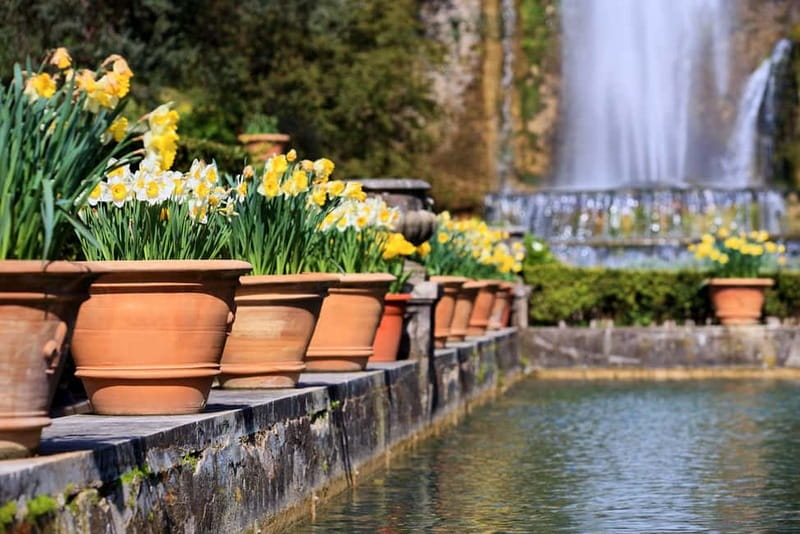
Water lilies and other flowers soften the stonework. The garden’s appeal comes from that mix of architecture and living material. You get carved stone, moving water, planted areas, and changing views rather than a single garden style repeated over and over.
Take time to listen. The running water is not background noise here. It is central to the design, and it helps explain why the gardens can feel peaceful even while offering such elaborate decoration.
The water-powered organ and other sounds
One of the most unusual features is an organ that produces audible effects through water. This is an easy detail to miss if you only focus on the biggest fountains, so check the audio guide for context and timing.
The organ shows the technical ambition behind the garden. Water was used not only to make fountains rise and fall, but also to create sound. That combination of engineering and spectacle is one reason Villa d’Este feels different from an ordinary formal garden.
You should keep expectations sensible. The available information does not promise a scheduled concert or a performance at a particular time. Think of the organ as one feature within the visit, not the sole reason to buy the ticket.
Still, it is a memorable detail. Children often respond to the idea of music made by water, and adults can appreciate how the garden blends practical mechanics with entertainment.
A self-guided day rather than a formal tour
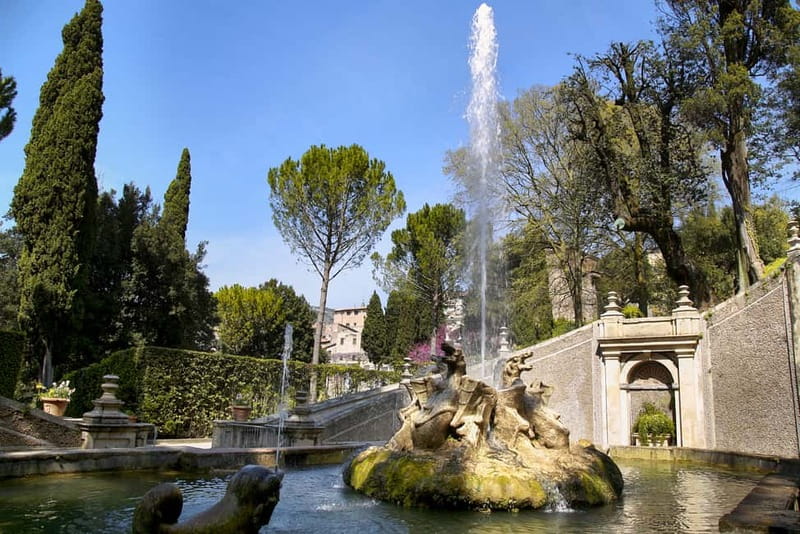
This experience gives you entry and audio commentary, not transportation, a live guide, or a fixed group itinerary. That makes it flexible, but it also means you need to plan your own visit to Tivoli and your own time inside Villa d’Este.
I like this format for independent visitors who want to linger. You can spend longer at a favorite fountain, move through the palace quickly, or pause in a quiet part of the garden without holding up a group.
It may be less suitable if you want a person to explain every room, answer questions, and lead you directly to the most important features. The audio guide can provide structure, but it cannot adjust its explanation to your interests in the way a live guide can.
The site is wheelchair accessible, which is useful information when deciding who should join you. Even so, gardens built across a hillside can involve changing levels and paths, so anyone concerned about mobility should consider the physical demands of a large historic garden before booking.
How long to allow and when to enter
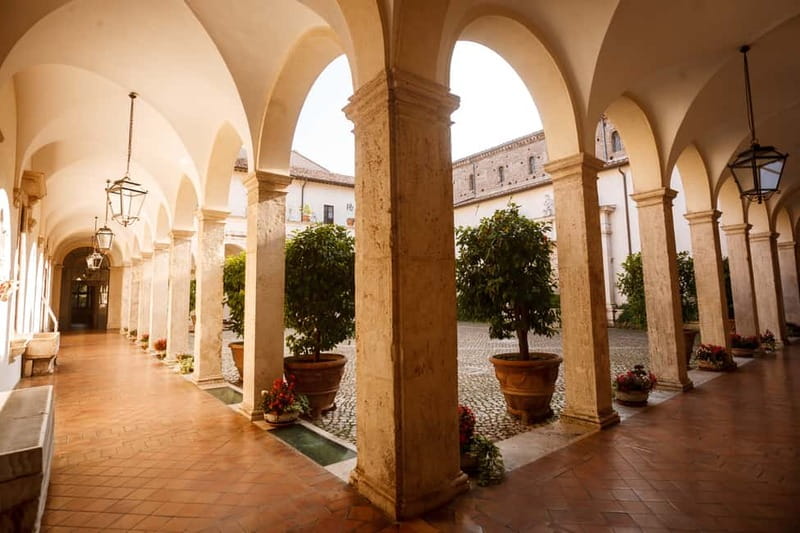
The ticket is valid for one day, but no fixed visit length is provided. I would avoid treating the one-day validity as a reason to arrive late. You need time for security, the palace, the gardens, the audio guide, and a few pauses beside the water.
The final entry is 45 minutes before closing. That rule matters because the gardens are the part most likely to make you stay longer than planned. Arriving close to the cutoff could leave you with only a rushed look.
Villa d’Este has a special late closing time on August 14 and 15, when it remains open until 10:45 PM. Check the current opening details when you select your date, since available starting times can vary.
A quieter visit may be possible outside the busiest parts of the day, but no specific crowd pattern is provided. The safest advice is simple: check the hours, arrive with time to spare, and do not plan your visit around the final entry window.
Is $23 good value?
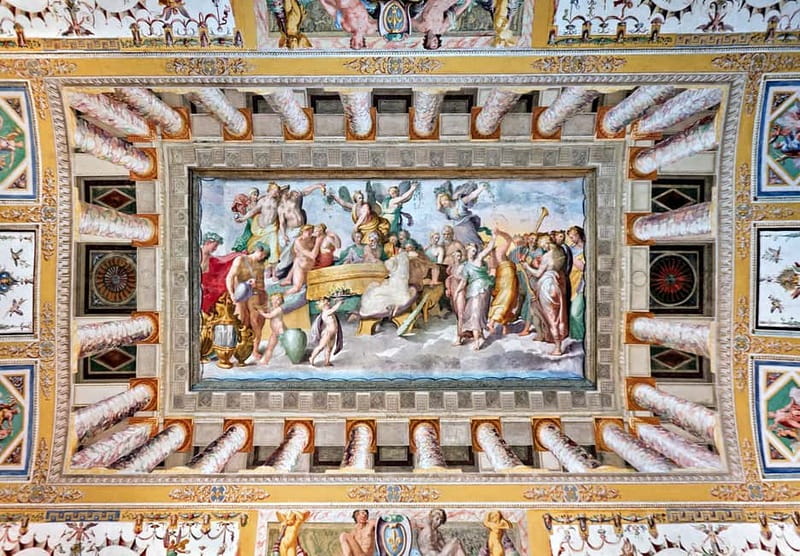
At $23 per person, the ticket is reasonably priced for access to a major historic complex, its palace, its gardens, and a digital audio guide. You are paying for more than a single fountain or a short indoor visit.
The value is strongest if you use the full day well. Walk the gardens slowly, listen to the audio guide, see the palace, and take time with the fountains and water-powered organ. If you only want a quick photograph at the entrance, the price will feel less worthwhile.
There are also useful booking protections. You can reserve now and pay later, which helps if your wider Italy plans are still shifting. Free cancellation is available up to 24 hours before the visit for a full refund.
Food is the main weak spot. There is no proper café where you can sit with a meal and admire the surroundings. Vending machines are available in a plain corner of a room, so bring your own snack if you want to avoid interrupting the visit or searching for food at the wrong moment.
The Pemcard postcard is a fun extra
You can use Pemcard to turn a digital photo from your visit into a real postcard sent to friends or family anywhere in the world. It is a small feature, but it suits Villa d’Este better than a standard souvenir.
A postcard gives you a reason to choose one image carefully. It might be a fountain, a grotto, water lilies, or a view across the gardens. The supplied details do not specify the cost or exact process beyond the digital photo and real postcard service, so check the current instructions before using it.
I would treat Pemcard as an optional finishing touch rather than part of the ticket’s main value. The palace and gardens are what justify the visit. The postcard simply gives you a practical way to share a memory without buying a conventional souvenir.
Who should book Villa d’Este?
I would recommend this experience to independent visitors who enjoy historic buildings, gardens, architecture, and the sound of running water. It is also a strong choice for families because the fountains and unusual water effects give children something active to notice.
It suits you if you want a calm break from Rome and prefer to set your own pace. The gardens offer enough detail for an architecture lover, while the water and flowers keep the visit accessible to people who are less interested in formal history.
You may want a different option if you need a live guide, a full meal on site, or a tightly planned tour with transport included. None of those features is part of this ticket.
Should you book it?
Book Villa d’Este if you want a flexible visit to one of Italy’s great historic gardens, with entry to the palace and a smartphone audio guide for $23. The fountains, grottoes, water lilies, and water-powered organ give the experience plenty to see and hear, and the peaceful setting makes it a welcome change from Rome.
Plan around the lack of a café, allow more than a hurried hour, and arrive well before the 45-minute last-entry cutoff. If those small limitations do not bother you, this is an easy, good-value addition to a Tivoli day.
FAQ
Where does the Villa d’Este experience begin?
You begin by exchanging your voucher at the Villa d’Este ticket office in Tivoli.
What does the ticket include?
It includes entry to Villa d’Este and a digital audio guide used on your smartphone.
Is a live tour guide included?
No. A tour guide is not included, so you explore independently with the smartphone audio guide.
How long is the ticket valid?
The ticket is valid for one day. Check availability for the available starting times.
What time is the last entry?
Last entry is 45 minutes before the attraction closes.
Is Villa d’Este wheelchair accessible?
Yes, the activity is listed as wheelchair accessible.
Can I cancel the booking?
Yes. You can cancel up to 24 hours in advance for a full refund. You can also reserve now and pay later.
Recently reviewed around Rome
- Ancient Rome at Twilight Walking Tour★ 5.0 · 276 reviews
- Domus Aurea Guided Tour: The Golden House of Nero★ 4.5 · 199 reviews
- Early Vatican Museums & Sistine Chapel Small Group Tour★ 4.5 · 314 reviews
- Early Vatican Museums Tour: The Best of the Sistine Chapel★ 4.5 · 900 reviews
- Jewish Ghetto & Piazza Navona: Food, Wine & Sightseeing Rome Tour★ 5.0 · 460 reviews
- 3 Days in Sorrento, Capri & Pompeii: la Dolce Vita★ 4.0 · 595 reviews
- Tivoli Villas Full Day Trip From Rome with Lunch★ 4.0 · 443 reviews
- Cook With Us in Rome: A Hands-On Cooking Experience 09:20AM class★ 5.0 · 234 reviews
Audio Tours, compared.

Colosseum & Forum with Audio Guide App -Optional Arena
Read our review →
Pantheon Fast-Track Ticket and Official Audio Guide
Read our review →
La Fenice Opera House Entry Ticket with Audio Guide
Read our review →
St. Peter’s Basilica & Dome Entry Ticket & Audio Tour
Read our review →
Cathedral & Brunelleschi’s Dome Ticket & Audio App
Read our review →
Michelangelo’s David Priority Ticket & Audio App
Read our review →
Uffizi Priority Ticket & Masterpieces Audio App
Read our review →Browse the lists this tour appears in