Review · WORKSHOPS
Authentic Pasta Class in Florence
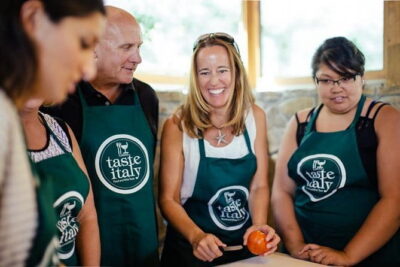
Fresh pasta is not a spectator sport here. At Chefactory Cooking Academy, you knead, roll, cut, fill, cook, and eat several classic Italian dishes in a 1700s room that feels more like a friendly kitchen than a formal school. Francesco and Lino are among the chefs associated with the class, and instruction is given step by step in English.
I like two things right away: you actually make the food, rather than watching a chef do all the work, and the recipe booklet lets you repeat the meal at home. The shared table, young Tuscan wine, and generous meal also turn the lesson into a social evening.
The main caution is the amount of food and technique packed into three and a half hours. One class account found the session rushed and understaffed, while most of the available feedback describes clear instruction and good organization. Group size can affect the pace, so this suits you best if you enjoy a lively class rather than private, one-to-one coaching.
In This Review
- Key points to know before booking
- From Via Cavour to a room from the 1700s
- The menu: three pasta traditions and dessert
- Kneading, cutting, and filling your own pasta
- Sauces that make the pasta practical at home
- Sitting down to eat what you made
- What families and first-time cooks should expect
- Is the $69.93 price good value?
- Timing, meeting point, and cancellation details
- Who should book this Florence cooking class?
- Should you book Authentic Pasta Class in Florence?
- FAQ
- Where does the pasta class meet?
- What time should I arrive?
- What pasta will I make?
- Is the class hands-on?
- Is wine included?
- Can I cancel for a full refund?
Key points to know before booking
- Three pasta styles in one class: Prepare ricotta and spinach ravioli, potato gnocchi, and fettuccine.
- Hands-on from start to finish: You knead dough, shape pasta, fill ravioli, and help prepare sauces.
- A full meal is included: The menu includes pasta, sauces, dessert, and young Tuscan wine, with no extra charges.
- Recipe booklet to take home: You receive written instructions for the dishes made during the class.
- Family-friendly format: Children have taken part successfully, including a 10-year-old who enjoyed making the pasta.
- Central Florence meeting point: Meet at Chefactory Cooking Academy on Via Camillo Cavour, north of the historic center.
From Via Cavour to a room from the 1700s
The class begins at Chefactory Cooking Academy, at Via Camillo Cavour 178, 180, or 182 Rosso in Florence. You need to check in by 4:45 pm, so give yourself time to find the red-numbered address. The academy is near public transportation, which helps if you are staying outside the central walking zone.
The welcome takes place in a room dating from the 1700s. That setting gives the evening a pleasant sense of place without turning the class into a history lecture. You sit down, meet the chefs and other participants, and hear the full menu before the work begins.
The tone is informal and social. Families can work together, and solo visitors have a natural chance to meet people at the shared tables. You should expect an English-speaking class, though Italian is also available. German and Spanish may be possible for a particular session if the chefs assigned to it speak those languages, but that is not guaranteed.
The stated maximum is 15 participants. One account describes a much larger session divided into tables, so I would confirm the expected group size if that matters to you. A smaller class should make it easier to get help with dough texture, cutting, and shaping.
More Florence trips worth a second look
- Florence: Pasta Cooking Class with Unlimited Wine
★ 4.9 · 10,285 reviews - Florence Pizza or Pasta Class with Gelato Making at a Tuscan Farm
★ 5.0 · 6,801 reviews - Florence: Pasta & Tiramisu Cooking Class with Unlimited Wine
★ 4.9 · 6,708 reviews
The menu: three pasta traditions and dessert
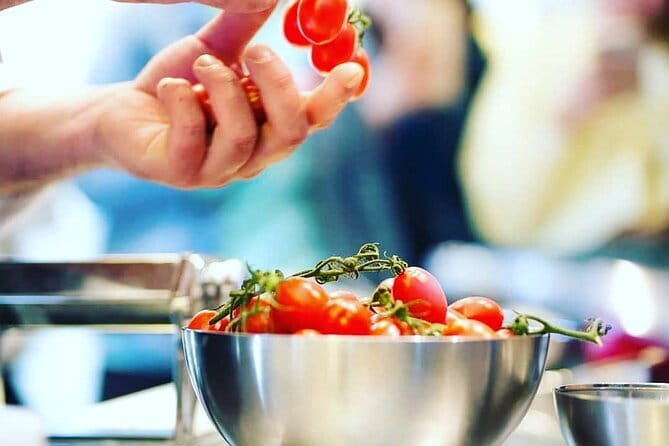
The menu gives you a useful sweep through Italian home cooking rather than focusing on one single pasta shape. You prepare fresh egg pasta, stuffed pasta, potato gnocchi, and pasta made with water, then pair them with sauces that may change with seasonal ingredients.
The core menu includes:
- Ricotta and spinach ravioli
- Potato gnocchi with meat sauce
- Fettuccine alla Norma
- Panna cotta or tiramisu
The exact sauce combinations described during the class can include sage butter for the ravioli, ragù or Bolognese-style meat sauce for gnocchi, and tomato sauce for fettuccine. Seasonal products can alter the final menu, so do not treat every sauce as fixed.
Vegetarian cooking is included. The class can adapt one of the sauces for vegetarians, which is useful if someone at your table avoids meat. You should still ask about dessert if you have dietary restrictions. One participant found that the panna cotta contained gelatin, making it unsuitable for their vegetarian needs.
Starting with dessert can make good kitchen sense. Panna cotta needs time to set, so some sessions prepare it early and return to it later. Chocolate sauce may be served with it. Tiramisu is another possible dessert, depending on the menu for that date.
Kneading, cutting, and filling your own pasta
The strongest part of the experience is the work with your hands. The chef first explains what to do, then you repeat the technique at your station. This is not a demonstration class where you sit back and take notes while someone else makes dinner.
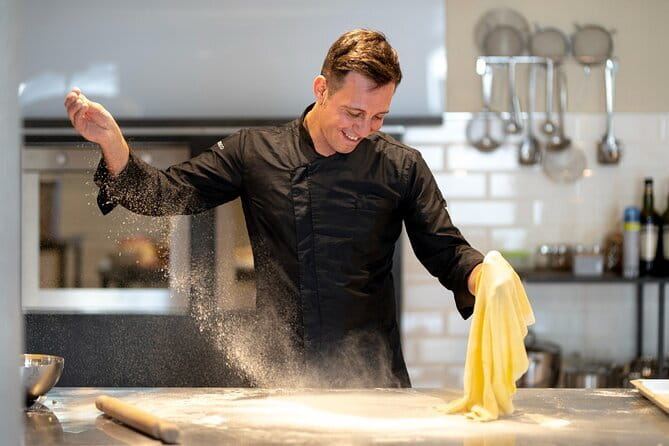
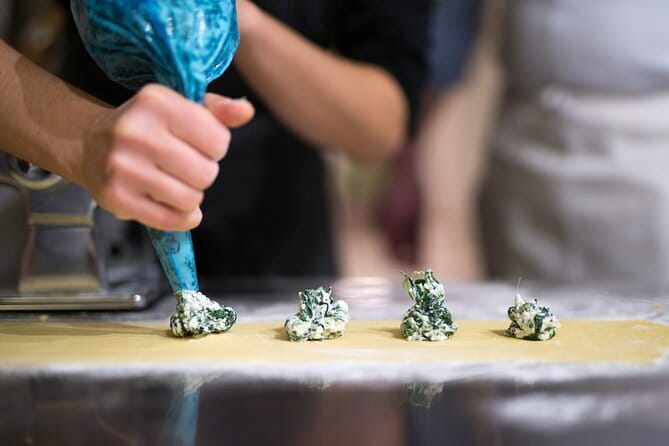
For the ravioli, you work with a spinach and ricotta filling and learn how to place, seal, and cut the pasta. This is where small details matter. You need to press out excess air, seal the edges well, and avoid overfilling. The instructors also give practical advice about how the dough should feel, which is more useful than following a recipe by weight alone.
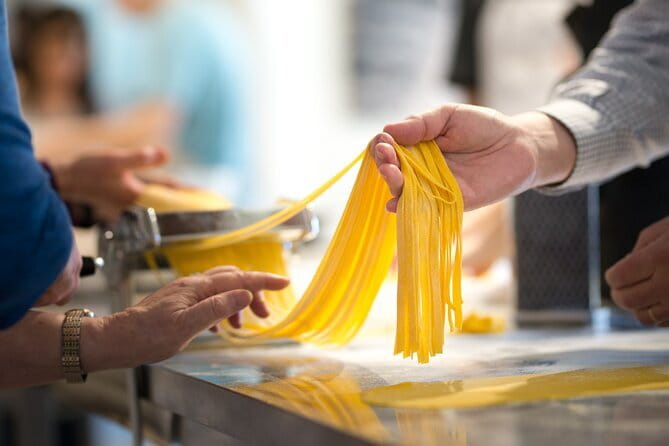
The fettuccine gives you a chance to roll and cut fresh pasta into long ribbons. Cutting tips are a recurring part of the instruction, and you can expect guidance on thickness and handling. Fresh pasta cooks quickly, so the texture you create has a direct effect on the final dish.
Gnocchi changes the rhythm. Instead of egg dough, you work with potato, shaping small pieces that need a light touch. Too much flour or heavy handling can make gnocchi dense. A class that explains these small adjustments gives you skills you can use at home, even if your first batch is not perfect.
The work is shared across the table. You may help prepare sauces as well as your own pasta, then watch the chefs cook everything. This keeps the class moving, but it also means you are part of a group production rather than making a private tasting menu just for yourself.
Sauces that make the pasta practical at home
The sauces are not just decoration. They show you how the same basic ingredients can create very different meals.
A sage and butter sauce is a natural match for spinach and ricotta ravioli. It is simple enough to repeat at home and depends more on timing than a long ingredient list. The sauce should coat the pasta without overpowering the filling.
A meat sauce gives the gnocchi a hearty pairing. The potato pasta is soft and mild, so a slow-cooked ragù or Bolognese-style sauce adds weight and flavor. The class menu uses meat sauce, though a vegetarian alternative can be arranged.
Fettuccine alla Norma traditionally combines pasta with tomato, eggplant, and other southern Italian flavors. The listed menu may shift with seasonal products, so the class may not reproduce every version of the dish exactly. That flexibility is part of the cooking lesson: Italian menus often follow what is available rather than treating a recipe as locked in place.
The instruction also includes small kitchen tricks. One participant singled out cutting advice, while others appreciated learning how dough should feel. These are the details that help you move beyond simply copying a recipe. You learn what to look for when the flour, humidity, potatoes, or filling behave differently at home.
A different way to spend the day, same part of Italy:
- Florence: Skip-The-Line Uffizi Gallery Timed Entry Ticket
★ 4.5 · 27,832 reviews - Tuscany Day Trip from Florence: Siena, San Gimignano, Pisa and Lunch at a Winery
★ 5.0 · 21,634 reviews - Florence: Timed Entrance Ticket to Michelangelo’s David
★ 4.6 · 16,983 reviews - Florence: Michelangelo’s David Skip-the-Line Entry Ticket
★ 4.5 · 12,764 reviews
Sitting down to eat what you made
After the preparation, the chefs cook and serve the pasta in courses. You then sit at your assigned table and eat the meal with the rest of the group. Young Tuscan wine is included, and some sessions have served Chianti, prosecco, or red wine.
This final meal is a real part of the value. You are not handed a small sample after spending the evening cooking. The menu is substantial, with several pasta preparations and dessert. It also gives you a chance to taste the effect of different shapes, fillings, and sauces side by side.
The social side matters here. Cooking creates an easy topic of conversation, and the shared meal lets you compare techniques and swap stories with people from different places. If you are traveling alone, this may be one of the easiest ways to spend an evening in Florence without sitting by yourself in a restaurant.
There is a practical trade-off. A table working on several dishes can become noisy and busy, especially when pasta needs to be shaped and sauces need attention. If you want a quiet culinary lesson with long explanations, this may feel fast. If you like doing several things and laughing while you work, the pace should suit you.
What families and first-time cooks should expect
This is a strong choice for families. A 10-year-old has taken part successfully, and children can knead dough, shape pasta, and help with the shared preparation. The hands-on format gives younger participants a clear job, which is usually more engaging than watching a chef speak for three hours.
The class also works for complete beginners. You do not need to arrive with pasta-making experience. The chefs show each stage, and the recipes are designed to be approachable enough to recreate at home.
Still, the class is not a private lesson. Beginners may need to wait briefly for help if several people have questions at once. One less positive account described a rushed instructor and too much food for the available staff. That appears to be an exception among the supplied feedback, but it is a fair reminder to keep expectations realistic.
People with dietary needs should speak up before the cooking starts. Vegetarian adjustments are included, but dessert ingredients may vary. The available information does not promise gluten-free, vegan, dairy-free, or allergy-specific options.
Is the $69.93 price good value?
At $69.93 per person, the price is reasonable for a three-and-a-half-hour class that includes instruction, ingredients, several dishes, dessert, wine, and no further expenses. You are also paying for the chance to eat a full meal and take home the recipes.
The value improves if you want more than a restaurant dinner. A meal in Florence may cost a similar amount, but it will not teach you how to make ravioli, gnocchi, and fettuccine. On the other hand, if you mainly want a polished dinner and have little interest in cooking, you may find a class less efficient than dining out.
The recipe booklet is a useful extra. It turns the evening into something you can carry home and use, rather than a one-time activity that disappears when the table is cleared. You should take notes about dough texture and shaping while the techniques are fresh, since those details may not be fully captured in a printed recipe.
The class is often reserved well ahead, with an average booking lead time of about 33 days. That does not mean every date sells out, but it is sensible to reserve early if you have only one evening available in Florence.
Timing, meeting point, and cancellation details
The experience lasts about three hours and 30 minutes and ends back at Chefactory Cooking Academy. It begins with check-in no later than 4:45 pm, then continues through the welcome, cooking, meal, dessert, and distribution of recipe booklets.
Plan this as an evening activity, not a quick afternoon stop. The timing may overlap with dinner, so avoid booking another fixed appointment soon afterward. Since the food is included, you do not need to plan a separate dinner.
A mobile ticket is accepted. The meeting point is near public transportation, but the supplied information does not specify a particular bus or tram route. Check the address carefully because the building numbers include the red-numbered Florence address system.
Free cancellation is available up to 24 hours before the start time for a full refund. Changes or cancellations inside that 24-hour window are not accepted for a refund. The class also requires a minimum number of participants. If that minimum is not reached and the activity is canceled, you are offered another date or experience, or a full refund.
Who should book this Florence cooking class?
I would choose this class if you want to learn practical pasta skills and eat a generous meal afterward. It is especially well suited to families, first-time cooks, couples, and solo visitors who enjoy meeting people over a shared table.
It is also a good pick if you want to bring a piece of Florence home. The recipes, sauce pairings, dough advice, and cutting tips give you a clear starting point for making fresh pasta after your trip.
I would think twice if you dislike group activities, need strict dietary control, or want detailed private coaching. The class covers a lot in one evening, and the pace can vary with the group and staffing.
Should you book Authentic Pasta Class in Florence?
Yes, if your ideal Florence evening includes flour on your hands, several kinds of pasta, wine at the table, and recipes in your suitcase. The class offers more than a meal and more than a cooking show. You make the food yourself, then sit down to enjoy the result.
Book with the understanding that it is a lively group lesson, not a calm private workshop. Confirm dietary needs and, if possible, ask about the expected class size. For most families and beginners, the combination of practical instruction, food, and a fair all-in price makes this a worthwhile Florence activity.
FAQ
Where does the pasta class meet?
The class meets at Chefactory Cooking Academy Florence, Via Camillo Cavour 178, 180, or 182 Rosso, 50129 Firenze, Italy.
What time should I arrive?
You should check in no later than 4:45 pm. The activity then lasts about three hours and 30 minutes.
What pasta will I make?
The menu includes ricotta and spinach ravioli, potato gnocchi, and fettuccine. The class also includes sauces that may vary with seasonal products.
Is the class hands-on?
Yes. You knead, cut, shape, fill, and prepare pasta yourself. It is not a demonstration-only class.
Is wine included?
Yes. The experience includes young Tuscan wine, and no additional expenses are listed.
Can I cancel for a full refund?
Yes, if you cancel at least 24 hours before the experience start time. Cancellations or changes made less than 24 hours in advance are not refunded.
Recently reviewed around Florence
- Walking Food Tour of Florence with Tastings and Wine★ 5.0 · 518 reviews
- Florence Sunset Food Tour with Wine & Dine at a Tuscan farmhouse★ 5.0 · 194 reviews
- Wine Experience In Chianti Hills from Florence★ 4.5 · 195 reviews
- Uffizi Gallery Timed Entry Admission Tickets★ 4.0 · 392 reviews
- Val d’Orcia Brunello Wine Tour with Montalcino and Montepulciano★ 4.5 · 359 reviews
- Wine Tasting Experience in Ponte Vecchio: Best Tuscany selection!★ 5.0 · 197 reviews
- Uffizi Gallery Small Group Tour with Guide★ 4.5 · 879 reviews
- Early Access Guided Uffizi Gallery Tour Skip-the-Line Small Group★ 4.5 · 707 reviews
Workshops, compared.
3 in 1 Cooking Class near Navona: Fettuccine, Ravioli & Tiramisu
Read our review →
Florence Pizza or Pasta Class with Gelato Making at a Tuscan Farm
Read our review →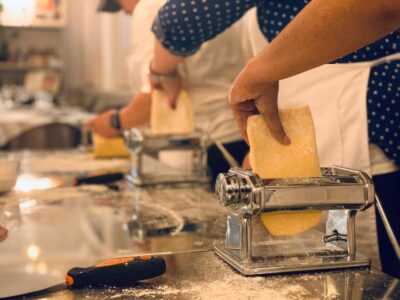
Pasta & Tiramisu Cooking Class with Unlimited Wine
Read our review →
Pizza-Making Workshop with Drink and Appetizer
Read our review →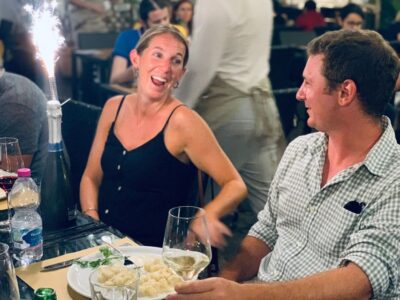
Pasta & Tiramisu Class with Fine Wine by the Vatican
Read our review →