
Review · COOKING CLASSES
Cooking Class in Rome: Chef in a Day
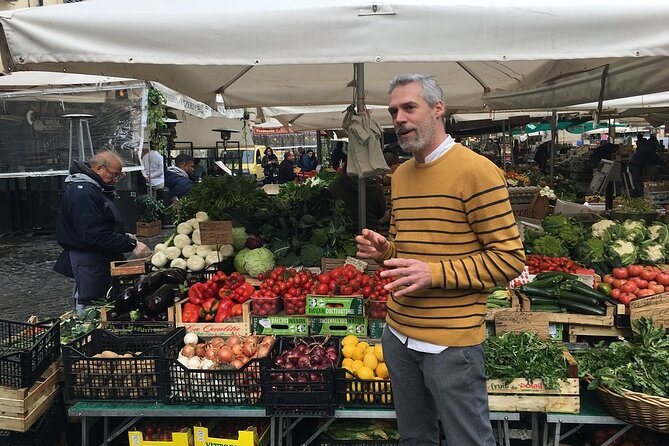
The best part of this Rome cooking class happens before you reach the kitchen. You meet a professional chef at Piazza Farnese, shop for ingredients at Campo de’ Fiori, then turn those market finds into three kinds of pasta and three sauces. I like the market-to-table format, and I like that you do the work rather than watch a chef perform it.
The class is especially strong for home cooks who want useful skills, not just a holiday meal. Chefs Federico Alessandri and Paola are praised for clear teaching, humor, patience, and practical explanations. The main thing to consider is the group size. With up to 11 people and about five hours on your feet, the class may feel close and tiring at full capacity.
In This Review
- Key points to know before booking
- Why this class is more than a pasta lesson
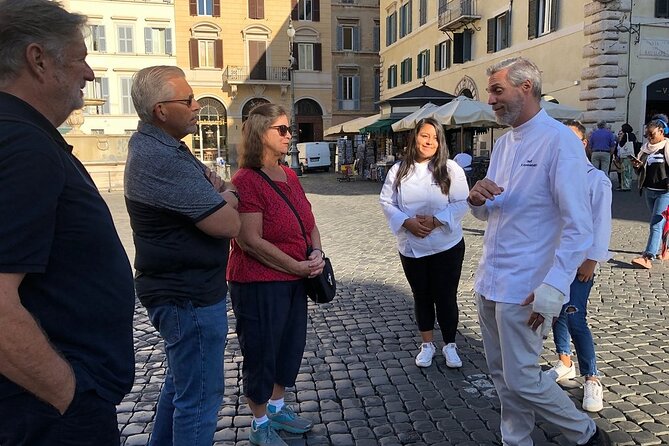
- 9:30 a.m. at Piazza Farnese
- Campo de’ Fiori, shopping with a purpose
- Crossing into Trastevere and entering the kitchen
- Three pastas, three sauces, and real kitchen work
- A full lunch, not just a tasting
- What the chefs add to the experience
- Is $147.49 a fair price?
- Who should book this Rome cooking class?
- Final call: book it for skills, not just lunch
- FAQ
- Where does the cooking class begin?
- Where does the class end?
- How long does the activity last?
- What kinds of pasta will I make?
- Is lunch and wine included?
- How many people can join the class?
Key points to know before booking
- Market shopping comes first: You help choose seasonal produce, meat, cheese, herbs, and other ingredients at Campo de’ Fiori.
- Three pasta styles are included: Expect a stuffed pasta, a long pasta, and a short or medium pasta, each paired with its own sauce.
- The class is truly hands-on: You make dough, chop vegetables, blend sauces, shape pasta, and help present the dishes.
- Lunch and wine are part of the experience: Your group sits down to eat the meal you prepared, along with Italian wine and a seasonal dessert.
- The group is small but not private: A maximum of 11 people allows personal guidance, though the room can feel crowded when everyone works at once.
- Recipes arrive after class: You receive the pasta recipes by email, giving you a useful reminder once you are back home.
Why this class is more than a pasta lesson
Rome offers plenty of food activities, but this one connects three parts of Italian cooking that are often separated: shopping, preparation, and eating. You do not simply arrive at a kitchen with ingredients already measured. You begin in the city, look at what is available, and learn how a chef makes choices.
That matters because Italian cooking depends heavily on the quality and season of the ingredients. At Campo de’ Fiori, the chef explains the produce, herbs, spices, cheeses, and meat on sale. You help select what goes into the meal, so the class gives you a better sense of how a Roman cook thinks about food before turning on the stove.
The teaching also goes beyond following a recipe. Paola is praised for explaining why ingredients are cut, added, or cooked in certain ways. Federico Alessandri brings a lively sense of humor and a strong teaching style, making the class part cooking lesson and part entertaining lunch with new friends.
That mix suits a wide range of ability. If you rarely cook, you get a guided start with fresh pasta. If you already make pasta at home, you can still pick up tips on dough, sauces, vegetables, and timing. Several experienced home cooks found the techniques useful rather than basic.
More Cooking Classes in Rome
- 3 in 1 Cooking Class near Navona: Fettuccine, Ravioli & Tiramisu
★ 5.0 · 7,376 reviews - Rome: Pasta & Tiramisu Class with Fine Wine by the Vatican
★ 4.9 · 4,852 reviews - Rome: Pasta Making Class with Wine, Limoncello, and Dessert
★ 4.9 · 3,177 reviews
9:30 a.m. at Piazza Farnese
Your day begins at 9:30 a.m. at Piazza Farnese, a convenient central meeting point near the Campo de’ Fiori area. Meet your chef there, discuss the menu, and get an outline of what you will prepare.
This first conversation is useful because the menu changes with the season. The class does not rely on one fixed set of dishes all year. The exact pasta shapes, vegetables, meat course, and dessert can vary, but the planned meal includes an appetizer, three homemade pastas with three sauces, a meat course, dessert, and wine.
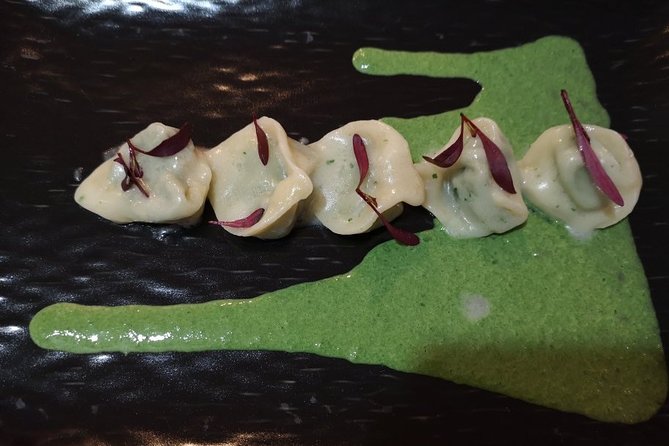
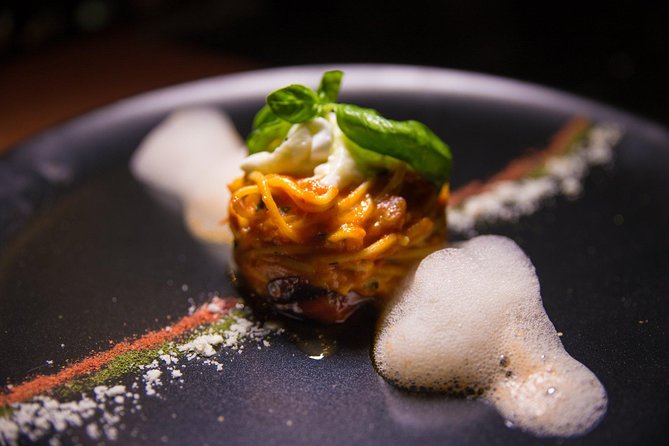
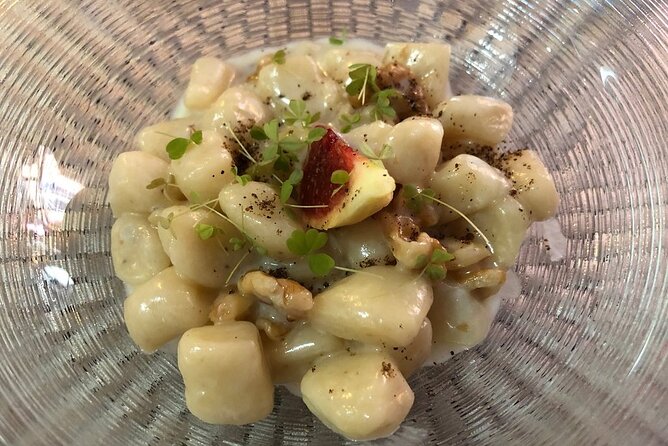
The description of the class and individual experiences show some of the possible dishes. You might work with egg pasta made from flour and eggs, semolina pasta made with water, or potato gnocchi. You might also prepare tomato sauce, pesto, a blue cheese sauce, artichokes, chicory salad, or other seasonal vegetables.
Do not treat these examples as a guaranteed menu. The point is that the chef adjusts the meal to the time of year and the ingredients found at the market.
Campo de’ Fiori, shopping with a purpose
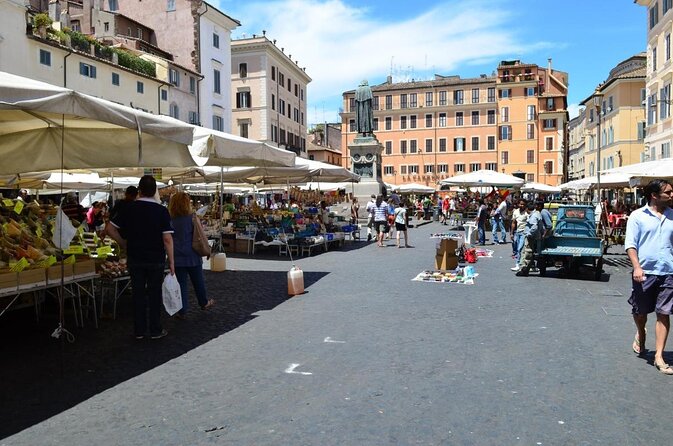
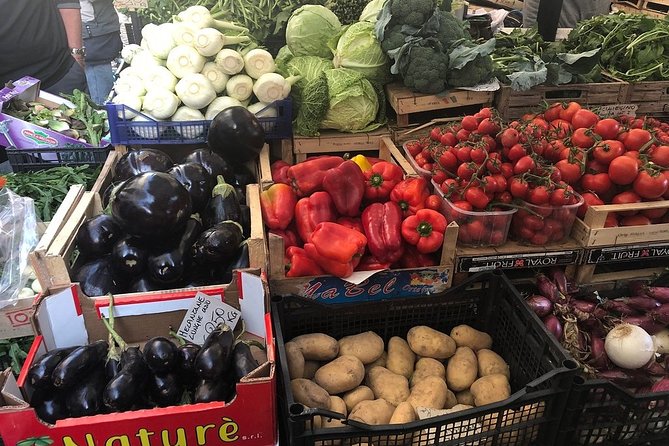
Campo de’ Fiori is not just a scenic stop before the cooking begins. It is where you learn what goes into the meal. The stalls offer a colorful introduction to everyday food shopping in Rome, and your chef explains how to judge the available produce and select ingredients for the class.
You help choose vegetables, meat, cheese, herbs, and spices. That gives you a practical lesson in Italian ingredients before you try to cook with them. It also makes the final meal feel connected to the city instead of being a standard cooking demonstration in a rented room.
The market portion adds time on your feet, so wear comfortable shoes. You should also expect a five-hour activity with a fair amount of standing, walking, chopping, kneading, and shaping. Breaks are included, but this is not a sit-down food tour.
Some groups also stop at a butcher or another shop for additional ingredients. The exact shopping route and purchases depend on the seasonal menu and the chef’s plan. Transport is not included, so you should arrive at Piazza Farnese on your own and plan your route back from Trastevere after lunch.
Crossing into Trastevere and entering the kitchen
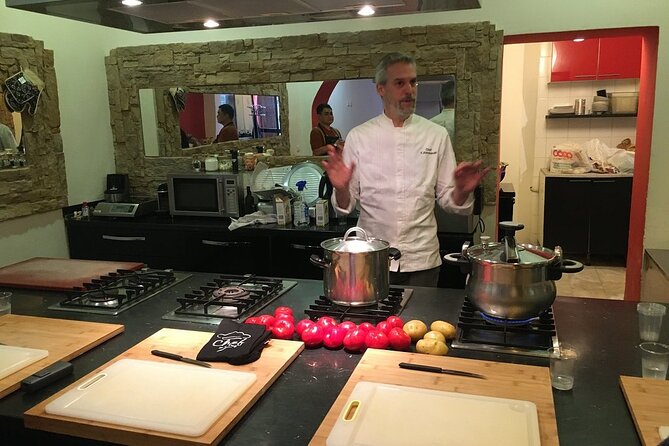
After shopping, you head to the cooking space in Trastevere. The class takes place in an open-plan apartment in the heart of the district. This setting gives the lesson a more personal feel than a large commercial cooking school, but it also means the available space matters.
The kitchen is set up for group work, with the chef directing the class and, at times, an assistant helping with washing vegetables, clearing plates, and keeping the meal moving. That support can make a major difference during a long session. You spend less time waiting for basic tasks and more time cooking.
The class is limited to a maximum of 11 people. That is small enough for the chef to help individual participants, but it is not a private lesson. At full size, several people may be rolling dough or working at the same counter at once. If you want space and one-on-one attention, ask about a private option before booking, though the details and price of a private class are not provided here.
A different way to spend the day, same part of Italy:
- Vatican: Museums & Sistine Chapel Entrance Ticket
★ 4.5 · 144,003 reviews - Vatican Museums & Sistine Chapel Tour with Optional Basilica
★ 4.3 · 67,413 reviews - Colosseum, Roman Forum & Palatine Guided Tour
★ 4.7 · 63,148 reviews - Vatican Museums, Sistine Chapel & St Peter’s Basilica Guided Tour
★ 4.5 · 39,149 reviews
Three pastas, three sauces, and real kitchen work
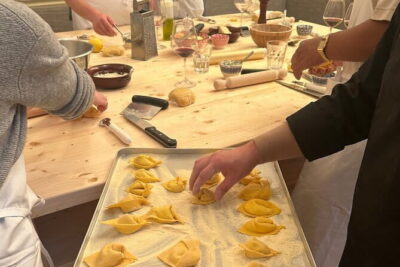
The heart of the day is completely hands-on. You make pasta dough from scratch, learn how it should feel, and work through several pasta styles. The three categories are a stuffed pasta, a long pasta, and a short or medium pasta.
That variety is a major reason to choose this class. You are not repeating one easy dough or cutting the same shape for several hours. Stuffed pasta teaches you about filling, sealing, and handling delicate dough. Long pasta gives you practice with rolling and cutting. Short pasta or gnocchi introduces a different texture and method.
The sauces also vary. You may help prepare a tomato base, pesto, a cheese sauce, or another seasonal preparation. The chef explains how to build flavor and how to adjust a sauce rather than treating the recipe as a rigid set of instructions.
You also prepare vegetables and other parts of the meal. Past classes have included artichokes, chicory salad, a fancy toast appetizer, and seasonal produce selected at the market. These side dishes matter because they show how pasta fits into a larger Italian meal.
The learning is practical. You get tips on dough texture, sauce consistency, ingredient timing, and ways to adapt a recipe to what is available at home. The goal is not to copy one perfect Roman lunch. It is to give you a set of techniques you can use again.
A full lunch, not just a tasting
Once the cooking is done, you sit down in the dining area and eat what the group has prepared. Lunch includes the homemade pastas, sauces, appetizer, meat course, dessert, and Italian wine.
The meal can be substantial. Several dishes are prepared, and some people may find the portions difficult to finish after so much cooking. Pace yourself during the tasting and remember that the class lasts about five hours.
Wine is included, with red and white options served during the meal. The relaxed dining period gives you time to talk with the chef and the rest of the group. It also gives the class a satisfying rhythm: shop, prepare, cook, then sit down together.
A small practical note: one participant wished for espresso at the end. Coffee is not listed as included, so do not count on it. If you like a final coffee after lunch, plan to find one in Trastevere afterward.
What the chefs add to the experience
The chef is central to the quality of this activity, and the experience can vary slightly depending on who leads your class. Federico Alessandri is praised for his humor, energy, and ability to teach both beginners and serious home cooks. He has also been described as especially good at explaining the basics behind sauces and pasta technique.
Paola receives similar praise for patience, warmth, and careful instruction. She is noted for adapting lessons to the group’s level and explaining not only what to do but why it works. Families appreciated that teenagers stayed involved, while more experienced cooks valued the extra detail.
The class appears to work best when you participate fully. Take notes if you want to remember the small tips, ask questions while the dough is in front of you, and pay attention when the chef corrects your technique. You will learn more by working slowly and listening than by rushing to finish your shape first.
English is the offered language, so you should be comfortable following cooking instructions in English. Children must be accompanied by an adult. Dietary requirements should be provided at booking, since the chef needs that information before planning the menu and shopping.
Is $147.49 a fair price?
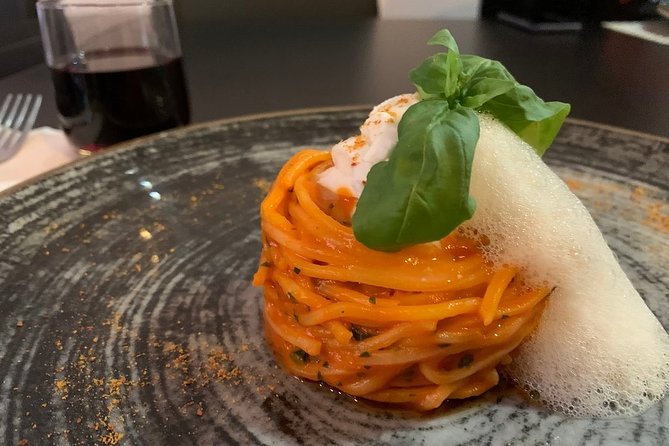
At $147.49 per person, this is not a cheap lunch. The value comes from the length and scope of the day. You are paying for a five-hour activity, a guided market visit, a professional chef, hands-on preparation, a full lunch, wine, and recipes sent by email afterward.
Compared with a short pasta demonstration, this offers much more time and more food. You make three pasta varieties and three sauces, not just one dish. You also receive instruction that can help you recreate the meal at home, which gives the experience value beyond the day in Rome.
The price makes the most sense if you enjoy cooking or want a substantial food activity. It may feel high if you mainly want to sample Roman dishes or prefer a quick class followed by sightseeing. You should also remember that transport is not included and that the class requires a minimum of six participants to run.
Confirmation is sent within 48 hours of booking, subject to availability. If the minimum is not reached, the date may be changed or the class canceled, with another date or a full refund offered. You can cancel for a full refund up to 24 hours before the start time. Inside that window, refunds and changes are not accepted.
Who should book this Rome cooking class?
I would choose this for couples, families with older children, friends, and solo visitors who like meeting people through food. It suits beginners because the chef guides each step, and it has enough variety to keep experienced home cooks interested.
Families should note that children need adult supervision. Teenagers can do well here because there is plenty of practical work, though the five-hour length and standing may test younger children.
You should skip it if you dislike group activities, have trouble standing for long periods, or want a quiet private lesson. The group is capped at 11, but full capacity can make rolling and shaping dough harder. You also need to be comfortable with a changing menu and provide dietary needs in advance.
Final call: book it for skills, not just lunch
Book this class if you want to understand Italian cooking from the market stall to the dining table. The strongest features are the personal instruction, the three different pasta styles, the seasonal shopping, and the chance to eat a complete meal made by your own group.
The class is less suitable if you want a quick activity or guaranteed privacy. Still, for a food-focused day in Rome, $147.49 buys more than a plate of pasta. You leave with a full meal, practical techniques, and recipes you can try when the holiday is over.
FAQ
Where does the cooking class begin?
The class begins at 9:30 a.m. at Piazza Farnese in central Rome.
Where does the class end?
The experience ends in Rome’s Trastevere district after lunch.
How long does the activity last?
The class lasts approximately five hours.
What kinds of pasta will I make?
You will prepare three pasta varieties: a stuffed pasta, a long pasta, and a short or medium pasta. Each is paired with a different sauce.
Is lunch and wine included?
Yes. Lunch, wine, the Campo de’ Fiori market visit, and instruction from a professional chef are included.
How many people can join the class?
The class requires a minimum of six participants to start and has a maximum of 11 travelers.
More Workshops in Rome
- Rome: 3-in-1 Fettuccine, Ravioli, and Tiramisu Cooking Class
★ 4.9 · 2,704 reviews - Rome: Fettuccine Pasta Cooking Class in Rome’s City Center
★ 4.8 · 2,414 reviews - Rome: Traditional Pasta with Cocktails Cooking Class
★ 5.0 · 2,374 reviews - Become a Masterchef in Rome: Pasta, Ravioli and Tiramisù Class
★ 5.0 · 2,156 reviews
Recently reviewed around Rome
- Ancient Rome at Twilight Walking Tour★ 5.0 · 276 reviews
- Domus Aurea Guided Tour: The Golden House of Nero★ 4.5 · 199 reviews
- Early Vatican Museums & Sistine Chapel Small Group Tour★ 4.5 · 314 reviews
- Early Vatican Museums Tour: The Best of the Sistine Chapel★ 4.5 · 900 reviews
- Tivoli Villas Full Day Trip From Rome with Lunch★ 4.0 · 443 reviews
- Jewish Ghetto & Piazza Navona: Food, Wine & Sightseeing Rome Tour★ 5.0 · 460 reviews
- 3 Days in Sorrento, Capri & Pompeii: la Dolce Vita★ 4.0 · 595 reviews
- Cook With Us in Rome: A Hands-On Cooking Experience 09:20AM class★ 5.0 · 234 reviews
Cooking Classes, compared.
3 in 1 Cooking Class near Navona: Fettuccine, Ravioli & Tiramisu
Read our review →
Pasta & Tiramisu Cooking Class with Unlimited Wine
Read our review →
Pasta & Tiramisu Class with Fine Wine by the Vatican
Read our review →
Cooking Class and Lunch at a Tuscan Farmhouse with Local Market Tour from Florence
Read our review →
Authentic Pizza Making Class in Naples with Appetizers and Drink
Read our review →
Pasta Making Class with Wine, Limoncello, and Dessert
Read our review →Browse the lists this tour appears in