
Review · COOKING CLASSES
Cooking Class in the Heart of Rome: Pizza and Tiramisu Making
Rome is easier to understand through its food, and this class lets you work with two Italian favorites instead of simply ordering them. In about two and a half hours, you make pizza and tiramisu in a central restaurant, then sit down to eat what you prepared.
I like the friendly small-group setup, capped at 15 people, and the way the class turns strangers into dinner companions. I also like the practical touch of receiving a prepared dough while your own dough rises, so you still get to shape and bake a pizza during the session.
The one thing to keep in mind is that you are learning the basics, not attending a long professional cooking course. Pizza dough needs time to rise, so some of the dough used for baking is prepared in advance.
In This Review
- Key points to know before booking
- Making pizza in central Rome
- Tiramisu made the Italian home-style way
- Sitting down to eat your own work
- A welcome pause from Rome’s pavement
- How much value do you get for $56.53?
- What the two and a half hours feel like
- Group size, pace, and the instructors
- Who should book this Rome cooking class?
- Should you book it?
- FAQ
- Where does the cooking class begin?
- How long does the experience last?
- What food do I make?
- Which pizza styles can I choose?
- Are drinks included?
- How many people can join the class?
Key points to know before booking
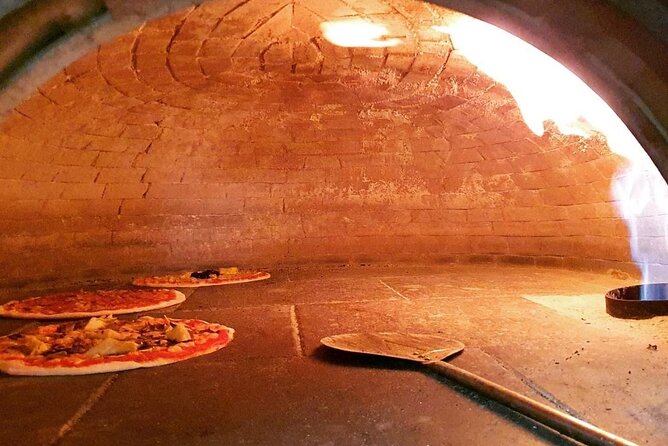
- You make two dishes: Your own pizza and a traditional tiramisu are included in the meal.
- Choose your pizza style: Pick Margherita, Marinara, spicy Diavola with pepperoni, or Neapolitan with anchovies.
- The class is social: You work around shared tables with a maximum of 15 people, then eat together.
- Drinks are part of the price: You receive water, a glass of wine or soft drink, and coffee or limoncello.
- Several chefs lead the class: Instructors named in the feedback include Mattia, Carlotta, Leo, Lori, Mimi, Maria, Tom, and Charlotte.
- It fits into a sightseeing day: The meeting point is central Rome, at Via Giuseppe Zanardelli 14, near public transportation.
Making pizza in central Rome
The class begins at Via Giuseppe Zanardelli 14, 00186 Rome, a central location that works well with a day around Piazza Navona, the Pantheon, or the historic center. You make your own way there and meet the English-speaking chef and the rest of the group at the restaurant.
The exact instructor can vary. Mattia is often praised for his clear explanations and easy humor, while Carlotta is noted for making the process simple and welcoming. Other named instructors include Leo, Lori, Mimi, Maria, Tom, and Charlotte. The common thread is an informal teaching style, with plenty of demonstration and hands-on work.
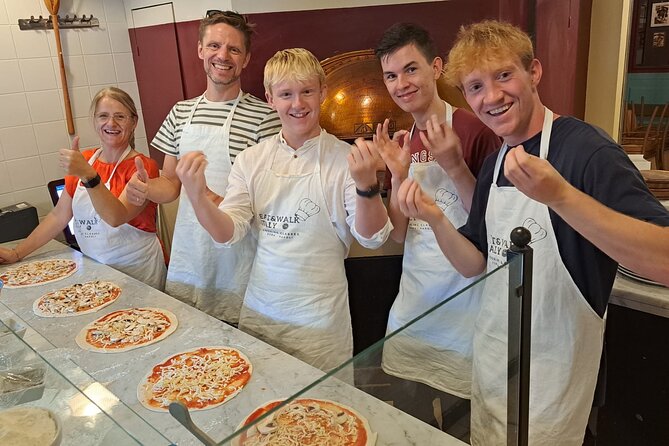
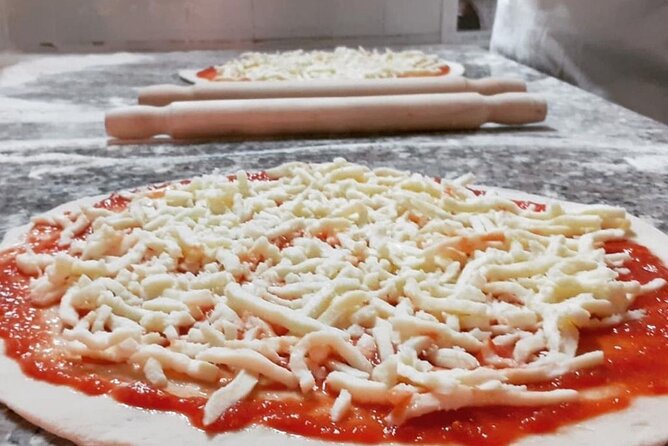
You begin with fresh ingredients and pizza dough. The chef explains the basic technique, shows how to work the dough, and guides you through the steps rather than leaving you to guess. That matters if you rarely cook. The class is designed for beginners, and several people with little kitchen experience found the instructions easy to follow.
You can choose one of four styles:
- Margherita, the familiar combination of tomato, mozzarella, and basil
- Marinara, a simpler tomato-based pizza without cheese
- Diavola, the spicy choice with pepperoni
- Neapolitan with anchovies, for a saltier, more distinctive flavor
The choice of topping gives the class a little room for personal taste. If you are cooking with children or a mixed group, Margherita is the safe pick. If you want something with more character, the Diavola or anchovy pizza offers a stronger flavor.
One useful detail is the handling of the dough. You prepare your own dough, but it cannot rise fully during a short class. The chef therefore has risen dough ready for baking. You still learn the method and get to shape your pizza, but you are not forced to wait around while an important step happens in real time.
This is a sensible compromise. A class that promised to make pizza entirely from scratch and bake it within two and a half hours would either rush the process or cut corners. Here, you get the lesson and the meal without spending half the afternoon watching dough sit in a bowl.
More Cooking Classes in Rome
- 3 in 1 Cooking Class near Navona: Fettuccine, Ravioli & Tiramisu
★ 5.0 · 7,376 reviews - Rome: Pasta & Tiramisu Class with Fine Wine by the Vatican
★ 4.9 · 4,852 reviews - Rome: Pasta Making Class with Wine, Limoncello, and Dessert
★ 4.9 · 3,177 reviews
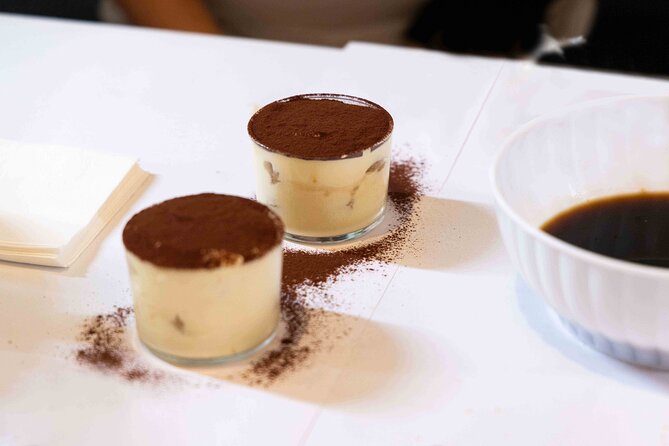
Tiramisu made the Italian home-style way
While the pizza dough is being prepared or set aside, you learn to make tiramisu. The class presents it as a traditional dessert, with a style intended to feel like something made in an Italian home kitchen.
The preparation is hands-on. In one class, the group worked together to make the tiramisu, then divided it into individual dishes to chill until dessert. That shared approach is different from making a separate dessert entirely by yourself, but it works well in a short class and gives everyone a role.
Tiramisu is also a good choice for a cooking lesson because it teaches a dish you can repeat at home without special equipment. You leave with the basic method, and a recipe booklet is provided afterward. That booklet adds real value, especially if you want more than a pleasant meal and hope to recreate the dish after returning home.
The dessert is prepared before the pizzas are eaten, then chilled while the class moves on. By the time you sit down, your tiramisu is ready to serve. The result is less complicated than some Italian pastries, but that is part of its appeal. You can make it again without turning your kitchen into a bakery.
Sitting down to eat your own work
After the preparation and baking, you sit at the restaurant and eat the pizza and tiramisu you helped make. This final meal is more than a convenient finish. It gives the class a clear reward and lets you compare your result with the techniques shown by the chef.
Your pizza comes with the toppings you selected. The menu includes water and a glass of wine or a non-alcoholic drink. You can finish with either hot coffee or a shot of limoncello. Extra food and drinks are not included, so plan on the listed menu rather than expecting a full restaurant meal with several courses.
The drink selection helps the experience feel like a relaxed Roman meal instead of a school lesson. Wine fits naturally with pizza, while limoncello gives the ending a festive note. If you do not drink alcohol, the soft drink and coffee options keep the class straightforward.
The group eats together, usually around shared tables. This is where the social side becomes most useful. You may arrive knowing only the people you booked with, then find yourself chatting with couples, families, or solo visitors from several countries. The chef helps create that easy atmosphere by welcoming people and keeping the activity moving.
I would not book this solely as a way to meet people, since group chemistry can never be guaranteed. Still, the setup gives conversation a natural starting point. You have just made the same food, and there is no need to invent small talk.
A welcome pause from Rome’s pavement
Rome rewards walking, but its historic center can wear you out. This class makes a useful break after a morning of churches, ruins, and crowded streets. You get to sit, work with your hands, eat a warm meal, and let someone else handle the oven.
The timing is especially practical for families. Children as young as six have enjoyed the class, and families with children around eight and ten found it easy to share. Teenagers also have enough hands-on work to keep the session from feeling like a passive food demonstration.
That said, the class is not only for families. Couples can treat it as a casual meal with an activity attached, and friends can book it as a light evening plan. Solo visitors may find the shared table particularly useful.
The English-language format makes the instructions accessible to people who do not speak Italian. Some instructors mix in Italian during the presentation, which adds local flavor without making the lesson hard to follow.
A different way to spend the day, same part of Italy:
- Vatican: Museums & Sistine Chapel Entrance Ticket
★ 4.5 · 144,003 reviews - Vatican Museums & Sistine Chapel Tour with Optional Basilica
★ 4.3 · 67,413 reviews - Colosseum, Roman Forum & Palatine Guided Tour
★ 4.7 · 63,148 reviews - Vatican Museums, Sistine Chapel & St Peter’s Basilica Guided Tour
★ 4.5 · 39,149 reviews
How much value do you get for $56.53?
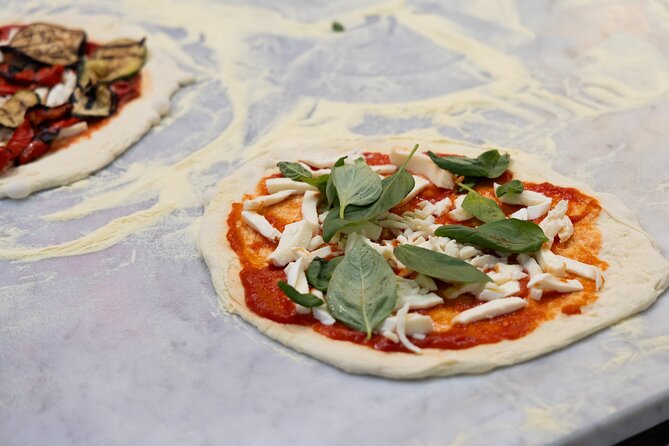
At $56.53 per person, the price covers a two-and-a-half-hour lesson, your pizza, your tiramisu, water, a glass of wine or soft drink, and coffee or limoncello. In central Rome, that is a reasonable package if you value both the activity and the meal.
You are not paying only for ingredients. You are paying for a chef to organize the preparation, provide the equipment and ingredients, teach the techniques, bake the pizzas, and create a meal around the process. The recipe booklet gives the experience a little value after the holiday is over.
The price is less attractive if you only want a cheap pizza dinner. You can eat pizza in Rome for less, and you will not have to spend two and a half hours preparing it. The value comes from combining dinner with instruction, a social setting, and a memory you can carry into your own kitchen.
The included drinks also help. A glass of wine, coffee, or limoncello can add noticeably to a restaurant bill, and those small extras are already part of the class. Extra food and beverages cost more, but the included menu should be enough for most people.
What the two and a half hours feel like
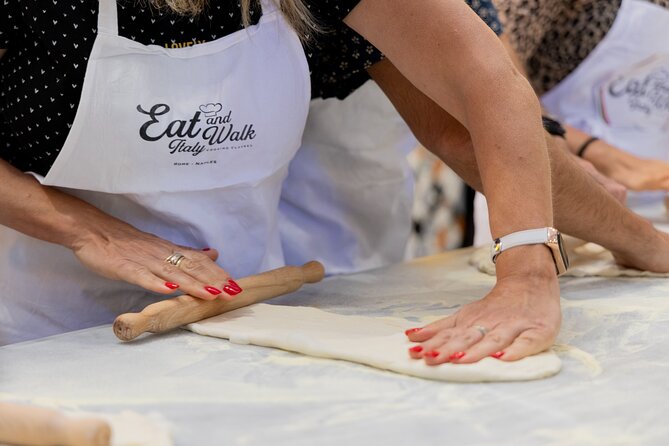
The advertised duration is approximately two hours and 30 minutes. The pace is active but not frantic. You have time to watch the chef, handle the ingredients, prepare both dishes, eat, and talk with the group.
A typical flow looks like this:
- Meet the chef and group at the central Rome restaurant.
- Learn the basics of pizza dough and prepare your own.
- Choose your pizza style and toppings.
- Prepare tiramisu as a group or at your work area.
- Use prepared risen dough so the pizzas can be shaped and baked during the class.
- Sit down with wine or a soft drink while the pizzas bake.
- Eat your pizza, then enjoy your tiramisu.
- Finish with coffee or limoncello.
The exact order may vary depending on the instructor and the kitchen. That flexibility is normal in a working restaurant, and the prepared dough keeps the schedule from being controlled by the clock.
You should arrive ready to participate, not simply watch. The strongest part of the class is the chance to touch the dough, choose toppings, assemble the pizza, and help prepare dessert. If you prefer a highly polished demonstration with no group work, this is probably not the right format.
Group size, pace, and the instructors
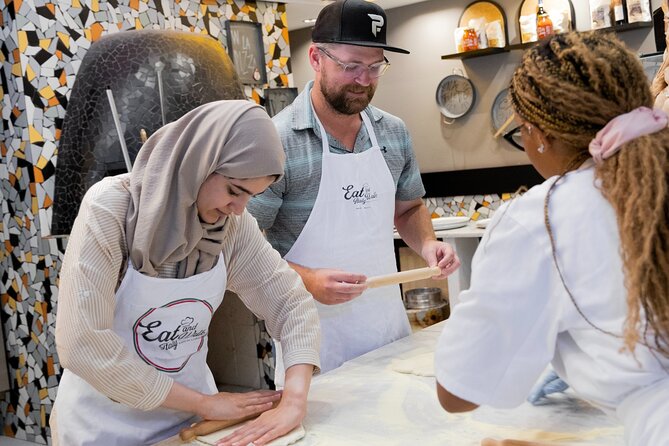
The maximum group size is 15 people. That is small enough for a social class, though it is not a private lesson. If the class reaches capacity, you will share attention with several other people.
The instructors receive the strongest praise for personality and clear teaching. Mattia is described as funny, patient, and good at explaining pizza techniques. Carlotta is repeatedly associated with careful explanations, warmth, and an ability to make the activity easy for beginners. Leo is noted for patience and practical advice, while Lori is praised for creating camaraderie in a short time.
Mimi, Maria, Tom, and Charlotte are also named as engaging instructors. Since the chef is not fixed in the details provided, you should treat the listed names as examples rather than a guarantee of who will lead your session.
This matters because a cooking class depends heavily on the teacher. Here, the format gives the instructor plenty of room to shape the mood. A lively chef can turn a simple pizza lesson into a memorable night, while a quieter class may feel more focused on the food than on entertainment.
The lesson is suitable for complete beginners. You do not need professional skills, and the teaching approach is built around showing each step. Still, you should expect a group activity rather than individual coaching at every moment.
Who should book this Rome cooking class?
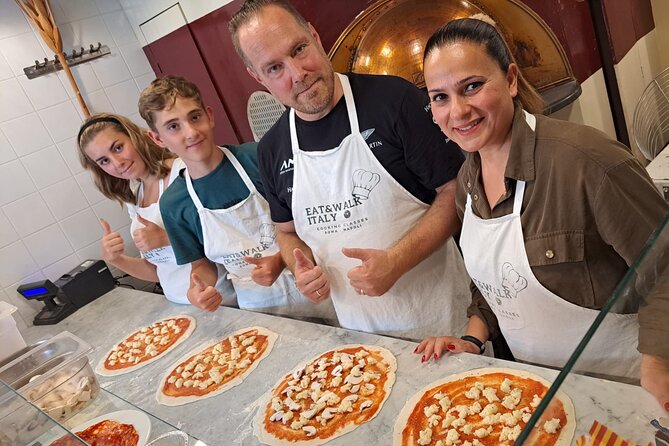
I would recommend this class to you if you want a break from museums and monuments, like eating what you prepare, or want a simple introduction to Italian home cooking. It is especially well suited to families, couples, groups of friends, and solo visitors who enjoy meeting people around a table.
It is also a good fit for anyone who wants a practical souvenir. A photograph of the Colosseum is wonderful, but a pizza dough method and tiramisu recipe can become part of your life at home.
You may want to skip it if you are seeking advanced instruction, regional food history, or a long menu of dishes. The class focuses on two familiar foods and basic techniques. It is fun and useful, but it is not a deep professional workshop.
Keep in mind that the experience ends where it begins, at Via Giuseppe Zanardelli 14. The activity is near public transportation, but you are responsible for getting to the meeting point. Since Rome’s center is easy to underestimate on foot, allow time to find the restaurant.
Booking well ahead is sensible. The experience is booked an average of 41 days in advance, which suggests that popular dates can fill early. You receive confirmation at booking, and free cancellation is available if you cancel at least 24 hours before the start time. Cancellations or changes inside that window are not accepted for a refund.
Should you book it?
Book this pizza and tiramisu class if you want an easy, social way to spend part of your Rome visit and you like the idea of turning dinner into an activity. The included wine, dessert, coffee or limoncello, and recipe booklet make the $56.53 price feel fair for a central Rome experience.
The best reason to go is the combination of clear instruction and relaxed company. You will not leave as a pizza professional, but you should leave knowing more about dough, toppings, and tiramisu, with a meal already paid for.
If your priority is the lowest-cost dinner or advanced culinary training, choose a restaurant instead. For families, first-time cooks, and anyone ready for a cheerful pause from sightseeing, this is a strong choice.
FAQ
Where does the cooking class begin?
The class begins at Via Giuseppe Zanardelli 14, 00186 Rome, Italy. It ends back at the same meeting point.
How long does the experience last?
The class lasts approximately two hours and 30 minutes.
What food do I make?
You make your own pizza with your choice of toppings and a freshly prepared tiramisu.
Which pizza styles can I choose?
You can choose Margherita, Marinara, spicy Diavola with pepperoni, or a Neapolitan pizza with anchovies.
Are drinks included?
Yes. The package includes water, a glass of wine or a soft drink, and your choice of hot coffee or a shot of limoncello. Extra food and drinks are not included.
How many people can join the class?
The class has a maximum of 15 people. It is offered in English and includes a mobile ticket.
More Workshops in Rome
- Rome: 3-in-1 Fettuccine, Ravioli, and Tiramisu Cooking Class
★ 4.9 · 2,704 reviews - Rome: Fettuccine Pasta Cooking Class in Rome’s City Center
★ 4.8 · 2,414 reviews - Rome: Traditional Pasta with Cocktails Cooking Class
★ 5.0 · 2,374 reviews - Become a Masterchef in Rome: Pasta, Ravioli and Tiramisù Class
★ 5.0 · 2,156 reviews
Recently reviewed around Rome
- Ancient Rome at Twilight Walking Tour★ 5.0 · 276 reviews
- Domus Aurea Guided Tour: The Golden House of Nero★ 4.5 · 199 reviews
- Early Vatican Museums & Sistine Chapel Small Group Tour★ 4.5 · 314 reviews
- Early Vatican Museums Tour: The Best of the Sistine Chapel★ 4.5 · 900 reviews
- Jewish Ghetto & Piazza Navona: Food, Wine & Sightseeing Rome Tour★ 5.0 · 460 reviews
- 3 Days in Sorrento, Capri & Pompeii: la Dolce Vita★ 4.0 · 595 reviews
- Tivoli Villas Full Day Trip From Rome with Lunch★ 4.0 · 443 reviews
- Cook With Us in Rome: A Hands-On Cooking Experience 09:20AM class★ 5.0 · 234 reviews
Cooking Classes, compared.
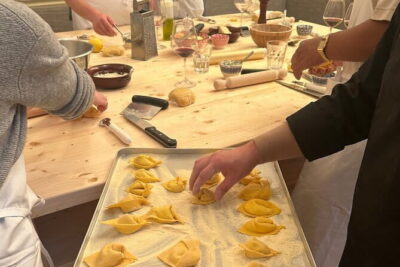
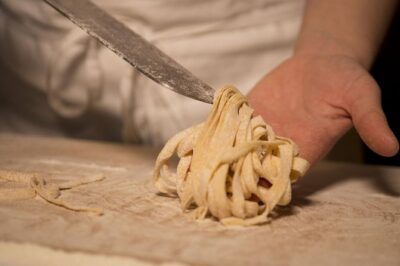
3 in 1 Cooking Class near Navona: Fettuccine, Ravioli & Tiramisu
Read our review →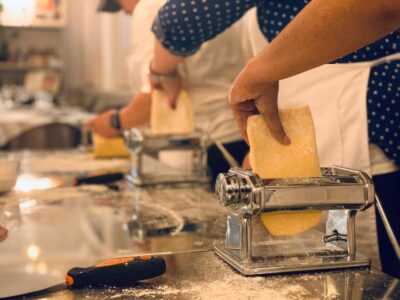
Pasta & Tiramisu Cooking Class with Unlimited Wine
Read our review →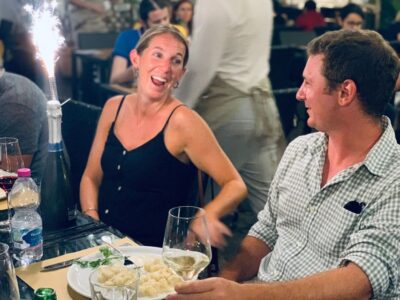
Pasta & Tiramisu Class with Fine Wine by the Vatican
Read our review →
Cooking Class and Lunch at a Tuscan Farmhouse with Local Market Tour from Florence
Read our review →
Authentic Pizza Making Class in Naples with Appetizers and Drink
Read our review →
Pasta Making Class with Wine, Limoncello, and Dessert
Read our review →Browse the lists this tour appears in