
Review · WORKSHOPS
Florence: Lasagna and Spaghetti-Making Class
Fresh pasta is the heart of this three-hour Florence class. You work with dough, shape lasagna sheets and spaghetti, make béchamel and tomato sauce, then sit down in a palazzo to eat what you made. The best part is the useful, hands-on teaching: chefs such as Aly, Milena, Erica, and Robin are warm, funny, and patient with beginners.
I especially like the small groups of up to 10, since you get real help at the worktable, and the relaxed meal at the end, with organic Tuscan wine, chocolate dessert, and limoncello. The main catch is dietary: this class cannot accommodate vegans, people with gluten intolerance, or those who cannot have lactose. You should also expect shared preparation rather than a completely separate dish for each person.
In This Review
- Quick takeaways from the pasta table
- Making pasta near the Arno
- Rolling dough into lasagna sheets
- Building traditional lasagna with béchamel
- Shaping spaghetti and simmering pummarola
- From worktable to shared Florentine meal
- Chocolate and limoncello to finish
- What $48 buys you
- Who will enjoy this class most
- Useful planning details before you book
- The drawbacks worth weighing
- Should you book the Florence pasta class?
- FAQ
- Where does the Florence lasagna and spaghetti class meet?
- How long does the cooking class last?
- Is the class taught in English?
- What food will I prepare?
- Is wine included?
- Can vegans or people with gluten intolerance join?
- What is included in the $48 price?
Quick takeaways from the pasta table
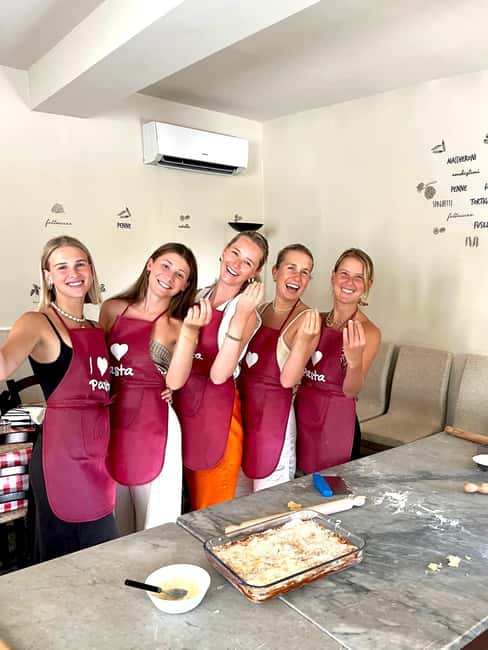
- Two classics in one class: Make lasagna sheets and spaghetti from scratch, rather than only watching a demonstration.
- Sauce skills included: Prepare silky béchamel and pummarola, a traditional tomato sauce.
- A social finish: Set the table together, then eat the pasta with local organic red wine.
- Helpful English instruction: The rotating chefs explain each step clearly and keep the mood light.
- A proper sweet ending: Chocolate dessert and a shot of limoncello follow the meal.
- Good value at $48: Ingredients, equipment, teaching, wine, dessert, limoncello, and an English recipe booklet are included.
Making pasta near the Arno
The class meets at Pastamania Experience in Florence’s historic center, at Lungarno Guicciardini 17 R. Pay close attention to the address: the building number is red, not blue. Search for Lungarno Guicciardini 17 R on your map, and ring the doorbell marked Pastamania Experience.
This central setting matters. You do not need to spend part of your day arranging a ride into the countryside, and the class fits neatly into a Florence sightseeing plan. You can schedule it as a break from museums and churches, or use it as an evening meal with a difference.
The class lasts about three hours, though one group finished in roughly two and a half. I would still set aside the full three hours, especially if you want time to ask questions, eat slowly, and enjoy the wine. Starting times vary, so check the available schedule when you book.
The room is described as a beautiful palazzo, giving the activity a more local feel than a generic cooking studio. You are not simply handed a plate of pasta. You prepare food, help set the table, and share the final meal with the group.
More Florence trips worth a second look
- Florence: Pasta Cooking Class with Unlimited Wine
★ 4.9 · 10,285 reviews - Florence Pizza or Pasta Class with Gelato Making at a Tuscan Farm
★ 5.0 · 6,801 reviews - Florence: Pasta & Tiramisu Cooking Class with Unlimited Wine
★ 4.9 · 6,708 reviews
Rolling dough into lasagna sheets
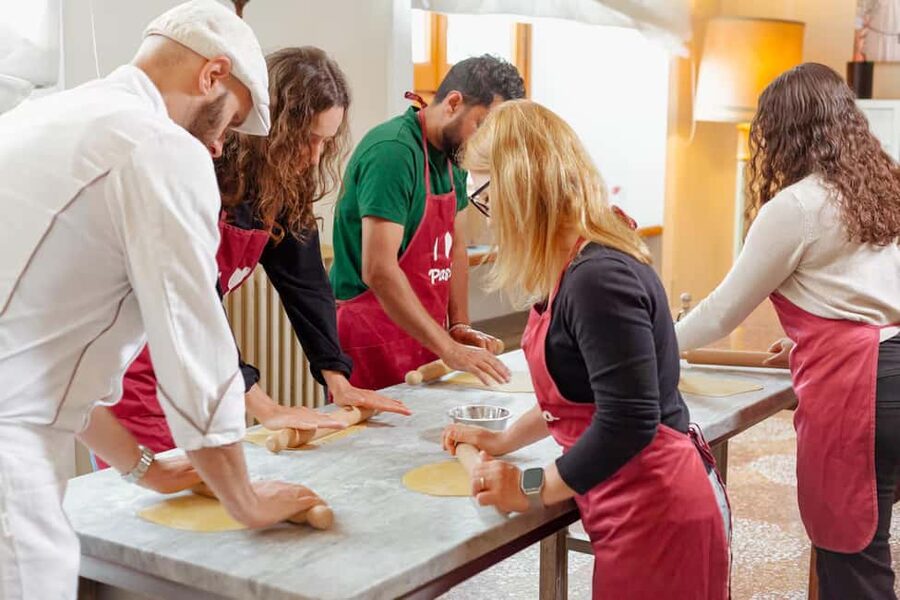
The first major task is the pasta dough. The chef leads you through the basic technique, then helps you knead and roll it into thin sheets. This is the point where the class becomes more useful than a standard food tour. You learn what the dough should feel like and how to handle it, rather than only hearing a recipe read aloud.
The pace is designed for beginners. Past instructors have included Aly, Milena, Erica, Robin, Lucrezia, Jasmine, Lena, Marta, and Sorno, among others. Names and teaching styles vary by date, but the pattern is consistent: English instruction, repeated demonstrations, and personal help at the table.
You should expect a lively class rather than a silent lesson. Families, couples, and small groups can all take part, and the teaching style is meant to include everyone. One instructor, Robin, was praised for keeping the whole group involved while showing tricks for kneading and shaping. Another, Milena, has worked as a chef for 25 years and is especially good at explaining practical uses for leftover pasta.
There is one point to understand before booking. Your group may combine its pasta during the meal instead of each person eating only the exact portion they shaped. One family would have preferred to try its own pasta separately, and that is a fair consideration if you want a tightly personal cooking lesson. The class is built as a shared activity, with shared results.
Building traditional lasagna with béchamel
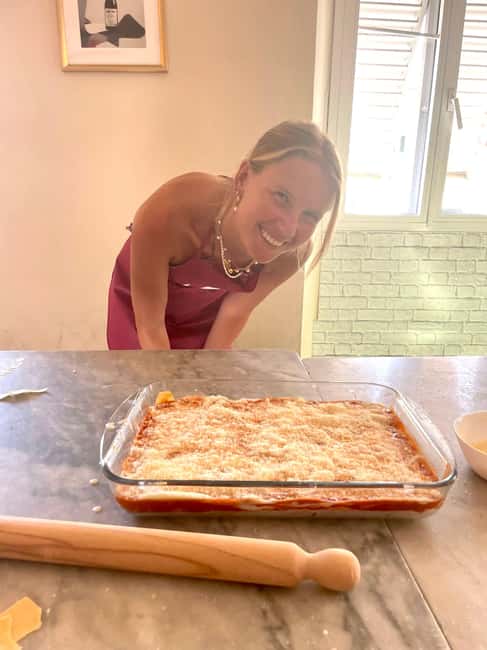
Next comes the lasagna. You prepare béchamel from milk, butter, flour, salt, and nutmeg. The sauce should be smooth and creamy, and the chef shows you how it works with the bolognese ragú and your pasta sheets.
The bolognese sauce itself is supplied rather than made from scratch, according to the class description. That lets the lesson focus on the dough, béchamel, assembly, and baking process, but it also means you will not learn the full ragú recipe in this session. If making every component from raw ingredients is important to you, ask before booking.
Assembling the lasagna gives you a clear picture of how Italian home cooking works. The pasta, sauce, béchamel, and ragú are layered rather than treated as separate parts. You see why the white sauce matters: it softens the layers and adds the creamy texture that makes traditional lasagna so satisfying.
The cooking is hands-on, but not technically demanding. You do not need previous experience, and the class is suitable for children from age eight. Comfortable clothing is a sensible choice, since you will be working with flour, dough, sauces, and kitchen equipment.
Shaping spaghetti and simmering pummarola
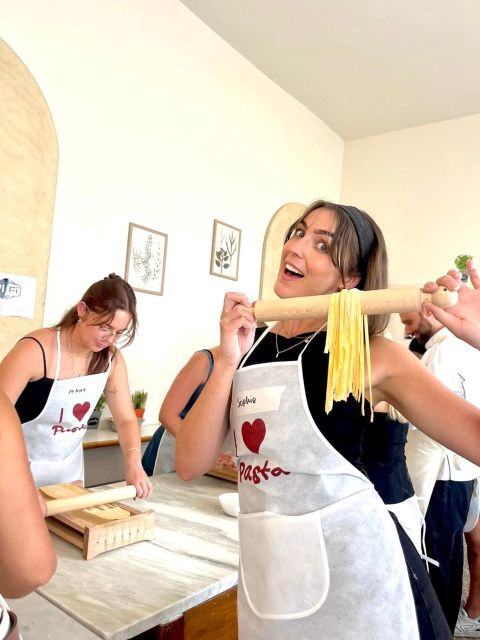
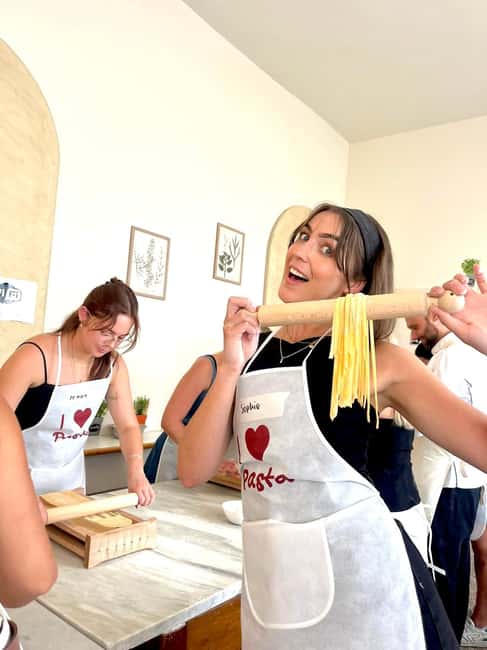
The second pasta project is handmade spaghetti. You work through the same basic dough skills, then shape the pasta into long strands. The process gives you a different challenge from lasagna sheets: thin, even pieces matter, and the pasta needs to be handled carefully so it does not clump.
The spaghetti is paired with pummarola, a slow-cooked tomato sauce. This is a simple combination, but it is exactly the sort of dish that shows why fresh pasta classes are useful. The ingredients are familiar, so your attention goes to method: dough texture, shaping, sauce consistency, and timing.
Some sessions have included close relatives of the listed dishes, such as linguine, tagliatelle, fettuccine, or ravioli. The exact pasta shape can vary with the class or group arrangement. The scheduled experience focuses on lasagna and spaghetti, but you should be prepared for a similar fresh-pasta format if the provider combines sessions or adjusts the menu.
That flexibility can be a benefit. One participant was redirected into another small class after being the only person booked for a particular session and felt the replacement was an upgrade because it included more advanced pasta. Still, if you have your heart set on one exact shape, confirm the plan ahead of time.
A different way to spend the day, same part of Italy:
- Florence: Skip-The-Line Uffizi Gallery Timed Entry Ticket
★ 4.5 · 27,832 reviews - Tuscany Day Trip from Florence: Siena, San Gimignano, Pisa and Lunch at a Winery
★ 5.0 · 21,634 reviews - Florence: Timed Entrance Ticket to Michelangelo’s David
★ 4.6 · 16,983 reviews - Florence: Michelangelo’s David Skip-the-Line Entry Ticket
★ 4.5 · 12,764 reviews
From worktable to shared Florentine meal
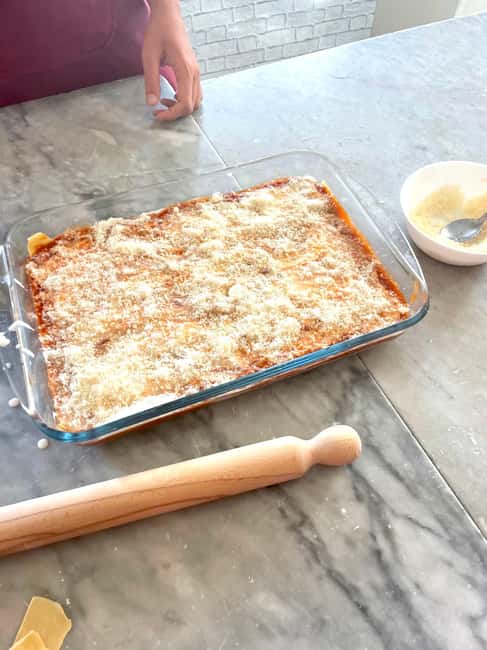
After the cooking, everyone helps set the table. This small step changes the mood. You move from instruction to a communal meal, sitting down with the people who have been kneading, rolling, and laughing beside you.
The finished lasagna and spaghetti are served with local organic red wine. Wine is included in the price, and several sessions have been described as generous with the pours. Only participants of legal drinking age receive alcohol, so younger members of a family can join the cooking but will not be served wine.
The food is the reward for the work, but it is also a useful test. You can taste how fresh pasta differs from dried pasta and see how béchamel and tomato sauce behave in finished dishes. Many participants find that the meal is more filling than expected, especially when dessert and limoncello follow.
The social side is a major part of the appeal. You might be seated with another couple, a family from another country, or a very small group of only four or five people. The maximum is 10, but actual class sizes may be smaller. That makes it easier to ask for help and gives the chef more time to correct your technique.
The wine and shared meal also make this a better fit for an evening than a rushed daytime appointment. You are not simply finishing a recipe and leaving. You have time to talk, eat, and compare the results.
Chocolate and limoncello to finish
The class ends with a chocolate dessert and a shot of limoncello. The dessert is not presented as a separate cooking project, but it provides a sweet finish after the pasta.
Limoncello gives the ending a distinctly Italian touch. It is included, though again, alcohol is limited to legal-drinking-age participants. If you do not drink, you can still take part in the meal and dessert, but the class is clearly designed around wine and a traditional after-dinner shot.
This final course also adds value to the $48 price. A central Florence meal with wine and dessert can quickly cost a good deal more, and here you receive a full meal plus instruction and ingredients. The setting and group atmosphere are part of what you are paying for, not just the amount of food on the plate.
What $48 buys you
At $48 per person, this is one of the more practical food activities in Florence. The fee includes the ingredients, cooking equipment, English-speaking instructor, wine, dessert, limoncello, and a detailed recipe booklet in English.
The booklet is particularly useful. A cooking class can be a pleasant holiday memory that disappears once you return home, but written recipes give you a way to repeat the béchamel, pasta, and pummarola at home. You can also learn how to use extra pasta in other dishes, a tip one instructor made a point of sharing.
The price is strongest for people who want both dinner and an activity. If you only want to eat lasagna, a restaurant may be simpler. If you want to learn every part of a bolognese sauce, this class may feel limited because the ragú is not listed as a separate cooking task.
You may also find small kitchen tools for sale, including a pasta cutter box priced at 40 euros in March 2025. That is optional, not part of the class, but it could appeal to anyone who leaves determined to make fresh noodles regularly.
Who will enjoy this class most
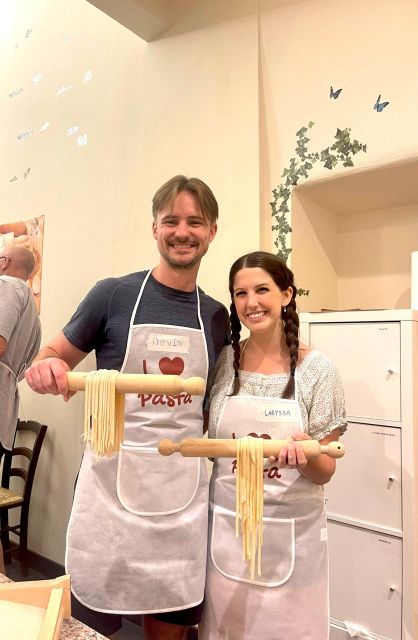
I would recommend this experience to first-time pasta makers, families with children aged eight and older, couples, and solo visitors who like meeting people over a meal. You do not need formal cooking skills, and the English instruction makes the steps easy to follow.
It is also a good choice if you want an activity that works in bad weather. Florence sightseeing can become tiring, especially after several hours in museums. Three hours at a worktable gives you a change of pace while still connecting you with Italian food traditions.
The class suits people who value a friendly teacher. The instructors are not just there to measure ingredients. Aly has been praised for her patience and humor, Milena for her energy and long kitchen experience, Erica for her food and Florence tips, and Robin for keeping the room engaged. Since the chef changes, the exact personality is not guaranteed, but the format depends heavily on an outgoing teacher.
This is less suitable for anyone with limited mobility, since the experience involves standing, handling dough, and working in a kitchen. It is also not suitable for vegans, people with gluten intolerance, or those who cannot have lactose. Tell the provider about allergies and dietary restrictions in advance, but do not assume substitutions are possible.
Useful planning details before you book
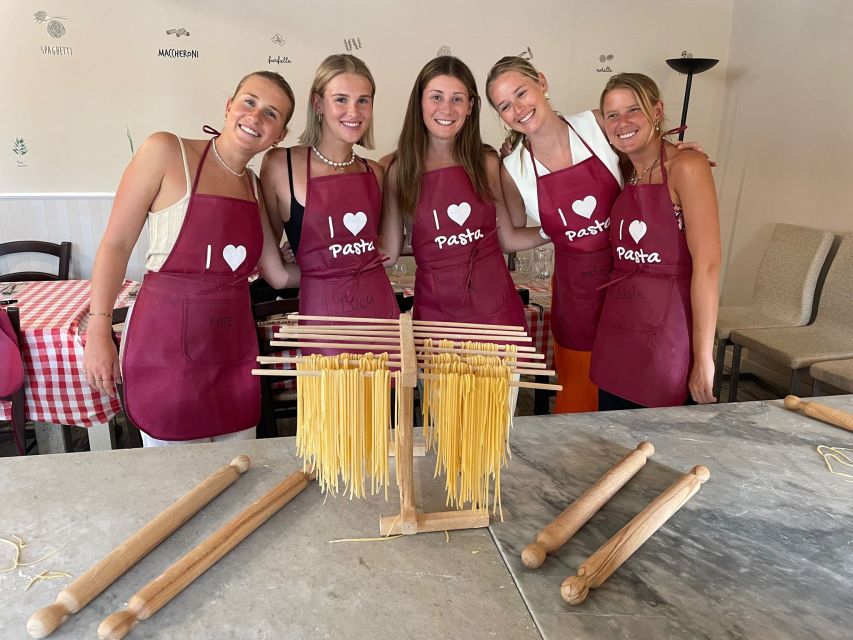
Wear comfortable clothes that can handle a little flour or sauce. You do not need to bring ingredients or equipment, since both are included.
The class is taught in English. Children must be at least eight years old, and alcohol is served only to adults of legal drinking age. If you are booking as a family, remember that the meal includes wine as part of the standard format.
The group can hold up to 10 people, but smaller groups are possible. Four, five, and seven-person sessions have taken place, which can make the instruction feel more personal. A full group may feel livelier, while a smaller one may give you more direct feedback.
The provider needs a minimum number of participants to run the class. If that number is not reached, you may be offered another date or time, or a full refund. You can cancel up to 24 hours before the activity for a full refund, and reserve now while paying later.
For arrival, use the red-number address carefully. Florence has both red and blue street numbering, and going to the wrong number is an easy way to start the evening in a hurry. Look for 17 R and the Pastamania Experience doorbell.
The drawbacks worth weighing
The strongest limitation is the dietary policy. This is not a flexible cooking class for every diet. Gluten, dairy, and animal-based ingredients are central to the menu, so vegans and people with gluten intolerance should choose another activity.
The second consideration is control over the final dish. You shape the pasta, but the group may combine portions for the meal. That is normal for a shared class, yet it may disappoint you if you want to track and eat only your own work.
The itinerary can also vary slightly. Some sessions have featured tagliatelle, linguine, fettuccine, or ravioli alongside or instead of the listed shapes. This is not necessarily a problem, but the title should not lead you to expect a rigid restaurant-style menu with no changes.
Finally, the three-hour estimate may be longer than the actual activity on some dates. One group finished in two and a half hours. Plan for three, but do not count on a full three-hour lesson if you are arranging a tight connection afterward.
Should you book the Florence pasta class?
Book it if you want a hands-on Florence meal, clear English instruction, and a recipe you can use after Italy. The combination of two pasta styles, sauces, wine, dessert, and a central palazzo setting offers strong value at $48.
I would choose it for a family day, a relaxed date night, or the start of a Florence stay. It gives you a practical food skill and an easy way to meet a small group. I would skip it only if you need vegan, gluten-free, or lactose-free food, dislike shared cooking, or want to prepare every sauce from the first ingredient.
For most pasta-friendly visitors, this is a smart booking. Just confirm the meeting address, allow the full three hours, and arrive ready to get flour on your hands.
FAQ
Where does the Florence lasagna and spaghetti class meet?
Meet at Pastamania Experience on Lungarno Guicciardini 17 R in Florence’s historic center. The building number is red, not blue. Ring the doorbell marked Pastamania Experience.
How long does the cooking class last?
The listed duration is three hours. Some sessions may finish in about two and a half hours, but you should allow the full three-hour period.
Is the class taught in English?
Yes. The instructor teaches in English.
What food will I prepare?
The class focuses on traditional lasagna and handmade spaghetti. You also prepare béchamel and pummarola tomato sauce. Some sessions may include related pasta shapes such as tagliatelle, linguine, fettuccine, or ravioli.
Is wine included?
Yes. Local organic wine is included, along with dessert and limoncello. Wine is served only to participants of legal drinking age.
Can vegans or people with gluten intolerance join?
No. The experience is not suitable for vegans or people with gluten intolerance. It also cannot accommodate lactose intolerance. Tell the provider about allergies or dietary restrictions in advance.
What is included in the $48 price?
The price includes ingredients, cooking equipment, the English-speaking instructor, wine, dessert, limoncello, and an English recipe booklet. Hotel pickup and drop-off are not included.
Recently reviewed around Florence
- Walking Food Tour of Florence with Tastings and Wine★ 5.0 · 518 reviews
- Florence Sunset Food Tour with Wine & Dine at a Tuscan farmhouse★ 5.0 · 194 reviews
- Wine Experience In Chianti Hills from Florence★ 4.5 · 195 reviews
- Uffizi Gallery Timed Entry Admission Tickets★ 4.0 · 392 reviews
- Val d’Orcia Brunello Wine Tour with Montalcino and Montepulciano★ 4.5 · 359 reviews
- Wine Tasting Experience in Ponte Vecchio: Best Tuscany selection!★ 5.0 · 197 reviews
- Uffizi Gallery Small Group Tour with Guide★ 4.5 · 879 reviews
- Early Access Guided Uffizi Gallery Tour Skip-the-Line Small Group★ 4.5 · 707 reviews
Workshops, compared.
3 in 1 Cooking Class near Navona: Fettuccine, Ravioli & Tiramisu
Read our review →
Florence Pizza or Pasta Class with Gelato Making at a Tuscan Farm
Read our review →
Pasta & Tiramisu Cooking Class with Unlimited Wine
Read our review →
Pizza-Making Workshop with Drink and Appetizer
Read our review →
Pasta & Tiramisu Class with Fine Wine by the Vatican
Read our review →
Cooking Class and Lunch at a Tuscan Farmhouse with Local Market Tour from Florence
Read our review →Browse the lists this tour appears in