Review · TICKETS
Genoa: Biosfera Entrance Ticket
The most striking part of Genoa’s Biosfera is the setting: a round steel-and-glass structure floating beside the Old Port, designed by Renzo Piano. Inside, you step from the port’s city noise into a warm tropical habitat filled with plants, birds, and other small wildlife.
I like two things here. First, the low $7 price makes it an easy add-on to a day around the harbor. Second, the compact setting lets you see unusual plants, including coffee, banana, cinnamon, chewing gum, and tall tree ferns, at close range. The main drawback is size. You may finish in 10 to 20 minutes, so this is a brief stop, not a full day in nature.
In This Review
- Key points to know before you go
- Genoa’s glass sphere beside the Old Port
- What you see inside the tropical habitat
- How long you should allow
- Humidity, comfort, and the pace of the visit
- Is $7 a fair price?
- Who will enjoy the Biosfera most
- Conservation is part of the message
- What the ratings suggest about expectations
- Practical planning for your Genoa day
- Should you book the Genoa Biosfera?
- FAQ
- Where is the Genoa Biosfera?
- How much does the entrance ticket cost?
- How long does the Biosfera visit take?
- What can I see inside the Biosfera?
- Is the Biosfera wheelchair accessible?
- Can I bring a pet?
Key points to know before you go
- Renzo Piano’s glass sphere: The building itself is part of the experience, with an unusual design beside Genoa’s Old Port.
- More than 150 species: The Biosfera brings tropical plants and wildlife into a small, carefully maintained indoor habitat.
- Rare tropical plants: Look for coffee, banana, cinnamon, chewing gum, and tree ferns described as the tallest in the world.
- A short visit: Plan for roughly 10 to 20 minutes, though you can walk around more than once.
- Useful flexible booking: You can cancel up to 24 hours before the selected date for a full refund, and reserve now while paying later.
- Easy access: The entrance ticket includes skip-the-line entry, and the Biosfera is wheelchair accessible.
Genoa’s glass sphere beside the Old Port
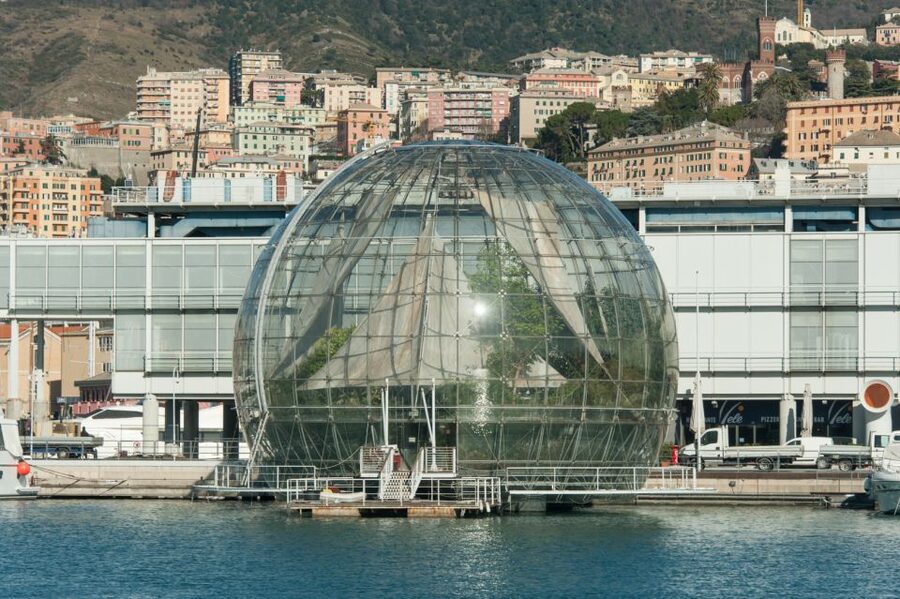
The Biosfera works best as part of a walk through Genoa’s Old Port. Its steel-and-glass shell is easy to notice, and the rounded form gives it a lighter look than the stone buildings around the harbor.
The design comes from architect Renzo Piano, a Genoa native whose work is closely linked with the city. You do not need to be an architecture expert to appreciate the contrast. Outside, you have ships, waterfront paths, and urban activity. Inside, the same compact structure holds a humid tropical environment.
That change of mood is the real appeal. You are not entering a huge botanical garden or a forest trail. You are stepping into a small indoor habitat where the building and the living displays share the same space.
The structure also gives you a quick architectural stop even if plants and animals are not your main interest. At $7, the ticket is inexpensive enough to combine with other Old Port sights rather than treat as the day’s main attraction.
More Italy trips worth a second look
- Vatican: Museums & Sistine Chapel Entrance Ticket
★ 4.5 · 144,003 reviews - Milan: Cathedral and Duomo’s Terraces Entrance Ticket
★ 4.6 · 61,054 reviews - Venice: Doge’s Palace Reserved Entry Ticket
★ 4.6 · 42,716 reviews
What you see inside the tropical habitat
The central theme is the fauna and flora of tropical forests. These ecosystems are delicate and under pressure from human exploitation, so the visit is not only about looking at unusual species. It also connects the plants and animals to conservation and the need to protect their natural environments.
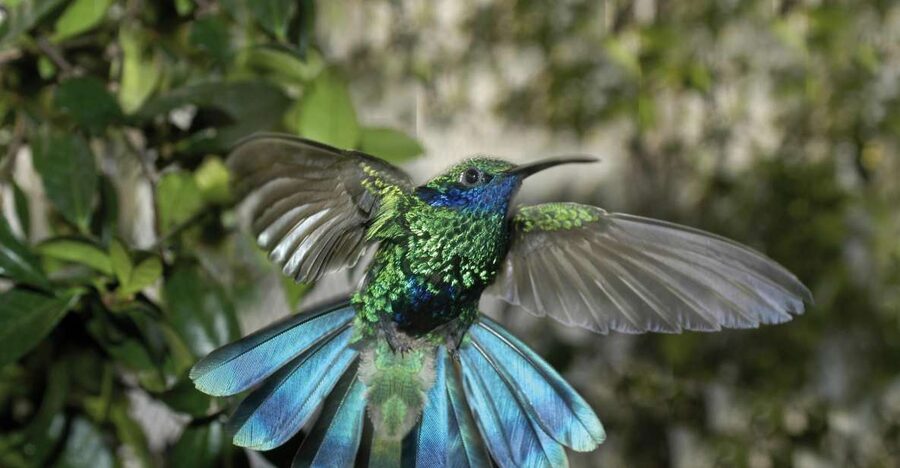
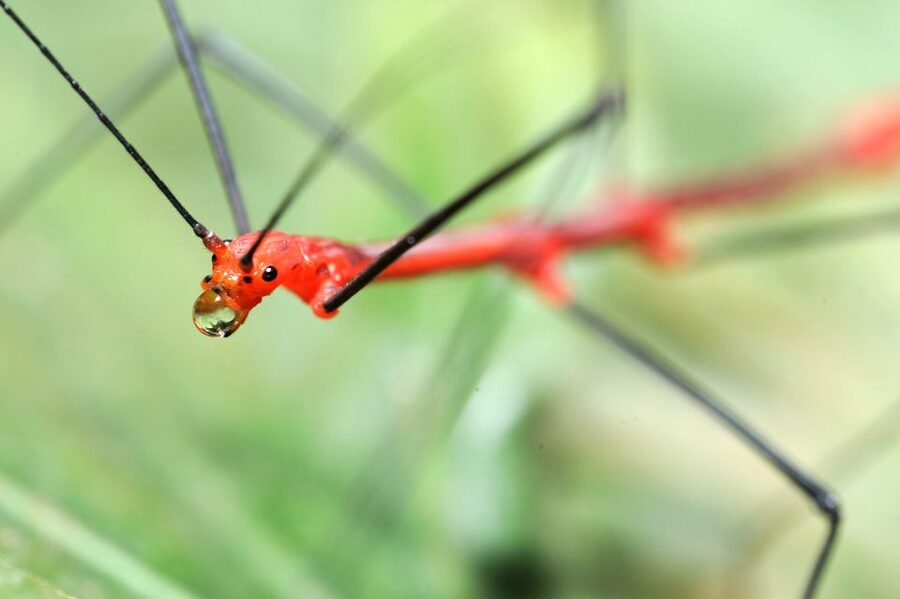
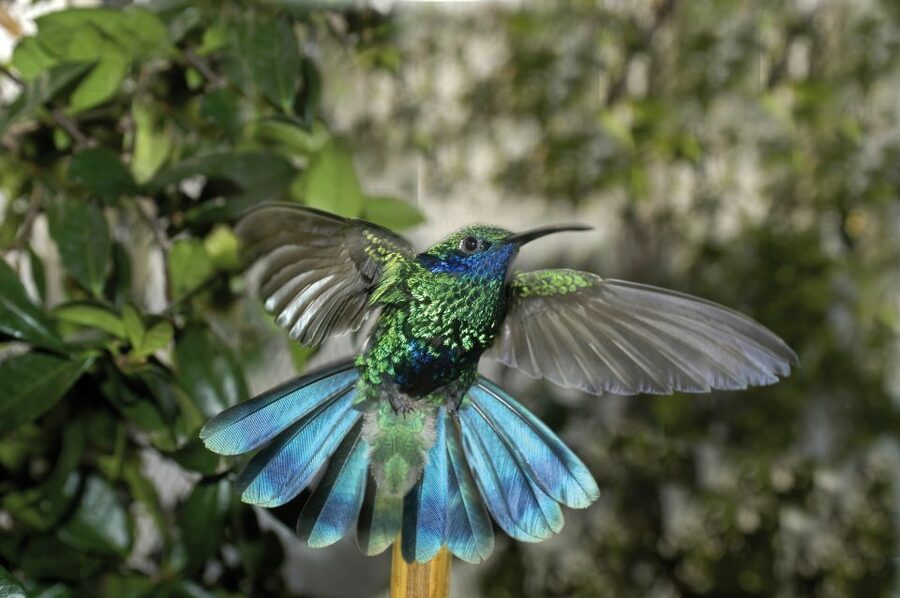
The Biosfera contains more than 150 types of wildlife. The exact mix can vary, but the experience is focused on seeing tropical species at close range in a contained habitat. That makes it a useful stop for families and for anyone who wants a simple introduction to tropical ecosystems without leaving central Genoa.
The plant collection is one of the stronger reasons to enter. You can see a coffee plant, banana tree, cinnamon plant, and chewing gum tree. These are familiar products or names, but seeing them as living plants gives you a better sense of where everyday foods and materials begin.
The tree ferns are another unusual feature. They are described as the tallest in the world, and their scale helps show how different tropical plant life can be from the houseplants and garden trees you see in Italy.
The attraction’s small size has one advantage: you are unlikely to feel lost or rushed through a large maze of rooms. You can take a slow circuit, look closely, and repeat the route if you missed something. It also has a clear limit. Once you have seen the habitat, there is not a long series of galleries waiting ahead.
How long you should allow
The advertised validity is one day, but that does not mean you should set aside a full day for the Biosfera. The ticket lets you enter on the date you select, while the actual visit is short.
A realistic plan is 10 to 20 minutes. A very quick walk can take about 10 minutes. If you move slowly and circle the space several times, you can stretch the visit closer to 20 minutes.
That timing matters when you plan your Genoa day. I would not travel across the city for this attraction alone unless you have a particular interest in tropical plants, wildlife, or Renzo Piano’s architecture. I would place it between other Old Port activities, a waterfront walk, or a meal nearby.
The compact size can be a positive for families with limited patience, older people who prefer a brief indoor stop, or anyone needing a break from sightseeing. It is also useful on a rainy day, though the indoor air is very humid.
You should not expect the scale of a major zoo, botanical garden, or large conservatory. A few minutes may be enough for you if you only want a quick look. If you enjoy photographing plants or watching small animals, take your time and make a second circuit.
Humidity, comfort, and the pace of the visit
The tropical environment is warm and humid. That is part of the point, since the plants need conditions closer to their natural climate, but it can feel intense after walking through Genoa’s cooler or breezier port area.
Wear light layers that you can manage easily. You are unlikely to need special equipment, but you should be ready for a noticeable change in air temperature and moisture. The humid conditions may be less comfortable for anyone who dislikes enclosed, warm spaces.
The space is wheelchair accessible, which makes the short route easier to consider for people who need step-free access. The ticket does not include a guide or a separate activity, so you should expect to explore at your own pace.
Pets are not allowed. Plan accordingly if you are sightseeing with an animal, since you will need to arrange care outside the Biosfera before entering.
A different way to spend the day, same part of Italy:
- Vatican Museums & Sistine Chapel Tour with Optional Basilica
★ 4.3 · 67,413 reviews - Colosseum, Roman Forum & Palatine Guided Tour
★ 4.7 · 63,148 reviews - Vatican Museums, Sistine Chapel & St Peter’s Basilica Guided Tour
★ 4.5 · 39,149 reviews - Rome: Colosseum, Palatine Hill and Roman Forum Guided Tour
★ 4.8 · 32,814 reviews
Is $7 a fair price?
At $7 per person, the Biosfera offers decent value if you judge it as a compact Old Port attraction. The price is low enough to make the decision simple, especially if you are already nearby and want something different from churches, museums, and harbor views.
The value drops if you expect a long visit. Some people may walk through in only a few minutes, and even a careful visit may not last more than 20 minutes. You are paying for a focused habitat, not hours of entertainment.
I would use this rule: book it if you like small, specialized attractions and can fit it naturally into your route. Skip it if you want a major attraction that fills half a day.
The ticket includes admission only. It does not list food, transport, or a guided tour as part of the experience. You can reserve now and pay later, which helps if your Genoa schedule is still changing. Free cancellation is available up to 24 hours before your selected date, giving you some protection if weather or plans shift.
The ticket is valid only on the date you choose. Check the available starting times before booking, since the one-day validity does not mean you can use it on another date.
Who will enjoy the Biosfera most

I think this works best for four types of people.
Families can use it as a short, manageable stop. The animals and unusual plants offer enough variety to hold attention for a brief visit, without the walking demands of a large zoo.
Plant lovers have a better reason to come. The coffee, banana, cinnamon, chewing gum, and tree fern specimens offer a close look at tropical species that you may otherwise know only from shops or food labels.
Architecture fans will appreciate the Renzo Piano connection and the striking glass-and-steel form. Even if you spend little time inside, the building adds interest to an Old Port walk.
Sightseers who prefer small attractions may find the compact route appealing. You can enter, look carefully, and continue with your day without a major time commitment.
I would be more cautious if you want extensive animal viewing, a long educational program, or a large outdoor garden. The Biosfera cannot provide that scale in its small enclosure.
Conservation is part of the message
The tropical forest display has a purpose beyond decoration. It presents plants and animals from ecosystems threatened by human exploitation, and it encourages you to think about how your choices affect their survival.
The information provided does not specify particular conservation projects, donation programs, or hands-on activities. You should therefore treat the conservation element as part of the educational setting rather than expect a full workshop or volunteer session.
Still, the idea fits the attraction well. Plants such as coffee, banana, and cinnamon are tied to daily life, while the wildlife shows that tropical forests are living systems rather than simple sources of products. A short visit can give you a more direct sense of what is at stake.
To get the most from the experience, slow down at the plant displays. Notice which species you recognize, then consider how different they look growing in a humid habitat. The attraction is small, but that does not mean you need to rush.
What the ratings suggest about expectations
The overall score is 3.9 from 283 reviews, which points to a generally positive but mixed experience. The consistent strengths are the attractive tropical reproduction, the careful presentation, and the chance to see many plants and birds in one central location.
The repeated concern is the size. Some people find the space very small and finish almost immediately. Others spend closer to 20 minutes by walking around slowly several times. Both reactions can be true because the experience depends heavily on your pace and expectations.
That makes the description you carry into the Biosfera important. Think of it as a short living exhibit, not a major zoo. If you accept that, the visit can feel like a pleasant pause. If you expect a large tropical world, the price may still be modest, but the attraction may disappoint.
Practical planning for your Genoa day
Use the Biosfera as one stop in a larger Old Port plan. Its location makes it suitable for a before-lunch, after-lunch, or between-attractions visit. Since no transport service is included, you should arrange your own way to the Old Port.
Skip-the-ticket-line entry can save a little time, especially when you want a quick stop. The activity offers starting times based on availability, so check the date and time before confirming.
The ticket is wheelchair accessible, but the provided information does not give detailed measurements or describe every internal feature. If you need a specific accessibility arrangement, confirm the details before booking.
Bring a little patience for the humid interior. Give yourself enough time to look at the plants rather than simply enter and leave. You can also make a quick first circuit, then repeat it more slowly. In a small space, a second look often reveals details that are easy to miss.
Should you book the Genoa Biosfera?
Book it if you are already visiting Genoa’s Old Port, like tropical plants or small wildlife displays, and want an inexpensive stop with distinctive architecture. The $7 price, wheelchair accessibility, and flexible cancellation terms make it an easy addition to a city day.
Do not book it as your main Genoa attraction or expect a full-day outing. The Biosfera is compact, warm, and quick to see. For the right visitor, that is its charm: a focused glimpse of tropical life inside one of the city’s most unusual buildings.
FAQ
Where is the Genoa Biosfera?
The Biosfera is at the Old Port of Genoa in Liguria, Italy.
How much does the entrance ticket cost?
The listed price is $7 per person.
How long does the Biosfera visit take?
The actual visit may take about 10 to 20 minutes. A slow visit with several circuits can last longer than a quick walk through.
What can I see inside the Biosfera?
You can see more than 150 wildlife species and tropical plants, including tree ferns, a chewing gum tree, coffee, banana, and cinnamon plants.
Is the Biosfera wheelchair accessible?
Yes. The activity information states that the Biosfera is wheelchair accessible.
Can I bring a pet?
No. Pets are not allowed inside the Biosfera.
Recently reviewed around Italy
- Ancient Rome at Twilight Walking Tour★ 5.0 · 276 reviews
- Domus Aurea Guided Tour: The Golden House of Nero★ 4.5 · 199 reviews
- Early Vatican Museums & Sistine Chapel Small Group Tour★ 4.5 · 314 reviews
- Early Vatican Museums Tour: The Best of the Sistine Chapel★ 4.5 · 900 reviews
- Tivoli Villas Full Day Trip From Rome with Lunch★ 4.0 · 443 reviews
- Jewish Ghetto & Piazza Navona: Food, Wine & Sightseeing Rome Tour★ 5.0 · 460 reviews
- 3 Days in Sorrento, Capri & Pompeii: la Dolce Vita★ 4.0 · 595 reviews
- Cook With Us in Rome: A Hands-On Cooking Experience 09:20AM class★ 5.0 · 234 reviews
Tickets, compared.

Vatican: Museums & Sistine Chapel Entrance Ticket
Read our review →
Cathedral and Duomo’s Terraces Entrance Ticket
Read our review →
Skip-The-Line Uffizi Gallery Timed Entry Ticket
Read our review →
Naples Underground Entry Ticket and Guided Tour
Read our review →
Pantheon Fast-Track Ticket and Official Audio Guide
Read our review →
Entry Ticket and Guided Tour with an Archaeologist
Read our review →