
Review · MUSEUMS
Milan: La Scala Theater and Museum Tour with Entry Tickets
La Scala’s greatest surprise is how much life sits behind its elegant red-and-gold theater. In one hour, a guide connects the building to Verdi, Toscanini, Maria Callas, Luciano Pavarotti, and Carla Fracci, while the museum supplies costumes, instruments, portraits, and personal stories. The tour turns a famous name into a real place.
I like the chance to look into the auditorium from one of the boxes, sometimes even sitting there for a few minutes, and I like the guides’ use of stories, humor, and music to make opera less forbidding. Guides such as Eddie, Silvia, Simone, and Daniele have been praised for bringing strong personality and clear explanations to the visit. The main limitation is important: rehearsals and events may restrict you to the museum, so theater access is not guaranteed.
In This Review
- Key points to know before you book
- Why La Scala feels bigger than its grand facade
- Starting in the La Scala Museum
- Looking into the auditorium from a theater box
- The stories of Verdi, Callas, and Pavarotti
- How the one-hour format works for you
- Is $34 a fair price?
- Who should take this La Scala tour?
- Important limits to keep in mind
- My verdict on La Scala Theater and Museum
- FAQ
- How long does the La Scala Theater and Museum tour last?
- What does the ticket include?
- Which languages are available?
- Is the tour wheelchair accessible?
- Can I see the La Scala auditorium?
- Can I watch a rehearsal?
- Are headsets provided?
- Are pets or large bags allowed?
- What happens if it rains?
- Can I cancel the booking?
Key points to know before you book
- A one-hour guided visit: The tour covers La Scala’s museum and, when conditions allow, offers a view into the auditorium.
- The museum is more than a display case: You’ll see stage costumes, musical instruments, portraits, busts, and items linked to major performers.
- The guide makes the difference: Expect stories about artists, performances, composers, and the theater’s 240-year past.
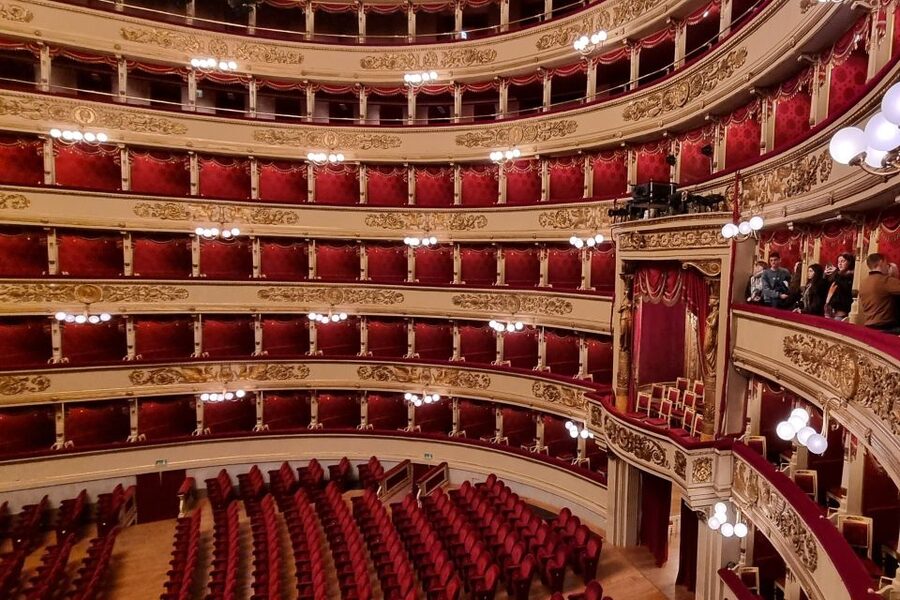
- The best view may be from a box: Access to a theater box gives you a memorable look down toward the stage and seating.
- Rehearsals can change the visit: Events or stage work may limit access, but an unexpected rehearsal can sometimes become the highlight.
- Good practical value at $34: The price is reasonable if you want context and a guided introduction, not just a quick museum entry.
Why La Scala feels bigger than its grand facade
La Scala is easy to admire from outside. It sits in central Milan, near the city’s best-known sights, and its name carries enormous weight in opera and ballet. Yet a photograph of the facade tells you little about the artists, rivalries, costumes, instruments, and performances that made this theater important.
That is where this tour earns its keep. You are not simply sent through rooms with labels and left to guess why a faded costume matters. A live guide explains the links between the objects and the people who used them, performed in them, or helped shape La Scala’s reputation.
You do not need to be an opera expert. Several guides use plain explanations and a little humor, making the visit friendly for newcomers. One guide even used music from a phone to help the group hear the difference between composers and understand how instruments and performances fit into the story.
The building’s history stretches back about 240 years, with more than two centuries of major opera and ballet performances behind it. The important point for you is not memorizing every date. It is seeing how La Scala became a working theater shaped by singers, conductors, dancers, composers, stage crews, and audiences.
More Museum Tours in Milan
- Milan: Science and Technology Leonardo da Vinci Museum Entry
★ 4.5 · 7,169 reviews - Official San Siro Stadium and Museum Guided Tour
★ 4.4 · 3,573 reviews - Milan: Leonardo3 The World of Leonardo Museum Entry Ticket
★ 4.4 · 3,241 reviews
Starting in the La Scala Museum
The museum is the reliable core of the visit. Even when rehearsals close parts of the theater, the museum usually gives you a substantial look at La Scala’s artistic world.
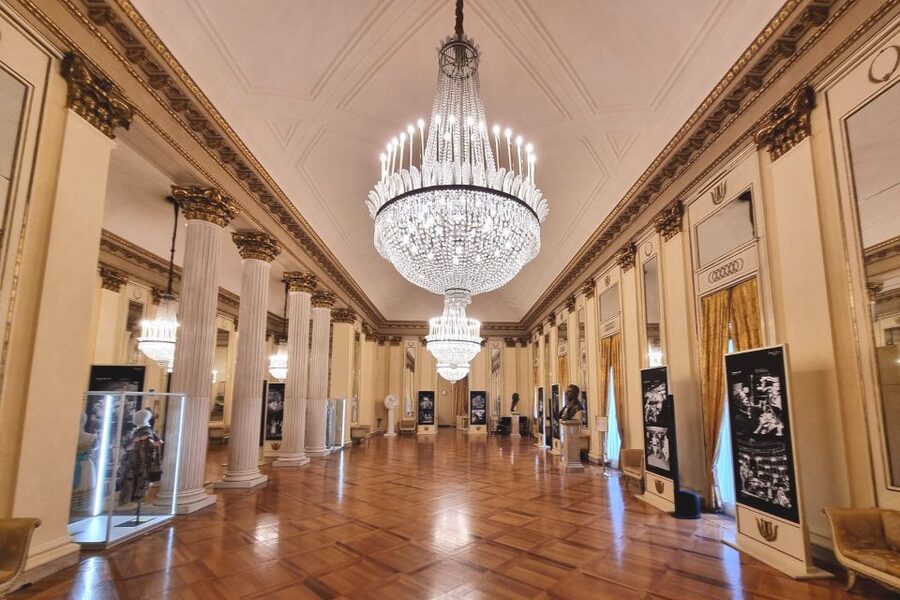
Expect galleries displaying stage costumes and musical instruments, along with portraits and busts of important figures. These objects help put a human face on a tradition that can otherwise feel distant. A costume shows how performers were presented on stage. An instrument gives you a physical connection to the sound. A portrait hints at the fame and personality of someone whose name may be familiar but whose life you may not know.
The collection also includes material tied to opera and ballet. That matters because La Scala is not only a house for famous singers. Its story includes dancers, conductors, composers, and the changing demands of stage production.
Your guide’s commentary gives the rooms a clear order. You’ll hear about distinguished performances and the unusual lives of artists connected with the theater. The anecdotes are often the most memorable part because they reveal the people behind the polished public image.
The tour is guided rather than self-directed, so you should expect the pace to be set by the group. That is useful if you want a coherent introduction, though it may feel quick if you are fascinated by every item. The good news is that you may be able to continue through the museum independently after the guided portion, giving you time to return to displays that caught your eye.
Looking into the auditorium from a theater box
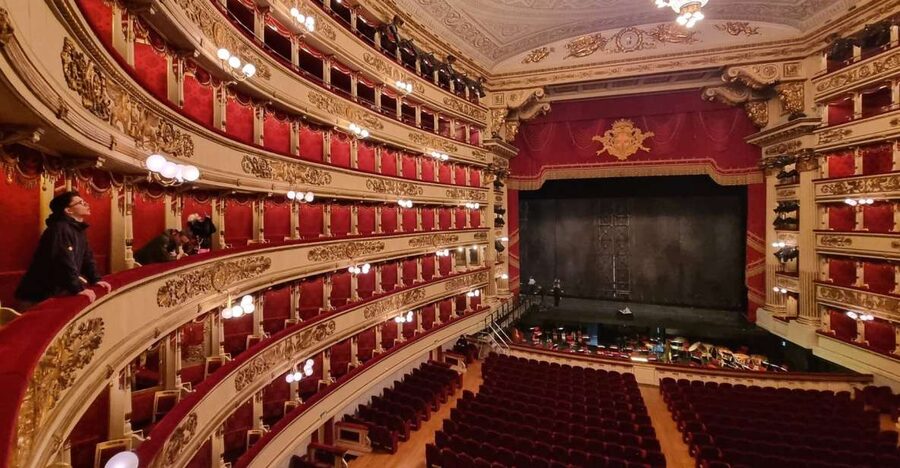
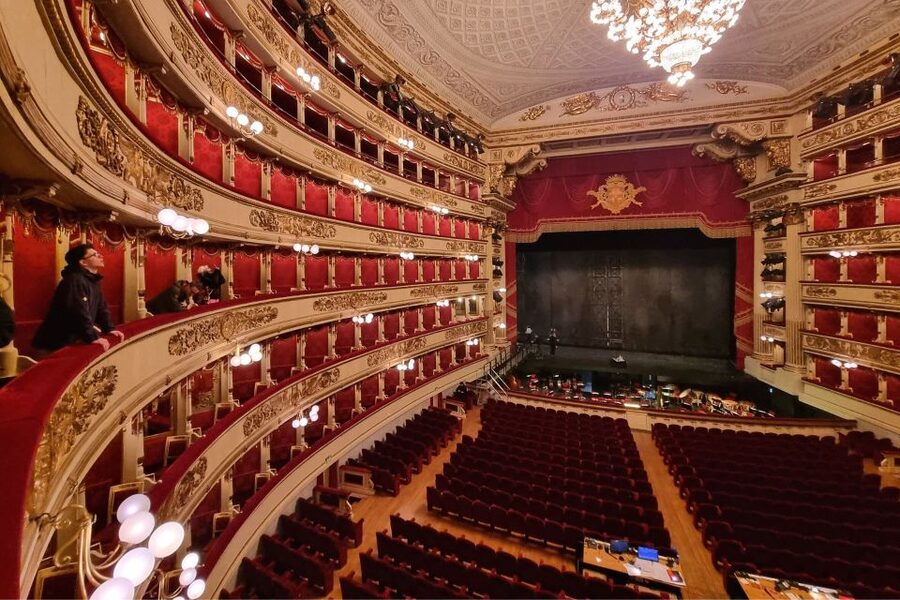
The moment many people anticipate is the view inside the theater. When access is permitted, the group can look into the auditorium from one of the boxes. This offers a striking sense of the scale, decoration, seating, and stage arrangement.
Being able to sit briefly in a box adds something simple but powerful. You can imagine what it felt like to attend a performance from that position, rather than merely seeing the room in a photograph. For many visitors, this is the emotional high point of the hour.
There is a practical catch. Access may be limited to a view from the box, rather than entry onto the main auditorium floor or the stage. Some people would prefer to see the theater from ground level or visit backstage areas, but those are not promised here.
The theater can also be closed or partly restricted because of rehearsals and events. In that case, the visit may focus on the museum only. You should book this experience for its museum and guide first, then treat a full auditorium view as an important bonus.
That said, limited access is not always bad news. A rehearsal may be taking place, and if you are allowed to watch part of it, you could see singers or an orchestra working in the real theater. This is not guaranteed, and you should not count on it, but it can offer a rare glimpse of La Scala as a working institution rather than a silent historic display.
The stories of Verdi, Callas, and Pavarotti
La Scala’s famous names are not used merely as decoration. The guide ties them to the theater’s performances and changing artistic life.
You may hear about Giuseppe Verdi, whose connection with Italian opera is central to any understanding of La Scala. Arturo Toscanini represents the powerful tradition of conducting associated with the house. Maria Callas and Luciano Pavarotti bring the story into the age of internationally known singers, while Carla Fracci represents the importance of ballet.
The value of this part of the tour depends heavily on the guide’s delivery. A dry list of names would be forgettable. A lively guide can explain who these artists were, why they mattered, and how their careers intersected with the theater.
Eddie has been particularly effective at mixing historical detail with jokes and anecdotes. Silvia has been praised for explaining La Scala’s past with passion, while Simone has connected the theater’s story to Milan. Daniele has also received praise for providing a large amount of information in an engaging way. Your guide may be someone else, but these examples give you a fair idea of the kind of presentation to expect.
Clear English is another strength of the experience. The tour is offered in English and French, and headsets are provided for groups of 10 or more. That small piece of equipment matters in a theater where a guide may need to speak quietly and where you may be standing at the back of a group.
More Milan museums and collections:
- Milan: La Scala Theater & Museum Guided Experience
★ 4.1 · 2,931 reviews - Milan: Pinacoteca Ambrosiana & da Vinci Codex Exhibition
★ 4.6 · 1,816 reviews - Milan: Cathedral, Archeological Area and Museum Ticket
★ 4.5 · 1,093 reviews - Casa Milan: Museum Entry Ticket
★ 4.6 · 969 reviews
How the one-hour format works for you
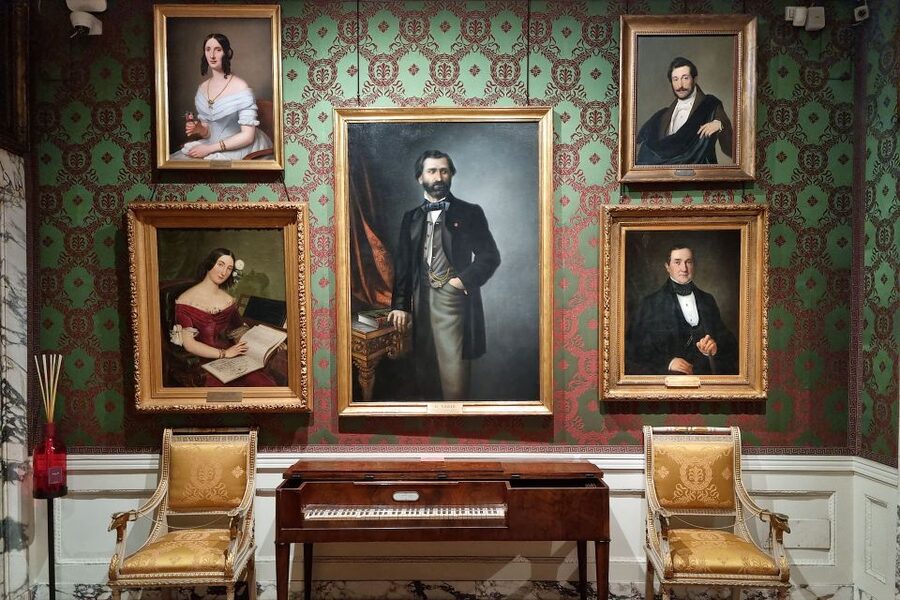
One hour is enough for an introduction, but not enough for a slow, scholarly examination of every gallery. I see that as a sensible length for a busy Milan itinerary. You can fit the visit between other central sights without giving up half a day.
The pace is usually smooth, with the guide moving the group through the museum and toward the theater viewing area when access is available. A shorter tour also works well if you are unsure how much opera you want in your schedule.
If you already know La Scala well, you may want more time with the collection. The answer is to linger afterward when permitted. Use the guided hour to learn the structure of the story, then inspect the displays on your own.
The group experience brings both advantages and limits. A guide can answer the basic questions, keep the visit moving, and point out details you might miss. On the other hand, you will not control the pace, and you may have less time in front of an especially appealing costume or portrait.
The headsets are useful for larger groups. One visitor noted that the equipment allowed the guide to speak without shouting and made it easier to follow from different places within the group. That is a practical benefit, especially in an exhibition space shared with other visitors.
Is $34 a fair price?
At $34 per person, this is a fair buy if you want more than admission alone. You are paying for entry to the La Scala Theater and Museum plus a live English or French-speaking guide. The added value is the explanation: why the objects matter, how the performers fit into La Scala’s story, and what you are seeing inside the building.
The price feels strongest for first-time visitors and people with limited opera knowledge. A guide can save you from wandering through the museum without context. The stories also help you decide which displays deserve another look after the formal tour ends.
If your only goal is a guaranteed, extended look at the auditorium, the value is less certain. Rehearsals and events can limit access, and the advertised theater peek is not always the same as a full interior tour. Keep your expectations focused on a guided museum visit with a possible auditorium view.
The experience also has useful booking flexibility. You can cancel up to 24 hours in advance for a full refund, and the reserve-now, pay-later option lets you hold a place without paying immediately. These policies are helpful when your Milan schedule is still shifting.
Who should take this La Scala tour?
I would choose this tour for anyone curious about opera, ballet, music, theater design, or Milan’s cultural identity. It suits visitors who want a clear introduction without committing to a performance.
It is also a good fit if you are traveling with someone who knows little about opera. The guide’s anecdotes and humor can bridge the gap between the enthusiast and the reluctant companion. You do not need to recognize every composer to enjoy the stories.
Families and mixed-age groups may appreciate the one-hour length, and the visit is accessible to wheelchairs and strollers. Pets and large bags are not allowed, so plan to arrive without either.
Opera fans should consider this a compact orientation rather than a full study visit. You may want additional time in the museum afterward, especially if the theater is closed during your tour.
Photography opportunities are strongest when you can look into the auditorium from a box. The view gives you a chance to take in the stage and seating from a position that feels more personal than a corridor or entrance hall.
Important limits to keep in mind
The phrase peek inside the theater should be read literally. You may see the auditorium from a box, but access to the main floor, stage, or backstage areas is not promised.
Rehearsals can restrict the visit to the museum. The tour operates rain or shine, though much of the experience takes place indoors. Since events can alter what is open, I would avoid booking this as your only chance to see a full performance space if that is your main reason for coming.
The meeting point can vary depending on the option you book. Check the details attached to your selected time before setting out, rather than assuming every departure begins in exactly the same place.
English and French are the available tour languages. Headsets are supplied from 10 participants, so smaller groups may not use them. Arriving prepared for a shared group visit will help you get the most from the hour.
My verdict on La Scala Theater and Museum
I recommend this tour, with one clear condition: book it for the guided museum experience and the stories, not for guaranteed full theater access.
At $34, the combination of admission, a one-hour live guide, historic costumes, instruments, portraits, and a possible box view offers good value. The strongest guides make the theater feel active and human. They explain not just what La Scala looks like, but why the artists and performances connected with it still matter.
If you are lucky enough to see a rehearsal afterward, you may get the kind of unscripted moment that no standard museum display can provide. If access is limited, you still have the museum and the guide’s account of 240 years of music and performance.
Book it if you want context, personality, and a manageable cultural stop in central Milan. Skip it only if you need a guaranteed walk through every part of the auditorium or prefer to explore entirely at your own pace.
FAQ
How long does the La Scala Theater and Museum tour last?
The guided tour lasts one hour.
What does the ticket include?
The ticket includes entry to La Scala Theater and Museum, along with a live guided tour.
Which languages are available?
The tour is available in English and French.
Is the tour wheelchair accessible?
Yes. The activity is wheelchair accessible and suitable for strollers.
Can I see the La Scala auditorium?
You may get a peek into the theater, including a view from one of the boxes, when access is available. Rehearsals and events may limit the visit to the museum.
Can I watch a rehearsal?
A rehearsal may be visible after or during the visit if conditions allow, but this is not guaranteed.
Are headsets provided?
Headsets are provided from 10 participants so you can hear the guide clearly.
Are pets or large bags allowed?
Pets and luggage or large bags are not allowed.
What happens if it rains?
The tour takes place rain or shine.
Can I cancel the booking?
Yes. You can cancel up to 24 hours in advance for a full refund.
Recently reviewed around Milan
- From Milan: Venice Full-Day Guided Tour With Boat Ride★ 4.5 · 322 reviews
- Venice Day Trip from Milan with Guided City Tour★ 4.0 · 383 reviews
- Verona and Lake Garda Day Trip from Milan★ 4.5 · 214 reviews
- Full-day Skip-The-Line Milan, The Last Supper and Duomo Cathedral★ 5.0 · 293 reviews
- Small-Group Lake Como & Lugano by Swiss Train + Boat Cruise★ 5.0 · 1,084 reviews
- Tour Bernina Red Train And St Moritz from Milan★ 4.5 · 247 reviews
- Walking Food Tour of Milan with Tastings★ 4.5 · 194 reviews
- Skip the Line: Essential Milan Tour Including Da Vinci’s ‘The Last Supper’★ 4.5 · 339 reviews
Museums, compared.
Vatican: Museums & Sistine Chapel Entrance Ticket
Read our review →
Vatican Museums & Sistine Chapel Tour with Optional Basilica
Read our review →
Vatican Museums, Sistine Chapel & St Peter’s Basilica Guided Tour
Read our review →
Skip-The-Line Uffizi Gallery Timed Entry Ticket
Read our review →
Vatican Museums, Sistine Chapel & Basilica Tour
Read our review →
Vatican Museums & Sistine Chapel Skip-the-Line Entry Ticket
Read our review →Vatican Museums, Sistine Chapel & Basilica Tour
Read our review →
Vatican Museums & Sistine Chapel Guided Tour
Read our review →Browse the lists this tour appears in