
Review · WORKSHOPS
Milan: Pasta, Ravioli, and Gelato Class in a Glamorous Home
Milan’s best cooking lesson may be the one held away from a restaurant kitchen. You enter an elegant downtown home filled with 16th-century paintings and antique furnishings, then spend three hours turning flour, eggs, and simple fillings into dinner. I especially like the family recipes and the chance to learn from several generations of cooks, including Nonna Bruna, her children, and grandchildren.
I also like the generous extras: organic wine, homemade limoncello, and recipes sent by email. The main thing to consider is group size. The activity is advertised for up to 10 people, but some sessions have had 15 or 16 participants, so ask ahead if a very small class matters to you.
In This Review
- Key points to know before booking
- Cooking pasta in a Milanese palace home
- The three-hour cooking plan
- Tagliatelle with tomato sauce
- Ravioli with a special filling
- Tiramisù or chocolate gelato
- A meal made by your own hands
- What the teaching is really like
- The home setting and the family story
- Is $88 a fair price?
- Who should book this Milan cooking class?
- How to plan the evening
- Should you book it?
- FAQ
- How long does the Milan pasta and gelato class last?
- How much does the class cost?
- Where is the cooking class located?
- What food will I prepare?
- Is dinner included?
- Is the class taught in English?
- Are tools and aprons provided?
- Can children join the class?
- Can I cancel the booking?
Key points to know before booking
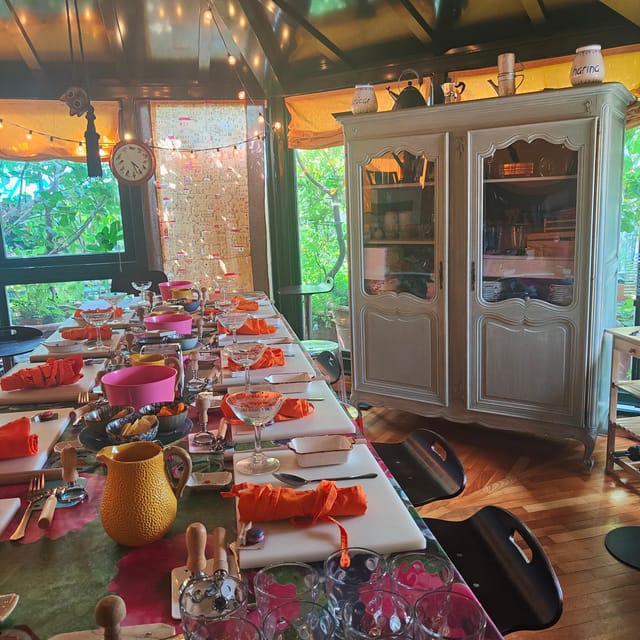
- The setting is a real family home: You cook in an elegant Milanese residence, not a plain schoolroom.
- You make several dishes from scratch: The class covers tagliatelle, ravioli, and either tiramisù or gelato.
- The instructors vary: Bruna, Laura, Federico, Paolo, Katerina, Marco, and other family teachers may lead your session.
- The meal is part of the lesson: You eat the pasta and ravioli you prepare, with wine, water, dessert, and limoncello.
- The location is easy by subway: Coni Zugna station is about 20 meters from the building.
- The class suits beginners: Clear demonstrations and hands-on help make the recipes manageable, even if you rarely cook.
Cooking pasta in a Milanese palace home
This class begins with a change of scene. From the Duomo, you can walk to the home in about 20 to 25 minutes, heading into Milan’s designer and fashion district. By subway, the route is simpler: take the blue line to Coni Zugna and use the Coni Zugna-Via Foppa escalator exit. The building is about 20 meters from the station.
You are not walking into a commercial cooking studio. You are entering a family residence in an elegant palace building. Paintings from the 16th century, fine furniture, and antiques give the room the feel of a small private museum. That setting is a major part of the appeal. You get a glimpse of Milanese domestic style while learning recipes that have been cooked at home for generations.
After booking, the family sends the private meeting details by email, including the exact home address and a phone number. Pay attention to that message, since the public meeting point is not the whole story. The easiest arrival plan is still the subway, especially if you do not want to spend time finding a large downtown building on foot.
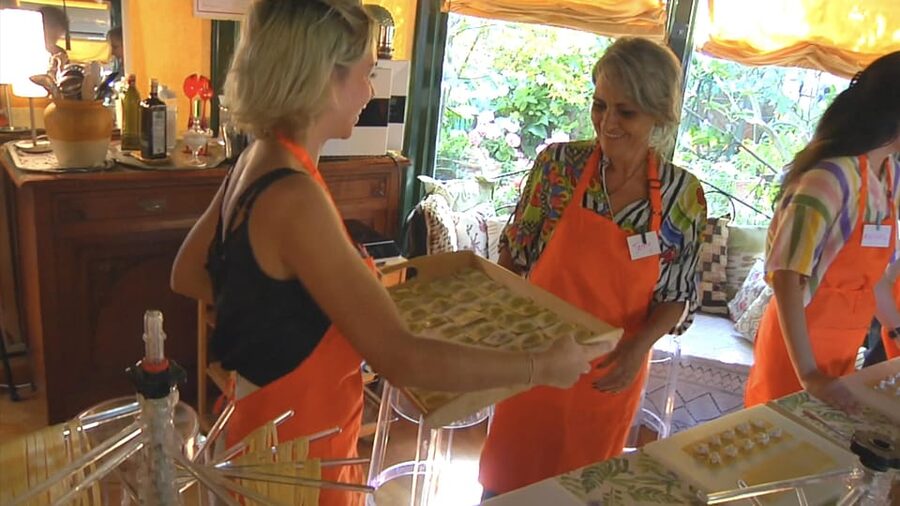
The atmosphere is warm rather than formal. Teachers prepare the tools and ingredients, provide aprons, and guide the group through the work. The instructors vary by date. Bruna may teach when she is feeling well, while her daughter, granddaughter, or grandson may take over when she needs to rest. Other sessions have been led by Laura, Federico, Paolo, Marco, Katerina, Catarina, Luca, or Paulo.
That variety is worth knowing. You are booking a family-run experience, not necessarily one specific chef. The teaching style can change a little, but the central idea remains the same: family recipes, clear instruction, and a shared meal at the end.
More Milan trips worth a second look
- The Secrets to Learn Fresh Pasta and Tiramisù in a Glam Home
★ 5.0 · 1,182 reviews - Milan: Pasta and Tiramisu Cooking Class with Wine
★ 4.8 · 1,106 reviews - Gnocchi, Pasta, Tiramisù and Wine Class
★ 5.0 · 691 reviews
The three-hour cooking plan
The class is designed as a complete meal, with several tasks moving along at once. You learn the basic process, shape the food yourself, and then eat what you have made. The exact order can vary, but the experience generally moves through pasta, ravioli, and dessert.
Tagliatelle with tomato sauce
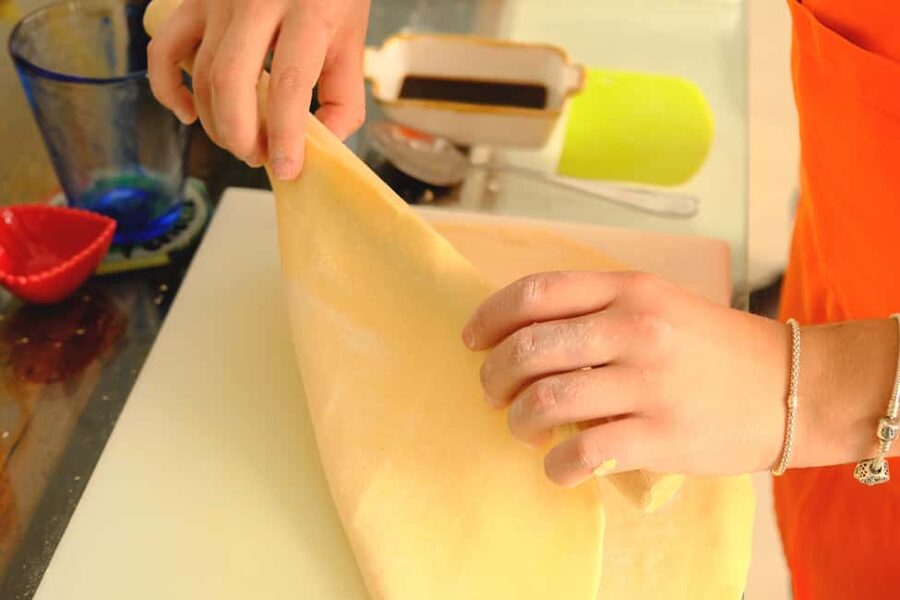
Fresh pasta is the foundation. You work with the dough, learn how it should feel, and turn it into tagliatelle. The lesson is practical rather than fussy. Teachers explain the key points, then come around to help with technique and timing.
The tomato sauce keeps the first course familiar. That is useful for beginners because you can focus on the pasta without juggling a complicated sauce. One session included a playful disagreement over adding garlic, which gives you a sense of the relaxed tone. The recipes are traditional, but the class does not treat every kitchen habit as sacred law.
You then eat the fresh pasta with the sauce. This is not a demonstration where the chef cooks everything while you watch. You take part in the process and taste the result as part of the meal.
Ravioli with a special filling
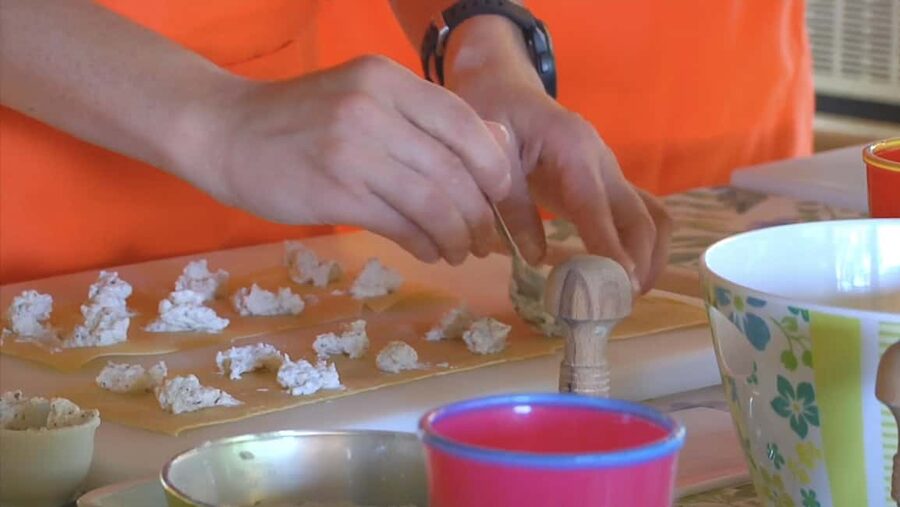
Ravioli is the more demanding part of the class, and also the dish I would most want to learn. You prepare the filling, place it on the pasta, seal the parcels, and learn how to avoid the common problems that can ruin filled pasta.
The filling is described as a recipe created by a Michelin-starred chef, with one session specifying ricotta cacio e pepe. Other descriptions refer to a ricotta filling served with butter and sage. That combination is simple but full of flavor, and it lets the pasta itself do much of the work.
Ravioli rewards patience. You need to press out air, seal the edges, and avoid overfilling. A good teacher can make those steps feel straightforward, and the instructors are repeatedly described as patient, hands-on, and willing to help each person. Paulo, Laura, Federico, and Bruna are all noted for giving individual assistance rather than leaving beginners to struggle alone.
The finished ravioli is served with butter and sage. For many people, this becomes the favorite course because it feels more special than ordinary noodles. You leave with a useful skill you can repeat at home, especially if you have a pasta machine or a little room on your kitchen counter.
A different way to spend the day, same part of Italy:
- Milan: Cathedral and Duomo’s Terraces Entrance Ticket
★ 4.6 · 61,054 reviews - Milan: Da Vinci’s Last Supper Guided Tour
★ 4.7 · 10,143 reviews - Milan: Science and Technology Leonardo da Vinci Museum Entry
★ 4.5 · 7,169 reviews - Milan: City Sightseeing Hop-On Hop-Off Bus with Audio Guide
★ 4.0 · 6,256 reviews
Tiramisù or chocolate gelato
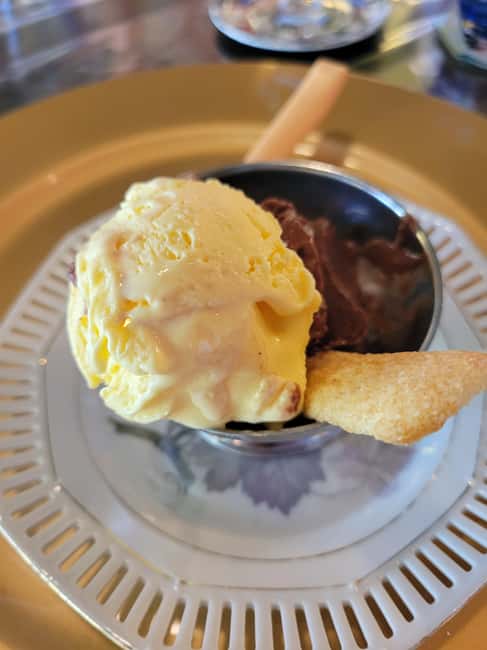
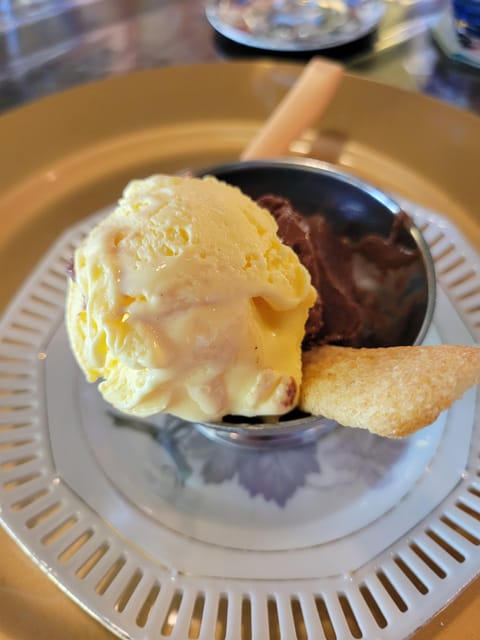
Dessert depends on the option attached to your booking. Some sessions include the original soft tiramisù, while others offer gelato, including tiramisù flavor and chocolate. Check the exact option before you reserve if dessert is important to you.
The tiramisù lesson focuses on making the dessert from scratch. The family presents it as easier than many home cooks expect, which is good news if you want a recipe that can serve a dinner party later.
The gelato option may involve more waiting and preparation. One account describes making zabaglione and chocolate ice cream, then allowing time for it to finish while the pasta courses move ahead. Gelato is a fun choice, but it can be more process-heavy than tiramisù. If you want the most direct cooking lesson, tiramisù may be the simpler pick. If you like learning how frozen desserts are built, choose gelato.
A meal made by your own hands
The final meal is more than a quick taste at the counter. You sit down with the group and eat the pasta and ravioli you helped prepare. Water is included, along with either organic wine or a soft drink. The wine allocation is listed as one-quarter of a bottle per person, and homemade limoncello is served as a closing drink.
The wine comes from organic production without pesticides. It is a small detail, but it adds character to the meal and fits the home-style nature of the class. Limoncello made with lemons from the family terrace is another personal touch. It is not an anonymous bottle brought in from a shop.
Portions appear to be enough for a satisfying tasting meal, but not necessarily a huge dinner. One person found the food so good that a larger serving would have been welcome. I would treat this as a substantial cooking experience with dinner included, not as a feast for a very large appetite.
The meal also gives the class its social side. You may be seated with people from several countries, and the teachers keep the pace lively with stories, jokes, and cooking tips. The three hours can pass quickly because the work is broken up by conversation and shared eating.
What the teaching is really like
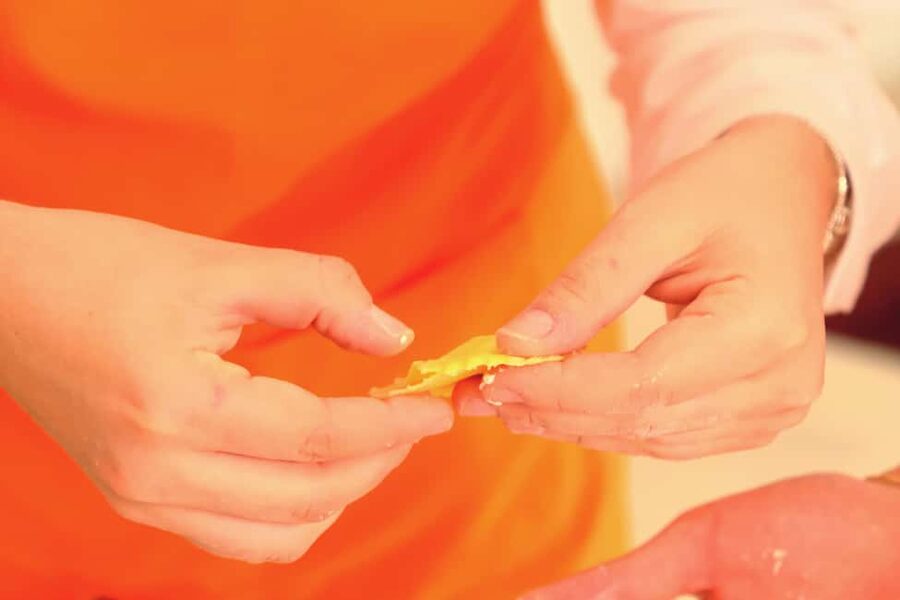
The strongest feature here is the teaching. The family has trained in respected Italian and international cooking schools, including Paul Bocuse’s three-Michelin-star school in Ecully. Yet the recipes come from grandmothers, especially Bruna, so the lesson combines formal technique with home cooking.
That mix matters. A school-trained chef may explain precision, while a grandmother’s recipe shows how the dish works in an ordinary kitchen. You get both the correct method and the little practical adjustments that make cooking less intimidating.
The instructors are expected to demonstrate, explain, and then circulate through the room. Laura is described as both an entertainer and a teacher. Federico is noted for humor and steady guidance. Paolo is praised for being patient and clear, while Katerina and Catarina are known for energy and encouragement. These details suggest that the experience depends partly on who leads your class, but the teaching pattern is consistent.
The standard lesson is in English. Other languages may be available from instructors who speak Italian, Spanish, French, German, Russian, Ukrainian, Hebrew, or Persian, but you need to ask in advance. A private class in another language requires a minimum group of 10 people. If your English is limited, the teacher may still be able to help in another language, but do not assume every instructor speaks every language.
The class works for beginners and for people with some kitchen experience. You do not need to arrive knowing how to roll pasta. At the same time, experienced cooks will still pick up useful details about fillings, shaping, sauce, and timing.
The home setting and the family story
The surroundings are not just decoration. Cooking in a private home changes the mood of the lesson. Instead of moving through a purpose-built classroom, you sit among family possessions and learn in a place connected to the people who teach you.
The family story centers on continuity. When Bruna needs a rest, a daughter or grandchild continues the class. That handoff keeps the tradition alive without turning the experience into a staged performance. You may be taught by an older family member or by someone from the next generation, but the recipes remain connected.
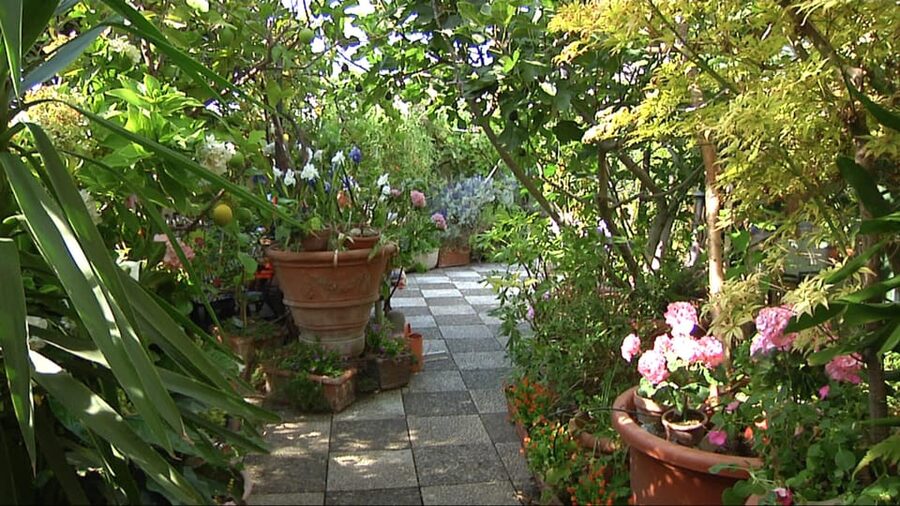
The home itself is in one of Milan’s prestigious central areas, close enough to the Duomo for an easy walk and near a subway station for a fast arrival. You get the convenience of a central activity without cooking in a tourist-heavy square.
There is one practical tradeoff. Because this is a home, the space may feel less standardized than a large culinary school. The activity does not allow baby strollers, baby carriages, or non-folding wheelchairs. Comfortable clothing is recommended, and children under 7 are not considered suitable. The information also says children under 6 are not allowed, so families with a 6-year-old should confirm the age rule before booking.
Is $88 a fair price?
At $88 per person, the price is reasonable for Milan if you value the full package. You are getting three hours of instruction, all tools, an apron, multiple dishes, a sit-down meal, wine or a soft drink, water, limoncello, and an emailed recipe booklet.
A cooking class can be poor value if you only watch a chef prepare food. This one gives you several hands-on tasks and sends the recipes afterward, which helps the lesson continue once you return home. The ravioli and pasta skills are especially useful because they can be repeated with basic ingredients.
The value is also tied to the setting. You are paying for access to a family home filled with art and antiques, not just for flour and tomato sauce. If you only want to eat excellent pasta, a restaurant may be simpler. If you want dinner plus a skill you can use later, the class makes more sense.
The one caution is portion size. The meal is part of the experience, but one person wanted more food. If you have a large appetite, plan on treating this as a generous tasting meal rather than your only food of the day.
Who should book this Milan cooking class?
I would choose this experience for several kinds of visitors:
- First-time cooks: The instructors break the recipes into clear steps and offer help around the table.
- Families with older children: Children under 7 cannot join, but a 10-year-old and teenagers have enjoyed the format.
- Couples and friends: The shared meal and relaxed pace make it social without requiring advanced cooking skills.
- Solo visitors: You are placed in a small international group, giving you an easy way to meet people during a busy city break.
- Older participants: An 80-year-old joined successfully, suggesting that the class can work across generations.
- Food-focused visitors: The family recipes, ravioli filling, gelato, and limoncello offer more than a standard pasta demonstration.
You may want to skip it if you dislike group activities, need a fully accessible venue, or want a private lesson with one fixed instructor. You should also clarify the group size if the advertised maximum of 10 is important to you, since some sessions have been larger.
How to plan the evening
The class lasts three hours, and evening sessions are a smart choice if you want to spend the day sightseeing. One visitor particularly liked starting around 6 p.m., since it left the daylight hours free for Milan’s museums, shopping streets, and major sights.
Arrive in comfortable clothes. You do not need to bring cooking tools or an apron. The subway is the most practical way to reach the building, and the Coni Zugna stop is almost beside it.
Leave room in your schedule after class. You will finish with food, wine, and limoncello, and the pace is social. You do not want to rush away just as the meal begins.
Free cancellation is available up to 24 hours before the start time, and you can reserve now and pay later. Those terms help if your Milan plans are still shifting, but the most important booking check is the dessert option, language, instructor preference if available, and expected group size.
Should you book it?
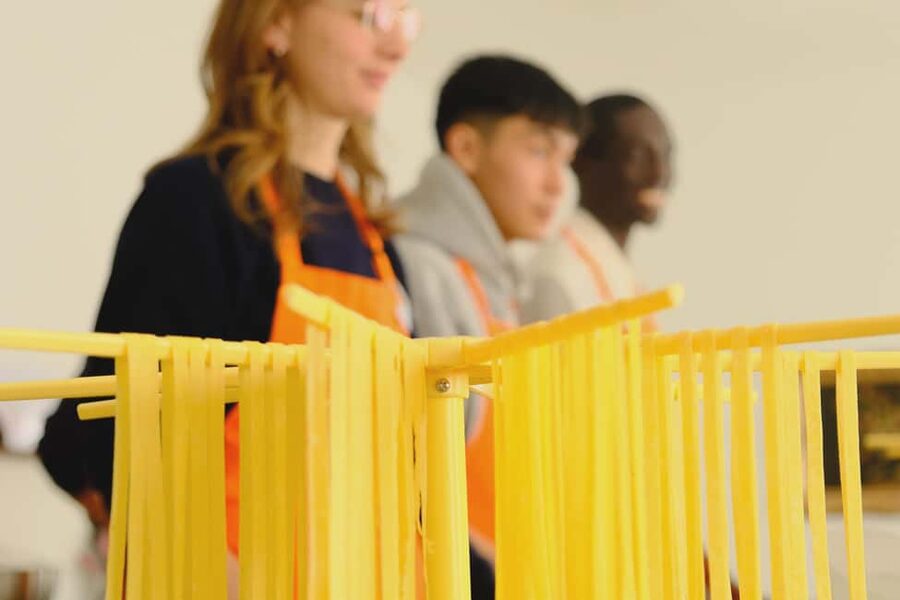
Book this class if you want to learn useful Italian recipes in a personal setting rather than simply watch a chef cook. The art-filled home, family connection, hands-on pasta work, homemade limoncello, and shared dinner give it a strong sense of place.
I would be especially happy to recommend it to beginners, families with older children, couples, and solo visitors who enjoy meeting people. Just keep your expectations realistic: the group may be larger than 10, portions may feel modest to a big eater, and the class runs in English unless you arrange a private multilingual session.
For $88, the combination of instruction, food, drinks, recipes, and setting offers solid value. If making pasta is on your Milan wish list, this is a practical and memorable way to do it.
FAQ
How long does the Milan pasta and gelato class last?
The class lasts three hours.
How much does the class cost?
The listed price is $88 per person.
Where is the cooking class located?
It is held in an elegant family home in central Milan, roughly 20 to 25 minutes on foot from Duomo Square. The building is about 20 meters from the Coni Zugna subway stop on the blue line.
What food will I prepare?
You prepare tagliatelle with tomato sauce and ravioli from scratch. Dessert is either tiramisù or gelato, depending on the option you book.
Is dinner included?
Yes. You eat the pasta and ravioli you prepare as part of a shared meal. Water, organic wine or a soft drink, and homemade limoncello are included.
Is the class taught in English?
The regular lesson is in English. Other languages may be available on request for private groups of at least 10 people. Possible languages include Italian, Spanish, French, German, Russian, Ukrainian, Hebrew, and Persian.
Are tools and aprons provided?
Yes. The class includes all cooking tools and aprons.
Can children join the class?
Children under 6 are not allowed, and the activity is listed as unsuitable for children under 7. If your child is 6, confirm the age rule before booking.
Can I cancel the booking?
You can cancel up to 24 hours in advance for a full refund. Reserve-now, pay-later booking is also available.
Recently reviewed around Milan
- From Milan: Venice Full-Day Guided Tour With Boat Ride★ 4.5 · 322 reviews
- Venice Day Trip from Milan with Guided City Tour★ 4.0 · 383 reviews
- Verona and Lake Garda Day Trip from Milan★ 4.5 · 214 reviews
- Small-Group Lake Como & Lugano by Swiss Train + Boat Cruise★ 5.0 · 1,084 reviews
- Full-day Skip-The-Line Milan, The Last Supper and Duomo Cathedral★ 5.0 · 293 reviews
- Tour Bernina Red Train And St Moritz from Milan★ 4.5 · 247 reviews
- Walking Food Tour of Milan with Tastings★ 4.5 · 194 reviews
- Skip the Line: Essential Milan Tour Including Da Vinci’s ‘The Last Supper’★ 4.5 · 339 reviews
Workshops, compared.
3 in 1 Cooking Class near Navona: Fettuccine, Ravioli & Tiramisu
Read our review →
Florence Pizza or Pasta Class with Gelato Making at a Tuscan Farm
Read our review →
Pasta & Tiramisu Cooking Class with Unlimited Wine
Read our review →
Pizza-Making Workshop with Drink and Appetizer
Read our review →
Pasta & Tiramisu Class with Fine Wine by the Vatican
Read our review →
Cooking Class and Lunch at a Tuscan Farmhouse with Local Market Tour from Florence
Read our review →Browse the lists this tour appears in