
Review · COOKING CLASSES
Milan: Pasta and Tiramisu Cooking Class with Wine
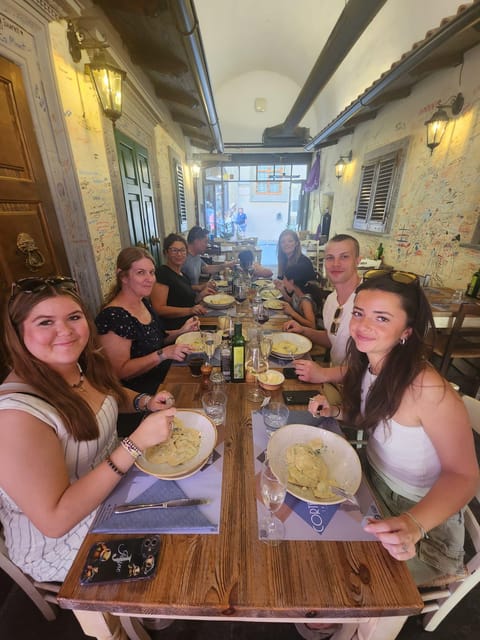
The best part of this Milan class is that you do not simply watch a chef cook. You work with pasta dough, learn why flour matters, prepare tiramisu, and then sit down to eat what you made. Chef Mimo and the team keep the mood social, with a welcome glass of Prosecco before the apron goes on.
I like the own workstation, which gives you a real job instead of a front-row seat to a demonstration. I also like the value: for $61, you get three hours, fresh pasta, tiramisu, wine, and a full meal. The main drawback is group size. Some sessions have around 15 to 20 people, so asking detailed questions can be harder than in a small private class.
In This Review
- Key points to know before booking
- Starting with Prosecco in a Milan restaurant
- Learning pasta fresca from the dough up
- Preparing tiramisu before dinner
- The final meal, sauces, and wine
- A friendly class with a real social side
- What $61 buys you in Milan
- Food restrictions require an honest check
- Who will get the most from this class?
- Should you book the Milan pasta class?
- FAQ
- How long does the Milan pasta and tiramisu class last?
- What food do you make during the class?
- Is the meal included?
- Is wine included?
- Is the class taught in English?
- Can vegetarians take part?
- Is the class suitable for vegans?
- Can someone with a gluten or lactose intolerance attend?
- What is the cancellation policy?
Key points to know before booking
- You make two types of pasta: The class covers fresh pasta dough, flour choices, and the difference between pasta fresca and pasta secca.
- Tiramisu is part of the hands-on work: You prepare Italy’s famous coffee dessert rather than simply receiving it at the end.
- Chef Mimo is one of the named hosts: His friendly teaching style has been a highlight for many people booking this class.
- The final meal is included: Staff cook the pasta, add sauces, and serve the dishes with wine.
- It is a social class: Expect a shared restaurant setting and, in some sessions, a group of roughly 15 to 20 people.
- Dietary limits need careful attention: Substitutions may be possible, but traditional instruction uses gluten, dairy, and eggs, and cross-contamination cannot be ruled out.
Starting with Prosecco in a Milan restaurant
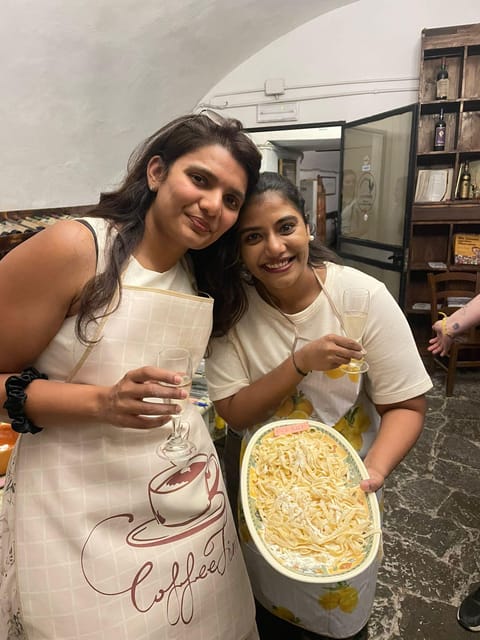
This class begins with a small but useful Italian welcome: you arrive at the meeting point, step inside the restaurant, and receive a glass of Prosecco. The meeting point can vary with the option you book, so check your confirmation rather than assuming every session begins at the same address.
The welcome drink sets the tone. This is not a formal culinary school with a quiet lecture and rows of serious students. It is a restaurant-based activity built around food, conversation, and a shared meal. You get a quick look behind the scenes at how an Italian restaurant operates before moving to your workstation.
The activity lasts three hours. That is enough time for the cooking to feel like the main event, not a rushed add-on to sightseeing. I would schedule it for an evening when you want a slower activity, or place it in the middle of a busy Milan stay when your feet need a break from museums and shopping.
The class is taught in English. That makes the technical parts easier to follow, especially when the instructor explains flour types, dough texture, and the difference between fresh and dried pasta.
More Cooking Classes in Milan
- Milan: Pasta and Tiramisu Small Group Cooking Class with Wine
★ 5.0 · 660 reviews - Milan Cooking Class: Authentic Pizza & Gelato Making
★ 5.0 · 582 reviews - Milan: Italian Cooking Class with Food and Wine
★ 4.7 · 509 reviews
Learning pasta fresca from the dough up
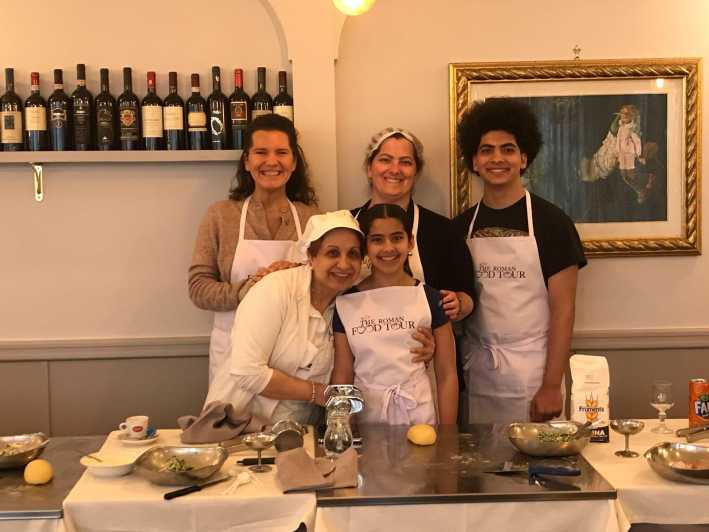
The pasta section gives you the most useful skill to take home. You learn how to prepare dough from scratch, including which flour to use and how pasta fresca differs from pasta secca.
That distinction matters. Fresh pasta is made from a soft dough and has a different texture and cooking time from dried pasta. Understanding the difference helps you make better choices in an Italian kitchen rather than treating every noodle as the same product.
You work at your own station, which is a strong feature for beginners. It gives you a clear place to mix, shape, and handle the pasta. You are not merely watching someone else produce a perfect sheet while trying to remember what happened.
The teaching follows a step-by-step format. You should expect the chef to demonstrate a stage, explain it, and then have you repeat it. This is practical instruction, not a long theory class. If you are new to pasta, the hands-on format makes the lesson easier to remember.
The class covers two types of pasta, according to the activity details and participant experience. The exact shapes or recipes can vary, so do not book this expecting one fixed menu every time. The useful part is the process: dough, flour, shaping, cooking, and sauce.
One detail I appreciate is that the staff cook the finished pasta before serving it. That keeps the meal moving and lets you focus on making the dough rather than trying to manage a restaurant kitchen for a large group. The sauces have received especially warm praise, and they are an important part of the final meal.
Preparing tiramisu before dinner
The dessert lesson comes before the final meal. One session placed tiramisu first, followed by two pasta preparations, but the order may depend on the class flow.
Tiramisu is a smart choice for a cooking class. It is familiar, strongly linked with Italian food, and simple enough for beginners to prepare in a group. You learn the method behind the dessert instead of receiving a finished portion without context.
The class presents the traditional recipe, which means dairy and eggs are part of the standard instruction. That is important for anyone with food restrictions. The provider may offer substitutes for certain preferences, but the main teaching still focuses on the classic version.
You sample the dishes you prepare. This is not a take-home workshop where you leave with uncooked ingredients. At the end, the pasta and tiramisu become your lunch or dinner, giving the cooking a clear payoff.
I would not expect a pastry-school lesson with detailed dessert science. The appeal is more direct: learn a popular Italian dessert, prepare it with guidance, and enjoy it as part of the meal. For most visitors, that is exactly the right level after several hours of city sightseeing.
The final meal, sauces, and wine
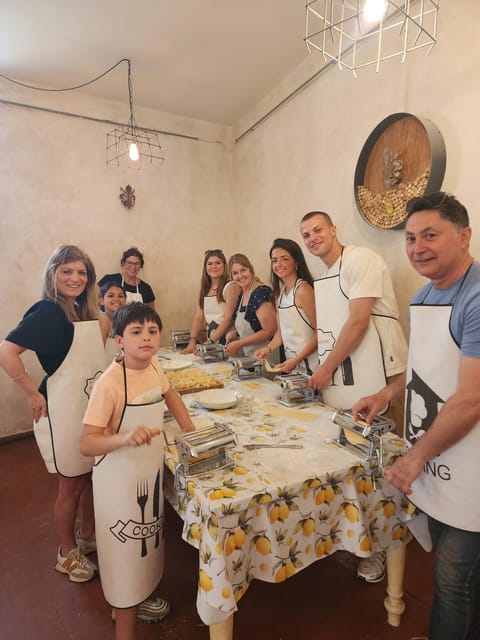
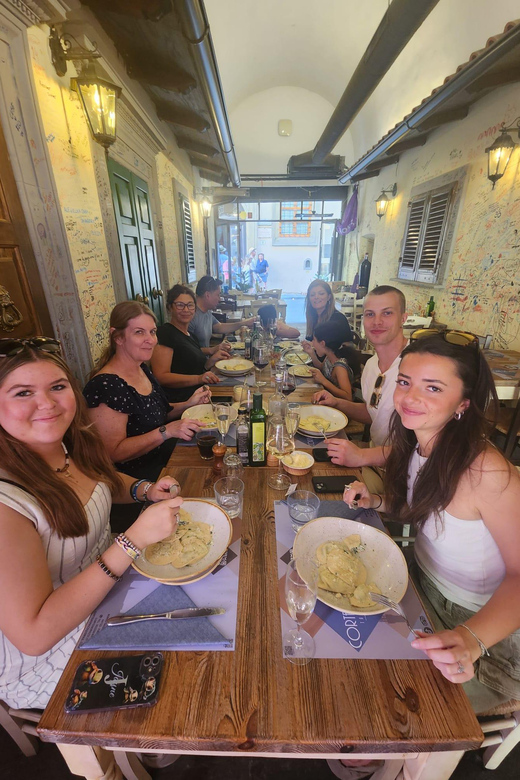
Once the cooking is finished, everyone sits down together. The staff prepare the pasta with sauce, and you eat the dishes made during the class. Wine is included with the meal, adding a relaxed restaurant feel to the last part of the evening.
The food is a major reason to consider this activity. You do not finish with a tiny sample and a polite goodbye. The portions have been described as generous, with enough food to make the class function as a proper meal.
I also like the way the meal connects the lesson to the plate. You handle the dough, see the finished pasta, and then taste it with sauce. That simple sequence helps you understand why fresh pasta takes effort and why sauce matters just as much as the noodles.
The wine is included, but the information provided does not specify a particular label, tasting menu, or pairing list. Think of it as a pleasant glass with dinner, not a separate wine course. If wine is not your preference, confirm available alternatives directly with the provider.
The meal is served after the staff cook the pasta. That is convenient, but it also means the final restaurant presentation is not entirely your own work. If you want to plate every element yourself, a smaller specialist class may suit you better. If you want to cook without managing every hot pan, this arrangement is easier.
More Milan trips worth a second look
- Gnocchi, Pasta, Tiramisù and Wine Class
★ 5.0 · 691 reviews - Small-Group Barolo Wine Tasting, Alba & UNESCO Piedmont Hills
★ 5.0 · 689 reviews - Tuscany Day Trip from Florence: Siena, San Gimignano, Pisa and Lunch at a Winery
★ 5.0 · 21,634 reviews - Florence: Pasta Cooking Class with Unlimited Wine
★ 4.9 · 10,285 reviews
A friendly class with a real social side
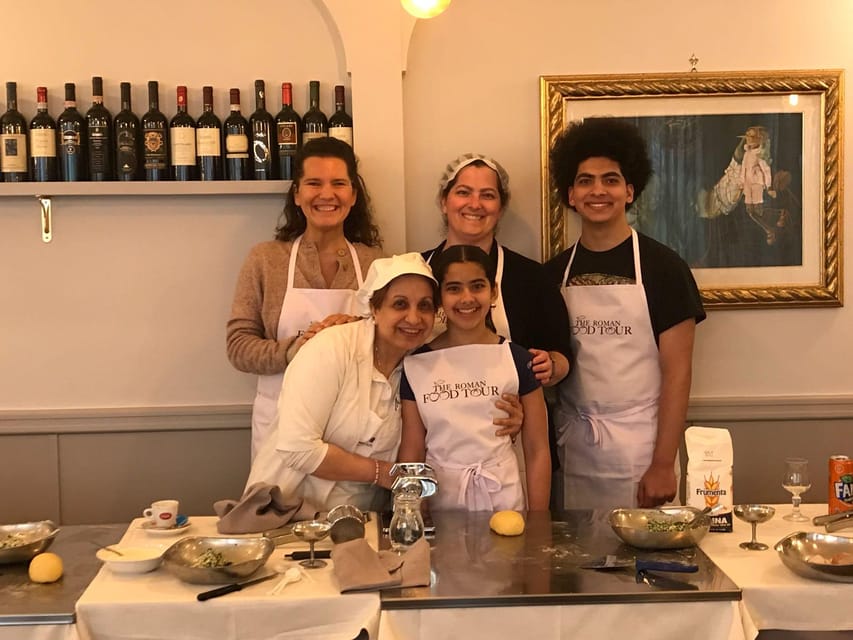
The tone is one of the activity’s strongest features. The hosts are welcoming, and named instructors such as Mimo and Damiano have helped create a lively atmosphere. This is a good choice if you enjoy meeting people over food or if you want an evening activity that feels less formal than a standard guided tour.
The social format also explains some of the limitations. A class of 15 to 20 people can be fun, but it is not ideal for constant one-to-one coaching. You may need to pay close attention during demonstrations, and detailed questions may take longer to answer.
I would sit where you can clearly see the chef if seating or station choice allows it. Keep your phone away during the key demonstrations, especially when the dough texture and flour amounts are being explained. Those small visual details are harder to recover later than a missed bit of general conversation.
The group size works best for couples, friends, solo visitors who enjoy meeting people, and families with older children. One participant found the activity enjoyable for both adults and children, but the official restrictions exclude children under three. Babies under one are also not suitable for the class.
This is not the right setting for someone seeking a quiet private lesson. It is closer to a friendly group dinner with cooking built into the evening. That distinction will help you choose with realistic expectations.
What $61 buys you in Milan
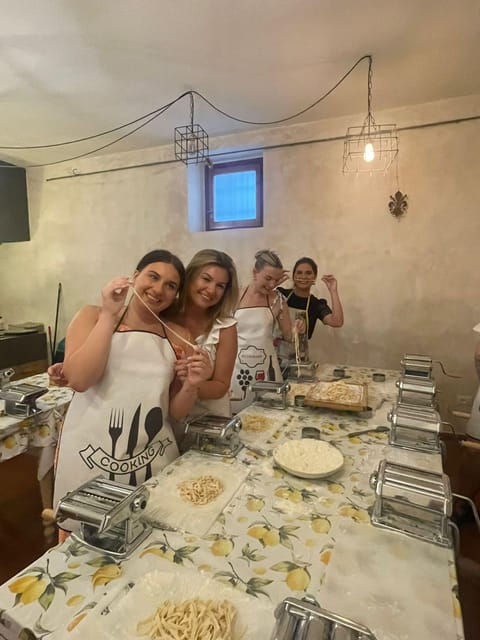
At $61 per person, the class offers solid value if you want dinner included in your sightseeing plan. You receive three hours of instruction, a chef, fresh pasta, tiramisu, Prosecco at arrival, wine with the meal, and the chance to eat what you prepare.
Milan can be an expensive city for restaurant meals and organized activities. Here, part of the price pays for the food, but part also pays for the setting and the instruction. You are not only buying pasta and dessert. You are buying a structured evening that gives you a skill, a meal, and a social activity in one booking.
The value is strongest for people who would otherwise book a cooking class and dinner separately. It is less compelling if your only goal is to eat an excellent Milanese meal, since a standard restaurant booking may give you more menu choice and a quieter table.
The included wine adds to the value, though it should not be confused with a serious tasting. The class is about Italian cooking, not wine education.
Flexible booking also helps. You can reserve now and pay later, and cancellation is free up to 24 hours before the activity for a full refund. Check the available starting times for your date, since the schedule is not fixed in the information provided.
Food restrictions require an honest check
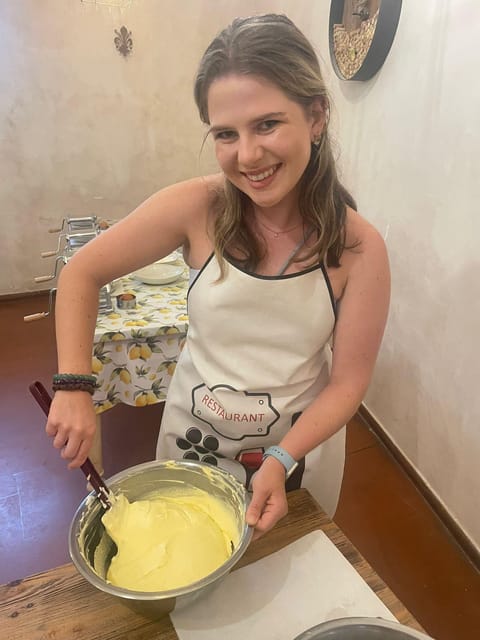
This is the area where I would be most careful. Vegetarian options are available on request, and the provider says substitutes can be offered for allergies or food preferences. However, the traditional instructions use gluten, dairy, and eggs, and the kitchen cannot guarantee that food is free from cross-contamination.
The activity information also says the class is not suitable for vegans, people with gluten intolerance, or people with lactose intolerance. That appears stricter than the general note about dietary options, so you should treat the specific restrictions as the safer guide.
Tell the provider about every allergy or restriction when booking. Do not wait until you arrive. Substitutions may let you take part, but they may not make the class medically safe for someone who must avoid even trace ingredients.
Vegetarians have the clearest path, since an option is specifically available on request. Vegans should not book this class based only on a general promise of dietary support. If you have a serious allergy, ask for a direct confirmation before paying.
Who will get the most from this class?
I recommend it most strongly if you want a practical introduction to Italian cooking without giving up a full evening to a formal culinary course. Beginners should feel comfortable here because the instruction is step by step and the work is divided into manageable stages.
It also suits people who love food but do not normally cook. One participant described having given up on making pasta, then leaving with the confidence to try again. That is the right measure of success for this activity: you should leave with a method you can repeat, not just a pleasant memory and a full stomach.
Friends can make the most of the social side, especially if you want an evening activity that gives everyone something to do. Solo participants can also fit in well because the shared table and group cooking create natural opportunities to talk.
Families should check the age rules carefully. Children under three are not accepted, and babies under one are not suitable. Older children may enjoy the hands-on work, but the group format means adults should not expect a private family lesson.
I would choose a different activity if you want advanced pasta technique, a private chef, a highly specialized Milanese menu, or guaranteed control over every ingredient. This class favors a broad, friendly introduction over detailed culinary precision.
Should you book the Milan pasta class?
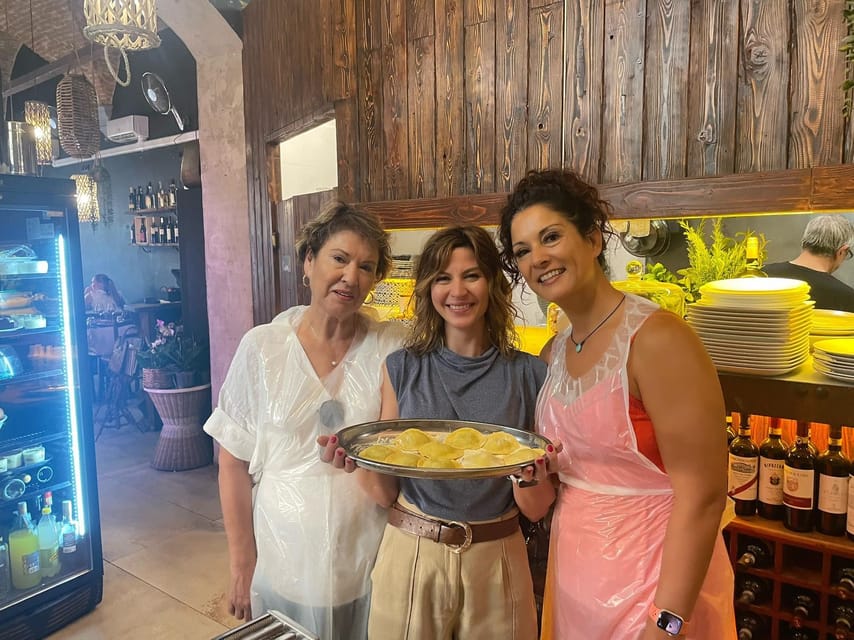
Book it if you want to make fresh pasta, learn a classic tiramisu, and eat a generous meal in a social restaurant setting. The own workstation, English instruction, included drinks, and three-hour format make it an easy fit for a first visit to Milan.
The strongest reasons to book are the practical pasta lesson and the relaxed hosts, especially Mimo and Damiano. The main cautions are the larger group size and the strict food-safety limits for vegans, gluten intolerance, and lactose intolerance.
At $61, I consider it a good-value evening for people who want more than a restaurant meal but less intensity than a professional cooking course. Check the meeting point for your chosen option, report dietary needs early, and arrive ready to work with your hands. If that sounds like your kind of night, this is a tasty and useful break from Milan’s usual sightseeing circuit.
FAQ
How long does the Milan pasta and tiramisu class last?
The class lasts three hours. This includes the cooking instruction, preparation of fresh pasta and tiramisu, and the final meal with wine.
What food do you make during the class?
You make fresh pasta from scratch and prepare tiramisu. The class covers pasta dough, flour choices, the difference between fresh and dried pasta, and the preparation of the dessert.
Is the meal included?
Yes. You sample the dishes prepared during the class, including the pasta and tiramisu. The staff cook the pasta and serve it with sauce.
Is wine included?
Yes. A welcome glass of Prosecco is provided on arrival, and fine wine is included with the final meal.
Is the class taught in English?
Yes. The listed instructor language is English.
Can vegetarians take part?
Yes. Vegetarian options are available upon request. You should inform the activity provider about your dietary needs when booking.
Is the class suitable for vegans?
No. The activity is listed as not suitable for vegans. The traditional recipes contain dairy and eggs, and substitutions cannot guarantee a fully vegan or cross-contamination-free experience.
Can someone with a gluten or lactose intolerance attend?
The activity is listed as not suitable for people with gluten intolerance or lactose intolerance. Substitutions may be offered for some food preferences, but the provider cannot guarantee that dishes are free from cross-contamination.
What is the cancellation policy?
You can cancel up to 24 hours in advance for a full refund. The reserve-now, pay-later option lets you book without paying immediately.
More Workshops in Milan
- Small Group Cozy Cooking Class in a Typical Milanese Home.
★ 5.0 · 302 reviews - Milan: Pasta & Tiramisu Cooking Class with Premium Products
★ 5.0 · 255 reviews - Cesarine: Small group Pasta and Tiramisu class in Varenna
★ 5.0 · 195 reviews - Milan: Fresh Pasta and Tiramisù Class in A Historical Home
★ 4.9 · 195 reviews
More Pasta in Milan
- The Secrets to Learn Fresh Pasta and Tiramisù in a Glam Home
★ 5.0 · 1,182 reviews - Milan Culinary Experience: Pasta & Gelato or Tiramisù Class
★ 5.0 · 337 reviews - Milan: Traditional Pasta and Tiramisù Masterclass
★ 5.0 · 307 reviews - Milan: Pasta, Ravioli, and Gelato Class in a Glamorous Home
★ 4.9 · 268 reviews
Recently reviewed around Milan
- From Milan: Venice Full-Day Guided Tour With Boat Ride★ 4.5 · 322 reviews
- Venice Day Trip from Milan with Guided City Tour★ 4.0 · 383 reviews
- Verona and Lake Garda Day Trip from Milan★ 4.5 · 214 reviews
- Full-day Skip-The-Line Milan, The Last Supper and Duomo Cathedral★ 5.0 · 293 reviews
- Small-Group Lake Como & Lugano by Swiss Train + Boat Cruise★ 5.0 · 1,084 reviews
- Tour Bernina Red Train And St Moritz from Milan★ 4.5 · 247 reviews
- Walking Food Tour of Milan with Tastings★ 4.5 · 194 reviews
- Skip the Line: Essential Milan Tour Including Da Vinci’s ‘The Last Supper’★ 4.5 · 339 reviews
Cooking Classes, compared.
3 in 1 Cooking Class near Navona: Fettuccine, Ravioli & Tiramisu
Read our review →
Pasta & Tiramisu Cooking Class with Unlimited Wine
Read our review →
Pasta & Tiramisu Class with Fine Wine by the Vatican
Read our review →
Cooking Class and Lunch at a Tuscan Farmhouse with Local Market Tour from Florence
Read our review →
Authentic Pizza Making Class in Naples with Appetizers and Drink
Read our review →
Pasta Making Class with Wine, Limoncello, and Dessert
Read our review →Browse the lists this tour appears in