
Review · COOKING CLASSES
Rome: Fettuccine and Tiramisu Cooking Class with Wine
Rome’s best cooking lessons leave you with more than a full stomach. Here, you make fettuccine and tiramisù from scratch, then sit down in a Roman restaurant to eat what your hands produced. The chef handles the teaching, but you do the mixing, shaping, and assembling.
I like the easy menu: two famous Italian dishes, made with ordinary ingredients rather than a long parade of recipes. I also like the social side, especially when the class is small enough to talk with people from other countries. The main consideration is pace. Some sessions feel relaxed and fully hands-on, while others can move quickly, with parts of the preparation already underway.
In This Review
- Key points to know
- Why making pasta in Rome works so well
- Meeting your chef at Restaurant Gusto
- Starting with tiramisù before the pasta
- Rolling and shaping fresh fettuccine
- Choosing between three Roman-style sauces
- Sitting down to eat your own work
- Group size, teaching style, and the social factor
- Is $67.40 good value for three hours?
- Who should book this cooking class?
- Final verdict: book it for food, company, and an easy win
- FAQ
- Where does the cooking class begin and end?
- How long does the cooking class last?
- What will I make during the class?
- Which pasta sauces can I choose?
- What drinks are included?
- Is the class suitable for young children?
Key points to know
- Two Italian classics in three hours: Make fettuccine and tiramisù, then eat both at the restaurant.
- Choose your pasta sauce: Pick tomato and basil, amatriciana, or cacio e pepe.
- English-speaking instruction: Chefs such as Mimi, Maria, Kiki, Carlotta, Laura, and Tommy have led highly praised sessions.
- A social Rome experience: You cook beside other food lovers and share the meal at the end.
- Wine and limoncello included: You receive a glass of wine or a non-alcoholic drink, plus limoncello or coffee.
- Central meeting point: Meet inside Restaurant Gusto, and finish at the same place.
Why making pasta in Rome works so well
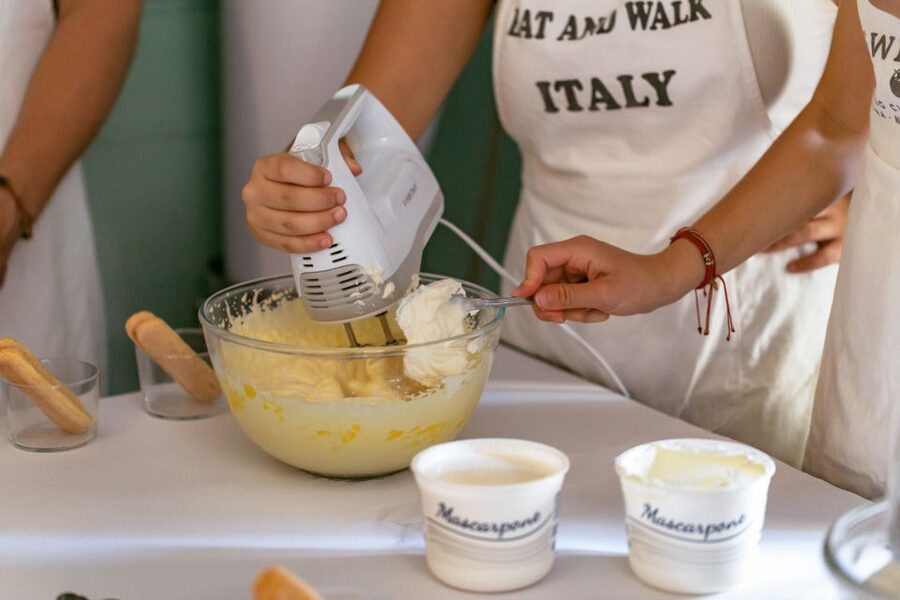
Rome has no shortage of food experiences, but a cooking class gives you a useful break from sightseeing. Instead of looking at one more church façade, you spend a few hours with flour, eggs, mascarpone, coffee, and a table full of new acquaintances.
The menu is smart. Fettuccine teaches you the basic rhythm of fresh pasta: combine the ingredients, work the dough, roll it, and cut it. Tiramisù requires less cooking skill, but it gives you an early win while the pasta dough or dessert rests.
I especially like the contrast between the two dishes. Tiramisù is cool, creamy, and assembled ahead of the meal. Fettuccine is active and tactile, with the final reward arriving hot. You get a small lesson in timing as well as technique.
The class takes place inside Restaurant Gusto in the heart of Rome. That matters because you do not need to travel across the city for a lesson that ends with dinner. Check the available start times carefully, then allow enough time to reach the restaurant without rushing.
More Cooking Classes in Rome
- 3 in 1 Cooking Class near Navona: Fettuccine, Ravioli & Tiramisu
★ 5.0 · 7,376 reviews - Rome: Pasta & Tiramisu Class with Fine Wine by the Vatican
★ 4.9 · 4,852 reviews - Rome: Pasta Making Class with Wine, Limoncello, and Dessert
★ 4.9 · 3,177 reviews
Meeting your chef at Restaurant Gusto
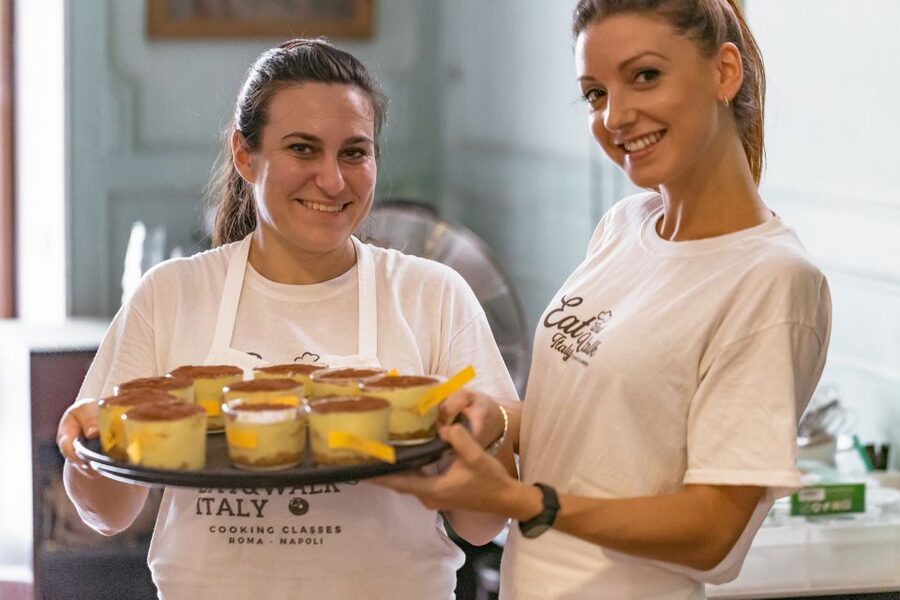
Your starting point is inside Restaurant Gusto. The activity ends there, too, so the class is simple to fit into a Rome day. It does not include transport, so you are responsible for getting to the restaurant.
The instructor speaks English. Different sessions may be led by different chefs, including Mimi, Maria, Kiki, Carlotta, Laura, Tommy, Matty, Tomas, or others on the team. The teaching style can vary from one class to the next, but the repeated strengths are clear: friendly instruction, clear steps, humor, and plenty of encouragement for first-time pasta makers.
Chef Mimi is described as energetic and informative. Maria is praised for patient guidance and support. Kiki has a warm, encouraging approach that helps shy participants join in. Carlotta brings strong energy and explains the process in detail. Those differences can shape the mood of your particular class, so go in expecting a personality-led lesson rather than a formal culinary-school lecture.
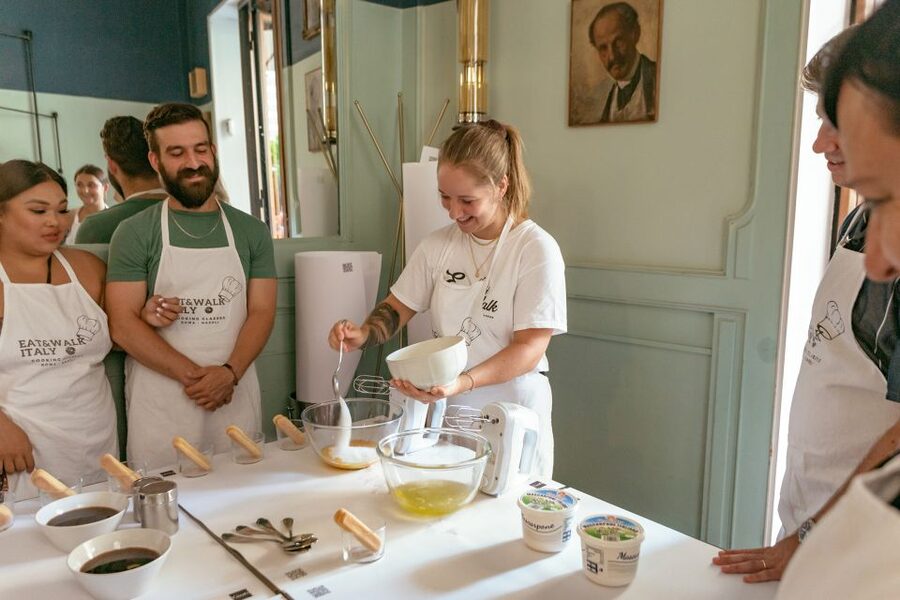
That is part of the appeal. You are not just watching a demonstration from a distance. You are working beside the chef, asking questions, and comparing your progress with the people at your table.
Starting with tiramisù before the pasta
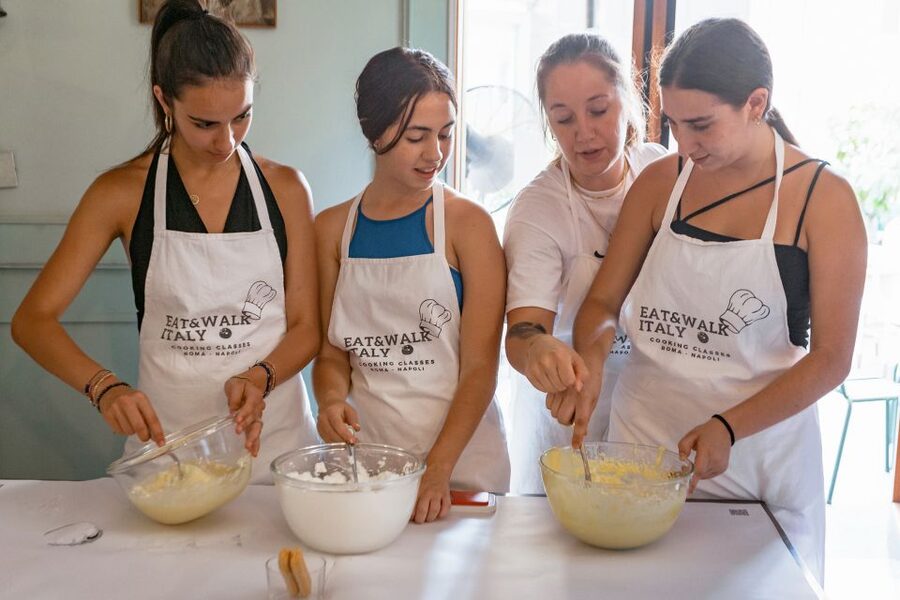
The tiramisù comes first. You work through the dessert with the chef’s step-by-step help, using fresh ingredients and the familiar layers that make it one of Italy’s most recognizable sweets.
The practical reason for beginning here is simple: the tiramisù needs time to rest in the refrigerator. While it chills, the class turns to pasta. This keeps the three-hour schedule moving and means dessert is ready by the time you finish the savory dish.
This part should suit nearly anyone. You do not need much cooking experience, and the ingredients are simple. Several chefs make a point of explaining each stage clearly, which helps if you are nervous around a kitchen or have never made an Italian dessert before.
The tiramisù is also a good project for families with older children and teenagers. Children under four are not suitable for this activity, but older kids and teens can take part. One family with teenagers particularly liked the restaurant setting and the step-by-step format.
Do not expect to leave with a professionally plated dessert. The value is in learning the method and eating your own work. The presentation may depend on how carefully your group assembles each portion, but that is part of the fun.
Rolling and shaping fresh fettuccine
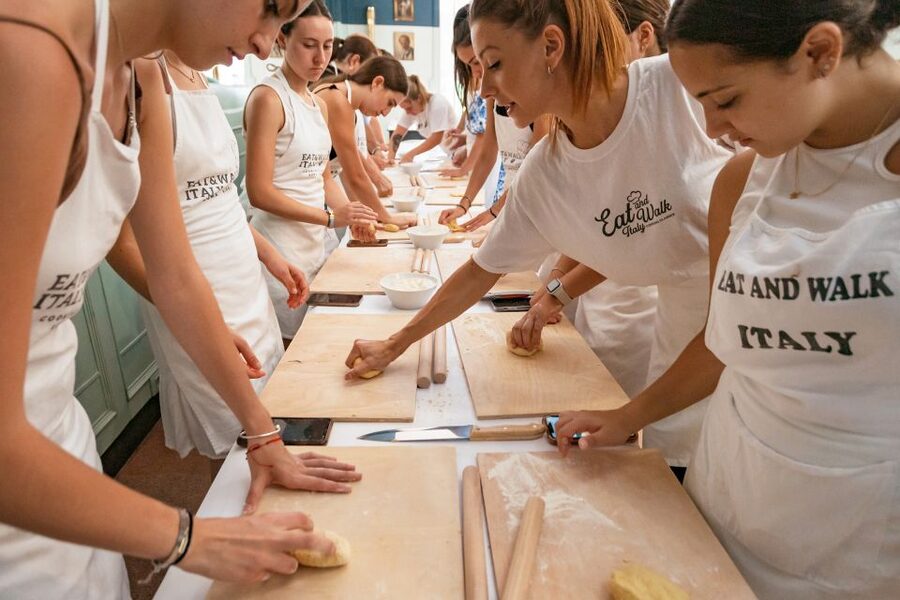
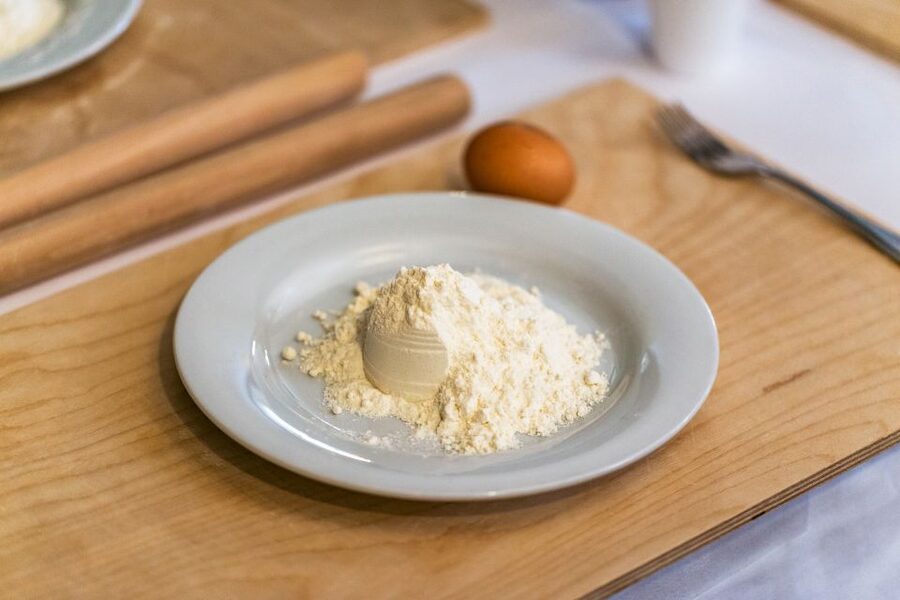
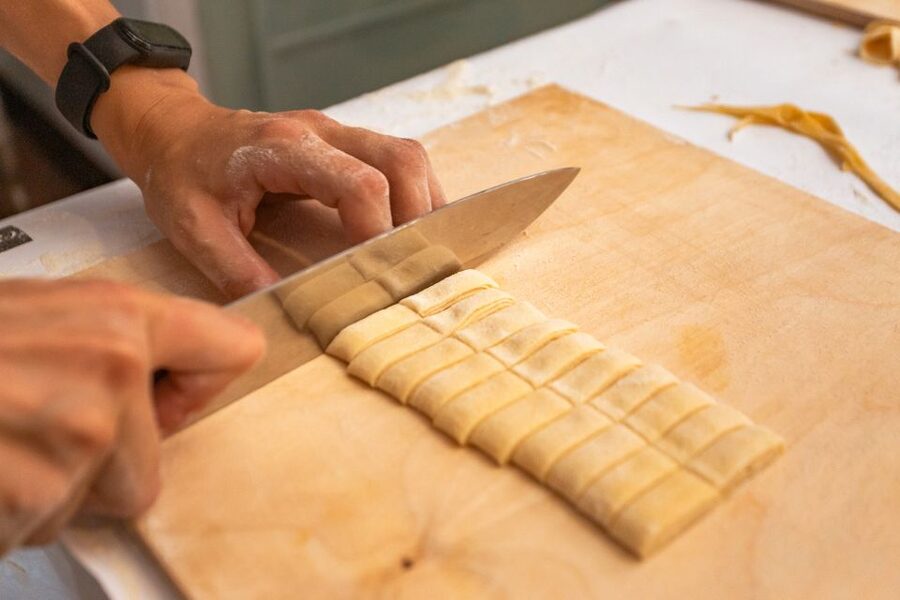
Once the tiramisù is resting, you begin the pasta. The chef shows you how to make the dough, then explains how to roll and shape it into the famous fettuccine ribbons.
This is the most hands-on section of the class. Pasta dough can feel stubborn at first, and your first pieces may not look like the chef’s. That is normal. The instructor’s support matters here, especially when it comes to getting the pasta thin enough and cutting consistent strips.
The class is designed for all skill levels. You do not need to arrive with strong cooking skills, and you will receive help throughout the process. Some chefs keep the tone playful, which takes the pressure off anyone who worries about making a mistake.
The pace is the one thing to watch. A few sessions may feel fast, with some ingredients or steps prepared in advance. If you want a slow, detailed lesson focused on every technical point, this may feel more like an entertaining group activity than private instruction.
On the other hand, a quicker pace helps the class finish on time and keeps beginners from getting bogged down. You still take part in the key stages, and the finished meal gives you a clear sense of how fresh pasta comes together.
More Rome trips worth a second look
- Rome: Tuscany & Montepulciano Day Trip with Lunch & Wine Tasting
★ 4.5 · 5,232 reviews - Rome Food Tour: Unlimited Tastings with Fine Wine & Barolo
★ 5.0 · 3,365 reviews - Rome: Trastevere Food tour with Free-Flowing Fine Wine
★ 5.0 · 2,853 reviews - Learn to Make Pasta & Tiramisu with Wine and Limoncello Included
★ 5.0 · 2,345 reviews
Choosing between three Roman-style sauces
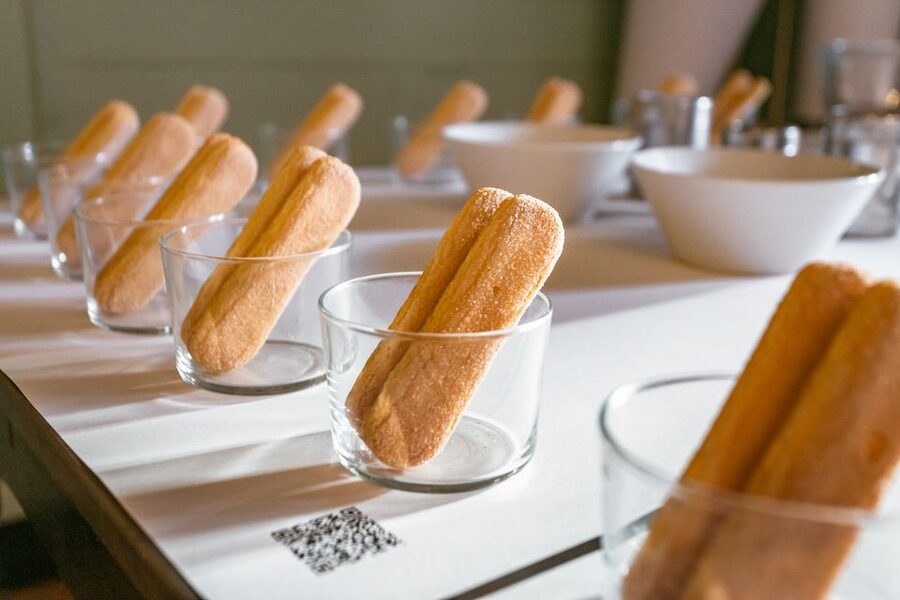
After shaping the fettuccine, you choose the sauce for your meal. The options are:
- Tomato and basil
- Amatriciana
- Cacio e pepe
This choice adds a small but useful bit of personality to the class. Tomato and basil is the straightforward option, amatriciana brings a stronger Roman character, and cacio e pepe focuses on the famously simple combination of cheese and pepper.
You may want to decide based on what you have already eaten in Rome. If you have been ordering rich dishes all week, tomato and basil gives you a lighter direction. If you want a more distinctly Roman flavor, amatriciana or cacio e pepe makes sense.
The class does not present a large menu, and that is a strength. You spend your time learning the pasta rather than weighing too many choices. The sauce is there to finish the dish, not distract from the fresh fettuccine.
Sitting down to eat your own work
The cooking ends with the part everyone is waiting for: you sit down and eat. Your fettuccine comes with the sauce you selected, followed by the tiramisù you assembled earlier.
A glass of Italian wine is included, or you can choose a non-alcoholic drink. You also receive either limoncello or coffee, along with water. That makes the experience feel like a complete meal rather than a lesson followed by a small sample.
The meal is served in the restaurant, so you get the pleasure of moving from the working kitchen to a proper table. You can compare pasta shapes, talk about the recipes, and trade cooking tips with the rest of the group.
This shared meal is one of the best reasons to book the class. Rome can sometimes feel like a city you view from the outside, moving from monument to monument. Here, you spend a few hours doing something ordinary and local: making food, sitting down, and talking over dinner.
The recipes are also shared after class in at least some sessions. That gives the experience value beyond the afternoon or evening itself. You can try the dishes again at home, though your kitchen may not have quite the same Roman atmosphere.
Group size, teaching style, and the social factor
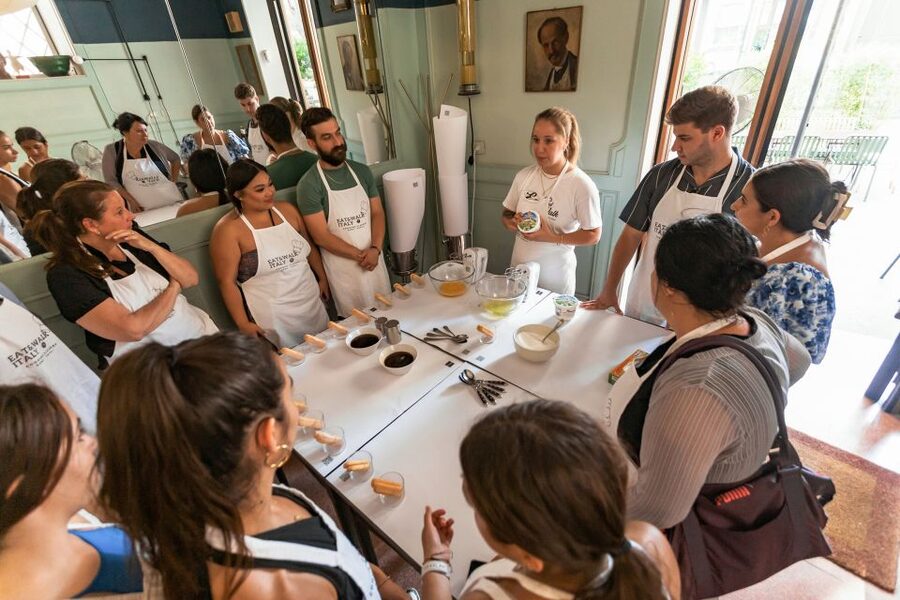
This is a group class, not a private lesson. That means the atmosphere depends partly on who books the same time slot. One particularly small group had only five people, which made it easier to connect and receive attention from the chef.
A small group is ideal if you want to ask questions and stay involved. A larger or more energetic group can feel louder, and you may need to speak up to hear every instruction. Some participants can also crowd the front when the chef asks for volunteers.
That is not a problem unique to this class. It is simply part of cooking with strangers. If you like meeting people and do not mind sharing the spotlight, the group format adds energy. If you prefer quiet, precise instruction, look for a small available session or consider a private lesson elsewhere.
The social mix is a real part of the experience. You may find couples, families, solo visitors, and people from several countries working at the same table. The food gives everyone an easy subject, even if you arrive without much to say.
Is $67.40 good value for three hours?
At $67.40 per person, this sits in a reasonable range for a three-hour food activity in central Rome. You are not paying only for instruction. The price includes the class, the food you make, your selected pasta sauce, wine or a non-alcoholic drink, limoncello or coffee, and water.
The value is strongest if you would otherwise pay for dinner separately. You receive a full meal and an activity in one booking. The class also gives you a recipe and a skill you can use at home.
The value is less clear if you want an advanced cooking course. This is an accessible introduction built around two popular dishes. You will learn useful basics, but the class is not meant to train you in complex Roman cuisine or professional pasta technique.
I would also compare the cost with your schedule. Three hours is a sizable block in Rome, but it is long enough to make the meal feel earned. A shorter demonstration would be cheaper, but it would not give you the same hands-on role.
A 4.8 rating from 2,013 reviews suggests strong overall satisfaction, and the most common praise centers on the chefs, the fun atmosphere, the clear instruction, and the taste of the finished dishes. The occasional concern about fast pacing is worth keeping in mind when you decide what kind of class you want.
Who should book this cooking class?
I would recommend it to first-time pasta makers, couples, families with older children, and solo visitors who enjoy meeting people over food. You do not need to be a good cook. The menu is familiar, the chef guides each step, and the class includes the meal at the end.
It is also a good choice for a Rome evening when you want something other than another restaurant reservation. You make dinner, eat dinner, and come away with a recipe. That is a better use of three hours than simply waiting for a table, especially if you have already seen the major sights.
You may want to skip it if your schedule is packed or if you dislike group activities. The class is conducted in English, but it still involves shared work, conversation, and a group pace. It is not the right pick for anyone seeking a private, highly technical lesson.
Pets are not allowed, and children under four are not suitable. You can cancel up to 24 hours before the activity for a full refund, and the reserve-now, pay-later option can help if your Rome plans are still shifting.
Final verdict: book it for food, company, and an easy win
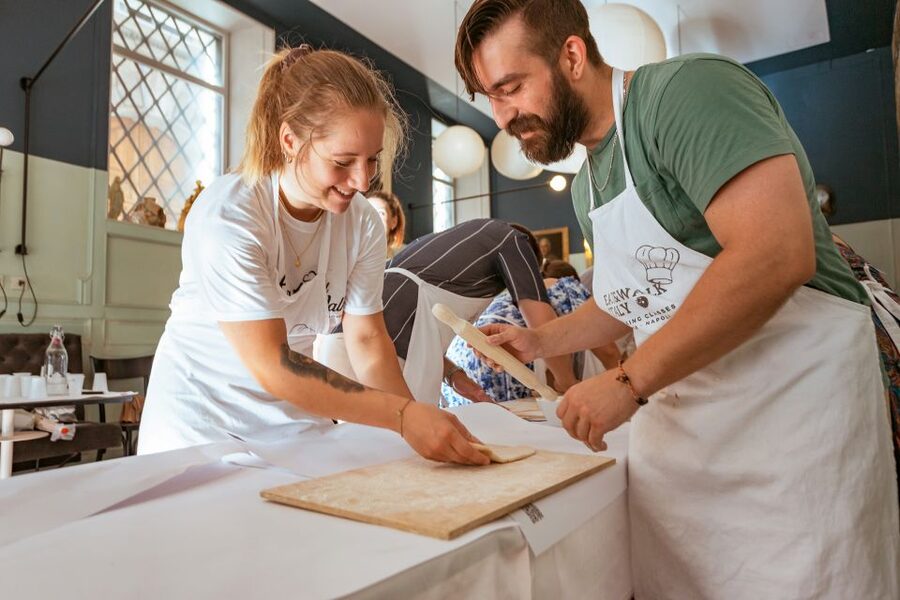
Book this class if you want to do something with your hands in Rome and then eat the result. The combination of fresh fettuccine, homemade tiramisù, wine, and a central restaurant setting gives you a satisfying three-hour experience at a fair price.
My main advice is to check the start times and arrive ready for a social class, not a private tutorial. If you get a patient chef such as Maria, Kiki, Mimi, or Carlotta, you can expect plenty of encouragement and clear help. Even with a faster-paced session, you will still leave knowing how two Italian staples are made, and with a meal you prepared yourself.
FAQ
Where does the cooking class begin and end?
The class begins inside Restaurant Gusto in the heart of Rome and ends back at the same meeting point.
How long does the cooking class last?
The activity lasts three hours. Starting times vary, so check availability when booking.
What will I make during the class?
You will make fettuccine pasta and tiramisù with guidance from an English-speaking chef.
Which pasta sauces can I choose?
You can choose tomato and basil, amatriciana, or cacio e pepe for your fettuccine.
What drinks are included?
The class includes a glass of Italian wine or a non-alcoholic drink, plus a glass of limoncello or coffee and water.
Is the class suitable for young children?
Children under four are not suitable for this activity. Pets are not allowed.
More Workshops in Rome
- Rome: 3-in-1 Fettuccine, Ravioli, and Tiramisu Cooking Class
★ 4.9 · 2,704 reviews - Rome: Fettuccine Pasta Cooking Class in Rome’s City Center
★ 4.8 · 2,414 reviews - Rome: Traditional Pasta with Cocktails Cooking Class
★ 5.0 · 2,374 reviews - Become a Masterchef in Rome: Pasta, Ravioli and Tiramisù Class
★ 5.0 · 2,156 reviews
Recently reviewed around Rome
- Ancient Rome at Twilight Walking Tour★ 5.0 · 276 reviews
- Domus Aurea Guided Tour: The Golden House of Nero★ 4.5 · 199 reviews
- Early Vatican Museums & Sistine Chapel Small Group Tour★ 4.5 · 314 reviews
- Early Vatican Museums Tour: The Best of the Sistine Chapel★ 4.5 · 900 reviews
- Jewish Ghetto & Piazza Navona: Food, Wine & Sightseeing Rome Tour★ 5.0 · 460 reviews
- 3 Days in Sorrento, Capri & Pompeii: la Dolce Vita★ 4.0 · 595 reviews
- Tivoli Villas Full Day Trip From Rome with Lunch★ 4.0 · 443 reviews
- Cook With Us in Rome: A Hands-On Cooking Experience 09:20AM class★ 5.0 · 234 reviews
Cooking Classes, compared.
3 in 1 Cooking Class near Navona: Fettuccine, Ravioli & Tiramisu
Read our review →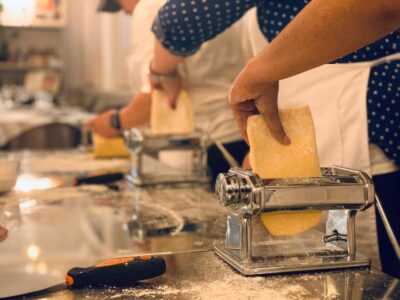
Pasta & Tiramisu Cooking Class with Unlimited Wine
Read our review →
Pasta & Tiramisu Class with Fine Wine by the Vatican
Read our review →
Cooking Class and Lunch at a Tuscan Farmhouse with Local Market Tour from Florence
Read our review →
Authentic Pizza Making Class in Naples with Appetizers and Drink
Read our review →
Pasta Making Class with Wine, Limoncello, and Dessert
Read our review →Browse the lists this tour appears in