
Review · COOKING CLASSES
Rome: Pasta Cooking Class with Market Visit and Wine
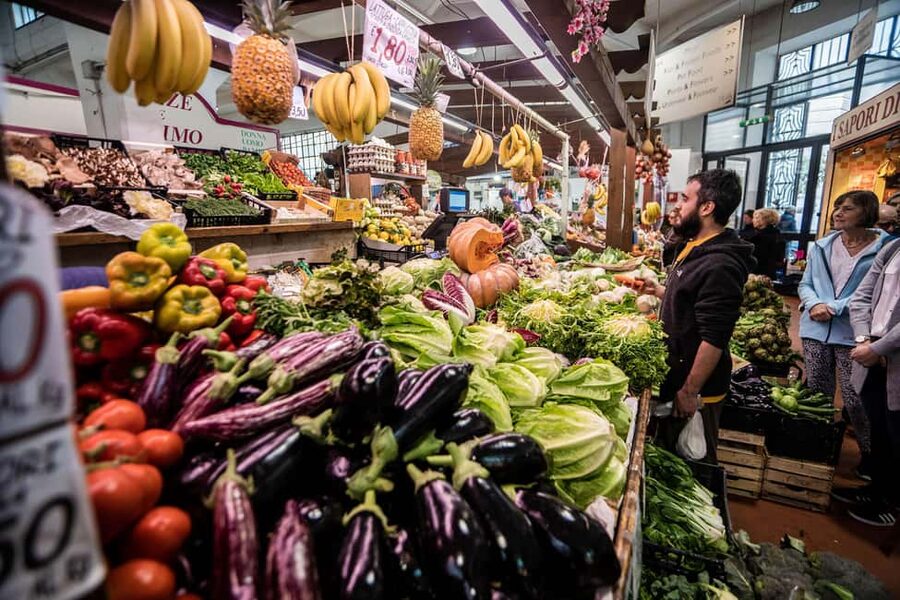
Rome’s best food lessons often begin away from the stove. Here, you walk to Nomentano Market with Chef Marco, see the ingredients used by local cooks, and then return to the Kitchen of Mamma to make pasta from scratch. You are not just watching a demonstration. You work the dough, shape several kinds of pasta, and sit down to eat what you made.
I like the market visit because it gives the cooking a Roman setting, not just a classroom feel. I also like Marco’s teaching style: funny, patient, and hands-on, with each person working at an individual station. The main consideration is timing. The experience is advertised as six hours, but some sessions have finished closer to four, so keep your afternoon flexible without assuming the full six hours will be used.
In This Review
- What makes this pasta class special
- Starting at Via Palestro 51 in Rome
- Walking through Nomentano Market
- Returning to the Kitchen of Mamma
- Making more than spaghetti
- Cooking, eating, and the Roman table
- How Marco teaches the class
- Six hours on the schedule, but plan with care
- Is $141.61 a fair price?
- Who should book this Rome cooking class?
- Should you book it?
- FAQ
- Where does the pasta cooking class begin?
- Where does the experience end?
- How long does the class last?
- Is the market visit included?
- Who teaches the pasta class?
- Do I need previous cooking experience?
- What food and drinks are included?
- Is the class suitable for people with gluten intolerance?
- Can I cancel for a refund?
What makes this pasta class special
- A market first: Walk to Nomentano Market and learn how fresh, seasonal ingredients fit into Roman cooking.
- Several pasta shapes: Practice linguine, ravioli, tortellini, and other cuts instead of stopping at basic spaghetti.
- Chef Marco’s personal instruction: Expect clear demonstrations, humor, and help at your own work station.
- A full meal afterward: Eat the pasta with sauces, Italian wine, coffee, and limoncello.
- Useful take-home material: Recipes and a participation certificate are included.
- A central starting point: Meet at Via Palestro 51, near Rome’s Termini area, then finish back at the same place.
Starting at Via Palestro 51 in Rome
Your day begins at Via Palestro 51, 00185 Rome. Arrive at least 10 minutes early, since the group heads out for the market and you do not want to join late.
The meeting point is useful for an activity that includes walking. It is in the central part of Rome, making this an easy food class to fit between sightseeing days. Still, this is not a quick two-hour lesson you squeeze in before dinner. Set aside a large part of your day, and avoid booking another fixed activity too close afterward.
The class is offered in English and Italian. If you book in English, the practical instruction should be easy to follow because the work is shown in front of you, step by step. Marco’s relaxed manner also matters here. Pasta making is forgiving, but a tense teacher can make a simple dough feel like an exam.
More Cooking Classes in Rome
- 3 in 1 Cooking Class near Navona: Fettuccine, Ravioli & Tiramisu
★ 5.0 · 7,376 reviews - Rome: Pasta & Tiramisu Class with Fine Wine by the Vatican
★ 4.9 · 4,852 reviews - Rome: Pasta Making Class with Wine, Limoncello, and Dessert
★ 4.9 · 3,177 reviews
Walking through Nomentano Market
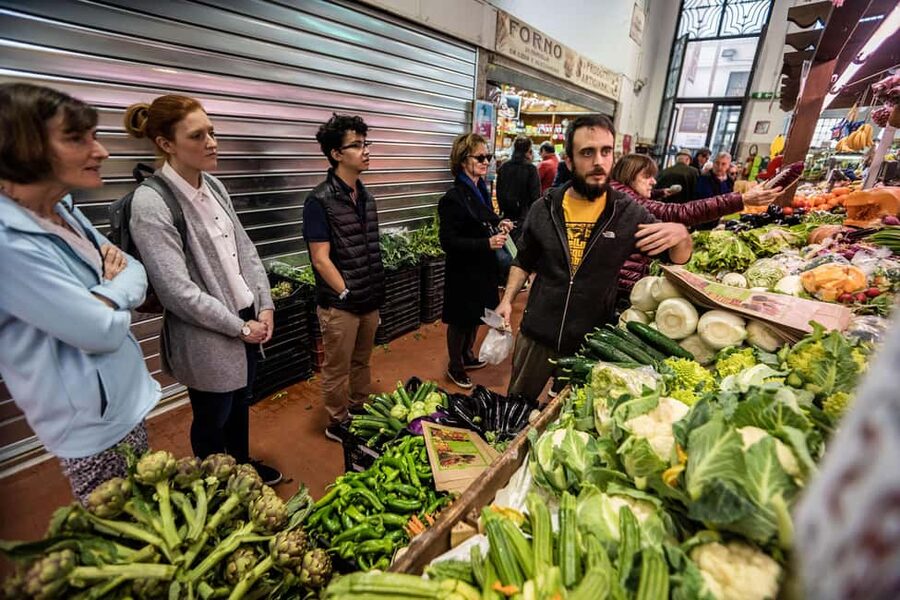
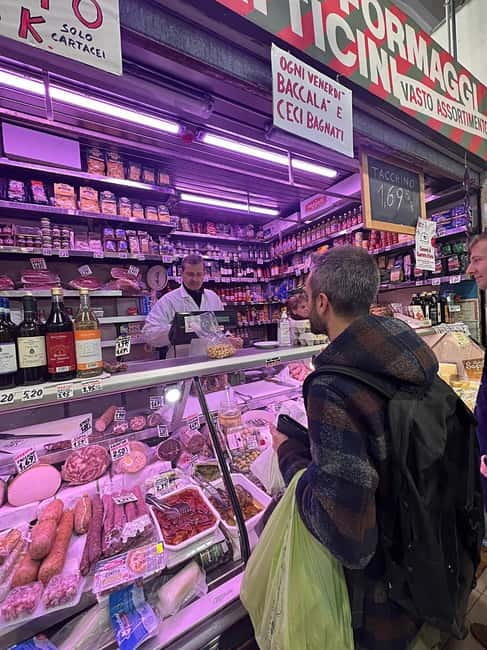
The first stop is Nomentano Market, reached on foot from the meeting point. The walk is part of the lesson, not just a transfer. Marco uses the route to talk about Rome and Italian history, then introduces you to the ingredients and vendors that support the cooking session.
At the market, you get a look at fresh vegetables, meat, fish, and other local products. The exact ingredients can vary by season and by the recipes planned for the day, but the point is clear: Roman cooking starts with choosing good raw materials.
This is one of the strongest parts of the experience for anyone who wants more than a recipe card. You can see how vegetables look before they are chopped, ask why one ingredient works with another, and watch Marco make choices for fillings and sauces. Pumpkin, ricotta, sage, and mushrooms have all featured in the class, including combinations used for ravioli.
The market also gives you a small taste of neighborhood Rome. You are not being led through a major monument or a staged food street. You are seeing the sort of shopping stop that supports an ordinary kitchen. That makes the later meal easier to understand.
The drawback is that the market portion is a walking visit, so comfortable shoes make sense. It is also a food market rather than a sightseeing attraction. If you want a long market tour with many vendor tastings, this may feel brief. Its value lies in selecting ingredients with the chef, not in spending hours browsing stalls.
Returning to the Kitchen of Mamma
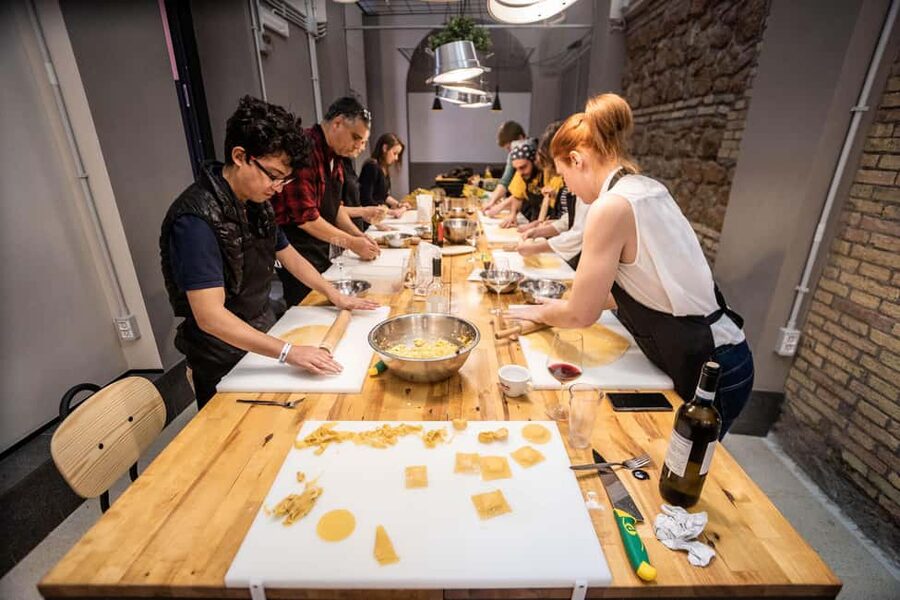
After the market, you return to the cooking school called the Kitchen of Mamma. The room is arranged for practical work, with individual stations available for participants. That detail improves the class considerably. You are not standing behind someone else trying to copy a distant demonstration.
Marco begins with the dough. You learn how to combine and work the ingredients, then how to judge the texture and handle the dough as it develops. No previous cooking skill is required, and the instruction is designed for beginners.
I appreciate classes that teach the feel of a dish instead of only listing measurements. Pasta dough can look simple on paper, but the useful lesson is knowing what it should feel like and how to correct it. Marco moves around the room, checks each person’s work, and offers help when needed.
The class is also social. Wine is served as you cook, and Marco shares stories about Italian life and food. That can make the session feel less like a formal lesson and more like a long lunch that happens to include a great deal of flour.
Still, the social side is not for everyone. If you want a quiet, highly structured culinary course, the jokes and conversation may feel like a distraction. This is designed as a friendly group experience, with cooking and conversation mixed together.
Making more than spaghetti
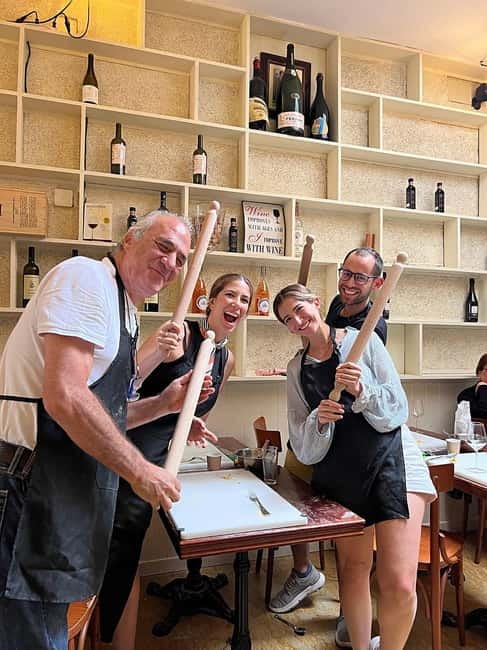
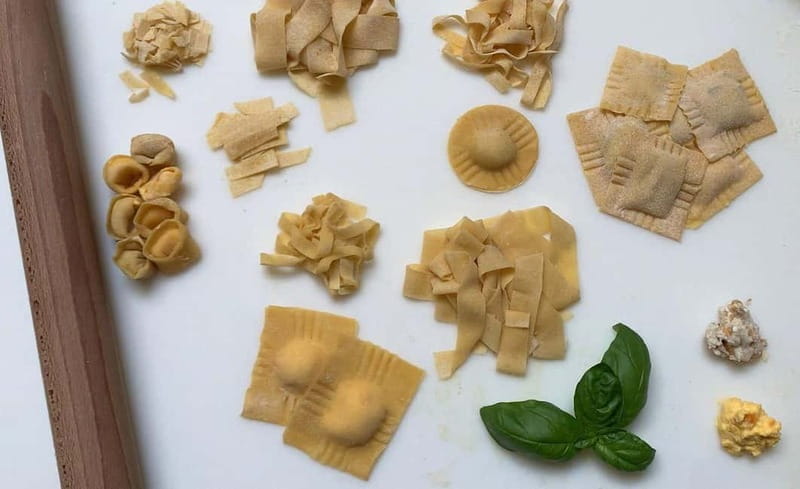
The class covers a useful range of pasta shapes. You may cut several sizes of pasta, prepare linguine, and shape filled pasta such as ravioli and tortellini. Learning different forms is a better use of your time than making one batch of spaghetti and calling it done.
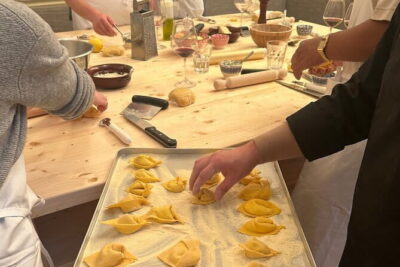
Filled pasta brings another set of skills. You learn how to place the filling, close the dough, and shape it so it holds together during cooking. Pumpkin and ricotta fillings have been used, along with other combinations that may change with the ingredients available.
Marco prepares fillings and sauces while explaining how they are made. You then see how the pasta and sauce work together, rather than treating pasta as a plain base with something poured over it at the end.
The class can include as many as five different pasta preparations, and one session included seven pasta cuts and ravioli work. The exact mix may vary, so I would not book expecting one precise menu. The useful promise is variety, practice, and a meal made from your own work.
This range makes the class a good choice for couples, families, and first-time cooks. Children and adults can take part together, provided everyone can manage the hands-on work. The activity is not suitable for people with gluten intolerance, so that is an important limit rather than a minor footnote.
More Rome trips worth a second look
- Rome: Tuscany & Montepulciano Day Trip with Lunch & Wine Tasting
★ 4.5 · 5,232 reviews - Rome Food Tour: Unlimited Tastings with Fine Wine & Barolo
★ 5.0 · 3,365 reviews - Rome: Trastevere Food tour with Free-Flowing Fine Wine
★ 5.0 · 2,853 reviews - Learn to Make Pasta & Tiramisu with Wine and Limoncello Included
★ 5.0 · 2,345 reviews
Cooking, eating, and the Roman table
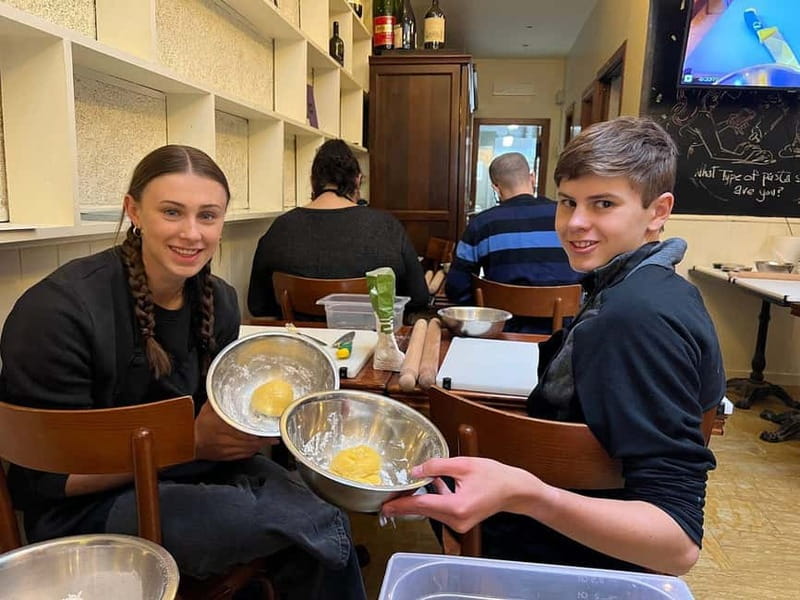
Once the pasta is shaped, it is cooked and served with sauces prepared during the class. You eat lunch at the same venue, which keeps the day simple and lets you taste the results while the techniques are still fresh.
The meal is not a token sample. The portions have been described as generous, and the class can produce a surprisingly large amount of food. Extra pasta may sometimes be available to take home, but do not treat that as a guaranteed inclusion.
A glass of Italian wine is included. Wine is part of the atmosphere, not the main event, and you can enjoy it while listening to stories and talking with the rest of the group. If you do not drink, the supplied information does not specify a substitute, so ask when booking if that matters to you.
The meal ends with coffee and limoncello. These small finishing touches help the class feel like a complete Italian lunch rather than a lesson followed by a rushed exit.
Food restrictions deserve attention. One session included accommodation for someone who did not eat pork or red meat, and care was taken with drink choices for a pregnant participant. Those are encouraging signs of a considerate host, but the official information only specifically rules out gluten intolerance. Tell the provider about any dietary needs before you book and confirm what can be changed.
How Marco teaches the class
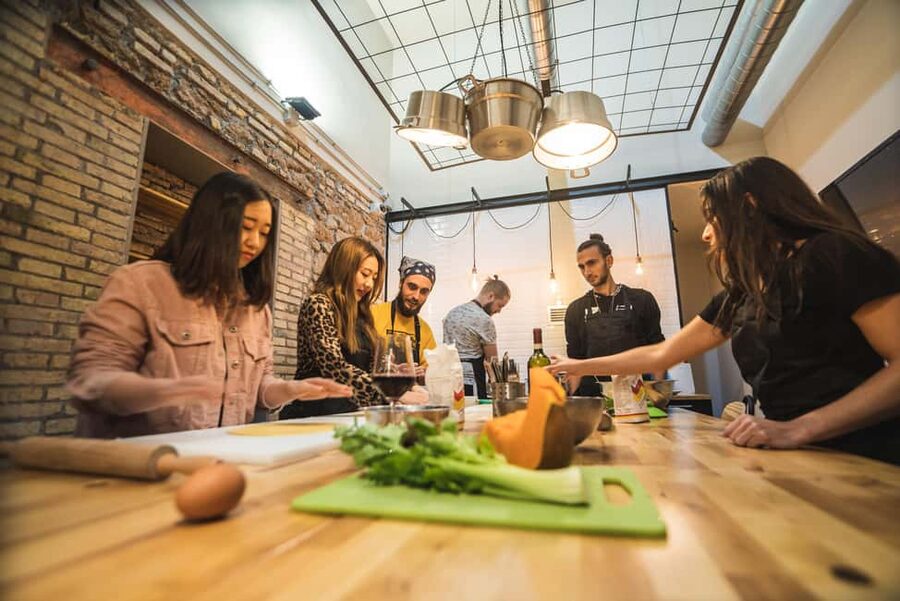
The strongest reason to choose this experience is Marco. He serves as guide, chef, teacher, and host, and the class depends heavily on his energy. He is repeatedly described as funny, warm, attentive, and easy to follow.
That matters because pasta making is repetitive in the best way. You need someone who can explain the same motion several times without making beginners feel foolish. Marco’s approach appears to be relaxed but involved. He walks around the room, checks dough, helps with shaping, and keeps the group engaged while sauces are prepared.
He also adds context beyond the recipe. On the walk to the market, you hear about Rome and Italy. At the table, food becomes a doorway into Italian customs and everyday life. You get a better sense of why ingredients are paired, not just what to put into a bowl.
The experience is not built around a famous restaurant kitchen or a formal culinary qualification. Its appeal is personal instruction and a welcoming room. If Marco is not leading your particular session, the tone could be different, so check the guide details at booking when possible.
Six hours on the schedule, but plan with care
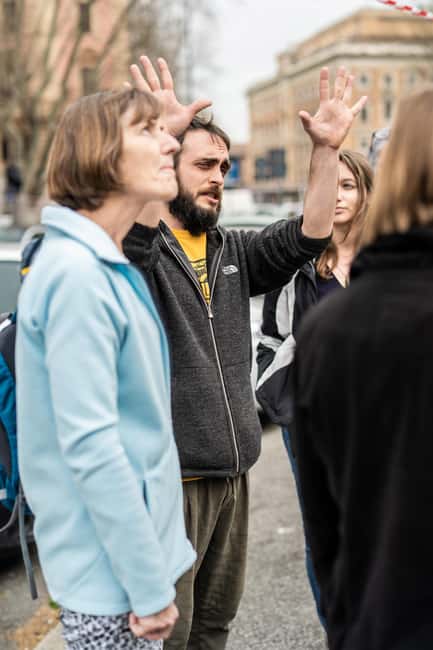
The published duration is six hours, with starting times shown when you check availability. That length suggests a full market visit, cooking lesson, meal, and relaxed conversation rather than a fast demonstration.
In practice, some sessions have ended closer to four hours. That can be good news if you want a satisfying activity without losing an entire day, but it also means you should not use the listed six hours as a precise finish time. Keep the rest of your schedule open and avoid nonrefundable plans immediately afterward.
The class ends back at Via Palestro 51. Since both the beginning and end are at the same meeting point, you do not need to arrange a separate ride from the kitchen. The market visit and the route between stops are on foot.
The activity is offered in English and Italian. You should arrive early, wear comfortable clothes, and expect to work with flour, dough, fillings, and sauces. The supplied information does not list special clothing or equipment requirements.
Is $141.61 a fair price?
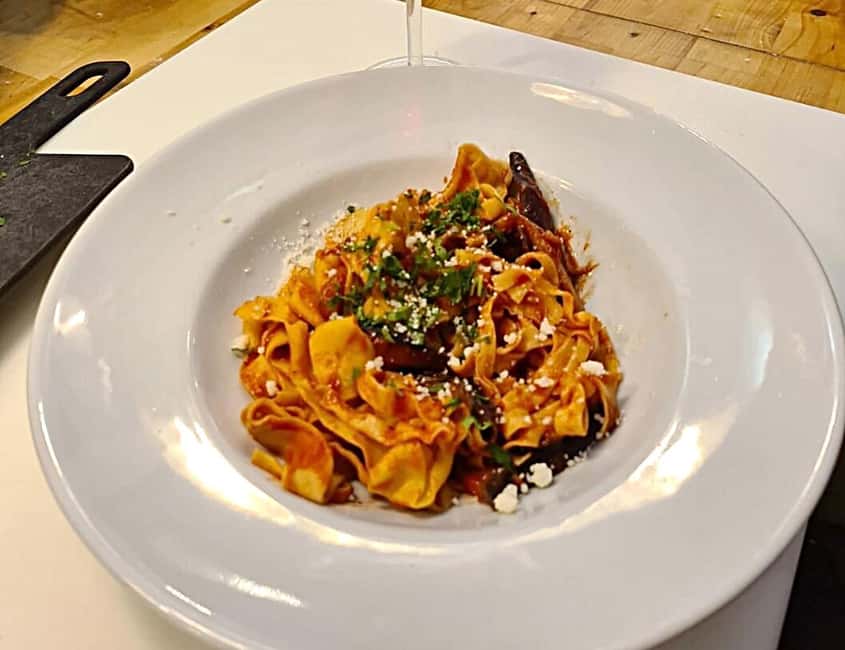
At $141.61 per person, this is not a bargain meal, but it is more than a restaurant lunch. The price covers a market walk, instruction from a chef, several pasta preparations, lunch, wine, coffee, limoncello, recipes, and a certificate.
The value improves if you want to learn skills you can repeat at home. A standard pasta dinner gives you one meal. This class gives you a method for making dough, cutting shapes, preparing filled pasta, and pairing sauces. The recipes help turn the experience into something practical after your trip.
The market visit also adds value. It gives you a local food setting and shows why the ingredients were chosen. Without that walk, the class would be a straightforward cooking workshop. With it, you get a fuller connection between shopping, preparation, and eating.
The price may feel high if you mainly want a cheap lunch or already have advanced pasta skills. You are paying partly for Marco’s attention and the social setting. If you prefer to cook alone, or if you only want one classic Roman dish such as carbonara, another class may suit you better.
Free cancellation is available up to 24 hours before the activity for a full refund. You can also reserve and pay later, which helps if your Rome plans are still changing.
Who should book this Rome cooking class?
I would recommend it most strongly to first-time pasta makers, food-focused visitors, and families who want an activity everyone can share. Couples also get plenty from it, especially if they prefer a meal with conversation instead of a restaurant table where the cooking is already finished.
It suits you if you want to learn several shapes, meet a lively local chef, and understand ingredients before they reach the pan. It is also a good pick for a Rome itinerary that already includes the major sights and needs a slower, more personal day.
I would think twice if you have gluten intolerance, dislike group activities, or need a strict end time. The experience is hands-on and social, and the schedule can be shorter than the stated six hours.
Should you book it?
Yes, if you want a practical Roman food experience rather than a simple demonstration. The market visit, individual work stations, variety of pasta shapes, and full meal give you a lot for one day, while Marco’s humor and attention appear to shape the experience as much as the recipes.
Book it with enough time around the activity, arrive early at Via Palestro 51, and explain dietary needs before paying. For a first cooking class in Rome, this is a strong choice. For advanced cooks seeking technical training, it may feel more like a warm, entertaining introduction than a serious professional course.
FAQ
Where does the pasta cooking class begin?
The activity begins at Via Palestro 51, 00185 Rome. You should arrive at least 10 minutes before the scheduled start.
Where does the experience end?
The activity ends back at the meeting point on Via Palestro 51.
How long does the class last?
The listed duration is six hours. Starting times depend on availability, and some sessions may finish closer to four hours.
Is the market visit included?
Yes. The experience includes a walking visit to Nomentano Market, where you see fresh and seasonal ingredients and select products for the class.
Who teaches the pasta class?
Chef Marco is identified as the guide and chef for the experience. Instruction is available in English and Italian.
Do I need previous cooking experience?
No. Previous pasta-making skills are not required.
What food and drinks are included?
The experience includes lunch with pasta, a glass of Italian wine, coffee, and limoncello.
Is the class suitable for people with gluten intolerance?
No. The activity is not suitable for people with gluten intolerance.
Can I cancel for a refund?
Yes. You can cancel up to 24 hours in advance for a full refund. The activity also offers a reserve-now-and-pay-later option.
More Markets in Rome
- Rome: Colosseum, Roman Forum & Trajan’s Market Exterior Tour
★ 4.3 · 2,038 reviews - Rome: Food Tour with Market Visit
★ 4.9 · 200 reviews - Cooking Class and Lunch at a Tuscan Farmhouse with Local Market Tour from Florence
★ 5.0 · 4,831 reviews - Small Group Cooking Class & Market Food Tour in Florence
★ 5.0 · 1,574 reviews
More Pasta in Rome
- Rome: Fettuccine Pasta Cooking Class in Rome’s City Center
★ 4.8 · 2,414 reviews - Rome: Traditional Pasta with Cocktails Cooking Class
★ 5.0 · 2,374 reviews - Become a Masterchef in Rome: Pasta, Ravioli and Tiramisù Class
★ 5.0 · 2,156 reviews - Pasta Cooking Class Near the Colosseum with 3 Spritz Cocktails
★ 5.0 · 1,686 reviews
Recently reviewed around Rome
- Ancient Rome at Twilight Walking Tour★ 5.0 · 276 reviews
- Domus Aurea Guided Tour: The Golden House of Nero★ 4.5 · 199 reviews
- Early Vatican Museums & Sistine Chapel Small Group Tour★ 4.5 · 314 reviews
- Early Vatican Museums Tour: The Best of the Sistine Chapel★ 4.5 · 900 reviews
- Jewish Ghetto & Piazza Navona: Food, Wine & Sightseeing Rome Tour★ 5.0 · 460 reviews
- 3 Days in Sorrento, Capri & Pompeii: la Dolce Vita★ 4.0 · 595 reviews
- Tivoli Villas Full Day Trip From Rome with Lunch★ 4.0 · 443 reviews
- Cook With Us in Rome: A Hands-On Cooking Experience 09:20AM class★ 5.0 · 234 reviews
Cooking Classes, compared.
3 in 1 Cooking Class near Navona: Fettuccine, Ravioli & Tiramisu
Read our review →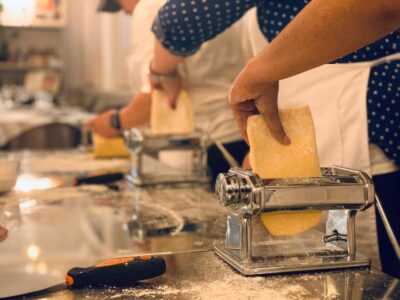
Pasta & Tiramisu Cooking Class with Unlimited Wine
Read our review →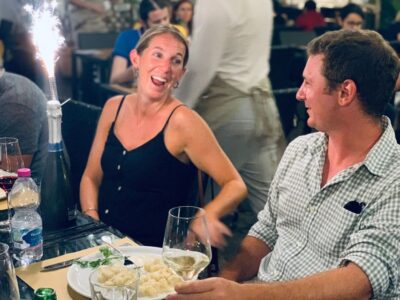
Pasta & Tiramisu Class with Fine Wine by the Vatican
Read our review →
Cooking Class and Lunch at a Tuscan Farmhouse with Local Market Tour from Florence
Read our review →
Authentic Pizza Making Class in Naples with Appetizers and Drink
Read our review →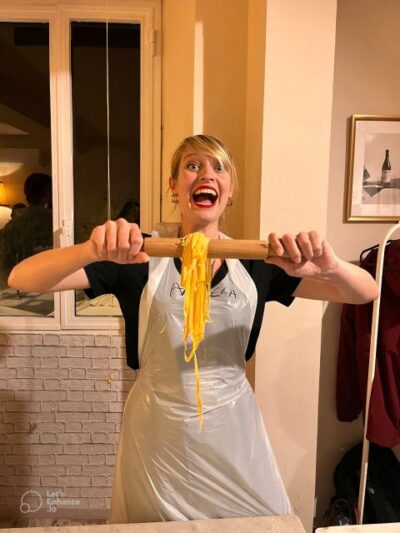
Pasta Making Class with Wine, Limoncello, and Dessert
Read our review →Browse the lists this tour appears in