
Review · COOKING CLASSES
Rome: Roman Master Chef Cooking Class with Wine
Fresh pasta is the heart of this Roman cooking class, but the best part is how quickly you move from watching to doing. You make dough, shape handmade fettuccine, prepare tiramisu, then sit down to eat in the restaurant or on its terrace with wine and limoncello.
I like the hands-on format and the sensible price. At $32, you get a meal, drinks, recipes, and a social evening in one package. I also like the friendly teaching style linked with chefs and hosts such as Sid, Eleonor, Eddie, Giacomo, and Mathilde. The main thing to consider is that some sessions may start later than planned, and the exact meeting point and menu can vary by booking option.
In This Review
- Key points to know before booking
- What the Roman cooking class actually gives you
- Mixing dough and making fresh fettuccine
- Tiramisu before the main meal
- Wine, limoncello, and the social side
- Meeting the chefs and hosts
- Sitting down to eat what you made
- Is $32 good value?
- Timing, meeting point, and practical planning
- Who will enjoy this most
- Fettuccine, ravioli, or both?
- My verdict: should you book it?
- FAQ
- How long does the Roman cooking class last?
- What food will I make?
- Are drinks included?
- Is the class taught in English?
- Can dietary requirements be accommodated?
- Where does the class meet?
- Can I cancel the activity?
- Do I have to pay at the time of booking?
Key points to know before booking
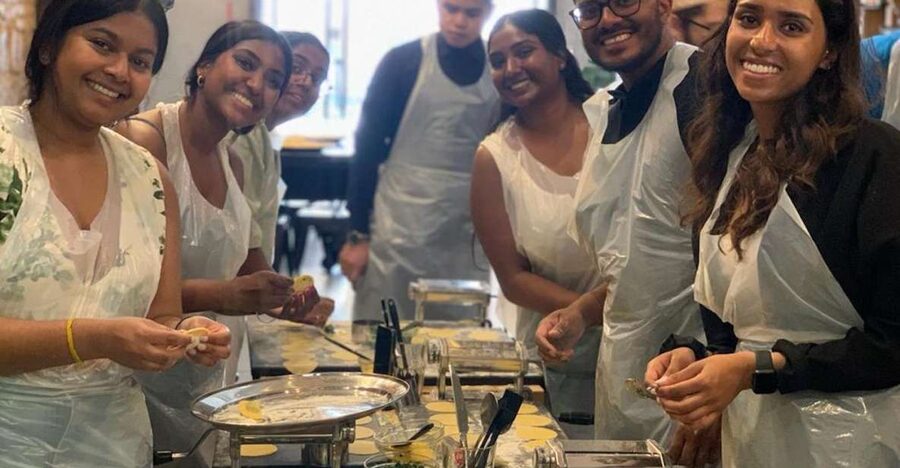
- Make pasta from scratch: Prepare fresh dough and handmade fettuccine under an English-speaking chef.
- Tiramisu is part of the lesson: Build the coffee-flavored dessert with cocoa, then enjoy it after the meal.
- Wine and limoncello are included: You can sip wine, limoncello, coffee, soft drinks, and water while you cook.
- A restaurant setting adds atmosphere: Cook inside a Roman restaurant, then eat your work in the dining room or outdoor terrace.
- Some sessions may include ravioli: The core description focuses on fettuccine, while some class formats have also included ravioli.
- Flexible booking helps: You can cancel up to 24 hours ahead for a full refund and reserve without paying immediately.
What the Roman cooking class actually gives you
This is a short, social food lesson rather than a formal culinary school course. You arrive at a Roman restaurant, meet the host and chef, and receive the tools and ingredients needed for the class.
The lesson centers on two reliable Italian favorites: handmade pasta and tiramisu. You are not simply shown a finished dish. You work through the main steps yourself, with the chef guiding the class and helping participants stay on track.
That distinction matters. A pasta demonstration can be fun, but it does not teach your hands how firm the dough should feel or how thin the pasta needs to be. Here, you get to handle the mixture, roll it, and shape it. You leave with a better chance of repeating the meal at home.
The class lasts about 2.5 to 3 hours, so it takes up a useful half-day block without consuming your whole sightseeing schedule. I would place it on a morning or early afternoon when possible. That leaves room for Rome’s museums, churches, and evening passeggiata later.
More Cooking Classes in Rome
- 3 in 1 Cooking Class near Navona: Fettuccine, Ravioli & Tiramisu
★ 5.0 · 7,376 reviews - Rome: Pasta & Tiramisu Class with Fine Wine by the Vatican
★ 4.9 · 4,852 reviews - Rome: Pasta Making Class with Wine, Limoncello, and Dessert
★ 4.9 · 3,177 reviews
Mixing dough and making fresh fettuccine
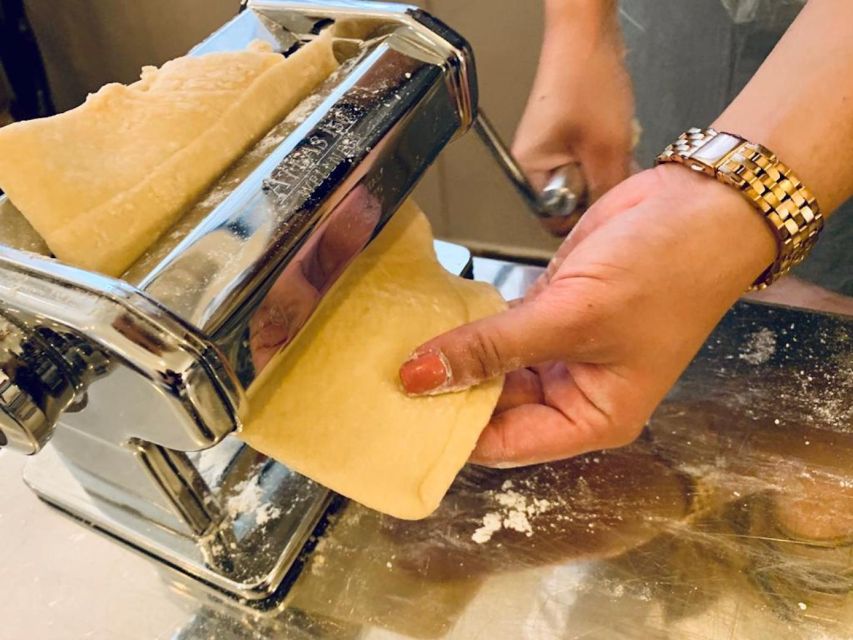
The pasta lesson is the practical center of the experience. You gather around the work area with the ingredients and tools, then follow the chef through the process of making pasta from scratch.
The instructor calls out the steps and ingredients as the group works. That kind of clear pacing is important in a class with around a dozen participants, where a quiet corner of the table can easily miss a stage. The teaching style has been praised for keeping everyone involved rather than allowing the confident cooks to take over.
You should expect flour, dough, rolling, cutting, and plenty of handwork. The goal is not restaurant-speed production. It is to learn the basic method and produce pasta you can actually eat.
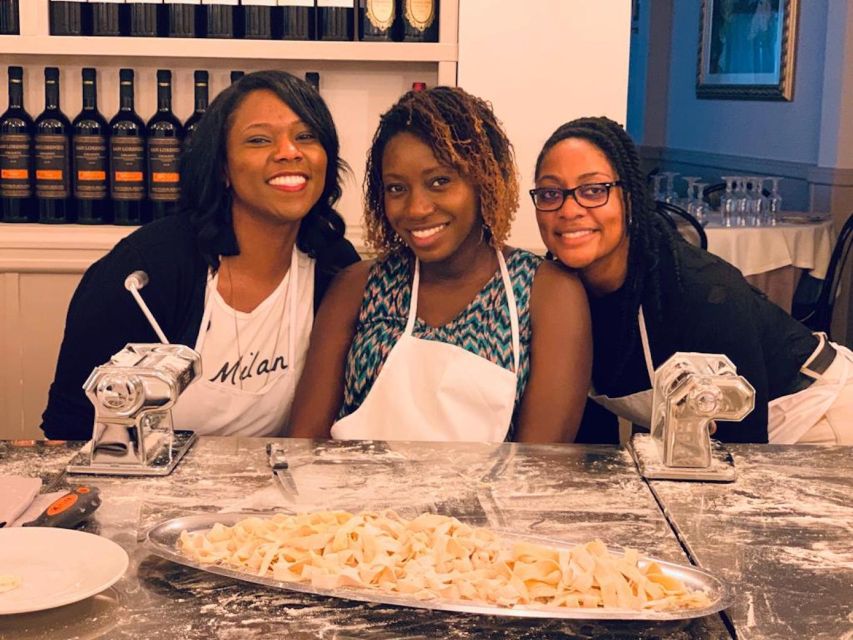
The finished fettuccine is served as part of the meal. The experience is especially good value because your class fee does not end with a recipe card or a small sample. You cook a substantial dish and sit down to enjoy it.
One useful limitation: the supplied details do not explain which sauce is included or whether you make the sauce yourself. One class session included a particularly well-liked ravioli sauce, but the participant wished the group had learned that sauce as well. If sauce-making is your main interest, check the menu for your chosen option before booking.
Tiramisu before the main meal
The dessert lesson comes early enough to give the tiramisu time to settle before you eat it. You prepare the layers of this coffee-flavored Italian dessert and finish it with cocoa.
This is a smart choice for a group class. Tiramisu needs less technical knife work than many Italian desserts, and the layered format lets the chef explain each part without turning the lesson into a long pastry course.
You will learn the basic construction rather than a complicated restaurant recipe. That makes the dish practical for home use. The included recipes are one of the more useful parts of the class because they help turn a pleasant afternoon into something you can repeat after returning home.
Several class accounts singled out the tiramisu as a highlight, including one participant who called it the best they had eaten in Rome. Keep expectations sensible: this is still a group lesson, not a private pastry session. But if you like coffee, cocoa, and creamy desserts, tiramisu gives the class a second strong food focus.
Wine, limoncello, and the social side
Wine is served while you learn, and limoncello is also included. Coffee, soft drinks, and water are available, and one session began with prosecco before moving into the food preparation.
The drinks change the tone of the class. You are not sitting silently at a workbench taking notes. You are cooking, talking, and meeting people from different countries. Music and jokes have also been part of the atmosphere in some sessions.
That social element is a real part of the value. If you are traveling alone, the class gives you an easy way to share a table and conversation without needing to organize your own dinner companions. Couples and families can also enjoy it, though very young children may not have the patience for a three-hour food lesson. The supplied information does not give a minimum age, so check the booking terms if children are joining.
There is a tradeoff. Wine and limoncello may make the class more relaxed, but they are not ideal for everyone. Vegetarian, vegan, lactose-intolerant, and other dietary needs are supported when you tell the provider at booking. If you do not drink alcohol, coffee, soft drinks, and water are included.
More Rome trips worth a second look
- Rome: Tuscany & Montepulciano Day Trip with Lunch & Wine Tasting
★ 4.5 · 5,232 reviews - Rome Food Tour: Unlimited Tastings with Fine Wine & Barolo
★ 5.0 · 3,365 reviews - Rome: Trastevere Food tour with Free-Flowing Fine Wine
★ 5.0 · 2,853 reviews - Learn to Make Pasta & Tiramisu with Wine and Limoncello Included
★ 5.0 · 2,345 reviews
Meeting the chefs and hosts
The class has several named staff associated with especially warm, entertaining instruction. Sid and Eleonor have been praised for making the session feel welcoming and well managed. Eddie, Sid, and Giacomo have also been described as funny, informative, and attentive.
Mathilde has been noted for explaining the steps clearly and making sure everyone took part. These details suggest a class where the host’s personality matters as much as the recipe. A good chef can make pasta. A good class leader notices who needs help with dough, who is falling behind, and who is standing back too much.
The instructor language is English. That removes a major barrier for many international visitors, especially when the lesson involves exact measurements and hand movements.
Still, staff assignments can change. The advertised experience does not guarantee one specific chef, so treat the names above as useful examples of the teaching team rather than a promise that one person will lead your session.
Sitting down to eat what you made
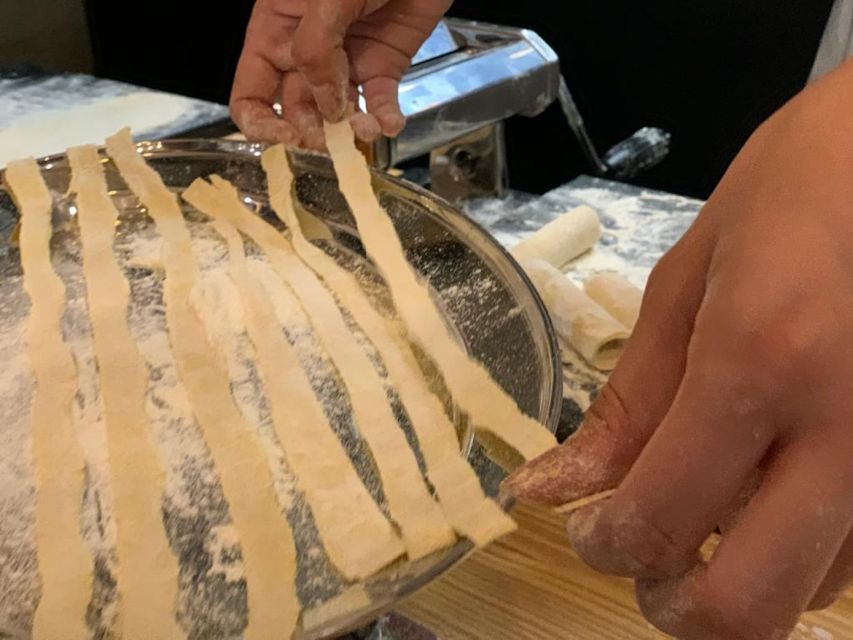
Once the cooking is finished, you sit down in the restaurant or on its outdoor terrace and eat the food prepared during the class. This closing meal gives the afternoon a clear payoff.
You can judge the pasta immediately. Was the dough too thick? Did the fettuccine hold its shape? How did the texture compare with dried pasta? These are lessons you understand better at the table than in a kitchen demonstration.
The restaurant setting also keeps the experience connected to Rome. You are not cooking in an anonymous classroom with a catered meal brought in from somewhere else. The class takes place inside a Roman restaurant, and the meal is tied to the work you have just completed.
The exact seating arrangement depends on the option booked. A terrace can be pleasant, but outdoor seating should not be assumed. The experience promises a locally loved restaurant or terrace, not a guaranteed view or a specific neighborhood landmark.
Is $32 good value?
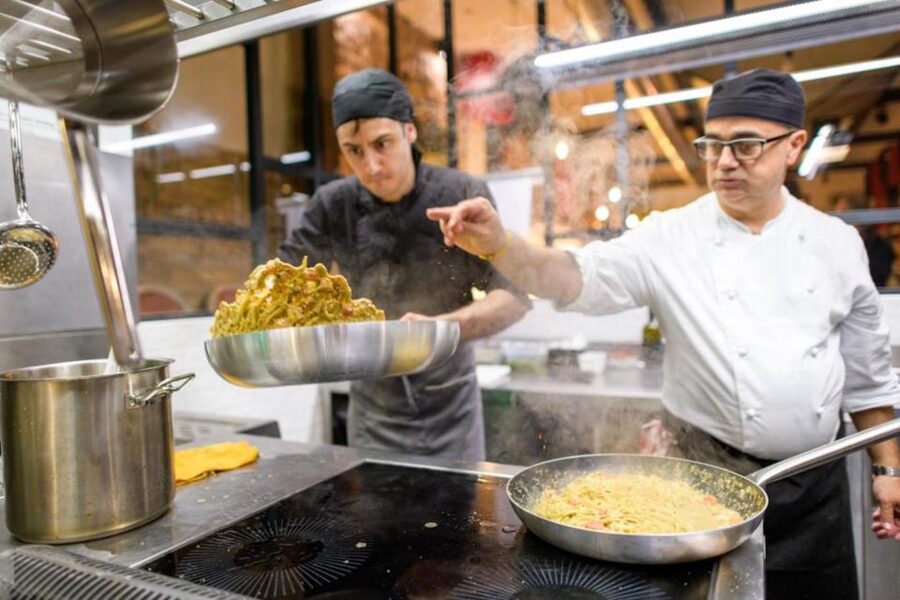
At $32 per person, this is one of the easier Roman activities to justify on cost. You receive a 2.5 to 3 hour class, chef instruction, a meal of pasta and tiramisu, wine, limoncello, coffee, soft drinks, water, and recipes to take home.
Compare it with paying separately for a restaurant meal and an organized activity. The price covers both, though you should not expect the level of personal attention found in a private lesson.
The class is also good value because the food is the activity. You spend the time learning a skill, then eat the result. That feels more useful than a short tasting stop, especially if you want an experience that remains part of your trip after you return home.
The low price means the group format is important. You may share a work area with about a dozen people, and the session can be lively. If you want quiet instruction, exact control of every ingredient, or a private chef, spend more elsewhere.
Timing, meeting point, and practical planning
The class runs for 2.5 to 3 hours, but starting times vary. Check the available time before you book, then avoid placing a timed museum entry immediately afterward.
One class began later than expected. That delay did not cause trouble for someone with an open afternoon, but it could create stress if you have a train, concert, or reserved attraction waiting. My advice is simple: leave a generous cushion after the cooking class.
The meeting point may vary by the option you choose. Read the booking confirmation carefully rather than relying on a general map pin. The activity takes place in a Roman restaurant, but the supplied details do not identify one fixed address for every booking.
The class is conducted in English. Dietary choices are supported, including vegetarian, vegan, lactose-intolerant, and other diets, but you must report your needs when booking. Do not wait until you sit down at the table. The kitchen needs notice to prepare suitable ingredients.
You can cancel up to 24 hours before the activity for a full refund. The reserve-now, pay-later option is helpful if your Rome schedule is still moving around.
Who will enjoy this most
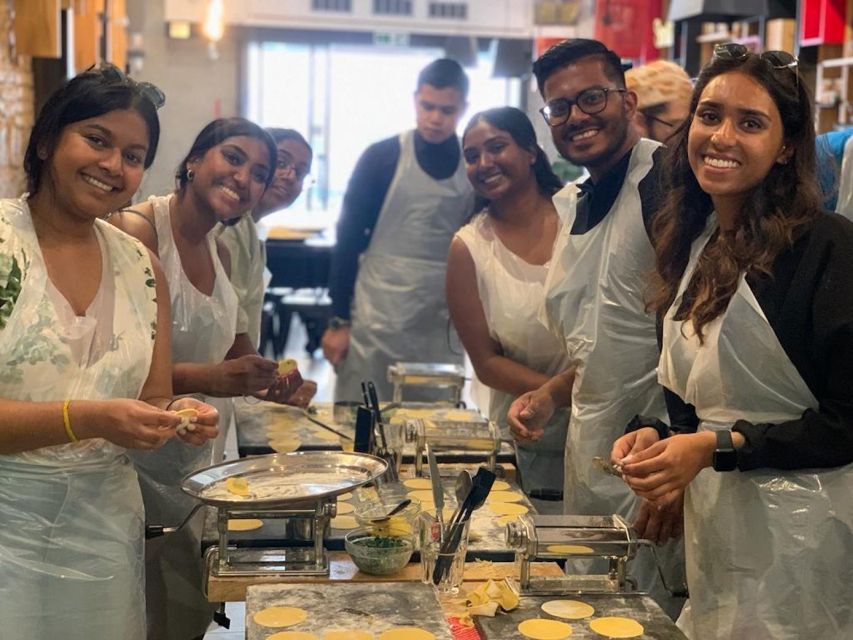
I would recommend this class to you if you want a relaxed introduction to Italian cooking and prefer learning by doing. It suits first-time visitors who want a break from monuments, solo visitors looking for a social meal, and couples who enjoy food more than a formal sightseeing lecture.
It is also a strong pick for people who already like pasta but have never made fresh dough. The class gives you a basic method you can use at home without requiring professional equipment.
Families may enjoy the shared work and dessert-making, but the provider does not give enough information to confirm age rules. Ask before booking if your children are young.
You may want another kind of activity if you are seeking a detailed lesson on Roman sauces, advanced knife work, or a private menu. The focus is pasta and tiramisu, and sauce preparation is not clearly included in every version.
Fettuccine, ravioli, or both?
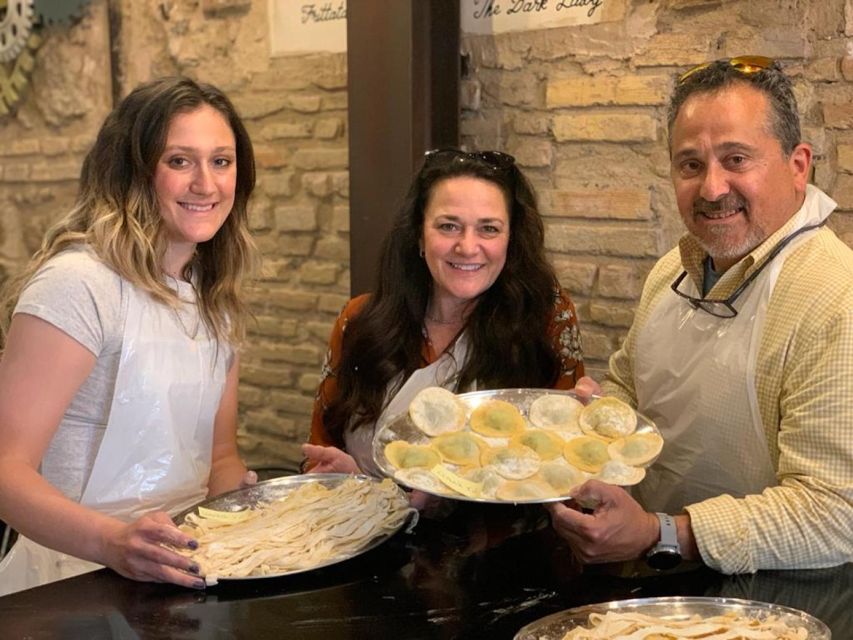
The main experience description promises handmade fettuccine and tiramisu. Some class sessions have also included ravioli alongside fettuccine, making the food portion a little broader.
Do not assume ravioli is guaranteed unless it appears in the exact option you select. If it is included, it adds another useful skill: filling and sealing pasta. If it is not, you still receive the core fettuccine lesson and dessert.
This is worth checking because different menus can change the feel of the class. A fettuccine-focused lesson is simpler and leaves more time for relaxed conversation. Adding ravioli gives you more variety but may make the cooking portion feel busier.
My verdict: should you book it?
I would book this class if you want good food, practical instruction, and a friendly group atmosphere at a modest price. The strongest parts are the hands-on pasta work, the tiramisu, the included drinks, and the staff’s clear and playful teaching style.
Book it for a flexible morning or afternoon, not between two hard reservations. Confirm the meeting point, menu, and dietary arrangements before paying, especially if ravioli or sauce-making matters to you.
Skip it only if you dislike group activities, do not want alcohol around the table, or want a highly technical private cooking lesson. For most visitors, this is a smart way to spend three hours in Rome: you eat well, learn something useful, and leave with recipes instead of just another photograph.
FAQ
How long does the Roman cooking class last?
The class lasts approximately 2.5 to 3 hours. Starting times vary, so check availability for the date you want.
What food will I make?
The class includes handmade fettuccine pasta made from scratch and tiramisu. Some versions of the session have also included ravioli, so check the exact option when booking.
Are drinks included?
Yes. Fine Italian wine and limoncello are included, along with coffee, soft drinks, and water. Prosecco has also been served in some sessions.
Is the class taught in English?
Yes. The instructor language is English.
Can dietary requirements be accommodated?
Yes. Vegetarian, vegan, lactose-intolerant, and other dietary options are supported. Inform the activity provider of your needs when booking.
Where does the class meet?
The meeting point can vary depending on the option booked. Check the details for your selected booking.
Can I cancel the activity?
Yes. You can cancel up to 24 hours in advance for a full refund.
Do I have to pay at the time of booking?
No. A reserve-now, pay-later option is available, allowing you to hold a place without paying immediately.
More Workshops in Rome
- Rome: 3-in-1 Fettuccine, Ravioli, and Tiramisu Cooking Class
★ 4.9 · 2,704 reviews - Rome: Fettuccine Pasta Cooking Class in Rome’s City Center
★ 4.8 · 2,414 reviews - Rome: Traditional Pasta with Cocktails Cooking Class
★ 5.0 · 2,374 reviews - Become a Masterchef in Rome: Pasta, Ravioli and Tiramisù Class
★ 5.0 · 2,156 reviews
Recently reviewed around Rome
- Ancient Rome at Twilight Walking Tour★ 5.0 · 276 reviews
- Domus Aurea Guided Tour: The Golden House of Nero★ 4.5 · 199 reviews
- Early Vatican Museums & Sistine Chapel Small Group Tour★ 4.5 · 314 reviews
- Early Vatican Museums Tour: The Best of the Sistine Chapel★ 4.5 · 900 reviews
- Jewish Ghetto & Piazza Navona: Food, Wine & Sightseeing Rome Tour★ 5.0 · 460 reviews
- 3 Days in Sorrento, Capri & Pompeii: la Dolce Vita★ 4.0 · 595 reviews
- Tivoli Villas Full Day Trip From Rome with Lunch★ 4.0 · 443 reviews
- Cook With Us in Rome: A Hands-On Cooking Experience 09:20AM class★ 5.0 · 234 reviews
Cooking Classes, compared.
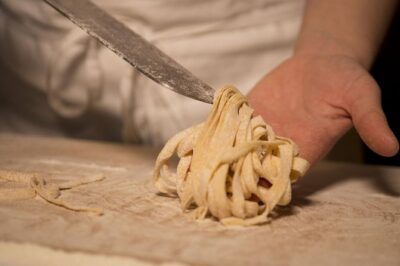
3 in 1 Cooking Class near Navona: Fettuccine, Ravioli & Tiramisu
Read our review →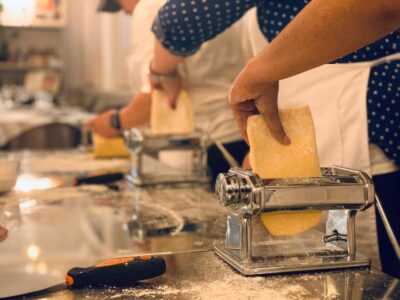
Pasta & Tiramisu Cooking Class with Unlimited Wine
Read our review →
Pasta & Tiramisu Class with Fine Wine by the Vatican
Read our review →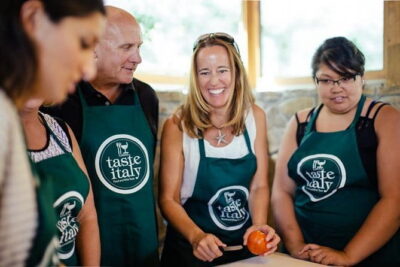
Cooking Class and Lunch at a Tuscan Farmhouse with Local Market Tour from Florence
Read our review →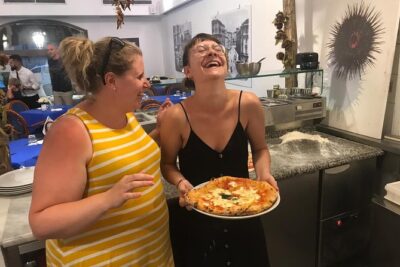
Authentic Pizza Making Class in Naples with Appetizers and Drink
Read our review →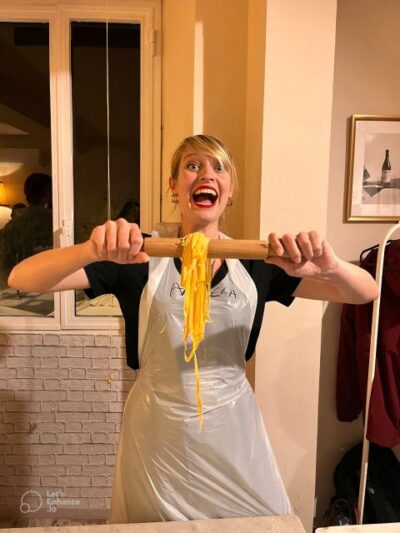
Pasta Making Class with Wine, Limoncello, and Dessert
Read our review →Browse the lists this tour appears in