
Review · VENICE TOURS
The Majestic Teatro La Fenice: Guided Tour in Venice
Teatro La Fenice is the kind of place that makes opera history feel physical. You walk into a theatre built for ceremony, with gilded details, grand boxes, and rooms that recall the age when a new Rossini or Bellini opera could make Venice the center of European music. I love the royal box visit and the chance to picture major premieres taking place around you.
I also like the one-hour length, which fits neatly into a busy day in Venice. Guides such as Sara, Nicole, Marina, Matilda, and Sabin have brought the building’s story to life in clear English. The main caution is that the visit is not suitable for wheelchair users, and rehearsals, lighting tests, or other theatre work can limit what you see.
In This Review
- Key points about the La Fenice visit
- Why La Fenice feels different from a standard museum
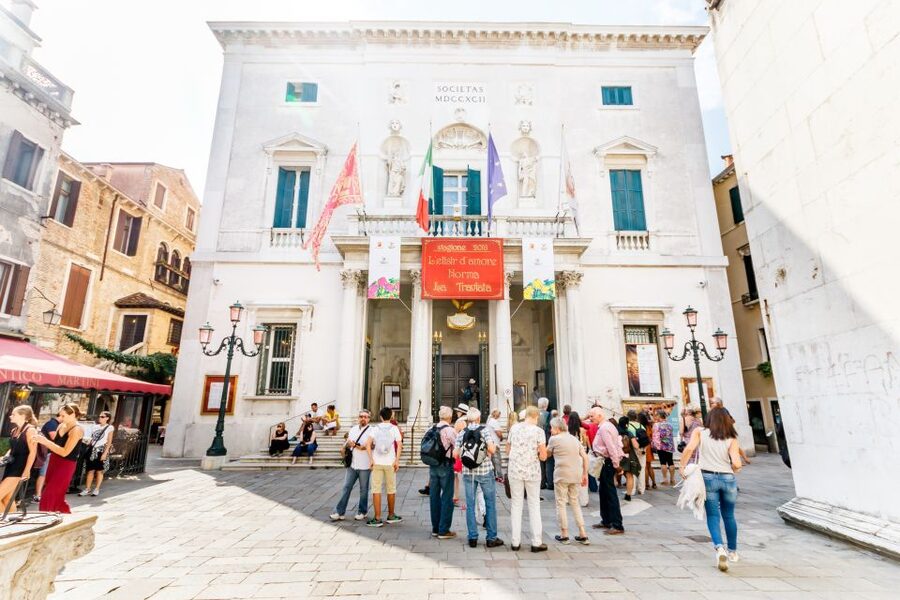
- Meeting in front of the theatre
- The first look inside La Fenice
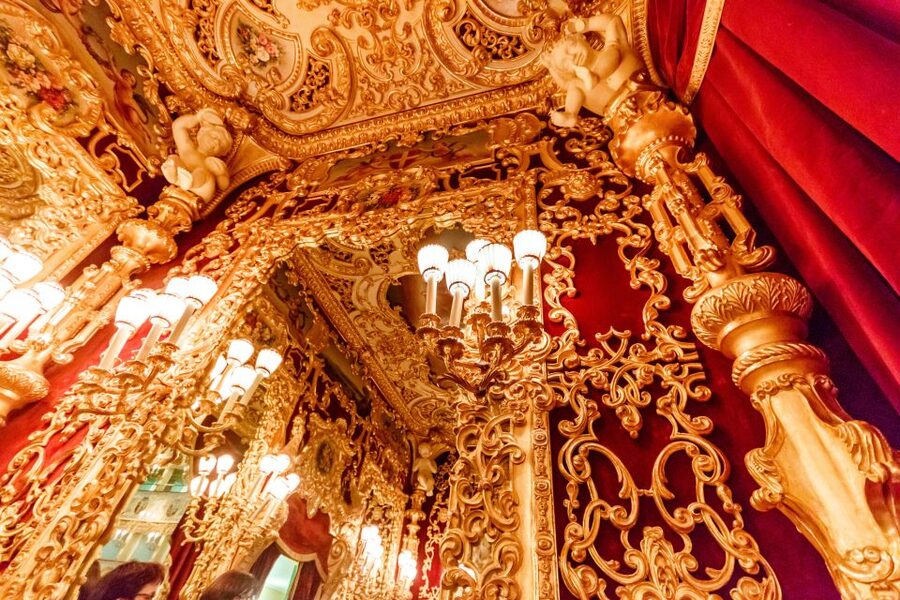
- The royal box and the grand rooms
- The ceiling, clock, and Maria Callas display
- From Rossini and Bellini to modern productions
- What the one-hour format gives you
- Price and practical value at $28
- Who should book this theatre tour
- How to get the most from the hour
- Should you book Teatro La Fenice?
- FAQ
- How long does the Teatro La Fenice guided tour last?
- What language is the tour conducted in?
- Where does the tour start?
- Where does the tour end?
- Is the tour suitable for wheelchair users?
- Is admission to the theatre included?
- Can I visit the royal box?
- Can I see backstage areas?
- Can I remain inside after the guided tour?
- What happens if I need to cancel?
Key points about the La Fenice visit
- See Venice’s royal box: The tour may include the royal box, with its special view into the auditorium.
- Explore a theatre rebuilt more than once: La Fenice’s story includes major fires and extensive rebuilding.
- Connect the rooms to famous operas: Learn about works by Rossini, Bellini, Stravinsky, and Britten.
- Plan around a compact schedule: The guided visit lasts one hour and begins in front of the theatre.
- Stay inside afterward: Your ticket may allow you to remain in the theatre after the guided portion, including time for the exhibition and café.
- Expect an English live guide: Guides have been praised for clear explanations, though one visit used both English and Italian.
Why La Fenice feels different from a standard museum
Many Venetian sights ask you to admire stone, paintings, or religious art. La Fenice asks you to imagine sound. Its rooms were designed for an audience dressed for an evening out, waiting for singers, musicians, and stage scenery to create something that could not be repeated in quite the same way.
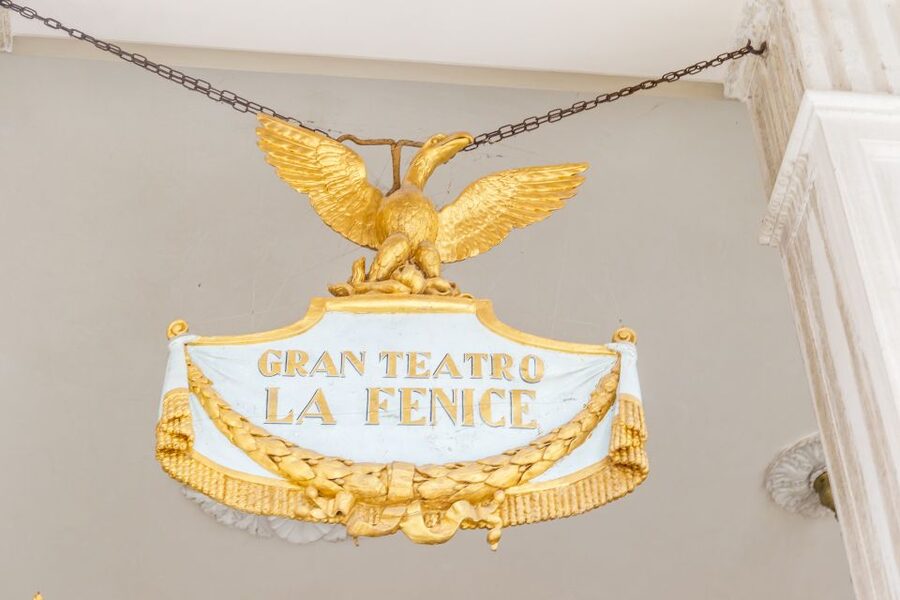
The name La Fenice means the phoenix, a fitting name for a theatre that has had to rise again after destruction. Founded near the end of the 18th century, it became a major home for Italian opera. Its stage was linked with Rossini’s Tancredi, Sigismondo, and Semiramide, along with Bellini’s The Capulets and the Montagues and Beatrice di Tenda.
That background matters because the building is not simply pretty. Its decorative rooms are tied to a working tradition of performance, patronage, rivalry, and renewal. A guide can point out how the theatre was organized and explain how performances were put together, details you would likely miss if you only walked in for a quick look.
More Venice trips worth a second look
- Venice: La Fenice Opera House Entry Ticket with Audio Guide
★ 4.6 · 11,742 reviews - Murano & Burano Islands Guided Small-Group Tour by Private Boat
★ 4.5 · 7,580 reviews - Venice Islands: Murano Glass & Burano Colors Guided Visit
★ 4.5 · 4,581 reviews
Meeting in front of the theatre
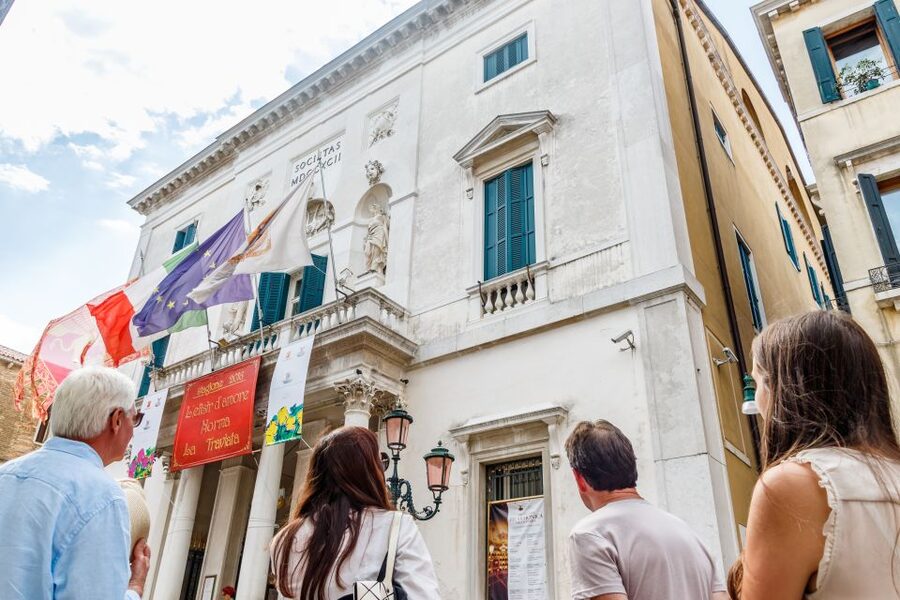
Your guide meets you directly in front of the Teatro La Fenice entrance. This sounds simple, but Venice’s small lanes can make any landmark meeting point harder to find than expected. Give yourself extra time, especially if you are coming from another part of San Marco.
The explanation begins inside the theatre, not during the walk to the entrance. That is useful to know. You should arrive ready to enter rather than expecting a walking tour through the surrounding streets.
The activity ends back at the meeting point. It lasts one hour, with starting times selected when you check availability. Since the schedule can change, I would place this visit into your day before booking a restaurant reservation or another timed attraction.
Some people had difficulty finding the entrance and arrived late, but a guide waited. Do not count on that as a rule. The safer plan is to reach the front of La Fenice a little early and look for the hostess or guide.
The first look inside La Fenice
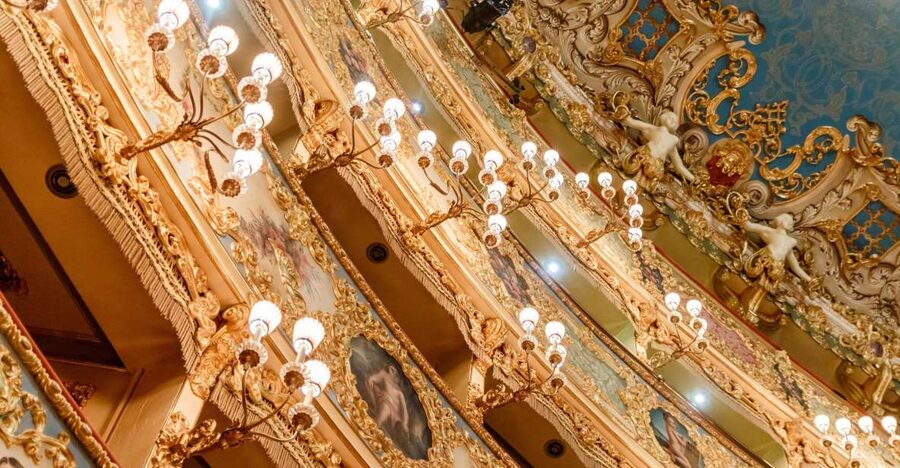
Once inside, the change from Venice’s narrow lanes is striking. The theatre’s interior is built around ceremony and visual drama. You might first notice the layered boxes, decorative surfaces, and the auditorium’s formal arrangement. Then the guide begins to connect those details to the theatre’s past.
A good guide helps you read the room rather than simply admire it. Sara, for example, has been praised for telling the story in a captivating way and answering questions. Other guides named during visits include Nicole, Marina, Matilda, and Sabin. The exact guide is not fixed, but the strongest part of this experience is clearly the live explanation.
You do not need to know opera before arriving. One guide handled questions from people with little opera background and explained the theatre in accessible terms. If you already enjoy opera, you will get more from the references to composers and premieres, but the building itself gives the visit value even if your musical knowledge is limited.
The royal box and the grand rooms
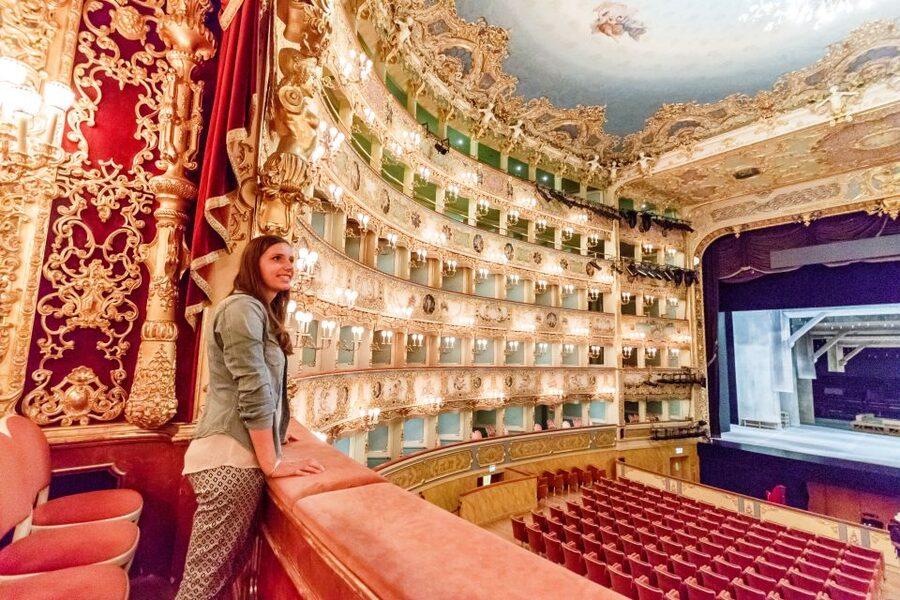
The royal box is one of the most memorable stops. From there, you can look into the auditorium from the position reserved for the highest-ranking patrons. It is a small detail with a strong effect: you are not just hearing that La Fenice served an elite audience, you are seeing the theatre from that audience’s viewpoint.
The tour can also include several large rooms beyond the main auditorium. Their decoration reinforces the theatre’s original social role. People came not only to listen but also to be seen, meet others, and take part in a formal evening.
The exact route may vary. Technical tests, rehearsals, or theatre operations can affect access. One visit took place while lighting was being tested, and the guide worked around the disruption. Another included a view of rehearsal activity, which can be an unexpected bonus, but you should not book this tour assuming you will see backstage areas or a rehearsal.
Backstage access is not promised. If that matters most to you, check the current details before paying. The regular visit focuses on the public interior and its story.
A different way to spend the day, same part of Italy:
- Venice: Doge’s Palace Reserved Entry Ticket
★ 4.6 · 42,716 reviews - Venice: Grand Canal Gondola Ride with App Commentary
★ 4.1 · 18,908 reviews - Boat Trip: Glimpse of Murano, Torcello & Burano Islands
★ 4.3 · 15,699 reviews - Venice: Grand Canal by Gondola with Live Commentary
★ 4.1 · 13,681 reviews
The ceiling, clock, and Maria Callas display
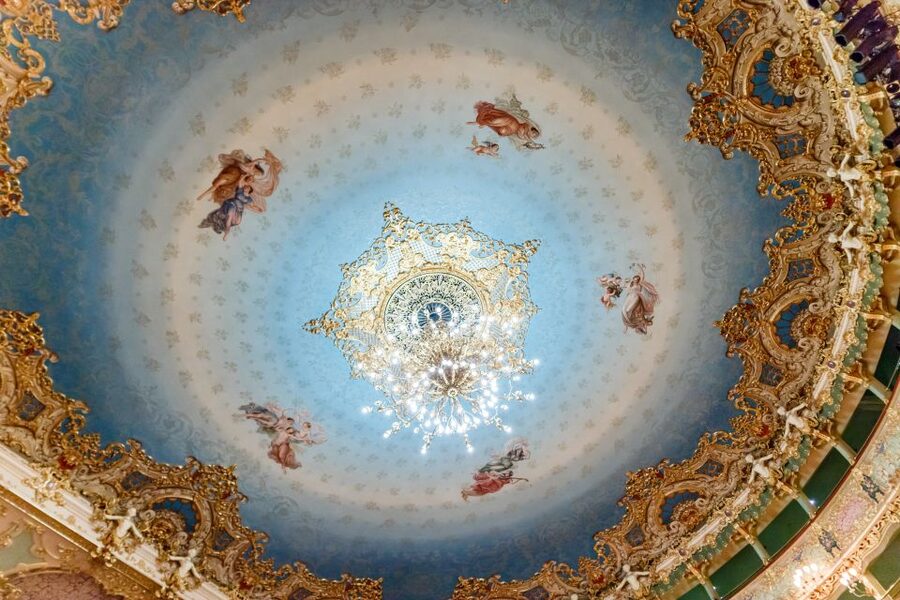
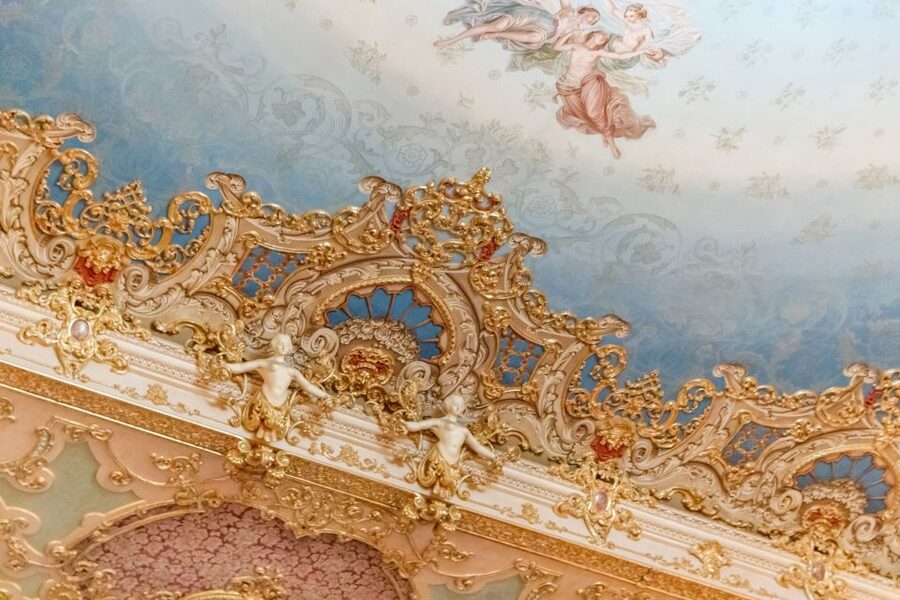
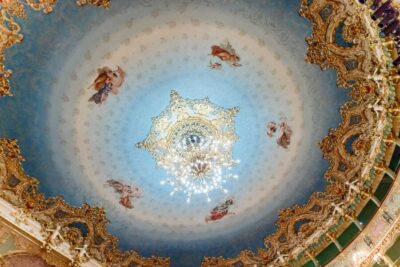
Look up. One particularly unusual detail is the ceiling with its clock. It is the sort of feature that can disappear if you spend all your time staring at the gold and boxes below. Your guide can help direct your attention to elements you might otherwise pass without noticing.
A Maria Callas exhibition has also been included during some visits. Its presence adds a personal link to the singers who made opera more than an architectural spectacle. Since displays can change, treat this as a possible part of the visit rather than a guaranteed feature.
The theatre can feel different depending on what is happening that day. A quiet visit lets you study the decoration. A rehearsal or technical test gives you a reminder that La Fenice remains connected to performance rather than existing only as a historic shell.
From Rossini and Bellini to modern productions
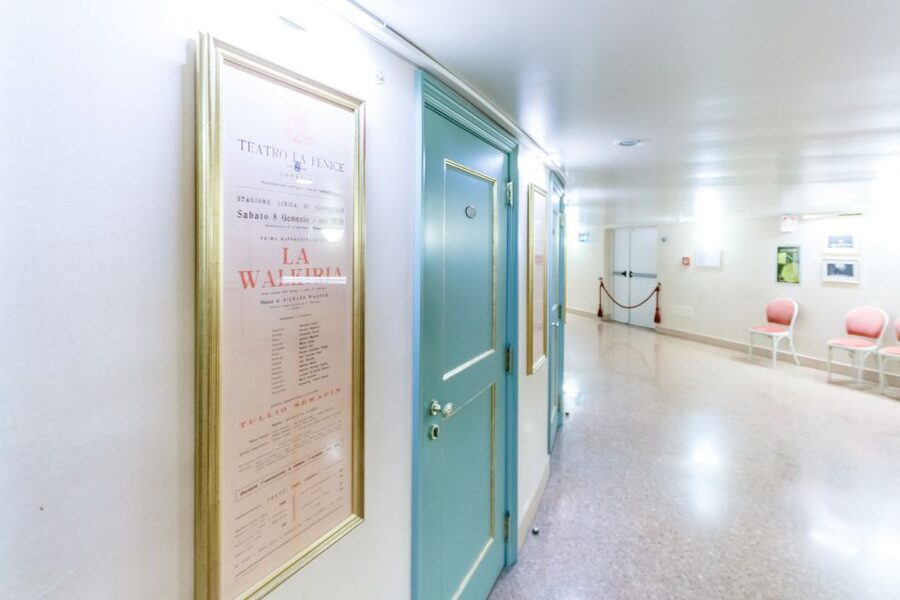
The older opera connections are a major reason to take the tour. Rossini’s Tancredi, Sigismondo, and Semiramide help place La Fenice within the history of Italian opera. Bellini’s The Capulets and the Montagues and Beatrice di Tenda add another layer, showing how closely the theatre was tied to major composers of the period.
The story does not stop with 19th-century Italian opera. La Fenice later hosted world premieres including Stravinsky’s The Rake’s Progress and Britten’s The Turn of the Screw. This shift toward contemporary productions gives the theatre a broader identity.
I like that balance. You are not being shown a frozen monument devoted only to famous names from the past. The guide explains a theatre that has had to change direction, rebuild, and keep its place in modern opera.
The performance scale is also worth noting. La Fenice seats more than 1,000 people, with a 98-member orchestra and a 66-person opera chorus. Those numbers help you understand the size of the operation behind a performance. Even during a quiet daytime tour, you are looking at a serious working theatre.
What the one-hour format gives you
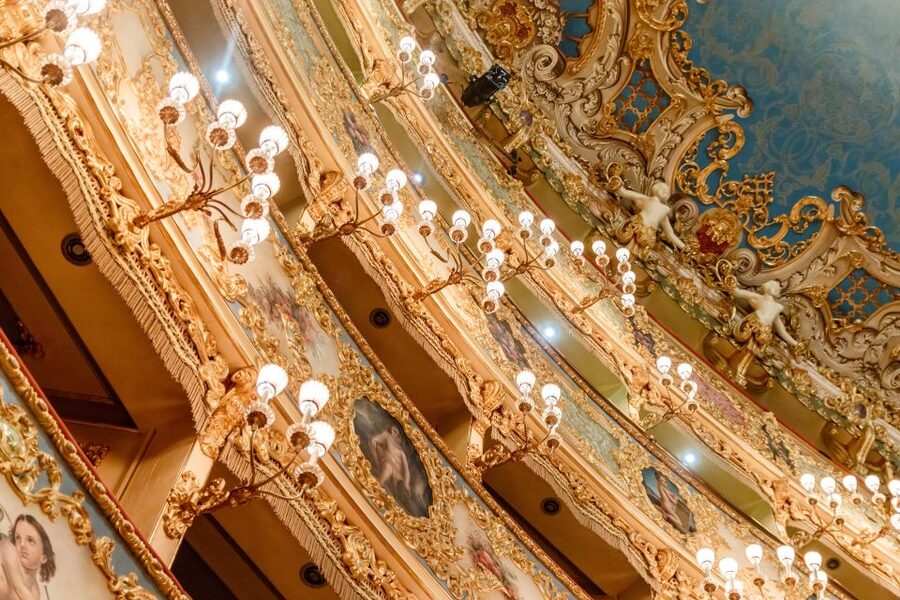
An hour is enough to see the main interior, hear the central history, and visit important rooms without turning the experience into a lecture that consumes half your day. I find that useful in Venice, where a short activity can fit between a church visit, lunch, and an evening performance.
The pace can vary with the guide and group. Most of the strongest visits featured clear, friendly explanations and plenty of useful detail. One guide did not always wait for the whole group to gather before continuing, so stay close if the tour moves quickly.
The tour is not designed as a long architectural study. If you want extended time with every decorative detail, the guided hour may feel brief. On the other hand, the ticket has allowed some people to remain inside afterward, giving you a chance to revisit rooms, spend more time with an exhibition, or stop at the small café.
That extra time improves the value. The guide gives you the framework, then you can look again without trying to absorb every fact while moving with the group.
Price and practical value at $28
At $28 per person, this is a reasonable paid visit if you care about architecture, music, or Venice’s cultural life. You are paying for access to a famous working theatre plus an English-speaking guide who explains why the rooms matter.
The value is strongest when you use the guide well. Ask about the rebuilding, the royal box, the composers connected to La Fenice, and how performances are organized. A plain admission might show you the decoration, but the guided explanation turns the building into a sequence of events and people.
The price is less compelling if you only want a quick photograph of a beautiful auditorium. You can see the major interiors in an hour, but the real benefit comes from understanding their role in opera history.
The activity has a rating of 4.3 from 513 reviews, which suggests broad satisfaction but not perfection. The main variables are the guide, the route available that day, and whether theatre work blocks certain areas. Some visits included excellent audio support, while another was conducted in both English and Italian, with the English portion feeling shorter. If precise language balance matters to you, confirm the arrangements when booking.
Free cancellation up to 24 hours ahead and the option to reserve without paying immediately make this easier to fit into a changing Venice schedule. Those terms are useful, but check the booking conditions attached to your selected time.
Who should book this theatre tour
I would choose this for anyone who wants more than a quick look at another ornate Venetian interior. It suits:
- First-time visitors who want a focused cultural stop near the main San Marco area.
- Opera fans who want to connect famous works with the stage where they were presented.
- Architecture lovers interested in theatres, decoration, and rebuilding.
- People attending an opera later the same day, since the visit can give the performance extra context.
- Curious visitors who do not know much about opera but enjoy a clear story and a beautiful setting.
It may be less suitable if you need wheelchair access, want backstage entry, or dislike guided visits with a fixed pace. It is also not the right choice if you are hoping to hear a live concert. This is a visit inside the theatre, not an opera performance.
If you have tickets for an opera at La Fenice, schedule the tour earlier that day if possible. Seeing the royal box, auditorium, and performance spaces before sitting down for an evening show can make the event feel less abstract. You will recognize the building as a working institution rather than simply a grand room.
How to get the most from the hour
Arrive early and stand directly in front of the theatre entrance. Keep the meeting point in your phone, but do not assume the surrounding lanes will be obvious once you are nearby.
Stay close to the guide, especially if the group is large. A few people found that explanations began before everyone had gathered. If you are near the back, move forward during each stop so you can hear and see what is being discussed.
Ask questions. Guides have answered detailed questions about the building and the way performances are organized, and the visit is more useful when you connect the facts to what you are seeing.
Look beyond the obvious gold decoration. Notice the ceiling, clock, boxes, room layout, and view from the royal box. Then allow yourself extra time afterward if the current ticket terms permit it. A second quiet look can be just as valuable as the formal explanation.
Should you book Teatro La Fenice?
Yes, if you want a short, well-focused look at one of Venice’s most important cultural buildings. The strongest reasons are the royal box, the lavish public rooms, the link to Rossini and Bellini, and the theatre’s later role in modern opera.
Book with realistic expectations. The English tour lasts one hour, the route can change during rehearsals or lighting work, and backstage access is not assured. If those limits are acceptable, $28 buys a useful piece of Venice’s musical story, not just a pretty interior.
FAQ
How long does the Teatro La Fenice guided tour last?
The guided visit lasts one hour. Starting times are shown when you check availability.
What language is the tour conducted in?
The activity includes a live English-speaking guide. One visit used both English and Italian, so you may wish to confirm the language arrangement for your selected time.
Where does the tour start?
You meet the hostess or guide directly in front of the Teatro La Fenice entrance.
Where does the tour end?
The activity ends back at the theatre meeting point.
Is the tour suitable for wheelchair users?
No. The activity is listed as not suitable for wheelchair users.
Is admission to the theatre included?
Yes. The included service is a guided visit inside the theatre.
Can I visit the royal box?
The royal box has been included during visits, but access can depend on theatre operations and the route available that day.
Can I see backstage areas?
Backstage access is not included as a promised part of the activity. The standard visit focuses on the public interior and its history.
Can I remain inside after the guided tour?
Some ticket holders have been able to stay afterward, including time to see an exhibition or visit the small café. Confirm the current arrangement for your booking.
What happens if I need to cancel?
You can cancel up to 24 hours in advance for a full refund. A reserve-now, pay-later option is also available.
Recently reviewed around Venice
- St Mark’s Basilica and Doge’s Palace Priority Entry Ticket★ 4.2 · 885 reviews
- Venice: Lords of the Night Prison’s Palace Cells & Tortures★ 4.0 · 1,067 reviews
- Venice: Hard Rock Cafe with Set Menu for Lunch or Dinner★ 4.4 · 1,102 reviews
- Venice: Doge’s Palace and St. Mark’s Basilica Guided Tour★ 4.6 · 458 reviews
- Venice: Walking tour, Doge Palace, & St. Mark’s Basilica★ 4.5 · 884 reviews
- Punta Sabbioni: Murano, Burano & Torcello Guided Boat Tour★ 4.3 · 236 reviews
- Murano: Glass Blowing Demonstration with Optional Drinks★ 4.5 · 294 reviews
- Murano: Glass Blowing Demonstration and Artistic Glass Gift★ 4.6 · 507 reviews
Venice Tours, compared.

Grand Canal Gondola Ride with App Commentary
Read our review →
Boat Trip: Glimpse of Murano, Torcello & Burano Islands
Read our review →
La Fenice Opera House Entry Ticket with Audio Guide
Read our review →
Doge’s Palace & St. Mark’s Basilica with Terrace Access Tour
Read our review →
Burano, Torcello & Murano Boat Tour w/Glassblowing
Read our review →
Murano, Burano and Torcello Half-Day Sightseeing Tour
Read our review →Browse the lists this tour appears in