
Review · BOLOGNA & EMILIA TOURS
Cavedoni Balsamic Vinegar Tour: The Oldest in Modena
The remarkable part of this Modena outing is not simply tasting balsamic vinegar. You see how grape must becomes a dark, fragrant condiment over years in wooden barrels, then compare bottles aged from five to 30 years. If the family brings out an older reserve, you might taste balsamic that has rested for many decades.
I like the family welcome, especially the chance to meet members of the Cavedoni family and hear about a tradition carried on for seven generations. I also like the generous tasting: Parmigiano-Reggiano, prosciutto, mortadella, salami, bread, dessert, and Lambrusco turn the lesson into a proper regional snack.
The main drawback is location. The acetaia sits in the countryside outside Modena, and transportation to and from the meeting point is not included. Plan your taxi, car, or public transport carefully, especially for the return trip.
In This Review
- Key points before you book
- Why this acetaia is worth leaving Modena for
- Starting at 3 p.m. in the Modena countryside
- Walking among the grapes
- Inside the barrel rooms
- Learning to tell real balsamic from imitations
- The tasting: five years to much older reserves
- Local food turns the lesson into lunch
- Estate-made Lambrusco and coffee
- Is $90.74 a fair price?
- Getting to Acetaia Cavedoni
- Who will enjoy this most?
- Booking, cancellation, and practical details
- Should you book the Cavedoni tour?
- FAQ
- Where does the Cavedoni balsamic tour start?
- What time does the tour begin?
- How long does the experience last?
- Is transportation included?
- What language is the tour offered in?
- What food and drinks are included?
- How old are the balsamic vinegars in the tasting?
- What is the cancellation policy?
Key points before you book
- Seven generations of vinegar making: Antica Acetaia Cavedoni dal 1860 remains a family-run operation with a strong personal touch.
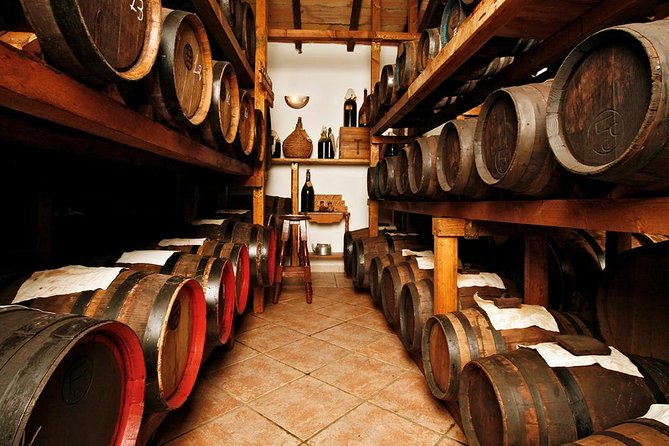
- From vineyard to barrel: You walk among the grapes, learn about production, and enter the vinegar house and barrel rooms.
- A serious tasting: Compare balsamics aged five to 30 years, with occasional tastes of much older reserves.
- Food is part of the lesson: Pair the vinegar with local meats, cheeses, bread, dessert, and Lambrusco made on the estate.
- Small-group setting: The tour accepts no more than 17 people, and some departures may feel almost private.
- Budget about two hours: The $90.74 price includes the guide and food tasting, but not transportation.
Why this acetaia is worth leaving Modena for
Modena is famous for fast cars, opera, and food, but traditional balsamic vinegar may be its most patient specialty. At Acetaia Cavedoni, the product is tied to the land, the family, and the slow passage of time.
The experience takes place at Via Guerro di Qua, 2, in Ca’ Montanari. That address is outside central Modena, so this is not a quick stop between city sights. It is a countryside visit that works best when you give it a full afternoon.
The setting matters. Instead of hearing a short sales pitch inside a shop, you begin with the grapes and follow the process toward the finished vinegar. You then enter the acetaia, the vinegar house, where the barrels and family story provide the real center of the visit.
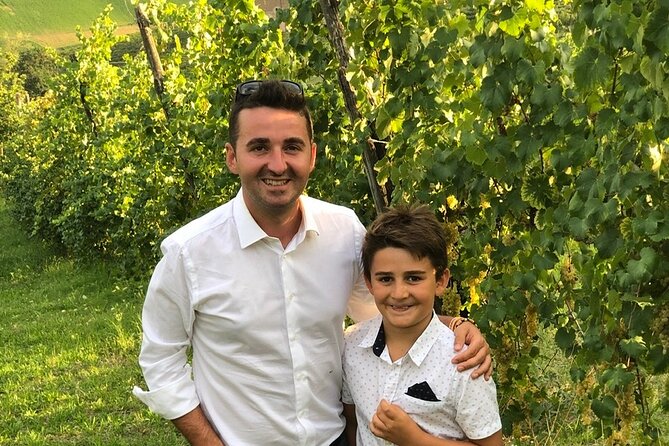
The business dates to 1860 and is described as a seven-generation family operation. That does not mean you are watching a large factory at work. The appeal is the opposite: this is a small producer where the family’s own traditions remain part of the product.
Other Bologna & Emilia days travellers weigh against this one:
- Bologna: City Center Walking Tour
★ 4.5 · 3,478 reviews - Ravenna: UNESCO Monuments and Mosaics Guided Tour
★ 4.8 · 3,108 reviews - Guided Tour of Mosaic Tiles in Ravenna
★ 5.0 · 1,693 reviews
Starting at 3 p.m. in the Modena countryside
The scheduled start is 3 p.m., and the tour lasts about two hours. That timing gives you a relaxed afternoon activity, though you should allow extra time for getting to the meeting point.
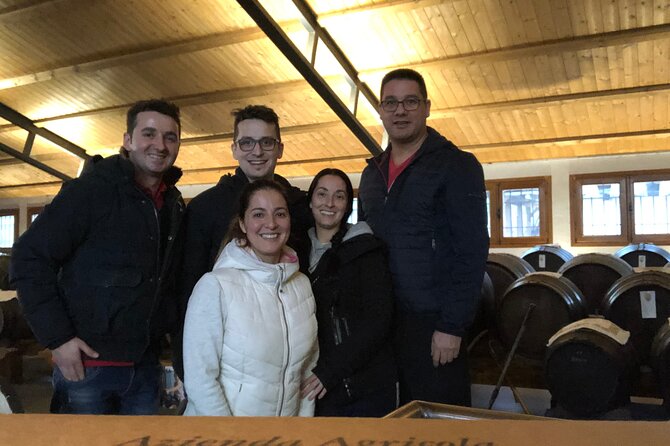
You meet your local guide directly at the cellar. Elisa is frequently involved in leading the visit, while Paolo and Marcello may also greet or host you. Their roles can vary, but the experience is built around direct contact with the family rather than a distant company representative.
The maximum group size is 17 people. That is not the same as a private tour, but it is modest enough for questions and conversation. Some departures have had only one, three, or a few people booked, creating a far more personal tasting.
The tour is offered in English and comes with a mobile ticket. Confirmation arrives when you book. Children must be accompanied by an adult, and most people can participate.
Walking among the grapes
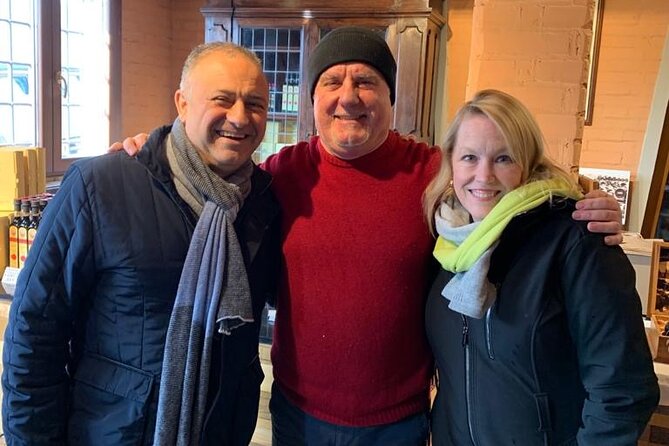
Your first stage is a stroll through the vineyards. You learn which types of grapes are used and how the starting fruit connects to the final vinegar.
This is a useful beginning because it keeps balsamic from seeming like a mysterious finished sauce. The tour explains the path from grapes to must, from cooked grape juice to fermentation and aging, and from the barrel to the bottle. The exact production lesson is the point here, not a scenic walk alone.
You will want comfortable shoes for the vineyard and cellar portions. No special fitness is required, but the experience is not limited to sitting at a tasting table.
The family’s explanation also helps you understand why traditional balsamic is costly. The process takes years, and the vinegar changes as it moves through different woods and smaller barrels. Time is not a marketing detail here. It is part of the method.
Inside the barrel rooms
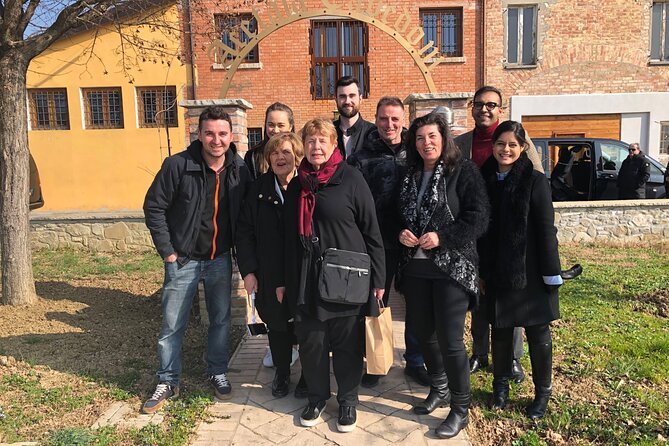
After the vineyard, you enter the vinegar house and barrel rooms. This is where the visit becomes most distinctive.
The Cavedoni family keeps vinegar in wooden barrels as it ages. The tour explains how the aging process works and how the final taste changes over time. You get to see the equipment and the setting where the vinegar develops, rather than simply being told that it has been aged.
The barrel rooms also make the family tradition easier to grasp. A bottle of balsamic may be a food purchase for you, but for the producer it can represent years of care. Some family stories include a batteria, or set of vinegar barrels, begun for a new family member. That custom gives the product a human scale that a supermarket shelf cannot show.
You may also visit the Cavedoni Museum. The supplied details do not give a full list of its displays, so I would treat it as a compact part of the acetaia visit, not a separate museum outing. Its purpose is to add context to the family and production story.
A different way to spend the day, same part of Italy:
- Maranello: Ferrari Museum Entrance Ticket
★ 4.6 · 1,505 reviews - Bologna Food & Market Tour with 6 Tastings, Pasta, Wines & More
★ 5.0 · 1,328 reviews - Bologna Food Experience: Factory tours & Family-Style Lunch
★ 5.0 · 1,201 reviews - Maranello and Modena: Ferrari Museums Combo Tickets
★ 4.7 · 994 reviews
Learning to tell real balsamic from imitations
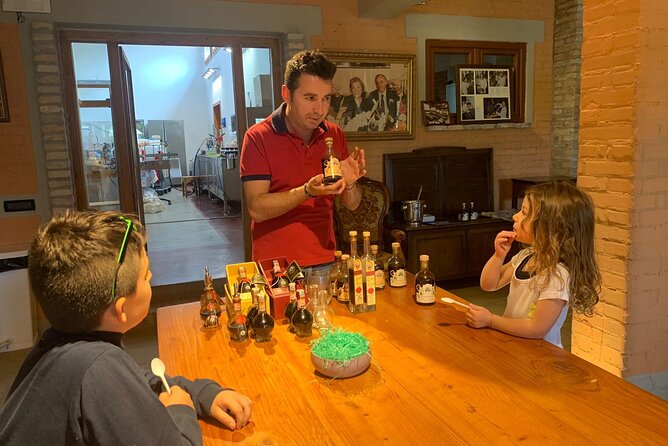
One of the most useful parts of the talk is learning how to recognize authentic Modena balsamic and distinguish it from cheaper products that use the same general name.
The family explains the difference between traditional balsamic and commercial vinegar blends. You learn why labels, aging claims, and protected designations matter when you shop at home.
This lesson gives the $90.74 price more value than a simple tasting. You are not only sampling several bottles. You are learning how to make sense of a product that is often misunderstood outside Italy.
Do not expect every bottle to taste alike. The tasting shows how age affects sweetness, acidity, thickness, aroma, and finish. Younger balsamic can be brighter and more direct. Older vinegar can be thicker, more concentrated, and better suited to a small finishing drizzle.
The tasting: five years to much older reserves
The official tasting includes balsamics aged from five to 30 years. That range is broad enough to show real changes in character.
Some tastings have included products aged seven, eight, 19, 25, 50, and even more than 100 years. One account describes a bottle around 165 years old, while another refers to a 145-year-old product. These very old samples should be viewed as a fortunate possibility, not a guaranteed part of every departure.
The tasting is not a quick spoonful followed by a sales counter. Each vinegar is sampled with food so you can see what it does at the table. That makes the lesson practical. A young vinegar may work well with one pairing, while a concentrated older product may be best used sparingly on cheese, dessert, or another finished dish.
This is also where you gain a better sense of value. A tiny amount of well-aged balsamic can have more impact than a large pour of ordinary vinegar. You may decide that a smaller bottle of traditional product makes more sense than a cheap supermarket bottle used freely.
Local food turns the lesson into lunch
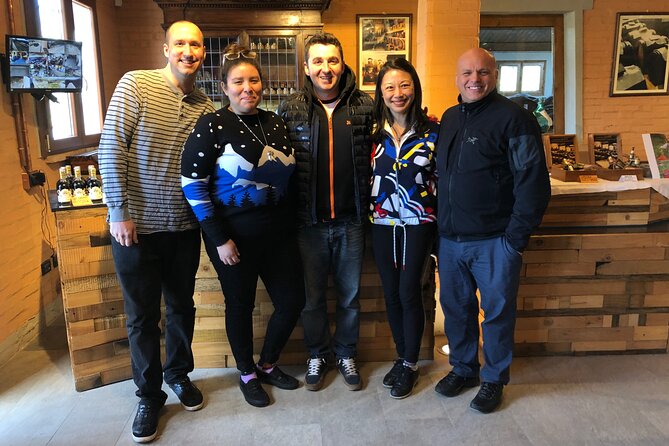
The food portion is one of the most highly praised aspects of the experience, and the details support that praise. Expect regional foods such as bread, mortadella, prosciutto, salami, and Parmigiano-Reggiano.
Cheese pairings can include Parmigiano aged for 12 or 36 months. Tasting the cheese with different balsamics shows how age and intensity affect the pairing. The vinegar is not treated as a garnish added without thought. You compare how it changes the food.
There may also be a dessert course. That is especially helpful for anyone who has only used balsamic on salad. Traditional balsamic can work with sweet foods, and the tasting gives you a clear example rather than leaving the idea abstract.
The portions are described as generous, so you should not plan a full meal immediately before the visit. The exact menu can change, but the food tasting is substantial enough to feel like more than a token sample.
Estate-made Lambrusco and coffee
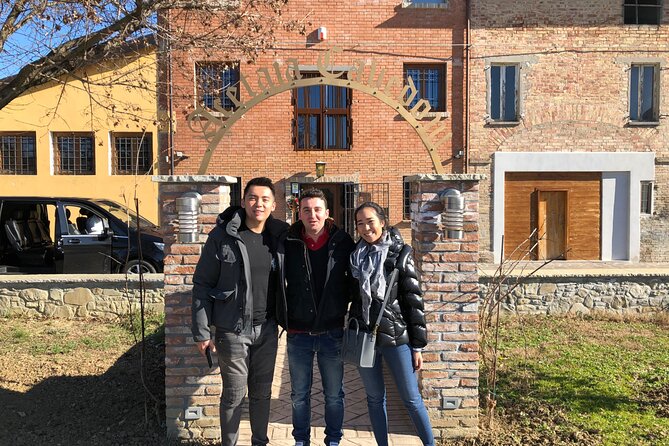
The tasting includes Lambrusco produced on the same estate. This is a good regional match because the wine is part of the local food culture, not an unrelated drink brought in for appearances.
The wine is there to accompany the tasting, not overpower it. You can compare the vinegar and food while keeping the focus on the balsamic itself. Coffee is also listed as part of the visit, giving the afternoon a comfortable finish.
The combination of food, wine, and vinegar makes this feel closer to a hosted family table than a technical factory tour. If you are interested only in production machinery, the social and culinary side may seem long. If you like understanding food through tasting, it is one of the strongest reasons to book.
Is $90.74 a fair price?
At $90.74 per person, this is not a bargain stop for a single condiment sample. It is a two-hour guided visit with a vineyard walk, cellar access, museum component, family presentation, multiple balsamic tastings, regional food, Lambrusco, and coffee.
I see the price as fair for someone who values access to a small producer and intends to taste seriously. You are paying for the time spent explaining the process, the range of products opened, and the food used for pairings. The tasting can also help you avoid buying the wrong kind of balsamic later.
The value is less clear if you are trying to keep costs low or have little interest in vinegar. Modena has many food experiences, and this one focuses tightly on one product. The family setting adds warmth, but it does not make the price disappear.
Purchases at the cellar shop are optional. You can buy balsamic and other specialties after the tasting, and some people choose to have bottles shipped home. Shipping is described as insured and reasonably priced, which may be more practical than packing glass in your luggage.
Getting to Acetaia Cavedoni
Transportation to and from the attraction is not included. This is the main practical issue to solve before booking.
The meeting point is near public transportation, but the acetaia is well outside central Modena. Public transport may leave you with a long wait for the return trip. One person needed help with a taxi, and the family has sometimes assisted with pickups from Castelvetro or returned people to a train station.
Those gestures are valuable, but you should not rely on an informal lift as part of the advertised tour. Arrange your own transport in advance, especially if you are not driving.
A car makes the countryside location easier, but the supplied information does not specify parking arrangements or driving restrictions. If you plan to drink Lambrusco, choose your transport with care.
Who will enjoy this most?
I would recommend this to cooks, food lovers, and anyone who wants a closer look at how a famous Italian product is made. It is also a good choice for a special occasion. The family welcome and shared meal give it more feeling than a standard retail tasting.
It suits people who enjoy asking questions and comparing flavors. The guide’s English is described as excellent, and Elisa is known for explaining the process clearly and warmly. Paolo and Marcello add the family perspective when they join the visit.
This is less ideal for anyone who wants a fast, central activity in Modena. It is also not the best use of time if you dislike tastings, cannot spare an afternoon, or do not want to arrange transport.
The group limit of 17 keeps it manageable, but you should not assume every departure will be private. The smaller the group, the more room you may have for questions and extra samples. Very old vinegar tastings are possible, but they depend on what the family chooses to open.
Booking, cancellation, and practical details
The experience is usually booked well ahead, with an average lead time of 39 days. If your dates are fixed, reserving early is sensible, particularly if you want the 3 p.m. departure.
Free cancellation is available up to 24 hours before the start time for a full refund. Changes or cancellations made less than 24 hours before the experience are not accepted for a refund, and the cut-off follows local time.
The tour ends back at the meeting point. Since return transportation is your responsibility, leave enough time after the scheduled finish for a taxi or public transport connection.
Should you book the Cavedoni tour?
Book it if you want to understand authentic Modena balsamic through the people, place, barrels, and food behind it. The strongest parts are the family contact, the clear production lesson, and the generous tasting with cheese, cured meats, dessert, and Lambrusco.
I would especially choose it over a city-center sample counter if you have already planned your transport and want an experience with a sense of place. You may leave with a bottle, but the better souvenir is knowing what to look for and how to use it.
Skip it if the countryside transfer is too awkward or if $90.74 feels high for a two-hour food activity. For everyone else, this is a focused, personal introduction to one of Modena’s most carefully made foods.
FAQ
Where does the Cavedoni balsamic tour start?
The tour starts at Via Guerro di Qua, 2, 41014 Ca’ Montanari MO, Italy, directly at the vinegar cellar.
What time does the tour begin?
The scheduled start time is 3 p.m.
How long does the experience last?
The tour lasts approximately two hours.
Is transportation included?
No. Transportation to and from the attraction is not included, and the tour ends back at the meeting point.
What language is the tour offered in?
The experience is offered in English.
What food and drinks are included?
The experience includes a food tasting, balsamic vinegar samples, regional specialties, and Lambrusco wine produced on the estate. Coffee is also listed as part of the visit.
How old are the balsamic vinegars in the tasting?
The planned tasting includes balsamic vinegars aged from five to 30 years. Some visits may include much older products, but those older samples are not guaranteed.
What is the cancellation policy?
You can cancel up to 24 hours before the start time for a full refund. Cancellations or changes made less than 24 hours before the start time are not accepted for a refund.
Recently reviewed around Bologna & Emilia
- Guided group tour TastyBus: Parmesan Cheese and Parma Ham★ 5.0 · 241 reviews
- Tour Parmigiano Reggiano dairy and Parma ham★ 5.0 · 601 reviews
- Tasting and Biking Parma★ 5.0 · 218 reviews
- Private Half Day Parma Food Walking Tour★ 5.0 · 561 reviews
- Bologna on the plate, Cooking Class with Alessia★ 5.0 · 260 reviews
- Bologna Private Highlights & Hidden Gems Tour with a Local★ 5.0 · 359 reviews
- Bologna Local Pasta Cooking Class, Ragu, Spritz, Wine & Gelato★ 5.0 · 527 reviews
- Pastamama, Home Cooking Classes at Grace’s Home★ 5.0 · 521 reviews
Bologna & Emilia Tours, compared.



Bologna Food & Market Tour with 6 Tastings, Pasta, Wines & More
Read our review →
Bologna Food Experience: Factory tours & Family-Style Lunch
Read our review →
Maranello and Modena: Ferrari Museums Combo Tickets
Read our review →
Browse the lists this tour appears in