
Review · GENOA & CINQUE TERRE TOURS
Guided Tour of Rolli Palaces UNESCO Site, Genoa
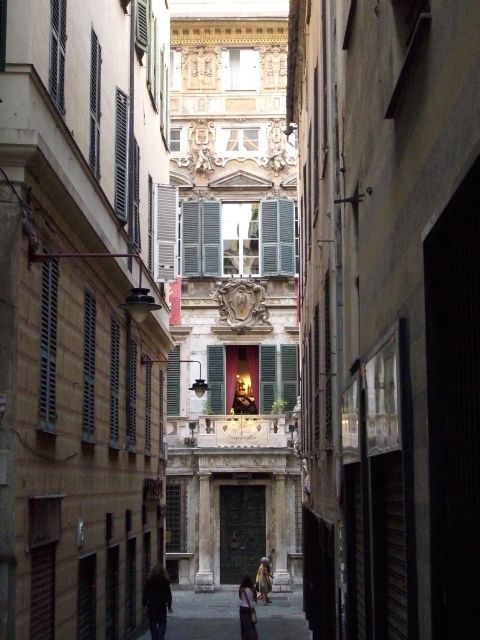
Genoa’s Rolli Palaces were not simply private mansions. They formed a state-run hospitality system, where aristocratic homes were assigned to host visiting cardinals, princes, ambassadors, and other dignitaries. I like that this tour brings that unusual civic idea to life while taking you inside four genuine noble residences.
I also like the mix of grand and unexpected details: the decorated rooms of Palazzo Rosso, the Golden Room in Palazzo Tobia Pallavicino, the concealed fresco at Palazzo Lomellino, and the staircase at Palazzo Imperiale. The main drawback is the bilingual format. Every explanation is given in Italian and English, so the pace can feel slow, especially if you speak only one language.
In This Review
- Key points
- Why Genoa’s Rolli Palaces are different
- Starting at Via Garibaldi 12red
- Palazzo Rosso and Genoa’s Strada Nuova museums
- Palazzo Tobia Pallavicino and the Golden Room
- Palazzo Lomellino and the concealed fresco
- Palazzo Imperiale and the climb through the building
- The guide makes or breaks the bilingual format
- What $16 gets you
- Who should take this tour
- Practical tips for enjoying the palaces
- Should you book the Rolli Palaces tour?
- FAQ
- Where does the Rolli Palaces tour meet?
- How long does the tour last?
- Which palaces are included?
- Is the tour available in English?
- Are palace entrances included in the price?
- How much does the tour cost?
Key points
- Four Rolli Palaces in 2.5 hours: See Palazzo Rosso, Palazzo Lomellino, Palazzo Tobia Pallavicino, and Palazzo Imperiale.
- A guided look at Genoa’s Golden Century: Learn how the city’s aristocratic families hosted state visitors in the 16th and 17th centuries.
- Art beyond the grand rooms: Look for the Golden Room, a concealed fresco, frescoed interiors, and works of art.
- A bilingual English and Italian tour: Guides including Ana, Manuela, Marina, and Fausta have been praised for clear presentations.
- A surprise garden and plenty of stairs: The route is walkable, but Palazzo Imperiale and several palace interiors require climbing.
- Strong value at $16: Palace admissions and the guide are included, making this an inexpensive way to see interiors that can be difficult to visit independently.
Why Genoa’s Rolli Palaces are different
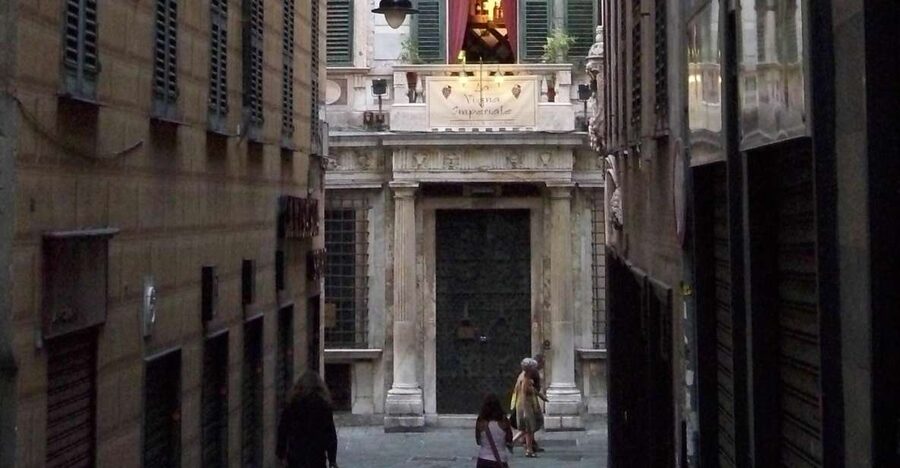
The Rolli system began in 1576, when the Senate of the Republic of Genoa created a formal list of aristocratic residences. These palaces were recorded on parchment rolls, or rolli, and grouped into three balloting lists called bussoli.
The system matched a visitor’s rank with an appropriate residence. Cardinals, princes, and viceroys were assigned to the first group. Major landowners went into the second. Princes of lesser standing and ambassadors belonged to the third.
Lots were drawn to decide which family had the privilege, and duty, of hosting a state guest. It was an early European form of public lodging, though one with chandeliers, courtyards, painted ceilings, and aristocratic staircases instead of a hotel reception desk.
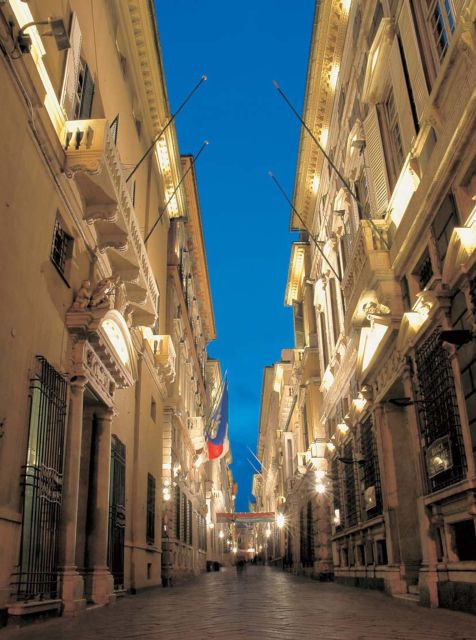
That background matters once you enter the palaces. You are not just looking at old rooms. You are seeing the buildings Genoa used to project wealth and power. The palaces sit along the historic Strada Nuova, now Via Garibaldi, with open staircases, courtyards, loggias, and gardens arranged at different levels.
The Rolli Palaces became a UNESCO World Heritage Site in 2006. Their influence also reached beyond Genoa. The Flemish painter Peter Paul Rubens visited the city in the early 17th century and later published drawings of its palaces as models for residential architecture in Antwerp.
More Genoa & Cinque Terre trips worth a second look
- Genoa: Cetacean Watching Cruise with Marine Biologist Guide
★ 4.3 · 745 reviews - Genoa: 2-Hour Guided Walking Tour of the Historical Center
★ 4.2 · 605 reviews - Genoa: Historic Guided Tour of Christopher Columbus’ House
★ 4.4 · 186 reviews
Starting at Via Garibaldi 12red
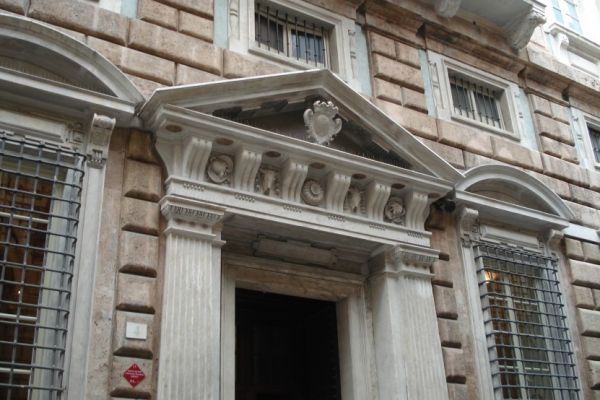
The meeting point is the Tourist Information Centre at Via Garibaldi, 12red, in central Genoa. This places you directly in the historic palace district, so the setting begins working before the guide says a word.
The tour lasts about two and a half hours. That is enough time to visit several interiors without turning the experience into a rushed checklist, though the bilingual format uses some of the available time. If you speak only English, you may spend part of the tour waiting while the guide repeats the explanation in Italian.
The tour is offered in English and Italian with one bilingual guide. This arrangement can work very well when the guide manages the two languages with care. Guides named Ana, Manuela, Marina, Fausta, Barbara, and Christina have all been praised for keeping the material clear and lively in both languages.
Still, the experience depends partly on the group. One visitor found the switching between languages tiring, while others felt the guide handled it smoothly. If you prefer a quick, single-language presentation, this is the main point to weigh before booking.
Palazzo Rosso and Genoa’s Strada Nuova museums
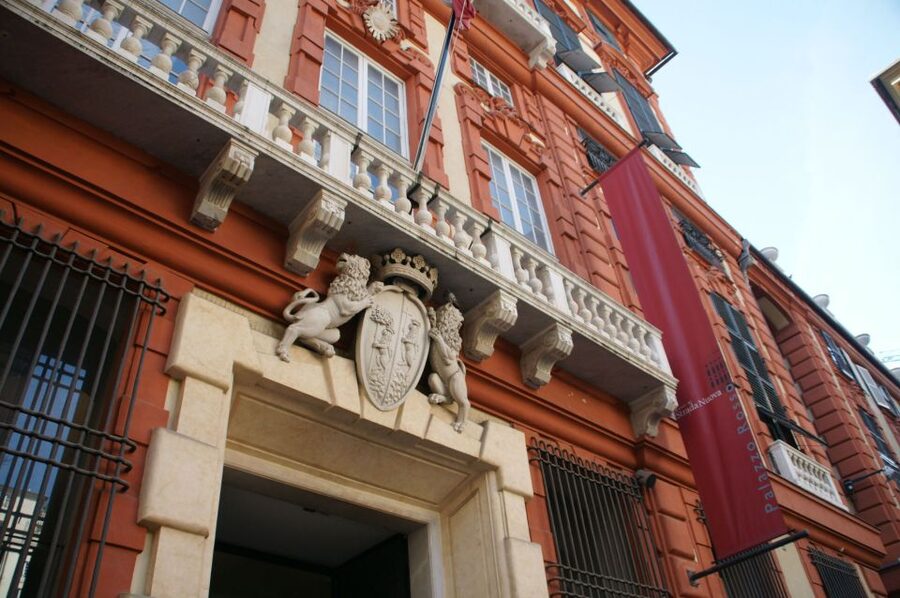
Palazzo Rosso is one of the Strada Nuova Museums and is one of the clearest introductions to Genoa’s aristocratic world. The tour includes entry and takes you through its beautiful rooms, where architecture, decoration, and art work together to show how the city’s wealthy families lived and entertained.
The name means Red Palace, and the building is part of the grand sequence of residences along Via Garibaldi. The tour’s appeal here is not only the amount of decoration. It is the chance to see a palace as a functioning noble residence, with spaces designed to impress visiting dignitaries and reinforce the family’s standing.
You can expect the guide to place the art and rooms in the wider story of Genoa’s Golden Century. That context is useful because a palace interior can otherwise become a blur of painted walls and ornate details. The strongest guides connect what you are seeing with the city’s political system, its trading wealth, and the public role assigned to the Rolli homes.
One past booking also included a 360-degree view from the top of Palazzo Rosso. The supplied tour details do not guarantee that this view is part of every departure, so treat it as a possible extra rather than a promised feature. The listed inclusion is entry to Palazzo Rosso and its rooms.
Palazzo Tobia Pallavicino and the Golden Room
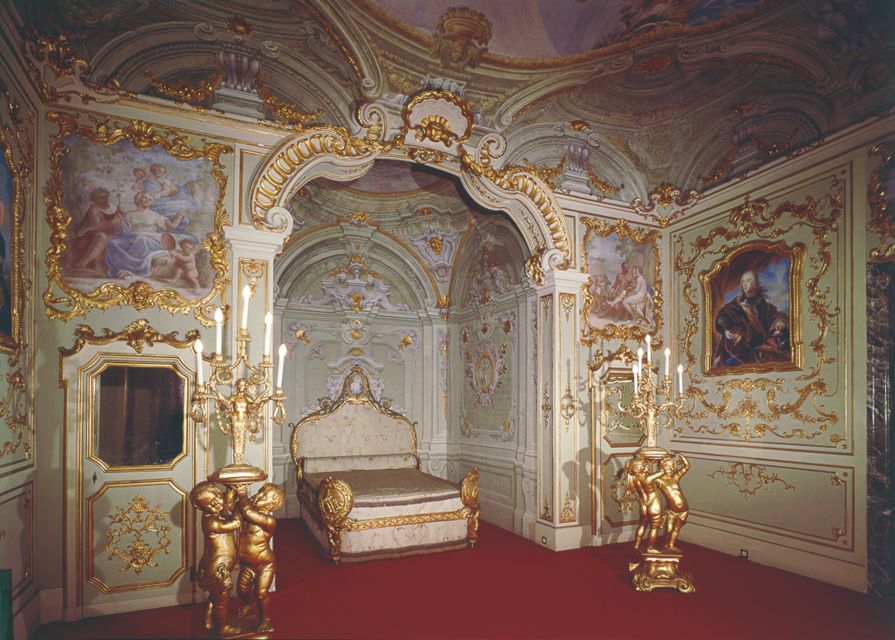
Palazzo Tobia Pallavicino brings the tour into another style of Genoese palace decoration. Its most specific highlight is the Golden Room, an elegant interior whose name gives you a good idea of its visual impact.
This is the kind of stop that makes a guided visit worthwhile. You can admire the decoration on your own, but the guide helps explain why such rooms were made, how they fit into the palace, and what they reveal about aristocratic taste during the 16th and 17th centuries.
The Golden Room is also a reminder that the Rolli residences were not all identical. Each palace belonged to a different family, and each reflects a slightly different blend of wealth, ambition, art, and hospitality. Seeing several buildings in one outing lets you compare them instead of judging Genoa’s palace culture from a single address.
A different way to spend the day, same part of Italy:
- Genoa: Aquarium of Genoa Entry Ticket
★ 4.5 · 10,075 reviews - Genoa: Full-Day Tour to Camogli, San Fruttuoso & Portofino
★ 4.4 · 3,295 reviews - La Spezia: Cinque Terre Tour by Boat
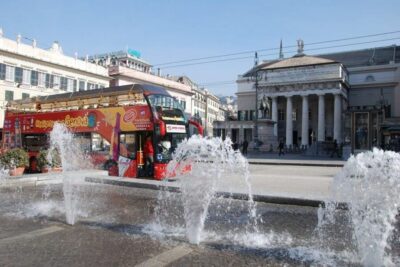
★ 4.4 · 2,611 reviews - Genoa: Hop-on Hop-off Tour Ticket
★ 4.0 · 1,524 reviews
Palazzo Lomellino and the concealed fresco
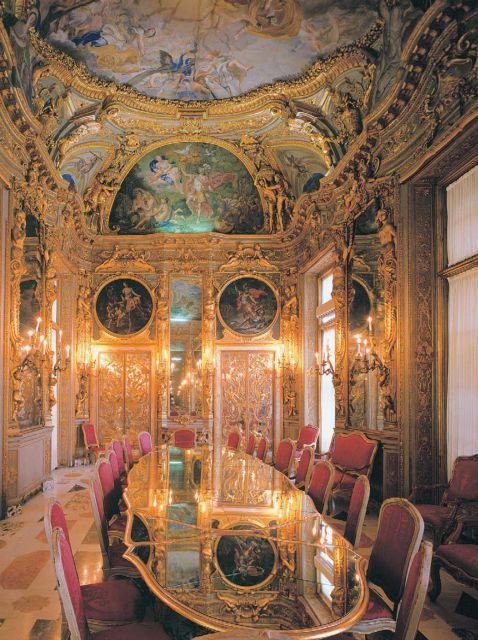
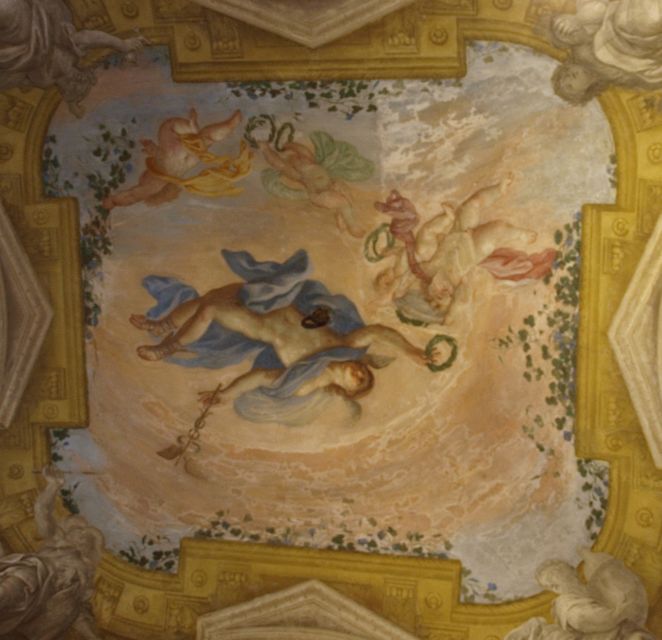
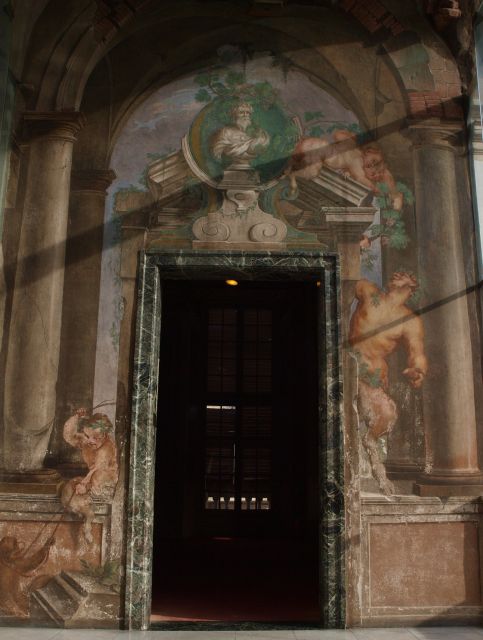
Palazzo Lomellino is one of the tour’s more intriguing stops because it includes a hidden or concealed fresco. The exact presentation can depend on the palace visit, but the point is clear: this is not only a procession through the most obvious ceremonial rooms.
The palace also has a garden that some visitors describe as a surprise part of the route. That unexpected change of mood is valuable. After decorated halls and formal staircases, a garden gives you another way to understand how these residences were arranged.
The Rolli Palaces are often described through their façades, but their courtyards, gardens, loggias, and open staircases are just as important. They were built on varying levels, and the outdoor areas helped connect the formal public face of the palace with the private world behind it.
If you enjoy small discoveries, Palazzo Lomellino may be the stop you remember best. The hidden fresco gives the guide something specific to point out, while the garden adds a welcome element of surprise. A past visit even included a look at a garden that was not obvious from the street.
Palazzo Imperiale and the climb through the building
The tour includes entry to Palazzo Imperiale, with particular attention to its magnificent stairs. Genoese palaces often use stairs as a display of wealth. Instead of treating them as a plain way to reach another floor, the architecture turns arrival into a grand event.
That makes Palazzo Imperiale especially useful for understanding how these homes were meant to impress. The route is described as walk-friendly, but you should still expect a fair amount of climbing. One past booking specifically advised visitors to prepare for lots of steps.
The staircases also shape the pace. You are moving through buildings positioned at different levels, not simply walking across one flat museum floor. If you have limited stamina, ask yourself how comfortable you are with repeated stairs before booking. The tour data does not provide detailed accessibility information, so you should confirm any specific mobility needs with the provider.
The reward is a better sense of the buildings as complete residences. The façade may catch your eye first, but the stairs, courtyards, loggias, and changing levels explain how the palaces actually worked.
The guide makes or breaks the bilingual format
The guide is central to this experience. A good presentation turns four grand buildings into a connected story rather than four unrelated stops.
The most praised guides have been warm, patient, and able to explain art and history without burying you in dates. Ana was described as clear, informative, and funny. Manuela was praised for her command of English and generous answers. Fausta was singled out for handling both languages without making the presentation feel dull.
Marina and other guides have also been praised for explaining the artwork and frescoes in detail. Christina was remembered for giving the right amount of information about the history, art, and buildings. These comments point to the tour’s greatest strength: the human explanation that links the rooms together.
There is one practical wrinkle. A bilingual tour takes longer because the guide presents the material twice. One visitor felt the Italian and English sections made the experience more stressful for the guide, even though the guide performed well. Another felt the format was handled so smoothly that neither language group became bored.
My advice is simple: book it if you are comfortable with a measured pace and shared bilingual commentary. If you want a fast, English-only walk, this may not be your ideal format.
What $16 gets you
At $16 per person, this is a strong value if all four listed palace visits operate as planned. The price includes the guided tour, entry to Palazzo Imperiale, entry to Palazzo Rosso, and visits to Palazzo Lomellino and Palazzo Tobia Pallavicino.
Independent visits can be harder to organize because these are separate residences and cultural sites with different opening arrangements. A guide also gives you a sensible route through the district and supplies the political background that makes the rooms meaningful.
The cost is especially appealing for anyone interested in art, architecture, or Genoa’s aristocratic past. You are paying less than many large museum experiences for a small-group option that enters several historic buildings.
The value is slightly harder to judge if you dislike bilingual tours. You will not receive two and a half hours of English commentary. Some of that time belongs to the Italian presentation. Even so, the number of included entrances and the range of interiors keep the price attractive.
Free cancellation up to 24 hours before the tour and the option to reserve now and pay later add flexibility. These policies are useful if your Genoa plans are still shifting, but the main reason to book remains the access to the palaces.
Who should take this tour
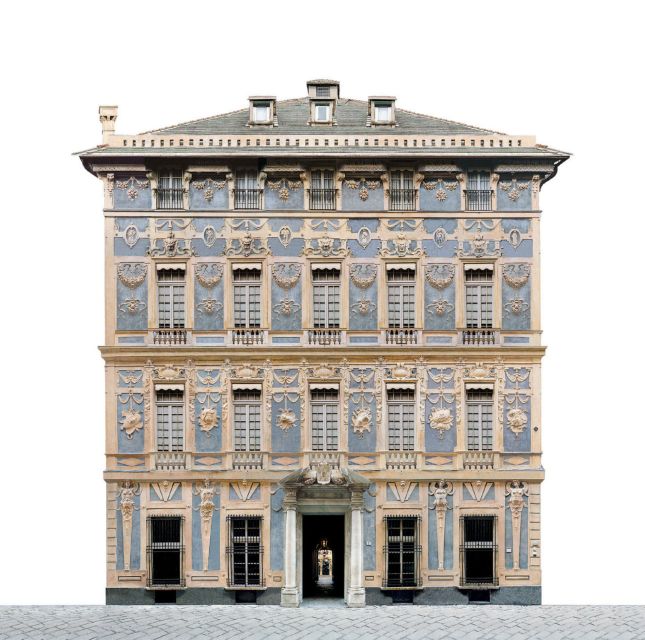
I would choose this tour if you want to understand Genoa through its buildings rather than only through its main streets. It suits anyone who enjoys painted interiors, formal rooms, historic homes, frescoes, and architectural details.
It is also a good choice for a first visit to Genoa. The route introduces Via Garibaldi and several major residences in one outing, giving you a clear sense of the city’s Golden Century. You can then return later to the palace or museum that caught your attention most.
Art lovers will appreciate Palazzo Rosso and the fresco work. Architecture fans will enjoy the open staircases, courtyards, loggias, gardens, and shifting levels. History-minded visitors will find the Rolli system itself more unusual than a standard palace story.
Families and mixed-interest groups may also find the variety helpful. The tour changes from museum rooms to stairs, gardens, frescoes, and street walking. It is not simply two and a half hours in one quiet gallery.
I would hesitate if you need a highly accessible route, dislike stairs, or want every explanation in English. The tour data confirms a bilingual format but does not provide a full accessibility description, so ask before reserving if that matters to you.
Practical tips for enjoying the palaces
Meet at the Tourist Information Centre on Via Garibaldi, 12red. Since the tour begins in the palace district, arrive ready for a walking visit rather than expecting a coach or a single-building museum tour.
Wear comfortable shoes. You will walk between residences and climb palace stairs, and the route’s changing levels are part of the experience. One past visitor found the walk less tiring than expected, but another specifically warned about the number of steps.
Keep your schedule reasonably open around the two-and-a-half-hour duration. The bilingual explanations can affect timing, and a palace may occasionally have special activity underway. A past group was allowed to enter while a wedding was being prepared, but you should not assume every visit will run in exactly the same way.
Pay attention to the small details. The Golden Room, hidden fresco, and surprise garden give the tour its character, while the large rooms and grand stairs provide the scale. Ask questions when the guide invites them. Guides have been praised for patiently answering even simple questions and for adding extra context about Genoa’s historic shops and streets.
The tour is available in a small-group format. Group size can affect how easily you hear the guide and how much room you have inside the palaces, so a small group is preferable if that option is offered for your date.
Should you book the Rolli Palaces tour?
Yes, if you want a well-priced introduction to Genoa’s UNESCO-listed palace district. The combination of Palazzo Rosso, Palazzo Tobia Pallavicino, Palazzo Lomellino, and Palazzo Imperiale gives you four distinct views of the city’s aristocratic Golden Century.
The best reasons to book are the included palace entries, the $16 price, and the guide’s historical explanation. The Golden Room, concealed fresco, garden, and Imperial staircase give the outing enough variety to remain interesting from start to finish.
Just make two allowances: the tour is bilingual, and it involves stairs. If those points work for you, this is one of the more useful ways to see Genoa’s Rolli Palaces without spending much money or trying to coordinate several separate visits.
FAQ
Where does the Rolli Palaces tour meet?
The tour starts at the Tourist Information Centre, Via Garibaldi, 12red, 16124 Genova GE, Italy.
How long does the tour last?
The guided tour lasts approximately two and a half hours.
Which palaces are included?
The tour includes Palazzo Rosso, Palazzo Lomellino, Palazzo Tobia Pallavicino, and Palazzo Imperiale.
Is the tour available in English?
Yes. The tour is conducted in English and Italian with a bilingual guide.
Are palace entrances included in the price?
Yes. The tour includes entry to Palazzo Imperiale and Palazzo Rosso, plus visits to Palazzo Lomellino and Palazzo Tobia Pallavicino.
How much does the tour cost?
The listed price is $16 per person.
Recently reviewed around Genoa & Cinque Terre
- Rafting Sesia★ 5.0 · 304 reviews
- Cinque Terre Sunset Boat Tour Experience★ 5.0 · 402 reviews
- Kayak experience with Carnassa Tour in Cinque Terre + Snorkeling★ 5.0 · 359 reviews
- Cinque Terre Sunset Cruise with Aperitif from Monterosso★ 5.0 · 258 reviews
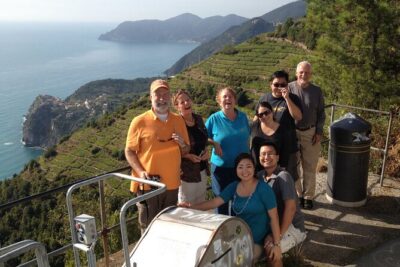
- Cinque Terre Small Group or Private Day Tour from Florence★ 4.5 · 1,248 reviews
- Cinque Terre Private Boat Tour★ 5.0 · 202 reviews
- Private Tour to Cinque Terre from Florence★ 5.0 · 343 reviews
- Cinque Terre Sunset Tour by Boat★ 5.0 · 274 reviews
Genoa & Cinque Terre Tours, compared.

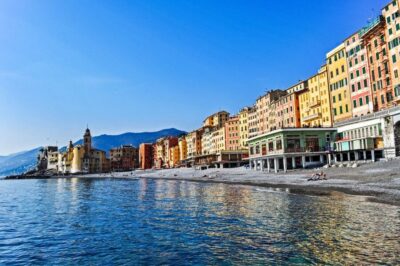
Full-Day Tour to Camogli, San Fruttuoso & Portofino
Read our review →

Cinque Terre Small Group or Private Day Tour from Florence
Read our review →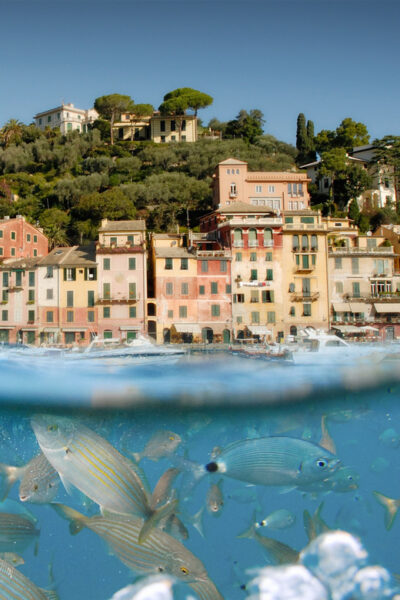
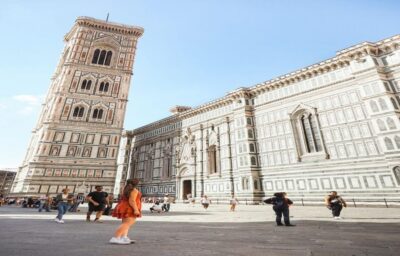
Florence, Pisa w/Leaning Tower & Accademia Option
Read our review →Browse the lists this tour appears in