
Review · WALKING TOURS
Genoa: 2-Hour Guided Walking Tour of the Historical Center
Genoa’s Old Town is best understood on foot, and this tour takes you straight into its maze of caruggi, the narrow lanes that make the city feel more medieval than modern. I like the clear two-hour route and the chance to see grand Rolli palaces beside tiny alleys, cathedral treasures, and tucked-away squares.
I also like the value: at $16, you get a live guide plus same-day admission to the Strada Nuova Museums and Sant’Agostino Museum. The main drawback is the bilingual format. Every explanation is given in English and Italian, so you may spend part of the walk waiting for the second language.
In This Review
- Key points to know before booking
- Why Genoa needs a walking tour
- Starting at Via Garibaldi and the Rolli palaces
- Entering the caruggi
- San Matteo Square and the Doria family
- San Lorenzo Cathedral and Genoa’s sacred treasures
- The Doge Palace, Opera House, and medieval Genoa
- The museum admission is where the $16 pays off
- The bilingual format: useful, but slower
- Who will get the most from this tour
- Timing, comfort, and useful planning
- Is this Genoa walking tour worth booking?
- FAQ
- How long does the Genoa walking tour last?
- Where does the tour begin?
- What languages are available?
- Are museum admissions included?
- Can I visit the museums on another day?
- Which major sights does the route include?
- Is cancellation available?
- Can I reserve without paying immediately?
Key points to know before booking
- Start on Via Garibaldi: Meet at the Tourist Information Center at Via Garibaldi 12red, right among Genoa’s famous palace museums.
- Walk through the caruggi: The route shows how Genoa’s historic center changes from polished palace fronts to dark, winding lanes and small medieval squares.
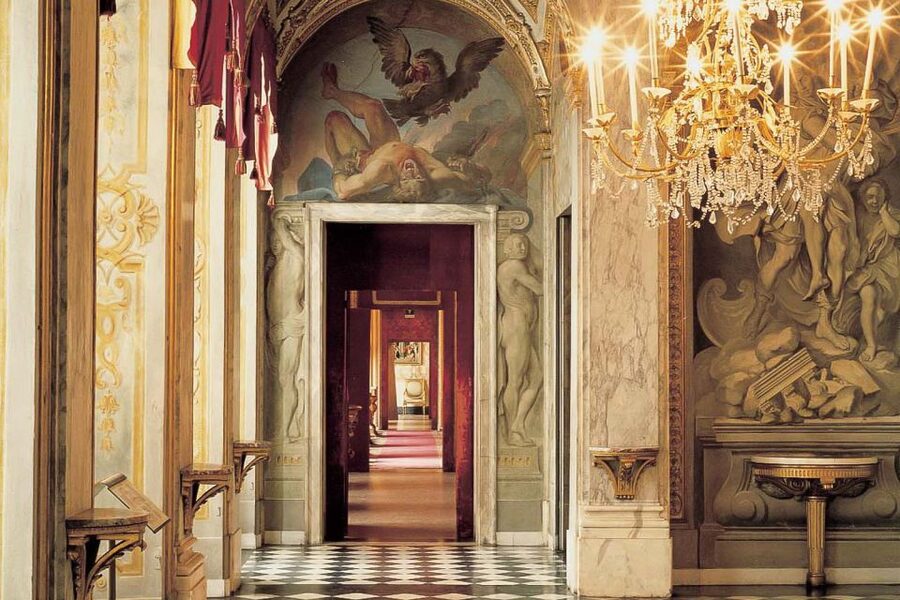
- See the Rolli palaces: These aristocratic residences once hosted important visitors and now form a UNESCO World Heritage Site.
- Visit San Matteo Square: This compact square is closely tied to the Doria family, one of Genoa’s most powerful ruling clans.
- Enter San Lorenzo Cathedral: You’ll see a Gothic church filled with important religious objects and centuries of Genoese history.
- Use the museum tickets afterward: Visit the Strada Nuova Museums and Sant’Agostino Museum independently on the same day.
Why Genoa needs a walking tour
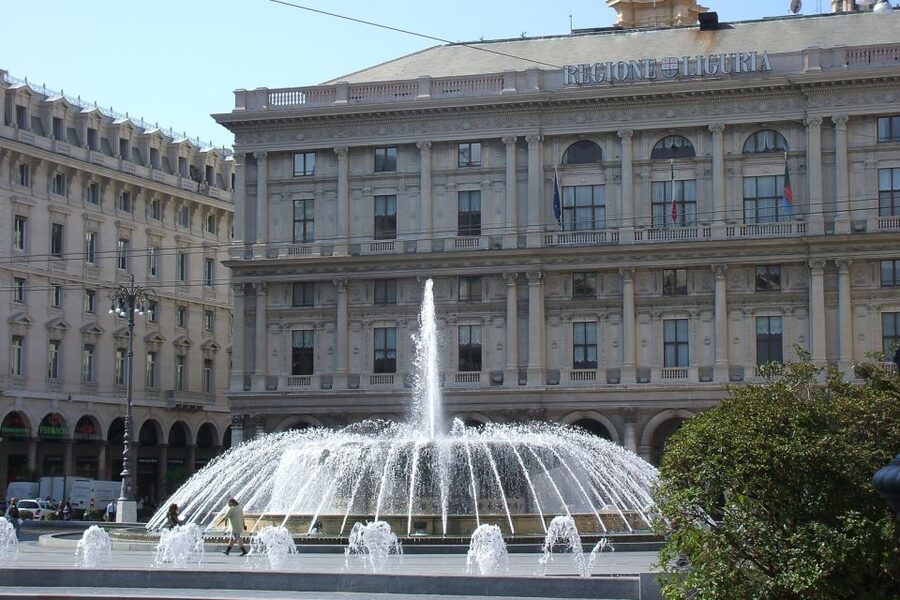
Genoa can be confusing at first. The port, broad modern streets, grand palaces, and narrow old lanes sit close together, but the city does not always explain itself. A bus tour can show you the larger streets, yet it cannot enter the caruggi or pause in the small squares where the medieval city still makes sense.
This walk gives you a useful first look at central Genoa without trying to cover the whole city. You move at a steady pace through the historic center, stopping for stories about buildings, families, churches, trade, and the city’s rise as a major port.
I like that the route is less about ticking off isolated sights and more about showing how they fit together. You see aristocratic streets, religious monuments, civic buildings, and humble alleys within the same short walk. That contrast is the real character of Genoa.
The tour lasts two hours, although some departures have run longer when the guide had more to explain. The pace has generally been comfortable, including for people with some physical limitations, but this is still a walking experience over old city streets. You should expect uneven paving, frequent stops, and a route shaped by tight lanes rather than broad, level avenues.
More history-led days around Genoa & Cinque Terre:
- 2 Hours Private Historical Tour in Genoa
★ 5.0 · 248 reviews - Genoa Food, Wine Tasting & History Walking Tour
★ 5.0 · 212 reviews - Genoa: Historic Guided Tour of Christopher Columbus’ House
★ 4.4 · 186 reviews
Starting at Via Garibaldi and the Rolli palaces
The meeting point is the Tourist Information Center at Via Garibaldi 12red. This is a useful place to begin because Via Garibaldi, once known as Strada Nuova, is one of the clearest expressions of Genoa’s aristocratic past.
The street is lined with grand residences built in the 16th and 17th centuries. These are the Palazzi dei Rolli, palaces belonging to Genoa’s leading families. The Rolli system selected certain homes to receive visiting dignitaries, so private wealth became part of the city’s official hospitality network.
Your guide explains the street and its palaces before leading you onward. You are not simply looking at handsome facades. You are seeing the physical result of a time when powerful families competed through architecture, art, and access to important visitors.
The palaces are also part of the UNESCO World Heritage Site known as the Strade Nuove and the system of the Palazzi dei Rolli. The tour does not turn the entire morning into an indoor palace visit, so you should book this walk for context and orientation rather than a long art lecture inside every building.
That said, beginning here gives you an advantage. After the guided walk, you can return to the Strada Nuova Museums on your own and look at the interiors and collections with a much better sense of why these buildings matter.
Entering the caruggi
From the wide palace street, the tour moves into Genoa’s narrow lanes. The caruggi are one of the main reasons to choose a walking guide. They twist between tall buildings, reveal small passages almost by accident, and can make a first-time visitor unsure of which way the port or main square lies.
The narrow streets are not just atmospheric scenery. They reflect how Genoa grew within a tight medieval city center, where space was valuable and daily life took place in a dense network of lanes. Your guide points out details you could easily pass without noticing, along with local stories and the remains of the older city beneath its modern surface.
Several people who took the tour found that it covered relatively little distance but taught them a great deal. That is a strength here. You are not racing from one landmark to another. You stop, look up, and hear why a lane, building, or square has a place in Genoa’s story.
The city’s historic center is described as the widest in Europe, and the tour gives you only a sample of it. I see that as a benefit for a first visit. You get a manageable introduction, then you can return later to explore the lanes at your own speed.
Keep your expectations practical. A two-hour route cannot show every corner of the old center, and the guide may need to keep the group moving. Use the walk to learn how the area is arranged, then save time afterward for places that catch your eye.
San Matteo Square and the Doria family
San Matteo Square is one of the tour’s most useful stops because it connects the city’s architecture with Genoa’s political power. The square is associated with the Doria family, among the most influential families in the city.
Here, the grand buildings are not random decoration. They express the authority of a family that helped shape Genoa’s government, commerce, and public life. A guide can make that connection clear in a way that a quick photograph cannot.
The square also works as a pause from the tight lanes. Genoa often alternates between enclosed passages and carefully framed open spaces. That change helps you understand the old center as a city built around power, faith, trade, and family networks.
The exact emphasis can vary with the guide. Guides assigned to this tour have included Irene, Roberta, Daniel, Barbara, Marina, Anna, and Paola, with past visitors praising their clear explanations, humor, and ability to answer questions. Your guide may be different, but the important point is that this tour depends heavily on the individual leading it.
More Genoa & Cinque Terre walks with a guide:
- Taste Genoa: A Full Meal Walking Food Tour by Do Eat Better
★ 5.0 · 509 reviews - Genoa: Food and Wine Tasting Walking Tour
★ 4.9 · 215 reviews - Milan: Guided Walking Tour & Last Supper Visit with Ticket
★ 4.7 · 5,409 reviews - Naples: Street Food Walking Tour with Local Guide
★ 4.8 · 4,256 reviews
San Lorenzo Cathedral and Genoa’s sacred treasures
San Lorenzo Cathedral brings the tour into Genoa’s religious and civic heart. It is a Gothic church with a long connection to the city, and the tour highlights the religious objects kept inside.
One memorable part of Genoa’s story concerns relics brought back during the Crusades, including objects connected with Saint John the Baptist. The cathedral gives those stories a physical setting and shows how faith, trade, warfare, and civic pride overlapped in the medieval city.
You should not expect a full, slow museum-style visit to every chapel or object. The guide’s job is to explain the cathedral’s place in Genoa and point out the features that matter most within the time available. If the church interests you, return later for a longer independent visit.
This is a good example of the tour’s overall approach. You receive enough history to make the building meaningful, but you are not kept indoors for the entire outing. The walk continues through other major sites, including the Doge Palace and the Opera House.
The Doge Palace, Opera House, and medieval Genoa
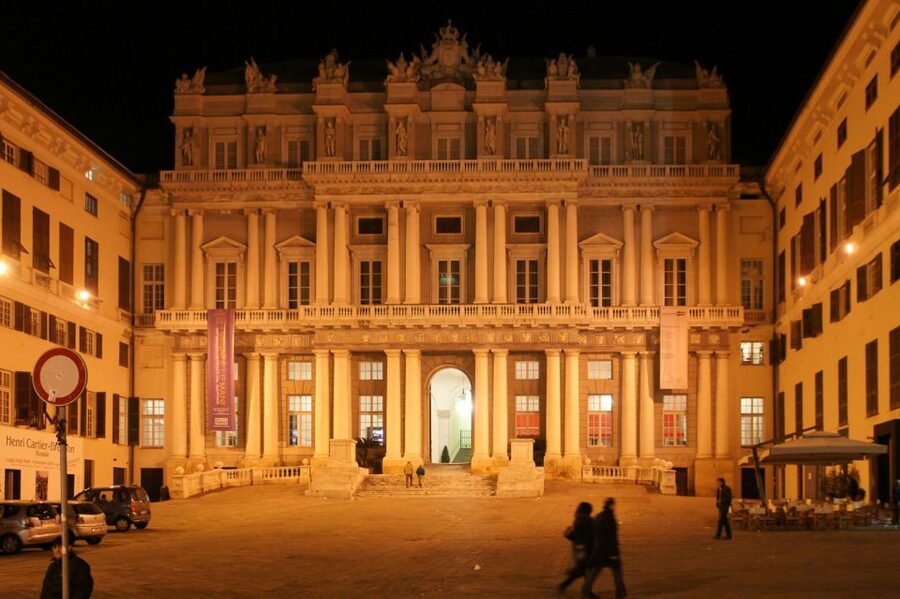
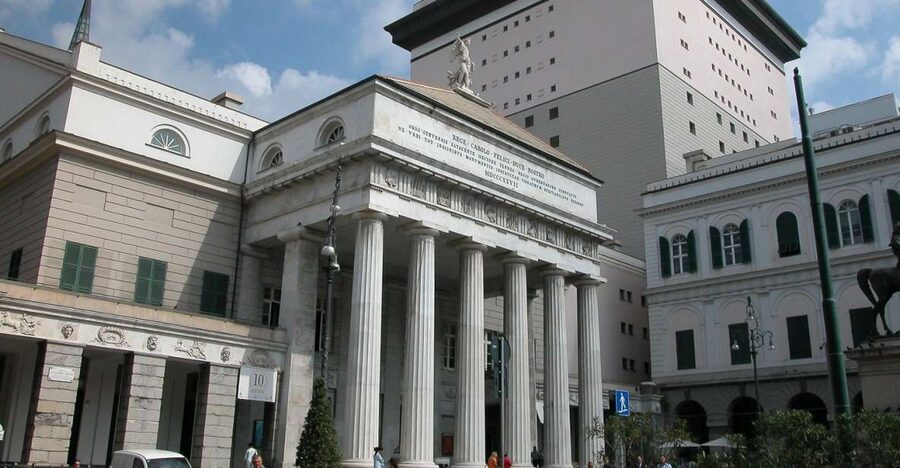
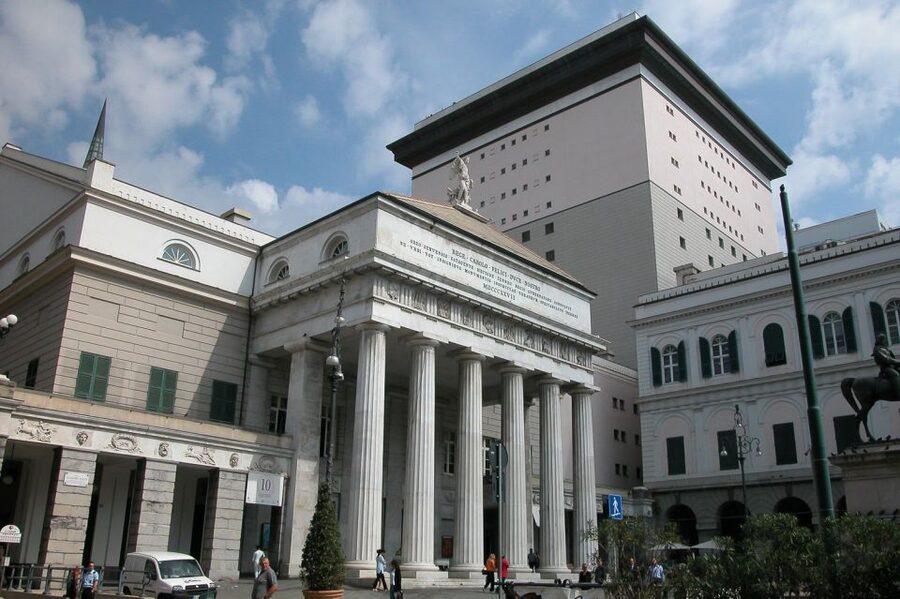
The route also takes in the Doge Palace, an important civic building, and the Opera House. Seeing them in sequence helps you follow Genoa’s development from medieval power center to a more modern cultural city.
The Doge Palace represents the government of the Genoese republic. The Opera House points toward the city’s later cultural life. Between these major buildings, the caruggi keep reminding you that Genoa was also a working port city, shaped by merchants, sailors, artisans, and crowded urban life.
The tour may pass other landmarks without giving you time to enter. That is normal for a walking overview. I recommend making a note of anything you want to see in detail, then returning after the tour rather than expecting each stop to be a complete visit.
The guide’s local tips can be useful here. Past guides have pointed out places for chocolate, ice cream, coffee, and focaccia, as well as other sights worth visiting during a longer stay. These suggestions are especially helpful because the old center can be hard to read from a map alone.
The museum admission is where the $16 pays off
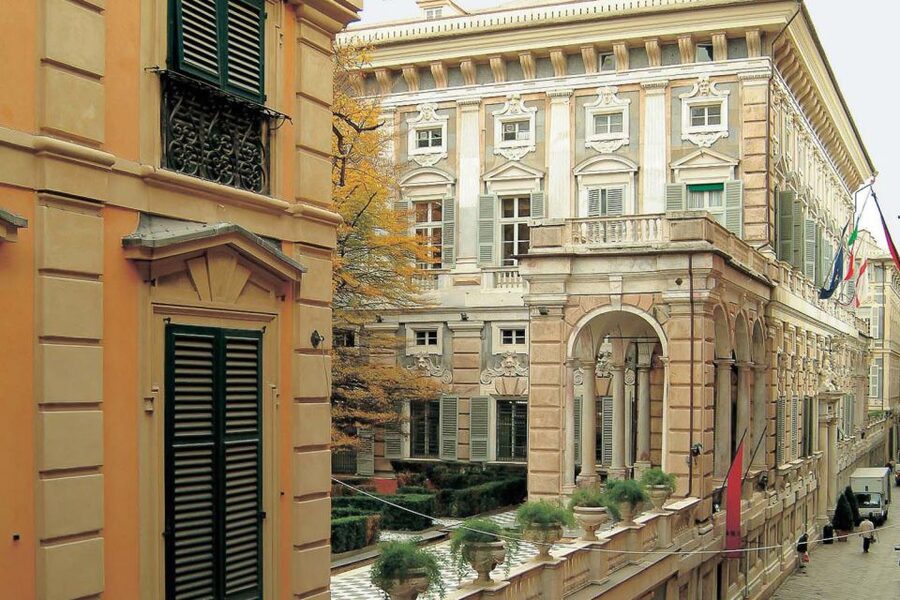
At the end of the guided route, the guide introduces the Strada Nuova Museums. You then continue alone, using the admission included with the tour. The same-day rule matters, so do not plan to postpone these museum visits until another day.
The Strada Nuova Museums form Genoa’s main museum center along Via Garibaldi. Their collection includes Italian and foreign works from the 15th through the 19th centuries, with notable examples from Genoese and Flemish artists.
This is a strong pairing with the walking tour. Outside, you see the palaces and learn about the families who built them. Inside, you can look at the art and interiors connected with that world. The guided portion gives you a framework, while the independent visit lets you set your own pace.
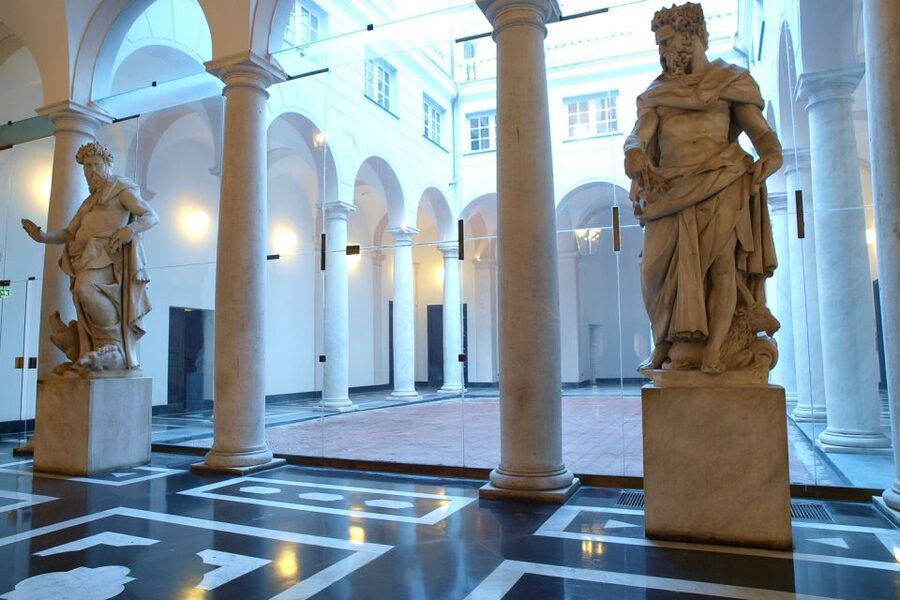
Sant’Agostino Museum offers a different mood. It uses the spaces of a triangular cloister and the largest preserved Gothic church, displaying important medieval works connected with Genoa.
You should allow enough time after the walk for both museums. The tour itself is two hours, but the included admissions can turn it into a half-day experience if you take the collections seriously. If your schedule is tight, you may have to choose how long to stay in each museum, but the tickets still add real value to a low-cost walking tour.
The bilingual format: useful, but slower
The guide speaks English and Italian, and the tour takes place in both languages. This is clearly explained in the activity details, but it is still worth planning for because the bilingual format affects the rhythm.
The positive side is that guides have generally worked to give both groups the same information. Past guides have been praised for switching between languages clearly and patiently, even when only a small number of people spoke English.
The downside is time. Every explanation is repeated, so a stop that might take a few minutes in one language takes longer. You may also find yourself waiting while the guide explains the second version.
I would not choose this tour if you want a fast, tightly timed walk with uninterrupted commentary. I would choose it if you are comfortable with a slower pace and want a guide who can serve an Italian and English-speaking group together.
A few practical habits help. Stand close enough to hear, especially in the narrow lanes where sound can bounce between buildings. When the guide is speaking Italian, use the pause to take photographs, look at the architecture, or mark a museum room you want to revisit.
Who will get the most from this tour
This tour suits a first-time visitor who wants a strong introduction to Genoa’s center without paying for a long private excursion. It also works well for cruise passengers, provided you leave enough time between the ship and the meeting point.
The Tourist Information Center is about a kilometer from the port, according to one detailed account, and can be reached on foot in roughly 20 minutes under ordinary conditions. If you are traveling with young children, luggage, or anyone who walks slowly, allow extra time.
Families can benefit from the short format and comfortable pace. One past group included a five-year-old and an infant, though every family should judge the old lanes and uneven streets for itself. The walk also leaves you near other central attractions once it ends.
History fans will appreciate the stories of the Doria family, the Crusades, Genoa’s port, the first Banco di San Giorgio, and Marco Polo’s imprisonment. Art lovers should especially value the museum access. Cruise passengers can use the tour to see more than a large coach excursion normally can.
You may want something else if you have already spent several days exploring Genoa and prefer a specialist tour focused only on art, food, Jewish heritage, or maritime history. The walk offers a broad introduction rather than a narrow subject.
Timing, comfort, and useful planning
The advertised duration is two hours, but some departures have lasted longer. That is usually connected with the guide’s pace and the amount of explanation, so do not schedule an immediate appointment right after the walk.
Wear comfortable shoes. The route uses narrow historic streets, and the walking surface may not feel as smooth as a modern boulevard. The pace has been described as manageable, but this is not a seated sightseeing tour.
The meeting point is easy to identify because it is at the Tourist Information Center on Via Garibaldi 12red. Arrive ready to start inside the center, where participants have checked in before meeting the guide.
English and Italian are the available languages. Cancellation is free up to 24 hours before the start, and you can reserve now and pay later. Those terms are useful if your Genoa plans depend on a cruise schedule or changing travel arrangements.
The activity has a 4.2 rating from 605 reviews, which suggests a generally strong experience with some room for variation. The most consistent praise has been for clear history, local insight, fair pacing, and guides who make an effort to include everyone. The main recurring caution is the bilingual structure and the occasional difficulty hearing when a guide turns toward a building.
Is this Genoa walking tour worth booking?
For $16, I think this is one of the better-value ways to get your bearings in Genoa’s historic center. You receive two hours with a live guide, access to the Strada Nuova Museums and Sant’Agostino Museum, and a route that reaches places a bus cannot.
Book it if you want the caruggi explained rather than simply photographed, especially on your first day. It is also a smart choice for a cruise stop, an art-minded visitor, or anyone who wants a history lesson without committing to a full-day tour.
Skip it if bilingual commentary will frustrate you, or if your schedule leaves no time to visit both museums on the same day. For most visitors, though, the slower pace and extra museum access make the format worthwhile. Use the walk as your introduction, then spend the rest of the day following your own interests through Genoa’s lanes, palaces, churches, and cafés.
FAQ
How long does the Genoa walking tour last?
The advertised duration is two hours. Some departures may run longer depending on the guide and the pace of the group.
Where does the tour begin?
The meeting point is the Tourist Information Center at Via Garibaldi 12red in Genoa.
What languages are available?
The live guide speaks English and Italian. The tour is bilingual, so information is given in both languages.
Are museum admissions included?
Yes. The tour includes access to the Strada Nuova Museums and Sant’Agostino Museum.
Can I visit the museums on another day?
No. The museum visits should be completed independently on the same day as the walking tour.
Which major sights does the route include?
The route includes the Palazzi dei Rolli, San Matteo Square, San Lorenzo Cathedral, the Doge Palace, the Opera House, and Via Garibaldi, also known as Strada Nuova.
Is cancellation available?
You can cancel up to 24 hours before the tour for a full refund.
Can I reserve without paying immediately?
Yes. The reserve now and pay later option lets you hold a place without paying at the time of booking.
More 2-Hour Experiences in Genoa & Cinque Terre
- Lucca: 2-Hour City Center Walking Tour
★ 4.7 · 1,314 reviews - Milan Duomo and Rooftop 2-Hour Guided Tour
★ 4.6 · 1,076 reviews - Florence: 2-Hour Guided Sightseeing Bike Tour
★ 4.5 · 1,004 reviews - Alberobello: 2-Hour Guided Trulli Tour
★ 4.6 · 727 reviews
Recently reviewed around Genoa & Cinque Terre
- Rafting Sesia★ 5.0 · 304 reviews
- Cinque Terre Sunset Boat Tour Experience★ 5.0 · 402 reviews
- Kayak experience with Carnassa Tour in Cinque Terre + Snorkeling★ 5.0 · 359 reviews
- Cinque Terre Sunset Cruise with Aperitif from Monterosso★ 5.0 · 258 reviews
- Cinque Terre Private Boat Tour★ 5.0 · 202 reviews
- Cinque Terre Small Group or Private Day Tour from Florence★ 4.5 · 1,248 reviews
- Private Tour to Cinque Terre from Florence★ 5.0 · 343 reviews
- Cinque Terre Sunset Tour by Boat★ 5.0 · 274 reviews
Walking Tours, compared.

Guided Walking Tour & Last Supper Visit with Ticket
Read our review →
Rialto Bridge & Offbeat Unusual Venice Walking Tour
Read our review →
Private 3 hrs Venice Tour: St Mark’s, Walking tour & Boat tour
Read our review →

Skip the line: Uffizi and Accademia Small Group Walking Tour
Read our review →
Trastevere & Campo de Fiori Street Food Walking Tour
Read our review →Browse the lists this tour appears in