
Review · SKIP THE LINE
Milan: La Scala Theatre Skip-the-line Guided Tour
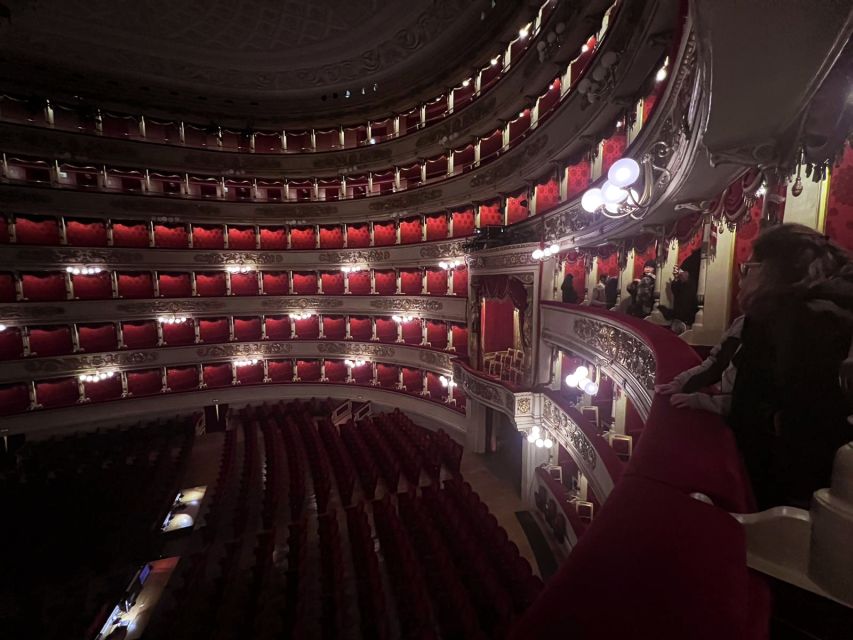
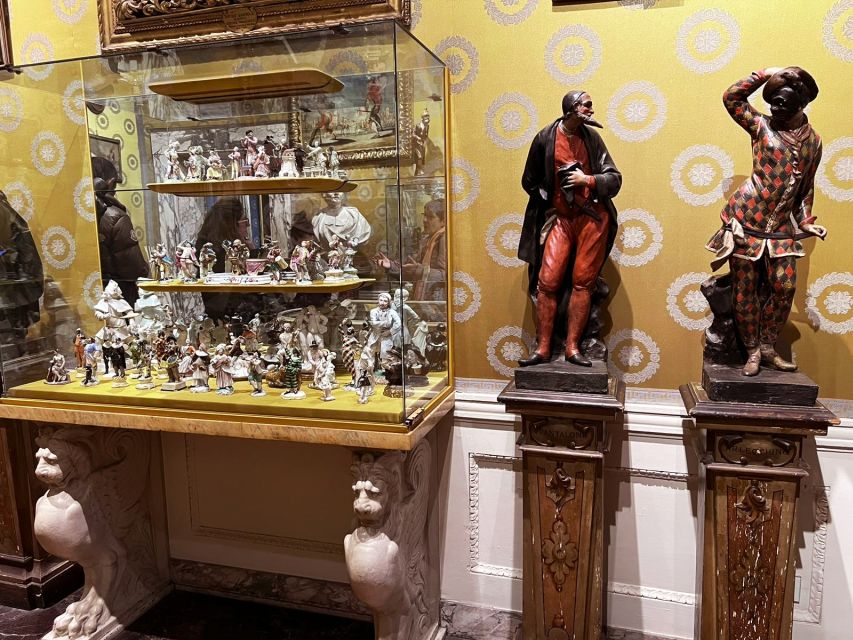
La Scala’s great surprise is that its fame is not only about opera. Inside, you find a grand neoclassical auditorium, a glittering crystal chandelier, and a museum filled with costumes, set designs, and instruments tied to Milan’s musical life. The stories make the building matter, especially when a guide connects it with Verdi, Toscanini, Barenboim, and Maria Callas.
I like the fast entry and the compact one-hour format. I also like the guides’ theatrical storytelling. Guides such as Gianluca, Bea, Lara, and Maria have been praised for making opera approachable, even if you know little about the art form. The catch is simple: rehearsals can block the stage, and there is no refund if the auditorium cannot be viewed.
In This Review
- Key points at a glance
- Why La Scala deserves an hour of your Milan time
- Meeting at the La Scala Museum ticket office
- Inside the theatre: the room you came to see
- Opera stories without the homework
- The museum’s costumes, sets, and instruments
- Headsets, group size, and the one-hour pace
- What the rehearsal warning really means
- Is $44 a fair price?
- Who will enjoy this La Scala visit?
- Practical planning for your Milan day
- Should you book the La Scala tour?
- FAQ
- Where does the La Scala tour meet?
- How long does the tour last?
- What languages are available?
- Is admission to La Scala included?
- Are headsets provided?
- Is the stage guaranteed to be visible?
- Does the tour include pickup and drop-off?
- Does the tour run in bad weather?
- Can I cancel for a full refund?
- Who may find this tour unsuitable?
Key points at a glance
- La Scala opened in 1778, giving the tour a direct link to Milan’s long musical tradition.
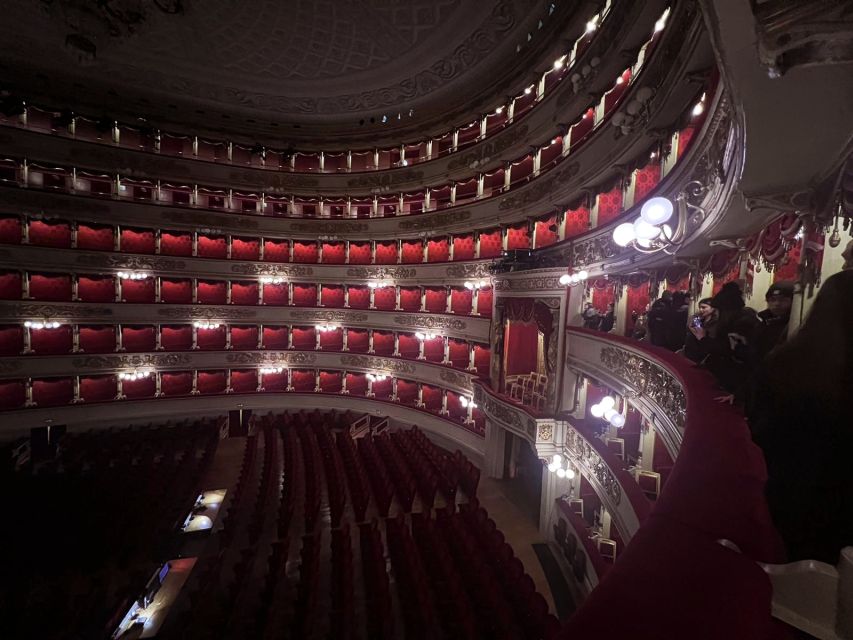
- The neoclassical auditorium is the main prize, with its famous crystal chandelier and elegant interior.
- The museum adds real depth, displaying costumes, set designs, musical instruments, and material connected with Maria Callas.
- English and French tours are available, with headsets provided when the group has more than five people.
- The tour lasts one hour, making it easy to fit before or after Milan’s Duomo and Galleria.
- Rehearsals may limit what you see, so book this for the story and museum as much as for a view of the stage.
Why La Scala deserves an hour of your Milan time
Milan can feel like a city of grand facades and fast-moving schedules. La Scala gives you a chance to pause and look behind one of Italy’s most famous cultural institutions.
The theatre opened in 1778. That date matters because La Scala is not a modern attraction dressed up as old Europe. Its identity was built over centuries of performances, composers, singers, conductors, and audiences. A guided visit helps you understand how the building became part of Milan’s public life.
I would not book this tour only because you think you should know more about opera. You do not need a music degree or a shelf of program notes. The best guides explain the theatre through people and stories, then point out the rooms and objects that bring those stories into focus.
The short duration is a real advantage. At $44 per person, this is not a bargain basement museum visit, but the price includes admission, reservation fees, and a live guide. You are paying for context and a smoother entrance, not just permission to walk through a famous room.
More Milan trips worth a second look
- Milan Duomo & The Last Supper Skip-the-Line Small Group Tour
★ 4.5 · 2,761 reviews - Historic Milan Tour with Skip-the-Line Last Supper Ticket
★ 4.5 · 1,976 reviews - Milan Super Saver: Skip-the-Line Duomo and Rooftop Guided Tour
★ 4.5 · 1,501 reviews
Meeting at the La Scala Museum ticket office
The meeting point is Largo Antonio Ghiringhelli, 1, in front of the ticket office at the Teatro alla Scala Museum. Your guide holds a sign with the tour name and the Wander in Italy logo.
This is a useful arrangement because you do not need to search for a distant office or arrange hotel pickup. You make your own way to the theatre, meet the guide outside, and return to the museum at the end. Pickup and drop-off are not included, so allow enough time to reach the centre of Milan.
The meeting point is also well placed for a day of central sightseeing. You can pair the visit with the Duomo, Galleria Vittorio Emanuele II, or other nearby sights, but keep your appointment time in mind. The tour runs at set starting times, so check availability before building your day around it.
The fast entry is one of the most useful parts of the booking. La Scala is a major Milan sight, and avoiding the regular ticket queue gives you more control over a busy sightseeing day. It does not mean you can skip security or enter without following the theatre’s rules, but it does remove one common delay.
Inside the theatre: the room you came to see
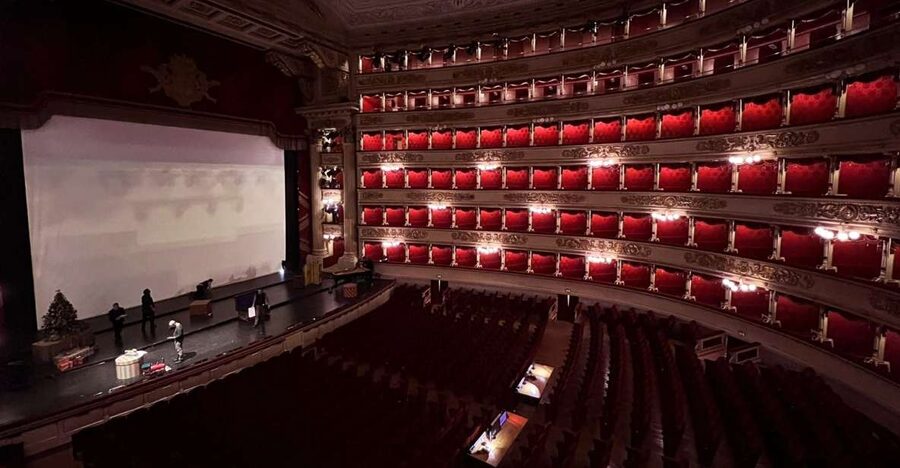
The auditorium is the emotional centre of the visit. Its neoclassical design, formal lines, and large crystal chandelier provide the visual drama that many people expect from La Scala.
Your guide helps you look beyond the obvious beauty. Instead of simply pointing out a ceiling or balcony, the tour connects the room with the performances and artists that made the theatre famous. That extra layer matters. Without it, you may admire the decoration for a few minutes and then move on. With it, the auditorium becomes a working stage in Milan’s cultural story.
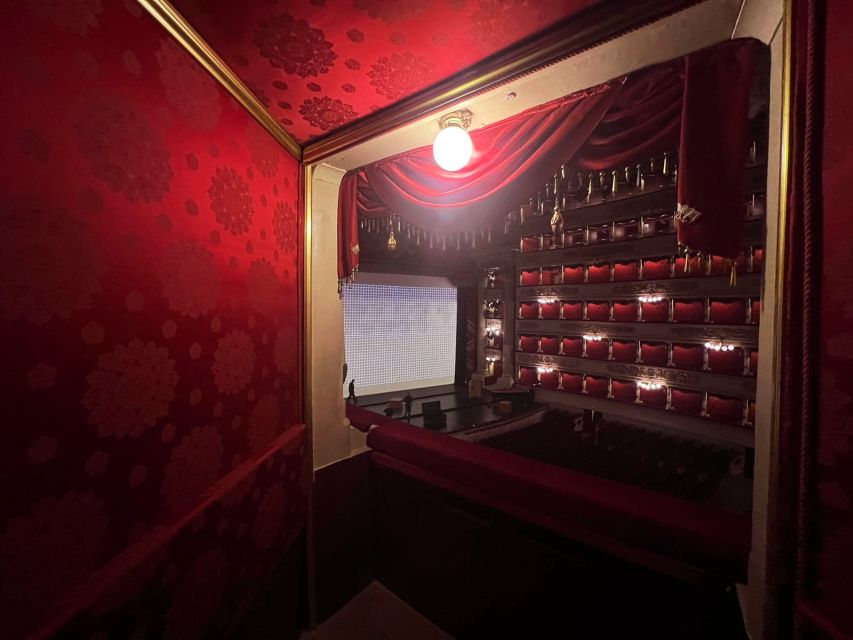
The stage itself is not guaranteed to be visible. Rehearsals can close parts of the theatre, and the rules specifically warn that no refund is offered if the stage cannot be viewed. This is the tour’s clearest limitation.
I would treat the stage as a welcome bonus rather than the entire reason to book. Several visits have worked around rehearsals, and there have even been occasions when musicians were preparing and visitors caught a brief private concert. But that is luck, not a promised feature. If seeing the stage is essential to you, ask about current access before committing, though the final decision can still depend on the theatre’s schedule.
Opera stories without the homework
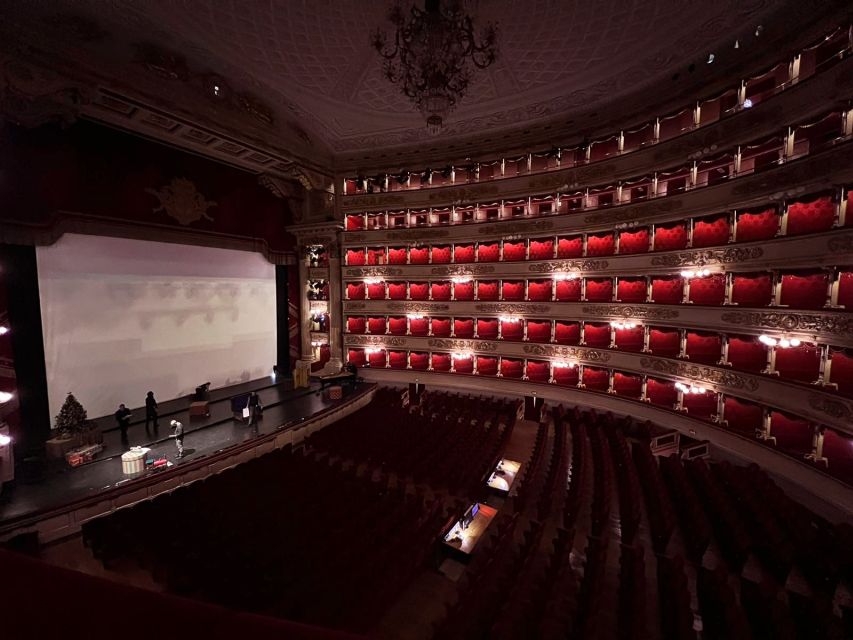
A strong guide is especially valuable here. Opera can seem forbidding when you do not know the names, plots, or traditions. The tour keeps the subject human by focusing on the people who shaped La Scala.
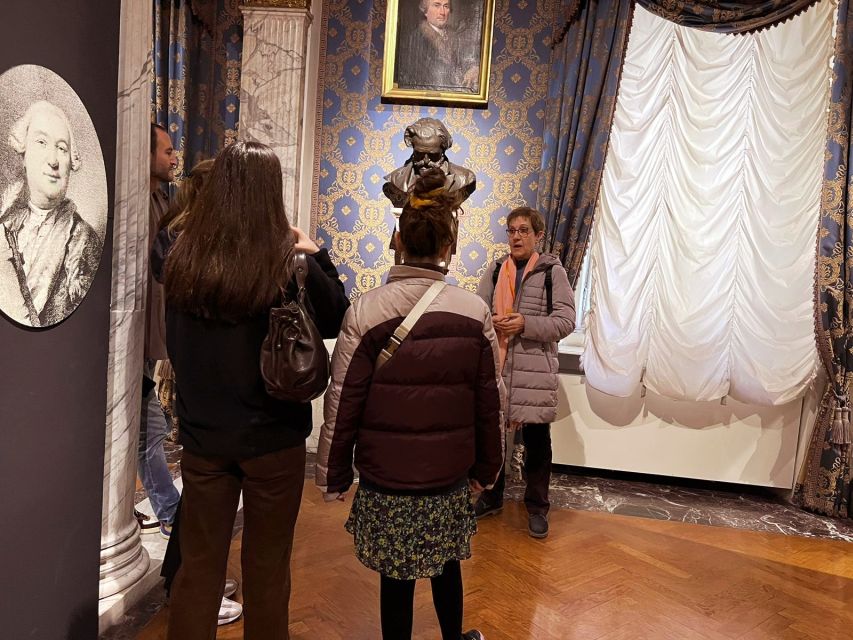
You hear about figures from Verdi to Toscanini and Barenboim, along with stories about singers and composers. The best storytelling has a little humour and plenty of practical explanation. Guides such as Gianluca, Lara, Maria, and Bea have been praised for their passion, clear explanations, and ability to keep a group engaged.
That does not mean every guide will deliver the same style. The tour is led in English or French, and the experience depends partly on the individual guide and the group. Still, the format gives the guide room to answer questions and explain basic theatre terms without turning the hour into a lecture.
This is a good choice for mixed groups. An opera fan can enjoy the connections to major artists, while someone new to classical music can follow the basic story. One useful point to keep in mind: the tour is more about the theatre, its collection, and its cultural role than about explaining full opera plots. If you want detailed accounts of particular operas, you may find the hour leaves you wanting more.
A different way to spend the day, same part of Italy:
- Milan: Cathedral and Duomo’s Terraces Entrance Ticket
★ 4.6 · 61,054 reviews - Milan: Da Vinci’s Last Supper Guided Tour
★ 4.7 · 10,143 reviews - Milan: Science and Technology Leonardo da Vinci Museum Entry
★ 4.5 · 7,169 reviews - Milan: City Sightseeing Hop-On Hop-Off Bus with Audio Guide
★ 4.0 · 6,256 reviews
The museum’s costumes, sets, and instruments
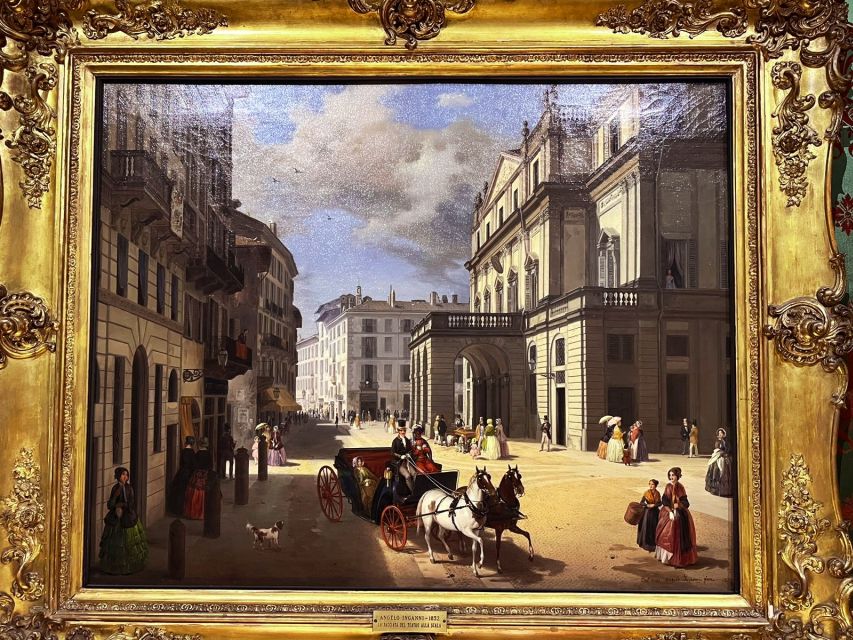
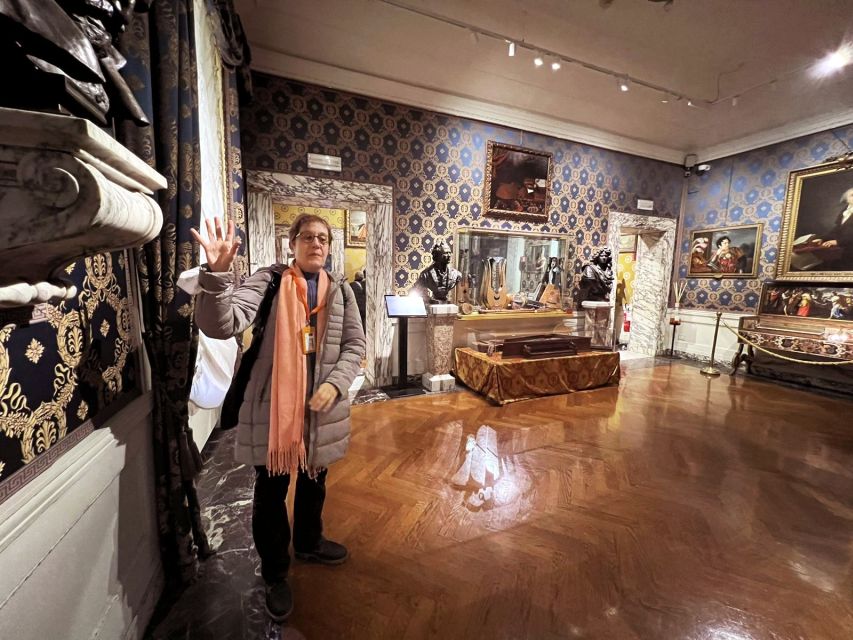
The visit begins and ends at the Teatro alla Scala Museum, and the museum is not a minor extra. Its collection includes set designs, costumes, and musical instruments. These objects show how much work happens around a performance before an audience ever takes a seat.
Costumes make opera feel physical. Set designs show how the theatre creates place and mood. Instruments connect the polished performance to the musicians who produce the sound. A guide can point out details you might miss while walking through alone, especially when an object links to a composer or singer.
The Maria Callas material is another draw. One visit specifically found the Callas museum area as fascinating as the theatre itself. If you have an interest in opera’s major performers, plan to give the museum your full attention rather than treating it as a hallway on the way to the auditorium.
The balance between museum and theatre is worth noting. Some people will love the collection and want extra time with it. Others may find the museum less compelling than the auditorium, especially if their main aim is architecture. The guided format gives you an organized route, but it does not turn the museum into a full-length exhibition visit.
Headsets, group size, and the one-hour pace
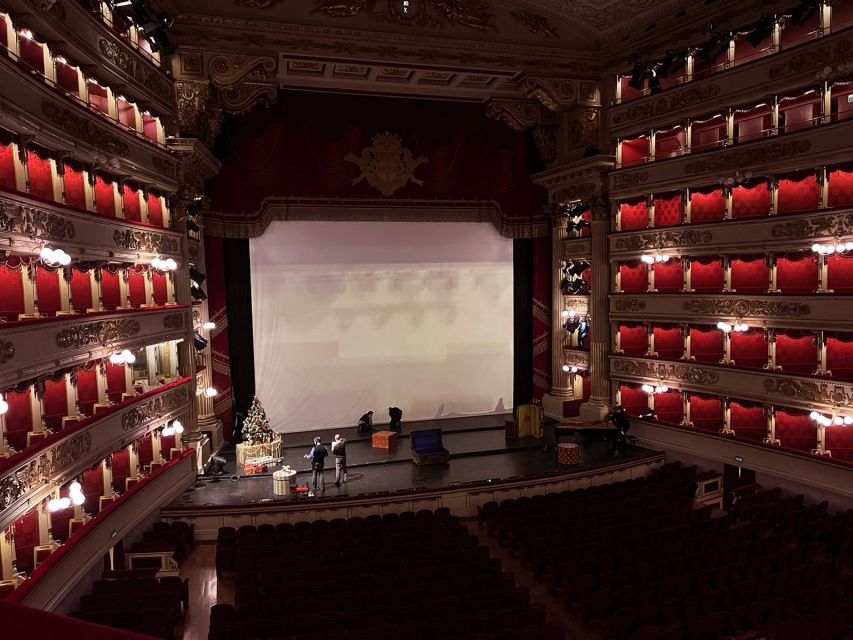
Headsets are provided when more than five people are in the group. That small detail can make a large difference inside a theatre, where voices may carry poorly and several groups may be moving through the same spaces.
The one-hour length keeps the visit focused. You get an introduction, guided access to the theatre, explanations of its famous figures, and time for the museum collection. You will not spend half a day here, and that makes the tour practical for a first visit to Milan.
Small groups can feel especially pleasant. A group of four once had an almost private experience, including an adjusted start time because a rehearsal affected access. You should not count on a private tour, but a smaller group usually gives you more room to ask questions and hear the guide clearly.
Busy periods can feel less tidy. La Scala may have several tour groups, theatre staff moving equipment, and activity connected with rehearsals. In those conditions, the guide’s skill matters. A well-organized guide can keep the group together and make sense of distractions, but the building is still a working theatre, not a silent museum.
What the rehearsal warning really means
The theatre is an active performance venue. That is part of its appeal, but it also means access can change.
A rehearsal may close the stage or alter the route. The tour takes place rain or shine, and there is no promise that you will see performers. You might glimpse artists preparing, but that should never be treated as part of the paid package.
I see this as a fair trade-off, provided you set the right expectations. A rehearsal can prevent the perfect auditorium view, yet it also confirms that La Scala is still used for music rather than preserved only as a historic shell. The important thing is to book because you want the theatre’s story and collection, with the stage view as the ideal outcome.
If your schedule is tight, leave some flexibility around the booking. The operator has sometimes contacted participants about shifting the time when a rehearsal affected the planned visit. That kind of adjustment can help, but it depends on your availability and the theatre’s needs.
Is $44 a fair price?
At $44, the tour costs more than entering a museum without a guide, assuming that option is available for your chosen time. The value comes from three things: reserved admission, a guide who explains the building, and a fixed one-hour route that keeps your visit efficient.
I think the price is reasonable for first-time visitors who want more than photographs of a pretty auditorium. The guide adds the names, stories, and artistic context that are difficult to gather by simply walking through the museum. It is also a sensible purchase if you have only a short stay in Milan and do not want to risk spending time in a ticket queue.
The value is weaker for visitors who prefer to read labels at their own pace or already know La Scala well. The tour moves according to the guide’s schedule, and the museum portion may feel brief if you want to examine every display.
Because the stage may be closed, do not calculate the price as $44 for a guaranteed view of the main hall. Think of it as $44 for access to La Scala’s museum and theatre areas, plus a live explanation, with auditorium access subject to rehearsals.
Who will enjoy this La Scala visit?
I would recommend it most strongly to:
- First-time visitors to Milan who want an easy introduction to La Scala
- People interested in music, theatre, architecture, or Italian cultural life
- Families and mixed-age groups who benefit from stories rather than technical lectures
- Visitors who want a short, central activity between larger Milan sights
- Anyone who values reserved entry and does not want to work out the museum alone
You do not need strong opera knowledge. The guides are expected to explain the subject in accessible terms, and past tours have included humour, questions, and background about Italian theatre in general.
I would be more cautious if you have mobility impairments, since the activity is not considered suitable for people with mobility difficulties. You should also reconsider if you require guaranteed stage access, a long museum visit, or a completely quiet setting.
Weapons and sharp objects are not allowed. Food and drinks are not included, so handle those needs before or after the visit.
Practical planning for your Milan day
Book a time that leaves room before your next fixed appointment. The tour lasts one hour, but you still need time to meet the guide, pass through entry procedures, and move on afterward.
English and French are the available tour languages. If you need another language, this activity will not meet that need based on the stated options.
The reservation system allows you to reserve now and pay later, which helps if your Milan plans are still changing. Free cancellation is available up to 24 hours before the activity for a full refund. After that point, you should not assume a refund.
Wear comfortable shoes and expect to walk through the theatre and museum. The tour takes place in all weather, though the indoor setting makes rain less of a concern once you have reached the meeting point.
Should you book the La Scala tour?
Book it if you want the famous theatre explained by someone who can connect its rooms to opera’s major names. The strongest part is not simply seeing the chandelier or taking in the neoclassical interior. It is hearing why La Scala matters, then seeing costumes, set designs, instruments, and Callas-related material with that context in mind.
At $44, it is a fair choice for a first visit, especially when fast entry and a one-hour schedule fit your plans. I would skip it only if you want guaranteed stage access, dislike guided pacing, or have mobility concerns.
Go in expecting a working theatre with changing access, not a perfectly controlled monument. If you accept that one condition, La Scala can give your Milan itinerary a memorable hour of music, architecture, and human stories.
FAQ
Where does the La Scala tour meet?
Meet at Largo Antonio Ghiringhelli, 1, in front of the Teatro alla Scala Museum ticket office. The guide holds a sign with the tour name and the Wander in Italy logo.
How long does the tour last?
The guided visit lasts one hour.
What languages are available?
The live tour guide is available in English or French.
Is admission to La Scala included?
Yes. Entrance and reservation fees are included in the tour price.
Are headsets provided?
Headsets are provided if the group has more than five people.
Is the stage guaranteed to be visible?
No. Rehearsals may prevent a view of the stage, and no refund is issued if the stage cannot be viewed.
Does the tour include pickup and drop-off?
No. You make your own way to the meeting point, and pickup and drop-off are not included.
Does the tour run in bad weather?
Yes. The tour takes place rain or shine.
Can I cancel for a full refund?
You can cancel up to 24 hours in advance for a full refund.
Who may find this tour unsuitable?
The activity is not suitable for people with mobility impairments. Weapons and sharp objects are also not allowed.
Recently reviewed around Milan
- Verona and Lake Garda Day Trip from Milan★ 4.5 · 214 reviews
- From Milan: Venice Full-Day Guided Tour With Boat Ride★ 4.5 · 322 reviews
- Venice Day Trip from Milan with Guided City Tour★ 4.0 · 383 reviews
- Full-day Skip-The-Line Milan, The Last Supper and Duomo Cathedral★ 5.0 · 293 reviews
- Small-Group Lake Como & Lugano by Swiss Train + Boat Cruise★ 5.0 · 1,084 reviews
- Tour Bernina Red Train And St Moritz from Milan★ 4.5 · 247 reviews
- Walking Food Tour of Milan with Tastings★ 4.5 · 194 reviews
- Skip the Line: Essential Milan Tour Including Da Vinci’s ‘The Last Supper’★ 4.5 · 339 reviews
Skip the Line, compared.
Skip-The-Line Uffizi Gallery Timed Entry Ticket
Read our review →
Vatican Museums & Sistine Chapel Skip-the-Line Entry Ticket
Read our review →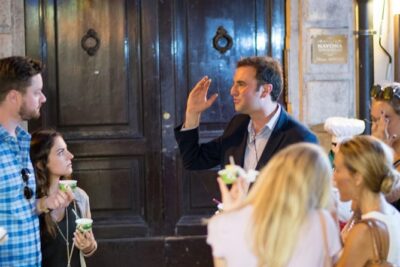
Skip-the-Line Group Tour of the Vatican, Sistine Chapel & St. Peter’s Basilica
Read our review →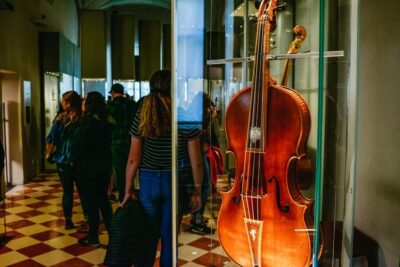
Michelangelo’s David Skip-the-Line Entry Ticket
Read our review →
Vatican Museums & Sistine Chapel Skip-The-Line Ticket
Read our review →
Vatican, Sistine Chapel & St. Peter’s Skip-the-Line Tour
Read our review →
Skip-the-Line Vatican, Sistine Chapel & St. Peter’s | Small Group
Read our review →
Vatican: Vatican Museums Sistine Chapel Skip-the-Line Ticket
Read our review →Browse the lists this tour appears in