
Review · PASTA
Milan: Traditional Pasta and Tiramisù Masterclass
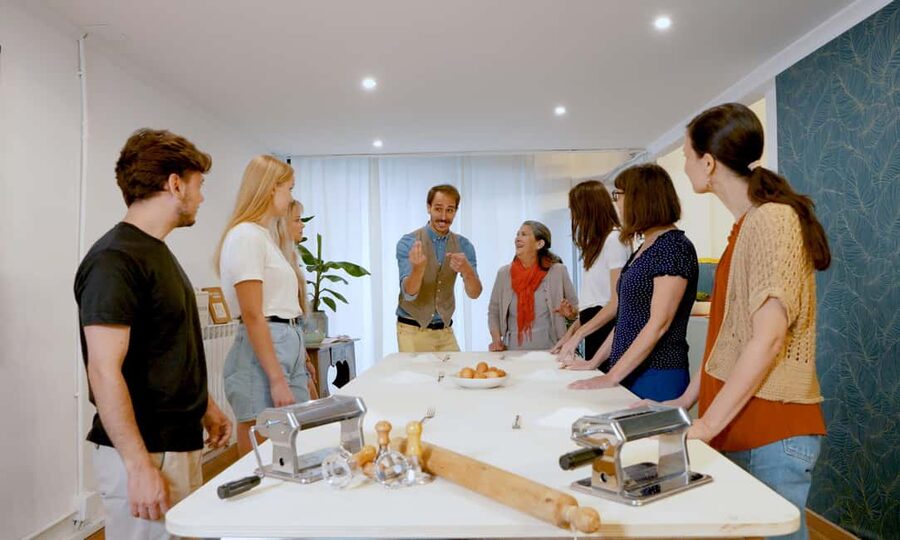
Milan’s best food lesson may be the one that gets you away from a restaurant table and into the kitchen. At Il Teatro della Pasta di Pietro Visconti, you make fresh pasta and tiramisu with an English-speaking Pasta Maestro, then sit down to eat what you prepared. I like the family-style setup and the teamwork: you are not simply watching a chef perform. I also like that the recipes are practical enough to repeat at home.
The main consideration is time. The advertised class lasts three hours, but the meal and conversation can stretch closer to four. That is part of the charm, but it makes this a poor fit if you have a tightly packed afternoon or an immediate train to catch.
In This Review
- What makes this Milan cooking class worth your time
- Entering Il Teatro della Pasta in central Milan
- A three-hour lesson built around teamwork
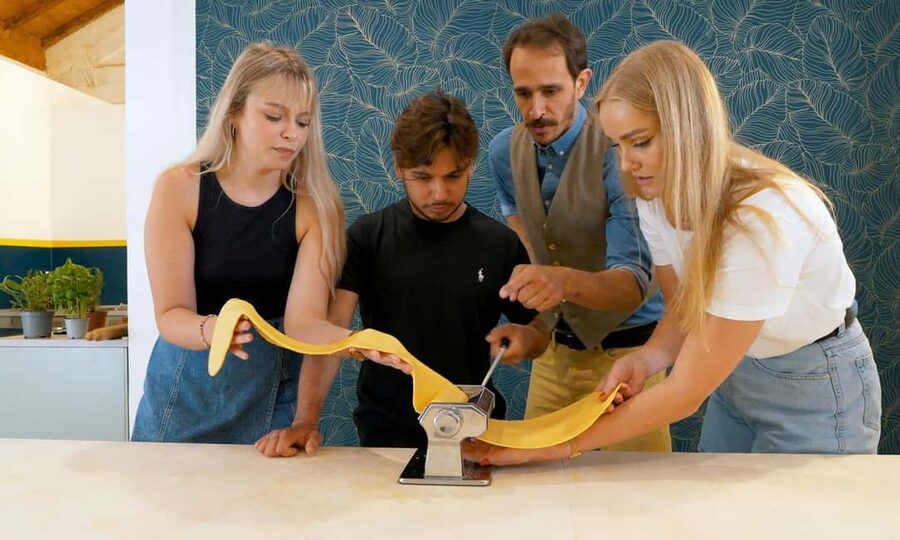
- Making two kinds of fresh pasta
- Tiramisu first, then the reward
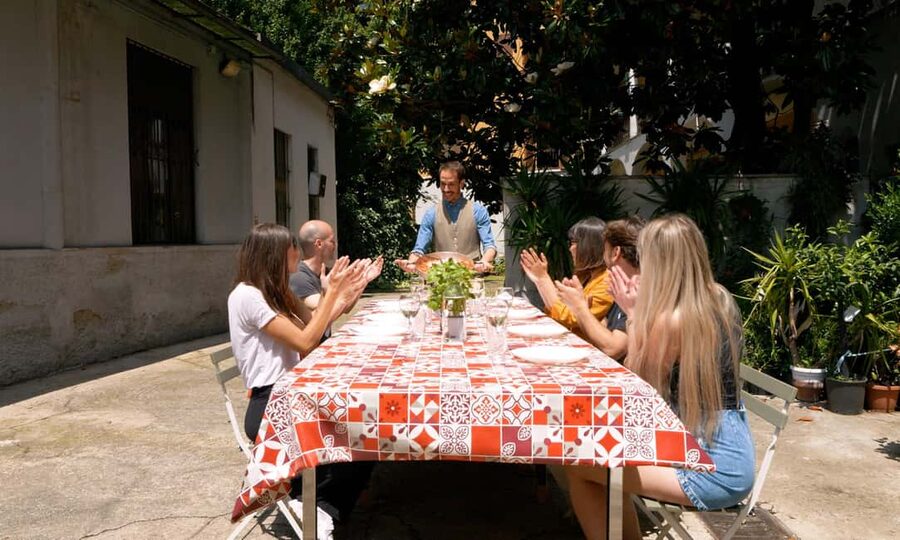
- Sitting down to a three-course Italian meal
- The teaching style: Pietro, Vincenzo, and Luisa
- Is $93 a good value?
- Who should book this class?
- Booking and practical details
- Should you book the Milan Pasta and Tiramisu Masterclass?
- FAQ
- Where does the pasta and tiramisu class take place?
- How long does the class last?
- What language is the class taught in?
- What will I cook?
- Is a meal included?
- Is wine included?
- Is cooking equipment provided?
- Can dietary restrictions be accommodated?
- Is the activity wheelchair accessible?
- What should I do when I arrive?
What makes this Milan cooking class worth your time
- You make a full meal: The class includes two pasta preparations, tiramisu, and a three-course lunch or dinner.
- The lesson is hands-on: You work with the dough, shape the pasta, prepare the dessert, and help bring the meal together.
- The hosts shape the mood: Pietro, Vincenzo, and Luisa are praised for clear instruction, humor, warmth, and making people feel at ease.
- The table is part of the lesson: After cooking, you share the food with new friends and receive one bottle of wine per two people.
- You learn useful kitchen details: The class can cover ingredients, pasta storage, shaping, and adjustments for dietary needs.
- You leave with recipes: The recipes give you a way to recreate the meal rather than leaving the skills in Milan.
Entering Il Teatro della Pasta in central Milan
The class takes place in a dedicated pasta-loving setting in the heart of Milan, described as a welcoming Italian home and real kitchen. That matters. The point is not only to learn a formula for pasta dough, but to see how food fits into daily Italian life: people work together, talk while cooking, and sit down to share the result.
Finding the entrance requires one small but important step. Once you reach the address, buzz the entry phone marked 38-ITDP, even if the building door happens to be open. It is the sort of detail that is easy to miss when you are arriving in an unfamiliar city, so save it before you leave your hotel.
The experience is conducted in English. That makes the lesson accessible to international visitors, and the hosts also use the cooking time to share stories and information about Milan and Italian food. Pietro and Vincenzo are the names most often associated with the class, while Luisa has also led sessions. Your exact instructor can vary, but the teaching style is clearly a major part of the outing.
More Milan trips worth a second look
- The Secrets to Learn Fresh Pasta and Tiramisù in a Glam Home
★ 5.0 · 1,182 reviews - Milan: Pasta and Tiramisu Cooking Class with Wine
★ 4.8 · 1,106 reviews - Gnocchi, Pasta, Tiramisù and Wine Class
★ 5.0 · 691 reviews
A three-hour lesson built around teamwork
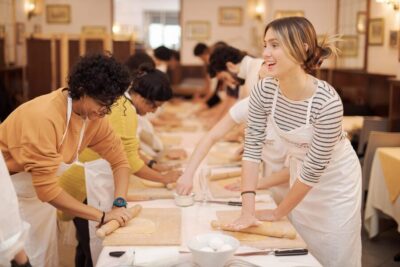
The class is planned for three hours, usually as a lunch or dinner experience. You should expect a relaxed pace rather than a rushed demonstration. One recent group of six described the session as small and cooperative, and that format makes sense for the kind of cooking involved: everyone needs a task, and the meal improves when people help one another.
You will not spend the whole time making one perfect plate by yourself. Instead, the group prepares several parts of the meal together. That can mean dividing jobs, comparing shapes, helping with fillings, and sharing the work at the stove. I like this approach because it takes pressure off beginners. If your first piece of pasta looks uneven, it becomes part of the group effort rather than a private test.
The class is also social by design. Pietro has been praised for learning everyone’s names and getting the group talking. Vincenzo is described as funny, patient, organized, and good at answering questions. Those details matter more than a polished cooking demonstration. A class can have a fine menu and still feel cold. Here, the host is expected to keep the room friendly and involved.
Plan your schedule with some breathing room. The official duration is three hours, but one meal took about four hours because the cooking, wine, and conversation continued at an easy pace. You may finish on time, yet I would not book a museum entry, airport transfer, or train departure immediately afterward.
Making two kinds of fresh pasta
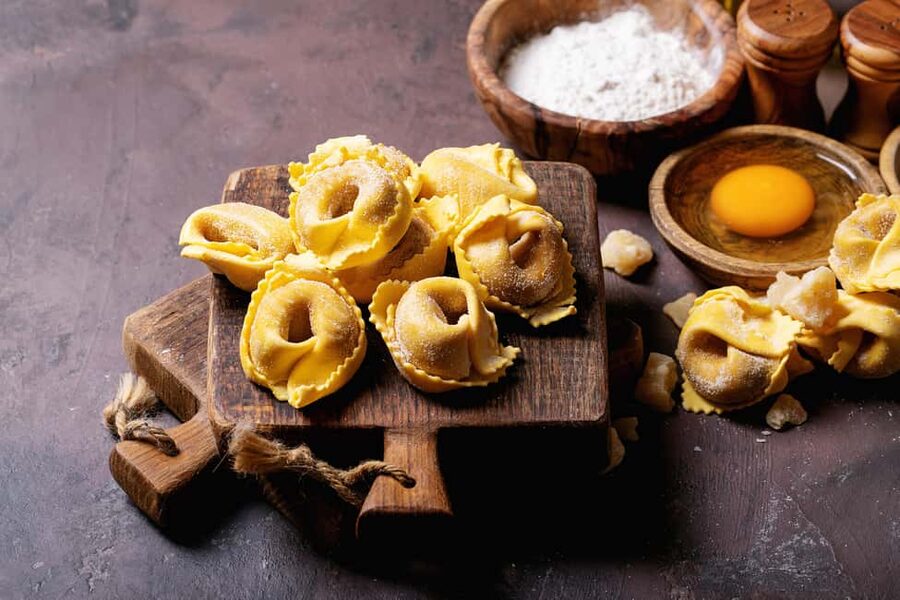
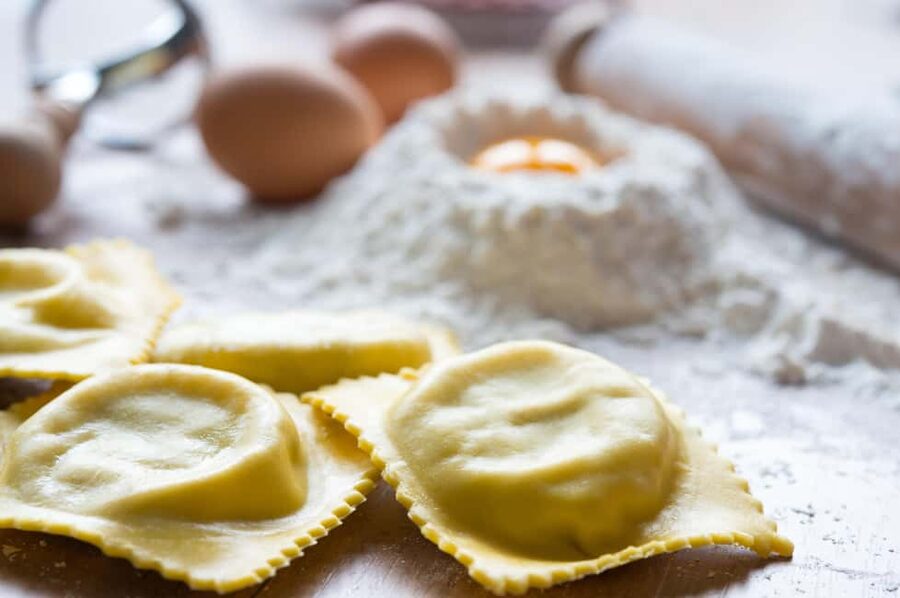
Fresh pasta is the heart of the class. The exact shapes can vary, but the recipes and sessions have included filled pasta such as tortelli, along with cavatelli and other styles. The broader description also refers to ravioli, spaghetti, and fettuccine, so you may encounter different forms depending on the day and the chef.
That variation is useful. You are not learning only one dish tied to one sauce. You are learning how pasta changes with its shape, how to handle dough, and how teamwork helps when a meal has several components. The class also explains what to do with the ingredients and how to store fresh pasta at home, which turns the lesson into a practical souvenir.
Expect to work with your hands. Pasta-making rewards feel more than fancy equipment. You learn how dough responds, how to shape pieces, and how to keep the process moving. The instructors guide you through the stages and answer questions as you go. If you are new to cooking, that direct help is valuable. If you already cook, you can ask about technique, storage, and ingredient choices.
The menu is not presented as a private tasting menu. It is a group meal made by the class. That means the finished pasta may reflect several hands, but it also means you get the pleasure of eating something you helped create.
One point to clarify before booking is the filling. The published information does not promise a meat option, and one participant specifically wished there had been one. If that matters to you, ask ahead of time. The class has accommodated vegetarian and vegan diners, and the chef can make adjustments, but you should share restrictions before arrival rather than hoping the menu will change at the table.
Tiramisu first, then the reward
Tiramisu is the second major lesson. Several sessions began with the dessert, which makes good kitchen sense because it needs time to rest before the final meal. You learn the method for a classic tiramisu and the family-style secrets behind it, rather than simply receiving a finished portion.
This is one of the class’s strongest features for home cooks. Tiramisu is familiar, but small changes in preparation can affect its texture and flavor. The instructor can explain the steps and answer questions, giving you a method you can repeat for birthdays, dinner parties, or a quiet weekend at home.
The dessert also adds a personal touch to the meal. One group celebrating a birthday received candles on the tiramisu. That is not a guaranteed part of every booking, but it shows the kind of warm, informal atmosphere the hosts aim for.
The class is not only for pasta specialists. One family with children aged six, sixteen, and eighteen enjoyed the activity together, while couples, groups of friends, and a workplace team also found it useful. Younger children may need help with some steps, but the hands-on nature gives them a clear role.
A different way to spend the day, same part of Italy:
- Milan: Cathedral and Duomo’s Terraces Entrance Ticket
★ 4.6 · 61,054 reviews - Milan: Da Vinci’s Last Supper Guided Tour
★ 4.7 · 10,143 reviews - Milan: Science and Technology Leonardo da Vinci Museum Entry
★ 4.5 · 7,169 reviews - Milan: City Sightseeing Hop-On Hop-Off Bus with Audio Guide
★ 4.0 · 6,256 reviews
Sitting down to a three-course Italian meal
After the work is finished, you sit down for a three-course meal made from the class. The meal is paired with local wine, with one bottle for every two people included in the price. This is not a formal wine lesson, and the emphasis remains on eating together rather than studying pairings.
The shared table is a key part of the value. You may arrive knowing only the person who booked with you, then spend the evening talking with people from several countries. That social element can be especially welcome for solo visitors, couples looking for an easy night out, or families wanting an activity that does more than fill an hour.
The food is the payoff, but not the only payoff. You have seen the preparation, helped shape the pasta, and watched several ingredients become a meal. That connection gives the final dishes more meaning than a plate ordered from a menu.
Do keep your expectations sensible. This is a cooking class, not a restaurant with a large choice of dishes. The menu is set around the lesson, and the group shares what it makes. If you need a particular ingredient or a meat-based filling, contact the provider before booking.
The teaching style: Pietro, Vincenzo, and Luisa
The instructors have received unusually consistent praise for their people skills. Vincenzo is often described as patient, entertaining, organized, and clear in his instructions. He also shares advice about Italian ingredients, local places to eat, and practical pasta storage.
Pietro’s strength is the host role. He makes an effort to learn names, encourages conversation, and explains the background of dishes such as tortelli, cavatelli, and tiramisu. Luisa has also been singled out for making the group feel comfortable and adding energy to the session.
You should expect a teacher who moves between demonstration and personal help. The class is not designed for you to stand at the back and take notes. You will be asked to take part, ask questions, and cooperate with the rest of the group.
That makes the class a particularly good choice if you want food culture with a human face. You will hear about Italian cooking and Milan, but the lesson is delivered through a shared kitchen, not a long lecture.
Is $93 a good value?
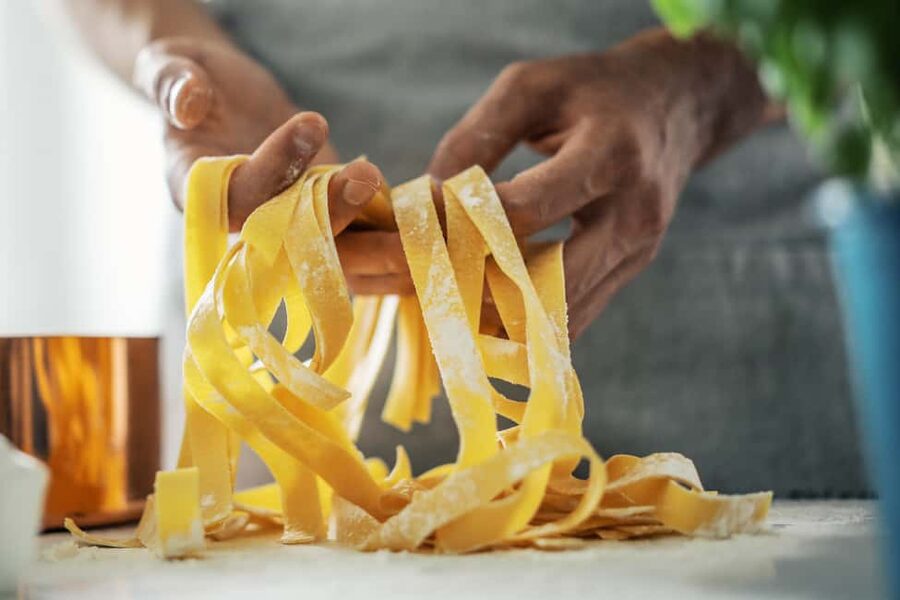
At $93 per person, this is not the cheapest pasta meal in Milan. You can certainly eat a bowl of pasta for less. The better comparison is the total package: three hours of instruction, ingredients, kitchen equipment, a three-course meal, wine, recipes, and the chance to meet other people.
I consider the price fair if you value participation. You are paying for a meal plus a skill you can use again. You are also avoiding the extra costs that often appear with cooking classes, since equipment, cooking ingredients, and tips are included.
The value is weaker if you mainly want to eat. Someone who dislikes group activities, prefers a quiet restaurant, or has no interest in making pasta at home may find the class expensive. You also do real work, so this is not a passive food tour.
For couples and small groups, the price buys a substantial shared activity. For solo visitors, the group meal helps justify the cost because the class creates an easy setting for conversation. For families, it can replace a standard restaurant dinner with something children and adults can do together.
Who should book this class?
I would point this class toward:
- First-time pasta makers who want patient guidance
- Couples seeking a social food activity in Milan
- Families with children who enjoy hands-on projects
- Solo visitors who like meeting people over a meal
- Vegetarians and vegans who confirm adjustments in advance
- Cooks who want recipes and storage advice to use at home
- Work groups looking for a cooperative activity
I would think twice if you have severe dietary restrictions that cannot be adjusted, dislike wine-centered meals, or need to leave exactly three hours after arrival. The published information says the class is wheelchair accessible, which helps, but it is still sensible to share any access needs when you book.
Booking and practical details
You can cancel up to 24 hours before the activity for a full refund. The reserve-now, pay-later option lets you hold a place without paying immediately, useful when your Milan plans are still shifting.
Starting times vary, so check availability for your date. The instructor language is English, and tips are included. Tell the provider about dietary restrictions in advance, even though the team will try to accommodate them.
Most important, bring the entry-phone detail with you: buzz 38-ITDP at the building entrance. A quick note in your phone can prevent an awkward arrival.
Should you book the Milan Pasta and Tiramisu Masterclass?
Book it if you want to make something, not just photograph it. The strongest parts are the hands-on pasta work, the friendly teaching from hosts such as Pietro and Vincenzo, the shared three-course meal, and the recipes you can use after Italy.
At $93, it earns its price through the length and the complete meal rather than through luxury. Leave room in your schedule, ask about dietary needs, and expect a social class that may run longer than advertised. For a practical taste of Italian home cooking in central Milan, this is a very good choice.
FAQ
Where does the pasta and tiramisu class take place?
The activity takes place at Il Teatro della Pasta di Pietro Visconti in the heart of Milan, in Lombardy, Italy.
How long does the class last?
The stated duration is three hours. One session lasted about four hours, so allow extra time for the meal and conversation.
What language is the class taught in?
The instructor language is English.
What will I cook?
You will prepare fresh pasta and tiramisu. Pasta examples include tortelli, cavatelli, ravioli, spaghetti, and fettuccine, though the exact selection may vary.
Is a meal included?
Yes. The activity includes a three-course lunch or dinner made from the food prepared during the class.
Is wine included?
Yes. One bottle of wine is included for every two people.
Is cooking equipment provided?
Yes. All equipment needed for the cooking class is included.
Can dietary restrictions be accommodated?
You should tell the provider about your dietary restrictions in advance. The team will try its best to accommodate them, and adjustments have been made for vegetarian and vegan participants.
Is the activity wheelchair accessible?
Yes. The activity is listed as wheelchair accessible.
What should I do when I arrive?
At the building entrance, buzz the entry phone marked 38-ITDP, even if you find the door open.
Recently reviewed around Milan
- From Milan: Venice Full-Day Guided Tour With Boat Ride★ 4.5 · 322 reviews
- Venice Day Trip from Milan with Guided City Tour★ 4.0 · 383 reviews
- Verona and Lake Garda Day Trip from Milan★ 4.5 · 214 reviews
- Full-day Skip-The-Line Milan, The Last Supper and Duomo Cathedral★ 5.0 · 293 reviews
- Small-Group Lake Como & Lugano by Swiss Train + Boat Cruise★ 5.0 · 1,084 reviews
- Tour Bernina Red Train And St Moritz from Milan★ 4.5 · 247 reviews
- Walking Food Tour of Milan with Tastings★ 4.5 · 194 reviews
- Skip the Line: Essential Milan Tour Including Da Vinci’s ‘The Last Supper’★ 4.5 · 339 reviews
Pasta, compared.

Florence Pizza or Pasta Class with Gelato Making at a Tuscan Farm
Read our review →
Pasta & Tiramisu Cooking Class with Unlimited Wine
Read our review →
Pasta & Tiramisu Class with Fine Wine by the Vatican
Read our review →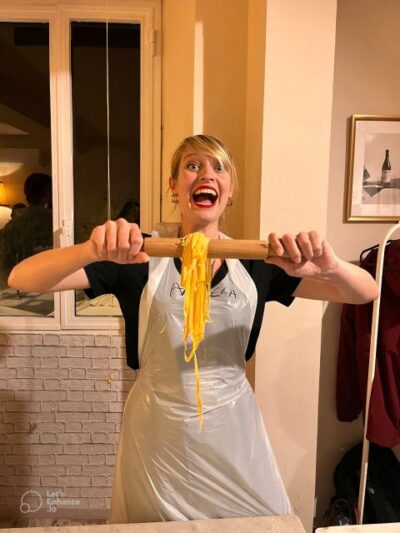
Pasta Making Class with Wine, Limoncello, and Dessert
Read our review →
Fettuccine Pasta Cooking Class in Rome’s City Center
Read our review →Browse the lists this tour appears in