Review · TICKETS
Rome: St. Paul’s Within the Walls Church Opera Arias Ticket
Rome has plenty of grand evening spectacles, but this one keeps things simple: you sit inside St. Paul’s Within the Walls Church and hear famous opera arias performed by singers and a compact orchestra. The Gothic Revival setting gives the music an appealing sense of occasion, while the 90-minute format fits neatly into a busy sightseeing day. I like the familiar program, with Puccini, Verdi, Mozart, Rossini, Bizet, and more, and I like the intimate scale of the performance.
The $29 starting price is a sensible way to try opera without committing to a full staged production. I also like that you can choose Category A, Category B, or VIP seating. The main caution is seating: Category B can put you a long way from the performance area, and the church seats may feel hard or uncomfortable during the concert.
In This Review
- Key points before you book
- What this Rome opera concert really is
- Entering St. Paul’s Within the Walls Church
- The orchestra and voices you will hear
- Act One: Verdi, Rossini, Mozart, and Puccini
- Act Two: Carmen, La Bohème, and Rigoletto
- Seating: why Category A matters
- Is $29 a fair price?
- Who will enjoy this most?
- Should you book this St. Paul’s concert?
- FAQ
- Where does the concert take place?
- How long does the performance last?
- How much does the ticket cost?
- Is this a full opera?
- Which composers are included?
- Which operas are represented?
- What kind of musicians and singers perform?
- What language is used?
- How do I use my voucher?
- Is the experience wheelchair accessible?
Key points before you book
- Famous arias in one 90-minute concert: Hear well-known selections from La Traviata, Tosca, La Bohème, Carmen, Don Giovanni, and other operas.
- A Gothic Revival church setting: St. Paul’s Within the Walls provides striking architecture and strong acoustics for voices and strings.
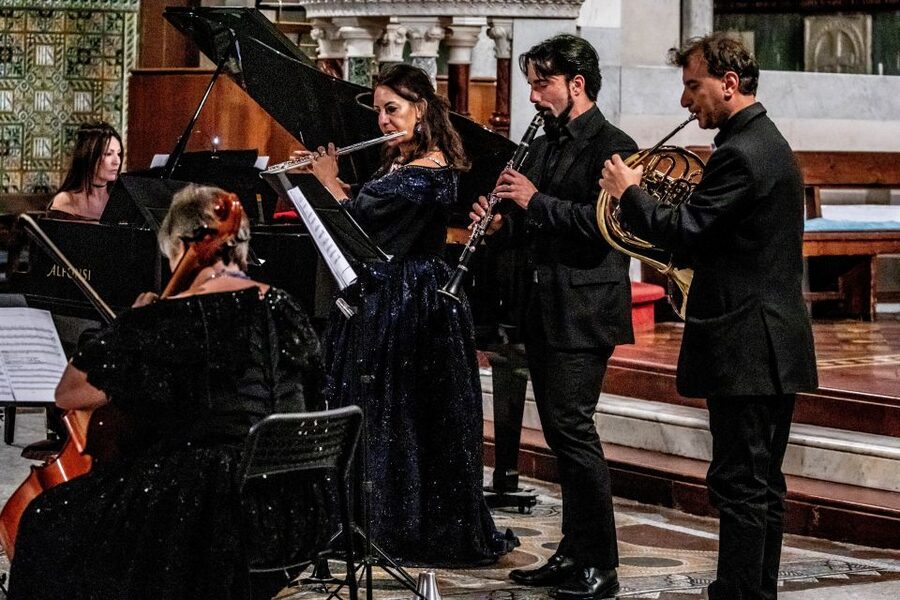
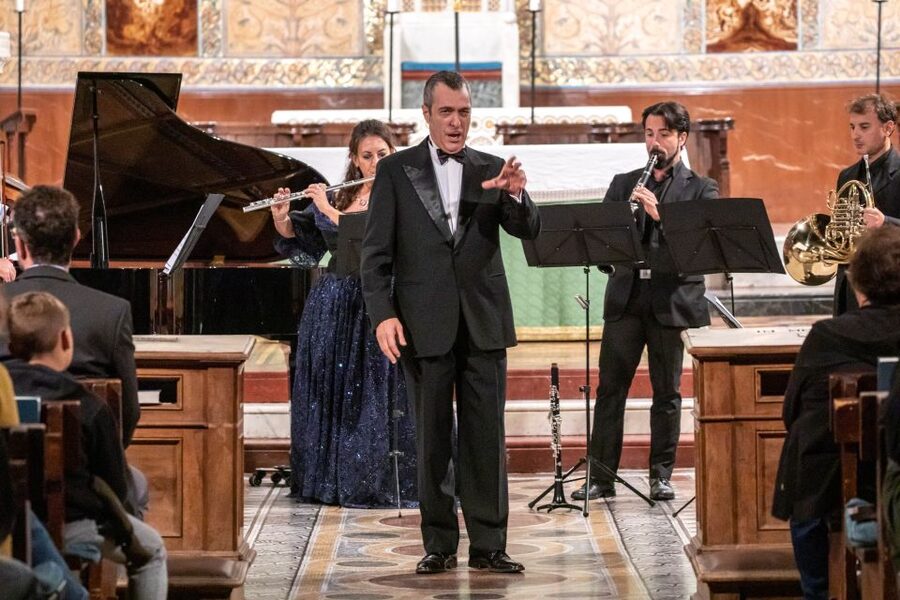
- A chamber-sized ensemble: Violin, cello, piano, flute, clarinet, and horn accompany soprano, tenor, and baritone voices.
- Category A is worth considering: Category B seats may be quite distant from the staging area, while early arrival can help you choose a better place within your section.
- This is a concert of excerpts, not a complete opera: You hear arias, duets, overtures, and instrumental pieces rather than a full story with sets and continuous staging.
- Simple evening logistics: You arrange your own transportation and exchange your voucher at the church ticket counter before the performance.
What this Rome opera concert really is
The title can sound grander than the format. This is not a full production of Tosca or La Bohème, with scenery, a large cast, and a story unfolding from beginning to end. It is a concert built around the most recognizable pieces from famous operas.
That distinction matters. You will hear individual arias, duets, overtures, and ensemble numbers. The singers may add gestures and light theatrical action, which helps communicate the mood even if you do not understand Italian, but the program remains a concert rather than a staged opera.
For many people, that is exactly the right introduction. You get the big melodies without spending several hours following an unfamiliar plot. If you already know opera, the familiar selections make this an easy, pleasant evening. If you have never heard professional opera singers in person, the format gives you a low-pressure way to find out how the human voice sounds in a live setting.
The performance lasts about 1.5 hours. The listed program is divided into two acts, with pieces from a wide range of composers. The exact running order can change, so treat the printed program as a guide rather than a guarantee.
More Rome trips worth a second look
- Vatican: Museums & Sistine Chapel Entrance Ticket
★ 4.5 · 144,003 reviews - Rome: Pantheon Fast-Track Ticket and Official Audio Guide
★ 4.3 · 21,008 reviews - Rome:Hop-On Hop-Off Panoramic Open Bus Ticket 3 Circuits x 1
★ 4.0 · 15,405 reviews
Entering St. Paul’s Within the Walls Church
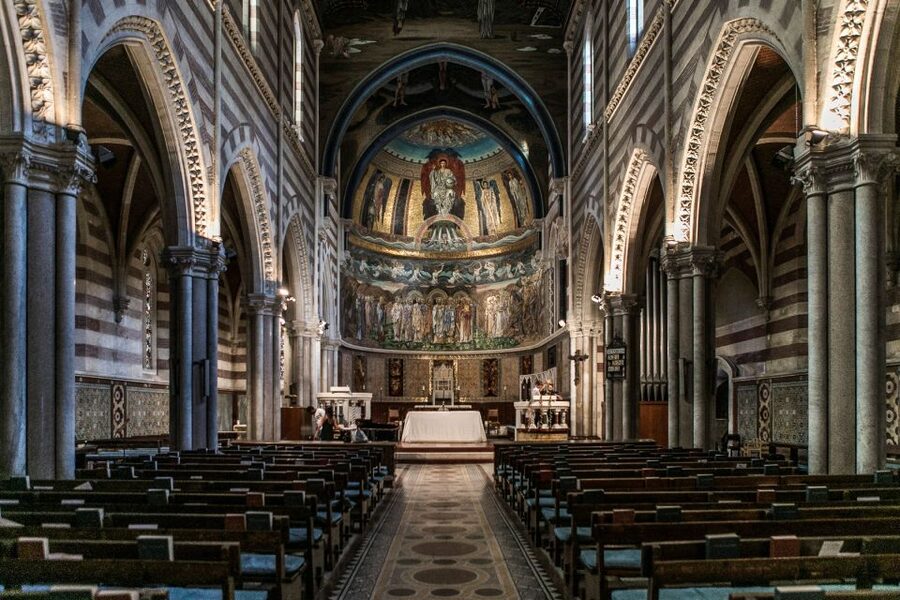
The church is part of the experience, not just a roof over the concert. St. Paul’s Within the Walls is known for its Gothic Revival design, and the interior gives the evening a sense of place that a standard concert room would lack.
You will hear the voices carry naturally through the church. That generous acoustic is one of the main pleasures of the performance, especially during sustained high notes and broad melodies. It also means the sound can feel less controlled than in a modern theater. The room adds atmosphere, but it is not designed like a contemporary auditorium.
The setting is especially useful if your Rome days have been packed with ancient ruins, museums, and crowded piazzas. Sitting quietly in a historic church for an hour and a half gives you a different look at the city. One practical warning: the building may feel warm, and some of the seating has been described as uncomfortable. Dress for the evening, but do not assume the interior will be cool.
You must exchange your voucher at the St. Paul’s Within the Walls ticket counter before the concert begins. Give yourself enough time to find the church and complete that step. VIP admission includes skip-the-line access, according to the booking information, while the standard categories do not promise the same time-saving benefit.
The orchestra and voices you will hear
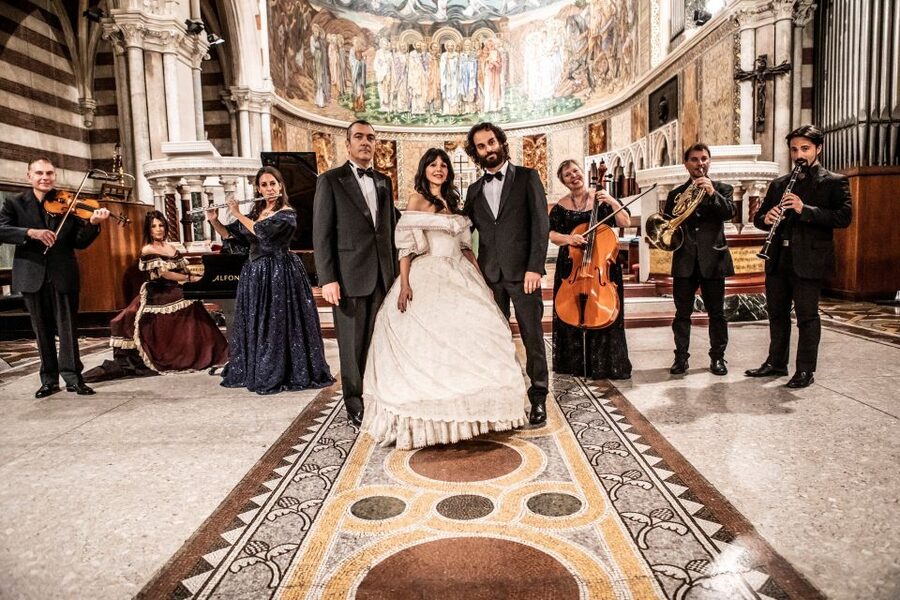
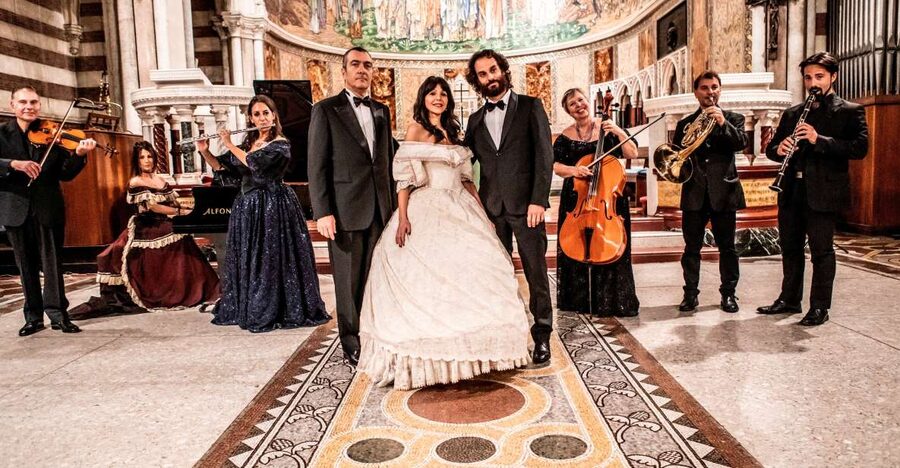
I Virtuosi dell’opera di Roma was formed by professors from prestigious Italian conservatories and specializes in the opera repertoire, particularly the Italian lyrical tradition. The ensemble used for this concert is compact: violin, cello, piano, flute, clarinet, and horn, with a violinist also serving as director.
This is not the force of a full symphony orchestra. Instead, the smaller group keeps the singers at the center. You can hear the vocal lines clearly, and the instrumental parts provide color and rhythm without taking over the room.
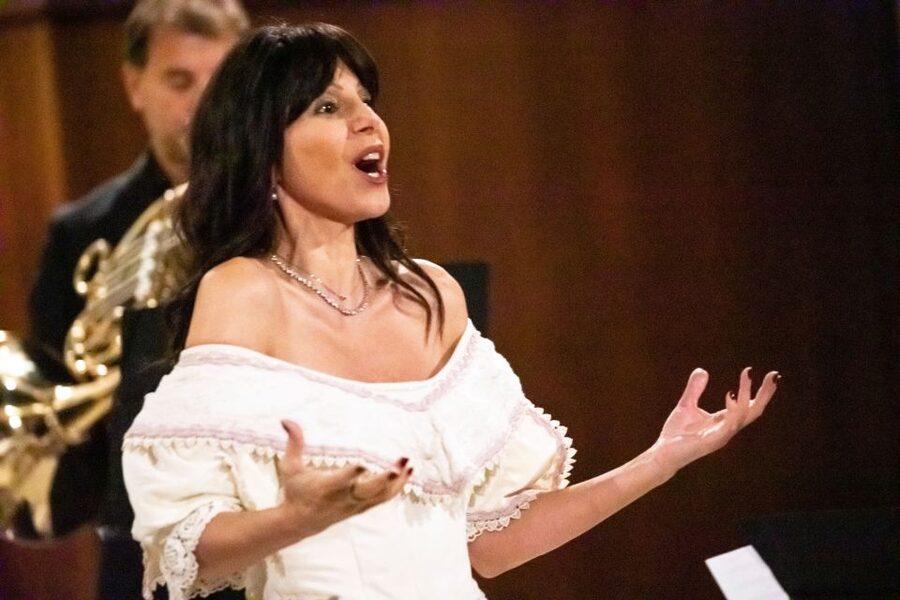
The cast includes soprano, tenor, and baritone voices. The program gives each type of singer a chance to shine. A soprano handles some of the most demanding emotional and high-register material, while tenor and baritone selections bring contrasting weight and character.
The performance style is direct and accessible. Expect famous melodies rather than a lecture about opera. Italian is the main language, and the host or greeter language is Italian. If you do not speak Italian, the songs still communicate through tone, expression, and stage movement, though you should not book this expecting extensive English explanation.
Act One: Verdi, Rossini, Mozart, and Puccini
The first act opens with the Preludio from Verdi’s La Traviata. This instrumental beginning lets the church’s acoustic settle around you before the singers appear. It is a gentle way to start, with the orchestra setting a reflective mood.
Next comes Va, pensiero from Verdi’s Nabucco. It is one of the best-known choral melodies in Italian opera, though in this concert setting the arrangement may differ from the large chorus you would hear in a complete production. Its broad, memorable line works well as an early crowd-pleaser.
Rossini then brings comic energy with Largo al factotum della città from The Barber of Seville. This is the famous baritone showpiece associated with Figaro, full of quick words and brisk character. It provides a sharp change from Verdi’s more serious music.
The program continues with Leoncavallo’s Mattinata, a short, lyrical song that gives the tenor a chance to show a warmer and more romantic side. Rossini returns with Una voce poco fa, one of the great soprano arias from The Barber of Seville. Its playful character and vocal agility make it a good contrast to the tenor number.
Mozart’s Là ci darem la mano from Don Giovanni changes the mood again. This duet is conversational and seductive, with soprano and baritone voices meeting in a more intimate style. It is a useful reminder that opera is not only about heroic solo singing.
Puccini supplies one of the evening’s emotional peaks with E lucevan le stelle from Tosca. This tenor aria is short but intense, and the church acoustic can make its long phrases feel especially immediate.
The first act also includes the Barcarolle from Offenbach’s The Tales of Hoffmann. Its flowing rhythm gives the ensemble a chance to create a softer, more floating sound. The act closes with Libiamo ne’ lieti calici, the drinking song from La Traviata. It is a familiar, festive ending, and it sends the audience toward the break with one of opera’s easiest melodies to recognize.
A different way to spend the day, same part of Italy:
- Vatican Museums & Sistine Chapel Tour with Optional Basilica
★ 4.3 · 67,413 reviews - Colosseum, Roman Forum & Palatine Guided Tour
★ 4.7 · 63,148 reviews - Vatican Museums, Sistine Chapel & St Peter’s Basilica Guided Tour
★ 4.5 · 39,149 reviews - Rome: Colosseum, Palatine Hill and Roman Forum Guided Tour
★ 4.8 · 32,814 reviews
Act Two: Carmen, La Bohème, and Rigoletto
The second act begins with the third-act entr’acte from Bizet’s Carmen. This instrumental passage gives the singers a short rest and lets the flute and strings shape the atmosphere. It is also a chance to hear the ensemble on its own.
Puccini’s Quando me’n vo from La Bohème follows. Often called Musetta’s waltz, it is flirtatious, theatrical, and lighter in spirit than the tragic pieces from the same opera. If you have seen or heard La Bohème before, this is one of its instantly recognizable moments.
Bizet’s Toreador Song brings another shift in character. The baritone number is bold and outward-looking, with a strong rhythmic pulse. It is the kind of selection that works well for a general audience because the tune is memorable even without knowing the opera’s full plot.
Verdi’s La donna è mobile from Rigoletto is the next major crowd favorite. The tenor aria is compact, catchy, and difficult to forget once you have heard it. It also shows why this concert format works: you receive the famous musical moment without needing to sit through the complete opera.
The program slows down for Mascagni’s Intermezzo from Cavalleria rusticana. This is an instrumental centerpiece, often valued for its calm, spacious melody. Inside a church, it can provide one of the most atmospheric portions of the evening.
Puccini returns with Vissi d’arte from Tosca. This soprano aria is prayerful and emotionally exposed. The combination of a powerful voice and the church’s natural reverberation can make it one of the evening’s most affecting selections.
Mozart’s Non più andrai, farfallone amoroso from The Marriage of Figaro adds humor and a firm rhythmic finish. The program ends with Rossini’s Zitti, zitti, piano, piano from The Barber of Seville, sending the concert out on a lively note.
Since the program may change, you should not treat this list as a promise that every selection will be performed exactly as printed. Still, the overall design is clear: famous Italian opera highlights, a few Mozart and French touches, instrumental interludes, and a mix of comic, romantic, dramatic, and celebratory pieces.
Seating: why Category A matters
You choose a seating category rather than a specific numbered seat. That makes arriving early useful, especially if you have a preference for being near the front or want to sit with your companion in a better position within the section.
Category A is the safer pick if seeing the singers closely matters to you. Category B may offer a lower price, but it can place you very far from the staging area. From a distance, you will still hear the music, but facial expressions and small gestures become harder to catch.
VIP seating costs more, but it is the option to consider if you want a better position and skip-the-line access. The available information does not specify the exact VIP location or every added benefit, so check the current booking details before paying the premium.
My practical approach would be simple: choose Category A if the difference fits your budget, arrive early, and exchange your voucher promptly. Choose Category B only if the music matters more to you than being close to the performers.
Is $29 a fair price?
At $29 per person, this is a reasonably priced cultural evening in central Rome. You are paying for a live concert, professional singers, an instrumental ensemble, and the use of a distinctive church setting. Transportation is not included, so add the cost and time of getting to St. Paul’s Within the Walls yourself.
The value is strongest if you want a short evening activity rather than a full opera production. A complete opera can require more time, more planning, and a larger budget. This concert gives you the famous arias in a compact package.
The value is less clear if you expect a grand stage, a full orchestra, subtitles, or a continuous dramatic story. You are buying a sampler of opera’s greatest hits. That is a good deal for a first taste, but it should not be confused with a ticket to a full staged performance.
The 4.6 rating from 312 bookings reflects broad satisfaction, but the individual experience will depend partly on seating and expectations. The strongest praise centers on the singers, musicians, church, and acoustics. The most useful cautions concern distant Category B seats, warm conditions, and uncomfortable chairs.
Who will enjoy this most?
I would recommend this concert to first-time opera listeners, couples looking for an evening activity, and anyone who wants familiar Italian music without spending a whole night at the opera house.
It also suits families with older children who can sit quietly for 90 minutes, though the supplied information does not specify a minimum age. Music lovers will appreciate the range of composers, while casual listeners will recognize several melodies from the start.
This is a particularly good choice after a day of walking. The concert gives you a chance to sit down, listen, and enjoy Rome at a slower pace. It is also a thoughtful option for a birthday or anniversary, especially when one person in your group already loves classical music.
I would be more cautious about booking it if your main goal is opera drama. You will not get a complete plot, elaborate scenery, or a large chorus. You will get selected musical moments, performed in an intimate church setting.
The activity is wheelchair accessible. Pets are not allowed. Cancellation is free up to 24 hours before the concert for a full refund, and you can reserve now and pay later, which helps if your Rome schedule is still shifting.
Should you book this St. Paul’s concert?
Book it if you want famous opera arias in a beautiful Roman setting, especially at the accessible starting price of $29. The combination of strong voices, a small professional ensemble, and natural church acoustics makes this an easy evening to fit into your itinerary.
Choose Category A or VIP if you care about seeing the performers clearly. Arrive early, exchange your voucher at the ticket counter, and remember that you are attending a concert of excerpts rather than a full opera.
If that sounds right, this is a good-value introduction to Italian opera. If you want the complete theatrical experience, spend your money on a full production instead.
FAQ
Where does the concert take place?
The performance takes place at St. Paul’s Within the Walls Church in Rome, in the Lazio region of Italy.
How long does the performance last?
The concert lasts approximately 1.5 hours.
How much does the ticket cost?
The listed price is $29 per person. Category A, Category B, and VIP seating options are available, though the final price may vary by category.
Is this a full opera?
No. This is a concert featuring famous arias, duets, overtures, and instrumental pieces from several operas. It is not a complete staged production with one continuous story.
Which composers are included?
The program includes music by Verdi, Rossini, Leoncavallo, Mozart, Puccini, Offenbach, Bizet, and Mascagni. The program may change.
Which operas are represented?
Selections come from works including La Traviata, Nabucco, The Barber of Seville, Don Giovanni, Tosca, The Tales of Hoffmann, Carmen, La Bohème, Rigoletto, Cavalleria rusticana, and The Marriage of Figaro.
What kind of musicians and singers perform?
The ensemble includes violin, cello, piano, flute, clarinet, and horn. The vocal cast includes soprano, tenor, and baritone singers.
What language is used?
The host or greeter language is Italian, and the opera selections are part of the Italian lyrical tradition. The supplied information does not list English-language commentary or translations.
How do I use my voucher?
You must exchange your voucher at the St. Paul’s Within the Walls ticket counter before the concert begins.
Is the experience wheelchair accessible?
Yes. The activity is wheelchair accessible. Pets are not allowed.
Recently reviewed around Rome
- Ancient Rome at Twilight Walking Tour★ 5.0 · 276 reviews
- Domus Aurea Guided Tour: The Golden House of Nero★ 4.5 · 199 reviews
- Early Vatican Museums & Sistine Chapel Small Group Tour★ 4.5 · 314 reviews
- Early Vatican Museums Tour: The Best of the Sistine Chapel★ 4.5 · 900 reviews
- Jewish Ghetto & Piazza Navona: Food, Wine & Sightseeing Rome Tour★ 5.0 · 460 reviews
- 3 Days in Sorrento, Capri & Pompeii: la Dolce Vita★ 4.0 · 595 reviews
- Tivoli Villas Full Day Trip From Rome with Lunch★ 4.0 · 443 reviews
- Cook With Us in Rome: A Hands-On Cooking Experience 09:20AM class★ 5.0 · 234 reviews
Tickets, compared.

Vatican: Museums & Sistine Chapel Entrance Ticket
Read our review →
Cathedral and Duomo’s Terraces Entrance Ticket
Read our review →
Skip-The-Line Uffizi Gallery Timed Entry Ticket
Read our review →
Naples Underground Entry Ticket and Guided Tour
Read our review →
Pantheon Fast-Track Ticket and Official Audio Guide
Read our review →
Entry Ticket and Guided Tour with an Archaeologist
Read our review →