
Review · CITY TOURS
Rome: Vatican City Highlights Tour with Skip-the-Line Entry
The best thing about this tour is the efficient route through three huge sights that can easily swallow an entire day. You move from the Vatican Museums to the Sistine Chapel and then into St. Peter’s Basilica, with an English-speaking guide explaining what deserves your attention. I especially like the small group of up to 10 and the direct passage from the Sistine Chapel to the basilica, which can save a frustrating wait outside. The skip-the-line entry is the other big plus.
The tradeoff is pace. The first part moves quickly, and the Vatican can be crowded enough to make quiet art study difficult. You’ll also need to arrive early, dress properly, and accept that unexpected religious closures can change the final stop.
In This Review
- Key points at a glance
- Why this three-hour Vatican route works
- Inside the Vatican Museums: statues, maps, and grand rooms
- The Sistine Chapel and Michelangelo’s four years of work
- St. Peter’s Basilica: mosaics, gold, and monumental scale
- Skip-the-line entry is worth the cost here
- Crowds, clothing, bags, and walking
- How the guides shape the experience
- Who should book this Vatican tour
- Final call: buy time, not just a ticket
- FAQ
- How long does the Vatican tour last?
- What does the tour include?
- Where does the tour begin?
- What happens if I arrive late?
- Is the dome climb at St. Peter’s Basilica included?
- What should I wear?
- Can wheelchair users join the tour?
Key points at a glance
- Three major sights in about three hours: Cover the Vatican Museums, Sistine Chapel, and St. Peter’s Basilica in one carefully timed visit.
- A small English-speaking group: With a limit of 10 people, it should be easier to hear the guide and stay together.
- A useful Vatican shortcut: The group route from the Sistine Chapel to St. Peter’s Basilica can avoid the larger public entrance crowd.
- Art with useful context: Expect stories about Ancient Greek sculpture, Renaissance rivalries, painting methods, and Michelangelo’s demanding work.
- A fast but focused route: You’ll see major highlights rather than every room, making this a good first Vatican visit.
- Practical limits matter: The dome climb is not included, and the tour is not suitable for wheelchair users or people with mobility difficulties.
Why this three-hour Vatican route works
The Vatican is not one simple attraction. It is a vast museum complex, a famous chapel, and one of the world’s most important churches, all packed into a single visit. Without a plan, you can spend precious time finding the entrance, following the wrong corridor, or trying to decide which statue deserves your attention.
This tour gives you a fixed route and a guide who keeps the visit moving. That matters most during busy periods, when crowds can turn the Vatican into a slow-moving human river. You will not wander freely through every gallery, but you will reach the major rooms and hear why they matter.
The tour lasts about 2.5 to 3 hours. The stated schedule gives roughly 2 hours and 10 minutes in the Vatican Museums, 20 minutes in the Sistine Chapel, and 30 minutes in St. Peter’s Basilica. Those times are approximate, but they show the focus: most of the visit is devoted to the museum collections, with shorter stops for the chapel and basilica.
The experience begins at the What A Life Tours office at Via Santamaura 14B. Arrive 15 minutes before your booked time. Do not cut this close. Vatican tickets are tied to a strict entry time, and late arrivals are not refunded. Rome’s streets around the Vatican can be confusing, so allow extra time to find the office.
More City Tours in Rome
- Rome: City Sightseeing Hop-on Hop-off Bus with Audioguide
★ 4.0 · 16,045 reviews - City Sightseeing Rome Hop-On Hop-Off Bus Tour
★ 3.5 · 5,446 reviews - Rome: Fettuccine Pasta Cooking Class in Rome’s City Center
★ 4.8 · 2,414 reviews
Inside the Vatican Museums: statues, maps, and grand rooms
The Vatican Museums contain far more art than any short tour can cover. Your guide therefore points out selected works and rooms, helping you understand how the collection fits together instead of simply marching past a long list of famous names.
One early highlight is the Pinecone Courtyard, known for its large bronze pinecone. It is a memorable first glimpse of the Vatican’s taste for scale and spectacle. From there, the route brings you toward major ancient sculpture, including Laocoön and His Sons, a dramatic work from the ancient Greek and Roman world.
Laocoön is especially useful as a teaching stop. Your guide can explain how artists showed strain, movement, pain, and emotion through the body. This is the kind of detail that changes the way you look at a sculpture. Instead of seeing only a famous marble group, you begin to notice the twisting forms and the way the figures are linked.
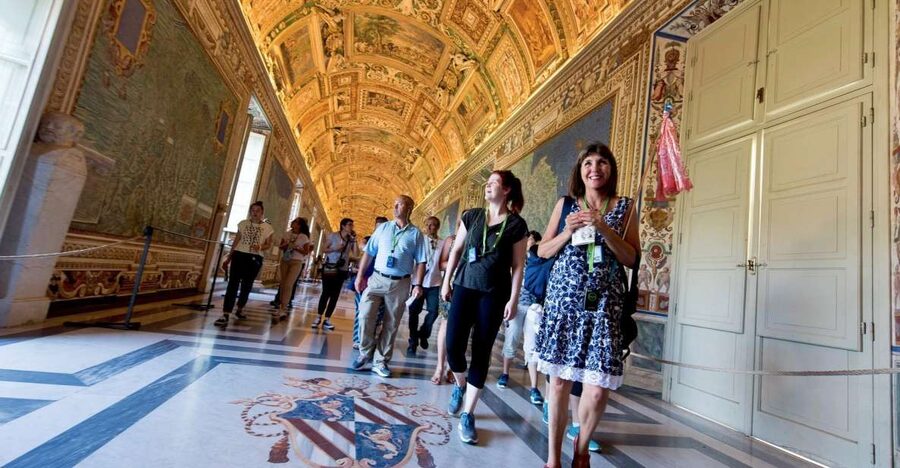
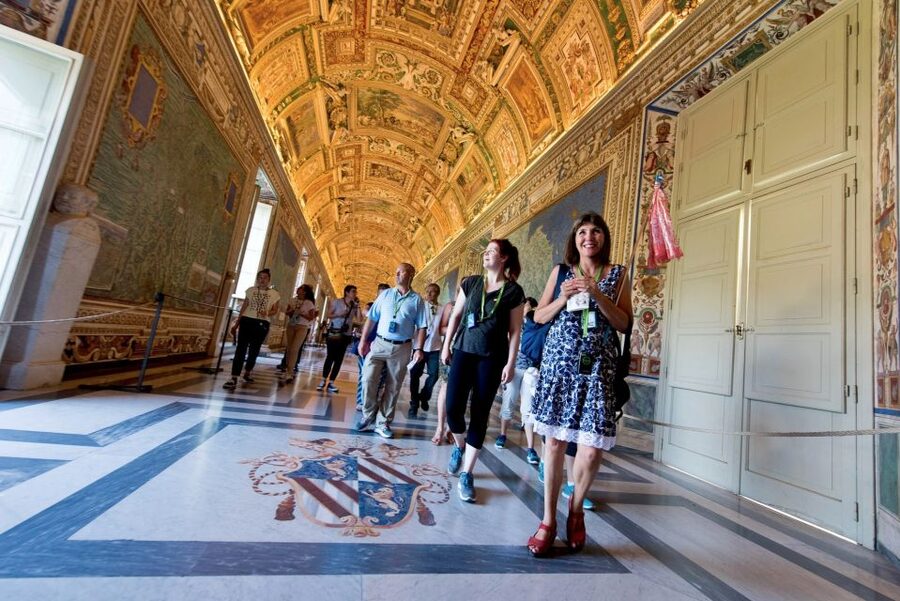
The Gallery of Maps is another important stop. Its long series of painted maps combines geography with decoration, and its ceiling adds another layer of visual drama. You may be tempted to hurry through, since the corridor can be crowded, but take a moment to look upward and along the walls.
The museum route also brings you through rooms filled with mosaics, painted ceilings, statues, and Renaissance works. A strong guide helps you sort the visual noise. Guides named Daniela, Eugene, Tatiana, Emma, Manuela, Adriano, Mario, and others have been singled out for clear explanations, humor, strong organization, and the ability to keep a group together.
The quality of your guide matters here more than at many ordinary sightseeing stops. The Vatican is full of names, dates, religious images, and artistic references. A guide who explains technique and rivalry gives you a way to connect the pieces. The best moments are not simply facts about who painted what. They are explanations of why one artist made a certain choice and how artistic competition shaped Renaissance Rome.
Some groups have also been taken into areas with limited public access, although you should not book the tour expecting a guaranteed private room or special detour. The route can change because of crowd control, museum rules, or religious activity.
The Sistine Chapel and Michelangelo’s four years of work
The Sistine Chapel is the emotional center of the visit, but it is also one of the most controlled parts. Once inside, you must follow the chapel rules, including no talking and no photography. Keep your knees and shoulders covered.
Your guide will explain the ceiling before you enter or during the approach, since the chapel itself requires silence. This preparation is useful. Michelangelo’s ceiling can look like a single overwhelming picture at first, but the guide can direct your eye to the major scenes, figures, and relationships.
The four years of difficult work behind the ceiling add human scale to the famous images. Rather than treating it as a perfect object that appeared by magic, the explanation gives you a sense of the physical effort and planning involved. You’ll also learn about artistic methods and the rivalries that shaped the period.
Expect a short stop of about 20 minutes. That is enough to look carefully if you stay focused, but it is not enough for a long private study session. The chapel is often crowded and the atmosphere can feel more like a carefully managed passage than a peaceful gallery.
This is one reason the guide-led format helps. You receive the context before entering, then use your own time inside to look. If you want extended silence and slow observation, consider returning independently on another day, if your wider Rome schedule allows. This tour is built for first-time highlights, not lengthy contemplation.
St. Peter’s Basilica: mosaics, gold, and monumental scale
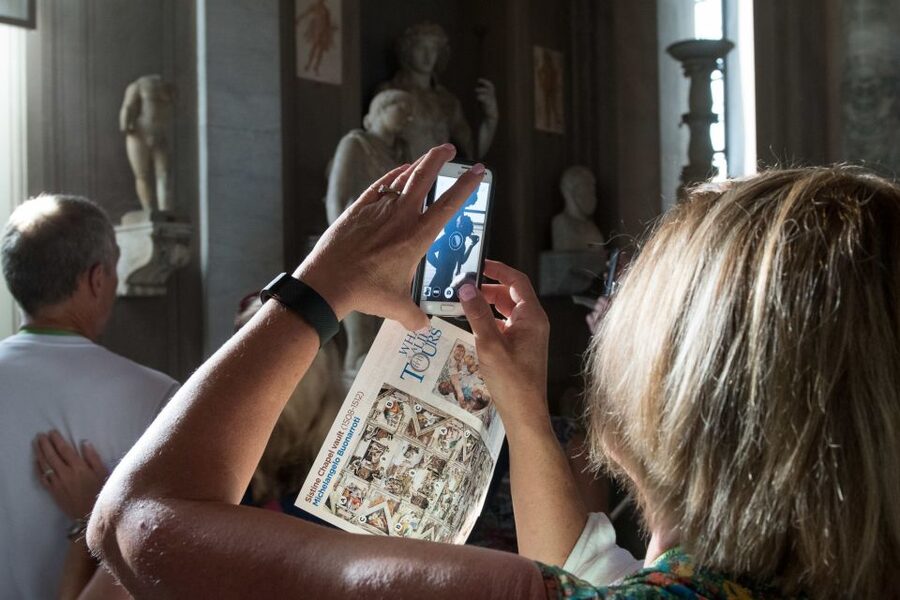
The tour concludes inside St. Peter’s Basilica, usually after using the group passage from the Sistine Chapel. That route is one of the most practical parts of the experience. The public entrance can attract a large crowd, while the tour route may carry you directly onward, subject to access rules and closures.
Inside, the scale changes again. The basilica is famous for its mosaics, golden ceilings, enormous statues, and broad interior spaces. Your guide helps you read the building as more than a giant church. Look at how the decoration works from a distance, then notice the small details in the mosaics and sculpture.
The basilica stop lasts about 30 minutes. That gives you a solid introduction, though not enough time to see every chapel or linger at every monument. The dome is visible, but the dome climb is not included. If climbing to the top is a priority, you will need to arrange that separately and allow extra time.
St. Peter’s Basilica is an active parish, not just a museum. A religious ceremony or papal event can lead to an unexpected closure, including during the 2025 Jubilee year. In that situation, the tour runs an extended museum and Sistine Chapel route, including areas not normally used on the regular itinerary. There is no refund for an unexpected basilica closure, so keep your expectations flexible.
More Rome trips worth a second look
- Vatican Museums & Sistine Chapel Skip-the-Line Entry Ticket
★ 4.4 · 13,838 reviews - Skip-the-Line Group Tour of the Vatican, Sistine Chapel & St. Peter’s Basilica
★ 4.5 · 12,779 reviews - Rome: Vatican Museums & Sistine Chapel Skip-The-Line Ticket
★ 4.2 · 11,708 reviews - Vatican, Sistine Chapel & St. Peter’s Skip-the-Line Tour
★ 4.5 · 7,770 reviews
Skip-the-line entry is worth the cost here

At $146.14 per person, this is not a budget Vatican visit. The price includes museum and Sistine Chapel entry, basilica entry, reservation fees, an English-speaking professional guide, and headsets. You also get skip-the-line access through a separate entrance.
The value depends on your priorities. If you are comfortable planning the Vatican yourself, reading in advance, and handling ticket times, a self-guided visit may cost less. You would also have more freedom to stop, backtrack, or stay in one gallery.
For many people, the tour fee earns its keep through time saved and confusion avoided. The Vatican’s main entrance queues can be long, and security still applies even with skip-the-line tickets. During high season, airport-style security may take up to 30 minutes. Skip the line does not mean walk straight in without checks.
The guide is the other part of the price. You are paying for a route through a huge collection and for explanations that point out technique, symbolism, and artistic competition. The small group helps make that service more personal than a large coach-style tour.
Free Wi-Fi is available at the meeting point, and you can reserve now while paying later. Cancellation is free up to 24 hours before the tour. Those policies are useful if your Rome plans are still shifting, but they do not protect you from missing the start time.
Crowds, clothing, bags, and walking
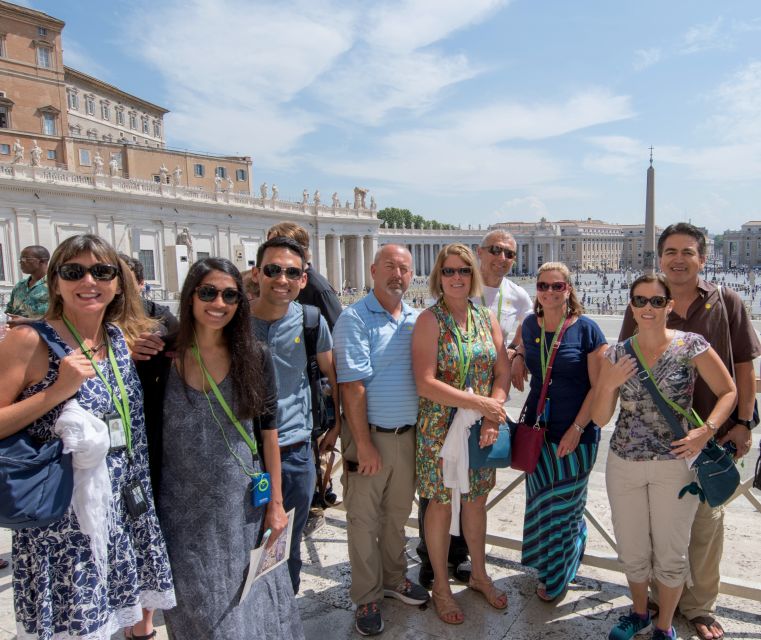
You need to dress for both the Sistine Chapel and St. Peter’s Basilica. Knees and shoulders must be covered. This applies to everyone, so pack a light layer if you are visiting Rome in warm weather.
Wear comfortable shoes. The opening stretch is fast-paced and not suitable for people with walking difficulties. The tour is not suitable for wheelchair users, people using walking frames, or those requiring non-folding or electric wheelchairs.
Bag rules can catch you off guard. Bags larger than 40 by 35 by 15 centimeters and tripods must go to the cloakroom. The cloakroom is about a 20-minute walk from where the tour ends, which can create an awkward detour after an already full visit. Travel light.
Large umbrellas are not allowed, and powerbanks cannot enter the museums. Leave the powerbank at your accommodation rather than discovering this at security. You must also bring a passport or identity card, though a copy is accepted.
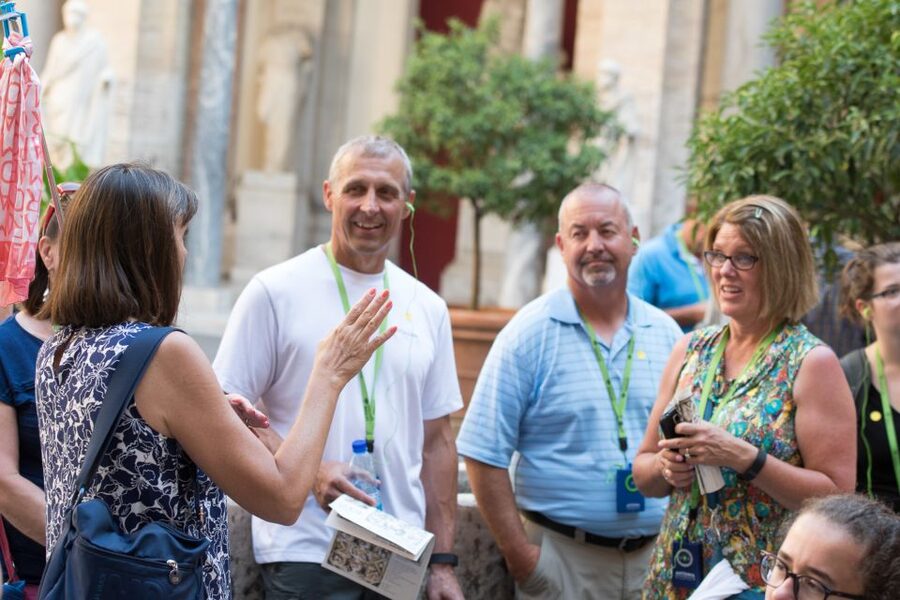
The headsets are useful in crowded rooms. You can keep your eyes on the art while hearing the guide without standing shoulder to shoulder. Still, keep close. The guide must move through timed entrances and packed corridors, and losing the group can cost you time.
How the guides shape the experience
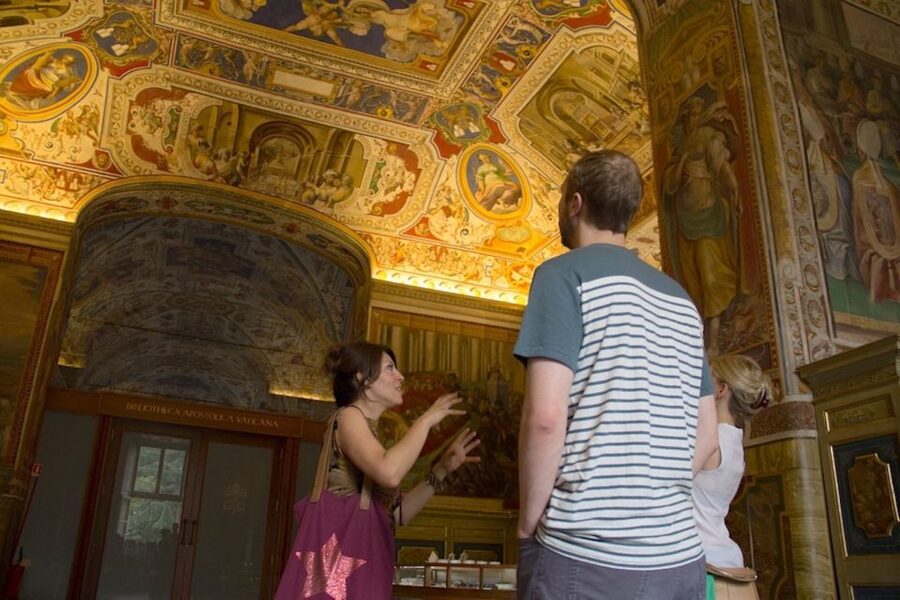
This tour’s strongest feature is the human element. Guides such as Eugene, Daniela, Tatiana, Emma, Esmeralda, Alex, Manuela, Adriano, Miguel, Mario, John, Elaine, and Marcello have been praised for clear English, humor, warmth, and strong command of the subject.
That range of names also tells you something practical: your exact experience depends on who leads your group. The supplied feedback repeatedly highlights guides who explain difficult material clearly, answer questions, watch the group, and use humor without turning the visit into a comedy routine.
Several guides are described as calm and smooth in heavy crowds. That skill matters. A Vatican guide is not simply an art lecturer. The guide also needs to find the correct corridor, keep ten people together, position the group where it can hear, and adjust when the crowd surges.
You should still expect a structured tour rather than a private lesson. The guide chooses the stops and controls the pace. If you already have deep Vatican knowledge or want to spend an hour with one painting, this format may feel restrictive. For a first visit, the structure is usually an advantage.
Who should book this Vatican tour
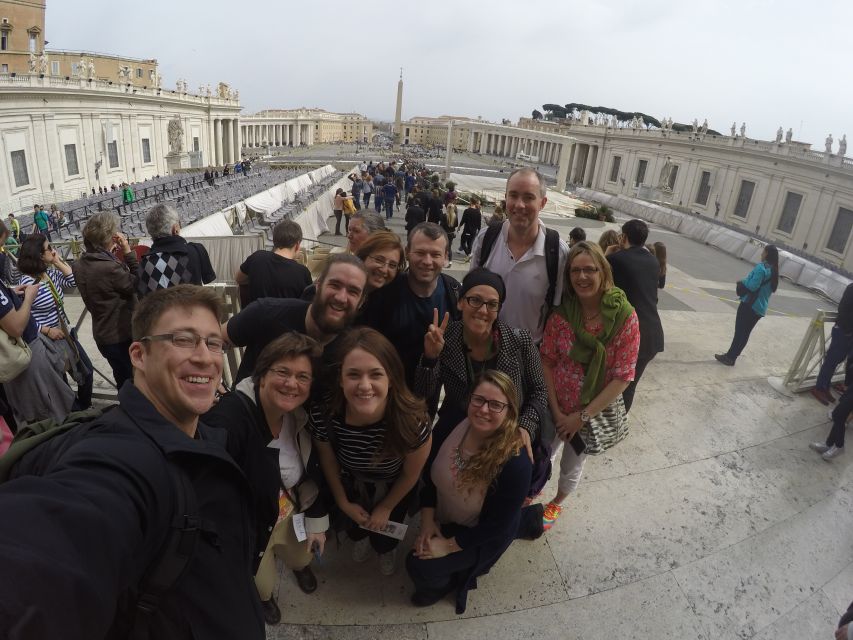
I would recommend this tour most strongly to a first-time Vatican visitor who wants the essential sights in one morning or afternoon. It suits you if you value a clear route, an English explanation, and the time saved by reserved entry.
It also works well for people who find museums intimidating. The Vatican can be exhausting when every room seems important. A guide helps you separate the must-see works from the pieces you can pass without guilt.
Families and mixed-age groups may also appreciate the short format and headsets, though the fast pace can be hard for young children or anyone who needs frequent breaks. Anyone with mobility limits should choose a different arrangement.
Art lovers should book only if they are comfortable with a highlights tour. You will see major works and hear useful context, but the schedule does not allow a slow, scholarly examination of the entire collection.
Final call: buy time, not just a ticket
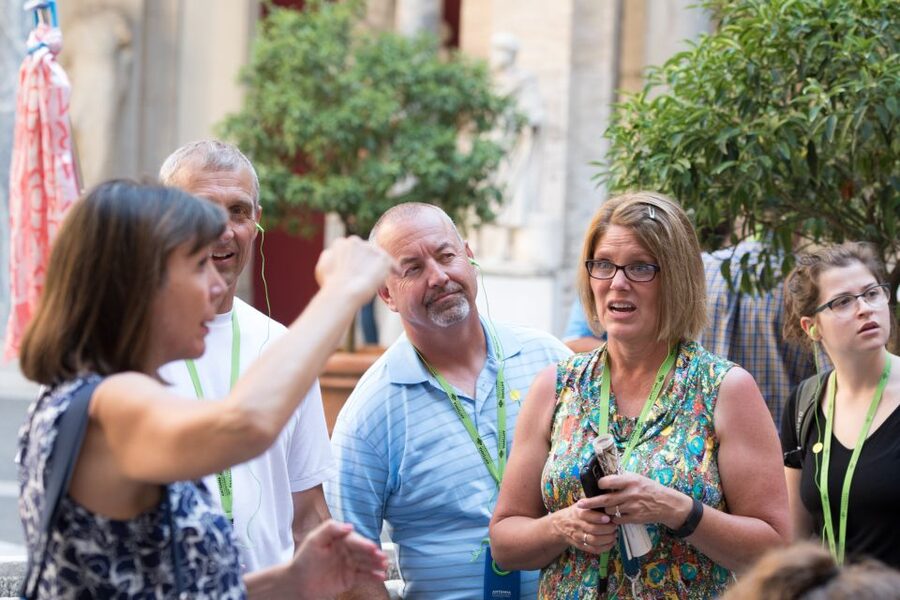
Book this tour if you want the Vatican’s main sights explained in plain English and prefer not to spend your day fighting queues and finding your way through enormous galleries. The small group, skip-the-line entry, and direct chapel-to-basilica route make the $146.14 price easier to justify.
Skip it if you want complete independence, a very slow pace, the dome climb, or a lower-cost visit. Also skip it if walking quickly for several hours will be difficult.
For most first-time visitors, this is a practical way to see the Vatican’s major art and architecture without losing the day to logistics. Arrive early, dress correctly, carry a small bag, and expect crowds. Do that, and the tour gives you a focused introduction rather than an exhausting maze.
FAQ
How long does the Vatican tour last?
The tour lasts about 2.5 to 3 hours. The scheduled portions include about 2 hours and 10 minutes in the Vatican Museums, 20 minutes in the Sistine Chapel, and 30 minutes in St. Peter’s Basilica.
What does the tour include?
It includes skip-the-line entrance to the Vatican Museums and Sistine Chapel, skip-the-line entrance to St. Peter’s Basilica, reservation and entrance fees, an English-speaking professional guide, headsets, and free Wi-Fi at the meeting point.
Where does the tour begin?
The tour begins at the What A Life Tours office at Via Santamaura 14B. You should arrive 15 minutes before the reserved start time.
What happens if I arrive late?
Late arrivals cannot be accommodated because the Vatican Museums entrance ticket is strictly timed. Missed tours and tickets are non-refundable.
Is the dome climb at St. Peter’s Basilica included?
No. Access to the dome is not included in this tour.
What should I wear?
Your knees and shoulders must be covered in both the Sistine Chapel and St. Peter’s Basilica. Comfortable shoes are also important because the first part of the tour is fast-paced.
Can wheelchair users join the tour?
No. The tour is not suitable for wheelchair users, people using walking frames, or people with mobility difficulties.
Recently reviewed around Rome
- Ancient Rome at Twilight Walking Tour★ 5.0 · 276 reviews
- Domus Aurea Guided Tour: The Golden House of Nero★ 4.5 · 199 reviews
- Early Vatican Museums & Sistine Chapel Small Group Tour★ 4.5 · 314 reviews
- Early Vatican Museums Tour: The Best of the Sistine Chapel★ 4.5 · 900 reviews
- 3 Days in Sorrento, Capri & Pompeii: la Dolce Vita★ 4.0 · 595 reviews
- Tivoli Villas Full Day Trip From Rome with Lunch★ 4.0 · 443 reviews
- Jewish Ghetto & Piazza Navona: Food, Wine & Sightseeing Rome Tour★ 5.0 · 460 reviews
- Cook With Us in Rome: A Hands-On Cooking Experience 09:20AM class★ 5.0 · 234 reviews
City Tours, compared.
City Sightseeing Hop-On Hop-Off Bus with Audio Guide
Read our review →
City Sightseeing Rome Hop-On Hop-Off Bus Tour
Read our review →

Fettuccine Pasta Cooking Class in Rome’s City Center
Read our review →
Vatican Museums & Sistine Chapel Entry Ticket
Read our review →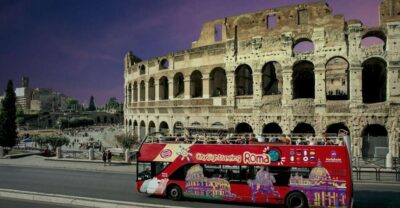

City Sightseeing Florence Hop-On Hop-Off Bus Tour
Read our review →
Browse the lists this tour appears in