
Review · 2-HOUR EXPERIENCES
Alberobello: 2-Hour Guided Trulli Tour
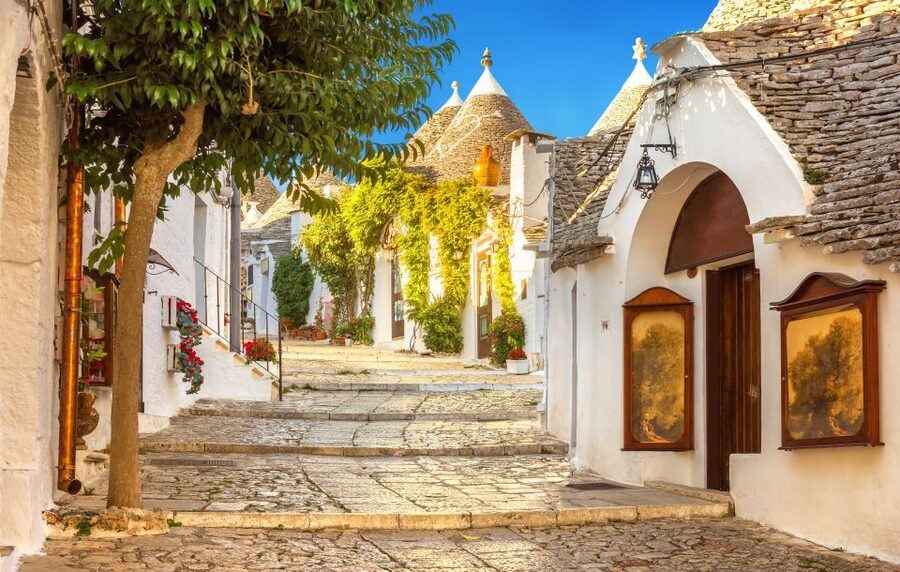
Alberobello is one of those places that can feel almost too pretty to be real: round stone houses, whitewashed walls, and cone-shaped roofs marked with curious symbols. This two-hour walking tour helps you see past the postcard view and understand how the trulli were built, used, and folded into everyday life.
I like the way the route mixes major sights with the quieter Rione Aia Piccola district. I also like the local touch: guides such as Milena and Guido explain the town through personal stories, old illustrations, family connections, and practical tips on food and shops. The main drawback is the walking itself. Alberobello has slopes, steps, and uneven streets, and the tour is not suitable for wheelchair users or people with mobility impairments.
In This Review
- Key points to know before booking
- Why a guide helps in Alberobello
- Starting at Trullo Sovrano
- Saints Cosmas and Damian Basilica
- Santa Lucia terrace and the best photo stop
- Rione Aia Piccola, the quieter side of Alberobello
- Inside a traditional trullo home
- Finishing near Rione Monti
- Pace, group size, and family suitability
- What $47 gets you
- Who should book this walking tour
- FAQ
- How long is the Alberobello trulli tour?
- How much does the tour cost?
- What languages are available?
- Where does the tour meet?
- Is admission to Trullo Sovrano included?
- What places are included on the walking route?
- Does the tour include a traditional trullo interior?
- Can I join with luggage or a large bag?
- Is the tour suitable for wheelchair users?
- Should you book the Alberobello trulli tour?
Key points to know before booking
- See Alberobello’s main sights in two hours: The route covers Trullo Sovrano, Saints Cosmas and Damian Basilica, Santa Lucia’s terrace, Aia Piccola, and the edge of Rione Monti.
- Hear local stories, not just facts: Milena, Guido, Eustachio, and other guides have been praised for lively explanations, humor, family stories, and strong knowledge of trulli architecture.
- Step inside a traditional trullo: This gives you a better sense of how these unusual homes functioned than photos alone.
- Expect hills and stairs: Comfortable shoes are essential, and the route is not designed for wheelchairs or people with limited mobility.
- Plan for an optional extra cost: Entry to Trullo Sovrano is not included in the $47 price.
- Confirm the meeting point: One day before the tour, check whether your guide will meet you in Piazza Sacramento or on Via Indipendenza near Terra Mossa restaurant.
Why a guide helps in Alberobello

You can walk Alberobello’s trulli districts on your own, but it is easy to see only the white walls and cone roofs, snap a few photos, and move on. A good guide gives those shapes meaning.
The trullo form is practical as well as charming. Dry-stone construction, thick walls, and conical roofs helped create homes suited to the local climate and materials. The tour explains the building methods and the symbols painted on many roofs, along with the stories and theories tied to the town.
That context matters here. Alberobello’s charm is visual, but its real interest comes from the people who lived in these small homes and from the way the town changed as tourism grew. Guides with a personal connection to Alberobello can explain how trulli shifted from family homes to shops, holiday rentals, museums, and working residences.
Milena has been described as someone with family ties to Alberobello and a connection to life in a trullo. Guido is praised for his clear explanations, humor, photo tips, and ability to keep children involved. Other guides, including Eustachio, Maria, Fabio, Ingo, and Ksenia, have also led the walk in different periods.
The exact guide is not guaranteed, but the pattern is clear: this is built around a live local guide rather than a recorded audio route. That is especially useful if you want to ask why a building looks a certain way, how a room was used, or where to eat after the walk.
More Puglia trips worth a second look
- Lucca: 2-Hour City Center Walking Tour
★ 4.7 · 1,314 reviews - Milan Duomo and Rooftop 2-Hour Guided Tour
★ 4.6 · 1,076 reviews - Florence: 2-Hour Guided Sightseeing Bike Tour
★ 4.5 · 1,004 reviews
Starting at Trullo Sovrano
The meeting point is in front of Trullo Sovrano, near Piazza Sacramento. The operator asks you to confirm the exact location the day before, since the meeting may sometimes be on Via Indipendenza near Terra Mossa restaurant instead.
Trullo Sovrano is a strong place to begin. It is one of Alberobello’s best-known examples of traditional trullo architecture and gives the guide a clear setting for explaining the town’s unusual construction. You can expect an introduction to the form of the buildings, their local importance, and the stories connected with Alberobello.
Admission to Trullo Sovrano itself is optional and not included in the $47 tour price. That distinction matters when you compare this walk with other Alberobello tours. Your booking pays for the guide and the two-hour route, but you may need to pay separately if you want to enter the site as a museum or attraction.
The stop also gives you a useful orientation. Alberobello is easy to wander, but its districts do not all feel the same. Starting here helps you understand where the main trulli areas are before the walk moves toward the church, viewpoints, and residential streets.
Saints Cosmas and Damian Basilica
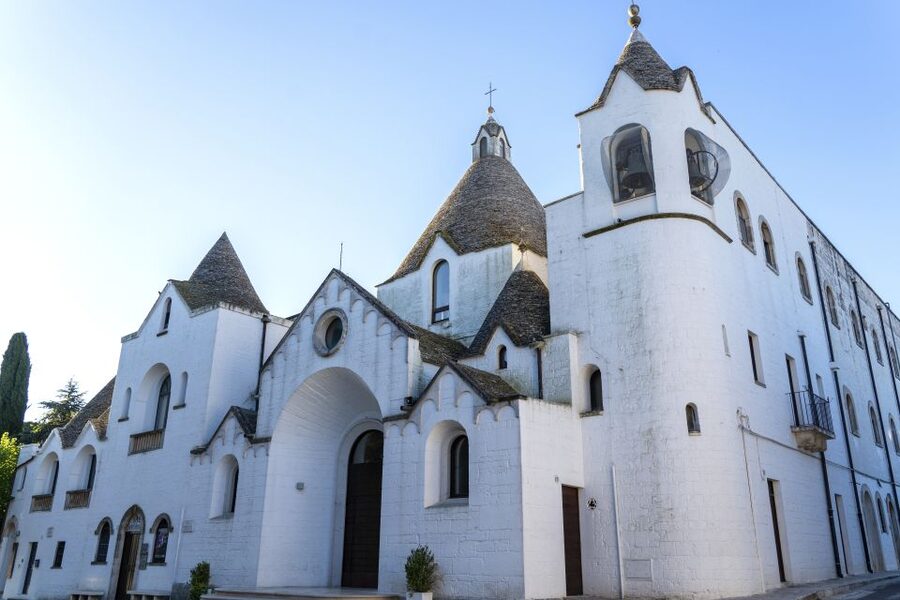
The next stop is the Basilica of Saints Cosmas and Damian, Alberobello’s main spiritual landmark. Its presence adds another layer to the town. The trulli are the visual signature, but the basilica places Alberobello within the religious life and traditions of the area.
Your guide explains the church’s architecture, its long connection with the town, and the legends surrounding Saints Cosmas and Damian. This is not simply a quick photograph from outside. The stop is designed to connect the town’s built environment with its beliefs and local customs.
The church also provides a change of pace. Much of the tour focuses on small stone homes and narrow streets, so the basilica offers a larger architectural reference point. If you enjoy learning how a place works as a community, rather than treating it as a collection of pretty buildings, this part of the route is worthwhile.
The exact order of the stops can change because of weather or local operating needs. The number and quality of the visits are intended to remain the same, but you should not expect the route to run like a rigid timetable.
Santa Lucia terrace and the best photo stop
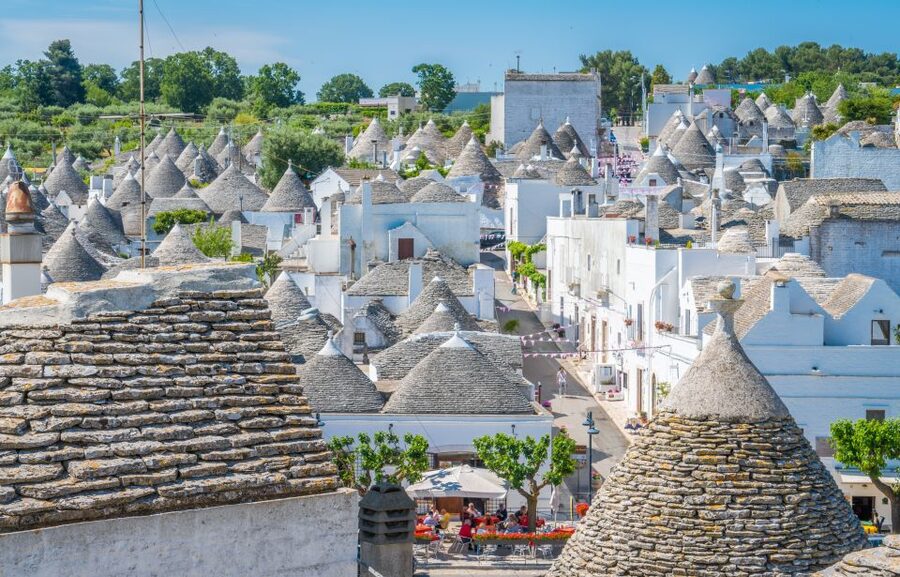
From the Terrace of Santa Lucia, you get the classic view over Alberobello’s stone domes. This is the moment when the town’s unusual design makes the most sense as a whole.
At street level, the trulli can feel crowded together. From above, you see the repeated cones, white walls, and tightly packed lanes in one frame. Guides often help with the best angle and give you time to take photographs, something several guides, especially Guido, have made part of the experience.
I would keep your camera ready, but do not let the photo stop become the whole point. The view is attractive because of the town’s structure, and the explanation about the districts and roofs makes the picture more memorable.
The terrace can be exposed to sun, wind, or rain. One guide has been praised for bringing umbrellas when conditions turned wet, but you should still check the forecast and dress sensibly. A hat, water, and comfortable walking shoes will make this short tour easier, especially in the warmer months.
A different way to spend the day, same part of Italy:
- Polignano a Mare: Speedboat Cruise to Caves with Aperitif
★ 4.8 · 3,382 reviews - Polignano a Mare: Cave Boat Tour with Aperitif
★ 4.7 · 1,891 reviews - Polignano a Mare: Boat Trip, Swim & Cave with Aperitif
★ 4.8 · 1,300 reviews - Bari’s Ultimate Street Food Tour – Small Group by Do Eat Better
★ 5.0 · 1,187 reviews
Rione Aia Piccola, the quieter side of Alberobello
Rione Aia Piccola is one of the most valuable parts of the route. It is described as the district that best preserves the feel of the old medieval village, and it offers a more residential view of Alberobello than the busiest shopping streets.
This is where the tour shifts from famous scenery to daily life. You see how trulli were arranged as homes and how the neighborhood differs from the more commercial parts of town. The point is not simply to collect another photo. It is to understand that these were practical dwellings, not buildings designed for visitors.
That distinction gives the tour its sense of balance. Rione Monti, which comes later, is full of shops and craft businesses. Aia Piccola gives you the counterpoint: a quieter district where the architecture can be considered without quite as much retail activity.
Some guides add personal stories, old illustrations, or examples of local traditions while walking through this area. One particularly memorable version of the experience included a visit with local residents, homemade Primitivo wine, traditional music, and a look inside a trullo. Those extras may depend on the guide and day, so treat them as possible local touches rather than guaranteed stops.
Inside a traditional trullo home
Seeing the outside of a trullo tells you why Alberobello is famous. Going inside helps you understand how people lived.
The tour includes a visit to a typical trullo dwelling. You can expect the guide to explain the layout, construction, and practical use of the rooms. The small scale is part of the lesson. These homes were not just decorative cones in a historic district. They were working spaces shaped by local materials, household needs, and the habits of the families who occupied them.
Guides have used documents, illustrations, and stories to show how the construction worked and how trulli life changed over time. That extra visual material is useful because some of the building techniques are hard to grasp from a quick look at a roof.
Do keep your expectations realistic. This is a short guided visit within a walking tour, not a long museum program or a private home visit guaranteed to include every room. The value comes from seeing a typical interior and having the guide explain what you are looking at.
Finishing near Rione Monti
The route wraps up near Rione Monti, the largest trulli district in Alberobello. This is the liveliest commercial section, with many souvenir and craft shops set inside or around the distinctive buildings.
The stop works well at the end because you can browse after the history and architecture have been explained. You are more likely to recognize what is original, what has been adapted for trade, and how tourism shapes the town.
This is also where practical advice can help. Guides have offered suggestions for restaurants, local shops, and places to eat at the end of the walk. One guide pointed a participant toward a local barbecue and steak restaurant that was described as inexpensive and well suited to the area.
Do not feel obliged to buy something simply because the route ends near shops. Alberobello’s commercial side is part of the modern town, but Rione Aia Piccola and the traditional home provide the more authentic feel. Use the final stop for a look around, then decide what is worth your money.
The official drop-off points are Piazza Sacramento and Largo Martellotta. Since this is a walking tour, you are not driven between stops. The walk ends in a useful central area for continuing your own visit.
Pace, group size, and family suitability
The tour lasts two hours, which is a sensible length for Alberobello. You get a clear introduction without committing half a day to a single compact town. Guides are available in English and Italian, and private or small-group formats are offered.
Several guides have been praised for keeping a steady pace and answering questions without rushing. That matters because a two-hour tour can easily become a race through photo stops. The better version of this experience leaves room for explanations, pictures, and short requests such as a water or restroom stop.
Families can find this tour a good fit, provided everyone can manage hills and stairs. Guido has used a scavenger hunt and small quiz prizes to keep children interested, and another group with young children found the guide accommodating. Those activities may vary by guide, but the format allows some room for a family-friendly approach.
The tour may be bilingual during the low season if fewer people book. If you want every explanation in English, ask about the language arrangement before committing, particularly in winter.
Large bags and luggage are not allowed. Video recording is also prohibited, so plan on taking still photographs instead. Comfortable shoes are the key item to bring.
What $47 gets you
At $47 per person, the price is reasonable if you want more than a self-guided stroll. You are paying for a local guide, a planned route, access to a traditional trullo dwelling, and explanations at several of the town’s most important sights.
The value is strongest for first-time visitors. You save time deciding where to go, get the panoramic viewpoint without guesswork, and learn why the buildings look the way they do. A guide can also help you use the rest of your day better by pointing out food and shopping options.
The optional admission to Trullo Sovrano is the main extra to budget for. Food and drinks are not included either. If you are comfortable reading about Alberobello beforehand and wandering at your own pace, you may prefer to spend the $47 on a meal or shopping. But if the meaning behind the architecture matters to you, the guided explanation earns its keep.
The free cancellation policy allows a full refund when you cancel at least 24 hours ahead. You can also reserve now and pay later, which is useful if your Apulia plans are still shifting.
Who should book this walking tour
I would choose this tour if you are visiting Alberobello for the first time and want a compact introduction to the town. It is also a good match if you care about architecture, local stories, photography, or seeing the contrast between the commercial Rione Monti and the quieter Aia Piccola.
Families may like the short length and the possibility of quizzes or scavenger-hunt activities. A private or small group can be especially helpful if you want to ask plenty of questions or keep the pace comfortable.
I would think twice if you have difficulty walking uphill, using steps, or managing uneven streets. The tour is not suitable for pregnant women, wheelchair users, or people with mobility impairments according to the activity restrictions.
FAQ
How long is the Alberobello trulli tour?
The guided walking tour lasts two hours.
How much does the tour cost?
The listed price is $47 per person.
What languages are available?
The live tour guide is available in English or Italian. During the low season, the tour may be bilingual if there are fewer tourists.
Where does the tour meet?
The stated meeting point is in front of Trullo Sovrano. Contact the local operator one day before the tour because the exact meeting place may instead be on Via Indipendenza, in front of Terra Mossa restaurant.
Is admission to Trullo Sovrano included?
No. Admission to Trullo Sovrano is optional and is not included in the tour price.
What places are included on the walking route?
The route includes Trullo Sovrano, the Basilica of Saints Cosmas and Damian, the Terrace of Santa Lucia, Rione Aia Piccola, and the area near Rione Monti.
Does the tour include a traditional trullo interior?
Yes. The experience includes a visit to a typical trullo dwelling.
Can I join with luggage or a large bag?
No. Luggage and large bags are not allowed.
Is the tour suitable for wheelchair users?
No. The activity is not suitable for wheelchair users, people with mobility impairments, or pregnant women.
Should you book the Alberobello trulli tour?
Book it if you want Alberobello to be more than a quick stop for photographs. The two-hour route covers the essential sights, adds a panoramic view and traditional interior, and gives you local context that is difficult to pick up while wandering alone.
For the best experience, confirm the meeting point the day before, wear shoes suited to hills and steps, and consider an afternoon departure in hot weather, when conditions may be cooler and the streets less crowded. If you want a short, friendly introduction with room for questions and useful food tips, this $47 tour is a sound choice.
Recently reviewed around Puglia
- Tour 3h and half visit of all the caves, bathroom stop and aperitif★ 5.0 · 393 reviews
- UTOPIA Long Mini Cruise★ 4.5 · 322 reviews
- Tour of Lecce with a visit to the basement of the ancient synagogue★ 5.0 · 258 reviews
- Mini-cruise tour to the Caves of Santa Maria di Leuca★ 5.0 · 250 reviews
- Small group tour of the caves of Santa Maria di Leuca★ 5.0 · 806 reviews
- Ostuni, Alberobello and Polignano a Mare. Departing from Lecce★ 5.0 · 195 reviews
- Discovering Lecce★ 5.0 · 247 reviews
- Orecchiette Cooking Class and Wine Pairing in Lecce★ 4.5 · 205 reviews
2-Hour Experiences, compared.


2-Hour Guided Walking Tour of the Historical Center
Read our review →
Pompeii 2h Small-Group Tour with Expert Archaeologist
Read our review →
Procida Island Tour by Boat 2h 15m with Swimming and Underwater Photos
Read our review →Browse the lists this tour appears in