
Review · COOKING CLASSES
Sicilian Cooking Class
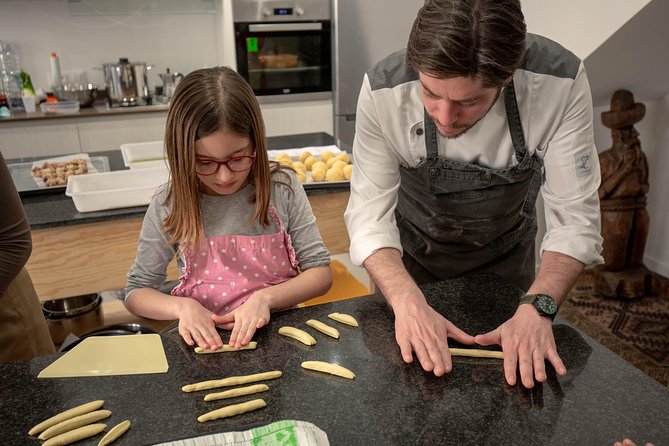
Palermo’s best food lesson starts before you reach the kitchen. With Chef Michael, you visit the old town’s Capo Street Market, choose fresh ingredients, then turn them into a four-course Sicilian meal. I like the market stop because it gives you a practical look at how local dishes begin, and I like that the cooking is hands-on without feeling like a test. One consideration: a steep flight of stairs leads to the kitchen, and the market may be quiet or partly closed in rainy weather.
I also like the small group, capped at eight, and Michael’s clear English. You are not simply watching a chef work. You make pasta, prepare vegetables and fillings, and learn why Sicilian cooks use ingredients such as wild fennel, saffron, currants, almonds, and breadcrumbs. The four-and-a-half-hour schedule is generous, but this is a food-centered activity, not a quick demonstration.
In This Review
- Key points to know before booking
- Why this Palermo cooking class works so well
- Beginning at Capo Street Market
- Walking to the air-conditioned kitchen
- Four courses with real hands-on work
- Panelle and Palermo street food
- Fresh pasta and pasta con le sarde
- Meat rolls or swordfish
- Cannoli, cassata, or almond granita
- Sitting down to eat what you prepared
- Price, timing, and overall value
- Who should book this experience
- Should you book the Sicilian Cooking Class?
- FAQ
- Where does the Sicilian cooking class begin?
- How long does the experience last?
- Is the class taught in English?
- What food might I prepare?
- Are drinks included?
- Is the class suitable for people with dietary restrictions?
Key points to know before booking
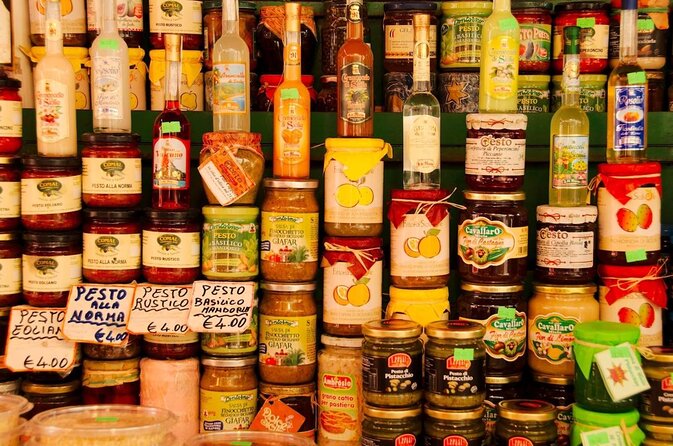
- Capo Market comes first: Meet near Porta Carini and shop for the day’s seasonal ingredients before cooking.
- Four courses are prepared: The menu can include panelle, fresh pasta, pasta con le sarde, meat or swordfish rolls, and classic Sicilian desserts.
- Michael teaches in English: He explains ingredients, techniques, and local food customs in a friendly, organized way.
- You eat what you make: The lesson ends with a sit-down meal, Sicilian wines, coffee, and homemade liqueurs.
- Groups stay small: The maximum is eight people, with several classes described as having six participants.
- Plan for stairs and food questions: The kitchen is air-conditioned, but access includes a steep staircase. Severe food allergies may not be suitable.
Why this Palermo cooking class works so well
The appeal here is the connection between Palermo’s market and its kitchen. You begin at Capo, one of the city’s old market areas, near Porta Carini. Instead of receiving a fixed basket of ingredients in a classroom, you see what is fresh and learn how those choices shape the meal.
That matters in Sicily. Seasonal cooking is not just a slogan here. The menu can change according to what is available, and the ingredients tell you something about the island’s cooking: seafood, citrus, almonds, saffron, wild fennel, ricotta, chickpeas, and toasted breadcrumbs all have a place.
Michael’s teaching style is one of the main reasons this experience earns such strong marks. He has a professional kitchen background, speaks excellent English, and explains both the practical steps and the reasons behind them. You get cooking tips, knife guidance, and advice that you can use at home rather than a list of recipes you may never repeat.
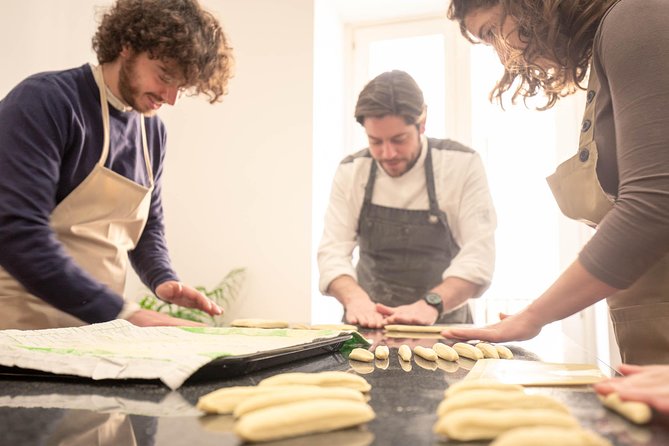
The mood is social but not forced. You meet the other people in the group, work together, and later share the meal at the same table. Several accounts describe Michael and assistants such as Elena or Melissa as warm, funny, and helpful. The exact assistant may vary, but the useful point is that you are not left to manage the kitchen alone.
More Cooking Classes in Sicily
- Palermo: Pizza and Gelato Cooking Class with Dinner and Wine
★ 4.9 · 951 reviews - Wanna be Sicilian: Palermo Cooking Class and Market Tour
★ 5.0 · 197 reviews - Seaview Cooking Class & Taormina local flavors with Chef Mimmo
★ 5.0 · 665 reviews
Beginning at Capo Street Market
The meeting information gives a start time of 10:00 a.m. and lists Parcheggio Orlando at Piazza Vittorio Emanuele Orlando, 49. The activity description also directs you to meet near Porta Carini, the entrance to Capo Market. Check the precise meeting instructions after booking, since these two nearby references serve different purposes: one is a listed meeting address, while the other identifies the market entrance.
Capo is a good setting for this class because it puts food into a real Palermo context. You are not shopping in a polished cooking-school pantry. You walk through an old town market and select what will be used in the meal. Michael explains the ingredients as you go, showing you how local food shopping works.
The menu depends on the season. You might see artichokes, seafood, herbs, fruit, or vegetables chosen for that day’s cooking. One particularly useful part of the visit is learning that recipes are not always rigid. If one ingredient is unavailable or at its best at another time of year, a Sicilian cook adjusts.
Weather can affect this first part. One rainy morning left much of the market closed, so do not expect every stall to be operating in poor conditions. The cooking lesson still went ahead, but the market walk was less complete. If the market is important to you, a dry morning gives you the best chance of seeing it at its fullest.
Walking to the air-conditioned kitchen
After shopping, you walk a short distance to the cooking studio. The kitchen is air-conditioned, a real advantage during Palermo’s hot months, especially when you are frying food and working around a warm stove.
The setting is described as a quaint private kitchen and dining room, with enough room for a small class. It is not a large commercial school with rows of spectators. That makes it easier to take part in each stage and ask questions as you work.
You should know about the stairs. The kitchen is reached by a steep flight, which may be difficult if you have mobility issues. The activity is near public transportation, and service animals are allowed, but the staircase is the practical accessibility concern to keep in mind.
Four courses with real hands-on work
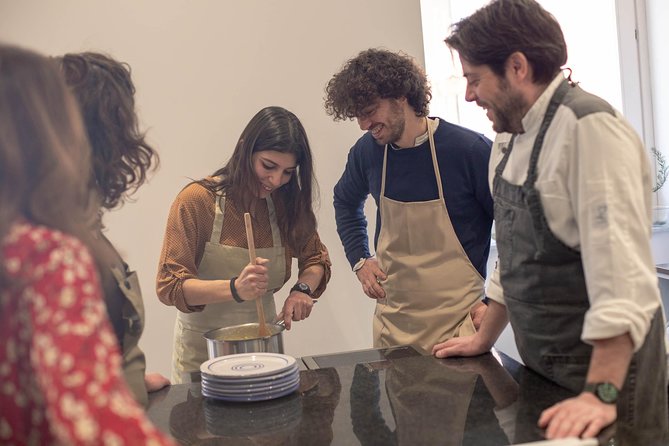
The exact meal changes, but the structure is consistent: a starter, pasta course, main course, and dessert. You help prepare the food, then sit down to eat it with wine.
More cooking classes in Palermo:
- Florence: Pasta Cooking Class with Unlimited Wine
★ 4.9 · 10,285 reviews - 3 in 1 Cooking Class near Navona: Fettuccine, Ravioli & Tiramisu
★ 5.0 · 7,376 reviews - Florence: Pasta & Tiramisu Cooking Class with Unlimited Wine
★ 4.9 · 6,708 reviews - Florence: Pasta Cooking Class with Unlimited Wine
★ 5.0 · 6,413 reviews
Panelle and Palermo street food
Panelle are chickpea fritters, fried until crisp and served with lemon. They are a Palermo staple and a good first lesson because they show how simple ingredients can produce a deeply satisfying street-food dish.
You might also prepare arancine al burro, saffron rice balls filled with ham and cheese, then breaded and fried. Carciofi fritti, made from fresh artichokes cleaned, quartered, breaded, and fried, may appear as another starter.
These dishes are useful for home cooks because they teach basic but important skills: cleaning produce, managing a coating, shaping food, and controlling frying. They also give you a taste of Palermo beyond the familiar tourist menu of pizza, gelato, and tiramisu.
Fresh pasta and pasta con le sarde
Making fresh pasta is one of the most memorable parts of the class. You work the dough yourself rather than watching Michael do everything. The lesson is designed to be active, but the pace is kept comfortable, so you can learn without feeling rushed.
The sauce may be a fresh tomato preparation, or you may make pasta con le sarde, a Palermitan classic. That dish combines sardines, wild fennel, saffron, currants, and pine nuts, then finishes with toasted breadcrumbs. It is a compact lesson in Sicilian cooking, where sweet, savory, herbal, and nutty notes share the same plate.
Michael also explains the logic behind the recipes. This is where the class becomes more than a pleasant meal. You learn how to repeat the dish at home, including small methods that may not appear in a printed recipe.
Meat rolls or swordfish
For the main course, the choices can include involtini di carne or pesce spada panato. The meat rolls are filled with cheese, breadcrumbs, currants, and almonds, then skewered, breaded, and roasted. They are a family-style Sicilian dish with a useful lesson in turning a thin cut of meat into a complete main course.
Swordfish is coated in seasoned breadcrumbs with parsley, mint, and lemon zest. This preparation keeps the fish central while adding texture and sharp citrus notes. It is also a good example of how a few pantry ingredients can make seafood feel special without a complicated sauce.
The menu may be adjusted for dietary needs. A vegetarian participant was accommodated without changing the meal for everyone else. Still, severe food allergies are not recommended for this activity, and you should contact the provider about dietary requirements before arriving. Do not assume that every allergy can be handled safely in a shared kitchen.
Cannoli, cassata, or almond granita
Dessert might be cannoli, cassata, or granita di mandorle. Cannoli use fried pastry tubes filled with sweet ricotta cream, candied orange peel, and Bronte pistachios. Cassata is a more elaborate Sicilian cake made with sponge cake, almond paste, sweet ricotta, and candied fruit.
Almond granita is simpler: a frozen mixture of water, sugar, and almonds. It is a fine reminder that Sicilian desserts are not all heavy cakes and cream. The menu can move from fried pastry to a cool, clean finish depending on the season and the day’s plan.
Some classes have included other dishes, such as polpette, pesto, or watermelon pudding. That variety is part of the appeal, but it also means you should book for the learning experience rather than one guaranteed recipe.
Sitting down to eat what you prepared
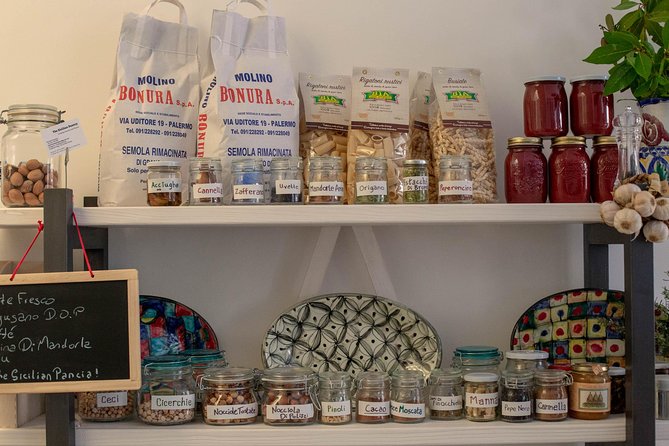
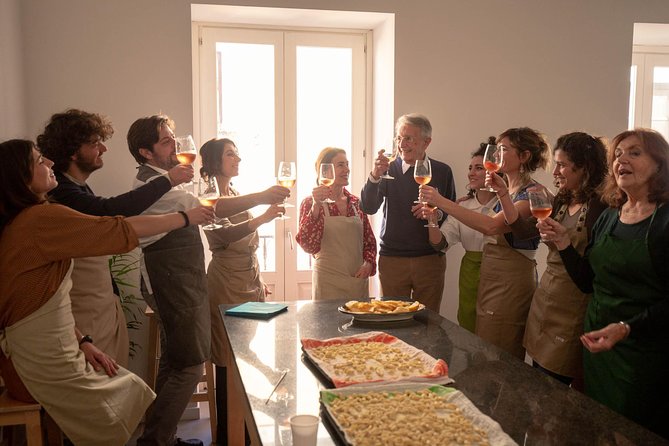
The meal is the payoff, but it is also part of the lesson. You sit down together and taste the dishes after spending the morning preparing them. Sicilian wines are served with the food, followed by coffee and homemade liqueurs, including orange liqueur in at least one class.
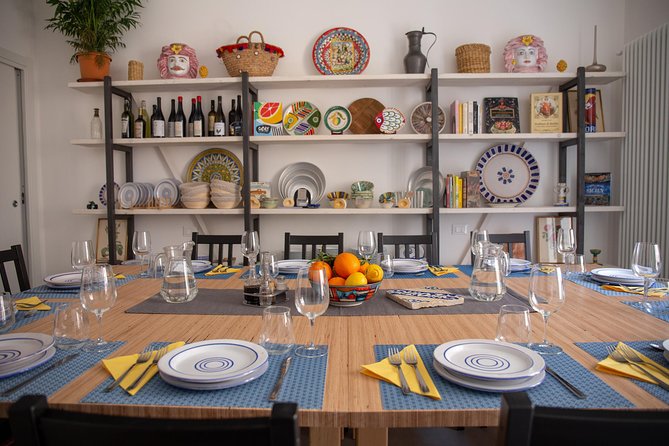
The format feels more like a relaxed lunch or dinner with new acquaintances than a formal restaurant meal. You share the table, talk with Michael and the assistant, and hear stories about Palermo and Sicilian food. Water and wine are included, and the quantity is described as generous but sensible rather than an exhausting parade of courses.
I appreciate that the food you eat is connected to the work you have just done. You understand the texture of the panelle because you helped fry them. You notice the balance in pasta con le sarde because you handled the fennel, saffron, fruit, nuts, and breadcrumbs. That connection makes the meal more memorable and helps you reproduce parts of it later.
One class even provided a cookbook, though you should not assume this is included every time unless confirmed. The important thing is that Michael shares recipes and practical tips during the session.
Price, timing, and overall value
The price is $118.56 per person for about four hours and 30 minutes. That is not a cheap lunch, but it covers a market visit, instruction, ingredients, a four-course meal, wine, coffee, and homemade liqueurs. You are also paying for a small group, an air-conditioned kitchen, and several hours of direct guidance from a professional chef.
For comparison, a short pasta demonstration with a tasting menu would offer less participation. A private class would likely cost more. This experience sits in a useful middle ground: small enough to feel personal, but shared with other participants so the price remains manageable.
I think the value is strongest if you want to learn. If you only want a meal, Palermo has less expensive ways to eat well. If you want to understand local ingredients, practice techniques, and leave with recipes you can use, the cost is easier to justify.
The timing also shapes your day. Starting at 10:00 a.m. and lasting roughly four and a half hours means you should keep the rest of the day light. You finish back at the meeting point, but do not plan a tightly timed museum visit or train connection immediately afterward.
The class is usually booked well in advance, with an average lead time of about 77 days. That does not guarantee it will sell out on your dates, but it is a good reason to reserve early if your Palermo schedule is fixed.
Who should book this experience
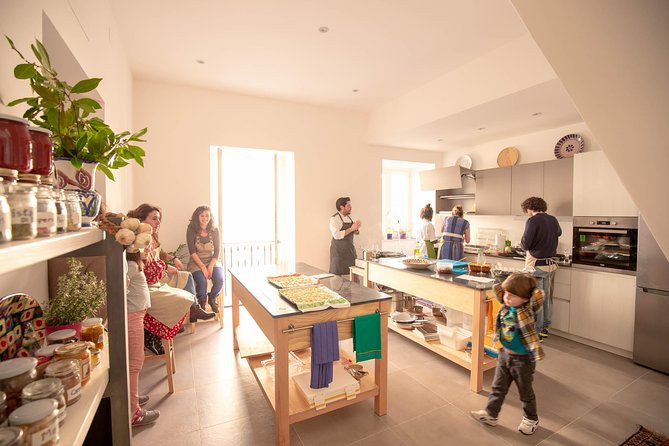
This class suits food lovers, curious cooks, couples, families with older children, and anyone who wants a social activity with a strong local connection. A 13-year-old took part successfully, so the format can work for young people who enjoy helping in the kitchen.
You will get the most from it if you are willing to participate. There is cleaning, chopping, shaping, mixing, frying, and pasta work. You do not need advanced cooking skills, but you should be comfortable working in a shared kitchen and following instructions.
It is also a good pick if you care about English-language teaching. Michael explains the process clearly, which removes much of the stress that can come with technical cooking terms in another language.
You may want to skip it if you dislike group meals, have severe food allergies, cannot manage steep stairs, or want a fixed menu built around one particular dish. The class is seasonal, and the market visit can be reduced by bad weather.
Free cancellation is available up to 24 hours before the start time for a full refund. Changes or cancellations within 24 hours are not accepted, so keep that deadline in mind when arranging your Palermo plans.
Should you book the Sicilian Cooking Class?
I would book this if you want one activity that combines Palermo’s food culture, a market walk, practical cooking, and a long shared meal. The strongest features are Michael’s clear teaching, the small group, the seasonal shopping, and the fact that you take part in nearly every stage.
I would not choose it simply because you need lunch or because you have your heart set on one exact recipe. The menu can change, the market may be subdued in rain, and the stairs matter for anyone with mobility limits.
For most food-focused visitors, though, this is a strong use of a half-day in Palermo. You leave with a full stomach, a better sense of Sicilian cooking, and techniques you can try once you are home.
FAQ
Where does the Sicilian cooking class begin?
The activity starts at 10:00 a.m. The listed meeting point is Parcheggio Orlando at Piazza Vittorio Emanuele Orlando, 49, Palermo, while the instructions also refer to meeting near Porta Carini, the entrance to Capo Market. Check the confirmed meeting details after booking.
How long does the experience last?
It lasts approximately four hours and 30 minutes and ends back at the meeting point.
Is the class taught in English?
Yes. The experience is offered in English, and Chef Michael is described as speaking excellent English.
What food might I prepare?
The seasonal menu can include panelle, arancine, fried artichokes, fresh pasta, pasta con le sarde, meat rolls, breaded swordfish, cannoli, cassata, or almond granita. The exact dishes can change.
Are drinks included?
Yes. The meal includes a selection of Sicilian wines, followed by coffee and homemade liqueurs.
Is the class suitable for people with dietary restrictions?
You should contact the provider with dietary requirements before the class. Severe food allergies are not recommended, and the kitchen may not be suitable for every allergy.
More Workshops in Palermo
- Florence Pizza or Pasta Class with Gelato Making at a Tuscan Farm
★ 5.0 · 6,801 reviews - Naples: Pizza-Making Workshop with Drink and Appetizer
★ 4.9 · 5,411 reviews - Rome: Pasta & Tiramisu Class with Fine Wine by the Vatican
★ 4.9 · 4,852 reviews - Cooking Class and Lunch at a Tuscan Farmhouse with Local Market Tour from Florence
★ 5.0 · 4,831 reviews
Recently reviewed around Palermo
- Discover Palermo in 3 hours. Art, history, markets and street food★ 5.0 · 352 reviews
- Palermo : Private Custom Walking Tour with a Local Guide★ 4.5 · 237 reviews
- Palermo No Mafia walking tour: discover the Anti-mafia culture in Sicily★ 5.0 · 1,011 reviews
- Palermo’s Delight: Unleash the Secrets of Pizza and Gelato Making★ 5.0 · 497 reviews
- Palazzo Conte Federico★ 5.0 · 650 reviews
- Night Street Food Tour of Palermo with a Local -For real foodies!★ 5.0 · 486 reviews
- Wanna be Sicilian: Palermo Cooking Class and Market Tour★ 5.0 · 197 reviews
- Palermo Half Day Boat Tour with Palermo Experiences★ 5.0 · 224 reviews
Cooking Classes, compared.
3 in 1 Cooking Class near Navona: Fettuccine, Ravioli & Tiramisu
Read our review →
Pasta & Tiramisu Cooking Class with Unlimited Wine
Read our review →
Pasta & Tiramisu Class with Fine Wine by the Vatican
Read our review →
Cooking Class and Lunch at a Tuscan Farmhouse with Local Market Tour from Florence
Read our review →
Authentic Pizza Making Class in Naples with Appetizers and Drink
Read our review →
Pasta Making Class with Wine, Limoncello, and Dessert
Read our review →Browse the lists this tour appears in