
Review · COOKING CLASSES
Wanna be Sicilian: Palermo Cooking Class and Market Tour
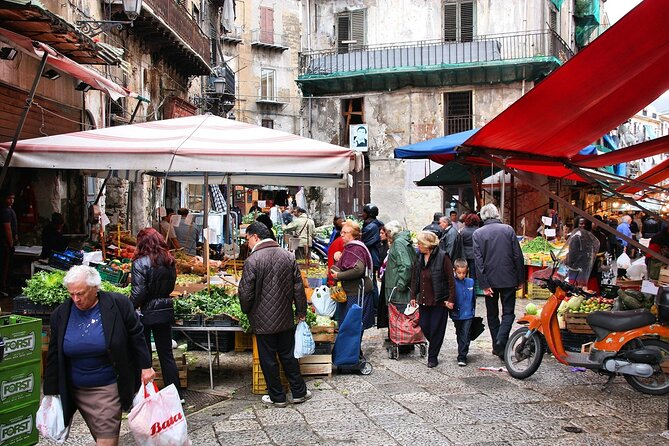
Palermo’s Mercato del Capo is the real beginning of this experience. You walk among produce stalls, fish counters, sweets, and street-food stands with a chef who shows you how Sicilians judge freshness, then carry that knowledge into the kitchen. The class covers arancini, pasta alla Norma, and cannoli, followed by the lunch you helped make.
I like two things especially: the market-to-table connection makes the dishes feel rooted in Palermo, and the recipes are practical enough to try at home. Chefs including Salvo, Lidia, Nadia, Marcello, and Filippo have earned praise for their patient teaching and good humor. The main consideration is group size, which can reach 20. In a crowded market, hearing every explanation may be difficult.
In This Review
- Key points at a glance
- Starting at Mercato del Capo in Palermo
- Street food and seasonal ingredients
- Entering the professional cooking kitchen
- Making arancini al ragù
- Mixing maccheroni alla Norma
- Finishing with freshly made cannoli
- Sitting down to your three-course lunch
- How the five-hour schedule feels
- Group size, teaching style, and comfort
- Food restrictions and the Monday adjustment
- What you take home besides a full stomach
- Who should book this Palermo cooking class?
- Booking details worth knowing
- Should you book Wanna be Sicilian?
- FAQ
- How long does the Palermo cooking class last?
- Where does the experience start and end?
- What dishes will I make?
- Are drinks included?
- Can vegetarians take part?
- Is the class suitable for people with celiac disease?
- What happens if the market is closed?
Key points at a glance
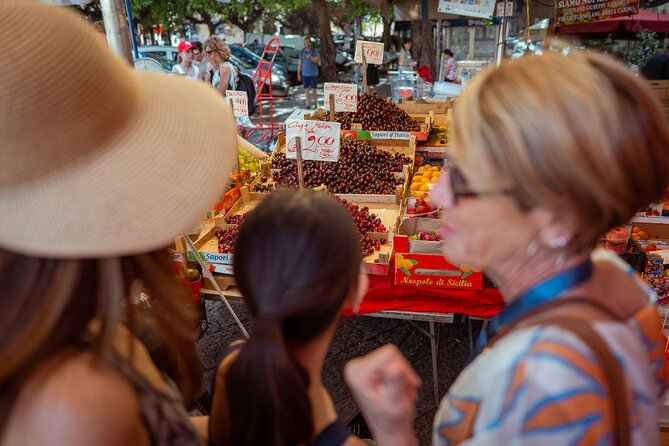
- Market lessons before cooking: Shop at Mercato del Capo and sample local food before entering the kitchen.
- Three classic Sicilian dishes: Make arancini al ragù, home-made maccheroni alla Norma, and cannoli.
- A proper half-day outing: Plan on about five hours, though some sessions finish in under four.
- Wine included with lunch: Your meal comes with local wine and Marsala, with soft drinks for children.
- Useful take-home material: You receive a digital recipe booklet and a graduation certificate.
- Advance notice matters: Vegetarians can be accommodated, but the class is not suitable for people with celiac disease.
Starting at Mercato del Capo in Palermo
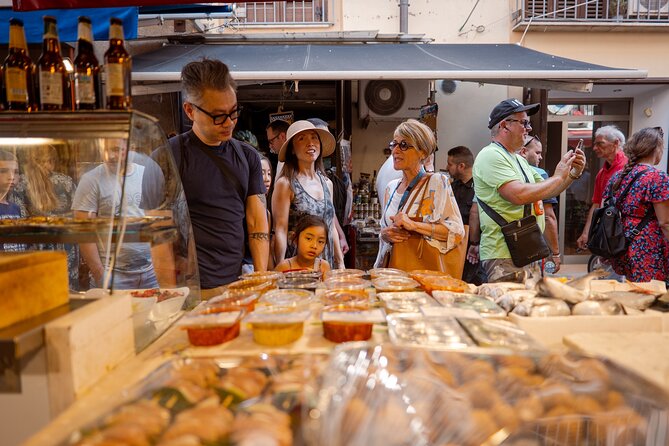
The meeting point is Via Volturno 44, close to Mercato del Capo and public transportation. From there, the experience begins on foot, with the chef guiding you through one of Palermo’s best-known food markets.
This is not simply a quick look at stalls before a cooking lesson. The market gives you the ingredients and food customs behind the meal. You might inspect seasonal produce, learn how to choose fresh fish, taste a few local snacks, and stop at a traditional pastry shop for sweets. One chef also shared practical advice on buying fish and produce, the kind of information that helps if you plan to shop for yourself later in the trip.
The Capo is an active working market, not a quiet museum display. That gives the visit its character, but it also creates the chief weakness of the tour. With a group of 17 or more, the guide can be hard to hear when sellers, shoppers, and other sounds compete for attention. Stay close to the chef and ask questions when the group pauses.
The market visit also gives you a useful Palermo orientation. You see what locals buy, how ingredients are displayed, and how much Sicilian cooking depends on simple, fresh food. The tour’s appeal comes from this direct link: you see the raw ingredients, then use them in lunch.
More Cooking Classes in Sicily
- Palermo: Pizza and Gelato Cooking Class with Dinner and Wine
★ 4.9 · 951 reviews - Sicilian Cooking Class
★ 5.0 · 289 reviews - Seaview Cooking Class & Taormina local flavors with Chef Mimmo
★ 5.0 · 665 reviews
Street food and seasonal ingredients
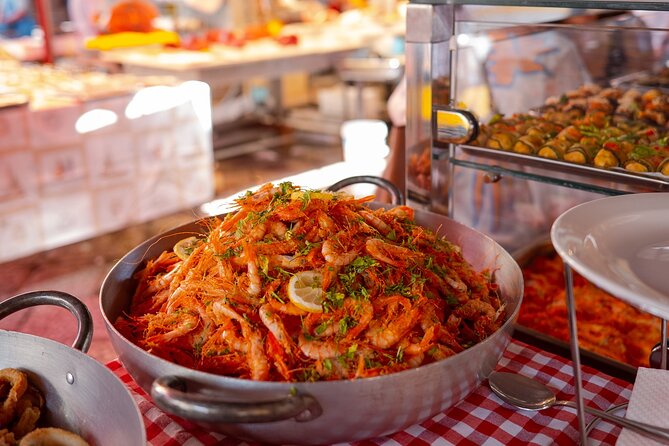
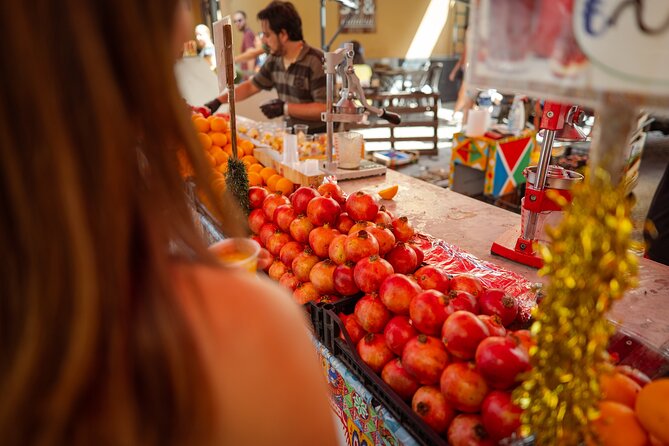
The market walk includes small tastings. These may include classic street food and other local bites selected by the chef. The tastings are useful because they introduce you to flavors before you start cooking, and they help you arrive at the kitchen with a better sense of Sicilian food.
The focus is not on collecting as many samples as possible. Instead, you get brief explanations about what you are tasting and why it matters. The food market is also a chance to learn the difference between ingredients that look familiar but behave differently in Sicilian cooking.
The market’s fish counters are part of the usual experience, but fish shops are closed on Mondays. That does not cancel the tour. On days when the market is closed, the school replaces the market portion with a special introduction and extra tastings at the cooking school. You should still receive a food-focused experience, but the feel will be different from walking through the Capo.
Entering the professional cooking kitchen
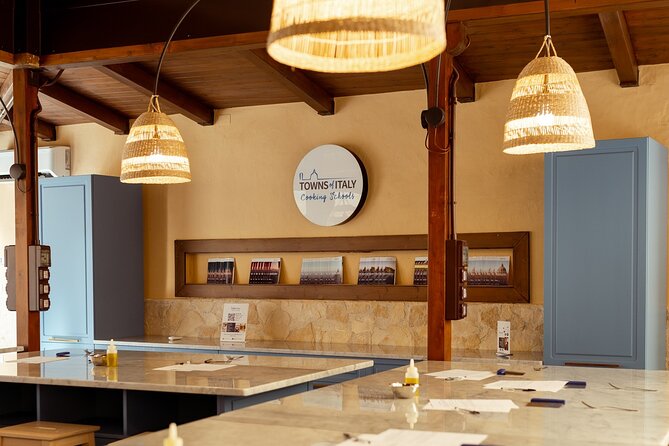
After the market, you move into a professional cooking facility for the hands-on lesson. The setting is more organized than a home kitchen, with workstations and staff who keep the class moving.
The chefs are the heart of the experience. Salvo, also called Salvatore, is praised for being friendly, patient, and funny. Lidia is described as an easygoing instructor who explains methods clearly. Nadia has guided both the market walk and the cooking session, offering advice on fresh produce and fish as well as keeping the class lively. Marcello and Filippo have also led well-received sessions.
Because the class has hosted groups ranging from only two students to about 17, the amount of personal cooking time can vary. With a small group, you may get more direct attention. With a full group of up to 20, some preparation may be shared or demonstrated rather than completed by every person from start to finish.
One person expected more hands-on work but still found the class worthwhile. That is a fair warning for serious home cooks. This is a social cooking lesson and lunch, not an advanced chef-training course. You will work with the food and learn useful methods, but the exact amount of individual knife, dough, and stovetop time depends on the group and the chef.
Making arancini al ragù
The first featured dish is arancine al ragù, fried rice balls filled with meat sauce and peas. Arancini are a Sicilian staple, and making them helps you understand why texture matters so much.
You prepare or work with the rice mixture, add the ragù filling, shape the balls, and cook them until the outside is crisp. The contrast between the crunchy shell, soft rice, and beef filling is the point. It also explains why a freshly made arancino can feel very different from a pre-made snack.
The dish is filling. Show up hungry, but do not eat too much during the market tasting because the rice and ragù make a substantial starter. The arancini are also one of the more rewarding dishes to recreate at home, though shaping and frying take some care.
The class presents arancini as a practical Sicilian food rather than a complicated restaurant mystery. You learn the basic structure, seasoning, and handling. Your chef can also explain where your mixture needs more moisture or firmness, details that a printed recipe cannot easily show.
More cooking classes in Palermo:
- Florence: Pasta Cooking Class with Unlimited Wine
★ 4.9 · 10,285 reviews - 3 in 1 Cooking Class near Navona: Fettuccine, Ravioli & Tiramisu
★ 5.0 · 7,376 reviews - Florence: Pasta & Tiramisu Cooking Class with Unlimited Wine
★ 4.9 · 6,708 reviews - Florence: Pasta Cooking Class with Unlimited Wine
★ 5.0 · 6,413 reviews
Mixing maccheroni alla Norma

The main course is home-made maccheroni alla Norma, a pasta dish built around tomato, eggplant, and Mediterranean seasoning. The ingredient list is straightforward, but the finished plate depends on how you handle each part.
This is a good dish for learning Sicilian restraint. The sauce does not need a long list of ingredients to taste full. You work with the pasta and the sauce, then sit down to eat it while it is fresh.
The class is useful for cooks at different levels. A confident cook can pay attention to dough texture and timing, while a beginner can learn how a few basic steps create a complete meal. The chef-led format also gives you a chance to ask about methods and substitutions without turning the lesson into a lecture.
If pasta is your main reason for booking, listen carefully during this part and use the recipe booklet afterward. Fresh pasta has a learning curve, and the class gives you a starting point rather than a promise that your first home attempt will look perfect.
Finishing with freshly made cannoli
Dessert is cannolo, the familiar Sicilian pastry made from a fried tube-shaped shell and a sweet ricotta filling. The class includes making the shell, which makes this more useful than simply eating a cannolo at the end of lunch.
You learn how the crisp pastry and creamy filling work together. The dessert also gives the class a strong finish because you have prepared all three courses, from the savory filling in the arancini to the pasta and pastry.
Cannoli shells require attention during preparation and frying. That makes the chef’s demonstrations valuable, particularly if you have never worked with this style of pastry. You then finish the meal with a dessert that feels distinctly Sicilian rather than a generic sweet.
Sitting down to your three-course lunch
Once the cooking is complete, you eat at a properly set table. Your meal includes the arancini starter, maccheroni alla Norma, and cannolo. Local wine and Marsala wine are included for adults, while children receive soft drinks.
The meal is not an afterthought. It is the payoff for the work, and it gives you time to enjoy the food without rushing back onto the street. Several sessions have included conversation, music, photographs, and a relaxed atmosphere, so this can feel as social as it is instructional.
Wine also helps explain the tour’s value. At $60.98 per person, you are not paying only for a plate of pasta. The price covers a market walk, tastings, a cooking lesson, all ingredients, a three-course lunch, drinks, recipes, and a certificate. You could eat more cheaply in Palermo, but you would not receive the same combination of shopping instruction and kitchen time.
The value is strongest if you enjoy participating. If you want a quiet meal served to you, this is not the best use of half a day. If you want to learn, eat, and meet other people around a shared table, the package is fairly priced.
How the five-hour schedule feels
The advertised duration is about five hours. Some sessions have lasted just under four hours, so you should treat the timing as approximate rather than fixed.
That variation matters when you plan your Palermo day. Do not book a museum ticket or train immediately afterward. The market walk, cooking, eating, and final steps may move at different speeds depending on the group, the chef, and the day’s market conditions.
The experience runs rain or shine. Much of the market portion is outdoors, so wear shoes suited to walking and bring protection from the weather. The class ends back at the starting point, with no hotel pickup or drop-off included.
Group size, teaching style, and comfort
The maximum group size is 20 people. Some sessions are much smaller, and that can change the feel of the lesson.
A small group may give you more direct time with the chef and more control over each preparation step. A larger group can be more social, with people from different countries cooking and eating together, but you may need to stand where you can see and stay alert when instructions are given.
The best approach is to treat the class as shared work. You may not personally complete every single task in a large group, but you should still see the full process and take part in the main preparations. Ask for clarification if a step goes by quickly.
The chefs have been praised for making beginners feel comfortable. You do not need advanced cooking skills to enjoy this, and a partner or family member with little kitchen experience can still take part. At the same time, experienced cooks may appreciate the market advice, regional context, and chance to practice Sicilian recipes.
Food restrictions and the Monday adjustment
Vegetarians can join with advance notice. Tell the operator about vegetarian needs, food intolerances, or allergies before the class so the kitchen can prepare properly.
The experience is not suitable for people with celiac disease. That is an important limit, especially because the menu includes pasta, fried arancini, and cannoli shells. Other allergies should be raised ahead of time, but the supplied information does not promise that every allergy can be accommodated.
On Mondays, fish shops are closed. The operator substitutes other food content, and when the market itself is closed, extra tastings and an introduction at the cooking school replace the market tour. You still get the cooking class and meal, but the market portion may not be available in its normal form.
What you take home besides a full stomach
The digital recipe booklet is one of the tour’s best practical extras. It lets you focus on the class instead of trying to write down every measurement while shaping rice balls or handling pasta dough.
You also receive a graduation certificate. It is a small souvenir, but it can be fun for families and first-time cooking students. The more useful keepsake is the set of recipes, especially if you want to reproduce the meal at home.
Do not expect to leave with packaged ingredients or cooked leftovers. The clear benefit is learning the methods, eating the finished meal, and having the instructions to try again later.
Who should book this Palermo cooking class?
I would choose this experience if you want a half-day activity that connects Palermo’s food stalls with its home cooking. It suits couples, families, solo visitors, and people who enjoy meeting others at the table.
It is particularly good for:
- First-time visitors who want a food-focused introduction to Palermo
- Beginners who prefer friendly instruction over formal culinary training
- Home cooks interested in arancini, fresh pasta, and cannoli
- Families looking for a shared activity
- Vegetarians who provide notice in advance
- Anyone who values a meal, drinks, and recipes included in one price
I would think twice if you dislike group activities, need a strictly timed schedule, or want every step to be fully individual. People with celiac disease should not book this class. If you are sensitive to food prepared in a shared market setting, remember that tastings are part of the experience and the market is a public place.
Booking details worth knowing
The activity is offered in English and accepts mobile tickets. Confirmation arrives at booking, and the starting point is near public transportation.
It is often booked about 45 days ahead, so reserve early if your Palermo dates are fixed. Free cancellation is available up to 24 hours before the start time for a full refund. Changes or cancellations inside that 24-hour window are not accepted for a refund.
There is also a separate pasta and gelato option, but the market tour is excluded if you choose that version. Check that you are booking the menu and format you want.
Should you book Wanna be Sicilian?
Yes, if you want to do more than eat Sicilian food. The strongest part is the sequence: see the ingredients at Mercato del Capo, learn how to use them, then sit down to arancini, pasta alla Norma, and cannoli with wine.
At $60.98, the price is reasonable for a five-hour package that includes food, instruction, drinks, recipes, and the market visit. The tradeoffs are real: a large group can make the market guide hard to hear, hands-on time may vary, and the schedule may finish earlier or later than expected.
Book it for the local food education and friendly kitchen time, not for a perfectly private lesson. If that sounds like your kind of Palermo morning, this is a strong choice and one of the more useful food activities you can add to a city stay.
FAQ
How long does the Palermo cooking class last?
The experience is advertised at approximately five hours. Some sessions have finished in just under four hours, so allow a flexible half-day.
Where does the experience start and end?
It starts at Via Volturno 44, 90138 Palermo, Italy, near public transportation. The activity ends back at the meeting point.
What dishes will I make?
The standard menu includes arancine al ragù, home-made maccheroni alla Norma, and cannolo. You prepare and eat all three courses.
Are drinks included?
Yes. Local wine and Marsala wine are included for adults. Children receive soft drinks.
Can vegetarians take part?
Yes, the class is suitable for vegetarians when you provide advance notice. You should also report any food intolerance or allergy before the experience.
Is the class suitable for people with celiac disease?
No. The experience is not suitable for people with celiac disease.
What happens if the market is closed?
If the market is closed, a special introduction and extra tastings at the cooking school replace the market tour. Fish shops are also closed on Mondays, so the market visit may have a different food focus then.
More Shopping Tours in Palermo
- Bologna Food & Market Tour with 6 Tastings, Pasta, Wines & More
★ 5.0 · 1,328 reviews - Pasta and Tiramisu Cooking Class with optional Local Market Tour
★ 5.0 · 515 reviews - Florence: Cooking Class with Local Food Market Tour
★ 4.9 · 407 reviews - The Original Catania Street Food and Market Tour by Streaty
★ 5.0 · 345 reviews
More Markets in Palermo
- Palermo: Street Food and Local Market Tasting Tour
★ 4.9 · 540 reviews - Cooking Class and Lunch at a Tuscan Farmhouse with Local Market Tour from Florence
★ 5.0 · 4,831 reviews - Rome: Colosseum, Roman Forum & Trajan’s Market Exterior Tour
★ 4.3 · 2,038 reviews - Small Group Cooking Class & Market Food Tour in Florence
★ 5.0 · 1,574 reviews
Recently reviewed around Palermo
- Sicilian Cooking Class★ 5.0 · 289 reviews
- Palermo : Private Custom Walking Tour with a Local Guide★ 4.5 · 237 reviews
- Discover Palermo in 3 hours. Art, history, markets and street food★ 5.0 · 352 reviews
- Palermo No Mafia walking tour: discover the Anti-mafia culture in Sicily★ 5.0 · 1,011 reviews
- Palermo’s Delight: Unleash the Secrets of Pizza and Gelato Making★ 5.0 · 497 reviews
- Palazzo Conte Federico★ 5.0 · 650 reviews
- Night Street Food Tour of Palermo with a Local -For real foodies!★ 5.0 · 486 reviews
- Palermo Half Day Boat Tour with Palermo Experiences★ 5.0 · 224 reviews
Cooking Classes, compared.
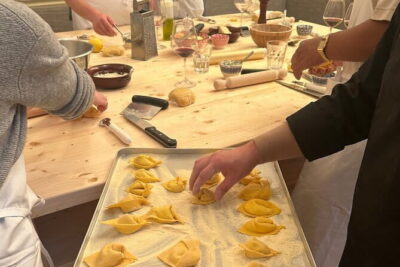
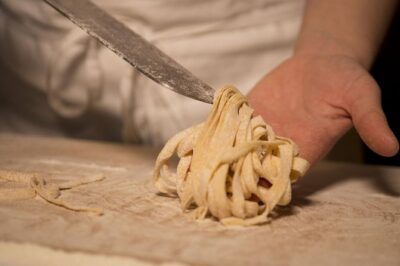
3 in 1 Cooking Class near Navona: Fettuccine, Ravioli & Tiramisu
Read our review →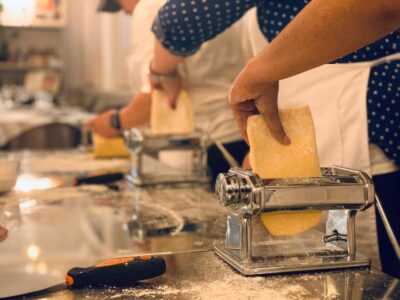
Pasta & Tiramisu Cooking Class with Unlimited Wine
Read our review →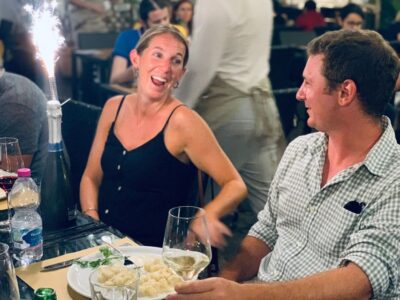
Pasta & Tiramisu Class with Fine Wine by the Vatican
Read our review →
Cooking Class and Lunch at a Tuscan Farmhouse with Local Market Tour from Florence
Read our review →
Authentic Pizza Making Class in Naples with Appetizers and Drink
Read our review →
Pasta Making Class with Wine, Limoncello, and Dessert
Read our review →Browse the lists this tour appears in