
Review · NAPLES & POMPEII TOURS
Galleria Borbonica Entrance Ticket in Standard Route
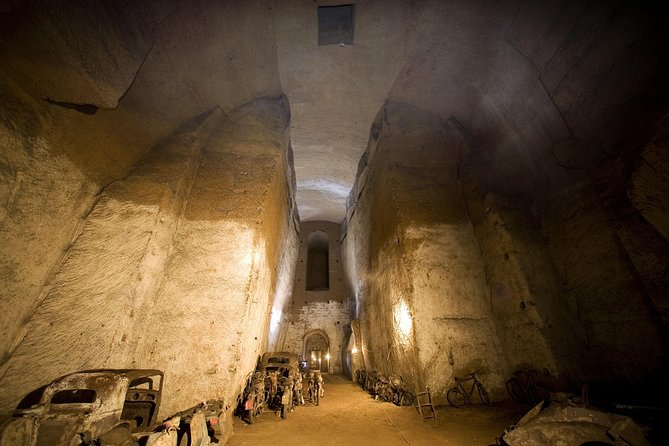
Naples has a second city below street level, and the Galleria Borbonica gives you a compact, story-filled look at it. You descend into the Chiaia district through a Bourbon-era tunnel, then follow the same underground spaces through royal plans, wartime shelter, old vehicles, and the city’s more recent past.
I like the excellent historical range and the welcome break from Naples heat. I also like the old cars, bicycles, and Vespas left below ground, which give the tour a human, slightly odd edge. The main drawback is physical: the opening descent includes roughly 90 steep, twisting steps, and the echo can make a fast or quiet guide hard to follow.
In This Review
- Key points to know before you book
- Going below Naples near Plebiscito Square
- Why Ferdinand II wanted the Bourbon Tunnel
- Aqueducts, geology, and the city under the city
- The WWII shelter and the human side of the tunnel
- Old cars, Vespas, and unexpected objects
- The route, stairs, and exit
- Is one hour enough?
- Keeping cool while learning Naples history
- What the $18.14 price delivers
- Who should book the Standard Route?
- Should you book it?
- FAQ
- Where does the Galleria Borbonica tour start?
- How long does the Standard Route last?
- Is the tour offered in English?
- How many steps are involved?
- What should I wear?
- Can I cancel for a full refund?
Key points to know before you book
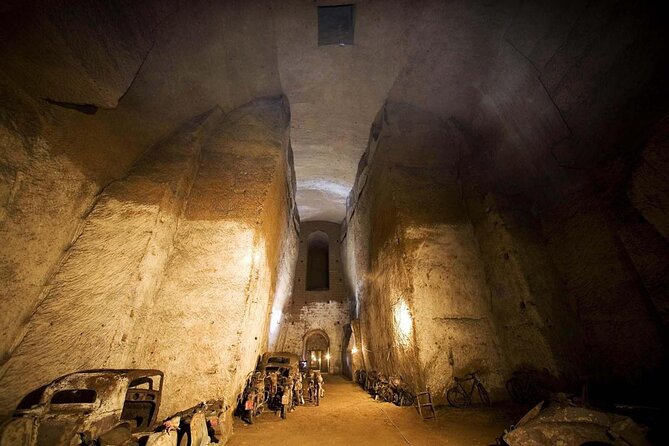
- Built as a royal escape route: Ferdinand II of Bourbon ordered the tunnel in 1853 to connect the Royal Palace with a military barrack.
- Used as a WWII air-raid shelter: Local residents sheltered here, and the underground chambers still carry the marks of wartime Naples.
- A one-hour history lesson: The guide covers geology, aqueducts, royal engineering, war, and the later use of the tunnels.
- Old vehicles add character: Cars, bikes, Vespas, and other abandoned objects make the history easier to picture.
- Expect a different exit: The tour begins at Vico del Grottone 4 and may finish at Via Domenico Morelli 40, near a public parking area.
- Steep steps matter: Entry 2 is recommended for people with claustrophobia or walking concerns.
Going below Naples near Plebiscito Square
The meeting point is at Vico del Grottone 4, about 100 meters from Plebiscito Square. Until a few years ago, this entrance housed a veterinary laboratory. Today, it leads into the Bourbon Tunnel through a staircase with eight ramps.
The route descends about 33 yards, or roughly 27 to 30 meters, into the ground beneath the Chiaia district. That first descent sets the tone. This is not a polished museum with wide galleries and bright signs. It is a working underground passage, cut into Naples and adapted many times.
You should arrive ready to stand outside briefly if the group is not yet moving. The starting area has limited seating and no facilities, so it is smart to use a restroom before arriving and avoid bringing more than you need.
The tour is offered with a professional guide in English or Italian. English tours can be very good, with guides such as Roberto, David, or Sabrina bringing energy and clear explanations to the route, though the guide depends on the departure. The underground echo is a real issue. If your guide speaks quickly or faces away from the group, you may miss details in the tighter chambers.
More Naples & Pompeii trips worth a second look
- Naples: Naples Underground Entry Ticket and Guided Tour
★ 4.4 · 21,781 reviews - Pompeii: Entry Ticket and Guided Tour with an Archaeologist
★ 4.8 · 19,459 reviews - Pompeii: Entry Ticket with Optional Audio Guide
★ 4.2 · 12,360 reviews
Why Ferdinand II wanted the Bourbon Tunnel
The tunnel began in 1853 under Ferdinand II of Bourbon. The king was worried about another rebellion and wanted a private escape from the Royal Palace to a military barrack on Via della Pace, now Via Morelli.
The plan was practical and political. A royal escape passage could move the king out of the palace and toward military protection without using the crowded streets of Naples. The project was never completed as intended, but the unfinished work left behind a remarkable route through the city’s foundations.
Your guide explains how the tunnel was cut and why it was placed where it was. The story is not only about kings. It also shows how Naples grew over older layers of rock, water channels, buildings, and passageways.
The route is especially useful if you have already seen the city above ground. Plebiscito Square, the Royal Palace, and the Chiaia district can seem like separate places. Underground, you get a physical sense of how close they are and how royal, military, civic, and domestic needs overlapped.
Aqueducts, geology, and the city under the city
The Bourbon Tunnel is part of a much older underground world. The guide discusses the geology beneath Naples and the aqueducts that helped supply the city.
This section can be less visually dramatic than the wartime rooms, but it gives the tour its structure. You are not simply walking through a bomb shelter. You are learning why underground construction was possible here and how earlier excavations shaped later uses.
The stone walls and changing widths of the passage make the engineering easier to understand than a textbook would. Some areas feel like a planned corridor. Others feel rougher and more improvised. The contrast helps you picture the tunnel as a place altered over centuries rather than built for one single purpose.
The route includes narrow walkways and several changes in level. After the initial staircase, parts of the walk are easier, but you should still wear sturdy, comfortable shoes. The ground is not the place for delicate footwear or a rushed schedule.
The WWII shelter and the human side of the tunnel
During World War II, local residents used the tunnel as a military hospital and an air bomb shelter. This is the emotional center of the tour.
The underground chambers were not an abstract historical site during the war. People came here because the streets above were dangerous. The guide explains how the spaces were adapted and how ordinary Neapolitans lived through air raids and uncertainty.
You may see traces of this period in the objects and marks left behind. The war did not erase the tunnel’s earlier purpose, but it changed the meaning of the place. A royal escape route became a refuge for the wider population.
I find this part most valuable for families and first-time visitors to Naples because it connects a major event to a real place. Children aged around nine and thirteen have enjoyed the sense of discovery, though younger children may struggle with the steps and the roughly one-hour pace.
The tunnel later became the Hall Judicial Deposit, adding another chapter to its story. That later use helps explain why the site contains such a strange collection of things from different eras.
A different way to spend the day, same part of Italy:
- Pompeii: Small Group Tour with an Archaeologist
★ 4.8 · 12,264 reviews - From Naples: Pompeii Ruins & Mount Vesuvius Day Tour
★ 4.3 · 11,459 reviews - From Naples: Sorrento, Positano and Amalfi Full-Day Tour
★ 4.6 · 10,988 reviews - From Naples: Sorrento, Positano & Amalfi Coast – Small Group Tour
★ 5.0 · 8,643 reviews
Old cars, Vespas, and unexpected objects
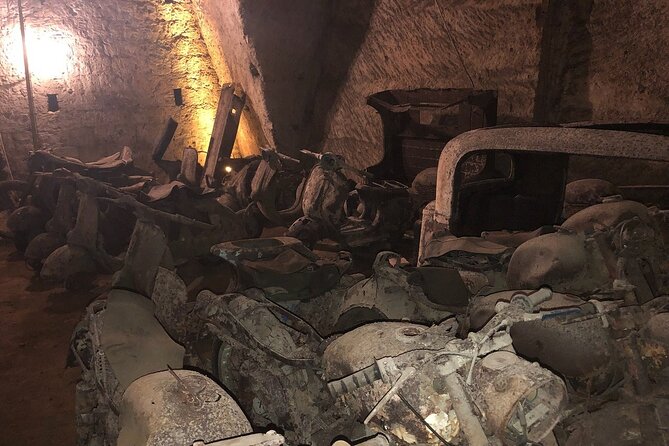
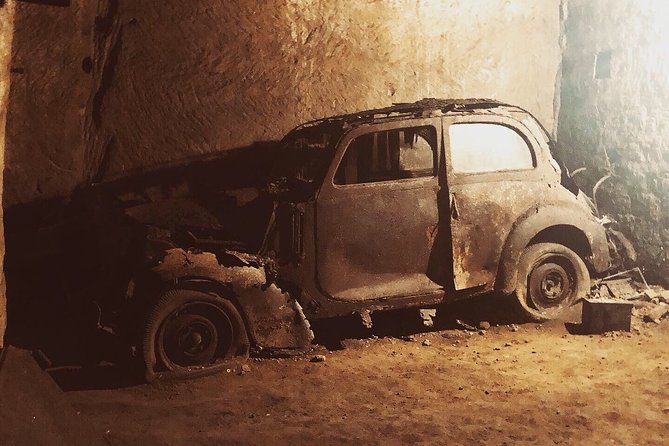
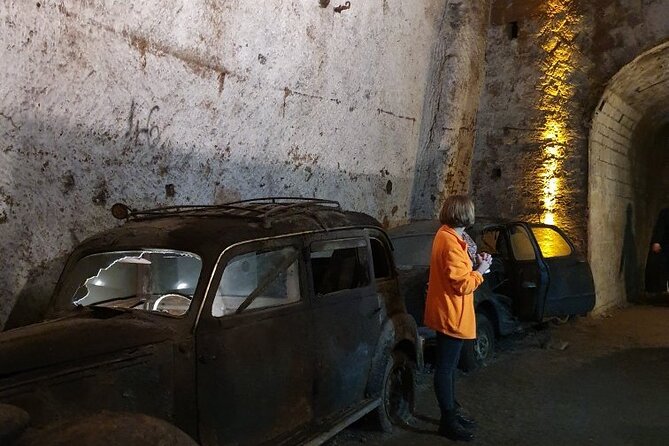
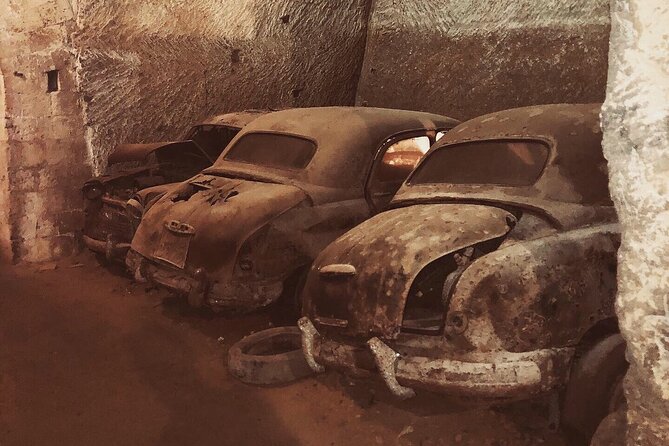
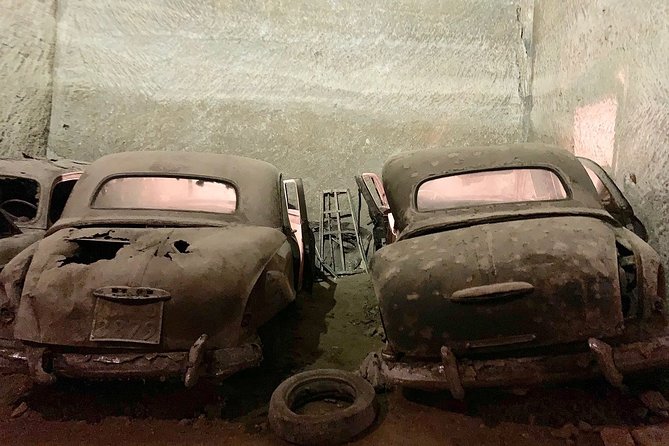
The old vehicles are among the easiest parts of the tour to remember. Cars, bikes, and Vespas sit in the underground spaces, along with smaller objects such as cradles and other abandoned items.
These are not displayed like a conventional car museum. Their appeal comes from the setting. A vehicle below Naples, surrounded by rough stone and wartime shelter rooms, raises immediate questions about who put it there and why it was left behind.
You get good photo opportunities, although narrow passages and a moving group can limit how long you spend framing each shot. The vehicles also help younger people stay engaged when the explanations turn technical.
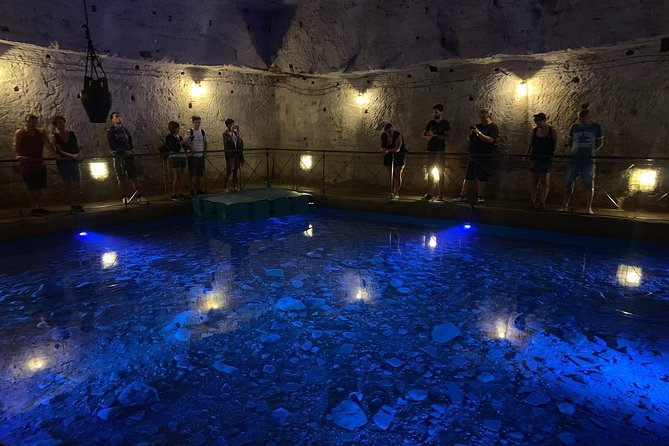
Some publicity for Galleria Borbonica shows a large hall and a blue-water basin. Those features belong to another route or part of the wider site, not necessarily this Standard Route. If those images are your main reason for booking, check the exact route before paying. The Standard Route is primarily a historical tunnel and shelter visit with vehicles and artifacts.
The route, stairs, and exit
The physical shape of this experience deserves careful attention. The first descent has eight ramps and many steep, twisting steps. Several descriptions put the total at about 90 steps. Going down may be harder for some people than expected, and the return route does not simply reverse the descent.
The tour usually exits through the second entrance at Via Domenico Morelli 40, reached through the crosswalk of Quick parking. This is useful because you may climb only once, but it can also leave you a little disoriented. The exit is in a public car park with limited signage, so check your map and meeting details before you start.
For people with walking difficulties or strong claustrophobia, entry 2 is recommended. The supplied information does not promise a fully step-free route, so ask the operator directly before booking if you need specific access arrangements.
Inside, the spaces vary. Some are broad enough for a group to gather. Others are narrow, with echoes that soften or distort speech. Stay close to the guide, especially when the group moves between rooms. A group can include up to 50 people, which is large for an underground route.
That maximum matters. In a small chamber, the guide may begin speaking before everyone has arrived. If you cannot hear, move closer when safe and ask the guide to repeat the point. The strongest guides answer questions and keep the hour lively. A less engaging guide may sound as if reading a prepared script.
Is one hour enough?
The advertised duration is about one hour, and that is a good length for a Naples day. You get a clear introduction to the tunnels without giving up half an afternoon.
The hour passes quickly because the subject changes often. You move from royal engineering to aqueducts, then to air raids, hospital use, judicial storage, and abandoned vehicles. The route does not try to explain every corner of the underground system.
On some departures, the tour can run slightly over. That is not a problem if you have no tight plans, but it can affect a connection or a timed museum entry. Allow extra time after the tour, particularly if you want to find your bearings at the Morelli exit or browse the shop and small museum area.
Some scheduled departures may be limited to weekends, so check the date and language carefully before arranging your day around this visit. English availability is listed, but the exact guide and departure pattern can vary.
Keeping cool while learning Naples history
The tunnel stays cool, making it a useful pause during a hot Naples afternoon. One visit took place during temperatures around 90°F, or 32°C, and the underground air offered welcome relief.
Bring a sweater. The temperature change can be noticeable after walking in the sun, especially if you are lightly dressed. Comfortable shoes are more important than warm-weather fashion here.
Food and drinks are not included, and there is no transportation to or from the site. The location near Plebiscito Square makes it practical to reach on foot if you are already exploring central Naples, but you arrange your own way there and away from the exit.
What the $18.14 price delivers
At about $18.14 per person, this is fairly priced for a guided hour in a specialist historic site. The fee includes admission and a professional English or Italian guide. It does not include meals, drinks, or transport.
The value comes from the setting and the explanation. You could pass through Naples and never realize that a royal escape route, air-raid shelter, hospital, and storage space occupy the rock beneath the streets. A guide gives those layers an order and explains why the old objects are there.
This is not the right buy if you want grand architecture, a long self-guided visit, or the blue-water hall shown in some promotional images. It is a good buy if you want a focused, unusual experience that adds wartime and civic history to a standard Naples itinerary.
The attraction has a 4.8 rating from 2,632 reviews, with 97 percent recommending it. Those numbers suggest a strong experience overall, but they do not remove the practical concerns: guide volume, group size, steep steps, and possible confusion over the entrance and exit.
Reduced admission is €5 for people over 75 and for ages 11 to 13. Children aged 0 to 10 enter free. The information does not give a separate adult age cutoff beyond those categories, so check the price shown at booking.
Who should book the Standard Route?
I would choose this tour if you enjoy history that is tied to a physical place. It suits people curious about Naples beneath the monuments, families with older children, and anyone who wants a cool, unusual hour near Plebiscito Square.
It is also a strong choice if World War II history matters to you. The shelter section turns a familiar date in a history book into a cramped, tangible space where Neapolitan residents sought safety.
I would think twice if stairs are difficult, if you dislike confined spaces, or if you need every word of a lecture to be crystal clear. The guide can be excellent, but underground acoustics and a group of up to 50 can work against you.
Book at least a little ahead if your schedule is fixed. The experience is booked around 13 days in advance on average, and English departures may not run every day. Free cancellation is available until 24 hours before the start time. Inside the final 24 hours, cancellations and changes are not accepted for a refund.
Should you book it?
Yes, if you want the unusual side of Naples. The Bourbon Tunnel is not a glossy attraction, and that is part of its appeal. You walk through unfinished royal plans, wartime shelter rooms, and forgotten objects while the guide links them to the city above.
Book it with realistic expectations. Wear good shoes, bring a sweater, stay near the guide, confirm the correct entrance, and allow time to find the exit. If you can manage the steps and do not need a large underground hall with blue water, this is a memorable and good-value addition to a Naples visit.
FAQ
Where does the Galleria Borbonica tour start?
The ticket redemption point is Vico del Grottone 4, 80132 Naples, about 100 meters from Plebiscito Square.
How long does the Standard Route last?
The tour lasts approximately one hour.
Is the tour offered in English?
Yes. A professional guide is available in English or Italian, depending on the departure you book.
How many steps are involved?
The route begins with a staircase of eight ramps, and descriptions of the descent put the total at roughly 90 steep, twisting steps.
What should I wear?
Wear comfortable shoes and bring a sweater. The underground route includes steep steps, narrow spaces, and cooler air.
Can I cancel for a full refund?
Yes, if you cancel at least 24 hours before the experience start time. Cancellations or changes made within 24 hours are not refunded or accepted.
Recently reviewed around Naples & Pompeii
- Pompeii Skip-the-line Tour with Archaeologist Guide★ 5.0 · 559 reviews
- Sharing Tour of Pompeii★ 5.0 · 487 reviews
- Skip the Line Guided Tour of Pompeii led by an Archaeologist★ 5.0 · 703 reviews
- Visit in Pompeii – Pompeii Private Tour with Ada★ 5.0 · 436 reviews
- Pompeii Private Tour with an Archaeologist and Skip The Line★ 5.0 · 391 reviews
- Private Day Tour to Vesuvius, Herculaneum & Pompeii with Pick Up★ 5.0 · 279 reviews
- Pompeii Vineyard Escape: Private Wine Tasting & Lunch★ 5.0 · 329 reviews
- Pompeii Guided Group Tour with Entry Ticket and Archaeologist★ 4.5 · 269 reviews
Naples & Pompeii Tours, compared.
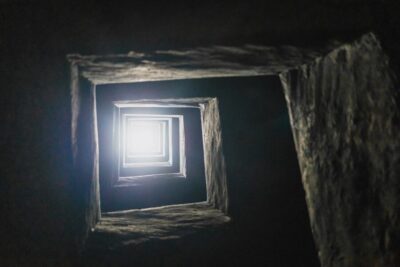
Naples Underground Entry Ticket and Guided Tour
Read our review →
Entry Ticket and Guided Tour with an Archaeologist
Read our review →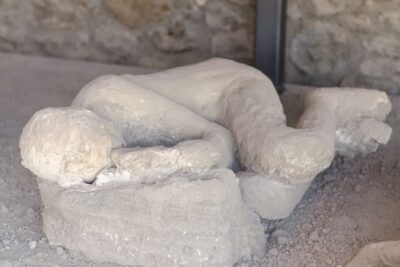

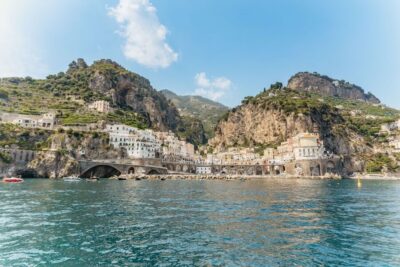
Sorrento, Positano and Amalfi Full-Day Tour
Read our review →
Sorrento, Positano & Amalfi Coast – Small Group Tour
Read our review →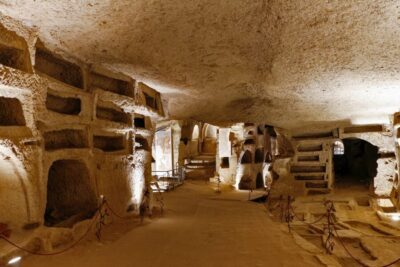
Catacombs of San Gennaro Entry Ticket & Guided Tour
Read our review →Browse the lists this tour appears in