
Review · COOKING CLASSES
Milan: Pasta & Tiramisu Cooking Class with Premium Products
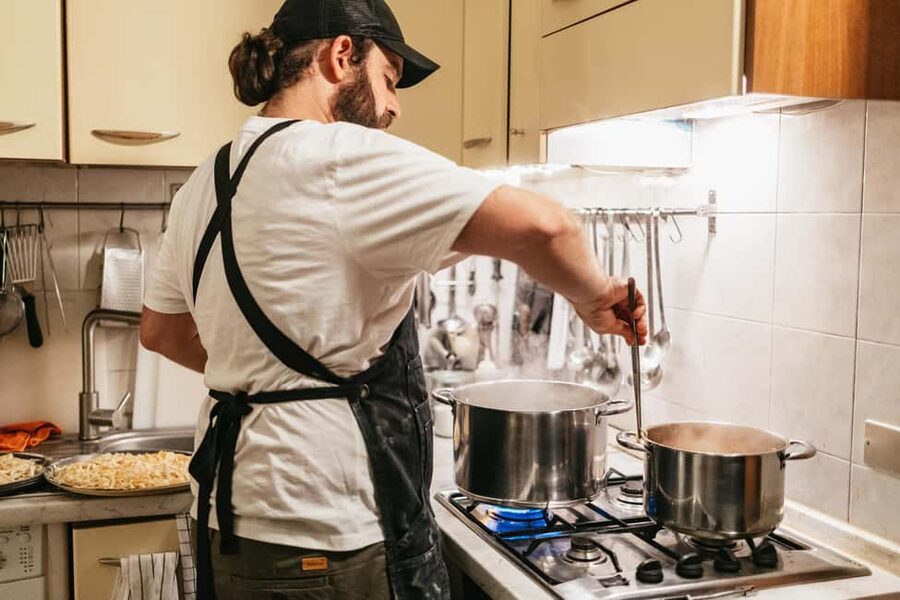
The best thing about this Milan cooking class is its setting: you cook in chef Rafael’s private loft, not a polished restaurant kitchen. That gives the three-hour session a relaxed, personal feel, with plenty of room for conversation about Italian food, family traditions, and daily life.
I like two things right away. You make the meal from scratch, from egg-and-flour dough to two sauces and tiramisu. I also like the focus on ingredient quality, including tastings of olive oils, balsamic vinegars, and artisan bread before the cooking begins.
The main consideration is the home setting. It is cozy and limited to eight people, but it is not a large cooking school with a show kitchen. If you want a slick, highly choreographed class, this may feel informal. If you want a friendly evening around a real kitchen table, that is exactly the point.
In This Review
- Key Points
- A Milan Cooking Class That Feels Like Dinner at a Friend’s Home
- Starting With Olive Oil, Balsamic Vinegar, and Bread
- Making Fresh Pasta With Eggs, Flour, and a Pasta Machine
- Two Sauces, Two Different Lessons
- Tiramisu From Preparation to Dessert
- Sitting Down to a Family-Style Italian Meal
- Why the Private Loft Setting Matters
- The Host’s Teaching Style and Food Advice
- Price, Timing, and Who Gets the Best Value
- Who Should Book This Milan Pasta Class?
- Should You Book It?
- FAQ
- Where does the cooking class take place?
- How long does the experience last?
- What food will I make?
- Is wine included?
- Is the class taught in English?
- How many people can join the class?
Key Points
- Chef Rafael leads the class in English, mixing practical instruction with stories about Italian food and culture.
- Fresh pasta is made by hand, then shaped with a pasta machine and served with tomato and Parmesan-based sauces.
- Premium product tasting comes first, including olive oil, balsamic vinegar, and artisan bread.
- The private loft creates a home-style meal, rather than a commercial cooking-school atmosphere.
- Your price includes dinner, tiramisu, water, and a bottle of Italian wine, white or red.
- The group is limited to eight, making it easier to ask questions and get hands-on guidance.
A Milan Cooking Class That Feels Like Dinner at a Friend’s Home
This experience works because it combines three things that are often separated: a cooking lesson, a proper meal, and a chance to talk with a local host. You are not simply shown a recipe and sent away. You take part in the work, then sit down and eat what the group has made.
Rafael’s loft is in a historic Milanese building and functions as a private home. That detail matters. The atmosphere is personal and informal, with the host welcoming you into his own space rather than performing in a restaurant designed for visitors.
The class is conducted in English, and the small group limit is eight people. That is a useful size for a hands-on activity. You can watch the demonstration, work alongside the others, and ask about small points that would be easy to miss in a much larger class.
The mood is also part of the experience. Rafael is described as talkative, warm, and open, and he brings personal stories into the lesson. The result is less like a strict culinary examination and more like an evening of cooking with an outgoing friend who happens to care a great deal about food.
More Cooking Classes in Milan
- Milan: Pasta and Tiramisu Cooking Class with Wine
★ 4.8 · 1,106 reviews - Milan: Pasta and Tiramisu Small Group Cooking Class with Wine
★ 5.0 · 660 reviews - Milan Cooking Class: Authentic Pizza & Gelato Making
★ 5.0 · 582 reviews
Starting With Olive Oil, Balsamic Vinegar, and Bread
The class begins with a tasting of Italian products. You sample olive oils and balsamic vinegars with artisan bread, while Rafael explains what to look for in good ingredients and how labels can help you judge quality.
This is more useful than it may sound. Italian cooking often depends on a short list of ingredients, so quality makes a visible difference. When a dish contains only pasta, tomatoes, cheese, oil, and seasoning, each part has a job. A better olive oil can change the smell and finish of a simple plate. A well-made balsamic vinegar can bring balance to bread or other dishes.
I like this opening because it gives you a way to think about Italian food before you start cooking. You are not just learning what to mix together. You are learning why a basic recipe can taste excellent when its ingredients are chosen with care.
It also adds some variety to the evening. You begin by tasting and talking, then move into dough making, sauces, dessert, and dinner. That change of pace helps the three hours feel full without turning the class into a rushed checklist.
Making Fresh Pasta With Eggs, Flour, and a Pasta Machine
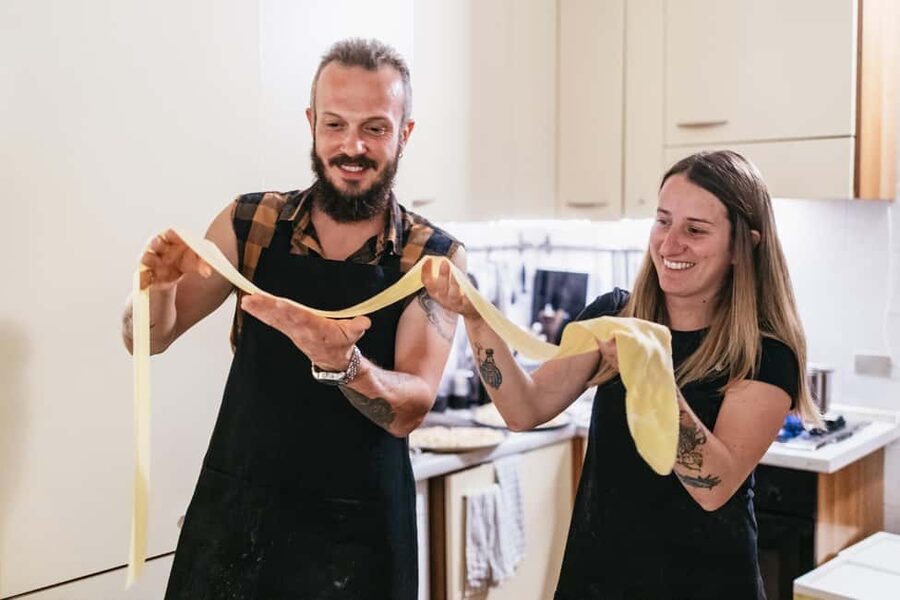
The main project is fresh pasta. You work with eggs and flour, knead the dough, and learn how to judge its texture. Rafael then shows you how to roll and shape it with a pasta machine.
For first-time cooks, this is the most rewarding part. Dry pasta is convenient, but fresh pasta gives you a direct connection to the food. You feel the dough change under your hands, see how it responds to kneading, and learn that the process is more manageable than many people expect.
Rafael’s teaching style appears to focus on doing, feeling, and adjusting rather than blindly following a fixed list of instructions. That is a good approach for a recipe you want to repeat at home. Dough can respond differently depending on the ingredients and conditions, so learning to recognize the right texture is more valuable than memorizing a single number.
The pasta machine makes the rolling stage practical within a short class. You do not spend the whole afternoon working dough by hand, but you still take part in the important steps. The class is designed to show that fresh pasta does not require an entire day or a professional kitchen.
The group prepares two pasta dishes. The exact shapes are not specified in the activity details, so do not arrive expecting a particular regional noodle. The useful promise is broader: you learn the basic method, shape the dough, and eat two pasta preparations with the sauces made during the session.
Two Sauces, Two Different Lessons
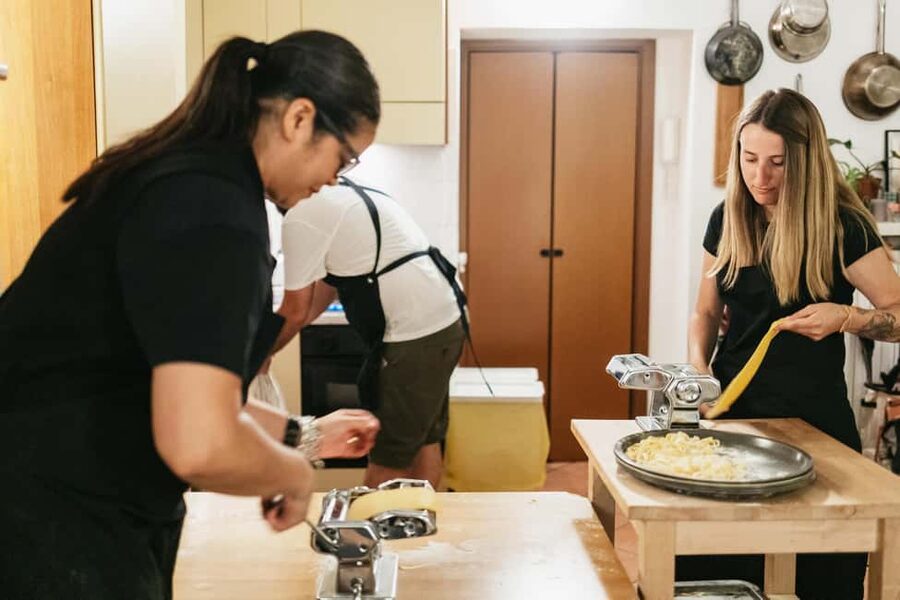
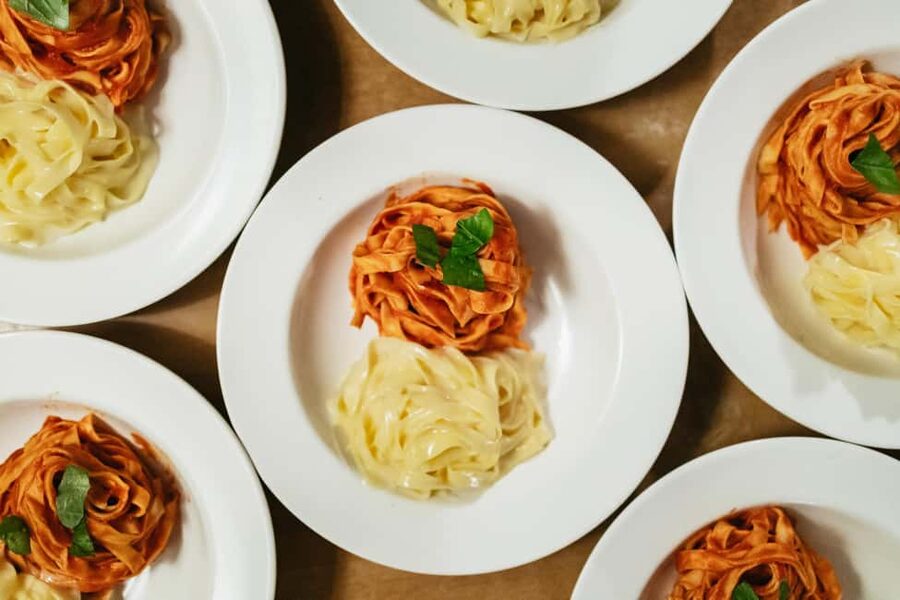
The pasta is paired with two classic sauces: a rich tomato sauce and a creamy Parmesan-based sauce. This is a smart pairing for a short class because the sauces teach different ideas.
The tomato sauce shows how a few ingredients can be built into something full and satisfying. It is a good lesson in balance, since acidity, seasoning, and richness need to work together without burying the pasta.
The Parmesan sauce gives you a different texture and flavor. It is savory and creamy, with cheese doing much of the work. Together, the two sauces help you see how the same fresh pasta can take on a different character depending on what surrounds it.
The class also emphasizes the quality of the products used. That means you should pay attention during the tasting and ingredient discussion, not just during the cooking steps. You will leave with practical ideas about what to buy when you try the recipes again.
Several people who attended alone found the small-group format comfortable, and that makes sense here. Cooking creates a natural reason to talk. You are measuring, kneading, shaping, and tasting together, so solo participants are not left sitting quietly while couples work in pairs.
A different way to spend the day, same part of Italy:
- Milan: Cathedral and Duomo’s Terraces Entrance Ticket
★ 4.6 · 61,054 reviews - Milan: Da Vinci’s Last Supper Guided Tour
★ 4.7 · 10,143 reviews - Milan: Science and Technology Leonardo da Vinci Museum Entry
★ 4.5 · 7,169 reviews - Milan: City Sightseeing Hop-On Hop-Off Bus with Audio Guide
★ 4.0 · 6,256 reviews
Tiramisu From Preparation to Dessert
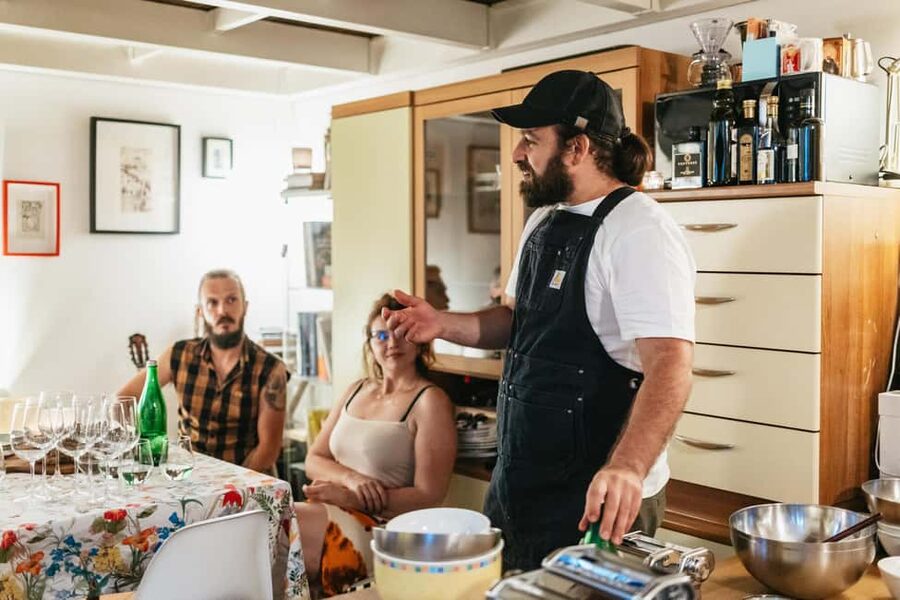
Tiramisu is the second major recipe. Rafael explains the method, guides you through the preparation, and shows how to adjust the dessert to suit your taste by managing the ingredients.
That flexibility is especially helpful at home. Tiramisu is familiar, but small changes affect the result. Too much sweetness can overwhelm the coffee and cream elements, while too little can make the dessert feel flat. Learning how to think about the balance gives you more control than simply copying a recipe.
The dessert also provides a pleasant contrast to the pasta work. After kneading and shaping dough, you move to a dish that depends more on careful combining and proportion. You then enjoy the tiramisu as part of the final meal.
The experience includes tiramisu, but the timing of serving can vary because the class runs as a shared cooking session. The important point is that you prepare it with the group and eat it afterward, rather than receiving a separate restaurant dessert made by someone else.
Sitting Down to a Family-Style Italian Meal
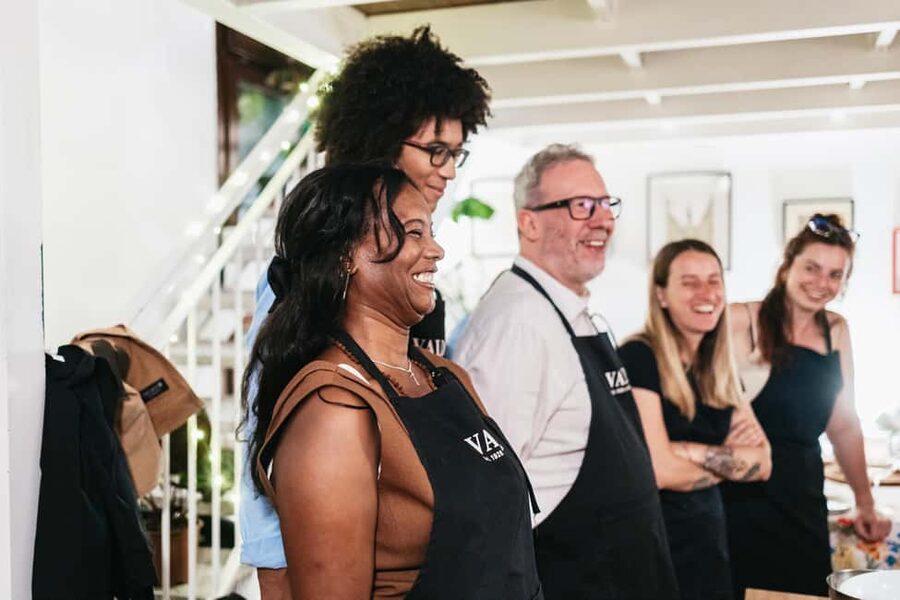
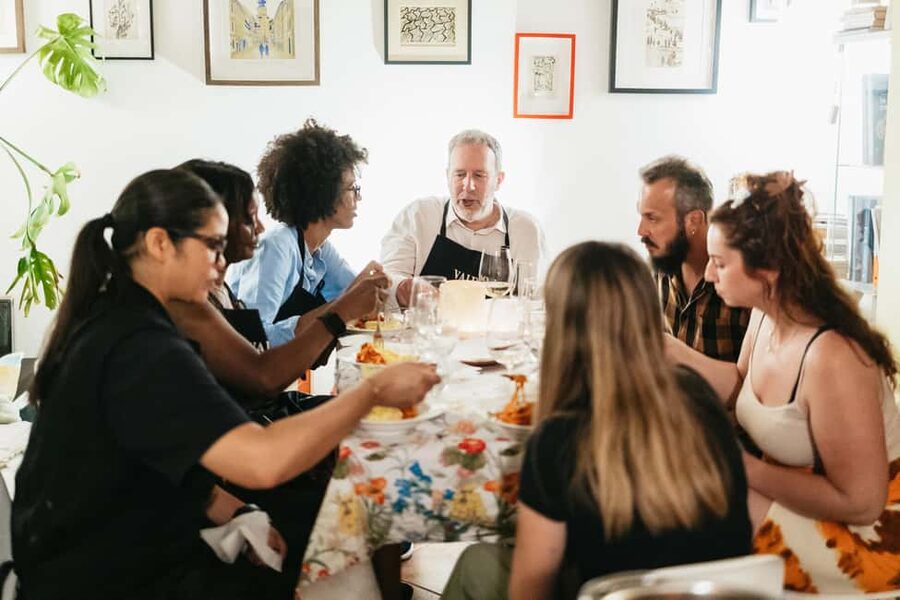
At the end, everyone sits down to eat the food prepared during the class. The meal includes the two pasta dishes and tiramisu, with water and a bottle of Italian wine, either white or red.
This final meal is more than a reward for finishing the recipes. It lets you taste the results while the techniques are still fresh in your mind. You can compare the two sauces, notice the texture of the pasta, and ask last-minute questions about how to repeat the dishes at home.
The family-style format also brings the social side of the class into focus. You are sharing food at the host’s home, not rushing through a plated meal in a busy restaurant. Conversation continues, and the meal becomes a natural end to the lesson.
Wine is included, but this is not presented as a wine-tasting tour. The wine supports the meal and the relaxed atmosphere. If you do not drink, water is also provided, though the available information does not specify alcohol-free wine or other alternatives, so ask before booking if that matters to you.
Why the Private Loft Setting Matters
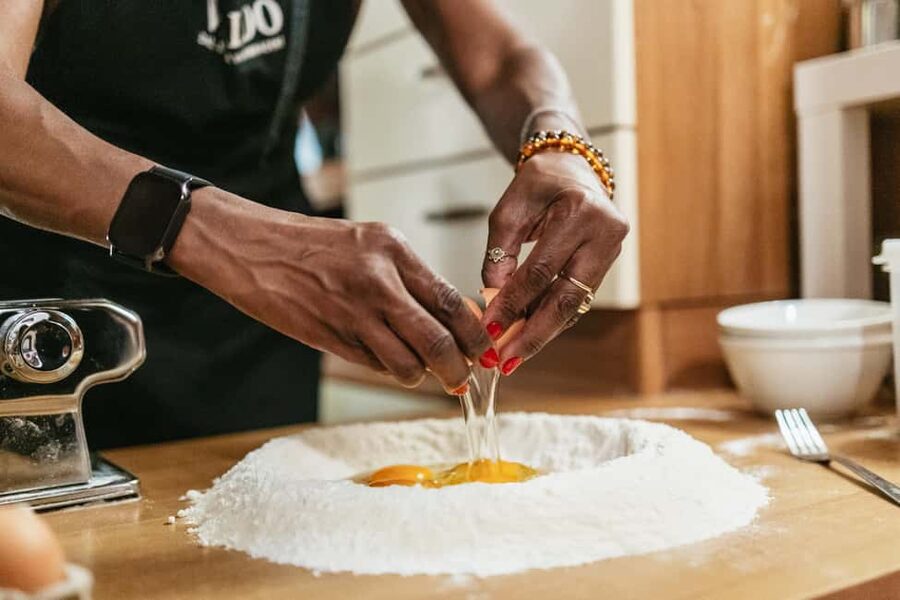
The private-home format is the clearest difference between this class and a standard tourist cooking school. Some people will love the cozy atmosphere and the chance to meet Rafael in his own space. Others may prefer a purpose-built kitchen with more room, professional workstations, and a formal structure.
The available details describe the loft as intimate and personal. One class had eight participants in a small apartment, yet the compact space was considered part of its charm. That tells you what to expect: a close, conversational evening rather than a grand culinary studio.
The setting can also make the experience feel more connected to ordinary Milanese life. You are not being shown a staged version of Italy in a restaurant designed only for classes. You are entering a home and sharing a meal there.
Still, read the description carefully before booking. The private-home setting is not a minor footnote. It shapes the entire class, from the amount of space to the casual tone. I would choose this experience for warmth and conversation, not for luxury surroundings or restaurant-style service.
The Host’s Teaching Style and Food Advice
Rafael’s strongest role here is not only chef but host. He explains ingredients, cooking techniques, food labels, and parts of Italian food culture while keeping the group involved.
You can expect plenty of conversation. He shares elements of his life and invites discussion about food, travel, and different cuisines. That can make the class feel especially rewarding if you enjoy learning through stories rather than through a silent demonstration.
His approach also seems beginner-friendly. The pasta method is explained step by step, and the emphasis is on making the process feel achievable. You do not need to arrive as an experienced cook. Curiosity and a willingness to get involved are more important.
Rafael has also offered local suggestions after the class, including food spots and places to visit. That is not a formal part of the listed itinerary, so treat it as a possible extra rather than a guaranteed service. Still, it can be useful if you have time left in Milan and want ideas from someone who pays close attention to food.
Price, Timing, and Who Gets the Best Value
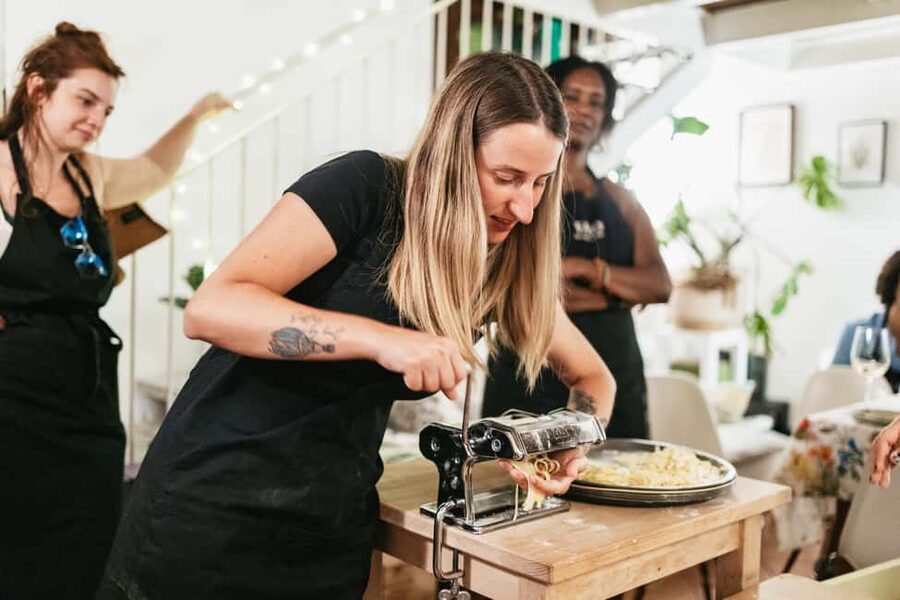
At $80 per person, the price covers a three-hour cooking session, the chef’s instruction, product tastings, two pasta dishes, tiramisu, a family meal, wine, and water. I consider that solid value if you want both an activity and dinner.
You are also paying for the small group and the personal setting. A larger class might offer more space or a more polished kitchen, but eight people or fewer gives the host a better chance to guide the work and answer questions.
The value is strongest for people who will use what they learn. If you already plan to make pasta and tiramisu at home, the ingredient advice and hands-on practice add lasting value. If you only want to eat Italian food, a restaurant meal will be simpler and may cost less, but it will not give you the same involvement.
The listed duration is three hours. One account described a longer evening, so leave a little flexibility in your schedule rather than booking a tight connection or appointment immediately afterward. Starting times vary, so check availability when choosing your date.
The meeting point is in front of Brambilla Univeral Shoes Store. Make sure you have the host’s directions and accurate contact information before arriving, since the class takes place in a private home rather than a clearly marked restaurant or school.
Cancellation is free up to 24 hours before the activity for a full refund. You can also reserve now and pay later, which helps if your Milan plans are still shifting.
Who Should Book This Milan Pasta Class?
I would recommend it most strongly to:
- First-time pasta makers who want clear, practical instruction.
- Solo visitors looking for an easy social activity in Milan.
- Couples and families who enjoy cooking together.
- Food lovers interested in olive oil, balsamic vinegar, labels, and product quality.
- People who prefer a home-style evening to a commercial class.
- Anyone hoping to recreate the meal after returning home.
It may be less suitable if you want a formal culinary-school environment, a spacious professional kitchen, or a class focused on advanced technique. The atmosphere is intentionally casual, and the private loft is part of the appeal.
It is also worth thinking about your schedule. This is an evening built around food and conversation, not a quick stop between major sights. Give it room to unfold.
Should You Book It?
Book this class if you want to make fresh pasta, prepare tiramisu, eat a full meal, and spend time with an engaging chef in a private Milan home. The strongest reasons to go are the hands-on work, the attention to ingredient quality, and the warm social atmosphere created by Rafael.
Skip it if you want a slick cooking studio or a tightly timed lesson with no personal conversation. For most food-focused visitors, though, the $80 price covers a generous amount: instruction, tastings, dinner, dessert, wine, and a memorable look at Italian cooking from inside a real home.
FAQ
Where does the cooking class take place?
The class takes place in chef Rafael’s loft, located in a private home inside a historic Milanese building. The meeting point is in front of Brambilla Univeral Shoes Store.
How long does the experience last?
The listed duration is three hours. Starting times vary, so check availability for your chosen date. You may want to keep some extra time free afterward.
What food will I make?
You will make fresh pasta from eggs and flour, shape it with a pasta machine, prepare two sauces, and make tiramisu. The sauces are a rich tomato sauce and a creamy Parmesan-based sauce.
Is wine included?
Yes. The experience includes a bottle of Italian wine, either white or red, along with water.
Is the class taught in English?
Yes. The instructor language is English.
How many people can join the class?
The class is limited to eight participants, creating a small-group setting in the chef’s private home.
More Workshops in Milan
- Milan: Italian Cooking Class with Food and Wine
★ 4.7 · 509 reviews - Small Group Cozy Cooking Class in a Typical Milanese Home.
★ 5.0 · 302 reviews - Milan: Pasta, Ravioli, and Gelato Class in a Glamorous Home
★ 4.9 · 268 reviews - Cesarine: Small group Pasta and Tiramisu class in Varenna
★ 5.0 · 195 reviews
More Pasta in Milan
- The Secrets to Learn Fresh Pasta and Tiramisù in a Glam Home
★ 5.0 · 1,182 reviews - Gnocchi, Pasta, Tiramisù and Wine Class
★ 5.0 · 691 reviews - Milan Culinary Experience: Pasta & Gelato or Tiramisù Class
★ 5.0 · 337 reviews - Milan: Traditional Pasta and Tiramisù Masterclass
★ 5.0 · 307 reviews
Recently reviewed around Milan
- From Milan: Venice Full-Day Guided Tour With Boat Ride★ 4.5 · 322 reviews
- Venice Day Trip from Milan with Guided City Tour★ 4.0 · 383 reviews
- Verona and Lake Garda Day Trip from Milan★ 4.5 · 214 reviews
- Full-day Skip-The-Line Milan, The Last Supper and Duomo Cathedral★ 5.0 · 293 reviews
- Small-Group Lake Como & Lugano by Swiss Train + Boat Cruise★ 5.0 · 1,084 reviews
- Tour Bernina Red Train And St Moritz from Milan★ 4.5 · 247 reviews
- Walking Food Tour of Milan with Tastings★ 4.5 · 194 reviews
- Skip the Line: Essential Milan Tour Including Da Vinci’s ‘The Last Supper’★ 4.5 · 339 reviews
Cooking Classes, compared.
3 in 1 Cooking Class near Navona: Fettuccine, Ravioli & Tiramisu
Read our review →
Pasta & Tiramisu Cooking Class with Unlimited Wine
Read our review →
Pasta & Tiramisu Class with Fine Wine by the Vatican
Read our review →
Cooking Class and Lunch at a Tuscan Farmhouse with Local Market Tour from Florence
Read our review →
Authentic Pizza Making Class in Naples with Appetizers and Drink
Read our review →
Pasta Making Class with Wine, Limoncello, and Dessert
Read our review →Browse the lists this tour appears in