
Review · WALKING TOURS
Palermo: NO Mafia Walking Tour
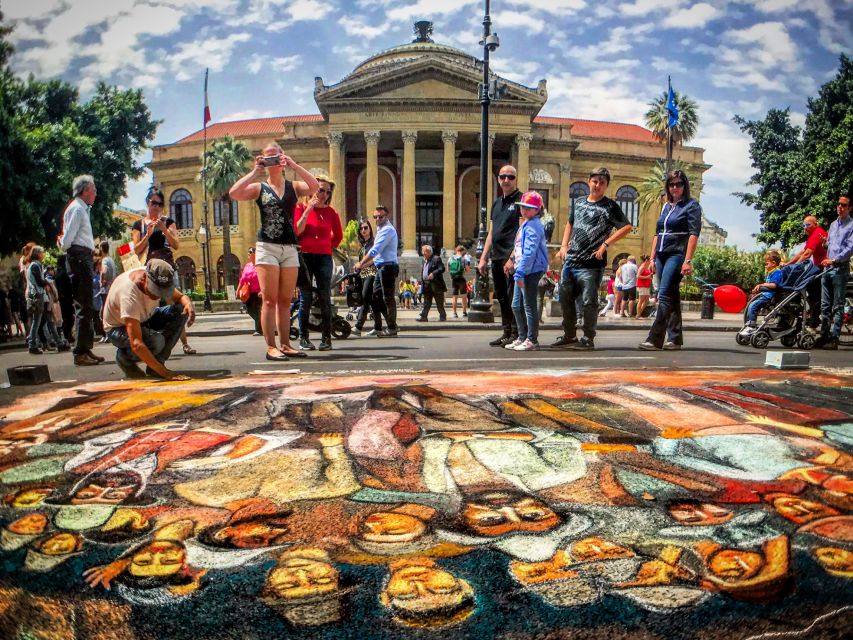
Palermo’s No Mafia Walking Tour uses the city itself as the classroom. Instead of chasing movie-style Mafia myths, you follow a serious account of extortion, violence, political power, and the Sicilians who have resisted it. The route also brings you past Teatro Massimo, Il Capo market, the cathedral, city hall, and other old-town landmarks.
I like two things in particular: the tour explains how Mafia power affected ordinary businesses, and it gives equal weight to the anti-Mafia movement, including Addiopizzo’s pago chi non paga campaign. The main drawback is that the walk depends heavily on spoken explanation, so anyone hoping for dramatic crime scenes, museum displays, or monument interiors may find the sights secondary.
In This Review
- Key points to know before you book
- Why this Palermo tour is different from a standard city walk
- Starting near Teatro Massimo
- Il Capo market and Palermo’s everyday life
- Piazza Della Memoria and the human cost
- The Cassaro’s orange anti-extortion stickers
- Piazza Beati Paoli, the cathedral, and city hall
- What the three-hour format feels like
- Is $40 a fair price?
- Who should take the No Mafia Walking Tour?
- Useful planning details before you go
- Should you book it?
- FAQ
- How long is the Palermo No Mafia Walking Tour?
- How much does the tour cost?
- What sights are included on the walking route?
- Does the tour visit Mafia crime scenes?
- Are museum and monument entrances included?
- What languages are available?
- Is a small group option available?
- What should I bring?
- Does the booking support Addiopizzo?
- Can I cancel for a full refund?
Key points to know before you book
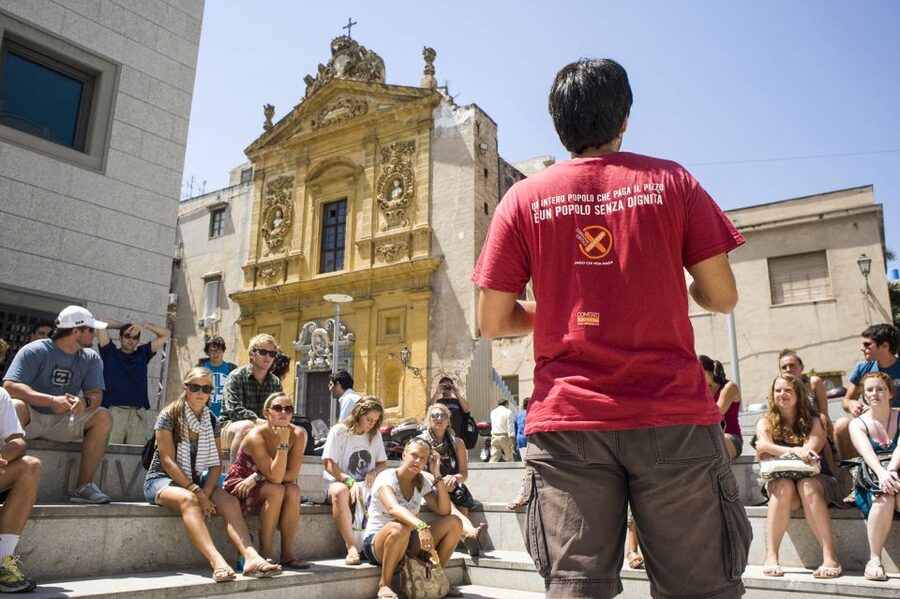
- Three hours through Palermo’s old center: The walk links Teatro Massimo, Il Capo, Palermo Cathedral, Piazza Della Memoria, and city hall.
- The orange stickers tell a modern story: Along the Cassaro, businesses display signs showing that they refuse to pay Mafia extortion.
- The focus is reality, not Hollywood: You learn about Cosa Nostra as a social and political force, not a glamorous film character.
- Addiopizzo is part of the experience: Your booking includes a contribution to the charitable organization behind the civic campaign.
- Guides bring the subject to life: Guides including Valeria, Attilio, Salvatore, Giuseppe, Laura, Ermes, and Marinella have been praised for clear, passionate storytelling.
- Plan for a real walk: Comfortable shoes matter, and shade or seating may not be available at every stop.
Why this Palermo tour is different from a standard city walk
Most Palermo walking tours lead you from church to palace to market, giving you dates, architectural details, and a few local stories. This one uses many of those same places, but asks a harder question: how has power operated here, and how have citizens pushed back?
That change in focus matters. You still see major sights, but the buildings become part of a wider civic story. A street full of shops is not just a shopping street. A memorial is not merely a photo stop. A sticker on a storefront can signal a business owner’s decision to reject extortion and support ethical spending.
The tone is serious, but it is not designed to frighten you. The purpose is to explain the Mafia’s influence and the damage it caused, then show how organized citizens, associations, prosecutors, judges, shopkeepers, and other residents challenged that influence.
I especially value the effort to move beyond familiar clichés. Popular films and television often make the Mafia seem stylish, clever, or almost folkloric. This tour presents the cost: intimidation, corruption, violence, murder, and the pressure placed on people trying to run ordinary lives.
More Walking Tours in Sicily
- Palermo Original Street Food Walking Tour by Streaty
★ 5.0 · 2,105 reviews - Palermo: Street Food and History Walking Tour
★ 4.9 · 1,294 reviews - Palermo No Mafia walking tour: discover the Anti-mafia culture in Sicily
★ 5.0 · 1,011 reviews
Starting near Teatro Massimo
The walk begins with a guide and a Mafia-themed introduction in Palermo’s historic center. The exact meeting point can vary by booking option, so check your confirmation rather than assuming the group starts at one particular landmark.
Teatro Massimo is one of the most recognizable sights in Palermo, and it gives the tour a strong opening setting. You get a sense of the city’s scale and public life before the guide turns toward the subject of Cosa Nostra and its place in Sicilian society.
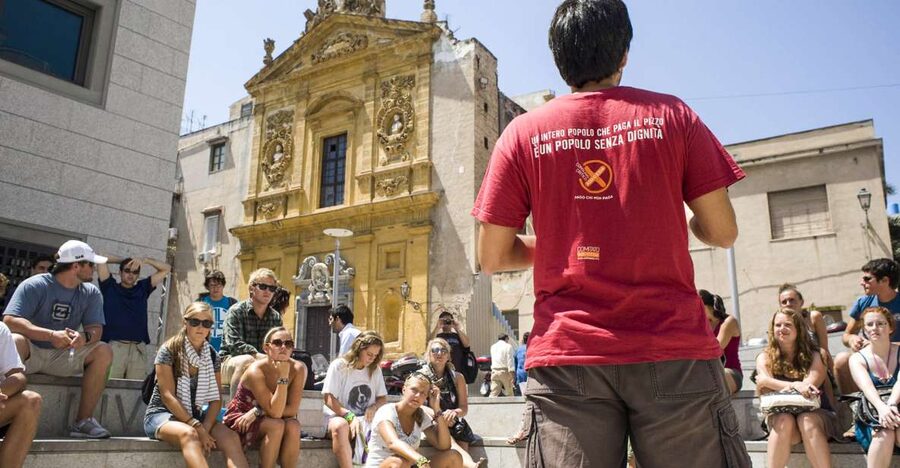
This opening section is not simply a list of Mafia facts. Guides explain origins, social conditions, political links, and the way Mafia power could touch daily business and public life. The best part of the format is the chance to ask questions as the story develops.
Several guides have been singled out for their delivery. Valeria is known for combining pride in Sicily with a clear account of the anti-Mafia cause. Attilio is described as an engaging speaker who can hold attention for the full three hours. Salvatore, Giuseppe, Ermes, Laura, and Marinella have also led highly praised tours, with English that is clear enough for visitors following a complicated subject.
Because the guide does most of the teaching, your experience can vary somewhat with the person leading the group. The consistently strong feedback about different guides is reassuring, but this is still not a self-guided audio route with a fixed script you can pause and replay.
Il Capo market and Palermo’s everyday life
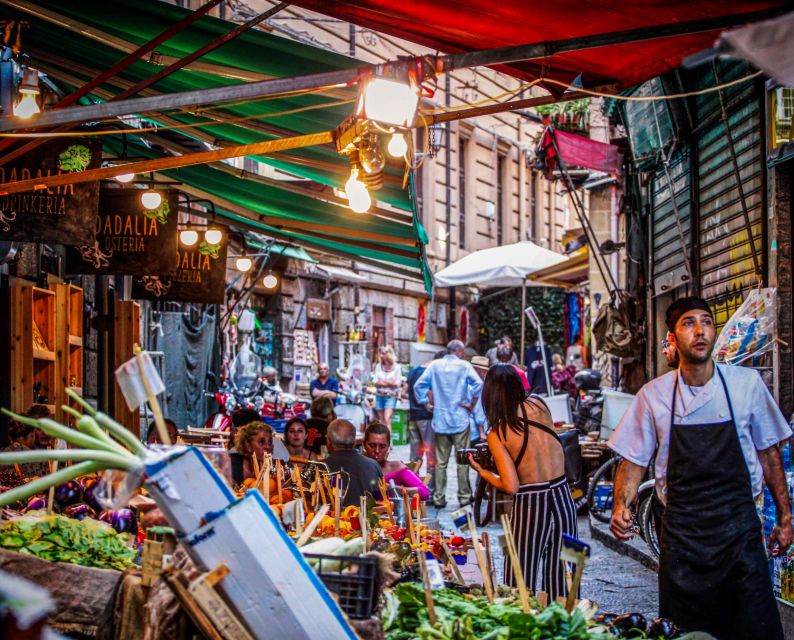
The route continues toward Il Capo, an open-air market in the old center. This is where the tour’s connection to ordinary Palermo becomes especially useful.
A market gives you a picture of local commerce at street level. It is a better setting for discussing shopkeepers, pressure, and economic choices than a grand monument would be. You see a working part of the city while hearing how Mafia influence could affect people who owned or operated small businesses.
Do not expect the market stop to function as a food tour. The included experience is a walking tour, and entrance fees for museums and monuments are not covered. You may pass places where you can later buy Sicilian specialties, but food tasting is not listed as part of the activity.
That said, the guide can help shape the rest of your Palermo visit. Local food suggestions are part of the practical advice offered at the end, and several guides have been praised for adding recommendations beyond the central subject.
Piazza Della Memoria and the human cost
Piazza Della Memoria is one of the most important stops. It serves as a memorial to prosecutors and judges killed by the Mafia, bringing the discussion away from vague talk of organized crime and back to individual lives.
This is likely to be a quiet and serious part of the walk. The value lies in the pause. After hearing about systems of power, you are reminded of the people who confronted those systems and paid with their lives.
The tour also covers major events and figures from recent decades, including the violence, intimidation, and murders that shaped Sicily’s modern public life. The precise amount of detail can depend on questions and the guide’s pace, but the subject is treated as recent civic history rather than distant legend.
If you prefer light sightseeing, this stop may feel heavy. That is also the point. The tour does not soften the harm to make a more comfortable tourist product.
More Palermo walks with a guide:
- Palermo: Private Custom Walking Tour with Local Guide
★ 4.7 · 661 reviews - Palermo: Street Food Walking Tour with Local Guide & Tasting
★ 4.9 · 632 reviews - Palermo Walking Tour and Street Food
★ 5.0 · 617 reviews - Palermo: UNESCO World Heritage Sites Guided Walking Tour
★ 4.8 · 548 reviews
The Cassaro’s orange anti-extortion stickers
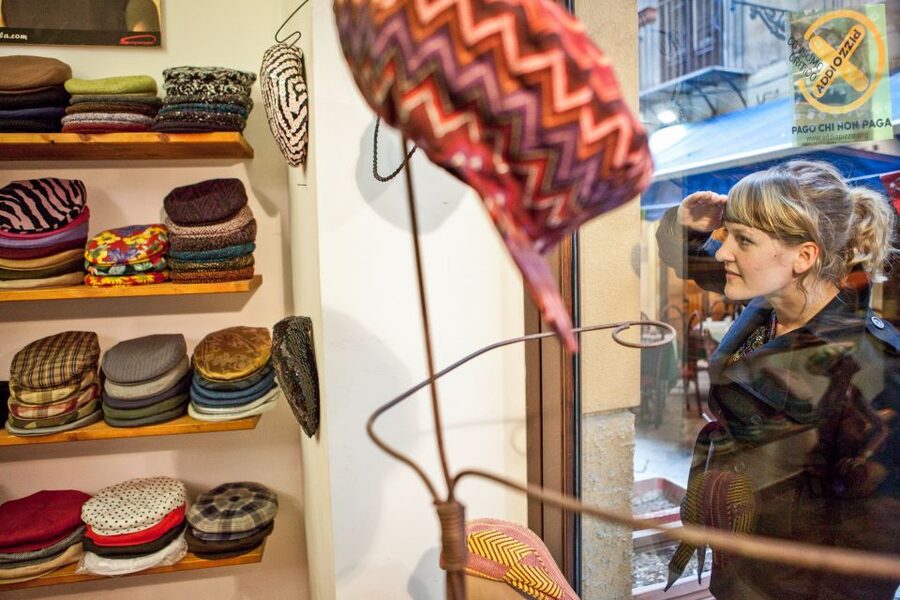
Along the Cassaro, look for businesses with orange stickers in their windows. These mark shops and businesses whose owners have said no to paying extortion and joined the ethical consumer campaign pago chi non paga, which means I pay those who do not pay.
This is one of the most distinctive details on the route. A sticker is small, but it turns a large social issue into something you can recognize on a normal street. You are not just hearing that resistance exists. You are seeing how it can be expressed through business choices and consumer support.
Addiopizzo’s role gives the tour a practical edge. The organization supports a civic movement built around refusing extortion and encouraging customers to support businesses that reject it. Your booking includes a contribution to Addiopizzo, so the price is not only paying for a guide’s time.
I find this especially useful for visitors who want to behave responsibly but do not know what that means on the ground. The tour connects your spending choices with the wider campaign. It does not claim that a tourist can solve a complex problem in one afternoon, but it shows how small decisions can support local resistance.
Piazza Beati Paoli, the cathedral, and city hall
The route includes Piazza Beati Paoli, Palermo Cathedral, and city hall, along with other streets and public spaces in the old town.
These stops keep the walk tied to Palermo itself. You are learning about the city’s civic institutions, neighborhoods, and public memory rather than receiving an abstract lecture in a room. The cathedral and city hall also help you orient yourself in the center, which is useful if this is one of your first activities in Palermo.
The tour does not include admission to museums or monuments. You should think of these places as exterior stops and reference points unless your booking details say otherwise. If you want to visit the cathedral interior, Teatro Massimo, or a museum, plan a separate visit and allow extra time.
One advantage of taking the tour early in your stay is that the guide can help you understand the city’s streets before you explore on your own. You also finish in the old town center, making it easy to continue with lunch, a market visit, or more sightseeing.
What the three-hour format feels like
Three hours is long enough to develop a serious argument, not just deliver a few dramatic anecdotes. Guides explain the Mafia’s origins, influence, social setting, and resistance movement, then connect those themes to the streets around you.
The length is also the tour’s main practical challenge. You will be standing and walking for much of the time, so comfortable shoes are essential. One guide has been praised for offering places to sit in the shade during explanations, but you should not assume every stop will provide shade or a seat.
The group may be available in a small-group format. That can make a major difference on a topic that invites questions. A smaller group generally makes it easier to hear the guide, stay together in busy streets, and ask about complicated political or historical points.
Language options include English, Italian, Spanish, and French. Polish is not listed, so Polish speakers should book with another language in mind. English delivery has been praised as clear, but the subject includes names, events, and social ideas that require concentration.
I would avoid scheduling this immediately after a long arrival day if you are tired. You will get more from it when you can listen closely and remember the connections between places.
Is $40 a fair price?
At $40 per person, this is more expensive than a basic free walking tour, but the comparison is not quite fair. You are paying for a three-hour guided account of a difficult subject, not just a circuit of famous buildings. The price also includes a contribution to Addiopizzo.
The value is strongest if you want context. A standard city tour may show you Palermo Cathedral and Teatro Massimo. This experience helps you understand how public life, commerce, memory, and civic action fit around those sights.
The value is weaker if you mainly want interiors, photography stops, or food. Museum and monument entrances are not included, and the activity does not promise tastings. You might prefer to pair it with a separate architecture tour or market visit.
For me, the strongest reason to pay is the subject’s connection to present-day choices. Learning what the orange stickers mean, and how pago chi non paga works, gives you something practical to notice after the tour ends.
Who should take the No Mafia Walking Tour?
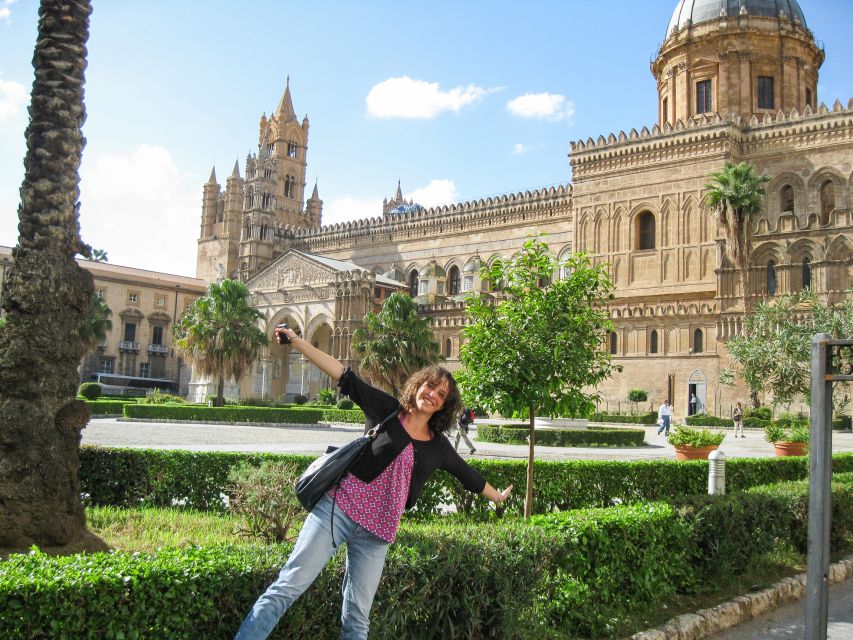
I would recommend it to adults and older teenagers who want to understand Sicily beyond the usual postcard story. One family found the subject engaging enough to hold a teenager’s attention for three hours, though the violence and murders discussed may not suit young children.
It is a good choice for anyone interested in modern Italian history, organized crime, social movements, politics, or ethical tourism. It also works well for repeat visitors who have already seen the major churches and palaces and want a different way to read Palermo.
You do not need prior knowledge of Cosa Nostra. The guide builds the subject from basic ideas and explains the difference between popular myths and lived reality. Still, you should be ready to listen. This is not a background commentary you can half-hear while taking photographs.
The tour is less suitable if you want a cheerful introduction to Palermo or a route focused on dramatic Mafia locations. One of its strengths is that it is not a tour of movie scenes or a parade of crime sites. Its emphasis is the broader social and civic story.
Useful planning details before you go
Wear comfortable shoes. Palermo’s historic center is best experienced on foot, and three hours is a substantial stretch of walking and standing.
Check the meeting point for your selected option. The starting place may vary, so do not rely on a general map pin from someone else’s booking.
You can cancel up to 24 hours before the start for a full refund, and the reserve-now, pay-later option keeps your plans flexible. Starting times vary, so check availability for your date.
Bring questions. Guides such as Attilio, Valeria, Salvatore, and Marinella have been praised for answering them well, and the discussion is likely to be more useful when you connect it to something you have seen on the route.
If you want to visit museums or monuments, schedule them separately. The walking tour introduces the exterior setting, but admission is not included.
Should you book it?
Book this tour if you want a serious, human account of Palermo and the anti-Mafia movement, especially if you are tired of Hollywood’s polished Mafia image. The combination of city sights, memorials, orange shop stickers, and Addiopizzo’s civic work gives the walk a clear purpose.
Skip it if you want a light sightseeing stroll, interior visits, or food tastings. For most curious visitors, though, $40 buys more than three hours of information. It gives you a different way to understand the streets you are walking through, and it may change how you spend money in Palermo afterward.
FAQ
How long is the Palermo No Mafia Walking Tour?
The tour lasts three hours.
How much does the tour cost?
The listed price is $40 per person.
What sights are included on the walking route?
The route includes Teatro Massimo, Il Capo market, Piazza Della Memoria, Piazza Beati Paoli, Palermo Cathedral, city hall, and streets along the Cassaro.
Does the tour visit Mafia crime scenes?
The tour focuses on the history and social reality of the Mafia and the anti-Mafia movement. It is not described as a tour of the usual Mafia activity scenes.
Are museum and monument entrances included?
No. Entrance to museums and monuments is not included.
What languages are available?
The tour is offered in English, Italian, Spanish, and French.
Is a small group option available?
Yes. A small-group option is available.
What should I bring?
Bring comfortable shoes for the three-hour walking route.
Does the booking support Addiopizzo?
Yes. The price includes a contribution to the Addiopizzo charitable organization.
Can I cancel for a full refund?
Yes. You can cancel up to 24 hours in advance for a full refund.
Recently reviewed around Palermo
- Sicilian Cooking Class★ 5.0 · 289 reviews
- Discover Palermo in 3 hours. Art, history, markets and street food★ 5.0 · 352 reviews
- Palermo : Private Custom Walking Tour with a Local Guide★ 4.5 · 237 reviews
- Palermo No Mafia walking tour: discover the Anti-mafia culture in Sicily★ 5.0 · 1,011 reviews
- Palermo’s Delight: Unleash the Secrets of Pizza and Gelato Making★ 5.0 · 497 reviews
- Palazzo Conte Federico★ 5.0 · 650 reviews
- Night Street Food Tour of Palermo with a Local -For real foodies!★ 5.0 · 486 reviews
- Wanna be Sicilian: Palermo Cooking Class and Market Tour★ 5.0 · 197 reviews
Walking Tours, compared.
Guided Walking Tour & Last Supper Visit with Ticket
Read our review →
Rialto Bridge & Offbeat Unusual Venice Walking Tour
Read our review →
Private 3 hrs Venice Tour: St Mark’s, Walking tour & Boat tour
Read our review →
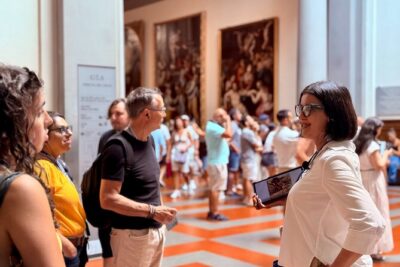
Skip the line: Uffizi and Accademia Small Group Walking Tour
Read our review →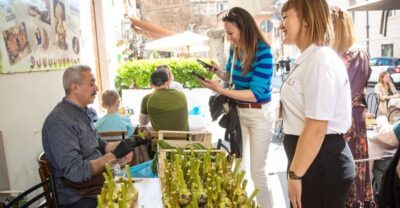
Trastevere & Campo de Fiori Street Food Walking Tour
Read our review →Browse the lists this tour appears in