
Review · SICILY TOURS
Palermo: Teatro Massimo Opera House Guided Tour
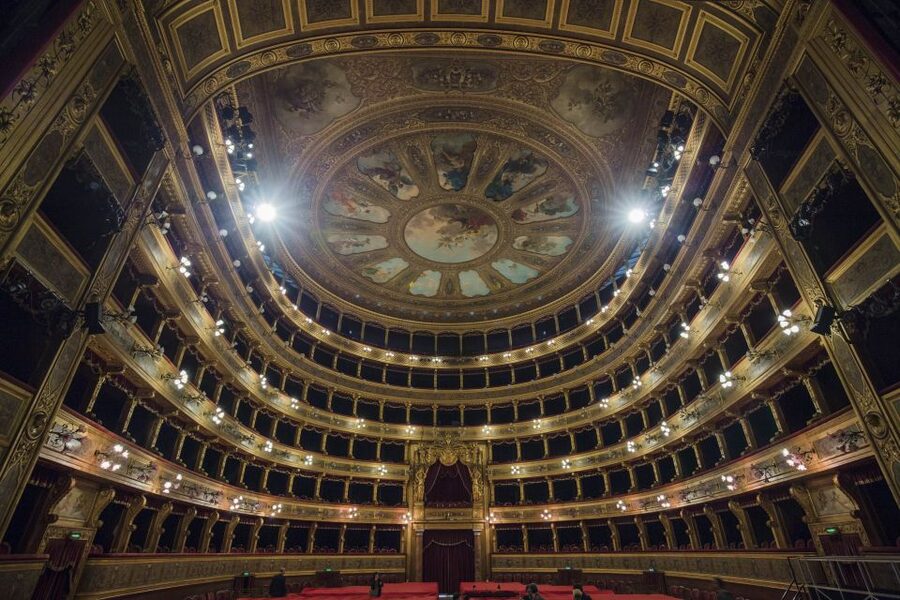
Palermo’s Teatro Massimo is the kind of building that can make a quick visit feel like a grand event. In about 40 minutes, you move from a sculpture-filled foyer to a gold-and-velvet auditorium, the royal box, and rooms with names that sound pulled from a palace. The building is also the third-largest opera house in Europe.
I like the low $14 price, which makes this an easy cultural stop even on a packed Palermo day. I also like the chance to see the house during real activity: an orchestra rehearsal, ballet practice, or auditions may be taking place.
The main catch is limited access. The tour is short, and the stage or backstage areas may be closed because of rehearsals, maintenance, or private events. Expect an elegant introduction to the public rooms, not a full theater-workings tour every time.
In This Review
- Key points to know before you go
- Why Teatro Massimo deserves a place in your Palermo plans
- Starting at the foyer and moving into the auditorium
- The royal box and the theater’s formal rooms
- What the guide adds to the architecture
- Is the stage really part of the tour?
- Palermo views from above
- Timing, meeting point, and how the day works
- The value of $14
- Who will enjoy this tour most
- Small drawbacks worth knowing
- Should you book Teatro Massimo?
- FAQ
- How long is the Teatro Massimo guided tour?
- How much does the tour cost?
- Where do I meet the guide?
- What languages are available?
- What rooms are included?
- Can I visit the stage?
- Are food, drinks, or hotel transfers included?
- What are the tour hours?
- Can I cancel the booking?
Key points to know before you go
- The 40-minute route covers the foyer, auditorium, royal box, Coat of Arms, and Pompeian Rooms.
- A live guide explains the architecture and theater traditions in English, Italian, French, Spanish, or German.
- Stage access is not guaranteed, despite the tour description presenting it as part of the visit.
- The $14 cost is strong value for one of Palermo’s major landmarks.
- You exchange your voucher at the Teatro Massimo ticket office, then join the next available tour in your language.
- Rehearsals can add a real performance touch, but they can also leave parts of the auditorium dark or restrict access.
Why Teatro Massimo deserves a place in your Palermo plans
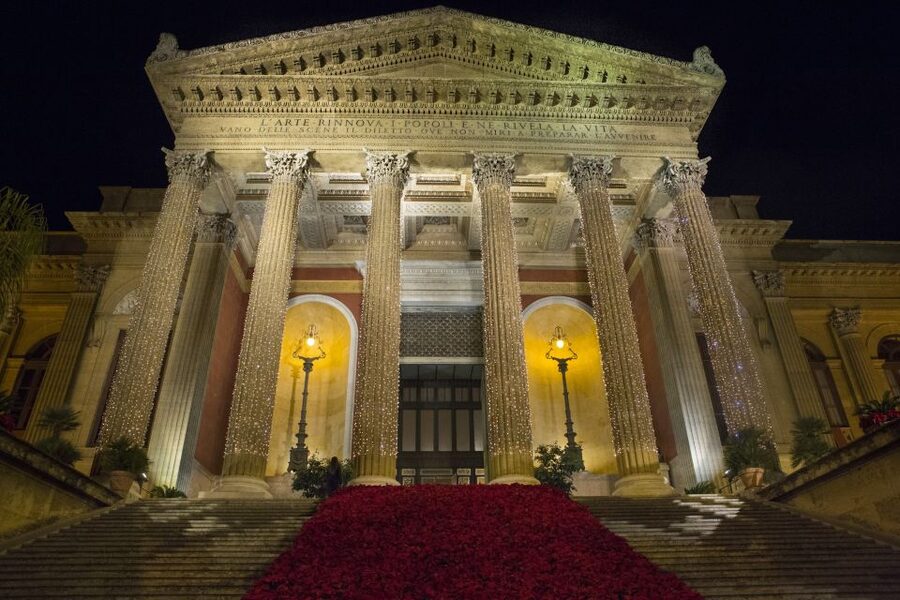
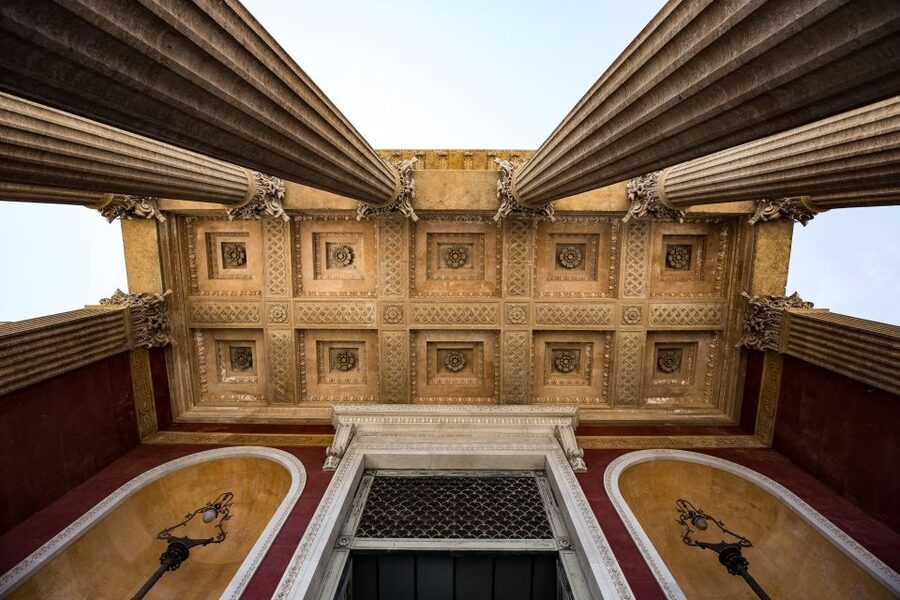
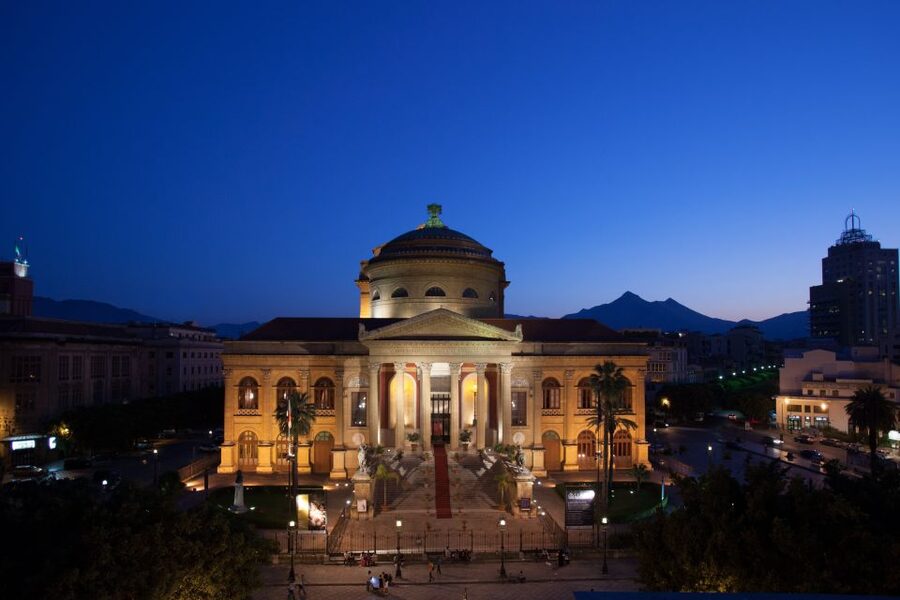
Teatro Massimo is more than a pretty shell for photographs. It is one of Palermo’s defining public buildings, and the guided visit gives you a sense of how architecture, music, ceremony, and city life meet under one roof.
The scale becomes clear as soon as you enter. The foyer is designed to impress before the curtain even rises. Sculptures and bronze-decorated candelabra create a formal welcome, while the broad interior gives you a feeling for the theater’s public role.
I like beginning here because the guide can explain the building before you get distracted by its best-known room. Palermo has plenty of churches and palaces, but Teatro Massimo offers a different view of the city: one shaped by performance, public gatherings, elaborate dress, and the old rituals of going to the opera.
The tour is also easy to fit into a day of sightseeing. At $14, it costs far less than a major full-day excursion, yet gives you a close look at a landmark you might otherwise admire only from the street.
More Palermo trips worth a second look
- Palermo: Private Custom Walking Tour with Local Guide
★ 4.7 · 661 reviews - Palermo: Street Food Walking Tour with Local Guide & Tasting
★ 4.9 · 632 reviews - Palermo: UNESCO World Heritage Sites Guided Walking Tour
★ 4.8 · 548 reviews
Starting at the foyer and moving into the auditorium
Your visit begins at the foyer, where the building announces its ambitions in marble, sculpture, and polished metal. Take a moment to look up and around before following the group. The foyer is not just a passage to the auditorium. It was designed as a social space where people could see and be seen.
From there, the guide leads you into the auditorium. This is the visual center of the tour, with golden stuccoes, wood decoration, velvet details, and glass features. The effect is formal without being dull. Every surface is meant to catch light, frame the audience, or draw your eye toward the stage.
The theater can look even larger from inside than it does from the street. You will get a clear sense of its size, but the time in the auditorium may vary. If a lighting session or rehearsal is underway, the room might be darker than expected.
That is not always a disadvantage. A rehearsal can show you how the room works as a performance space rather than as a frozen monument. Some visits have included orchestra practice, ballet rehearsals, or operatic auditions. You may hear the acoustics in use, which adds something no display case can provide.
At other times, theater activity limits what you can see. The auditorium may be partly dark, and the group may not be allowed near the stage. It is best to treat live rehearsal access as a welcome bonus, not a promise.
The royal box and the theater’s formal rooms
The royal box is one of the tour’s strongest stops. From here, you can look across the auditorium and understand how the theater was arranged for ceremony and status. The view is a practical lesson in social order: not all seats were equal, and some positions carried far more prestige than others.
Bring your camera, but do not rush through the guide’s explanation. The royal box makes more sense when you know why it mattered. It was not simply an ornate room with a good view. It was part of the public display surrounding an important performance.
The route may also include the Coat of Arms and Pompeian Rooms. These spaces add variety after the main auditorium, and their names hint at the theater’s decorative program. The guide explains how the rooms functioned and points out architectural details that are easy to miss when you walk through on your own.
Access can vary according to theater operations. The tour generally focuses on public areas, and you should not assume that every smaller box, corridor, dressing area, or working room is open. One common disappointment is that the route may not include a standard box, only the royal box.
Still, the rooms included in the visit give you a useful picture of how the theater was meant to be experienced. The audience did not simply sit down, watch an opera, and leave. They circulated, paused, met other people, and took part in a carefully staged evening.
What the guide adds to the architecture
This tour earns its price through explanation. Without a guide, you can appreciate the gold, velvet, and carved wood, but you may miss why the rooms are arranged as they are and how the building operated as a theater.
The strongest guides use the visit as a short history lesson, not a list of dates. Daniele has been praised for an engaging and professional presentation, while Martha has also received warm notice for guiding mixed-language groups. Other guides have been described as clear, friendly, and able to explain the material in both Italian and English.
Language arrangements matter here. A tour may combine Italian with English, French, Spanish, or another available language. In a bilingual group, the guide gives the explanation in each language, one after the other.
That format can work well. You have extra time to study the room and take photographs while the guide speaks to another part of the group. It can also feel hurried, especially when one language group is much larger than the other.
The quality of the visit depends partly on pacing. Some guides leave plenty of time for questions and photos. Others move quickly through the rooms, particularly when the theater schedule is tight. If you have mobility concerns or simply prefer a slow look at decorative details, stay close to the guide and listen for instructions about where the group is moving next.
A different way to spend the day, same part of Italy:
- Palermo: NO Mafia Walking Tour
★ 4.8 · 2,431 reviews - Palermo: Hop-on Hop-off Bus Tour 24-hour Ticket
★ 3.9 · 2,410 reviews - Palermo Original Street Food Walking Tour by Streaty
★ 5.0 · 2,105 reviews - Segesta, Erice and Salt Pans Full-Day Excursion from Palermo
★ 4.2 · 1,791 reviews
Is the stage really part of the tour?
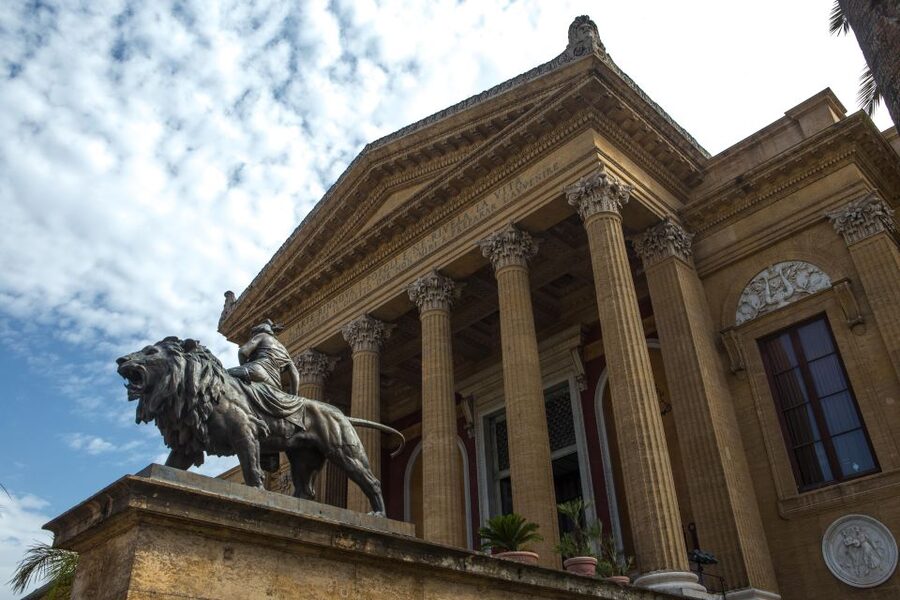
This is the point where the description needs a practical qualification. The tour presents a look at the stage and an explanation of how an opera is put on, but actual stage access is not guaranteed.
Several visits have included a view of rehearsals or activity in the auditorium. Others stayed in public areas, with no stage or behind-the-scenes access. Maintenance, private events, technical work, and performance preparation can all change the route.
I would book this for the architecture and the guide’s interpretation first. If you happen to see the stage, lighting work, musicians, dancers, or singers practicing, consider it an extra layer to the visit.
This approach prevents disappointment. You are buying entry to Teatro Massimo with a guided tour, not a guaranteed technical backstage experience. The theater has to protect its working schedule, and that schedule can change during the day.
Palermo views from above
The visit includes access to a high point in the building, where you can enjoy views over Palermo. This gives the tour a useful change of pace. After looking inward at the auditorium’s decoration, you get to look outward at the city.
The view also helps place Teatro Massimo in Palermo’s urban setting. From above, the opera house becomes part of the city rather than an isolated attraction. You can see why its location and size make it such a useful reference point while walking around central Palermo.
Weather and access conditions may affect how long you spend there, and the exact amount of viewing time depends on the group schedule. Still, this is one of the reasons to keep your phone or camera ready rather than packed away after the auditorium.
Timing, meeting point, and how the day works
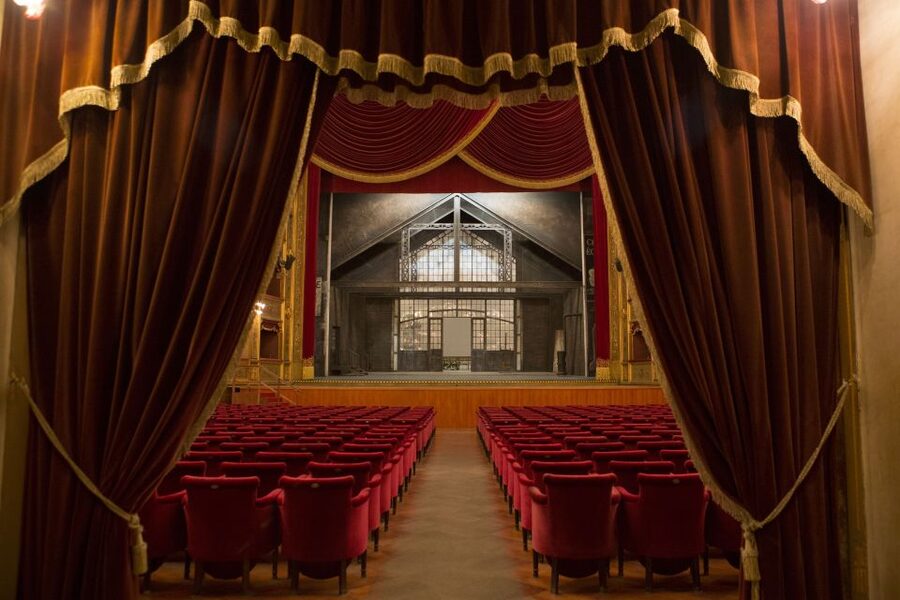
The experience is listed as valid for one day, with guided tours available between 9:30 AM and 5:30 PM. The last tour begins at 5:00 PM. Starting times depend on availability, so check the schedule before planning another fixed appointment immediately afterward.
You do not meet a guide at your hotel. Take your GetYourGuide voucher to the Teatro Massimo ticket office and exchange it there. The process is straightforward, but allow time to find the correct desk and join the next group.
A useful practical tip is to go directly to the ticket office, explain that you have already booked, and ask about the next English tour or the language you need. A few people have been able to skip the regular ticket-buying line and join the next available group.
Waiting time can vary. One visit involved about 20 minutes of waiting, while another group joined a tour almost at once. Your best bet is to arrive with some flexibility rather than expecting to walk straight into a tour at a precise minute.
The tour itself can last around 30 to 40 minutes, though the advertised duration is 40 minutes. That is enough time for the main rooms, but not enough for a slow architectural study or a long behind-the-scenes visit.
The value of $14
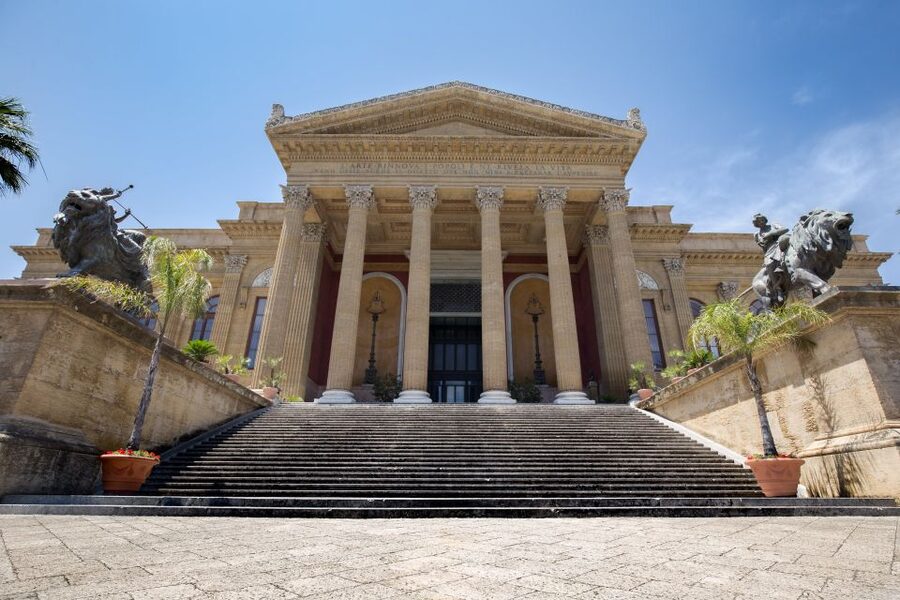
At $14 per person, this is one of the easier sightseeing choices in Palermo to recommend. You are paying for entry to a major landmark and a live explanation in several languages. The price is especially fair if you appreciate architecture but do not want to spend a large part of the day on a formal excursion.
The value is strongest for first-time visitors. A guide helps you understand the building’s purpose and gives structure to what could otherwise be a quick walk through an impressive interior.
The value is less certain for anyone expecting a long technical tour. There is no food, drink, hotel pickup, or drop-off included. You are paying for the theater visit only, and access to working areas can be restricted.
Free cancellation up to 24 hours before the tour also reduces the risk of booking ahead. The reserve-now, pay-later option is useful if your Palermo schedule is still moving around, though you should still check the available starting times before committing to a sightseeing plan.
Who will enjoy this tour most
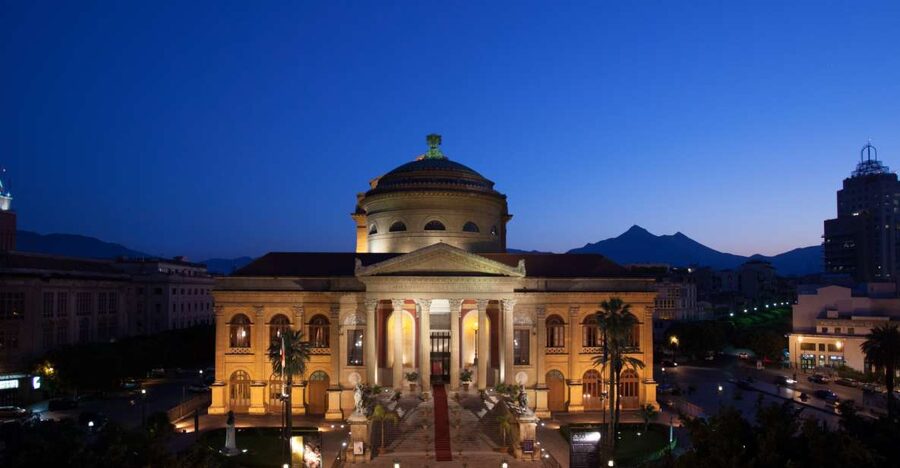
I would choose this tour for anyone who likes historic buildings, opera, theater design, or grand interiors. It works particularly well for a first Palermo visit because it offers a concentrated look at one of the city’s signature landmarks.
It is also a good rainy-day plan. The route is indoors for much of the time, with the high-level city view adding an outdoor element if conditions allow.
Families can manage the 40-minute length more easily than a long museum visit. The auditorium, royal box, and possibility of rehearsal activity give children something concrete to look at, although the amount of spoken explanation may test very young children.
Opera fans will get the most from the tour if they pay attention to the stage mechanics and acoustics. Still, you should book an actual performance separately if your goal is to hear an opera in the theater. This visit is an introduction to the building, not a substitute for a ticketed show.
You may want to skip it if you have already taken a longer backstage tour elsewhere and mainly want access to technical areas. You may also prefer a self-guided visit if you want to linger over details at your own pace.
Small drawbacks worth knowing
The main limitation is speed. Some groups move through the building briskly, and the bilingual format can make the presentation feel compressed. A guide may need to repeat the same information in two languages while keeping the group on schedule.
Group size can affect the experience too. A small group of fewer than 20 people allows easier questions and better views. Larger groups can feel hectic in the foyer, and it becomes important to stay together.
The guide’s style is another variable. Most feedback points to clear, engaging presentations, but not every experience is equally polished. One visit involved a guide who seemed distracted and abrupt. That is not a reason to avoid the theater, but it is a reminder that the building itself is the constant attraction, while the guiding can vary.
Finally, do not expect every room to be open every day. Work, rehearsals, private events, and lighting sessions can alter the route. The tour is best understood as a guided look at the theater’s principal public spaces, with occasional access to activity behind the scenes.
Should you book Teatro Massimo?
Yes, if you want a short, affordable introduction to Palermo’s most famous opera house. The $14 price, strong architecture, royal box, city views, and usually clear multilingual guiding make this a sensible addition to a central Palermo itinerary.
Book it with realistic expectations. You will see the grand public rooms, learn how the building functions, and perhaps catch a rehearsal or glimpse of stage activity. You may not enter the stage or explore every backstage space.
For the best experience, keep your schedule flexible, exchange your voucher at the ticket office, and ask for the next tour in your preferred language. If you love theaters, architecture, or Palermo’s cultural life, this compact visit gives you plenty for the time and money.
FAQ
How long is the Teatro Massimo guided tour?
The advertised guided tour lasts about 40 minutes. Some visits have taken closer to 30 minutes, depending on the route and theater activity.
How much does the tour cost?
The listed price is $14 per person.
Where do I meet the guide?
Take your GetYourGuide voucher to the Teatro Massimo ticket office and exchange it there before joining the tour.
What languages are available?
Tours are available in Italian, English, French, Spanish, and German according to the stated tour information. The listed live-guide languages are Italian, French, English, and Spanish, so check availability for your preferred language when booking.
What rooms are included?
The route begins in the foyer and includes the auditorium, the royal box, the Coat of Arms, the Pompeian Rooms, and other opulent public areas. The tour also includes views of Palermo from the building’s top.
Can I visit the stage?
Stage access depends on theater operations and is not guaranteed. Some visits include rehearsals or stage-related activity, while others remain in the public rooms.
Are food, drinks, or hotel transfers included?
No. The tour includes the guided visit to Teatro Massimo only. Hotel pickup, drop-off, food, and drinks are not included.
What are the tour hours?
Guided tours are available from 9:30 AM to 5:30 PM, with the last tour starting at 5:00 PM. Starting times depend on availability.
Can I cancel the booking?
You can cancel up to 24 hours in advance for a full refund. A reserve-now, pay-later option is also available.
Recently reviewed around Palermo
- Sicilian Cooking Class★ 5.0 · 289 reviews
- Discover Palermo in 3 hours. Art, history, markets and street food★ 5.0 · 352 reviews
- Palermo : Private Custom Walking Tour with a Local Guide★ 4.5 · 237 reviews
- Palermo No Mafia walking tour: discover the Anti-mafia culture in Sicily★ 5.0 · 1,011 reviews
- Palermo’s Delight: Unleash the Secrets of Pizza and Gelato Making★ 5.0 · 497 reviews
- Palazzo Conte Federico★ 5.0 · 650 reviews
- Night Street Food Tour of Palermo with a Local -For real foodies!★ 5.0 · 486 reviews
- Wanna be Sicilian: Palermo Cooking Class and Market Tour★ 5.0 · 197 reviews
Sicily Tours, compared.

Mount Etna Morning or Sunset Day Trip with Tasting
Read our review →
Mount Etna: Guided Volcano Summit Hiking Tour with Cable Car
Read our review →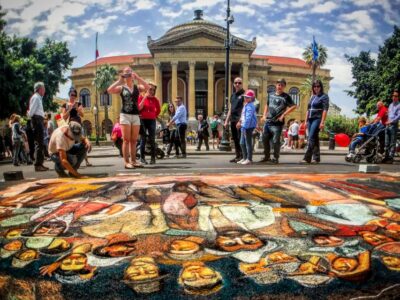
Sunset Jeep Tour of Mount Etna and Lava Flow Caves
Read our review →
Palermo Original Street Food Walking Tour by Streaty
Read our review →
Mount Etna: Trek to 3000m with cable car and jeep
Read our review →Browse the lists this tour appears in