
Review · WORKSHOPS
Naples: Premium Pizza-Making Class at a Pizzeria
The best part of this Naples pizza class is that you do not simply watch a pizzaiolo work. You make your own Neapolitan pizza at an individual station, from mixing flour and water to stretching the dough and sliding it into a wood-fired oven. The setting is a real pizzeria that won the 2017 World Pizza Championship.
I like the small-group format and the clear, hands-on instruction. I also like that the class treats pizza as a full meal, with a savory Margherita, sweet fried dough filled with chocolate spread, a drink, and limoncello. The main consideration is timing: in two hours, your dough cannot go through a long proving period, so part of it may be used for bread or another preparation rather than the pizza you bake.
In This Review
- Key points to know before booking
- What happens during the two-hour pizza class
- Learning staglio and shaping the panetti
- Topping a Margherita with local ingredients
- The wood-fired oven and your finished pizza
- The sweet and fried side of Neapolitan dough
- The guide and chef make the difference
- How much food and drink you receive
- Who will enjoy this class most
- Timing, language, and practical details
- What you can realistically reproduce at home
- Is this Naples pizza class worth booking?
- FAQ
- Where does the pizza-making class take place?
- How long does the experience last?
- What will I make during the class?
- What ingredients are used in the dough?
- Do I get my own workstation?
- What is staglio?
- Is the class available in English?
- What food and drinks are included?
- Can I cancel or pay later?
Key points to know before booking
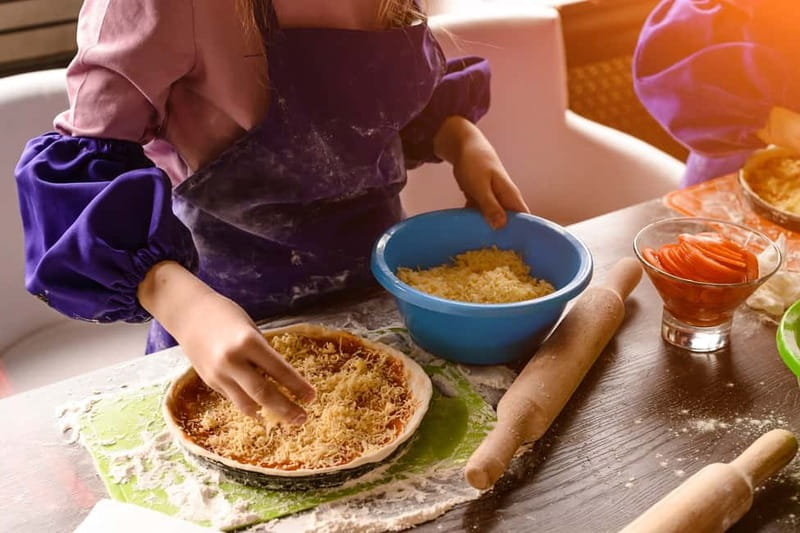
- You work at your own station: This is not a demonstration with a quick turn at the counter. Each person gets practical time with the dough.
- The class teaches staglio: You learn the old Neapolitan method of dividing dough into small balls, called panetti.
- The pizzeria won in 2017: The class takes place in a working pizzeria with a competition-winning reputation.
- The meal goes beyond Margherita: You make a pizza, taste fried pizza dough, and finish with a sweet chocolate-filled version.
- English instruction is available: Guides including Francesca, Lucia, Sabrina, and Federica have translated the pizzaiolo’s Italian explanations for English-speaking groups.
- The format stays compact: The class lasts about two hours, with private and small-group options available.
What happens during the two-hour pizza class
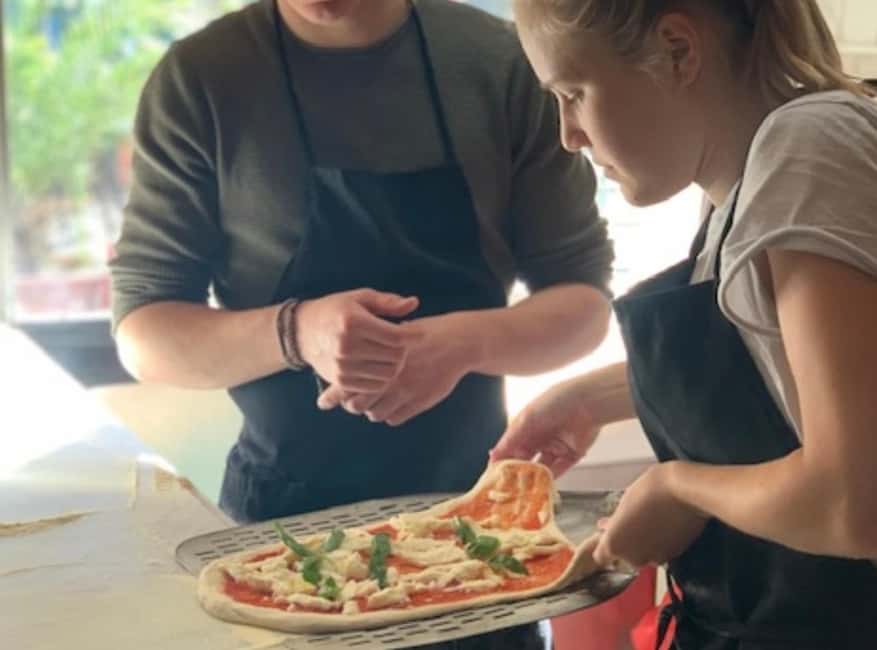
You begin by meeting the guide and pizzaiolo at the designated pizzeria. The exact meeting point can vary with the option you book, so check your confirmation carefully rather than assuming every session begins at the same door.
The class then moves straight to the basics: water, flour, salt, and yeast. That short ingredient list is part of the lesson. Neapolitan pizza is not built on a long shopping list or heavy seasoning. The quality of the ingredients, the handling of the dough, and the heat of the oven do most of the work.
You will see how the ingredients are combined and then get your hands involved. The pizzaiolo demonstrates the movements, while the guide explains the process in English and Italian. Several guides are named in the class feedback, including Francesca, Lucia, Sabrina, and Federica. The chef may speak mainly Italian, but the translation support helps you follow each stage.
The instruction is practical rather than academic. You knead the dough, feel its texture, and learn how it changes as it comes together. This matters because a recipe alone cannot tell you exactly when dough is ready. You need to notice whether it feels too wet, too dry, too tight, or smooth enough to shape.
More Naples & Pompeii trips worth a second look
- Naples: Pizza-Making Workshop with Drink and Appetizer
★ 4.9 · 5,411 reviews - Authentic Pizza Making Class in Naples with Appetizers and Drink
★ 5.0 · 3,178 reviews - Naples: Pasta Making Class with Starter and Drink
★ 4.9 · 1,060 reviews
Learning staglio and shaping the panetti
One of the more distinctive parts of the class is staglio, the traditional technique used to divide a larger mass of dough into individual portions. These portions are called panetti. It sounds simple, but cutting and shaping dough without tearing it takes a little care.
The pizzaiolo demonstrates how to portion the dough and form each piece into a neat ball. You then try it yourself. This is a useful skill to learn because it affects the final crust. A poorly formed dough ball can stretch unevenly, while a properly shaped one gives you a better starting point.
Do not expect to master every subtle movement in one sitting. Some people find the dough shaping easy, while others need a little help. That is one reason the individual workstation is valuable. The chef can correct your hands, show you where to press, and help you avoid flattening the edge of the crust.
The small groups also make a difference. One session had just four people, which gave the class a more personal feel. Private or small-group options are available, although the exact group size depends on the option you select.
Topping a Margherita with local ingredients
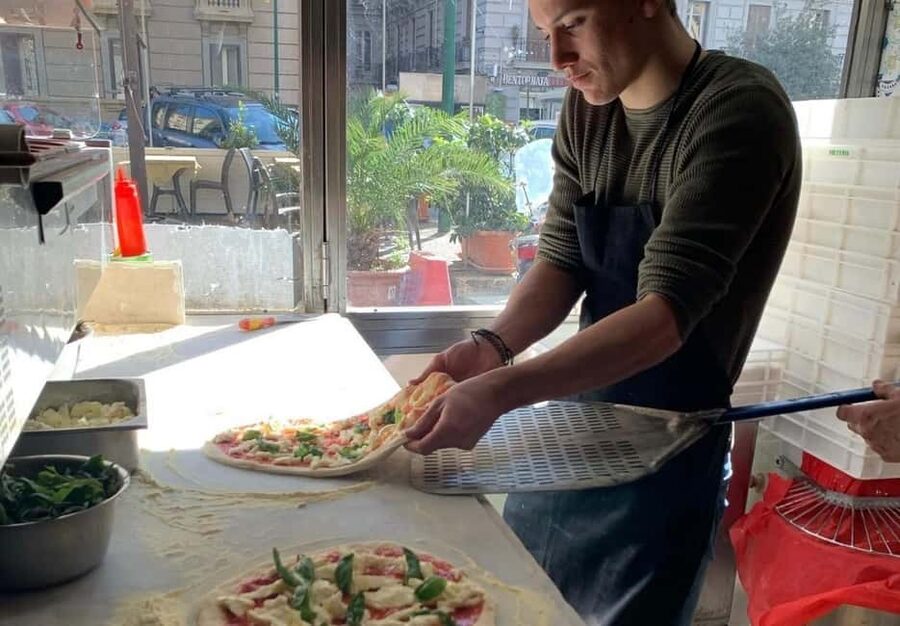
Once your dough is ready to stretch, you shape it into a round base. The goal is to keep the center thin while leaving a raised rim around the outside. You work by hand rather than relying on a rolling pin, so the dough retains the texture needed for a classic Neapolitan crust.
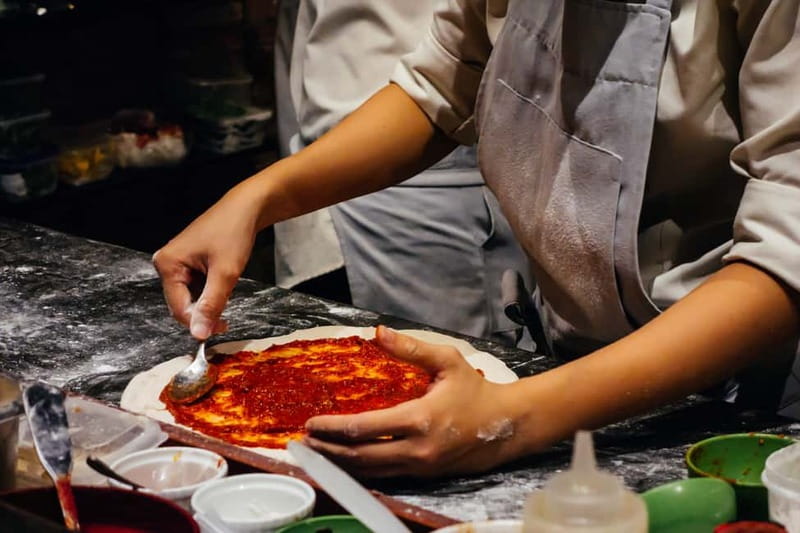
The toppings are straightforward and traditional. You use San Marzano tomatoes, buffalo mozzarella, basil, and DOP extra virgin olive oil. Each ingredient has a clear role. The tomato brings acidity and sweetness, the mozzarella adds softness, basil gives a fresh herbal note, and the oil ties everything together.
The class does not bury the dough under a mountain of toppings. That restraint is important. Too much cheese or sauce can make a pizza heavy and wet, while a lighter topping lets the crust and oven heat show through.
You add the ingredients yourself, with the chef offering help as needed. This is a good moment to ask questions about quantities, since the balance of topping is one of the easiest things to get wrong when you repeat the recipe at home.
The wood-fired oven and your finished pizza
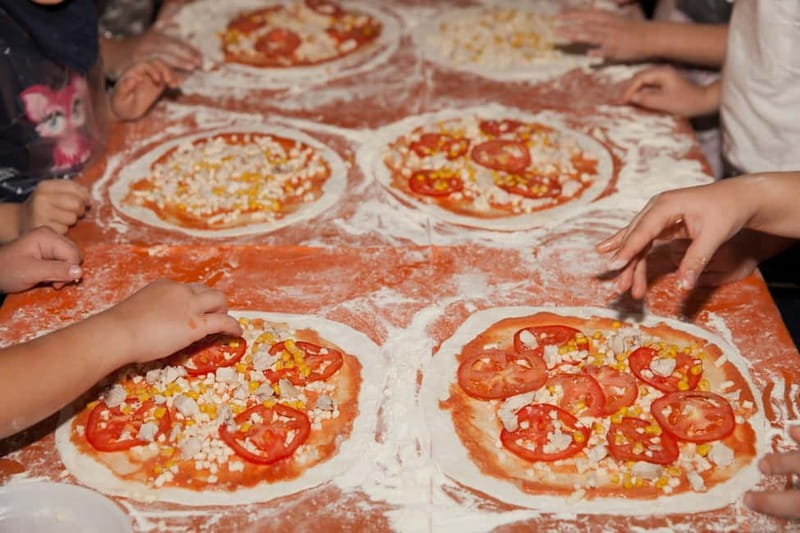
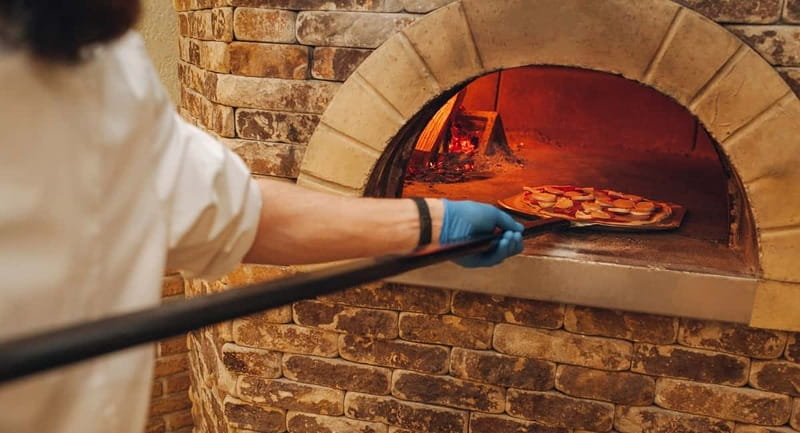
After topping, your pizza goes into a traditional wood-fired oven. The pizzaiolo handles the oven and baking, since the heat and timing require experience. You can watch the transformation from soft dough to blistered, fragrant pizza in a very short time.
The final result is served as your meal. You eat the Margherita you prepared, rather than receiving a separate pizza made by the kitchen. That small detail gives the class its payoff. Your pizza may not have the perfect shape of the chef’s, but it is yours, and you can see how each handling choice affected the crust.
The oven is also the one part you cannot easily copy at home. One family planned to repeat the recipe despite not having a wood-fired oven. That is realistic, but you should expect a home oven to produce a different crust and finish. The class still gives you a useful method, even if your equipment is less powerful.
A different way to spend the day, same part of Italy:
- Naples: Naples Underground Entry Ticket and Guided Tour
★ 4.4 · 21,781 reviews - Pompeii: Entry Ticket and Guided Tour with an Archaeologist
★ 4.8 · 19,459 reviews - Pompeii: Entry Ticket with Optional Audio Guide
★ 4.2 · 12,360 reviews - Pompeii: Small Group Tour with an Archaeologist
★ 4.8 · 12,264 reviews
The sweet and fried side of Neapolitan dough
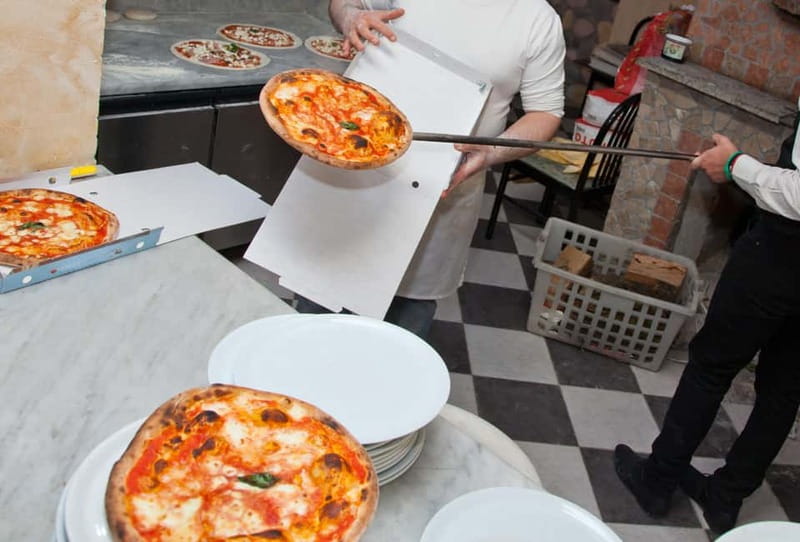
The food does not end with Margherita. You also taste fried pizza dough, a well-known Neapolitan specialty. Depending on the preparation, it can be filled or served in a form similar to a small fried calzone. The class uses the dough in a sweet version filled with a famous chocolate spread.
This is a fun change of pace. You start with the same basic dough and see how a different cooking method changes it. Instead of a light, oven-baked crust, frying produces a crisp and indulgent bite.
It is also a generous addition to an already substantial meal. If you have just eaten a full pizza, the fried dough may feel like one course too many. A small dessert might suit some people better, but the fried preparation is a particularly local choice and gives you another way to understand Neapolitan street food.
The meal finishes with limoncello. You also receive water and a choice of one glass of local wine, beer, or another listed drink. Check the exact beverage choices when booking, since the inclusions describe wine, water, or beer, along with limoncello.
The guide and chef make the difference

The strongest part of this experience is the teamwork between the guide and pizzaiolo. The chef demonstrates the craft, while the guide keeps the class moving and makes the explanations accessible.
Francesca is described as welcoming and attentive, with a knack for explaining both pizza technique and the story of pizza in Naples. Lucia is praised for patience, warmth, and step-by-step explanations. Sabrina has been especially helpful with English translation and with the local meaning attached to pizza. Federica has also been noted for keeping the group involved by asking questions.
The chef names in the sessions vary. Alessandro and Maurizio are among the pizzaioli who have taught classes, and one chef had 46 years of experience making pizza. You should not assume a particular guide or chef will lead your booking, but the format is designed around this two-person partnership.
The translation setup is worth understanding. The pizzaiolo may not speak English, while the guide translates from Italian. That can create a slight pause between demonstration and explanation, but it also keeps the instruction connected to a working Italian chef rather than replacing him with a scripted presenter.
How much food and drink you receive
At $67.19 per person, this is not the cheapest pizza you will eat in Naples. You are paying for a two-hour lesson, an individual workstation, a full meal, instruction, drinks, and access to a competition-winning pizzeria.
The value is strongest if you want to learn something you can take home. The recipe uses four basic ingredients, and several sessions have provided digital recipes and instructions after the class. One person had not received the recipe as promised, so keep an eye on your email and follow up if it does not arrive.
Food alone would not justify the price for everyone. Naples offers excellent pizza at a much lower cost. But a meal plus a personal lesson, a sweet course, a drink, and limoncello makes the price reasonable for a special activity, especially for couples, families, and people who want more than a restaurant stop.
You should also arrive hungry. The Margherita is followed by fried dough and limoncello, and the meal is described as plentiful. Teenagers and pizza fans are likely to find the serving size satisfying.
Who will enjoy this class most
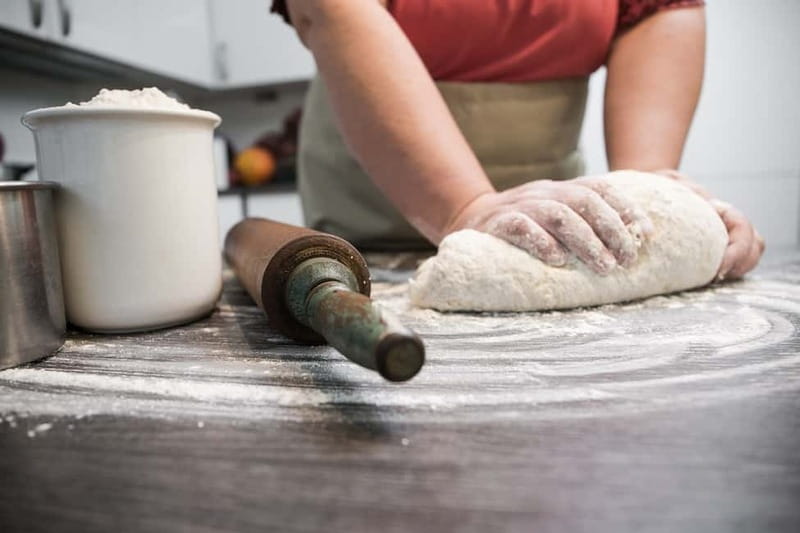
You do not need cooking experience. The class is built for beginners, and the chef demonstrates each part before you try it. You should be comfortable getting your hands into flour and dough, though.
Families can make good use of the format. Teenagers who already eat plenty of pizza get a real task rather than a passive food tour, and the finished meal gives everyone a clear reward. The class also works well for couples and small groups who want a shared activity during a stay in Naples.
This is a good choice for anyone interested in local food traditions, not just pizza as a quick meal. You learn about ingredient quality, the origins of Margherita, the importance of quantities, and the role of fried pizza in Neapolitan food culture.
It may be less suitable if you want a quiet dinner. You will be mixing dough, listening to instructions, asking questions, and sharing the room with a class. The evening has a social feel, especially when the group sits down together with wine or beer.
Timing, language, and practical details
The activity lasts about two hours, but starting times vary. Check availability for the date you want. The meeting point may also vary depending on the option, and the activity finishes back at that meeting point.
English and Italian are the listed languages. English-speaking guides provide translation when the pizzaiolo gives instructions in Italian. Private and small-group options are available, so compare those choices if personal attention matters to you.
The class offers free cancellation up to 24 hours before the start for a full refund. You can also reserve now and pay later, which helps if your Naples plans are still shifting.
If you are running late, contact the provider as soon as possible. One participant who arrived a few minutes behind schedule received considerate help, and another missed a scheduled class and was accommodated on the following day. That is encouraging, but it is not a reason to treat the start time casually.
What you can realistically reproduce at home
The class gives you more than a pleasant meal. You leave with a repeatable recipe and a better sense of dough texture. The core ingredients are easy to find, and the instructions can be followed at home.
Your biggest challenge will be the oven. A traditional wood-fired oven reaches heat and produces a finish that most home ovens cannot match. You can still make a very good pizza, but the crust may not blister in quite the same way.
Pay close attention to shaping. It is tempting to press the whole dough ball flat or use a rolling pin, especially if the dough resists. The chef’s demonstration shows how to stretch the base while protecting the raised edge. That is one of the most useful skills to take home.
If your dough has not had enough time to prove, do not be surprised if the chef uses it for bread or another preparation. A two-hour class cannot replicate every part of a long professional dough schedule. The benefit is learning the process and handling, not reproducing a full pizzeria production cycle in miniature.
Is this Naples pizza class worth booking?
I would book this class if you want a hands-on food activity, especially if you like the idea of making dinner rather than simply ordering it. The individual stations, small groups, patient guides, and wood-fired baking give the experience real substance.
It is also a strong pick for families and first-time cooks. You get clear instruction, plenty to eat, a sweet fried-dough course, a drink, and limoncello. The recipe and technique can continue to serve you after Naples.
I would skip it if your only goal is to eat inexpensive, excellent pizza. You can do that elsewhere for less money, and the two-hour lesson may feel long if you are not interested in cooking.
For everyone else, this is a fair-value way to meet the craft behind Naples’ most famous dish. You leave with flour on your hands, a full stomach, and a much better idea of why simple pizza is not always simple to make.
FAQ
Where does the pizza-making class take place?
The class takes place at a real Neapolitan pizzeria in Campania, Italy. The exact meeting point can vary depending on the option booked.
How long does the experience last?
The activity lasts two hours. Starting times vary, so check availability for your preferred date.
What will I make during the class?
You will make traditional Neapolitan dough, prepare a Margherita pizza, and make a sweet fried dough preparation filled with chocolate spread.
What ingredients are used in the dough?
The dough uses four basic ingredients: water, flour, salt, and yeast.
Do I get my own workstation?
Yes. Each participant has an individual workstation for the hands-on preparation.
What is staglio?
Staglio is the traditional technique for dividing dough into individual portions and shaping them into balls called panetti.
Is the class available in English?
Yes. English and Italian are listed languages. English-speaking guides translate the pizzaiolo’s instructions when needed.
What food and drinks are included?
The experience includes your savory pizza, a sweet preparation made from the same dough, water, and one glass of wine, beer, or another listed drink. Limoncello is also included.
Can I cancel or pay later?
You can cancel up to 24 hours in advance for a full refund. The booking option also allows you to reserve now and pay later.
Recently reviewed around Naples & Pompeii
- Pompeii Skip-the-line Tour with Archaeologist Guide★ 5.0 · 559 reviews
- Sharing Tour of Pompeii★ 5.0 · 487 reviews
- Skip the Line Guided Tour of Pompeii led by an Archaeologist★ 5.0 · 703 reviews
- Visit in Pompeii – Pompeii Private Tour with Ada★ 5.0 · 436 reviews
- Pompeii Private Tour with an Archaeologist and Skip The Line★ 5.0 · 391 reviews
- Private Day Tour to Vesuvius, Herculaneum & Pompeii with Pick Up★ 5.0 · 279 reviews
- Pompeii Private Tour with an Archaeologist and Skip The Line – 3 hours★ 5.0 · 564 reviews
- Pompeii Vineyard Escape: Private Wine Tasting & Lunch★ 5.0 · 329 reviews
Workshops, compared.
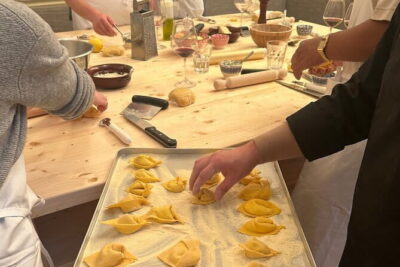
3 in 1 Cooking Class near Navona: Fettuccine, Ravioli & Tiramisu
Read our review →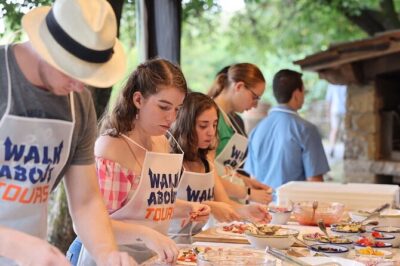
Florence Pizza or Pasta Class with Gelato Making at a Tuscan Farm
Read our review →
Pasta & Tiramisu Cooking Class with Unlimited Wine
Read our review →
Pizza-Making Workshop with Drink and Appetizer
Read our review →
Pasta & Tiramisu Class with Fine Wine by the Vatican
Read our review →
Cooking Class and Lunch at a Tuscan Farmhouse with Local Market Tour from Florence
Read our review →Browse the lists this tour appears in